

 Download PDF
Market Overview
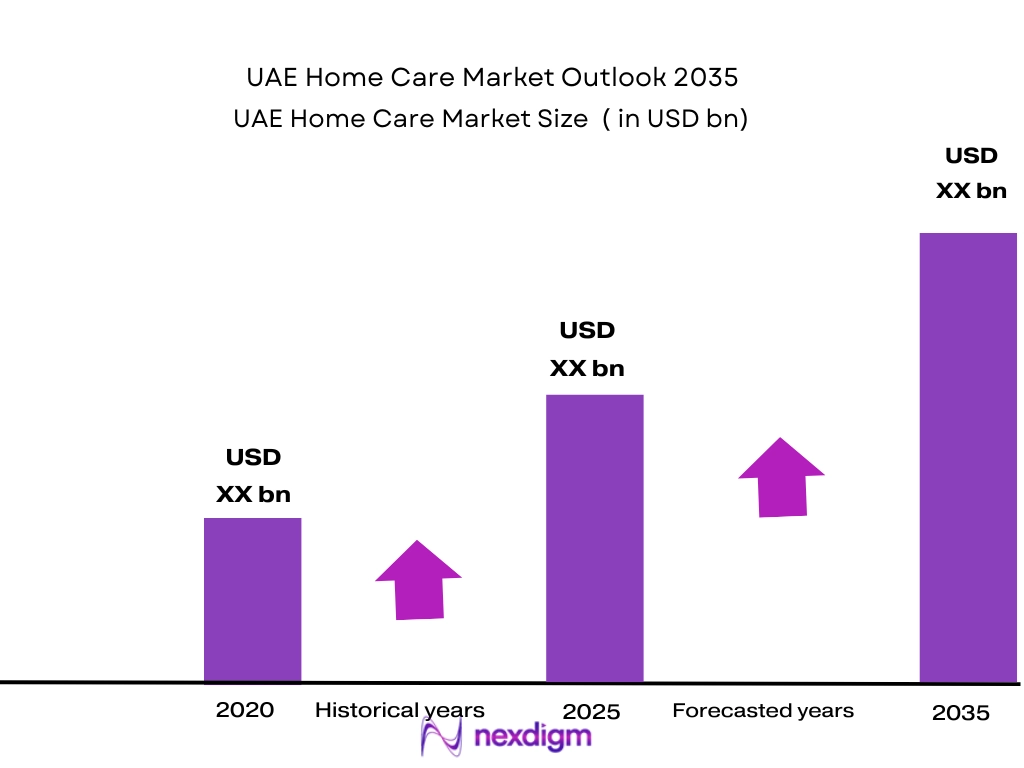
The UAE home care market has seen consistent growth, driven by various socio-economic factors, including an increasing aging population and a shift towards in-home healthcare services. As of 2024, the market is valued at approximately USD ~ billion. Factors like a rise in disposable income, advancements in healthcare services, and government support for elder care are pushing the market forward. Consumer demand for in-home services, such as elderly care, child care, and domestic help, further fuels market expansion, with a significant increase in digital healthcare services.
The UAE home care market is primarily driven by key cities such as Dubai, Abu Dhabi, and Sharjah, with Dubai being the largest contributor. These cities have a high concentration of affluent individuals and a significant expat population, contributing to the demand for various home care services. Additionally, these regions benefit from robust healthcare infrastructure and government policies that support healthcare and elderly care services. The growing focus on quality of life and patient-centered care in these urban centers is a significant factor in their dominance.
Market Segmentation
By Service Type
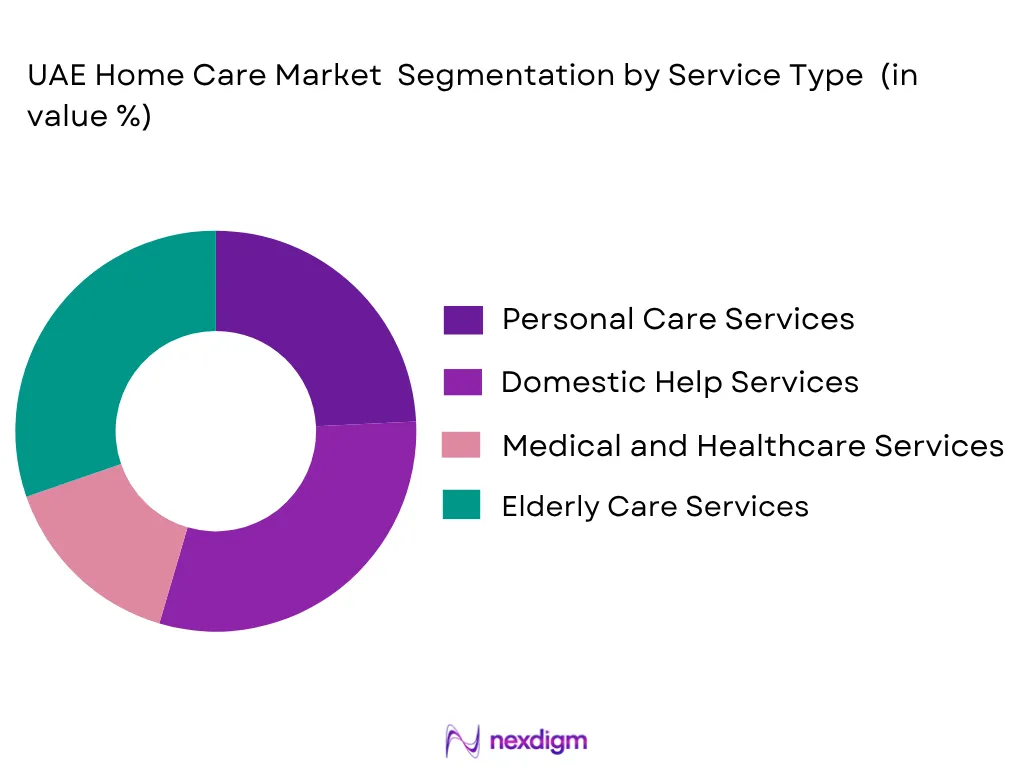
The UAE home care market is segmented into personal care, medical healthcare services, domestic help services, and elderly care services. Among these, elderly care services dominate the market. This segment has seen exponential growth due to an increasing number of elderly individuals seeking in-home support, as well as government policies encouraging elder care in the home environment. Moreover, there is a growing trend of preferring in-home care solutions over institutionalized care facilities, further strengthening this segment’s dominance.
By Mode of Service Delivery
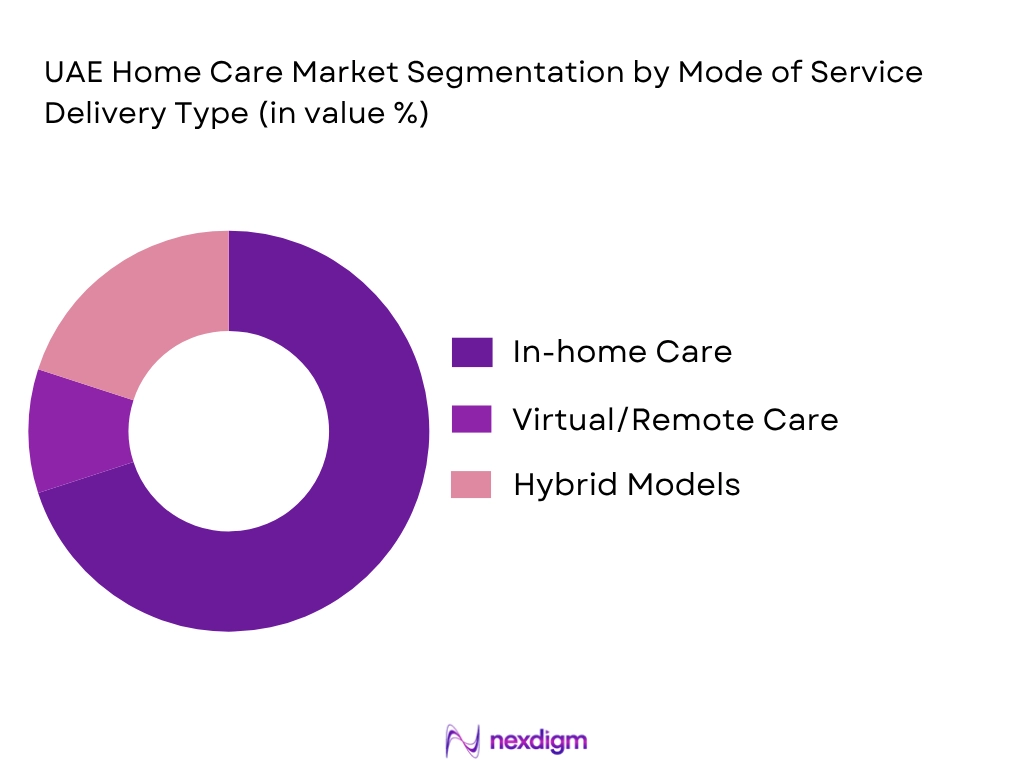
The UAE home care market is also segmented by mode of service delivery into in-home care, virtual care, and hybrid models. In-home care services currently dominate this segment, driven by the preference for personalized and direct assistance within the comfort of one’s home. Furthermore, the growth in the elderly population and patients with chronic diseases seeking long-term care is driving the demand for in-home services. Virtual and hybrid models, while growing, still remain a smaller portion of the overall market.
Competitive Landscape
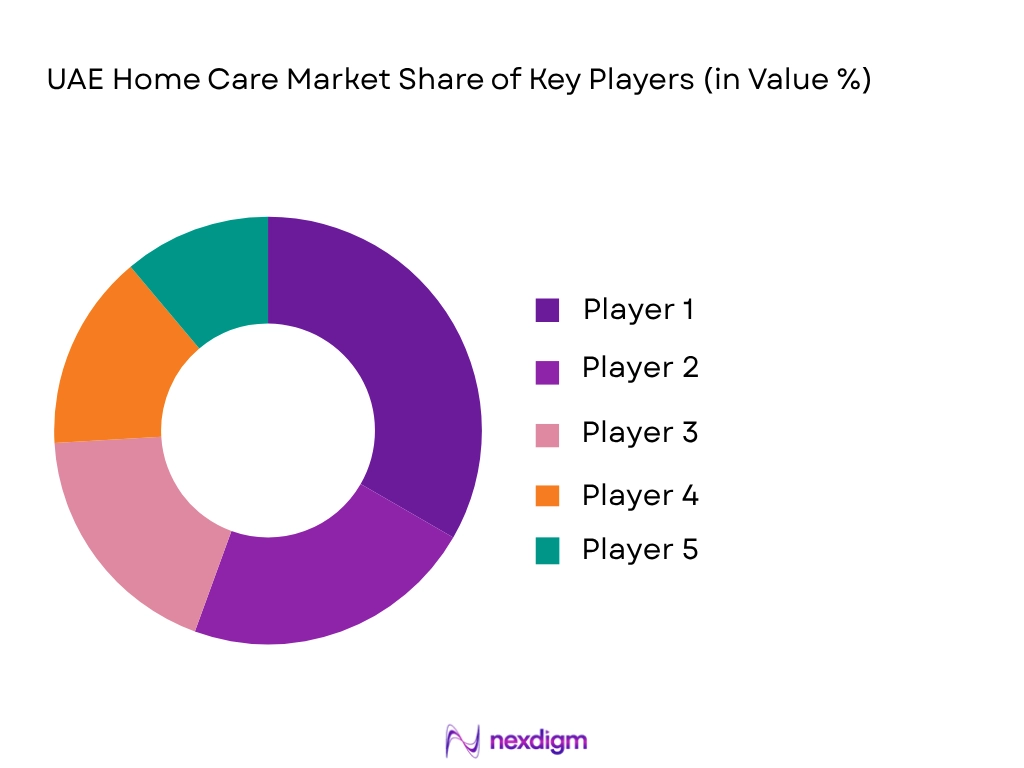
The UAE home care market is led by a handful of major players. These companies are vying for dominance, offering a range of services from elderly care to domestic help and healthcare. Major players include local agencies and international brands, all competing based on service quality, reliability, and innovation.
| Company Name | Establishment Year | Headquarters | Service Portfolio Breadth | Client Retention Rate | Digital Platform Capability | AEO Certification Status | Pricing Strategy | Service Quality Rating | Port Coverage Network |
| Medcare Home Healthcare | 2001 | Dubai | ~ | ~ | ~ | ~ | ~ | ~ | ~ |
| WeCare | 2010 | Abu Dhabi | ~ | ~ | ~ | ~ | ~ | ~ | ~ |
| HomeCarePlus | 2005 | Dubai | ~ | ~ | ~ | ~ | ~ | ~ | ~ |
| Al Ain Home Healthcare | 2000 | Al Ain | ~ | ~ | ~ | ~ | ~ | ~ | ~ |
| Care Solutions UAE | 2012 | Sharjah | ~ | ~ | ~ | ~ | ~ | ~ | ~ |
UAE Home Care Market Analysis
Growth Drivers
Population Demographics and Aging Population Growth
The UAE’s population is experiencing significant demographic shifts, with the number of elderly citizens steadily increasing. According to the World Bank, in 2023, the population aged 65 and above accounted for 3.5% of the total population, and this is projected to grow as life expectancy increases. By 2024, the UAE’s population is expected to reach approximately 9.5 million, with a rising number of elderly individuals demanding home care services. The Ministry of Community Development reports that the elderly population’s share in the UAE is anticipated to increase in the coming years, driven by healthcare improvements and better living standards.
Increased Awareness of Home Care Services
There is a growing awareness of home care services in the UAE, especially in urban areas like Dubai and Abu Dhabi. The increased focus on patient-centered care, coupled with government initiatives like the “Home Care Program” by the Ministry of Health, has enhanced public awareness about the benefits of in-home care. Moreover, the rise of digital healthcare platforms in the UAE is pushing consumers towards accessible, at-home solutions for elderly and post-operative care. As of 2023, about 25% of the UAE population utilized some form of home healthcare service.
Market Challenges
Regulatory and Licensing Complexity
In the UAE, the home care industry faces significant regulatory challenges. The Ministry of Health and Prevention (MOHAP) oversees the licensing and regulation of healthcare providers, and these regulations can be complex for new entrants. For instance, healthcare service providers must meet stringent standards for patient care, including qualifications for staff and facility audits. The government’s strict compliance requirements, while improving service quality, create barriers for smaller home care providers, as they require substantial investment in infrastructure and training to meet the necessary standards. This complexity in regulatory frameworks has slowed market entry for new players.
Skilled Labor Shortage in Home Care
The UAE home care sector faces a shortage of skilled professionals, including nurses, caregivers, and therapists, which is a significant challenge to meeting the growing demand for in-home care. According to the International Labour Organization (ILO), the healthcare sector in the UAE is experiencing difficulty attracting and retaining qualified talent due to high demand and competitive wages in the region. In 2023, approximately 15,000 healthcare workers were needed to meet the demand for home care services, and this shortage is expected to persist. The situation is exacerbated by the dependency on foreign labor, which can lead to workforce instability.
Opportunities
Rising Disposable Income and Affluent Consumer Growth
The UAE’s economy continues to show strong growth, with a GDP growth rate of 4.1% in 2023, according to the World Bank. The rising disposable income of the UAE population, particularly among expatriates and local citizens in urban areas, is contributing to increased demand for premium home care services. With the rise in affluence, many households are now opting for higher-quality, more personalized care for elderly family members and individuals with chronic illnesses. The UAE government’s ongoing efforts to diversify the economy, particularly in non-oil sectors, continue to drive higher income levels, enabling more consumers to afford home care solutions.
Technological Innovations in Home Care
Technology is playing a critical role in transforming the UAE home care sector. The adoption of AI-powered devices, IoT solutions for monitoring patients remotely, and robotic caregivers is on the rise. According to the UAE’s Telecommunications and Digital Government Regulatory Authority, the country has seen significant investments in digital health technologies, with over 40% of healthcare institutions in the UAE already integrating IoT devices in patient care. Robotics, particularly in elderly care, is gaining momentum as technology companies develop robots capable of assisting with daily activities and providing health monitoring. These advancements are expected to drive market growth by offering more affordable, efficient, and scalable care solutions.
Future Outlook
Over the next six years, the UAE home care market is expected to experience continued growth, driven by advancements in healthcare technology, increased consumer awareness, and supportive government policies. The demand for personalized in-home care services is anticipated to rise as the population ages, and healthcare becomes more patient-centered. Additionally, the digitalization of healthcare services, including telemedicine and remote monitoring, is set to play a key role in shaping the market landscape.
Major Players
- Medcare Home Healthcare
- WeCare
- HomeCarePlus
- Al Ain Home Healthcare
- Care Solutions UAE
- HealthPlus Homecare
- Royal Care Services
- FirstCare UAE
- Dubai Home Care
- ElderCare
- TotalCare UAE
- ComfortCare
- Wellbeing Healthcare
- Phoenix Homecare Services
- DirectCare Solutions
Key Target Audience
- Investments and Venture Capitalist Firms
- Government and Regulatory Bodies (Ministry of Health and Prevention, UAE)
- Healthcare Providers
- Health Insurance Companies
- Elderly and Palliative Care Providers
- Private Home Care Agencies
- Large Corporations (Employee Welfare Services)
- Residential Care Facilities and Hospitals
Research Methodology
Step 1: Identification of Key Variables
The initial phase involves identifying the key drivers and factors influencing the UAE home care market. This is done by conducting extensive desk research and analyzing historical trends in healthcare services, population demographics, and consumer behavior. The goal is to define critical variables that affect the market dynamics.
Step 2: Market Analysis and Construction
In this phase, we gather and analyze data from reputable secondary sources, such as government reports, industry publications, and market data providers. The focus is on evaluating the market’s size, growth trends, and segmentation based on service types, delivery models, and consumer segments.
Step 3: Hypothesis Validation and Expert Consultation
Hypotheses regarding market growth and trends are validated through consultations with industry experts, key market players, and healthcare professionals. These expert insights help refine the data collected and ensure that the analysis aligns with real-world market conditions.
Step 4: Research Synthesis and Final Output
The final phase involves synthesizing all gathered data, combining insights from desk research, expert consultations, and market data analysis. The outcome is a comprehensive report that accurately reflects the current and future state of the UAE home care market, with well-validated forecasts and actionable insights.

- Executive Summary
- Research Methodology (Market Definitions and Scope of Home Care Services, Primary Research with Key Stakeholders in Home Care, Data Sources and Utilization Approach, Bottom-Up Demand Forecasting Methodology, Top-Down Market Size Validation, Consumer Behavior and Spending Trends Analysis, Assumptions on Service Models, Pricing, and Growth Rate, Limitations and Data Triangulation Techniques, TAM/SAM/SOM Modelling Framework Based on Market Penetration and Consumer Spending)

- Definition and Scope
- Evolution of the Home Care Ecosystem in UAE
- Timeline of Regulatory Reforms
- Market Landscape and Key Trends
- Value Chain Analysis
- Stakeholder Ecosystem

- Growth Drivers
Population Demographics and Aging Population Growth
Increased Awareness of Home Care Services
Healthcare Infrastructure Support & Government Initiatives
Growth of E-commerce and Online Home Care Services - Market Challenges
Regulatory and Licensing Complexity
Skilled Labor Shortage in Home Care
Fragmented Market and Unorganized Service Providers
Trust and Safety Concerns - Opportunities
Rising Disposable Income and Affluent Consumer Growth
Technological Innovations in Home Care (AI, IoT, and Robotics)
Growth of Telemedicine and Remote Monitoring Solutions
Expanding Elderly Care Market
Opportunities for Service Expansion in Rural & Semi-urban Areas - Market Trends
AI-based Home Care Assistance Solutions
Increase in Home Healthcare Platforms & Apps
Government Policies Favoring Home Care for Elderly
Health and Safety Regulations and Their Impact on the Market - Government Regulations
Licensing and Compliance Framework for Home Care Providers
Industry Standards and Certification Guidelines - SWOT Analysis
- Porter’s Five Forces
- Technological and Digital Transformation Impact

- By Value, 2020-2025
- By Service Volume, 2020-2025
- By Average Service Fee per Transaction, 2020-2025

- By Service Type (in Value %)
Personal Care Services
Domestic Help Services
Medical and Healthcare Services
Elderly Care Services - By Mode of Service Delivery (in Value %)
In-home Care
Virtual/Remote Care
Hybrid Models - By End-User Demographics (in Value %)
Individual Consumers (Households)
Corporate Clients (Employee Assistance Programs)
Government & Public Sector Initiatives - By Service Type Provider (in Value %)
Large Agencies
Independent Contractors
E-commerce Platforms & Digital Service Providers

- Market Share of Key Players
- Cross Comparison Parameters (Service Portfolio Breadth, Average Clearance Time (Hours), ICEGATE Integration Level, Number of Licensed CHAs, Port Coverage Network, AEO Certification Status, Digital Platform Capability, Client Retention Rate)
SWOT Analysis of Major Players
Pricing Benchmarking and Service Offerings Comparison
Strategic Partnerships and Alliances in Home Care Services - Detailed Profiles of Major Companies
Home Care UAE
MyHomeCare
Care Embrace
Al Ain Home Healthcare
The Royal Home Care
MedCare Home Healthcare
WeCare Home Services
HomeCarePlus
VCare
Care Solutions UAE
HealthPlus Homecare

- Demographic Segmentation and Consumer Behavior
- Consumer Preferences for Home Care Services
- Seasonality and Service Demand Fluctuations
- Cost Sensitivity and Price Elasticity of Home Care Services
- Trust Factors and Decision-Making Criteria
- End User TAM (Total Addressable Market) Analysis

- By Value, 2026-2035
- By Service Volume, 2026-2035
- By Average Service Fee per Transaction, 2026-2035


 Request a Sample
 Ask for Customization
 Get a Quote
 Enquire Now