
 Download PDF
Market Overview
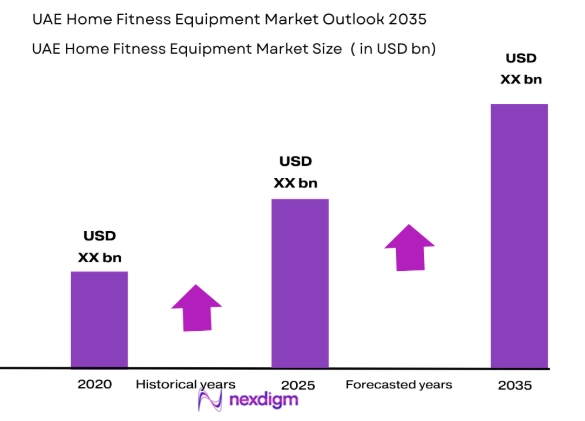
The UAE home fitness equipment market is valued at approximately USD ~ billion. This growth is largely driven by the increasing awareness of health and fitness, as more consumers seek at-home workout solutions. The demand for smart fitness devices, such as connected treadmills and AI-powered exercise machines, has been steadily growing. Urban populations in cities like Dubai and Abu Dhabi, with high disposable incomes and a preference for convenience, are the primary drivers of this demand. The market is expected to continue its upward trajectory, bolstered by the shift from traditional gyms to home-based fitness regimes, especially with the rise of e-commerce and online sales channels for fitness products.
Dubai and Abu Dhabi are the dominant cities in the UAE home fitness equipment market, driven by their affluent population, high levels of disposable income, and increasing health-consciousness. These cities feature a blend of expatriates and locals who invest in health and fitness solutions, including home workout equipment. Additionally, these urban centers offer a high level of technological adoption, which supports the demand for smart fitness devices. The UAE’s focus on promoting health and wellness also aligns with the growing fitness culture, with fitness-related events and wellness initiatives being prevalent in these regions.
Market Segmentation
By Product Type
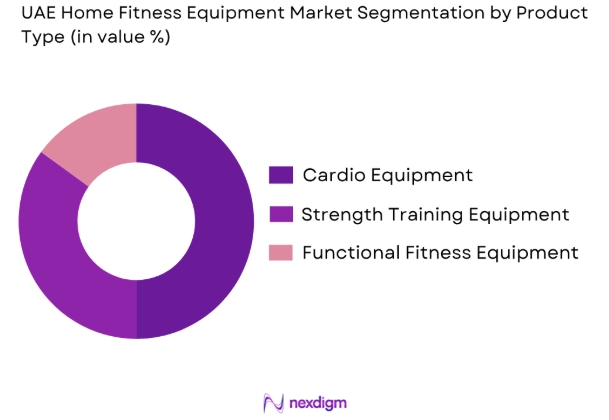
The UAE home fitness equipment market is segmented into cardio equipment, strength training equipment, and functional fitness equipment. Among these, cardio equipment holds the dominant market share. This segment includes products such as treadmills, exercise bikes, and rowing machines. The demand for cardio equipment is driven by its versatility and effectiveness in providing cardiovascular fitness, which appeals to a broad range of fitness enthusiasts. Treadmills, in particular, are popular because they allow for indoor walking and running, making them ideal for people who prefer exercising indoors due to the region’s climate. Additionally, global brands like NordicTrack, Technogym, and Life Fitness have established strong market presence in this category, offering connected devices that appeal to consumers interested in smart fitness solutions.
By Technology Integration
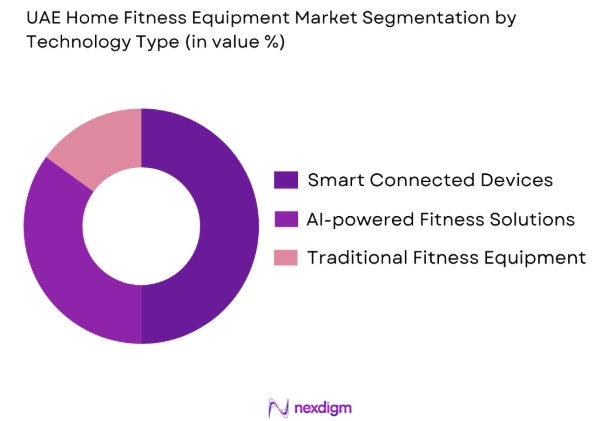
The market is also segmented by technology integration, with categories including traditional fitness equipment, smart connected devices, and AI-powered fitness solutions. Among these, smart connected devices have emerged as the dominant segment. The increasing trend of integrating technology into fitness products, such as IoT-connected equipment, has become a significant factor in the market’s growth. Smart connected devices offer users personalized workout data, performance tracking, and the ability to integrate with fitness apps, making them particularly attractive to the tech-savvy and fitness-focused consumer. Brands like Peloton, Tonal, and Bowflex are leading this segment with highly advanced equipment that offers virtual coaching and interactive workout experiences. The UAE’s urban population, which has a high affinity for technology, is driving the demand for such advanced fitness solutions.
Competitive Landscape
The UAE home fitness equipment market is highly competitive, with a mix of global players and emerging local brands. Leading global brands such as Technogym, Peloton, Life Fitness, and NordicTrack dominate the premium segment of the market, focusing on innovation in connected fitness technology. These companies are known for their high-quality products, extensive marketing campaigns, and strong retail presence. Local players also contribute to the market by providing budget-friendly alternatives, catering to price-sensitive consumers. The rise of e-commerce platforms has also led to increased competition, with brands focusing on offering a seamless online shopping experience and fast delivery to meet the growing demand for home fitness equipment.
| Company Name | Establishment Year | Headquarters | Product Range | Technology Integration | Retail Touchpoints | Distribution Channels |
| Technogym | 1983 | Italy | ~ | ~ | ~ | ~ |
| Life Fitness | 1968 | USA | ~ | ~ | ~ | ~ |
| Precor | 1980 | USA | ~ | ~ | ~ | ~ |
| Peloton | 2012 | USA | ~ | ~ | ~ | ~ |
| Bowflex | 1986 | USA | ~ | ~ | ~ | ~ |
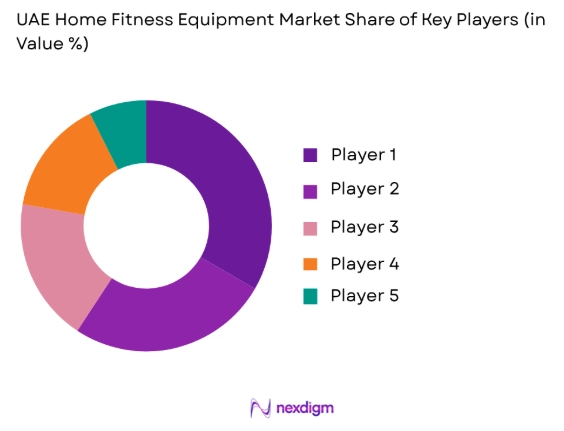
UAE Home Fitness Equipment Market Analysis
Growth Drivers
Increasing Health & Wellness Awareness and Home Workout Preference
The rising awareness surrounding health and fitness, especially post-pandemic, has significantly driven the demand for home fitness equipment. Consumers are increasingly prioritizing their physical well-being, leading to a shift from traditional gym memberships to home-based fitness solutions. The convenience of exercising at home, combined with the flexibility of workout schedules, makes home fitness equipment an attractive option for consumers. Additionally, the ability to work out in the comfort of one’s home promotes consistency and removes barriers such as commute time and crowded gyms. This shift is further accelerated by the increasing availability of fitness resources online, such as virtual classes and instructional content. As health consciousness continues to rise, the preference for home-based workouts is expected to grow.
Rise in Connected/IoT‑Enabled Home Fitness Equipment Demand
The growing trend of connected and smart fitness equipment is driving market growth. Consumers are looking for products that offer more than just basic functionality, with features such as performance tracking, virtual coaching, and integration with fitness apps. IoT-enabled devices, which allow users to access personalized training programs and monitor their progress in real-time, are gaining significant traction, especially in urban centers like Dubai and Abu Dhabi. These devices not only improve user engagement but also allow users to participate in virtual fitness communities and competitions. As people become more tech-savvy, they demand greater connectivity and customization from their fitness equipment, enhancing the overall experience. This shift towards connected fitness devices also fosters long-term user commitment by offering continuous feedback and progress tracking.
Challenges
High Initial Consumer Outlay & Replacement Cycle Constraints
The high upfront cost of premium home fitness equipment, particularly smart devices, can deter price-sensitive consumers. While the demand for advanced fitness solutions is increasing, the cost of purchasing and maintaining such equipment can limit the potential customer base, especially during economic downturns or periods of financial uncertainty. Consumers often face difficulty in justifying such significant investments, especially for items that require regular upgrades or replacements. The long replacement cycles associated with these products can further limit repeat purchases, making it difficult for manufacturers to maintain consistent revenue streams. In addition, price-conscious buyers may be more inclined to opt for lower-cost alternatives, limiting the growth potential for high-end fitness products.
Competition from Commercial Gyms and Boutique Fitness Studios
Despite the rise in home fitness solutions, commercial gyms and boutique fitness studios still pose significant competition. These gyms offer a variety of specialized equipment, expert trainers, and a community-based environment that home fitness solutions cannot easily replicate. This competition is particularly relevant in urban centers where gyms are an integral part of social and fitness culture. Many consumers also appreciate the motivation and structure provided by gym memberships, which home fitness setups may struggle to offer. The allure of access to a wide range of workout equipment and the opportunity to engage in group classes continues to make commercial gyms and boutique studios a preferred choice for many fitness enthusiasts. Furthermore, professional trainers at gyms can provide guidance that home setups may lack.
Opportunities
Expansion of E‑Commerce & Omni‑Channel Omni‑Retail Strategy
The growth of online shopping platforms and the shift towards e-commerce is a major opportunity for the home fitness equipment market. Retailers are focusing on omni-channel strategies to reach consumers across multiple touchpoints, including online stores, mobile apps, and physical retail outlets. This expansion allows companies to tap into a wider customer base, particularly tech-savvy consumers who prefer to shop online. The rise of social media and influencer marketing also plays a pivotal role in driving sales, as consumers increasingly turn to digital platforms for product recommendations. As consumers become more comfortable with purchasing fitness equipment online, brands can use targeted advertising to enhance visibility and drive conversions. Additionally, integrating virtual try-on or demonstration features into online platforms can further encourage sales.
Integration of AI/AR/VR Training Features
The integration of artificial intelligence (AI), augmented reality (AR), and virtual reality (VR) into home fitness equipment presents a major opportunity for market players. These technologies can enhance the user experience by providing immersive, personalized, and interactive training sessions. As consumer demand for more engaging and customized workouts rises, the development of AI, AR, and VR features in fitness devices will likely be a key differentiator in the competitive landscape. By incorporating these technologies, fitness equipment can adapt to the user’s progress, offer real-time coaching, and simulate environments for a more engaging workout. For example, VR workouts can transport users to virtual environments, making exercise more fun and stimulating. AI-driven programs can adjust workout plans based on performance, ensuring users stay challenged while preventing injury.
Future Outlook
The UAE home fitness equipment market is expected to experience sustained growth over the next 5 years. The market is driven by continuous technological advancements, such as AI integration and smart connected devices, which are becoming essential components of modern fitness regimens. Furthermore, the growing demand for home workout solutions, especially in a post-pandemic environment, will continue to fuel market expansion. The increasing number of health-conscious consumers and the shift from traditional gyms to at-home fitness solutions further bolster this positive outlook.
Major Players
- Technogym
- Life Fitness
- Precor
- Peloton
- Bowflex
- NordicTrack
- Echelon Fitness
- ProForm
- Schwinn
- Matrix Fitness
- Tonal
- Reebok Fitness
- Decathlon
- Icon Health & Fitness
- Aviron
Key Target Audience
- Investments and Venture Capitalist Firms
- Government and Regulatory Bodies (UAE Ministry of Health, Dubai Health Authority)
- Fitness Equipment Retailers
- Commercial Gyms and Fitness Studios
- Residential Property Developers (UAE)
- Health & Wellness Product Manufacturers
- Online Retail Platforms (Amazon, Noon)
- Distributors of Smart & Connected Fitness Devices
Research Methodology
Step 1: Identification of Key Variables
The first step involves identifying the key variables impacting the UAE home fitness equipment market, such as consumer preferences, technology integration, and the competitive landscape. This is achieved through secondary data sources and desk research, which help define the market scope.
Step 2: Market Analysis and Construction
This phase involves collecting and analyzing historical market data, including sales volumes and revenue figures for various segments. The analysis focuses on understanding growth patterns and segment performance, helping to construct an accurate market model.
Step 3: Hypothesis Validation and Expert Consultation
The market hypotheses are validated by conducting interviews with industry experts, manufacturers, and distributors. This process allows us to refine the data and validate assumptions about growth drivers, technological shifts, and key consumer trends.
Step 4: Research Synthesis and Final Output
The final output synthesizes all research data, focusing on future trends and growth opportunities. In-depth interviews with key stakeholders, including fitness equipment manufacturers, technology developers, and fitness professionals, provide the final pieces to ensure a comprehensive market view.

- Executive Summary
- Research Methodology (Market Definitions and Assumptions, Abbreviations, Top‑Down & Bottom‑Up Sizing Approach, E‑Commerce & Retail Channel Data Sources, Primary Research Framework, Secondary Data Validation, Forecasting Models and Assumptions, Limitations and Sensitivity Analyses)

- Definition and Scope
- Ecosystem Genesis and Evolution of Home Fitness Adoption
- Macro‑Economic and Fitness Demand Drivers
- HomeNology Adoption Index
- Import Dependency & Supply Chain Characteristics
- Retail & After‑Sales Service Infrastructure Mapping

- Growth Drivers
Increasing Health & Wellness Awareness and Home Workout Preference
Rise in Connected/IoT‑Enabled Home Fitness Equipment Demand
Influence of Digital Fitness Platforms and Virtual Training Integration
High Disposable Incomes Driving Premium Equipment Uptake
- Challenges
High Initial Consumer Outlay & Replacement Cycle Constraints
Competition from Commercial Gyms and Boutique Fitness Studios
Logistics, Supply Chain Delays & Import Regulation Variability - Opportunities
Expansion of E‑Commerce & Omni‑Channel Omni‑Retail Strategy
Integration of AI/AR/VR Training Features
Service‑Based Revenue Streams
Smart Warranty & After‑Sales Differentiators - Trends
Shift to Compact/Urban‑Friendly Equipment Formats
Growth of Subscription and Digital Fitness Content Bundles
Environmentally Sustainable Product Preferences
- Government Regulations & Standards
Safety Standards and Conformity Certification Regime
Import Regulations & Harmonized Tariff Schedules
Energy Efficiency Norms for Electronic / Smart Equipment
- SWOT Analysis
- Porter’s Five Forces
- Stakeholder Ecosystem

- By Retail Value, 2020-2025
- By Unit Sales, 2020-2025
- By Average Selling Price (ASP) and Device Tier, 2020-2025
- By Channel Contribution, 2020-2025

- By Product (In Value %)
Cardio Equipment
Strength Training Equipment
Functional Fitness Equipment - By Technology (In Value %)
Smart Connected Devices
AI-powered Fitness Solutions
Traditional Fitness Equipment - By End‑User (In Value %)
Consumer Cohort
Households
Fitness Enthusiasts
Premium Segment
Price‑Sensitive Segment - By Distribution Channel (In Value %)
Brand Flagship Stores
Multi‑Brand Fitness Retailers
Online Marketplaces
Direct‑to‑Consumer) - By Price Tier (In Value %)
Premium
Mid‑Tier
Value

- Market Share by Value and Volume
- Cross‑Comparison Parameters (Product Portfolio Breadth, Technology Intensity Score, Distribution Network Reach, Retail Touchpoints & Dealer Penetration, Brand Positioning ,Price Point Clustering, Service & Warranty Footprint After‑Sales Revenue Streams, Manufacturing/Assembly Presence in GCC, Import Volume & Duty Classification, Supply Chain Resilience Index, Consumer Satisfaction & Return Rate, Revenue and Growth Metrics)
- SWOT of Major Players
- Pricing Tier Benchmark Analysis
- Major Competitors
Precor
NordicTrack
Technogym
Life Fitness
Bowflex
Peloton
Echelon Fitness
Icon Health & Fitness
Decathlon – Domyos
Reebok Fitness
ProForm
Matrix Fitness
Johnson Health Tech
Tonal
Schwinn

- Trends and Preferences in Home Fitness Equipment
- Adoption of Advanced Home Fitness Solutions
- Growing Interest in At-Home Workouts
- Impact on Equipment Demand
- The Role of Digital Platforms in Equipment Usage

- By Retail Value, 2026-2035
- By Unit Sales, 2026-2035
- By Average Selling Price (ASP) and Device Tier, 2026-2035
- By Channel Contribution, 2026-2035


 Request a Sample
 Ask for Customization
 Get a Quote
 Enquire Now