
 Download PDF
Market Overview
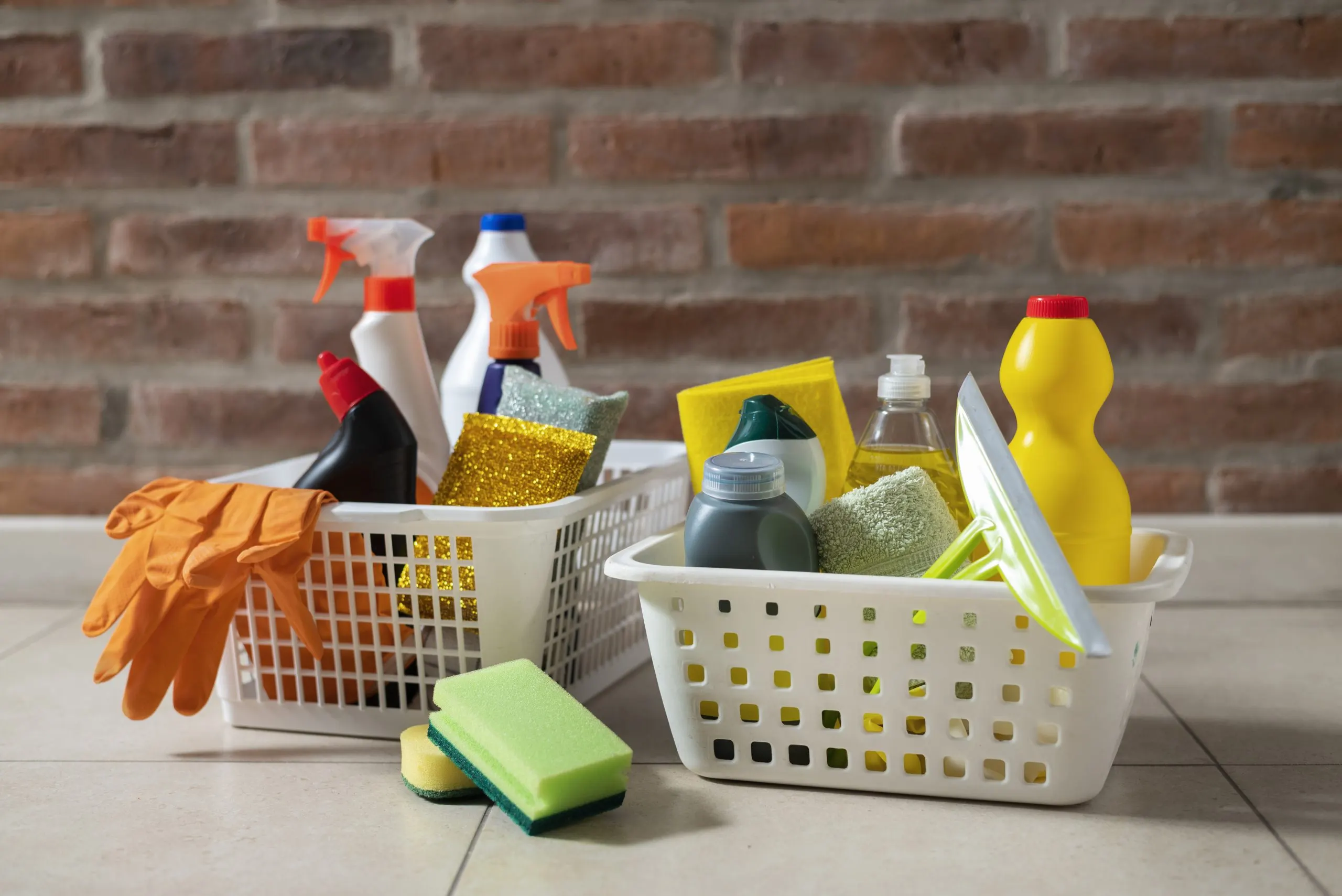
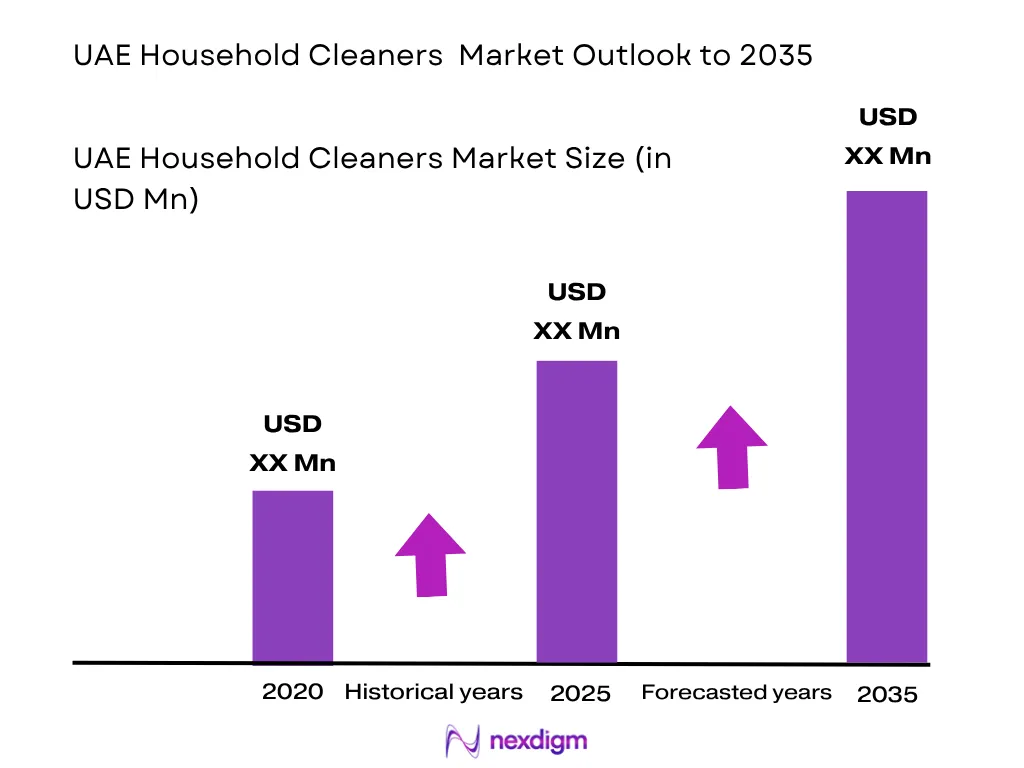
The UAE Household Cleaners Market is valued at approximately USD ~ million in 2025, reflecting a steady growth trajectory driven by rising consumer demand for convenient and effective cleaning solutions. Factors such as increased hygiene awareness, especially post-pandemic, a growing middle-class population, and the proliferation of modern retail channels like e-commerce are the primary drivers of this market. The UAE’s high standards of cleanliness, coupled with its expanding urban population, foster a growing need for both household and professional-grade cleaning products. Consumer preference for chemical-free and eco-friendly solutions is also influencing product innovation and market expansion.
Dubai, Abu Dhabi, and Sharjah dominate the UAE Household Cleaners Market. Dubai, being a global business hub, sees high consumption of cleaning products in both residential and commercial sectors due to the cosmopolitan lifestyle and vast infrastructure. Abu Dhabi, as the capital, contributes significantly with its high-end residential complexes and a large expat population. Sharjah’s proximity to Dubai also fuels demand, particularly for bulk and institutional cleaning supplies. These cities drive the market through higher consumer purchasing power, urbanization, and their roles as the focal points for business and tourism within the UAE.
Market Segmentation
By Product Type
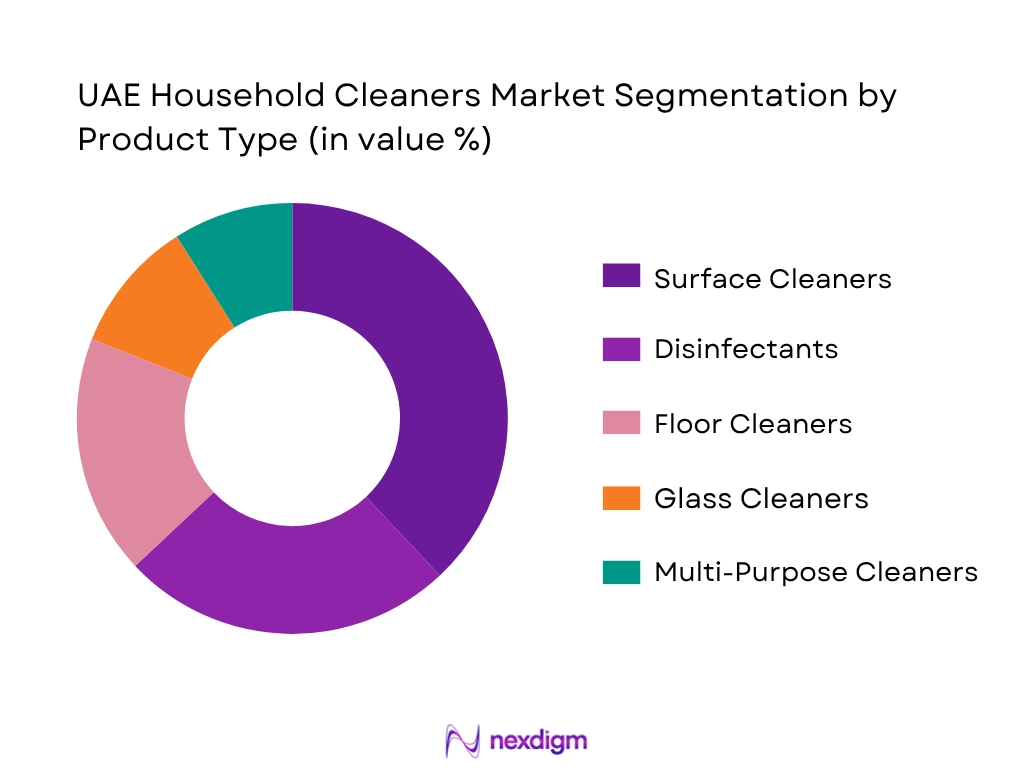
The UAE Household Cleaners Market is segmented by product type into surface cleaners, disinfectants, floor cleaners, glass cleaners, and multi-purpose cleaners. Among these, surface cleaners have the dominant market share in 2024. This dominance is attributed to the versatility of surface cleaners, which cater to a wide range of cleaning needs, from kitchen counters to bathroom surfaces. Brands like Procter & Gamble, Henkel, and Reckitt Benckiser continue to invest in consumer education regarding the efficacy and multi-surface benefits of these products. Additionally, surface cleaners are commonly available in both retail stores and online platforms, driving their continued popularity in urban areas.
By Formulation Type
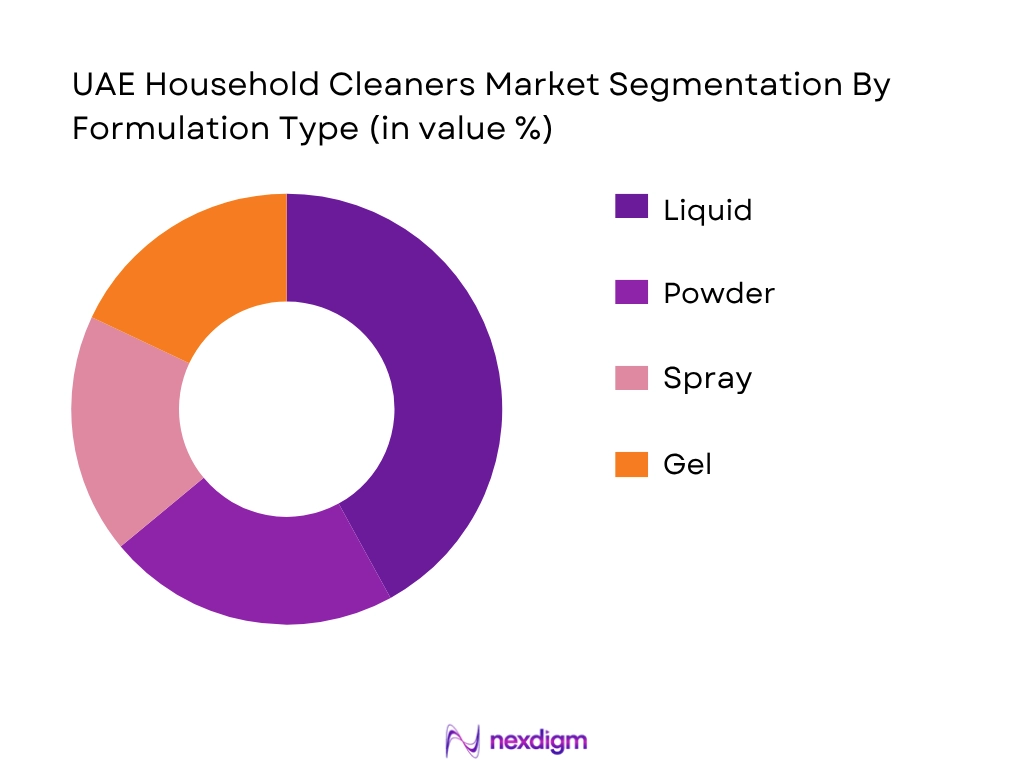
In terms of formulation, the UAE Household Cleaners Market is segmented into liquid, powder, spray, and gel-based cleaners. Liquid cleaners dominate the market, comprising a significant portion of the product sales in 2024. This segment’s growth is driven by consumer preference for ready-to-use, easy-to-apply, and fast-acting products. Liquid formulations are versatile and widely used across various surfaces, from floors to kitchen counters, which further enhances their market appeal. Moreover, liquid cleaners are more convenient for on-the-go use, which aligns with the busy lifestyle of consumers in the UAE.
Competitive Landscape
The UAE Household Cleaners Market is led by both international and regional players. The market is dominated by a few major global players, such as Procter & Gamble, Reckitt Benckiser, and Henkel, with strong product portfolios and extensive distribution networks. These companies leverage their global presence and brand equity to maintain a competitive edge in the UAE market. Additionally, local manufacturers like Al Mas Cleaning Materials contribute to market diversity by offering cost-effective and specialized cleaning products tailored to the regional needs.
| Company Name | Year Established | Headquarters | Market Focus | Product Portfolio | Distribution Reach | R&D Investment |
| Procter & Gamble | 1837 | Cincinnati, USA | ~ | ~ | ~ | ~ |
| Reckitt Benckiser | 1823 | Slough, UK | ~ | ~ | ~ | ~ |
| Henkel | 1876 | Düsseldorf, Germany | ~ | ~ | ~ | ~ |
| Al Mas Cleaning Materials | 2005 | Dubai, UAE | ~ | ~ | ~ | ~ |
| Unilever | 1930 | London, UK | ~ | ~ | ~ | ~ |
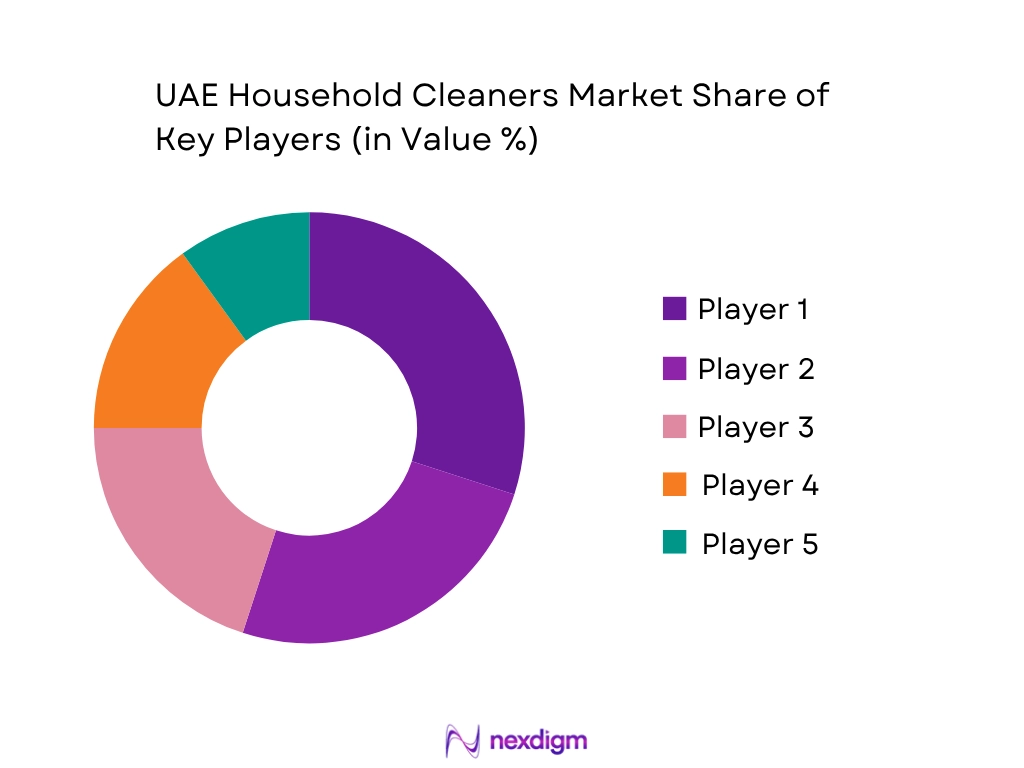
UAE Household Cleaners Market Analysis
Market Drivers
Rising Hygiene Awareness and Post‑Pandemic Behaviour Change
In the UAE the emphasis on personal and household hygiene has become significantly elevated following global health events and public health campaigns, which has directly influenced the uptake of household cleaning products. The UAE’s urban population is around 89 percent of the total population, reflecting widespread urban living where hygiene standards are critical in dense residential and commercial settings; this urban density intensifies demand for effective cleaning solutions. Additionally, the UAE’s GDP per capita stands at approximately USD 50,273.51, indicating one of the highest income levels globally, which correlates with higher spending on household goods including hygiene products. This macro‑economic affluence supports consumers’ ability to prioritize health‑oriented purchases, such as disinfectants and surface cleaners, as part of routine domestic expenditure. Public health regulations and awareness programs across Emirates have further reinforced the importance of sanitation, making hygiene considerations a routine part of consumer purchasing behavior that sustains market demand for specialized cleaning products. These dynamics show how macro‑contextual demographic and economic factors contribute to elevated cleaning product adoption across households and commercial establishments.
Urbanization & Disposable Income Growth
The UAE’s highly urbanized population structure and strong household income profile provide a foundational environment for household cleaners to be an integral consumer purchase category. With an estimated population of over 11 million people and more than 80 percent living in major urban centers like Dubai, Abu Dhabi, and Sharjah, the spatial concentration of consumers supports consistent household expenditure on cleaning products. High urban density is typically associated with greater usage frequency of surface and sanitation products due to larger dwellings, shared facilities, and commercial cleaning requirements in high‑rise apartments and workplaces. Additionally, the UAE’s nominal GDP per capita is approximately USD 54,214, reflecting high individual earning potential which translates to elevated discretionary spending on quality household goods, including premium cleaning formulations. Consumer purchase power in urban Emirates is also buoyed by sustained employment and service sector growth, where households tend to allocate a significant proportion of income to maintaining living standards, hygiene, and convenience products. This structural economic and urban framework contributes to sustained demand for household cleaners as part of routine consumption patterns in affluent city populations.
Market Challenges
Raw Material Price Volatility
The UAE household cleaners industry depends on a range of chemical inputs and industrial raw materials, many of which are tied to global commodity markets that have shown high price volatility in recent years. This volatility can constrain manufacturer margins and downstream product pricing. For example, petrochemical feedstocks, which serve as a core input for many cleaning agents, are influenced by global crude oil market fluctuations; although specific industry input data for UAE household cleaners is limited, global commodity price indices have continued to reflect unpredictable shifts in crude derivatives markets during 2024‑2026 due to geopolitical tensions and energy sector adjustments. Meanwhile, UAE macroeconomic data indicates slower real hydrocarbon GDP growth of approximately 2.1 percent, showing a pivot from traditional oil stimulus and reflecting downstream sector sensitivity to raw material cost movements. This structural reliance on imported materials for non‑native manufacturing adds cost risk to the cleaning products value chain, as producers must adjust to repeated price swings on core inputs like surfactants, solvents, and packaging chemicals. These cost pressures discourage aggressive pricing strategies and can limit product affordability at the household level, particularly for value‑sensitive consumer segments.
Regulatory Compliance Costs
Producers and importers of household cleaners in the UAE operate within a regulatory framework that mandates product safety, labeling accuracy, and environmental disclosures. These compliance requirements are administered through federal standards and environmental laws that have become increasingly stringent, affecting operational costs for manufacturers. For example, product formulations must adhere to safety standards under the Emirates Authority for Standardization and Metrology (ESMA) and environmental protection directives, which require testing, certification, and ongoing monitoring to ensure compliance. While specific regulatory cost figures for cleaning products are not publicized by central authorities, general compliance initiatives, including adherence to chemical safety and eco‑labeling, often involve inventory reformulation, periodic retesting, and documentation that cumulatively raise operational expenditures. These regulatory cost burdens can constrain smaller producers who lack absorption capacity, causing market entry barriers and pressuring pricing structures as firms allocate budget to meet compliance over innovation or competitive deployment. Although regulations aim to protect consumers, the direct cost implications contribute to limiting price elasticity in the marketplace and can postpone the launch of new formulations until compliance frameworks are fully integrated.
Opportunities
Premium & Eco‑friendly Product Demand
There is a discernible trend toward demand for higher‑end and eco‑friendly household cleaning products in the UAE, paralleling broader consumer preferences for sustainability and health‑oriented lifestyles. Although comprehensive market spend data is not published by government sources, global and regional lifestyle trends indicate heightened interest in products that are marketed as biodegradable, non‑toxic, and environmentally responsible. Several UAE regulatory frameworks encourage sustainable products, such as the UAE Eco Label initiative, which promotes products meeting environmental standards, indicating institutional support for eco‑oriented goods. This regulatory backdrop and growing consumer consciousness create opportunities for manufacturers to differentiate through premium offerings that command higher consumer spend and align with environmental values. Urban consumers, particularly across Dubai and Abu Dhabi, exhibit elevated expenditure capacity and a willingness to pay for quality products that promise reduced environmental impact. Moreover, global household consumption patterns show that markets with high GDP per capita which in the UAE is approximately USD 54,214 nominal per person often adopt premium and eco‑certified goods as part of routine consumption. This environment fosters space for innovation in formulations, packaging, and branding that emphasize environmental responsibility, translating to potential market expansion beyond conventional commodity cleaners toward premium segments.
B2B Institutional & Contract Purchasing Channels
Institutional demand from sectors such as hospitality, healthcare facilities, corporate offices, and educational institutions represents an expanding opportunity for household cleaning product suppliers in the UAE. While precise institutional procurement data is limited in open government databases, the UAE’s service‑oriented economy and robust tourism infrastructure support consistent large‑scale cleaning and sanitation requirements across non‑residential settings. The population of over 11 million people, combined with expansive commercial real estate footprints, hotels, and institutional complexes in urban centers, drives significant recurring consumption of cleaning products beyond household use. This institutional consumption often occurs through negotiated contracts and bulk supply agreements, offering suppliers stable revenue streams compared to intermittent retail purchase rhythms. Additionally, public procurement standards in healthcare and education frequently mandate specific quality standards for cleaning agents, pushing suppliers toward certification and scale. As the UAE economy continues emphasizing service sectors, institutional B2B demand provides a predictable avenue for market players to scale volumes, secure recurring orders, and innovate product lines tailored to professional usage. Institutional contracts often require consistent supply, documentation, and compliance, incentivizing firms to enhance operational capacity and engage in long‑term supply relationships that can underwrite market growth into future periods.
Future Outlook
Over the next decade, the UAE Household Cleaners Market is projected to continue growing at a robust pace, driven by the increasing demand for hygienic and safe cleaning products. Consumers are becoming more conscious of the environmental impact of the products they use, pushing for sustainable and chemical-free alternatives. Moreover, the UAE government’s regulatory initiatives and urban expansion are expected to further fuel the market, particularly with the rise in demand for institutional cleaning products in commercial spaces, hotels, and hospitals. The trend toward digitalization and e-commerce is also expected to contribute significantly to market growth, as consumers increasingly opt for online shopping for household products.
Major Players
- Procter & Gamble
- Reckitt Benckiser
- Henkel AG
- Unilever
- Al Mas Cleaning Materials
- Savola Group
- Kimberly-Clark
- SC Johnson
- Bioneat GCC Detergents & Disinfectants
- Al Saqr Industries LLC
- Fayfa Chemicals Factory LLC
- Chemex Hygiene Concepts LLC
- RFI General Trading LLC
- Whiteline Detergents Factory LLC
- Eurosource Cleaning Products (via Al Mas)
Key Target Audience
- Investments and Venture Capitalist Firms
- Government and Regulatory Bodies (UAE Ministry of Climate Change and Environment, Dubai Municipality)
- Retailers and E-commerce Platforms
- Manufacturers of Household Cleaning Products
- Suppliers of Raw Materials for Cleaning Products
- Private Label Product Developers
- Commercial Cleaning Service Providers
- Distributors and Dealers of Cleaning Products
Research Methodology
Step 1: Identification of Key Variables
This step involves gathering a comprehensive list of key variables that influence the UAE Household Cleaners Market. This includes identifying the product types, consumer behavior, and distribution channels that are driving the market growth. Secondary research using databases such as Euromonitor and Statista will be the primary resource for data collection.
Step 2: Market Analysis and Construction
The next phase is focused on compiling historical data and analyzing the market trends. This will involve looking at product demand, revenue growth, and shifting consumer preferences across various regions. We will also analyze sales data from key stakeholders to build a reliable picture of market dynamics.
Step 3: Hypothesis Validation and Expert Consultation
The formulated market hypotheses will be validated through consultations with industry experts and key players within the household cleaning space. These experts include senior executives from leading cleaning product manufacturers, distributors, and retailers in the UAE.
Step 4: Research Synthesis and Final Output
Finally, the research findings will be synthesized into an actionable report. The insights gathered will be complemented by expert consultations and quantitative data to ensure the accuracy of the conclusions. Detailed market forecasting, competitive landscape analysis, and strategic recommendations will be provided.

- Executive Summary
- Research Methodology (Market Definitions and Assumptions, Data Sources and Validation, Sampling & Weighting Approach, Estimation Methodologies; Value, Volume & Unit Sales, Consumer Panel Insights, Limitations and Future Scope)

- Market Definition and Scope
- Historical Market Genesis and Maturity Indicators
- Value Chain and Supply Chain Dynamics
- Industry Lifecycle Assessment and Adoption Curves
- Regulatory & Compliance Landscape (ESMA Standards, Chemical Safety)
- Household Consumption Patterns & Hygiene Behaviour Insights

- Market Drivers(Rising Hygiene Awareness and Post‑Pandemic Behaviour Change, Urbanization & Disposable Income Growth, Expansion of Modern Retail & E‑commerce Penetration, Product Innovation & Value‑added Functional Formulations)
- Market Restraints(Raw Material Price Volatility, Regulatory Compliance Costs, Competitive Price Pressure from Local and Unbranded Players)
- Opportunities(Premium & Eco‑friendly Product Demand, B2B Institutional & Contract Purchasing Channels, Private Label Growth in Modern Retail)
- Industry Trends(Sustainability & Biodegradable Formulations, Digital Marketing & Omni‑Channel Sales Growth, Multi‑Functional Cleaning Solutions)
- Regulatory Framework (Labeling, Chemical Safety, Import Tariffs)
- Porter’s Five Forces (Buyer Power, Supplier Power, New Entrants, Substitutes, Competitive Rivalry)
- SWOT Analysis – Market Level
- PESTLE Analysis (Regulatory, Economic, Social, Technological, Legal, Environmental Drivers)
- Stakeholder Ecosystem (Manufacturers, MoIAT, Retailers, Distributors, E-Commerce Platforms, Raw Material Suppliers)

- By Value (2020-2025)
- By Volume (2020-2025)
- By Average Selling Price (2020-2025)
- By Import vs Local Production (2020-2025)
- By Regional Revenue Distribution (2020-2025)

- By Product Category (In Value%)
Surface Cleaners
Disinfectants
Floor Cleaners
Glass Cleaners
Multi‑purpose - By Formulation Type (In Value%)
Liquid
Powder
Spray
Gel - By Active Ingredient Type (In Value %)
Surfactant‑Based
Enzyme‑Enhanced
Antibacterial/Disinfectant
Eco/Bio‑Based Formulations
Fragrance/Deodorizer Units - By Distribution Channel (In Value%)
Supermarkets/Hypermarkets
E‑commerce
Convenience Stores
Wholesale / Trade - By Consumer End‑Use (In Value%)
Residential Households
Institutional & Commercial (Hotels, Hospitals)
Eco-Conscious Households
Heavy Cleaning Users
Online-First Households - By Consumer Segment (In Value%)
Mass
Premium
Eco‑Friendly / Green - By Packaging Type (In Value%)
Trigger Bottles
Wipe Canisters and Soft Packs
Refill Pouches and Refill Bottles
Aerosol Cans
Bulk Jugs and Club Packs
Tablets, Sachets, and Cartons

- Market Share of Top Players by Value and Volume (Modern Retail & E‑commerce)
- Cross‑Comparison Parameters (Company Overview, Product Portfolio Breadth, Price Positioning, Distribution Reach, Eco‑certifications, SKU Count, Production Capacity, Innovation Index & Margins)
- Competitive Benchmarking Heatmap (Value vs Volume vs Innovation Index)
- Pricing Matrix (Multiuso Bottle, Disinfectant Liter Pack, Bleach Pack, Dishwashing Liquid, Bathroom Spray, Refill Pouch)
- Channel Presence Mapping (Supermarkets, Traditional Trade, Pharmacies, Marketplaces, Quick Commerce)
- Brand Positioning Map (Economy, Mass, Premium, Eco/Natural, Heavy-Duty, Fragrance-Led)
- Recent Developments (Product Launches, Packaging Changes, Retail Partnerships, Sustainability Claims, Capacity Expansion)
- SWOT Analysis of Major Players (Strength, Weakness, Opportunity, Threat by Company)
- Detailed Profiles of Major Players
Procter & Gamble
Reckitt Benckiser
Henkel AG & Co. KGaA
Unilever
Kao Corporation
Al Mas Cleaning Mat. Tr. LLC
GCC Detergents & Disinfectants
Al Saqr Industries LLC
Fayfa Chemicals Factory LLC
Whiteline Detergents Factory LLC
Uniclean LLC
Chemex Hygiene Concepts LLC
RFI General Trading LLC
Al Lamaa Al Sehriya Cosmetics & Cleaning Ind LLC
Eurosource / EUROMOP Cleaning Products (via Al Mas)

- Consumer Buying Patterns (Frequency, Channel Preference)
- Category Affinity & Brand Loyalty Metrics
- Price Elasticity & Price Sensitivity Analysis (ASP Bands)
- Needs, Desires, and Pain Points (Efficacy, Price, Fragrance, Surface Safety, Child Safety, Pet Safety, Eco-Claims)
- Consumer Purchase Decision Process (Brand Trust, Price Promotions, Pack Size, Fragrance Testing, Retail Availability)
- Brand Loyalty and Switching Behavior (Promo Sensitivity, Private Label Trial, Regional Brand Adoption, Premium Trade-Up)
- Household Budget Allocation (Monthly Cleaning Spend, Bulk Purchase, Stock-Up Cycles, Small-Pack Dependence)
- Digital Consumer Behavior (Marketplace Reviews, Retailer App Discounts, Subscription Bundles, Search Terms)
- Unmet Needs Analysis (Refill Convenience, Low-Toxicity Products, Mold and Humidity Solutions, Multipurpose Convenience)

- By Value (2026-2035)
- By Volume (2026-2035)
- By Average Selling Price (2026-2035)
- By Major Distribution Channel (2026-2035)


 Request a Sample
 Ask for Customization
 Get a Quote
 Enquire Now