
 Download PDF
 Download PDF
Market Overview
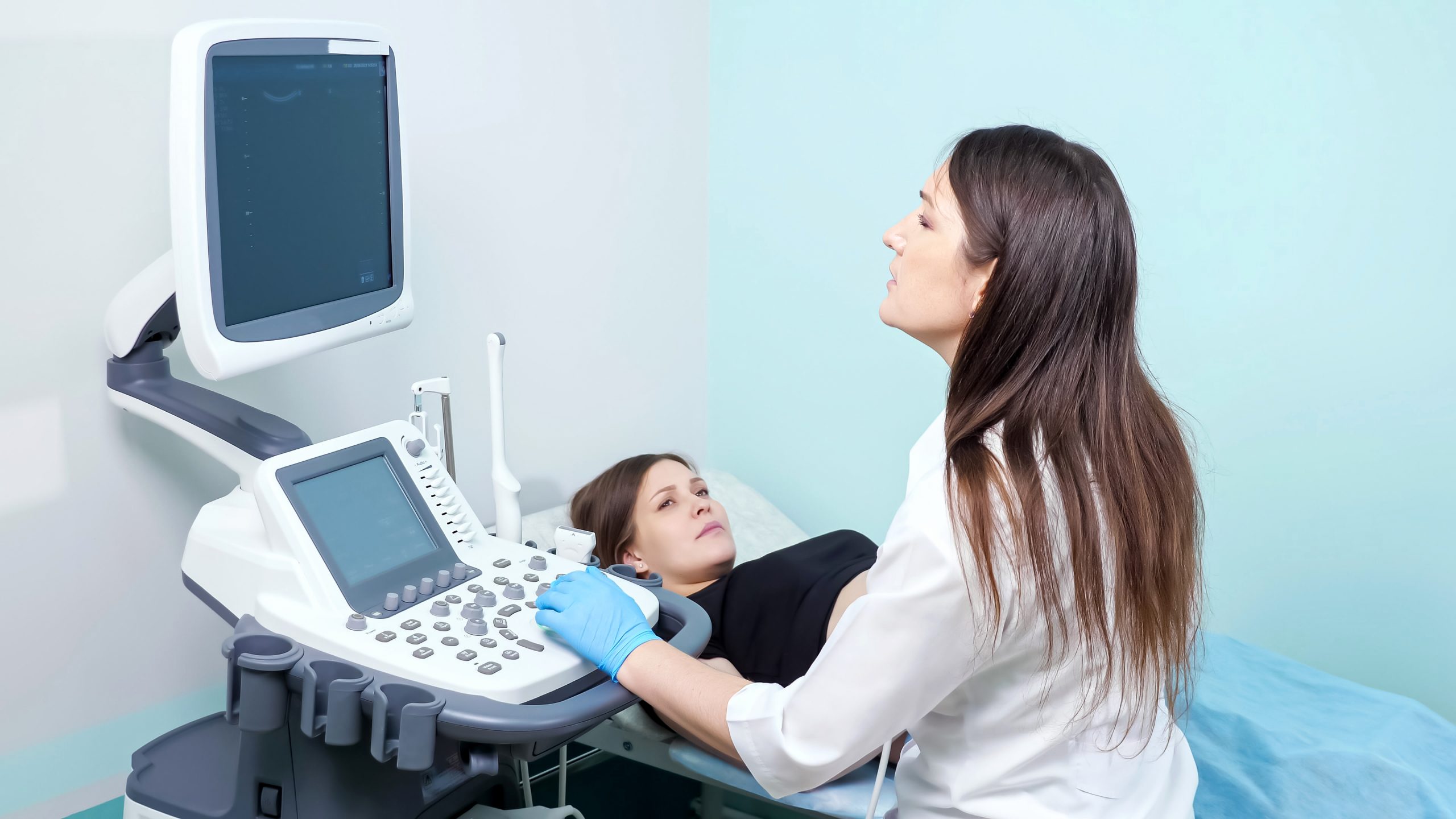
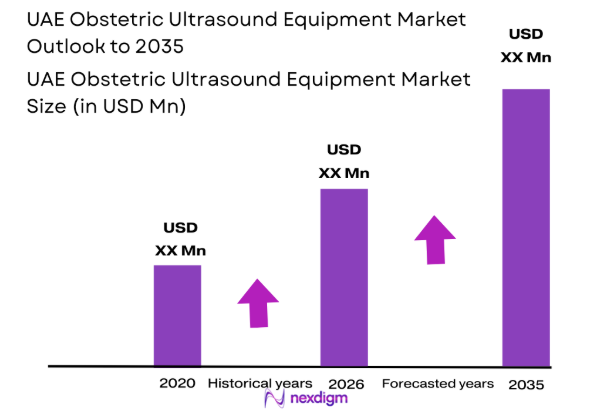
The UAE Obstetric Ultrasound Equipment Market is experiencing significant growth, driven by advancements in medical technologies and increasing demand for prenatal care. Based on a recent historical assessment, the market size for obstetric ultrasound equipment is expected to reach approximately USD ~ million in the UAE. The market is influenced by factors such as the growing maternal health awareness, increased healthcare infrastructure, and rising investments in medical equipment by both private and public sectors. Technological innovation, such as 3D and 4D ultrasound systems, is also a significant driving factor.
The UAE, particularly cities like Dubai and Abu Dhabi, dominates the market due to their advanced healthcare systems and infrastructure. These cities offer world-class medical facilities, which often adopt the latest technologies, making them primary drivers of the demand for obstetric ultrasound equipment. The country’s progressive approach to healthcare, supported by strong government initiatives and regulations, has led to increased adoption of high-end medical imaging systems. Moreover, proximity to international markets, state-of-the-art hospitals, and a growing expatriate population further supports the demand in these urban centers.
Market Segmentation
By System Type
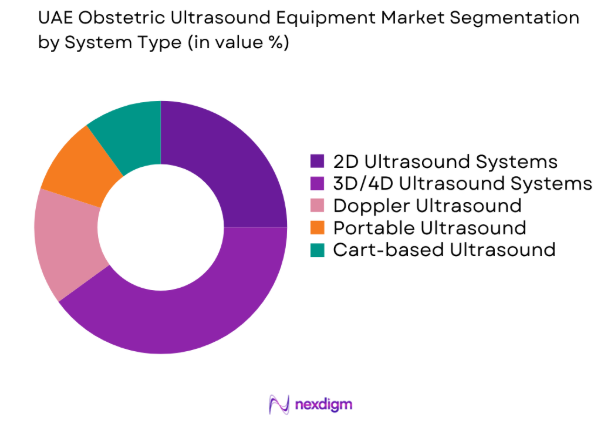
The UAE Obstetric Ultrasound Equipment market is segmented by system type into 2D, 3D/4D, Doppler, portable, and cart-based ultrasound systems. Recently, 3D/4D ultrasound systems have gained significant market share due to increasing consumer preference for advanced imaging technologies in maternal care. The demand for 3D/4D ultrasound is being driven by the growing need for accurate and high-definition imaging to monitor fetal development, enabling early detection of abnormalities and providing better diagnostic capabilities to healthcare providers.
By Platform Type
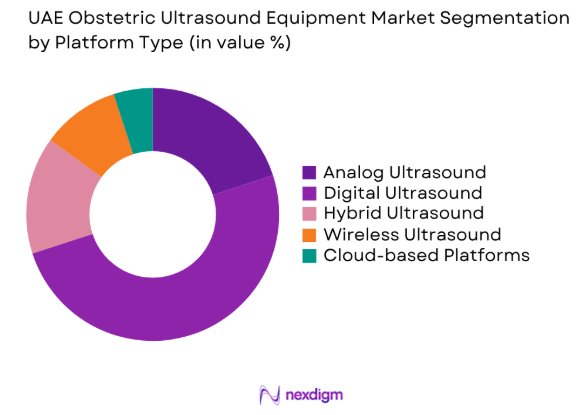
The UAE Obstetric Ultrasound Equipment market is also segmented by platform type into analog, digital, hybrid, wireless, and cloud-based ultrasound systems. Among these, digital ultrasound systems currently dominate the market due to their superior image quality and faster processing capabilities compared to analog systems. The transition to digital technology has been facilitated by the increased demand for precise imaging in prenatal care. Additionally, the growth of cloud-based platforms offers more accessible storage and remote consultation features, further enhancing the demand for digital solutions.
Competitive Landscape
The competitive landscape of the UAE Obstetric Ultrasound Equipment Market is shaped by the presence of key global players, including GE Healthcare, Philips Healthcare, Siemens Healthineers, and Mindray. These companies dominate the market by providing innovative ultrasound systems with advanced features. The market is also characterized by significant consolidation, with major players acquiring smaller regional companies to expand their product offerings and market presence. This has led to increased competition and continuous technological advancements.
| Company Name | Establishment Year | Headquarters | Technology Focus | Market Reach | Key Products | Revenue (USD) | Additional Parameter |
| GE Healthcare | 1892 | Chicago, USA | ~ | ~ | ~ | ~ | ~ |
| Philips Healthcare | 1891 | Amsterdam, NL | ~ | ~ | ~ | ~ | ~ |
| Siemens Healthineers | 1847 | Erlangen, Germany | ~ | ~ | ~ | ~ | ~ |
| Mindray | 1991 | Shenzhen, China | ~ | ~ | ~ | ~ | ~ |
| Canon Medical Systems | 1937 | Tokyo, Japan | ~ | ~ | ~ | ~ | ~ |
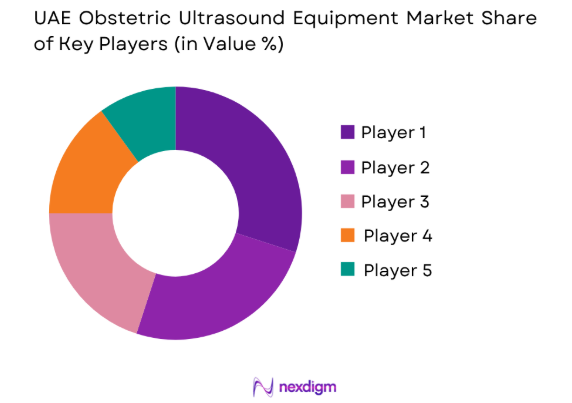
UAE Obstetric Ultrasound Equipment Market Analysis
Growth Drivers
Technological Advancements in Ultrasound Imaging
Advancements in ultrasound technology are driving the growth of the market, with the introduction of 3D/4D imaging systems offering enhanced visualization for more accurate prenatal diagnostics. These systems provide clearer images, enabling better detection of fetal abnormalities and improving overall pregnancy monitoring. Furthermore, the integration of artificial intelligence (AI) and machine learning (ML) is enhancing diagnostic accuracy and efficiency. AI and ML help interpret ultrasound images faster and with greater precision, allowing healthcare providers to make informed decisions. These technological innovations are crucial for improving fetal care and are becoming increasingly vital for healthcare providers in the UAE, as they support early detection and better management of maternal health.
Increase in Prenatal Care and Maternal Health Awareness
Growing awareness of prenatal care’s importance in maternal health is a key growth driver for the market. Increasingly, women are seeking early diagnostic services to monitor their pregnancies, leading to a greater emphasis on maternal health in the UAE. Both government and private healthcare providers are prioritizing the improvement of prenatal care services. This cultural shift towards proactive health monitoring, combined with the expansion of healthcare facilities adopting advanced ultrasound technologies, is boosting demand for obstetric ultrasound equipment in the region. As healthcare providers strive to offer better care, the need for modern ultrasound systems continues to rise, further supporting market growth in the UAE.
Market Challenges
High Cost of Advanced Ultrasound Systems
Despite advancements in ultrasound technology, the high cost of these systems remains a significant challenge. Healthcare facilities in the UAE, especially smaller clinics and those in rural areas, often face difficulties in affording the latest, high-end ultrasound equipment. The substantial initial investment required for purchasing advanced systems, along with ongoing maintenance costs, poses a barrier to widespread adoption. This financial burden can limit access to cutting-edge ultrasound technologies, particularly in lower-budget healthcare settings. As a result, while larger hospitals and private clinics may invest in these systems, smaller facilities may struggle to integrate them, restricting the overall growth and adoption of advanced ultrasound technologies across the healthcare market.
Lack of Skilled Technicians
Another challenge for the UAE Obstetric Ultrasound Equipment Market is the shortage of skilled technicians and sonographers. Operating advanced ultrasound systems requires specialized training and expertise, and as the demand for high-end ultrasound imaging grows, the availability of qualified personnel becomes increasingly strained. The limited number of trained technicians who can efficiently operate these complex systems and interpret the results further hinders market growth. This shortage is particularly evident in smaller healthcare facilities and remote areas, where the demand for ultrasound services is rising but the workforce remains insufficient to meet the needs. As a result, this challenge impedes the widespread adoption and optimal use of advanced ultrasound technologies in the region.
Opportunities
Expansion of Mobile and Portable Ultrasound Devices
The rise of mobile and portable ultrasound devices offers a significant growth opportunity for the UAE market. These devices are especially beneficial in rural and remote areas, where access to full-sized ultrasound machines is limited. The portability of these systems also makes them ideal for point-of-care settings, where quick diagnostic capabilities are essential for patient care. As the demand for immediate and flexible healthcare solutions grows, portable ultrasound devices are becoming increasingly valuable in providing timely and accurate assessments. Furthermore, the growing trend towards home healthcare and mobile healthcare solutions is driving the adoption of portable ultrasound systems. This shift toward more accessible, on-the-go diagnostic tools is expected to significantly boost demand in the UAE.
Government Investment in Healthcare Infrastructure
The UAE government is making substantial investments in healthcare infrastructure, focusing on expanding hospitals, clinics, and maternity care centers. These efforts aim to enhance the quality and accessibility of healthcare services, with a particular emphasis on maternal health. As part of these initiatives, government funding for advanced ultrasound systems is increasing, creating a significant opportunity for market players to broaden their presence in the region. The expansion of healthcare facilities and the growing demand for high-quality prenatal care are driving the adoption of advanced ultrasound technologies. This government support plays a crucial role in encouraging further investment and expanding market opportunities for ultrasound equipment providers in the UAE.
Future Outlook
The future outlook of the UAE Obstetric Ultrasound Equipment Market over the next five years is highly promising, with sustained growth driven by technological advancements and an increasing focus on maternal health. Emerging trends, such as the integration of artificial intelligence in imaging systems and the growing demand for portable ultrasound devices, are expected to shape the market. Additionally, continued government support for healthcare infrastructure and maternal health will drive adoption across public and private healthcare providers. The shift towards digital platforms and cloud-based solutions will also enhance market dynamics.
Major Players
- GE Healthcare
- Philips Healthcare
- Siemens Healthineers
- Mindray
- Canon Medical Systems
- Fujifilm Holdings
- Hitachi Healthcare
- Samsung Medison
- Esaote
- Becton Dickinson and Company (BD)
- Analogic Corporation
- SonoSite Inc.
- Butterfly Network
- Shenzhen Richeng Technology
- Chongqing Jinlong Medical Equipment
Key Target Audience
- Investments and venture capitalist firms
- Government and regulatory bodies
- Private hospitals and clinics
- Public healthcare providers
- Maternity care centers
- Diagnostic centers
- Healthcare distributors and suppliers
- Medical equipment procurement agencies
Research Methodology
Step 1: Identification of Key Variables
This step involves identifying the key market drivers, trends, and challenges affecting the UAE Obstetric Ultrasound Equipment Market. Market variables such as technology, consumer behavior, and government policies are considered to define the scope of the study.
Step 2: Market Analysis and Construction
Market sizing, segmentation, and forecasts are constructed using both primary and secondary research data. The analysis includes evaluating the impact of current trends, competitive landscape, and regulatory factors on the market’s performance.
Step 3: Hypothesis Validation and Expert Consultation
Expert consultations with industry professionals, such as healthcare practitioners, technologists, and regulatory bodies, are conducted to validate the findings. This ensures the accuracy and relevance of the market forecasts and conclusions.
Step 4: Research Synthesis and Final Output
The final stage involves synthesizing all gathered data into actionable insights and presenting them in the final report. This includes market projections, strategic recommendations, and analysis of potential opportunities and risks for key stakeholders.

- Executive Summary
- Research Methodology (Definitions, Scope, Industry Assumptions, Market Sizing Approach, Primary & Secondary Research Framework, Data Collection & Verification Protocol, Analytic Models & Forecast Methodology, Limitations & Research Validity Checks)

- Market Definition and Scope
- Value Chain & Stakeholder Ecosystem
- Regulatory / Certification Landscape
- Sector Dynamics Affecting Demand
- Strategic Initiatives & Infrastructure Growth

- Growth Drivers
Increasing healthcare infrastructure investments in the UAE.
Rising demand for prenatal care and maternal health services.
Technological advancements in ultrasound imaging equipment. - Market Challenges
High initial investment and maintenance costs of ultrasound equipment.
Shortage of skilled professionals for operating advanced ultrasound systems.
Stringent regulatory and certification requirements in the UAE. - Market Opportunities
Expansion of ultrasound applications in point-of-care settings.
Growth in telemedicine and remote ultrasound diagnostics.
Increased government funding for maternal health and prenatal care initiatives. - Trends
Surge in demand for portable and handheld ultrasound devices.
Integration of AI and machine learning technologies in ultrasound systems.
Shift towards cloud-based ultrasound platforms for improved data storage and access. - Government Regulations
- SWOT Analysis of Key Competitors
- Porter’s Five Forces

- By Market Value, 2020-2025
- By Installed Units, 2020-2025
- By Average System Price, 2020-2025
- By System Complexity Tier, 2020-2025

- By System Type (In Value%)
2D Ultrasound Systems
3D/4D Ultrasound Systems
Doppler Ultrasound Systems
Portable Ultrasound Systems
Cart-based Ultrasound Systems - By Platform Type (In Value%)
Analog Ultrasound Systems
Digital Ultrasound Systems
Hybrid Ultrasound Systems
Wireless Ultrasound Systems
Cloud-based Ultrasound Platforms - By Fitment Type (In Value%)
Handheld Ultrasound Devices
Mounted Ultrasound Devices
Cart-based Ultrasound Devices
Fixed Ultrasound Devices
Portable Ultrasound Devices - By End User Segment (In Value%)
Hospitals
Clinics
Diagnostic Centers
Maternity Care Centers
Academic & Research Institutions - By Procurement Channel (In Value%)
Direct Sales
Distributor Sales
Online Sales Platforms
Retailers
Government Procurement

- Market Share Analysis
- Cross Comparison Parameters (Market Share by Type, Regional Market Share, Installed Units, Growth Rate, Price Range, Adoption Rate in Healthcare Facilities, Product Lifecycle Stage, Regulatory Compliance, R&D Investment, Supply Chain Dynamics)
- SWOT Analysis of Key Competitors
- Pricing & Procurement Analysis
- Key Players
GE Healthcare
Philips Healthcare
Siemens Healthineers
Canon Medical Systems
Mindray
Fujifilm Holdings
Hitachi Healthcare
Samsung Medison
Esaote
Becton Dickinson and Company (BD)
Analogic Corporation
SonoSite Inc.
Butterfly Network
Shenzhen Richeng Technology
Chongqing Jinlong Medical Equipment

- Hospitals’ adoption of advanced ultrasound technologies for comprehensive maternal care.
- Clinics incorporating ultrasound devices for routine prenatal check-ups.
- Diagnostic centers expanding ultrasound capabilities for early detection of fetal abnormalities.
- Maternity care centers leveraging ultrasound systems to monitor pregnancy progress and complications.

- Forecast Market Value, 2026-2035
- Forecast Installed Units, 2026-2035
- Price Forecast by System Tier, 2026-2035
- Future Demand by Platform, 2026-2035


 Request a Sample
 Ask for Customization
 Get a Quote
 Enquire Now