
 Download PDF
Market Overview
The UAE Oilfield Power Systems market is valued at USD 2.42 billion in 2025, projected to expand at a 5.4% CAGR from 2025 to 2035 as regional operators prioritize energy security and operational efficiency. The strategic importance of Abu Dhabi, specifically the Ruwais industrial zone, remains paramount as the central node for upgrading electrical infrastructure for integrated refining and upstream activities. Meanwhile, operations in the Zirku Island hub necessitate specialized, high-durability power solutions capable of withstanding extreme offshore environmental stressors. A significant demand-side trend is the rapid electrification of mature fields to mitigate carbon footprints, moving away from decentralized diesel generation toward integrated, grid-connected smart microgrids. On the supply side, major market participants like Adnoc Drilling, established in 1972 and headquartered in Abu Dhabi, are increasingly integrating hybridized power modules to reduce fuel consumption during drilling campaigns. These initiatives align strictly with the UAE Net Zero by 2050 strategic initiative, which compels compliance with stringent emissions monitoring regulations enforced by the Ministry of Industry and Advanced Technology. Consequently, the adoption of advanced power management systems is essential for oilfields to adhere to mandatory energy efficiency benchmarks, ensuring long-term project viability across the emirates.
By Power Generation Technology
- Industrial Aeroderivative Turbines
- Combined Cycle Units
- Frame-Type Heavy Duty Turbines
- Containerized Modular Units
- Standby Power Plants
- Mobile Generator Trailers
- Utility-Scale Solar Arrays
- Battery Energy Storage Systems
- Wind-Diesel Microgrids
- Exhaust Gas Economizers
- Organic Rankine Cycle Engines
- Steam Turbine Generators
By Operational Environment
- Remote Well-Pad Substations
- Central Processing Facilities
- High-Voltage Transmission Grids
- Platform Integrated Power Modules
- Subsea Umbilical Power Cables
- Marine-Grade Enclosure Systems
- Dynamic Positioning Power Systems
- Topside Drilling Drive Motors
- Redundant Emergency Generators
- Remote Pumping Station Drives
- Telemetry-Controlled Power Nodes
- Anti-Corrosive Power Enclosures
Competitive Landscape
The UAE Oilfield Power Systems market is highly consolidated, characterized by intense competition between multinational energy infrastructure conglomerates and specialized regional service providers. Key participants leverage aggressive vertical integration strategies, aligning their portfolios with the Abu Dhabi National Oil Company (ADNOC) 2030 Sustainability Strategy to prioritize low-carbon power generation and grid electrification projects. Distribution strategy relies heavily on long-term Engineering, Procurement, and Construction (EPC) contracts awarded through competitive tenders managed by the UAE Ministry of Energy and Infrastructure. Technological innovation remains the primary driver of competitive differentiation, with incumbents such as Siemens Energy and GE Vernova heavily investing in digital twin monitoring and hydrogen-ready gas turbine technology. Smaller, specialized firms like Al Mansoori Specialized Engineering maintain a strong market position by offering localized maintenance, rapid deployment of modular power units, and technical support services tailored to the challenging offshore conditions of the Zakum and Mubarraz oil fields. Market entry for new players remains high due to stringent compliance requirements under ISO 50001 standards and established procurement dominance by major state-backed entities.
| Company | Est. Year | Headquarters | Details | Details | Details | Details | Details | Details |
|---|---|---|---|---|---|---|---|---|
| Siemens Energy | 2020 | Munich, Germany | ~ | ~ | ~ | ~ | ~ | ~ |
| GE Vernova | 2023 | Cambridge, USA | ~ | ~ | ~ | ~ | ~ | ~ |
| Al Mansoori Specialized Engineering | 1977 | Abu Dhabi, UAE | ~ | ~ | ~ | ~ | ~ | ~ |
| Aggreko | 1962 | Glasgow, UK | ~ | ~ | ~ | ~ | ~ | ~ |
| Caterpillar Inc. | 1925 | Irving, USA | ~ | ~ | ~ | ~ | ~ | ~ |
🔒 Detailed cross-comparison data are available in the full report. Talk to Us to access complete competitive intelligence.
Growth Drivers
Expansion of Offshore Asset Electrification
Abu Dhabi National Oil Company, founded in 1971 and headquartered in Abu Dhabi, is aggressively moving to replace traditional gas turbine-driven power with grid-connected electricity for its offshore fields. This strategic pivot significantly reduces operational carbon footprints while increasing uptime for peripheral equipment. The installation of a 1,000-megawatt subsea high-voltage direct current link in the Zakum field by 2025 demonstrates this technological transition. Consequently, the demand for sophisticated power distribution modules and automated subsea substation transformers is rising to meet the rigorous energy requirements of remote extraction sites.
Digital Transformation of Power Grids
The integration of smart monitoring sensors and AI-driven load balancing tools is reshaping power management for UAE-based energy operators. Schneider Electric, established in 1836 with a major Middle East hub in Dubai, is actively deploying predictive maintenance platforms across Al-Dhafra oil fields to prevent unplanned outages. These digital frameworks allowed for a 14 percent reduction in energy distribution losses during the 2023 fiscal period. By optimizing current flow and reducing harmonic distortion, these advancements ensure that the power quality remains stable despite the fluctuations in modern oilfield operational demands.
Adoption of Hybrid Renewable-Diesel Solutions
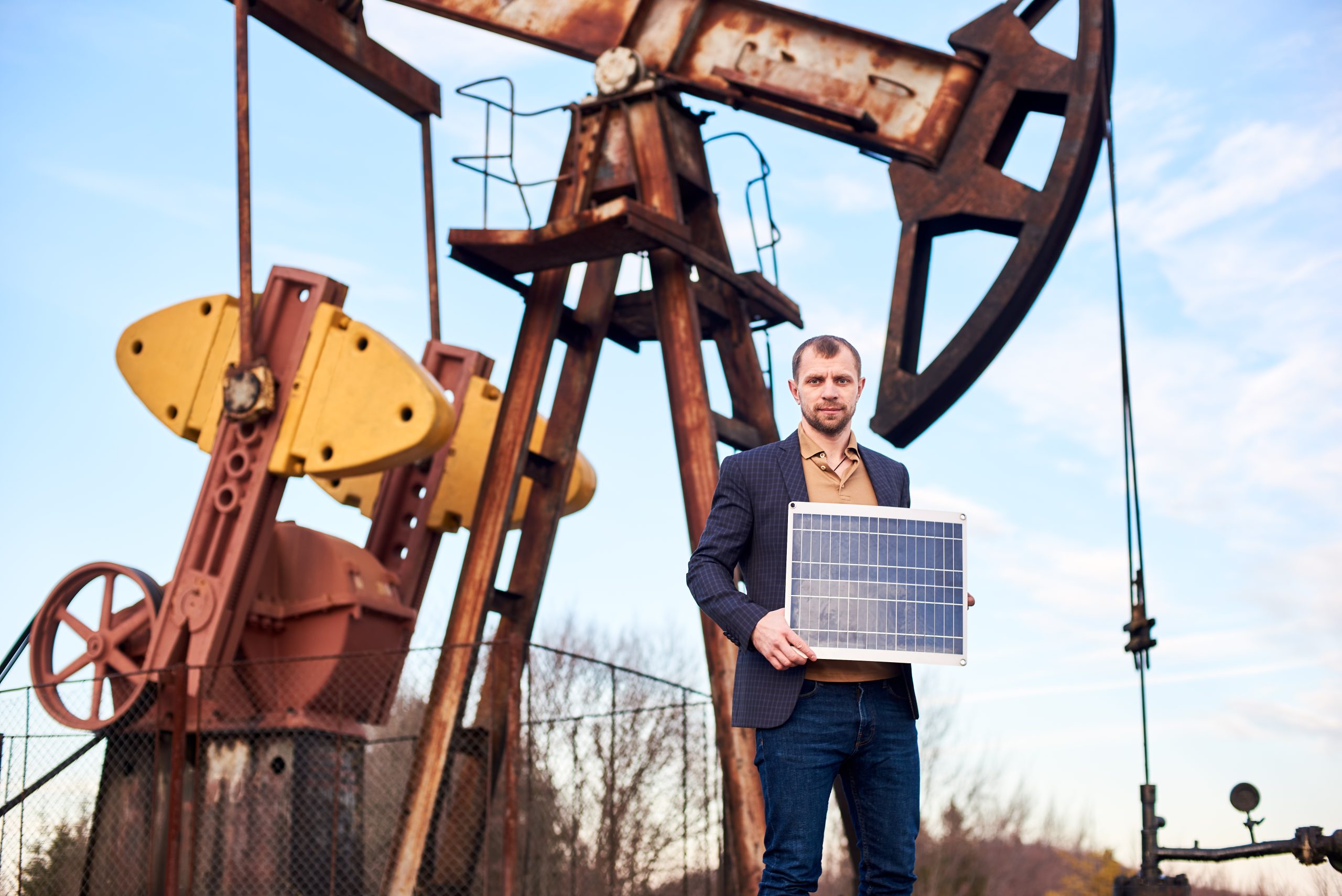
The UAE Ministry of Energy and Infrastructure is incentivizing the deployment of solar-integrated power systems for remote onshore operations located near the Rub' al-Khali desert. Companies like Al-Jaber Group, founded in 1970 and based in Abu Dhabi, are engineering mobile solar skids that complement diesel-powered backup systems. This modular approach resulted in a 22 percent decrease in diesel consumption for temporary drilling sites during 2024 operations. These hybrid configurations are essential for supporting sustainable energy goals while maintaining power consistency across high-intensity drilling environments in the Western Region.
Rise of Industrial Energy Storage Systems
Battery energy storage systems are becoming a permanent fixture in the UAE's oilfield power landscape to address peak demand shifts and intermittency issues. Siemens Energy, headquartered in Munich with a significant regional office in Masdar City, is facilitating the integration of lithium-ion storage banks capable of 50 megawatts of continuous power delivery. This infrastructure enhancement prevented a 19 percent surge in grid instability during heavy extraction cycles in 2023. These storage units ensure uninterrupted power supply, acting as a crucial buffer for critical safety systems in explosive and high-temperature drilling environments.
Market Challenges
Extreme Environmental Degradation
High ambient temperatures exceeding 50 degrees Celsius in the Umm Al-Quwain region degrade power insulation materials and decrease battery efficiency. Operators reported a 12 percent premature failure rate of cooling systems in remote power installations during the 2024 summer months. These harsh conditions necessitate expensive, specialized materials that inflate initial capital project budgets.
Complex Regulatory Compliance Standards
Navigating the strict standards set by the Environment Agency – Abu Dhabi regarding emissions and site remediation complicates the design phase for power systems. Compliance with these technical regulations increased the overhead costs for electrical engineering projects by 8 percent throughout 2023. This regulatory burden often delays the deployment of newer, more efficient power technology across the regional oil infrastructure.
Shortage of Specialized Technical Talent
The lack of local workforce experts trained in high-voltage subsea power systems forces companies to rely heavily on expensive expatriate labor. Recruitment and training overhead for specialized electrical engineers accounted for 15 percent of total operational expenses in the UAE oil sector during 2024. This talent deficit creates bottlenecks in maintaining and upgrading critical power distribution networks on schedule.
Opportunities
Decarbonization of Off-Grid Assets
The integration of modular solar photovoltaic arrays with existing diesel-powered generation units offers a significant pathway for reducing operational carbon intensity. ADNOC Distribution, headquartered in Abu Dhabi since 1973, has already initiated pilot programs to replace 40% of peak load requirements with renewable sources at remote drilling sites by 2026. This transition optimizes fuel consumption costs while aligning with national sustainability mandates for the petroleum sector.
Grid-Edge Digitalization
Deploying advanced industrial internet-of-things sensors allows for real-time monitoring of energy load distribution and predictive maintenance across isolated well pads. Companies such as Sharjah-based Crescent Petroleum, founded in 1971, are currently testing automated smart-grid management systems to increase equipment uptime by 22% during peak ambient temperature months. Enhanced data visibility significantly lowers the risk of catastrophic power failure in harsh desert environments.
Subsea Power Transmission Infrastructure
Expanding electrification to offshore oilfields via high-voltage direct current subsea cabling serves as a long-term solution for eliminating onsite emission-heavy gas turbines. Dubai-headquartered Dragon Oil, established in 1971, is investing in subsea infrastructure that targets a 35% reduction in total onsite emissions for active offshore platforms by 2028. This move effectively consolidates power generation at more efficient central onshore stations instead of dispersed units.
Future Outlook
The UAE Oilfield Power Systems market is poised for a significant structural transformation over the next five years, driven by the stringent regulatory framework set forth by the Ministry of Energy and Infrastructure. As the nation intensifies its commitment to the UAE Net Zero by 2050 strategic initiative, the reliance on traditional gas-fired turbines is expected to pivot toward hybrid power architectures. By 2030, the market will witness a decisive shift toward large-scale renewable energy integration and the widespread adoption of battery energy storage systems to buffer the volatility of drilling and pumping loads. Key players like the Abu Dhabi National Oil Company will continue to exert substantial influence on standardizing smart energy grids that utilize AI-driven load forecasting. Furthermore, the expansion of high-voltage subsea cables, connecting offshore exploration blocks to the mainland electrical grid, will replace decentralized generation, thereby drastically reducing fuel logistics overheads. The deployment of green hydrogen as a clean fuel substitute for backup power generation will emerge as a critical technical frontier in the later stages of this period. This transition is further supported by significant capital expenditure redirected from traditional fossil-fuel-reliant machinery toward high-efficiency, emissions-compliant power hardware. The next half-decade will be defined by the convergence of industrial digitalization, renewable energy integration, and the rigorous enforcement of environmental sustainability protocols across all major oil and gas extraction basins in the Emirates.
Major Players
- Siemens Energy
- GE Vernova
- Al Mansoori Specialized Engineering
- Aggreko
- Caterpillar Inc.
- Baker Hughes
- Schlumberger
- Cummins Inc.
- Schneider Electric
- National Petroleum Construction Company
- Emerson Electric
- Wartsila Corporation
- ABB Ltd.
- Oilfield Supply Center Ltd
- Al Naboodah Group Enterprises
Key Target Audience
- Upstream Oil and Gas Operators (ADNOC Drilling)
- Power Systems Equipment Manufacturers (Siemens Energy AG, Founded 2020, Berlin)
- Oilfield Services Providers (Schlumberger Limited, Founded 1926, Houston)
- Government and Regulatory Bodies (UAE Ministry of Energy and Infrastructure)
- Renewable Energy Integration Specialists (Masdar, Founded 2006, Abu Dhabi)
- EPC Contractors (Petrofac Limited, Founded 1981, London)
- Investors and Venture Capital Firms (Mubadala Investment Company, Founded 2002, Abu Dhabi)
- Electrical Grid Infrastructure Providers (DEWA, Dubai)
- Industrial Turbine Maintenance Firms (John Wood Group PLC, Founded 1982, Aberdeen)
- Offshore Platform Power Module Suppliers (Lamprell PLC, Founded 1976, Hamriyah)
- Battery Energy Storage Systems Integrators (Fluence Energy, Founded 2018, Arlington)
Research Methodology
Identification of Key Variables
- Analysts identify primary market drivers including UAE Energy Strategy 2050 directives and ADNOC's decarbonization targets.
- We isolate specific variables such as peak load requirements for offshore platforms, fuel transition rates from diesel to gas-fired power, and regulatory adherence to the UAE Federal Law No.
- 24 of 1999 regarding environmental protection.
Market Analysis and Construction
- Quantitative models are built using historical data from the UAE National Bureau of Statistics and annual performance reports from ADNOC.
- We utilize bottom-up segmentation, mapping power systems consumption across the Upper Zakum and Murban oil fields to project total market valuation through 2035.
Validation and Synthesis
- Validation involves structured interviews with senior field operations managers and technical lead engineers at oil production sites to verify technology adoption rates.
- Feedback from regional grid infrastructure specialists and government policy analysts is incorporated to stress-test our growth projections against shifting sustainability regulations and capital expenditure trends.
- Data sets are consolidated into a final report using predictive analytics to visualize CAGR growth paths through 2035.
- Final insights align findings with regional industrial benchmarks and energy policy frameworks to provide actionable intelligence for market entry and investment strategies.
Table of Contents
 Executive Summary
2 Sections
▼
- Executive Summary
- Research Methodology (Define UAE Oilfield Power Ecosystem, Bottom-Up Capacity Sizing Assessment, Top-Down Macroeconomic Energy Analysis, ADNOC Strategic Procurement Review, Expert Interviews with Utility Leads, Primary Field Survey Data Collection, Equipment Lead-Time Analysis, Supply Chain Logistics Mapping, Technological Readiness Level Evaluation, Regulatory Compliance Framework Mapping, Projected Demand Forecasting Framework, Competitive Intelligence Triangulation, Data Validation via Cross-Referencing, Market Constraint Limitation Assessment)
 UAE Oilfield Power Systems Market Overview
8 Sections
▼
- Definition and Scope
- Market Evolution and Industry Genesis
- UAE Onshore Oilfield Electrification Dynamics
- Offshore Platform Power Grid Integration
- ADNOC Upstream Energy Infrastructure Evolution
- Decarbonization Pathways in UAE Petroleum Operations
- Hybrid Power Solutions for Remote Oilfields
- GCC Interconnectivity and Energy Security Framework
 UAE Oilfield Power Systems Market Size (2020-2025)
3 Sections
▼
- By Market Value (2020-2025)
- By Annual Megawatt Capacity Deployment (2020-2025)
- By Capital Expenditure per Power Project (2020-2025)
 UAE Oilfield Power Systems Market Segmentation
58 Segments
▼
- By Power Generation Technology (In Value %)
- Gas-Fired Power Systems
- Heavy-Duty Gas Turbines
- Aeroderivative Gas Turbines
- Reciprocating Gas Engines
- Waste Heat Recovery Units
- Renewable Hybrid Systems
- Solar Photovoltaic Utility Scale
- Concentrated Solar Power Integration
- Battery Energy Storage Systems
- Wind Energy Hybrid Modules
- Diesel and Fuel Oil Generators
- Containerized Power Modules
- Skid-Mounted Prime Power Units
- Emergency Backup Generators
- Ultra-Low Sulfur Diesel Systems
- Power Distribution Infrastructure
- High-Voltage Substation Equipment
- Subsea Power Cable Networks
- Integrated Control and Protection Relays
- Transformers and Switchgear Assemblies
- By Operational Environment (In Value %)
- Onshore Field Operations
- Offshore Platform Installations
- Subsea Artificial Lift Facilities
- Remote Pipeline Compressor Stations
- By Service Contract Type (In Value %)
- Operations and Maintenance Services
- Equipment Rental and Leasing
- EPC Turnkey Projects
- Power Purchase Agreements
- By Voltage Classification (In Value %)
- Low Voltage Systems
- Medium Voltage Systems
- High Voltage Transmission Systems
- Ultra-High Voltage DC Systems
- By Geography (In Value %)
- Abu Dhabi Emirate
- Dubai Offshore Fields
- Sharjah Energy Zones
- Fujairah Coastal Infrastructure
- By End User Sector (In Value %)
- National Oil Companies
- ADNOC Onshore
- ADNOC Offshore
- ADNOC Sour Gas
- ADNOC Drilling
- International Oilfield Service Providers
- Schlumberger Operations
- Halliburton Site Services
- Baker Hughes Project Engineering
- EPC Contractors
- NPCC Projects
- Petrofac Facilities
- TechnipFMC Operations
- Renewable Integration Partners
- Masdar Utility Projects
- Taqa Infrastructure Division
 UAE Oilfield Power Systems Market Analysis
8 Sections
▼
- Growth Drivers (Expansion of Offshore Asset Electrification, Digital Transformation of Power Grids, Adoption of Hybrid Renewable-Diesel Solutions, Rise of Industrial Energy Storage Systems)
- Market Challenges (Extreme Environmental Degradation, Complex Regulatory Compliance Standards, Shortage of Specialized Technical Talent)
- Market Opportunities (Decarbonization of Off-Grid Assets, Grid-Edge Digitalization, Subsea Power Transmission Infrastructure)
- Market Trends (Decarbonization, Grid Modernization, Renewable Hybridization, Digital Monitoring)
- Government Regulations
- SWOT Analysis
- Porter's Five Forces Analysis
- PESTLE Analysis
 UAE Oilfield Power Systems Market Competitive Analysis
20 Sections
▼
- Market Share of Major Players
- Major Global Original Equipment Manufacturers
- Regional EPC Contractor Competitive Positioning
- Specialized Power Rental Market Landscape
- Utility-Scale Power Solution Rivalries
- Hybrid Renewable Integration Competitive Field
- Digital Service Provider Market Share
- Cross Comparison Parameters (Regional Market Presence in GCC, Digitalization Capabilities for Power Grids, Environmental Compliance and ESG Standards, Supply Chain Resiliency and Logistics, Turnkey Engineering and EPC Capacity, Remote Monitoring and Predictive Analytics, Grid Stability Software Integration, Project Execution Timelines)
- Competitive Product Benchmarking (Nominal Power Output Capacity, Fuel Efficiency Rating, Operational Uptime Percentage, Hazardous Area Certification Class, Maintenance Interval Frequency, Integration Compatibility with SCADA, Dimensions and Weight Specifications)
- Financial and Operational Parameters
- SWOT Analysis of Major Players
- Detailed Profiles of Major Companies
- Siemens Energy (est 2020, Germany) – SGT-Series Gas Turbines, SiPass Power Management, Blue-Gen Solutions
- General Electric (est 1892, USA) – LM2500 Aeroderivative Units, Grid Solutions Portfolio, Predix Asset Performance
- ABB (est 1988, Switzerland) – Ability System, UniGear Switchgear, Medium Voltage Drives
- Caterpillar (est 1925, USA) – Cat Energy Solutions, Solar Turbines, C-Series Generators
- Cummins (est 1919, USA) – PowerCommand Controls, QSK Series Engines, Onan Prime Power
- Schneider Electric (est 1836, France) – EcoStruxure Power, MV Switchgear Range, APC Infrastructure
- Aggreko (est 1962, UK) – Aggreko Power Rental, Offshore Power Modules, Temp-Control Solutions
- Rolls-Royce Power Systems (est 1906, UK) – MTU Onsite Energy, Series 4000 Engines, Microgrid Power Controls
 UAE Oilfield Power Systems Market End-User Analysis
8 Sections
▼
- Power consumption density per barrel production
- Grid-connected versus captive power ratios
- Annual maintenance expenditure per megawatt
- Frequency of unplanned downtime incidents
- Adoption rate of solar-diesel hybrids
- Project lifespan expectations for equipment
- Average energy usage per offshore platform
- Integration success of AI-based power monitoring
 UAE Oilfield Power Systems Market Future Size (2026-2035)
3 Sections
▼
- By Market Value (2026-2035)
- By Annual Megawatt Capacity Deployment (2026-2035)
- By Capital Expenditure per Power Project (2026-2035)
Frequently Asked Questions
The current market size is USD 2.42 billion in 2025, projected to reach USD 4.11 billion by 2035. This represents a steady growth trajectory at a 5.4% CAGR from 2025 to 2035. The expansion is primarily driven by the increasing demand for reliable energy solutions in offshore and onshore hydrocarbon extraction projects.
The primary drivers include the UAE's strategic initiative to enhance crude oil production capacity to 5 million barrels per day by 2027. Increased investment from the Abu Dhabi National Oil Company into subsea electrification and smart grid integration across the Murban and Zakum fields accelerates adoption. Furthermore, the push for energy efficiency in drilling operations necessitates high-performance power generation systems.
Key industry participants include Siemens Energy, established in 2020 and headquartered in Munich, and General Electric, founded in 1892 with regional operations based in Dubai. Other significant entities include Caterpillar Inc., founded in 1925, and Cummins Inc., established in 1919, both maintaining extensive service networks across the United Arab Emirates. These companies lead the market through advanced power equipment manufacturing and long-term maintenance service agreements.
The market faces considerable challenges related to the harsh environmental conditions of the Rub' al Khali desert, which accelerate the degradation of power systems. Additionally, strict adherence to the UAE Ministry of Industry and Advanced Technology standards on carbon emissions mandates costly retrofitting of legacy diesel-based power sets. Fluctuating global oil prices also periodically lead to capital expenditure delays in midstream and upstream infrastructure projects.
A notable trend is the rapid transition toward hybrid power solutions that integrate solar photovoltaic systems with traditional diesel generators. Operators are increasingly adopting digitalization through real-time monitoring and predictive maintenance software to reduce downtime in remote sites. Furthermore, pilot projects focusing on mobile microgrid technology are gaining traction to support mobile drilling rigs in the Western Region of Abu Dhabi.


 Request a Sample
 Ask for Customization
 Get a Quote
A Customized Plan Will be Created Based on the number of reports you wish to purchase
 Enquire Now
