
 Download PDF
Market Overview
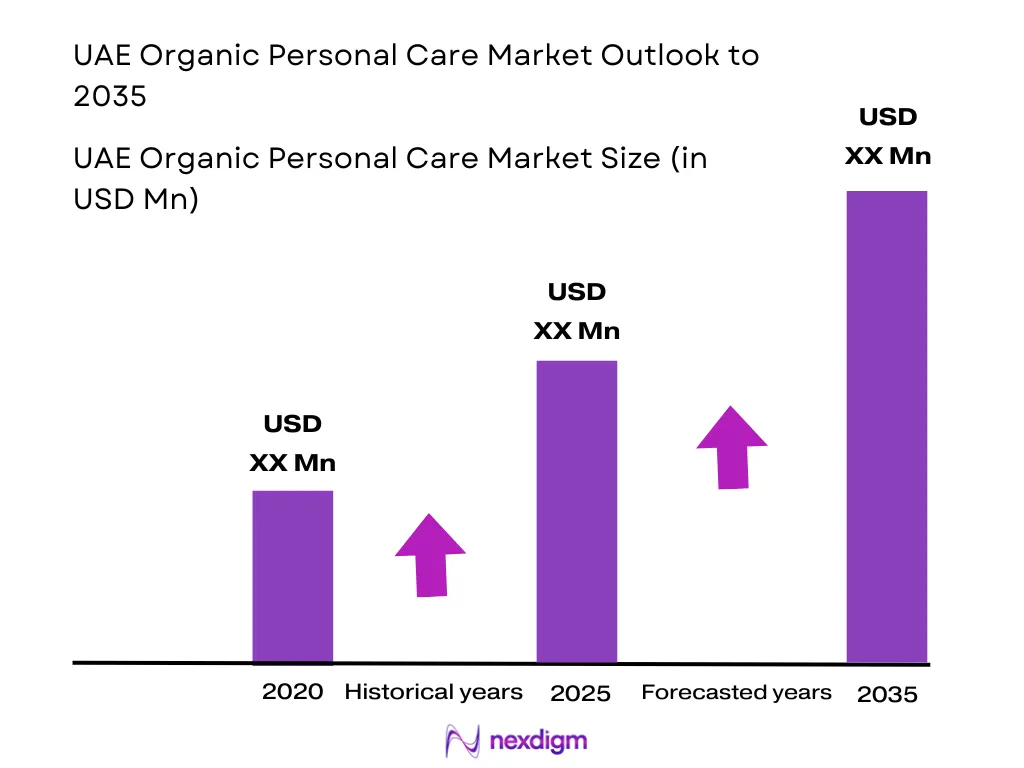
The UAE Organic Personal Care market is valued at USD ~ million, driven by the growing health consciousness among consumers and the increasing demand for natural and eco-friendly products. Organic personal care products have gained traction in the UAE due to the rise in disposable incomes, heightened awareness about chemical-free skincare, and the rising preference for halal-certified organic goods. Additionally, the demand for these products is further propelled by consumers seeking cruelty-free, non-toxic, and sustainable personal care solutions. The market’s robust growth is supported by consumer willingness to pay a premium for clean, safe, and ethically sourced beauty and skincare products.
Dubai and Abu Dhabi dominate the UAE Organic Personal Care market. Dubai, with its vibrant retail environment, is a hub for luxury and niche organic beauty products. The emirate’s international population, comprising health-conscious consumers and expats, creates a unique demand for high-end organic personal care products. Abu Dhabi, being the capital and a growing center for eco-conscious consumers, is also a significant market driver. These cities see a high concentration of wellness and beauty brands, with an increasing emphasis on organic, halal, and sustainable personal care items due to the population’s rising awareness and purchasing power.
Market Segmentation
By Product Type
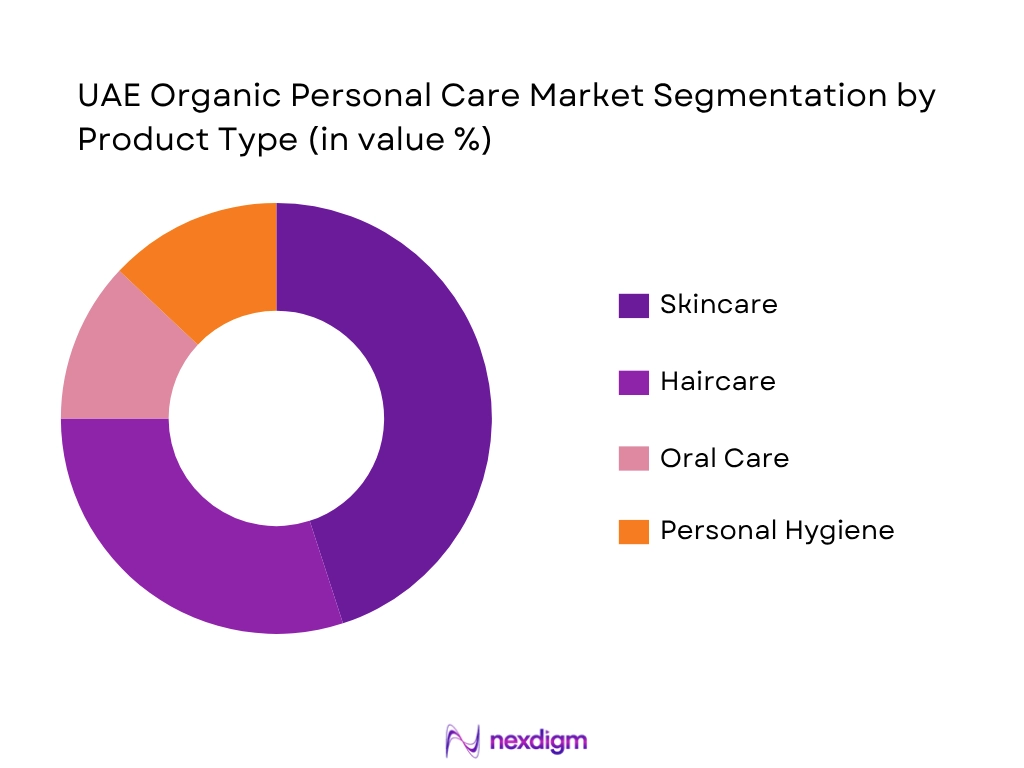
The UAE Organic Personal Care market is segmented by product type into skincare, hair care, oral care, and personal hygiene products. Among these, organic skincare products hold the dominant market share due to their widespread popularity and increasing consumer demand for clean beauty products. Consumers are increasingly seeking out organic lotions, serums, moisturizers, and sunscreens that promise to be free from harmful chemicals and synthetics. High-quality ingredients such as aloe vera, argan oil, and essential oils contribute to the growing preference for organic skincare solutions. Moreover, the significant rise of e-commerce platforms further accelerates the availability and adoption of organic skincare products.
By Ingredient Type
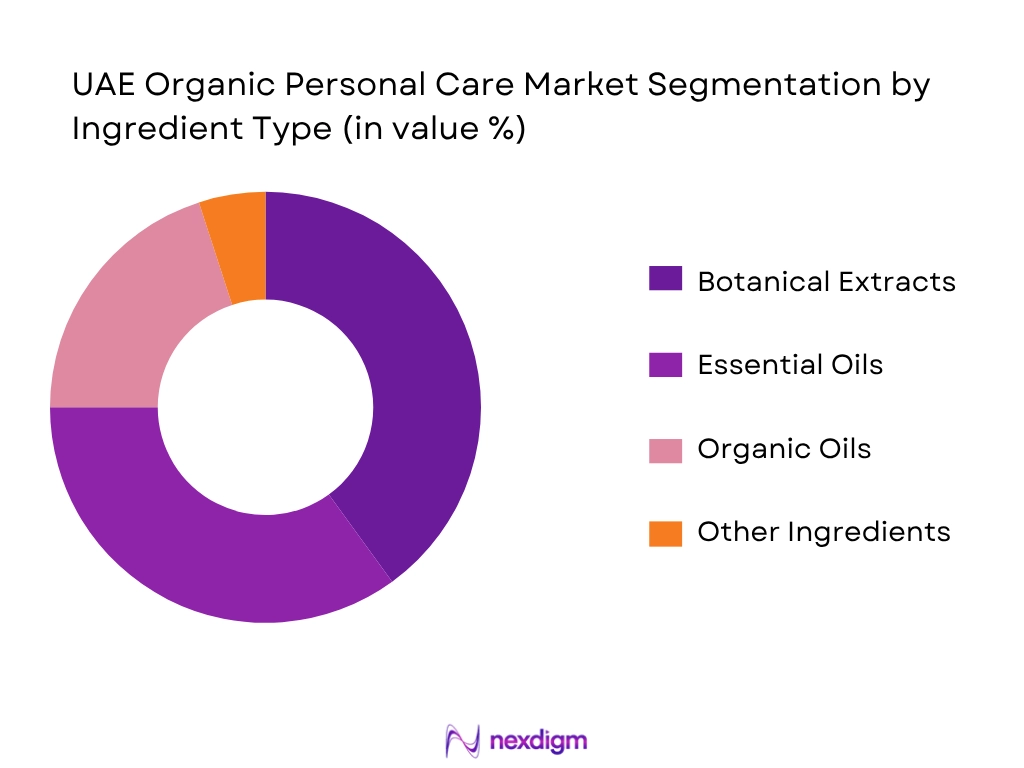
Organic personal care products in the UAE are dominated by botanical extracts, essential oils, and organic oils as key ingredients. Among these, botanical extracts such as aloe vera, rose water, and chamomile lead the market due to their healing properties and widespread use in skincare routines. These ingredients are highly sought after for their anti-inflammatory, moisturizing, and soothing qualities. The demand for products that contain organic oils, such as argan, jojoba, and coconut oil, is also increasing due to their nourishing benefits and effectiveness for both skincare and hair care applications. Brands that focus on these natural ingredients have become increasingly popular, further driving the growth of the organic beauty industry.
Competitive Landscape
The UAE Organic Personal Care market is highly competitive, with both global brands and local players vying for market share. The market features major international brands like The Body Shop and L’Oréal, which have invested heavily in organic lines. Local players such as Organic Harvest and Khadi Natural have also gained significant traction, capitalizing on the growing preference for natural and eco-friendly products. This competitive landscape highlights the strong influence of consumer trends toward sustainability and organic ingredients, with brands competing on product quality, ethical sourcing, and price.
| Company Name | Establishment Year | Headquarters | Product Portfolio | Market Focus | Certifications | Distribution Network |
| The Body Shop | 1976 | UK | ~ | ~ | ~ | ~ |
| L’Oréal | 1909 | France | ~ | ~ | ~ | ~ |
| Organic Harvest | 2013 | India | ~ | ~ | ~ | ~ |
| Khadi Natural | 1999 | India | ~ | ~ | ~ | ~ |
| KORRES | 1996 | Greece | ~ | ~ | ~ | ~ |
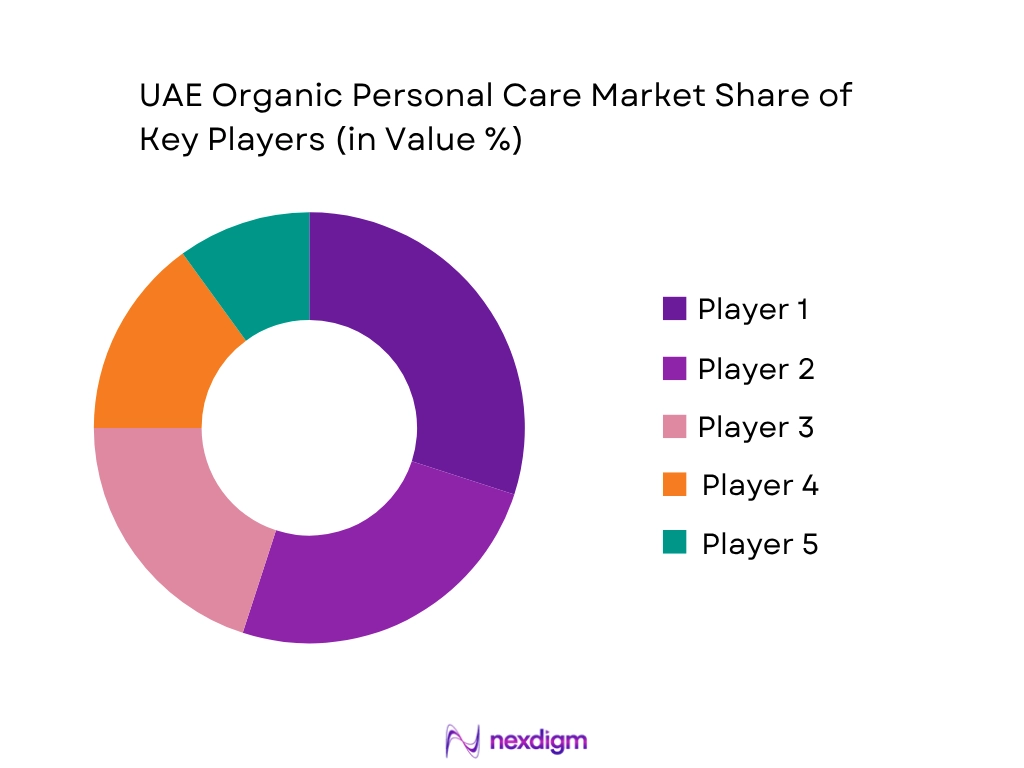
UAE Organic Personal Care Market Analysis
Growth Drivers
Rising Health and Chemical Avoidance Trends
UAE consumers increasingly prioritise health and avoidance of harmful chemicals in personal care choices. According to ResearchAndMarkets.com, more than 65% of UAE consumers actively seek environmentally friendly personal care brands, reflecting heightened concern about ingredients linked to sensitivities and long‑term health effects. Additionally, TechSci Research notes that UAE internet penetration reached 99.0% with 10.73 million social media users and 20.96 million active mobile connections, facilitating rapid dissemination of product safety information and ingredient education, which reinforces avoidance of synthetic additives like parabens and sulfates. These macro behaviour shifts, supported by high connectivity, drive demand for organic personal care alternatives with transparent formulations and cleaner ingredient profiles, as consumers use digital platforms to research and compare products before purchase.
Increasing Organic Certification Awareness
Awareness of organic and ethical certification is influencing purchase decisions in the UAE personal care market. The UAE government has established structured certification mechanisms such as the Halal National Mark, managed by the Ministry of Industry and Advanced Technology, ensuring products comply with Sharia and quality standards, which bolsters confidence in certified natural and organic products. Meanwhile, halal cosmetics data shows the UAE halal cosmetics sector is valued at USD 1.72 billion in 2024, reflecting widespread consumer acceptance of certified ethical beauty products that intersect with organic value propositions. The convergence of organic certification and halal compliance enhances consumer trust and signals product authenticity in a market where regulatory assurance is paramount, especially for ingredients and supply‑chain transparency.
Market Restraints
Price Sensitivity and Willingness‑to‑Pay Barriers
Despite increasing interest in organic solutions, price sensitivity remains a restraint for broader market adoption in the UAE. Organic personal care products typically command higher prices due to premium natural ingredients and certification costs, which limits accessibility for cost‑conscious consumers. While official UAE datasets do not publish organic product price indices, broader retail behaviour indicates careful spending: surveys show 42% of UAE consumers retain confidence in spending amid cost‑of‑living pressures but remain cautious about discretionary purchases, particularly for premium priced goods. This pattern suggests that while health and sustainability are priorities, the higher upfront cost of certified organic products can deter segments of the population operating within tighter budgets, constraining market expansion beyond affluent consumer clusters.
Certification and Labeling Complexity
Complex and multiple certification standards pose a barrier to consumer clarity and market growth. Organic and halal certification frameworks involve distinct requirements, and the coexistence of international organic labels with UAE‑specific halal marks can create confusion among buyers seeking assurance of product quality and compliance. This complexity is underscored by regulatory frameworks such as UAE Cabinet Decree No.10/2014 governing halal certification, which mandates stringent compliance procedures for final products and raw materials, potentially increasing time and cost to market for manufacturers. For consumers, navigating overlapping labels without standardised organic accreditation reduces confidence and can delay purchase decisions, particularly among buyers unfamiliar with certification rigor, thereby restraining organic personal care adoption.
Market Opportunities
Private Label Growth Potential
The growth of private label organic personal care offers a significant opportunity given changing consumer preferences and retail dynamics. Retailers in the UAE are responding to demand for cleaner, healthier alternatives by exploring in‑house organic and natural personal care lines. High connectivity in the UAE, with mobile penetration exceeding 99% and widespread social media usage, supports direct‑to‑consumer marketing for private label brands that emphasise transparency and ingredient education, without the premium of established global brands. In addition, expanding e‑commerce channels allow retailers to test unique organic formulations directly with consumers, facilitating agile product refinement and faster adoption cycles. This trend enables retailers to capture value within the growing organic segment while offering competitive pricing that addresses consumer price sensitivity.
Halal plus Organic Synergies
The UAE’s robust halal certification ecosystem presents a unique opportunity to synergise halal and organic personal care positioning, creating products that appeal simultaneously to health‑oriented and religiously observant consumers. The halal cosmetics market is valued at USD 1.72 billion, demonstrating strong existing demand for ethically certified beauty products that align with cultural values. When combined with organic ingredient claims, products can tap into two powerful drivers of consumer preference: religious compliance and avoidance of synthetics, thereby differentiating offerings in a crowded market. With structured national halal frameworks and growing ethical consumerism, brands that effectively integrate halal standards with trusted organic certifications can unlock broader acceptance across demographically diverse buyer segments in the UAE.
Future Outlook
Over the next decade, the UAE Organic Personal Care market is expected to show steady growth driven by increasing consumer awareness, a preference for ethical and sustainable products, and rising disposable income. Organic skincare and personal care products are expected to dominate the market, especially with the growing trend of eco-friendly and halal-certified products among the UAE’s diverse population. Further, the growing penetration of e-commerce is likely to make organic personal care products more accessible, especially in the post-pandemic era, which will continue to stimulate market growth.
Major Players
- The Body Shop
- L’Oréal
- Organic Harvest
- Khadi Natural
- KORRES
- Dr. Hauschka
- Aveda
- Burt’s Bees
- Weleda
- Tata Harper
- Juice Beauty
- Herbivore Botanicals
- 100% Pure
- Rahua
- NUI Organic
Key Target Audience
- Investments and Venture Capitalist Firms
- Government and Regulatory Bodies (UAE Ministry of Health, Emirates Authority for Standardization)
- Organic Personal Care Retailers
- E-commerce Platforms & Online Retailers
- Luxury Spa Chains and Wellness Centers
- Manufacturing and Production Companies
- Private Label Brands
- Sustainable Product Developers
Research Methodology
Step 1: Identification of Key Variables
This step involves creating a comprehensive ecosystem map by identifying the key stakeholders in the UAE Organic Personal Care Market. Extensive desk research is conducted using proprietary databases to gather data on trends, product types, and key industry players, laying the foundation for market dynamics.
Step 2: Market Analysis and Construction
This phase consists of analyzing historical market data, including product performance, category growth rates, and market penetration across the UAE. The analysis also covers consumer preferences, spending behavior, and key regulations impacting the market.
Step 3: Hypothesis Validation and Expert Consultation
Market hypotheses are refined and validated through expert consultations. Industry leaders, product manufacturers, and regulatory bodies provide insights that aid in confirming or adjusting earlier assumptions. This ensures that our analysis is grounded in real-world industry experience.
Step 4: Research Synthesis and Final Output
The final phase involves synthesizing insights derived from industry consultations and in-depth analysis. Interviews with major market participants, including organic personal care manufacturers and retailers, help finalize a well-rounded and accurate report that reflects the true market potential.

- Executive Summary
- Research Methodology (Definition and Scope, Data Collection Framework, Triangulation & Validation, Primary & Secondary Research Weightage, Quality & Bias Controls, Forecasting Assumptions, Data Triangulation and Reconciliation, Assumptions and Limitations)

- Definition and Scope
- Market Genesis and Evolution
- Demand Drivers and Consumption Patterns
- Regulatory Environment
- Supply Chain Mapping
- Import Dependence, Traceability, and Fraud-Control Architecture
Business Cycle and Demand Seasonality

- Growth Drivers (Rising Health & Chemical Avoidance Trends, Increasing Organic Certification Awareness, Tourism‑Driven Premium Consumption, Influence of Social Media & Beauty Influencers)
- Market Restraints (Price Sensitivity & Willingness‑to‑Pay Barriers, Certification & Labeling Complexity, Supply Chain Fragmentation)
- Opportunities (Private Label Growth Potential, Halal + Organic Synergies, Retailer Partnerships, Expansion of E‑commerce & Subscription Models)
- Key Market Trends (Sustainable Packaging Adoption, Clean Beauty & Transparency Demand, Ingredient Traceability Tech Adoption, Personalisation & Micro‑Segmented Offerings)
- Regulatory & Compliance Overview (Organic Certification Standards Alignment, Ingredient Disclosure Regulations, GCC & UAE Specific Compliance Protocols)
- Ecosystem & Value Chain Analysis (Raw Material Export Dependencies, Contract Manufacturing Landscape, Retail & Omni‑Channel Influence)
- Porter’s Five Forces Analysis
- SWOT Analysis (Market-level) (Strong traditional herbal knowledge; growing “clean beauty” demand, High price sensitivity; consumer awareness gaps, Untapped demographic segments (youth, men’s grooming), Entry of large FMCG players; supply chain constraints)

- By Value (2020-2025)
- By Volume (2020-2025)
- By SKU Count (2020-2025)
- By Average Selling Price (2020-2025)

- By Product Category (In Value%)
Organic Skincare (Face, Body, Hand & Foot)
Organic Hair Care (Shampoo, Conditioner, Treatments)
Organic Personal Hygiene (Soaps, Deodorants)
Organic Oral Care (Toothpaste, Mouthwash)
Organic Baby Care - By Ingredient Type (In Value%)
Botanical Extracts (Aloe, Neem, Tea Tree)
Essential Oils
Organic Oil Bases (Argan, Coconut, Jojoba)
Enzyme‑based Formulations
Free‑from Chemicals - By Consumer Segment (In Value%)
Mass Organic (Entry Price Point)
Premium Organic
Ultra‑Premium/Niche
Male vs Female vs Unisex Usage
Baby/Infant Organic Care - By Distribution Channel (In Value%)
Specialty Organic Stores
Modern Trade (Hypermarkets & Supermarkets)
Online Marketplaces (Direct‑to‑Consumer & Third‑Party E‑Commerce)
Pharmacy & Wellness Retailers
Beauty Salons and Spa Distribution - By End‑User Application (In Value%)
Daily Personal Care Usage
Therapeutic/Nutraceutical
Gift & Seasonal Collections
Professional/Salon Grade Usage - By Geography/Emirate (In Value%)
Dubai
Abu Dhabi
Sharjah
Northern Emirates - By Packaging Format (In Value%)
Bottles
Tubes
Pumps
Sachets
Refill Pouches

- Market Share of Leading Players (by Value and Volume)
- Competitor Positioning Framework (Premium vs Value vs niche)
- Product Portfolio Mapping (SKU Intensity)
- Pricing Architecture (ASP by Category & Regional Emirate)
- Retail Footprint & Channel Strength Index
- Competitive Cross‑Comparison Parameters (Organic Certification Coverage, Ingredient Transparency/Traceability, Product Efficacy Clinical Backing, Retail Distribution Density, E‑Commerce & Digital Share, Brand Loyalty Index, Sustainability & Packaging Score, Halal + Organic Conformance)
- Detailed Profiles of Major Companies
Eminence Organic Skin Care
Weleda AG
Dr. Hauschka
The Body Shop
Burt’s Bees
Juice Beauty
Tata Harper
100% Pure
Herbivore Botanicals
Khadi Natural
Organic Harvest
Just Organic
Soulflower
KORRES
NUI Organic

- Demographic & Psychographic Profile(age, income, household type, condition-led needs, wellness orientation)
- Purchase Drivers & Barriers (seal trust, safety perception, efficacy, scent, value, availability)
- Usage Frequency/Patterns
- Brand Loyalty & Switching Behavior
- Purchase Decision Flow (awareness source, trial trigger, review influence, conversion friction, repurchase trigger)

- By Value (2026-2035)
- By Volume (2026-2035)
- By Average Selling Price (2026-2035)
- By Category Growth Contribution (2026-2035)
- By Channel Growth Contribution (2026-2035)


 Request a Sample
 Ask for Customization
 Get a Quote
 Enquire Now