
 Download PDF
Market Overview
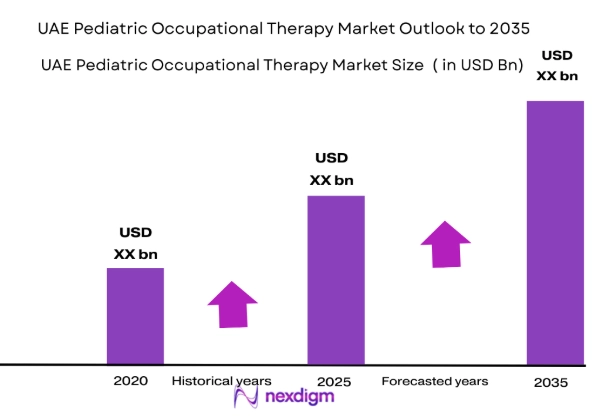
The pediatric occupational therapy market is experiencing significant growth, driven by increasing awareness about childhood developmental disorders and the rising need for early intervention therapies. Based on recent historical assessments, the market size is valued at approximately USD ~ billion. This growth is fueled by advancements in therapy techniques, telehealth services, and a higher demand for specialized pediatric care. The expansion of healthcare infrastructure and the increasing emphasis on healthcare inclusivity further support the demand for pediatric occupational therapy services.
Dominant cities and countries contributing to the market’s growth include urban centers like Dubai and Abu Dhabi, where healthcare infrastructure is robust and awareness regarding pediatric health is rising. The UAE’s strategic initiatives, coupled with government support for healthcare innovation and infrastructure development, have made it a key player in the region. The demand for pediatric occupational therapy services is particularly high in areas with better access to healthcare facilities, resulting in strong market growth in these regions.
Market Segmentation
By Product Type
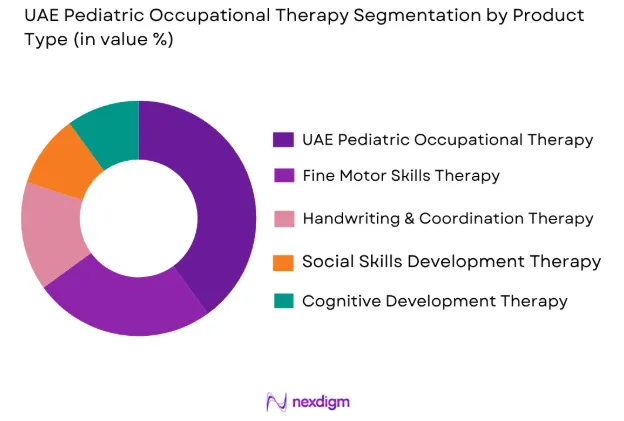
The pediatric occupational therapy market is segmented by product type into various therapy modalities. Recently, the sensory integration therapy has a dominant market share due to the increasing recognition of its effectiveness in treating children with developmental delays, autism spectrum disorder, and sensory processing disorders. The demand for this therapy type is growing due to its evidence-based success and increasing awareness among caregivers and healthcare professionals. Hospitals and specialized pediatric clinics prefer sensory integration therapy as a primary treatment modality because it addresses various issues children face in their day-to-day activities. Additionally, infrastructure development in hospitals and clinics has enabled better access to this specialized therapy, further supporting its market dominance.
By Platform Type
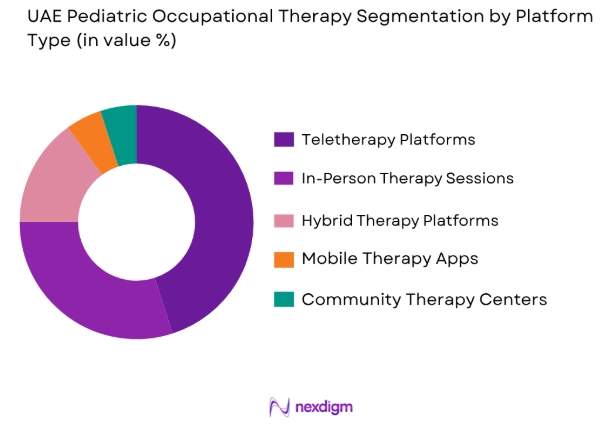
The pediatric occupational therapy market is segmented by platform type into in-person therapy, teletherapy, hybrid therapy, mobile therapy apps, and community therapy centers. Among these, teletherapy platforms dominate the market due to the increasing accessibility of remote healthcare solutions and the shift toward digital healthcare during the global pandemic. The growing adoption of telehealth services, combined with the expansion of reliable internet connectivity in urban areas, has led to an increase in the use of virtual therapy platforms for pediatric care. These platforms allow therapists to reach a wider audience and provide therapy to children who may have limited access to traditional in-person services, making teletherapy the preferred platform for many families and healthcare providers.
Competitive Landscape
The competitive landscape of the pediatric occupational therapy market is characterized by a mix of well-established companies and new entrants. Major players are consolidating their presence through strategic partnerships, acquisitions, and advancements in technology. Leading players in the market are focusing on offering innovative therapy solutions and expanding their geographic reach to cater to the growing demand for pediatric occupational therapy. The market is witnessing significant investments in telehealth platforms, mobile therapy apps, and integrated healthcare services. This competitive environment is expected to drive continuous advancements in therapy methodologies, ensuring a sustainable market growth trajectory.
| Company Name | Establishment Year | Headquarters | Technology Focus | Market Reach | Key Products | Revenue | Technology Integration |
| Child Development Center | 2000 | Dubai, UAE | ~ | ~ | ~ | ~ | ~ |
| Medcare Hospitals | 1980 | Dubai, UAE | ~ | ~ | ~ | ~ | ~ |
| TheraCare Clinic | 2010 | Abu Dhabi, UAE | ~ | ~ | ~ | ~ | ~ |
| Pediatric Therapy Solutions | 2015 | Sharjah, UAE | ~ | ~ | ~ | ~ | ~ |
| Emirates Health Services | 1995 | Dubai, UAE | ~ | ~ | ~ | ~ | ~ |
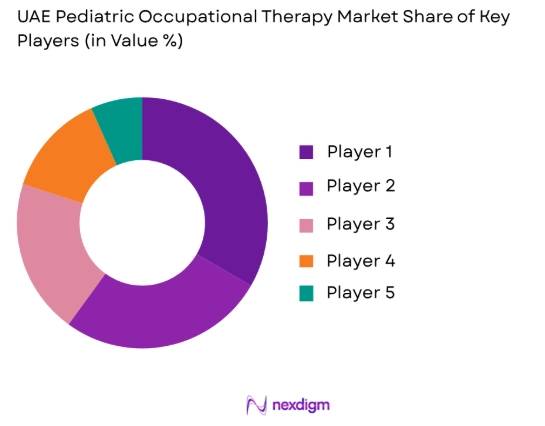
UAE Pediatric Occupational Therapy Market Analysis
Growth Drivers
Increasing Pediatric Healthcare Awareness
In the United Arab Emirates (UAE), recognition of child‑specific health needs is reflected in several macro‑level health indicators, suggesting a more informed caregiver population and stronger demand for specialised services such as pediatric occupational therapy. According to UNICEF’s child‑related SDG data, 98 out of every 100 surviving infants in the UAE received the first dose of measles‑containing vaccine in 2022, and 96 out of every 100 received three doses of diphtheria, tetanus, and pertussis (DTP3) immunizations, indicating broad engagement with preventive pediatric care and parental follow‑through on recommended health interventions. These high uptake numbers imply greater health service utilisation and awareness among families, which supports demand for allied health services beyond basic immunizations. Additionally, demographic data indicate that approximately 14.45 percent of the UAE’s estimated 11,027,129 people in 2024 are children aged 0–14 years, equating to about 1.6 million young residents who could require pediatric healthcare support. This substantial child population, combined with demonstrated engagement in structured health programmes, suggests that caregivers are increasingly aware of the importance of specialised interventions for developmental and functional health among children, bolstering demand for occupational therapy services tailored to pediatric needs.
Rising Prevalence of Functional Challenges Among Children
Functional health challenges among children in the UAE contribute to demand for pediatric occupational therapy. A health survey by the Dubai Health Authority reported that 40 out of every 100 school‑aged children in the UAE are classified as overweight and 15 out of every 100 are classified as obese, reflecting significant lifestyle and functional health concerns in the young population. These conditions are associated with reduced physical activity levels and increased risk of secondary motor and psychosocial issues that can benefit from occupational therapy interventions focused on sensory‑motor skills, physical function, and participation in daily activities. In addition, broader health system assessments show high overall child health coverage but also highlight noncommunicable disease burdens that can intersect with developmental and functional disability needs; for example, chronic conditions like asthma and diabetes among children often require integrated therapeutic support. With about 1.6 million children in the UAE and a sizeable subset exhibiting overweight and obesity trends linked to functional limitations, there is a measurable target population for pediatric occupational therapy aimed at improving physical and developmental outcomes.
Challenges
Limited Availability of Skilled Therapists
One of the systemic constraints for specialized services like pediatric occupational therapy in the UAE arises from broader workforce challenges within the healthcare sector. While up‑to‑date statisti cal sources specific to occupational therapists are limited, regional analyses of health workforce issues highlight that shortages of qualified professionals, limited access to continuous specialised training, and maldistribution of health workforce resources impede service expansion. Workforce limitations can constrain the scaling of pediatric occupational therapy services, particularly outside major urban centres, by limiting capacity to meet rising demand for functional and developmental interventions in children with complex needs. These broader workforce indicators signal chronic human resource bottlenecks that directly impact specialized clinical disciplines, including pediatric therapy provision.
High Treatment Costs and Inconsistent Regulatory Standards Across Regions
While the UAE has advanced health IT and telehealth frameworks, gaps remain in standardisation and integration across emirates that can affect cost efficiency and uniform service quality for specialized clinical programmes. Reports on health system performance note ongoing efforts to develop consistent performance indicators and connect disparate digital systems, but jurisdictional differences in implementation of health information exchange and telehealth standards have been observed. These inconsistencies can contribute to variable billing frameworks, administrative overhead, and patient navigation challenges that translate into higher treatment costs for families seeking pediatric occupational therapy care across different emirates. Fragmented regulatory environments can also lead to varied provider credentialing and reimbursement practices, which can further stress families’ ability to access affordable, quality‑assured therapeutic services.
Opportunities
Expansion of Teletherapy Services
Telehealth infrastructure in the UAE is increasingly capable of supporting remote clinical interventions, including pediatric occupational therapy delivery via virtual platforms. Government health authorities have mandated unified telehealth performance indicators for licensed providers, establishing structured frameworks for measuring remote care quality, timeliness, clinical effectiveness, and patient experience. For example, the Department of Health (Abu Dhabi) has published Telehealth Service Jawda Guidance outlining key performance indicators that all telehealth facilities must monitor for clinical delivery. This regulatory emphasis illustrates a substantive institutional push toward measurable telehealth services across clinical domains, which can be leveraged to extend occupational therapy to pediatric populations with mobility or access limitations. These guidelines now apply to all licensed telehealth facilities, indicating system‑wide adoption rather than pilot programmes alone, thereby positioning teletherapy as a scalable delivery mode for pediatric rehabilitation.
Increasing Government Investment in Pediatric Healthcare
The UAE’s broader healthcare strategy demonstrates structured investment in health data infrastructure and quality measurement systems that indirectly support expansion of specialized pediatric services, including occupational therapy. According to recent policy shift reporting, over 1.4 billion health records from 2,500 healthcare facilities across the UAE have been integrated into linked digital systems, under stronger coding and privacy governance frameworks. Concurrently, mandatory national health insurance expansion effective 1 January 2025 is set to broaden structured healthcare coverage. These systemic enhancements strengthen data availability, continuity of care facilitation, and healthcare financing foundations that allied health services — such as pediatric occupational therapy — can leverage for better service coordination and reimbursement frameworks. These developments reflect institutional prioritisation of comprehensive healthcare services, enabling the design and delivery of pediatric therapeutic interventions within broader health system investments.
Future Outlook
The pediatric occupational therapy market is expected to continue its growth trajectory over the next few years, driven by technological advancements, government support, and increasing demand for early intervention services. As digital healthcare platforms like teletherapy become more mainstream, their integration with traditional in-person therapies will shape the future of the market. Additionally, regulatory support for pediatric health initiatives will likely enhance the availability and accessibility of occupational therapy services. The growing focus on holistic care models will also drive the expansion of therapy services, ensuring a broad and sustainable market growth outlook.
Major Players
- Child Development Center
- Medcare Hospitals
- TheraCare Clinic
- Pediatric Therapy Solutions
- Emirates Health Services
- Al Zahra Hospital
- NMC Specialty Hospital
- Abu Dhabi Children’s Therapy Center
- Clemenceau Medical Center
- Royal Rehabilitation Center
- Pediatric Therapy Services Sharjah
- American Pediatric Therapy Clinic
- Mubarak Medical Group
- The Royal Rehabilitation Center
- Clemenceau Medical Center
Key Target Audience
- Investments and venture capitalist firms
- Government and regulatory bodies
- Healthcare providers and hospitals
- Pediatric clinics and therapy centers
- Insurance companies and healthcare investors
- Pediatricians and healthcare practitioners
- Pediatric therapists and rehabilitation specialists
- Health tech developers
Research Methodology
Step 1: Identification of Key Variables
The identification of key variables such as market drivers, challenges, and growth trends, which are crucial for understanding the market dynamics.
Step 2: Market Analysis and Construction
A comprehensive analysis of the market structure, segmentation, and competitive landscape, focusing on market trends and forecasts.
Step 3: Hypothesis Validation and Expert Consultation
Validation of hypotheses by consulting industry experts and key stakeholders to ensure the accuracy and relevance of the data.
Step 4: Research Synthesis and Final Output
Synthesis of research findings into a comprehensive report, combining quantitative and qualitative insights for market predictions.

- Executive Summary
- Research Methodology (Research Design & Market Estimation Techniques Data Source Hierarchy Definitions & Market Boundaries Assumptions & Normalization Approaches Primary Research Protocol Limitations & Data Confidence Ratings)

- Market Definition and Scope
- Value Chain & Stakeholder Ecosystem
- Regulatory / Certification Landscape
- Sector Dynamics Affecting Demand
- Strategic Initiatives & Infrastructure Growth

- Growth Drivers
Increasing Pediatric Healthcare Awareness
Rising Prevalence of Developmental Disabilities
Advancements in Telehealth Technologies - Market Challenges
Limited Availability of Skilled Therapists
High Treatment Costs
Inconsistent Regulatory Standards Across Regions - Market Opportunities
Expansion of Teletherapy Services
Increasing Government Investment in Pediatric Healthcare
Partnerships with Educational Institutions for Therapy Programs - Trends
Growth of Online Pediatric Occupational Therapy
Integration of Virtual Reality in Therapy Sessions
Increasing Focus on Holistic Pediatric Healthcare Approaches - Government Regulations
- SWOT Analysis of Key Competitors
- Porter’s Five Forces

- By Revenue, 2020-2025
- By Patient Visits / Therapy Sessions, 2020-2025
- By Number of Certified Pediatric OTs, 2020-2025
- By Service Modality Mix, 2020-2025
- By Setting, 2020-2025

- By Product Type (In Value%)
UAE Pediatric Occupational Therapy
Fine Motor Skills Therapy
Handwriting & Coordination Therapy
Social Skills Development Therapy
Cognitive Development Therapy - By Platform Type (In Value%)
In-Person Therapy Sessions
Teletherapy Platforms
Hybrid Therapy Platforms
Mobile Therapy Apps
Community Therapy Centers - By Fitment Type (In Value%)
Home-Based Therapy
Clinic-Based Therapy
School-Based Therapy
Hospital-Based Therapy
Community-Based Therapy - By End User Segment (In Value%)
Pediatric Clinics
Hospitals
Schools
Rehabilitation Centers
Home Care Services - By Procurement Channel (In Value%)
Direct Procurement
Public Sector Procurement
Private Sector Procurement
Online Procurement
Third-Party Procurement

- Market Share Analysis
- Cross Comparison Parameters ( Service Portfolio Breadth, Clinical Outcome Metrics & Standardized Scores, Digital/Teletherapy Capabilities, Patient Acquisition Channels, Average Revenue per Patient Visit, Payor Contract Presence, Provider Network Penetration Geographic Coverage)
- SWOT Analysis of Key Competitors
- Pricing & Procurement Analysis
- Key Players
UAE Pediatric Therapy Services
Child Development Center Dubai
Mubarak Medical Group
Medcare Hospitals
Al Zahra Hospital
TheraCare Clinic
Pediatric Occupational Therapy Dubai
The Royal Rehabilitation Center
Clemenceau Medical Center
Emirates Health Services
Abu Dhabi Children’s Therapy Center
Al Qassimi Hospital
NMC Specialty Hospital
Pediatric Therapy Services Sharjah
American Pediatric Therapy Clinic
Pediatric Therapy Solutions

- Growth of Pediatric Clinics
- Demand for Home-Based Therapy Services
- School Partnerships for Early Intervention
- Rise of Pediatric Rehabilitation Centers

- By Revenue, 2026-2035
- By Patient Visits / Therapy Sessions, 2026-2035
- By Number of Certified Pediatric OTs, 2026-2035
- By Service Modality Mix, 2026-2035
- By Setting, 2026-2035


 Request a Sample
 Ask for Customization
 Get a Quote
 Enquire Now