
 Download PDF
Market Overview
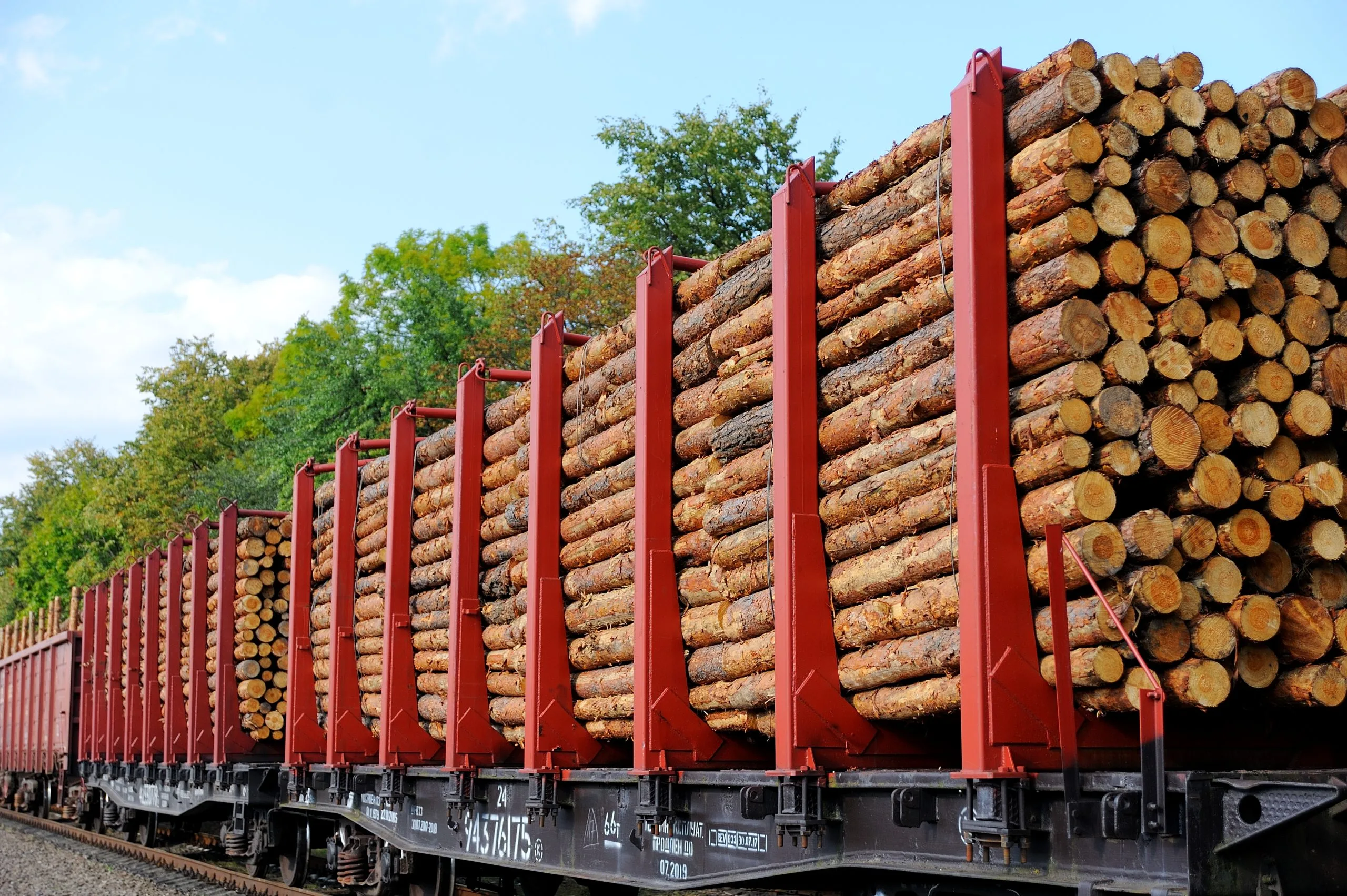
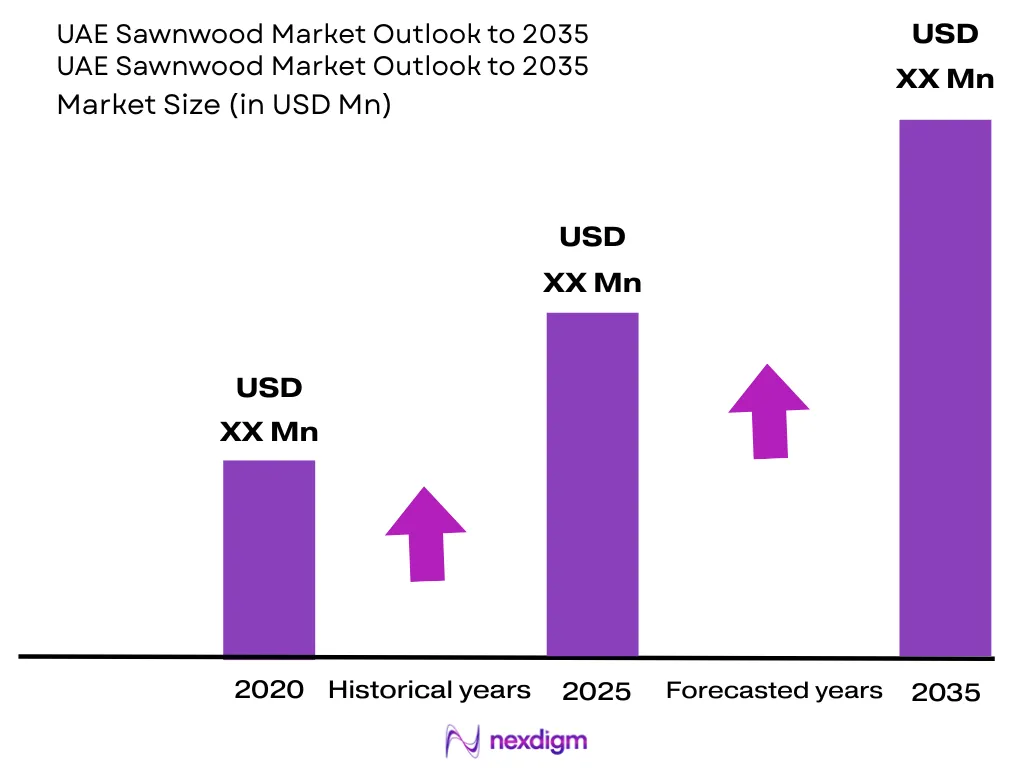
The UAE Sawnwood Market was valued at approximately USD ~ Million in 2024, reflecting the country’s unique position as a fully import-dependent timber economy and one of the most strategically significant timber trading and re-export hubs in the Middle East and broader GCC region. According to data published by the Food and Agriculture Organization, UAE Federal Customs Authority, and the Dubai Statistics Centre, the United Arab Emirates does not possess commercially harvestable forestland and is entirely reliant on sawnwood imports to satisfy domestic consumption requirements across construction, fit-out, furniture, packaging, and infrastructure sectors. The UAE’s timber market is intrinsically linked to its construction and real estate sector activity, which has experienced sustained and large-scale expansion driven by population growth, tourism infrastructure investment, Expo 2020 legacy projects, government Vision 2030 and Vision 2031 development programmes, and ongoing commercial, residential, and hospitality real estate development in Dubai, Abu Dhabi, Sharjah, and the Northern Emirates. The UAE additionally functions as a major regional timber re-export hub, with Jebel Ali Port in Dubai and other logistics infrastructure channelling sawnwood and wood products to regional markets across the GCC, East Africa, South Asia, and the broader Middle East, amplifying total timber trade volumes significantly beyond domestic consumption alone.
Market Segmentation
By Wood Species Type
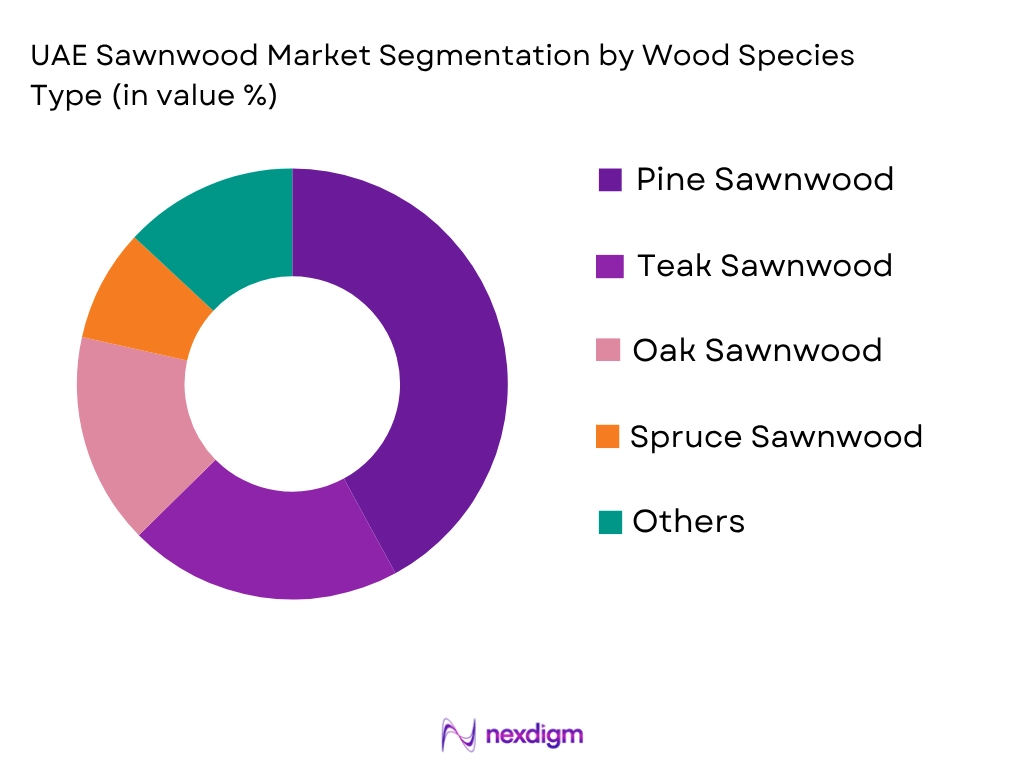
UAE Sawnwood Market is segmented by wood species type into Pine Sawnwood, Oak Sawnwood, Teak Sawnwood, Spruce Sawnwood, Hardwood Tropical Sawnwood, and Other Commercial Species. Pine Sawnwood holds the dominant market share by volume, driven by its cost-effectiveness, wide availability from European, North American, and South American supply origins, and broad suitability across construction formwork, framing, scaffolding, interior fitting, pallet manufacturing, and packaging applications. Construction-grade pine lumber, sourced principally from Scandinavia, the Baltic states, Central Europe, Brazil, and Chile, constitutes the foundation of UAE timber import volumes and serves as the primary structural and temporary works timber across residential, commercial, and infrastructure construction sites throughout the Emirates. Pine sawnwood’s compatibility with pressure treatment processes makes it particularly valued for outdoor decking, landscaping, and humid-environment applications in the UAE’s challenging desert climate. Kiln-dried pine from certified European and South American origins is increasingly specified by premium developers, fit-out contractors, and sustainable construction projects seeking FSC or PEFC certified timber inputs. Oak Sawnwood commands the highest unit value among imported species, driven by strong demand from luxury residential developments, high-end fit-out contractors, hotel and hospitality interior design projects, and premium furniture manufacturers serving the UAE’s sophisticated and design-conscious consumer and commercial market. Teak Sawnwood maintains a significant value share driven by its premium positioning in marine, outdoor, and luxury interior applications across the UAE’s extensive yachting, marina, and luxury residential sectors.
By End-Use Industry
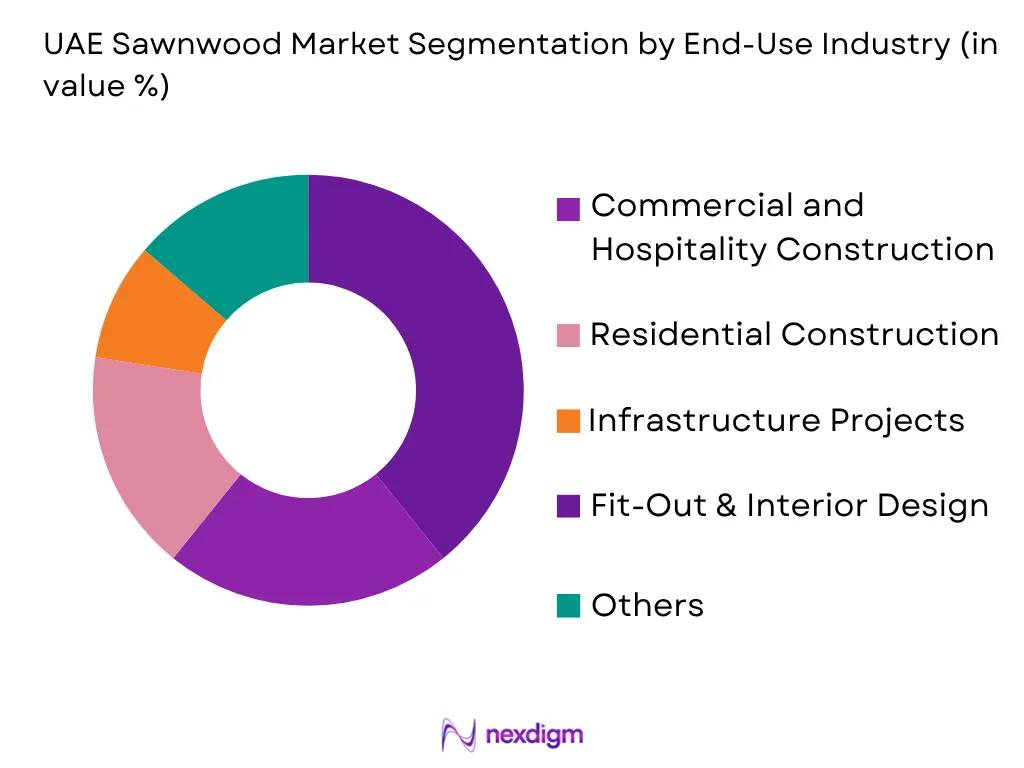
UAE Sawnwood Market is segmented by end-use industry into Residential Construction, Commercial and Hospitality Construction, Fit-Out and Interior Design, Furniture Manufacturing, Packaging & Pallets, and Marine & Infrastructure Applications. Commercial and Hospitality Construction represents the largest value segment, reflecting the UAE’s internationally recognised scale of premium hotel, retail, entertainment, and mixed-use development activity, which generates disproportionately high demand for specification-grade, appearance-quality, and certified sawnwood products. Dubai’s pipeline of luxury hotel and resort developments, Abu Dhabi’s cultural and tourism infrastructure investments, and the continued expansion of mixed-use retail and commercial developments across all seven Emirates create sustained demand for high-grade timber in interior cladding, ceiling features, structural feature elements, decking, and bespoke joinery applications. Fit-Out and Interior Design represents a uniquely prominent segment within the UAE market, reflecting the country’s globally recognised interior design and fit-out industry, which supplies commercial, hospitality, healthcare, and residential projects across the UAE and broader Middle East region. Residential Construction generates substantial volumes of construction-grade pine and structural timber consumption through villa compounds, apartment developments, and affordable housing projects across Dubai, Abu Dhabi, and Sharjah. The Packaging and Pallets segment benefits from the UAE’s major free trade zone and logistics hub activity, with Jebel Ali Free Zone and other logistics parks generating significant pallet and packaging timber consumption associated with the country’s role as a global trade and distribution centre.
Competitive Landscape
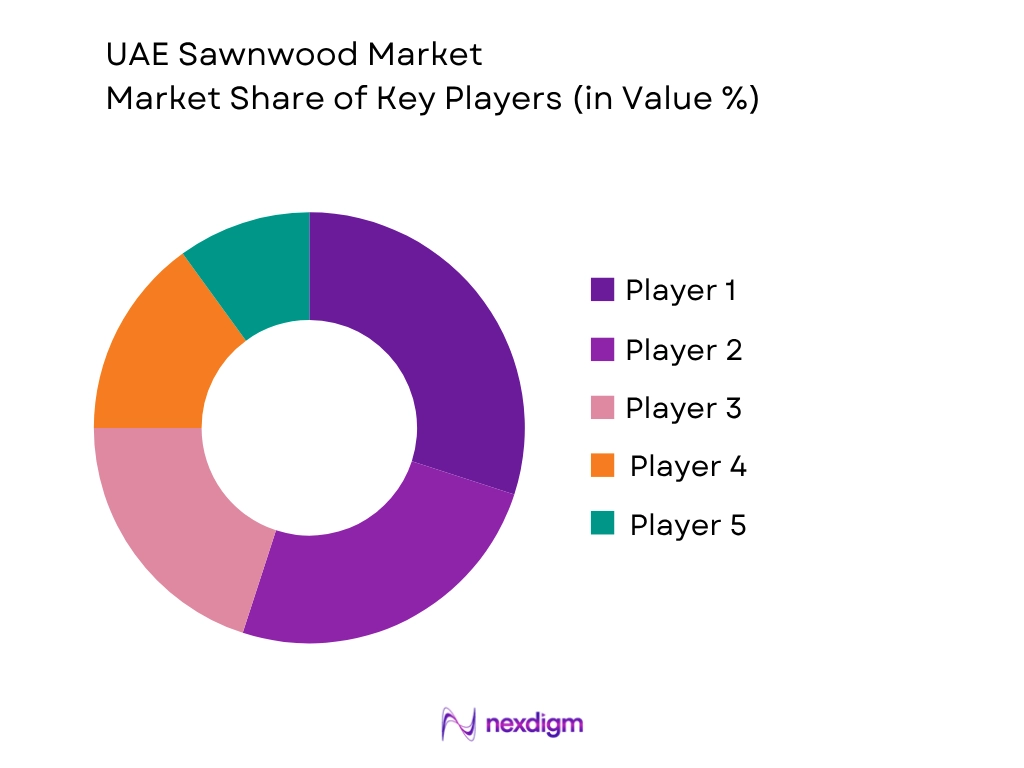
The UAE Sawnwood Market is characterised by a highly import-dependent, trade-oriented competitive structure with no domestic timber production. Market participants consist primarily of specialist timber importers and distributors, construction materials trading companies, free zone-based re-export traders, wood processing and treatment operators, and vertically integrated construction and fit-out groups with dedicated timber procurement divisions. Dubai functions as the dominant commercial centre for timber trade, with Jebel Ali Port providing world-class import, warehousing, and re-export logistics infrastructure. Sharjah and Ras Al Khaimah host additional timber trading and light processing operations. Companies with established supplier relationships across Scandinavia, Eastern Europe, Brazil, New Zealand, and South and Southeast Asia, combined with efficient Jebel Ali-based logistics capabilities, hold the strongest competitive positions. FSC and PEFC certification credentials are increasingly important for suppliers to government projects, luxury developers, and sustainability-committed construction clients operating under UAE Green Building Regulations and Estidama Pearl Rating System requirements.
| Company | Establishment Year | Headquarters | Plantation Assets | Sawmill Capacity | FSC/PEFC Certification | Export Presence | Product Portfolio | End-Use Focus |
| Al Fara’a General Contracting | 1975 | ~ | ~ | ~ | ~ | ~ | ~ | ~ |
| Interwood Mobel LLC | 1972 | ~ | ~ | ~ | ~ | ~ | ~ | ~ |
| Gulf Wood Industries LLC | 1985 | ~ | ~ | ~ | ~ | ~ | ~ | ~ |
| National Timber & Hardware LLC | 1982 | ~ | ~ | ~ | ~ | ~ | ~ | ~ |
| Emirates Wood & Timber LLC | 1990 | ~ | ~ | ~ | ~ | ~ | ~ | ~ |
UAE Sawnwood Market Analysis
Growth Drivers
Construction and Real Estate Sector Expansion
The UAE sawnwood market is fundamentally driven by one of the world’s most active and sustained construction and real estate development environments, which generates continuous and large-scale demand for structural, finishing, and appearance-grade timber products across all seven Emirates. Dubai alone consistently ranks among the global leaders in active construction project pipelines, with major residential tower developments, luxury villa communities, retail mall expansions, hotel and resort projects, and mixed-use urban regeneration schemes generating year-round timber consumption across construction contractors, fit-out specialists, and building materials distributors. Abu Dhabi’s Vision 2030 economic diversification programme has catalysed substantial investment in cultural tourism infrastructure, including Louvre Abu Dhabi, the Zayed National Museum, and Saadiyat Island cultural district developments, all of which incorporate high-specification timber elements in their architectural programmes. The UAE’s population growth, driven by continued expatriate inflows and government Golden Visa and business visa reform programmes attracting skilled professionals and investors, sustains residential construction demand across the affordable, mid-market, and luxury segments. Northern Emirates including Ras Al Khaimah, Sharjah, and Ajman are experiencing accelerating residential development driven by affordability migration from Dubai, further broadening the UAE’s construction-driven timber demand base. Government-mandated infrastructure investments in roads, utilities, public realm improvements, and social facilities across all Emirates generate additional structural timber demand through formwork, hoarding, and temporary works applications throughout the construction sector.
Fit-Out, Interior Design, and Hospitality Sector Timber Demand
The UAE’s internationally recognised fit-out and interior design industry represents a structurally distinctive and high-value driver of sawnwood market demand, reflecting the country’s unique position as a global centre of luxury interior specification, commercial fit-out project delivery, and hospitality design excellence. The UAE fit-out market is among the largest in the world by project value, serving hotel refurbishments, retail fit-outs, corporate office interiors, healthcare facility upgrades, and luxury residential completions across Dubai, Abu Dhabi, and the wider region. Timber features prominently in premium fit-out specifications as wall panelling, ceiling features, custom joinery, flooring, bespoke furniture, and architectural statement elements, driving demand for high-quality, appearance-grade, certified, and precisely dimensioned sawnwood products from European, North American, and South American origins. Dubai’s hotel development pipeline, consistently among the world’s most active, generates substantial recurring demand for specification timber through new openings, cyclical refurbishments, and brand-standard upgrades across the city’s more than 140,000 hotel keys. The growth of luxury residential developments in Dubai Hills, Palm Jumeirah, Emirates Hills, and comparable premium districts in Abu Dhabi drives demand for high-end wood species including American white oak, European walnut, teak, and certified tropical hardwoods for bespoke interior applications. The UAE’s established position as a regional hub for fit-out project delivery, with contractors and designers supplying projects across Saudi Arabia, Qatar, Kuwait, Oman, and Bahrain from UAE-based procurement and logistics platforms, amplifies effective timber demand beyond purely domestic project pipelines.
Market Challenges
Complete Import Dependency and Supply Chain Vulnerability
The UAE sawnwood market faces a fundamental structural challenge arising from its complete absence of domestic timber production, making it entirely dependent on international supply chains for every cubic metre of sawnwood consumed or traded within its borders. This total import dependency exposes the market to a broad range of external risk factors including international freight rate volatility, port congestion at origin and destination terminals, geopolitical disruptions in supplying regions, currency exchange rate fluctuations, and trade policy changes by exporting countries. The extraordinary global freight rate increases experienced during 2021 and 2022, when container shipping rates rose by multiples of historical norms, severely impacted UAE timber importers’ landed cost structures and margin management. Any disruption to supply from key origins including Scandinavia, the Baltic states, Brazil, New Zealand, or Southeast Asia directly translates into UAE market supply shortages and price increases, with no domestic production buffer available. The concentration of UAE timber imports through Jebel Ali Port, while commercially efficient, also creates single-point-of-failure risk for supply chain continuity in the event of port operational disruptions. Post-pandemic supply chain restructuring, evolving trade sanctions frameworks, and shifting global timber production dynamics require UAE timber traders to maintain diversified supplier relationships and flexible logistics arrangements to manage supply continuity risk effectively. These structural import dependency characteristics make proactive supply chain risk management, inventory management, and supplier diversification essential competitive capabilities for UAE market participants.
Global Commodity Price Volatility and Margin Pressure
UAE sawnwood market participants face persistent margin management challenges arising from the high volatility of international timber commodity prices, combined with the competitive pressures of a trading-oriented market characterised by relatively thin processing margins and price-sensitive buyers across multiple end-use segments. International softwood lumber prices demonstrated extreme volatility in the post-pandemic period, with North American lumber futures reaching record highs in 2021 before experiencing sharp corrections, while European softwood prices were significantly affected by the Russian timber export ban following the Ukraine conflict. These international price movements directly affect UAE importers’ procurement costs, inventory valuation, and selling price management, creating significant earnings volatility for traders and distributors. The UAE’s construction sector, while large and active, includes a substantial proportion of price-sensitive contractors and subcontractors operating on tight project margins who resist timber price increases and create downward pressure on distributor margins during periods of international price softening. The UAE dirham’s peg to the US dollar provides stability against dollar-denominated timber imports but creates currency exposure against euro-denominated European supplies during periods of dollar weakness. Competition between established timber traders, free zone-based re-exporters, and direct-import construction groups further compresses distribution margins. Effective commodity price risk management, forward purchasing strategies, and value-added service differentiation are essential for UAE sawnwood market participants to sustain profitable operations through commodity price cycles.
Market Opportunities
Green Building Regulations and Certified Timber Specification Growth
The UAE’s progressive adoption of green building regulations and sustainability certification frameworks represents a significant and growing market opportunity for suppliers of certified, legally sourced, and sustainably produced sawnwood products. Dubai’s Green Building Regulations and Specifications, Abu Dhabi’s Estidama Pearl Rating System, and the UAE’s national commitment to achieving net zero carbon emissions by 2050 under the UAE Net Zero by 2050 Strategic Initiative are collectively driving greater specification of certified timber products across government-funded, institutional, and premium private construction projects. Green building rating systems including LEED, BREEAM, and Estidama Pearl specifically award credits for the use of FSC or PEFC certified timber products with documented chain-of-custody verification, creating measurable procurement incentives for developers and contractors targeting sustainability certification for their projects. The UAE government’s own procurement guidelines increasingly favour certified and sustainably sourced building materials for public sector construction, infrastructure, and facilities management projects. Growing awareness among UAE developers, architects, interior designers, and end users of the embodied carbon advantages of responsibly sourced timber compared to steel and concrete alternatives is supporting broader specification of certified wood products. As the UAE’s construction industry continues to professionalise and align with international sustainability standards driven by ESG investor requirements, Vision 2030 commitments, and COP28 legacy ambitions, demand for certified sawnwood with full traceability documentation is expected to grow significantly, creating premium market positioning opportunities for certified suppliers.
Regional Re-Export Hub Expansion and GCC Market Development
The UAE’s unparalleled position as the Middle East’s premier trade and logistics hub presents a substantial and strategically important opportunity to expand sawnwood re-export volumes to regional markets across the GCC, Levant, East Africa, and South Asia. Jebel Ali Port, operated by DP World and consistently ranked among the world’s top ten container ports by throughput, provides UAE-based timber traders with world-class logistics infrastructure including deep-water berths, extensive warehousing, bonded storage facilities, and efficient customs clearance systems that enable cost-effective import, processing, and re-export of timber products to regional destinations. The GCC construction boom, driven by Saudi Arabia’s Vision 2030 giga-projects including NEOM, Red Sea Project, and Qiddiya, Qatar’s post-World Cup infrastructure legacy investment, Kuwait’s National Development Plan, and Oman’s tourism and infrastructure expansion, is generating enormous and sustained timber import demand across the region. UAE-based traders are well-positioned to serve this regional demand through Jebel Ali-based consolidation, repackaging, and redistribution operations that leverage the UAE’s superior port infrastructure, free zone fiscal advantages, established banking relationships, and deep commercial networks across regional markets. The development of value-added timber processing operations within UAE free zones, including pressure treatment, kiln drying, precision cutting, and finger jointing, further enhances the competitive positioning of UAE-based re-exporters in regional markets where such processing capabilities are limited. Expanding regional construction markets combined with the UAE’s logistics infrastructure advantages create a compelling long-term growth platform for sawnwood trading and re-export operations through the forecast period.
Future Outlook
The UAE Sawnwood Market is expected to witness sustained growth over the forecast period, underpinned by continued large-scale construction and real estate development activity across all seven Emirates, the enduring strength of the fit-out and interior design sector, growing specification of certified and sustainable timber products under green building frameworks, and the progressive expansion of the UAE’s role as a regional timber re-export and distribution hub. Government Vision 2030 and Vision 2031 development programmes in Dubai and Abu Dhabi, combined with Saudi Arabia’s giga-project pipeline creating regional ripple demand through UAE-based supply chains, are expected to sustain strong construction-sector timber consumption through the forecast horizon. Progressive adoption of FSC and PEFC certified timber specifications in public sector and premium private development projects will support demand for verified, sustainably sourced sawnwood from established European, North American, and Australasian supply origins. The development of value-added timber processing capabilities within UAE free zones, including treatment, drying, and precision processing, is anticipated to strengthen the country’s re-export competitiveness and capture additional margin within regional supply chains. Digital timber procurement platforms, improved logistics technology, and deepening supplier relationships across diversified origins are expected to enhance supply chain resilience and procurement efficiency for UAE timber market participants through 2035.
Major Players
- Al Fara’a General Contracting
- Interwood Mobel LLC
- Gulf Wood Industries LLC
- National Timber & Hardware LLC
- Emirates Wood & Timber LLC
- Al Rostamani Group (Timber Division)
- Arabian Timber Company LLC
- Dubai Timber Trading LLC
- Al Ghurair Construction (Timber Division)
- RAK Wood Industries
- Jebel Ali Timber Trading LLC
- Bin Dasmal Timber LLC
- Al Habtoor Group (Construction Materials)
- Superior Timber LLC
- Woodcraft Gulf LLC
Key Target Audience
- Timber Importers, Distributors and Trading Companies
- Sawmill Operators and Wood Processing Enterprises (Free Zone-Based)
- Furniture Manufacturing Companies
- Residential, Commercial and Hospitality Construction Companies
- Fit-Out Contractors and Interior Design Firms
- Investments and Venture Capitalist Firms
- Government and Regulatory Bodies (UAE Ministry of Climate Change and Environment, Dubai Municipality, Abu Dhabi Department of Municipalities and Transport, Federal Customs Authority, Jebel Ali Free Zone Authority (JAFZA))
- Timber Re-Exporters and GCC Regional Trading Organisations
Research Methodology
Step 1: Identification of Key Variables
The initial phase involves constructing an ecosystem map covering timber importers, free zone-based traders, wood processing operators, construction companies, fit-out contractors, furniture manufacturers, and re-export trading companies operating within the UAE Sawnwood Market. Extensive secondary research is conducted using industry associations, trade databases, customs data, and government publications including data from the UAE Federal Customs Authority, Dubai Statistics Centre, Abu Dhabi Statistics Centre, Jebel Ali Free Zone Authority (JAFZA), and the Food and Agriculture Organization to identify the variables influencing market demand, import trade flows, and competitive dynamics within the UAE’s fully import-dependent timber economy.
Step 2: Market Analysis and Construction
This phase focuses on gathering historical information relating to sawnwood import volumes and values by origin country, domestic consumption patterns, re-export flows, pricing trends by species and grade, and end-use demand across construction, fit-out, furniture, and packaging sectors. Market revenues are estimated using a combination of customs import data, average landed prices, distribution margins, and end-use consumption assessments while validating relationships between construction activity indicators, timber import volumes, and re-export trade performance.
Step 3: Hypothesis Validation and Expert Consultation
Market assumptions are validated through structured interviews with timber import traders, construction materials distributors, fit-out contractors, free zone operators, logistics specialists, and industry association representatives. These consultations provide operational insights regarding import sourcing strategies, pricing dynamics, species demand trends, certification requirements, logistics challenges, and regional re-export market developments, ensuring greater accuracy of market estimates within the UAE’s unique trade-oriented timber market context.
Step 4: Research Synthesis and Final Output
The final stage integrates findings from primary and secondary research to develop market forecasts, segmentation analysis, competitive benchmarking, and strategic recommendations. Data triangulation techniques are applied to validate market estimates and generate a comprehensive assessment of the UAE Sawnwood Market while ensuring consistency across all segments, Emirates, and stakeholder perspectives within this distinctive and strategically important Middle East timber trading economy.

- Executive Summary
- Research Methodology (Market Definitions and Assumptions, Abbreviations, Market Sizing Approach, Top-Down Analysis, Bottom-Up Analysis, Demand-Side Assessment, Supply-Side Assessment, Primary Industry Interviews, Forestry Sector Validation Framework, Trade Flow Assessment, Data Triangulation, Forecasting Framework, Limitations and Future Conclusions)

- Definition and Scope
- Market Evolution and Industry Genesis
- Timeline of Major Industry Developments
- Timber Trade and Wood Processing Industry Ecosystem
- Sawnwood Value Chain Analysis

- Growth Drivers (Construction and Real Estate Sector Expansion, Fit-Out and Interior Design Industry Growth, Re-Export Hub Role, Tourism and Hospitality Infrastructure Investment, Expo Legacy and Vision 2030 Projects)
- Market Challenges (Complete Import Dependency, Freight Cost and Supply Chain Volatility, Currency and Global Commodity Price Exposure, Port Congestion and Logistics Constraints, Competition from Engineered Wood and Composite Alternatives)
- Market Opportunities (Green Building and Sustainable Timber Demand, Certified Timber Procurement in Public Projects, Regional Re-Export Market Expansion, Value-Added Wood Processing in Free Zones, Digital Timber Procurement Platforms)
- Market Trends (FSC-Certified Timber Specification Growth, Kiln-Dried Lumber Preference, Fit-Out Sector Timber Demand Expansion, Prefabricated Construction Growth, Luxury Hospitality Wood Specification)
- Government Regulations (UAE Green Building Regulations, Estidama Pearl Rating System, Dubai Green Building Regulations, Abu Dhabi Urban Planning Council Standards, UAE Timber Import and Customs Regulations)
- SWOT Analysis
- Porter’s Five Forces Analysis
- PESTLE Analysis
- Stakeholder Ecosystem
- Competition Ecosystem

- By Market Value (2020-2025)
- By Volume (2020-2025)
- By Average Realized Price (2020-2025)

- By Wood Species Type (In Value %)
Pine Sawnwood
Oak Sawnwood
Teak Sawnwood
Spruce Sawnwood
Hardwood Tropical Sawnwood
Other Commercial Wood Species - By Product Form (In Value %)
Rough Sawn Lumber
Planed Sawnwood
Kiln-Dried Sawnwood
Treated Sawnwood
Structural Sawn Timber
Appearance Grade Lumber - By End-Use Industry (In Value %)
Residential Construction
Commercial and Hospitality Construction
Fit-Out and Interior Design
Furniture Manufacturing
Packaging and Pallets
Marine and Infrastructure Applications - By Distribution Channel (In Value %)
Direct Sales to Construction and Fit-Out Contractors
Timber Traders and Wholesalers
Building Material Distributors
Retail Timber Merchants and Hardware Stores
Re-Export and Transit Trading Companies - By Emirate (In Value %)
Dubai
Abu Dhabi
Sharjah
Ajman
Ras Al Khaimah, Fujairah and Umm Al Quwain

- Market Share of Major Players (By Value, Import Volume, Distribution Reach, Processing Capacity)
- Cross Comparison Parameters (Annual Sawnwood Import Volume, Warehouse and Processing Capacity, Kiln Drying Capability, FSC/PEFC Certified Timber Share, Re-Export Revenue Share, Number of Distribution Facilities, Product Grade Portfolio, Free Zone Presence)
- SWOT Analysis of Major Players
- Benchmarking Analysis of Major Players
- Pricing Analysis (By Species, Grade, Moisture Content, Thickness, Import Origin and Re-Export vs Domestic Sales)
- Detailed Profiles of Major Companies
Al Fara’a General Contracting
Interwood Mobel LLC
Gulf Wood Industries LLC
National Timber & Hardware LLC
Emirates Wood & Timber LLC
Al Rostamani Group (Timber Division)
Arabian Timber Company LLC
Dubai Timber Trading LLC
Al Ghurair Construction (Timber Division)
RAK Wood Industries
Jebel Ali Timber Trading LLC
Bin Dasmal Timber LLC
Al Habtoor Group (Construction Materials)
Superior Timber LLC
Woodcraft Gulf LLC

- Consumption Pattern Assessment (Consumption Frequency, Product Mix, Industry Demand Share, Volume Utilisation, Seasonal Demand)
- Sawnwood Utilisation by Industry (Construction Usage, Fit-Out and Interior Sector Share, Furniture Manufacturing Consumption, Marine Applications, Packaging Demand)
- Procurement and Sourcing Analysis (Contract Duration, Supplier Preference, Import Sourcing Origins, Procurement Volume, Lead Time Requirements)
- Buyer Preference Analysis (Species Preference, Grade Preference, Moisture Requirements, Certification Requirements, Delivery Expectations)
- Price Sensitivity Analysis (Price Elasticity, Grade-Based Pricing, Emirate-Level Price Variations, Volume Discounts, Contract Pricing Trends)

- By Market Value (2026-2035)
- By Volume (2026-2035)
- By Average Realized Price (2026-2035)


 Request a Sample
 Ask for Customization
 Get a Quote
 Enquire Now