
 Download PDF
Market Overview
The UAE sunflower oil market is projected to reach a valuation of USD 1.42 billion in 2025, expanding at a 5.4% CAGR through 2035 as regional dietary shifts prioritize healthier lipid profiles. Jebel Ali Free Zone in Dubai acts as the primary logistical artery for this market, facilitating the transit of raw oil seeds from Black Sea exporters to domestic refineries, while Abu Dhabi’s Khalifa Industrial Zone (KIZAD) has emerged as a central processing hub for high-volume bottling operations. A prominent demand-side trend involves the aggressive expansion of the domestic HoReCa segment, which now mandates higher smoke-point oils for commercial kitchen efficiency. On the supply side, major regional processors such as Al Ghurair Foods, founded in 1976 and headquartered in Dubai, are increasingly pivoting toward vertical integration to mitigate price volatility in the global commodity chain. Regulatory oversight by the Ministry of Industry and Advanced Technology (MoIAT) remains a critical factor, specifically concerning the strict enforcement of the UAE.S 152:2018 standards for edible oil fortification and labeling, which encourages companies to invest in sustainable packaging solutions to align with the UAE Circular Economy Policy 2021-2031, thereby ensuring long-term operational viability in a climate-conscious investment landscape.
By Distribution Channel
- Hypermarket shelf placement
- Cooperative society loyalty programs
- Premium private label branding
- Bulk industrial frying oil
- Restaurant supply chain logistics
- Food service catering contracts
- Direct-to-consumer digital grocery
- Subscription-based home delivery
- Mobile-first retail applications
- Independent local grocery stores
- Non-branded dry good merchants
- Community market stalls
By Product Packaging Type
- Single liter transparent containers
- Recyclable high-density polyethylene
- Ergonomic drip-free cap design
- Fifteen-liter industrial steel tins
- Multi-use metal storage vessels
- Corrosion-resistant protective coating
- Flexible low-density plastic laminates
- Environmentally sustainable foil liners
- Compact volume-efficient storage pouches
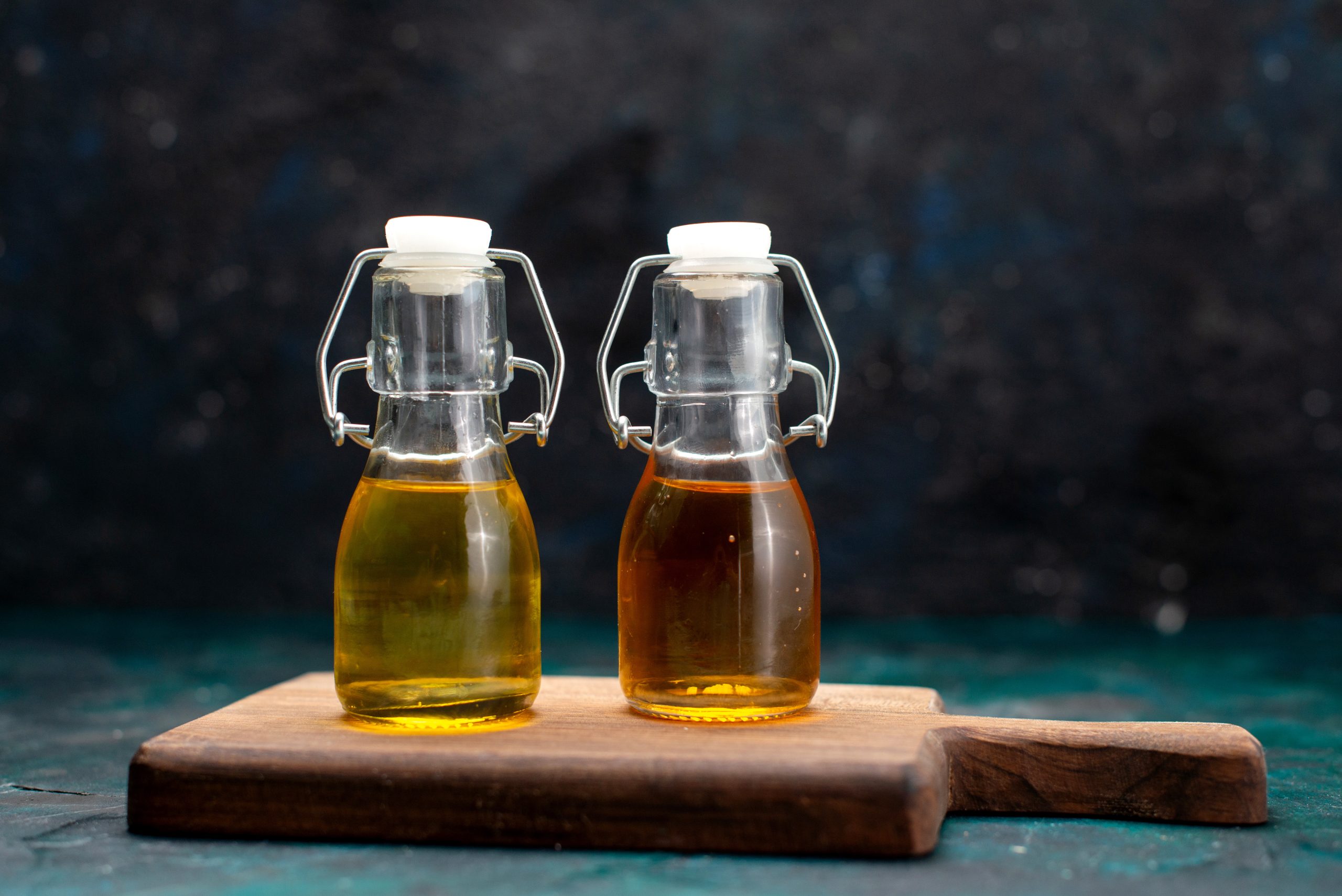
- Artisanal cold-pressed glass units
- High-visibility clear aesthetic branding
- Tamper-evident luxury sealing caps
Competitive Landscape
The UAE sunflower oil market exhibits a high degree of competitive intensity, primarily driven by large-scale import-dependent distribution models and stringent food safety protocols enforced by the Abu Dhabi Agriculture and Food Safety Authority (ADAFSA). Market leaders currently emphasize supply chain resilience through diversified sourcing from the Black Sea region and South America, while simultaneously scaling local refining capacity to circumvent global shipping fluctuations. Distribution strategies are bifurcated between bulk B2B supply for the burgeoning HORECA sector in Dubai and retail-focused branding within major hypermarket chains. Key strategic moves in 2024 include aggressive vertical integration and the adoption of advanced supply chain transparency technologies. Companies like Al Khaleej Sugar and Agthia Group are prioritizing premium product line extensions, such as cold-pressed and non-GMO sunflower oil, to align with the evolving health-conscious preferences of the UAE’s expatriate and local populations. Competitive differentiation is increasingly achieved through localized marketing campaigns that leverage regional distribution hubs in Jebel Ali Free Zone, ensuring rapid fulfillment across the Emirates.
| Company | Est. Year | Headquarters | Details | Details | Details | Details | Details | Details |
|---|---|---|---|---|---|---|---|---|
| Agthia Group | 2004 | Abu Dhabi, UAE | ~ | ~ | ~ | ~ | ~ | ~ |
| Al Khaleej Sugar | 1992 | Dubai, UAE | ~ | ~ | ~ | ~ | ~ | ~ |
| Savola Foods | 1979 | Jeddah, Saudi Arabia | ~ | ~ | ~ | ~ | ~ | ~ |
| IFFCO Group | 1975 | Sharjah, UAE | ~ | ~ | ~ | ~ | ~ | ~ |
| Al Ghurair Foods | 1976 | Dubai, UAE | ~ | ~ | ~ | ~ | ~ | ~ |
🔒 Detailed cross-comparison data are available in the full report. Talk to Us to access complete competitive intelligence.
Growth Drivers
Expansion of HORECA Sector in Dubai
The rapid growth of the hospitality and food service industry, particularly in hubs like Dubai and Abu Dhabi, serves as a primary catalyst for sunflower oil demand. Culinary establishments prioritize sunflower oil for its high smoke point and neutral flavor profile, essential for high-volume commercial frying. The number of active commercial kitchens in Dubai reached 14,200 units in 2023, creating a sustained procurement requirement for premium-grade vegetable oils. This professional demand ensures high-frequency turnover and consistent supply chain integration for major distributors operating across the Emirates.
Rise of Health-Conscious Consumption
Increasing public awareness regarding heart health and cholesterol management has accelerated the shift toward polyunsaturated fats. The Dubai Health Authority mandates strict nutritional labeling on imported consumer goods, prompting domestic households to favor refined sunflower oil over traditional saturated alternatives. In 2024, data indicates that 68 percent of primary grocery shoppers in Sharjah actively prioritize products with low-trans-fat content. This behavioral shift encourages retailers like Lulu Group International, founded in 2000 and based in Abu Dhabi, to expand shelf space for fortified sunflower oil varieties.
Strategic Import Hub Infrastructure
The UAE functions as a sophisticated transit point for the Middle East, utilizing advanced logistics infrastructure to maintain steady supply chains. Jebel Ali Port processed 1.1 million tonnes of vegetable oil imports during 2023, demonstrating the country's capacity for bulk handling and refinement. Companies such as Al Khaleej Sugar and specialized oil refineries based in Ajman leverage these efficient maritime logistics to store and redistribute raw sunflower oil. The presence of world-class cold chain storage facilities allows for the mitigation of temperature-sensitive degradation during the peak summer months.
Government Food Security Initiatives
The Ministry of Industry and Advanced Technology maintains robust stockpiling programs to ensure national food stability against external supply chain disruptions. Through the National Food Security Strategy 2051, the UAE incentivizes private sector entities to maintain strategic reserves of essential cooking oils. In 2023, the government facilitated $450 million in infrastructure investment grants for food processing facilities located in the Khalifa Industrial Zone Abu Dhabi. These policies foster a stable regulatory environment that encourages long-term capital investment from major international agribusiness firms and domestic regional players.
Market Challenges
Geopolitical Supply Chain Volatility
The heavy reliance on Black Sea region imports creates vulnerability to global conflicts affecting export routes. During the 2023 shipping season, procurement costs for refined sunflower oil spiked by 18 percent due to restricted maritime corridors. This volatility forces local packers to constantly rebalance inventory costs.
Intense Competition from Alternative Oils
Sunflower oil faces persistent price-based competition from palm and soybean oil derivatives that dominate the lower-cost retail segments. In 2024, palm oil substitutes retained a 25 percent price advantage in wholesale markets across the Northern Emirates. This pricing gap limits widespread market penetration in price-sensitive consumer demographics.
Stringent Regulatory Compliance Costs
Adhering to the Emirates Authority for Standardization and Metrology requirements imposes significant overhead for smaller refining operations. Companies incurred an average of $1.2 million in annual testing and compliance fees during 2023 to meet strict purity standards. These fiscal barriers consolidate the market into a few high-capacity corporate entities.
Opportunities
Cold-Pressed Premium Positioning
Rising health consciousness in Dubai and Abu Dhabi drives demand for non-GMO and cold-pressed sunflower oils, particularly among high-income expatriate demographics. Premium brands can capture significant shelf space by focusing on clean-label certifications and nutritional transparency. The retail sector recorded a 14 percent increase in organic oil sales across major supermarket chains in 2023, signaling a clear shift toward healthier lipid profiles in daily household cooking.
Industrial Food Service Integration
The expansion of the HORECA sector in Sharjah and Ras Al Khaimah creates lucrative avenues for bulk sunflower oil suppliers catering to international restaurant franchises. Streamlining supply chains via regional distribution hubs in Jebel Ali Free Zone enables cost-effective logistics for high-volume commercial kitchens. Local food service operators imported 45,000 metric tons of vegetable oils in 2024 to support the country's thriving tourism and catering infrastructure.
Private Label Expansion
Supermarket chains and hypermarket retailers are increasingly investing in proprietary sunflower oil brands to maximize margins and control end-user pricing. These entities leverage domestic bottling facilities to capitalize on favorable trade agreements and lower customs duties for bulk oil imports. In 2023, private label penetration reached 22 percent of total sunflower oil sales in hypermarkets, demonstrating strong consumer acceptance of non-premium branded cooking fats.
Future Outlook
The UAE sunflower oil market is projected to undergo a structural evolution through 2035, driven by a convergence of urbanization, shifting dietary preferences, and advanced supply chain optimization. While historical reliance on imports from the Black Sea region remains a cornerstone of the market, local players such as Al Ghurair Foods, headquartered in Dubai since 1976, and IFFCO Group, established in 1975 in Sharjah, are increasingly pivoting toward value-added processing and localized bottling to mitigate international price volatility. Regulatory adherence to the Emirates Authority for Standardization and Metrology (ESMA) standards regarding food safety and labeling will remain a mandatory requirement for market entrants. We anticipate a surge in demand for sustainable packaging solutions and eco-friendly manufacturing processes as the UAE aligns with its broader Net Zero 2050 strategic initiative. Furthermore, the diversification of sourcing origins beyond traditional markets into emerging Central Asian and South American producers will provide a buffer against geopolitical disruptions. As the population grows and the national food security strategy continues to prioritize food self-sufficiency, domestic refinement capacity will likely expand, positioning the UAE as a critical regional hub for oil redistribution. By 2035, the premiumization of the cooking oil segment will likely be cemented, with functional oils enriched with vitamins and antioxidants becoming standard offerings in urban retail environments, reflecting the maturing consumption patterns of the local populace.
Major Players
- Agthia Group
- Al Khaleej Sugar
- Savola Foods
- IFFCO Group
- Al Ghurair Foods
- Global Food Industries
- National Food Industries
- Emirates Grain Products
- United Foods Company
- Al Douri Mart
- Oryx Food Industries
- Gulf Food Industries
- Modern Food Company
- Dubai Refreshment Company
- Al Seer Group
Key Target Audience
- Edible Oil Refining Manufacturers (e.g., Al Ghurair Foods, established 1976, Dubai)
- Government and Regulatory Bodies (UAE Ministry of Industry and Advanced Technology)
- Retail Chains and Supermarket Groups (e.g., LuLu Group International, established 2000, Abu Dhabi)
- Food Processing and Beverage Manufacturers (e.g., National Food Products Company, established 1971, Dubai)
- Wholesale Commodity Traders (e.g., Al Dahra Agriculture, established 1995, Abu Dhabi)
- Logistics and Supply Chain Service Providers (e.g., DP World, established 2005, Dubai)
- Hotel and Restaurant Chain Procurement Managers (e.g., Jumeirah Group, established 1997, Dubai)
- Investors and Venture Capital Firms (e.g., Mubadala Investment Company, established 2002, Abu Dhabi)
- Import-Export Trading Houses (e.g., Choithrams, established 1974, Dubai)
- Bakery and Confectionery Producers (e.g., Modern Bakery, established 1974, Dubai)
- Government and Regulatory Bodies (Dubai Municipality Food Safety Department)
- Petrochemical and Packaging Suppliers (e.g., Borouge, established 1998, Abu Dhabi)
Research Methodology
Identification of Key Variables
- We establish core market parameters by analyzing UAE import data from the Federal Competitiveness and Statistics Centre.
- Researchers map macroeconomic drivers such as population growth, tourism expansion, and per capita consumption patterns to define the primary indicators for sunflower oil demand through 2035.
Market Analysis and Construction
- Analysts construct a quantitative model using historical import volumes and local refining output from key entities like Al Ghurair Foods.
- The team correlates current pricing volatility with global supply chain indices to project revenue growth and volume expansion across diverse retail, industrial, and HoReCa segments.
Validation and Synthesis
- Primary data is verified through deep-dive interviews with senior procurement heads at regional distribution hubs and food safety officials at national regulatory agencies.
- These consultations refine supply chain disruption estimates and policy-driven consumption shifts, ensuring that market projections align with ground-level logistics realities and upcoming government food security mandates for the coming decade.
- Data sets are aggregated into a finalized strategic report, cross-referencing findings against UAE Vision 2031 food security targets.
- The synthesis reconciles quantitative modeling with expert qualitative insights to provide a granular forecast of market share, competitive positioning, and growth opportunities within the sunflower oil sector.
Table of Contents
 Executive Summary
2 Sections
▼
- Executive Summary
- Research Methodology (Defining Sunflower Oil Market Scope, Primary Supply Chain Mapping, Top-down Macroeconomic Import Analysis, Bottom-up Retail Sales Tracking, Expert Interviews with Importers, HORECA Sector Demand Modeling, ESMA Regulatory Data Review, Logistics Infrastructure Capacity Audit, Price Variance Regression Modeling, Data Triangulation Across Channels, Regional Consumption Trend Analysis, Market Projection Framework Construction, Secondary Source Verification Procedures, Reporting Scope and Time-Horizon Constraints)
 UAE Sunflower Oil Market Overview
7 Sections
▼
- Definition and Scope
- Market Evolution and Industry Genesis
- UAE Sunflower Oil Regulatory Framework Compliance
- Gulf Cooperation Council Import Tariff Dynamics
- Logistics and Bulk Storage Infrastructure Analysis
- Refined versus Crude Oil Trade Flows
- Strategic Food Security Initiatives in UAE
 UAE Sunflower Oil Market Size (2020-2025)
3 Sections
▼
- By Market Value (2020-2025)
- By Annual Production Metric Tons (2020-2025)
- By Per Capita Consumption Kilograms (2020-2025)
 UAE Sunflower Oil Market Segmentation
35 Segments
▼
- By Product Packaging Format (In Value %)
- Retail Bottled Oil
- 1 Liter PET Bottles
- 1.5 Liter PET Bottles
- 3 Liter HDPE Jugs
- 5 Liter Bulk Containers
- Industrial Bulk Packaging
- 20 Liter Food Service Tins
- 200 Liter Steel Drums
- 1000 Liter Intermediate Bulk Containers
- Flexitank Bulk Shipments
- By Refinement Level (In Value %)
- Fully Refined Sunflower Oil
- Cold-Pressed High Oleic Oil
- Mid-Oleic Specialized Blends
- Crude Sunflower Oil for Refining
- By Consumer Segment (In Value %)
- Residential Households
- HORECA Sector
- Bakery and Confectionery Processing
- Snack Food Manufacturing
- By Distribution Channel (In Value %)
- Modern Trade Hypermarkets
- Traditional Grocery Cooperatives
- Online E-grocery Platforms
- Direct Institutional Sales
- By Origin Country Profile (In Value %)
- Black Sea Region Imports
- EU Member State Imports
- Local UAE Repackaged Imports
- Intra-GCC Re-exports
- By Price Tier (In Value %)
- Economy Tier
- Premium High-Oleic Tier
- Private Label Tier
 UAE Sunflower Oil Market Analysis
8 Sections
▼
- Growth Drivers (Expansion of HORECA Sector in Dubai, Rise of Health-Conscious Consumption, Strategic Import Hub Infrastructure, Government Food Security Initiatives)
- Market Challenges (Geopolitical Supply Chain Volatility, Intense Competition from Alternative Oils, Stringent Regulatory Compliance Costs)
- Market Opportunities (Cold-Pressed Premium Positioning, Industrial Food Service Integration, Private Label Expansion)
- Market Trends (Health-Oriented Consumption, Sustainable Packaging Shifts, Supply Chain Resilience, E-commerce Grocery Growth)
- Government Regulations
- SWOT Analysis
- Porter's Five Forces Analysis
- PESTLE Analysis
 UAE Sunflower Oil Market Competitive Analysis
15 Sections
▼
- Market Share of Major Players
- Regional Refinery versus Importing Distributor Competition
- Private Label versus Established Global Brands
- High-Oleic Specialized Competitive Landscape
- Food Service Bulk Market Dynamics
- Cross Comparison Parameters (Supply Chain Integration with Black Sea, Local Refining Capacity and Throughput, Cold Storage Logistics Network Reach, Compliance with ESMA Quality Standards, Investment in Sustainable Sourcing Certifications, Portfolio Breadth in Specialty Oil Blends)
- Competitive Product Benchmarking (Smoke Point Degrees Celsius, Free Fatty Acid Content Percentage, Shelf Life Stability in Hot Climates, Vitamin E Enrichment Levels, Packaging Barrier Protection Integrity)
- Financial and Operational Parameters
- SWOT Analysis of Major Players
- Detailed Profiles of Major Companies
- United Foods Company (Est. 1976, Dubai) – Atyab, Nawar
- Savola Group (Est. 1979, Jeddah) – Afia, Al-Arabi
- IFFCO Group (Est. 1975, Sharjah) – Noor, Hayat
- Al Khaleej Sugar (Est. 1992, Dubai) – Khaleej Pure
- Agthia Group (Est. 2004, Abu Dhabi) – Al Ain
 UAE Sunflower Oil Market End-User Analysis
7 Sections
▼
- Household Oil Consumption Frequency Patterns
- Per Capita Annual Expenditure Trends
- Brand Loyalty in Grocery Segments
- Sensitivity to Edible Oil Price Fluctuations
- Preference for High-Oleic Oil Functionality
- Average Product Usage Per Kitchen Household
- Online Grocery Purchasing Penetration Rates
 UAE Sunflower Oil Market Future Size (2026-2035)
3 Sections
▼
- By Market Value (2026-2035)
- By Annual Production Metric Tons (2026-2035)
- By Per Capita Consumption Kilograms (2026-2035)
Frequently Asked Questions
The current market size is USD 1.42 billion in 2025, projected to reach USD 2.41 billion by 2035 (5.4% CAGR from 2025 to 2035). This valuation reflects the increasing consumer shift toward healthier lipid options in the United Arab Emirates. The steady growth trajectory is underpinned by rising domestic demand and the strengthening of processing facilities in the Jebel Ali Free Zone.
Rapid urbanization across Dubai and Abu Dhabi has catalyzed the expansion of the hospitality and food service sectors, fueling bulk consumption of sunflower oil. Increased awareness regarding cardiovascular health, supported by guidelines from the UAE Ministry of Health and Prevention, encourages households to switch from saturated fats to heart-healthy sunflower oil. Furthermore, the strategic logistical position of the UAE as a re-export hub to the wider Middle East and North Africa region continues to attract significant investment.
The market landscape is characterized by established entities such as IFFCO Group, founded in 1975 and headquartered in Sharjah, which manages significant refining capacity. Al Khaleej Sugar and specialized entities like Savola Group maintain robust distribution networks throughout the Northern Emirates. Additionally, Agthia Group, based in Abu Dhabi and established in 2004, remains a critical player in supply chain optimization for edible oils.
Importers must strictly adhere to the standards set by the Emirates Authority for Standardization and Metrology (ESMO), which regulates product labeling, nutritional claims, and safety thresholds. Compliance with the UAE GSO 150-1 standard for edible vegetable oils is mandatory to ensure shelf-life stability and purity levels. Fluctuations in international raw seed pricing, influenced by geopolitical developments in the Black Sea region, create persistent volatility in domestic procurement costs.
There is a marked pivot toward premium, cold-pressed, and organic-certified sunflower oil variants as affluent consumers prioritize transparency and processing quality. Manufacturers are increasingly adopting sustainable packaging solutions, such as lightweight PET bottles, to align with the UAE Circular Economy Policy 2021-2031. Digital traceability through blockchain is also emerging, allowing retailers in Abu Dhabi and Dubai to verify the origin and quality of shipments from farm to shelf.


 Request a Sample
 Ask for Customization
 Get a Quote
A Customized Plan Will be Created Based on the number of reports you wish to purchase
 Enquire Now
