

 Download PDF
Market Overview
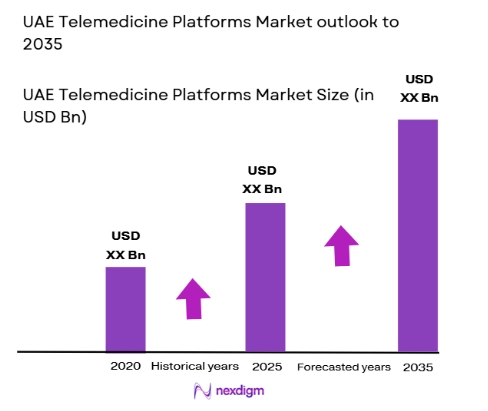
The UAE Telemedicine Platforms Market is expected to witness significant growth in the coming years, driven by the increasing adoption of telemedicine solutions. Based on a recent historical assessment, the market size is valued at approximately USD ~ billion, propelled by the surge in demand for remote healthcare services. The growth is supported by technological advancements such as AI-powered platforms, increasing smartphone usage, and government initiatives promoting healthcare digitization. The market is being shaped by healthcare providers looking to expand their digital service offerings and address accessibility challenges.
The UAE is one of the leading countries in the adoption of telemedicine platforms, driven by its advanced healthcare infrastructure and supportive government policies. Key cities like Dubai and Abu Dhabi are at the forefront of telemedicine growth due to their well-established healthcare systems and a high degree of digital infrastructure. Furthermore, UAE’s strategic position as a regional healthcare hub in the Middle East makes it a dominant player. The country’s focus on improving healthcare access and sustainability through digital solutions positions it as a key global market for telemedicine adoption.
Market Segmentation
By Product Type:
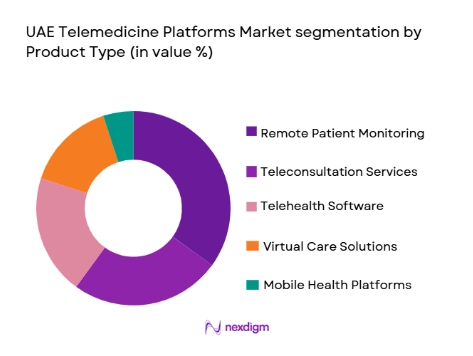
UAE Telemedicine Platforms market is segmented by product type into Remote Patient Monitoring, Teleconsultation Services, Telehealth Software, Virtual Care Solutions, and Mobile Health Platforms. Recently, Remote Patient Monitoring has a dominant market share due to factors such as an aging population, the increasing prevalence of chronic diseases, and the demand for continuous health monitoring from home. The ability of these platforms to provide real-time monitoring of patients’ health parameters remotely has become a critical element in managing long-term care, which has fueled demand across various healthcare facilities.
By Platform Type:
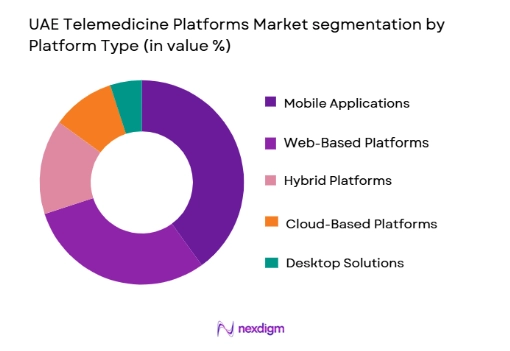
UAE Telemedicine Platforms market is segmented by platform type into Mobile Applications, Web-Based Platforms, Hybrid Platforms, Cloud-Based Platforms, and Desktop Solutions. Recently, Mobile Applications have a dominant market share due to the increasing reliance on smartphones for healthcare-related tasks. These platforms offer flexible access for patients and healthcare professionals, allowing them to engage in consultations, monitor health parameters, and maintain records with ease. The convenience and accessibility provided by mobile apps, coupled with the growing smartphone penetration in the UAE, have driven their dominance in the market.
Competitive Landscape
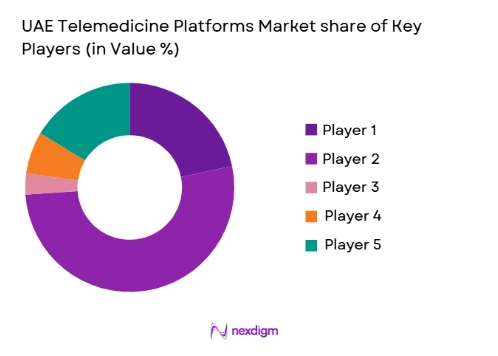
The competitive landscape of the UAE Telemedicine Platforms market is characterized by a mix of established healthcare providers, technology firms, and start-ups aiming to capitalize on the growing demand for digital healthcare services. Major players are involved in consolidating their market positions through strategic partnerships, acquisitions, and continuous technological innovation. The competitive pressure is intensifying as companies race to expand their service offerings and enhance the user experience with AI, cloud computing, and mobile applications. These companies are also focusing on regulatory compliance and infrastructure upgrades to meet increasing healthcare standards and market demands.
| Company Name | Establishment Year | Headquarters | Technology Focus | Market Reach | Key Products | Revenue (USD Billion) | Key Market-Specific Parameter |
| Aramex | 1982 | Dubai, UAE | ~ | ~ | ~ | ~ | ~ |
| Aster DM Healthcare | 1989 | Dubai, UAE | ~ | ~ | ~ | ~ | ~ |
| Healthigo | 2016 | Dubai, UAE | ~ | ~ | ~ | ~ | ~ |
| Seha Virtual Hospital | 2015 | Abu Dhabi, UAE | ~ | ~ | ~ | ~ | ~ |
| Careem | 2012 | Dubai, UAE | ~ | ~ | ~ | ~ | ~ |
UAE Telemedicine Platforms Market Analysis
Growth Drivers
Government Initiatives in Digital Healthcare:
Government initiatives to foster telemedicine adoption play a crucial role in the UAE Telemedicine Platforms market. The UAE government has been actively supporting the integration of digital healthcare solutions through its National Health Strategy, which includes policies promoting the digitization of health services. These initiatives aim to make healthcare more accessible and affordable, particularly in rural areas and for people with chronic conditions who require regular consultations. Additionally, the government’s backing provides the necessary infrastructure and incentives for both private healthcare providers and tech companies to expand telemedicine services. The introduction of telemedicine laws and teleconsultation guidelines further strengthens the adoption of these platforms, ensuring both quality and compliance with international standards.
Increasing Demand for Healthcare Services:
The growing demand for healthcare services in the UAE is another key growth driver for the market. The rising prevalence of chronic diseases, coupled with the country’s aging population, has put considerable pressure on healthcare systems to provide timely and accessible care. Telemedicine platforms offer an efficient solution by enabling patients to access healthcare services remotely, thus reducing waiting times and enhancing the quality of care. The demand for convenient and cost-effective healthcare options is growing, particularly in urban areas where busy lifestyles often prevent individuals from visiting healthcare facilities in person. This growing demand for on-demand healthcare services is expected to continue driving the expansion of telemedicine platforms in the UAE.
Market Challenges
Regulatory Challenges and Data Security Concerns:
One of the key challenges faced by the UAE Telemedicine Platforms market is the regulatory environment surrounding telehealth services. Despite advancements in telemedicine adoption, there is still a lack of uniform regulation across different sectors of healthcare. This regulatory ambiguity can create hurdles for new and existing players in the market, as they must navigate complex certification and licensing processes. Furthermore, the concerns regarding data privacy and cybersecurity pose significant risks to the market’s growth. Telemedicine platforms collect sensitive patient data, which makes them attractive targets for cybercriminals. Ensuring that data protection measures are in place to comply with local and international privacy laws remains a significant challenge.
Technological and Infrastructure Limitations:
Another challenge hindering the widespread adoption of telemedicine platforms is the technological and infrastructure limitations, especially in less urbanized areas of the UAE. While cities like Dubai and Abu Dhabi are well-equipped with advanced digital infrastructure, rural areas may still lack reliable internet access and advanced healthcare facilities that can support telemedicine. In addition, the complexity of integrating telemedicine technologies with existing healthcare infrastructure poses technical difficulties for healthcare providers. Some healthcare providers may also lack the necessary skills or resources to effectively deploy and manage telemedicine platforms, further limiting adoption. These infrastructural constraints could hinder the growth of telemedicine platforms in certain regions.
Opportunities
Expansion of Remote Patient Monitoring Services:
The growing popularity of remote patient monitoring services presents a significant opportunity for the UAE Telemedicine Platforms market. Remote patient monitoring allows healthcare providers to continuously track patients’ vital signs and health conditions in real-time, reducing the need for in-person consultations. This service is particularly beneficial for patients with chronic diseases or those who require long-term care. The UAE government’s focus on healthcare accessibility, combined with the increasing use of mobile devices and health wearables, creates a fertile environment for the expansion of these services. As more patients seek remote care options, healthcare providers are likely to invest in remote patient monitoring solutions, driving the growth of this sub-segment within the telemedicine market.
Growth in the Elderly Population and Telehealth Services:
Another key opportunity lies in the growing elderly population in the UAE and their increasing need for healthcare services. With the rising number of senior citizens requiring regular medical attention, telehealth services have become an attractive option for both patients and healthcare providers. Telemedicine platforms enable elderly patients to receive medical consultations from the comfort of their homes, reducing the burden on traditional healthcare facilities. Furthermore, the elderly demographic is increasingly adopting digital solutions for their healthcare needs, creating a larger customer base for telemedicine providers. This presents a strong growth opportunity for companies offering telehealth services targeted at the elderly.
Future Outlook
The future outlook of the UAE Telemedicine Platforms market is optimistic, with continued growth driven by advancements in digital healthcare technologies, increasing consumer demand for convenient healthcare services, and government support. Over the next few years, the market is expected to expand as more healthcare providers integrate telemedicine into their service offerings. Innovations in AI, machine learning, and cloud computing are set to enhance telemedicine solutions, making them more efficient and accessible. Additionally, regulatory frameworks are likely to evolve to better accommodate the growing demand for telehealth services, ensuring that the market remains sustainable and compliant with international standards. The continued emphasis on healthcare digitization and remote care solutions will ensure the UAE maintains its position as a leader in the telemedicine sector.
Major Players
- Aramex
- Aster DM Healthcare
- Healthigo
- Seha Virtual Hospital
- Careem
- HealthHub
- Daman Insurance
- DrBridge
- Philips Healthcare
- CureMD
- Medtronic
- iCare Clinic
- PureHealth
- Vezeeta
- MediSprout
Key Target Audience
- Investments and venture capitalist firms
- Government and regulatory bodies
- Healthcare providers
- Telemedicine technology developers
- Healthcare insurance companies
- Hospitals and clinics
- Digital health solution providers
- Pharmaceutical companies
Research Methodology
Step 1: Identification of Key Variables
This involves defining the scope of the research, identifying relevant parameters, and setting the objectives of the market study.
Step 2: Market Analysis and Construction
Data is collected from multiple sources including industry reports, databases, and interviews to construct the market structure and estimate the size and trends.
Step 3: Hypothesis Validation and Expert Consultation
Validated data is analyzed by consulting with market experts and key stakeholders to ensure accurate insights and projections.
Step 4: Research Synthesis and Final Output
The final findings are synthesized into a comprehensive report, presenting clear conclusions and actionable insights for decision-makers.

- Executive Summary
- Research Methodology (Definitions, Scope, Industry Assumptions, Market Sizing Approach, Primary & Secondary Research Framework, Data Collection & Verification Protocol, Analytic Models & Forecast Methodology, Limitations & Research Validity Checks)

- Market Definition and Scope
- Value Chain & Stakeholder Ecosystem
- Regulatory / Certification Landscape
- Sector Dynamics Affecting Demand
- Strategic Initiatives & Infrastructure Growth

- Growth Drivers
Increasing demand for remote healthcare services
Technological advancements in mobile health solutions
Government support for telemedicine adoption
Rising healthcare costs and the need for cost-effective solutions
Growing aging population with chronic diseases - Market Challenges
Regulatory barriers and lack of standardization
High initial investment costs for telemedicine infrastructure
Cybersecurity and data privacy concerns
Limited internet access in rural areas
Resistance from traditional healthcare providers - Market Opportunities
Expansion of telehealth services in underserved regions
Adoption of AI for better patient diagnosis and monitoring
Integration of telemedicine with wearable health devices - Trends
Growth in mobile health apps for easy patient access
Telemedicine adoption by private healthcare providers
Integration of artificial intelligence in telemedicine platforms
Increased collaboration between telemedicine and traditional healthcare sectors
Shift towards patient-centric healthcare models - Government Regulations & Defense Policy
Telemedicine regulations for licensing and accreditation
Data privacy laws affecting telehealth platforms
Government funding for telemedicine infrastructure - SWOT Analysis
- Stakeholder and Ecosystem Analysis
- Porter’s Five Forces Analysis
- Competition Intensity and Ecosystem Mapping

- By Market Value, 2020-2025
- By Installed Units, 2020-2025
- By Average System Price, 2020-2025
- By System Complexity Tier, 2020-2025

- By System Type (In Value%)
Remote Patient Monitoring
Teleconsultation Services
Telehealth Software
Virtual Care Solutions
Mobile Health Platforms - By Platform Type (In Value%)
Mobile Applications
Web-Based Platforms
Hybrid Platforms
Cloud-Based Platforms
Desktop Solutions - By Fitment Type (In Value%)
On-Premise Solutions
Cloud-Based Solutions
Hybrid Fitment
Platform-as-a-Service
Software-as-a-Service (SaaS) - By EndUser Segment (In Value%)
Healthcare Providers
Insurance Companies
Patients and End Consumers
Pharmaceutical Companies
Healthcare Technology Providers - By Procurement Channel (In Value%)
Direct Sales
Distributors
Online Platforms
Government Procurement
Institutional Procurement - By Material / Technology (In Value %)
Artificial Intelligence
Big Data Analytics
Cloud Computing
IoT Integration
Machine Learning

- Market structure and competitive positioning
- Market share snapshot of major players
- CrossComparison Parameters (Market Share, Product Portfolio, Distribution Channels, Innovation, Pricing Strategy, Technology Adoption, Geographic Presence, Brand Reputation, Service Offerings, Customer Satisfaction)
- SWOT Analysis of Key Players
- Pricing & Procurement Analysis
- Key Players
Aramex
Aster DM Healthcare
Healthigo
Seha Virtual Hospital
Al Tayyar Travel Group
Careem
HealthHub
Daman Insurance
DrBridge
Philips Healthcare
CureMD
Medtronic
iCare Clinic
PureHealth
Vezeeta

- Increasing adoption of telemedicine by rural healthcare providers
- Telemedicine’s role in reducing healthcare costs
- Telehealth solutions for elderly and chronic care management
- Collaboration between healthcare providers and technology firms

UAE Telemedicine Platforms Market Future Size, 2026-2035
Forecast Market Value, 2026-2035
Forecast Installed Units, 2026-2035
Price Forecast by System Tier, 2026-2035
Future Demand by Platform, 2026-2035


 Request a Sample
 Ask for Customization
 Get a Quote
 Enquire Now