
 Download PDF
Market Overview
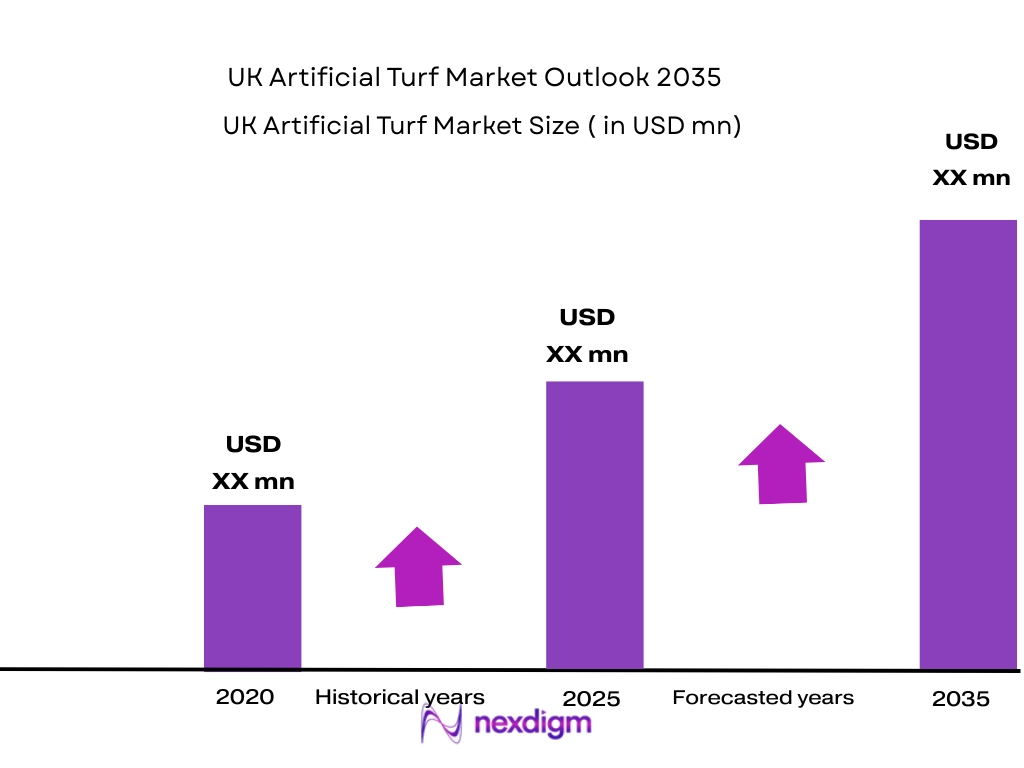
The UK artificial turf market is valued at approximately GBP ~ million, based on historical trends and growth rates observed over the past several years. The market is primarily driven by the increasing demand for sports turf in football fields, rugby pitches, and multi-purpose arenas. Furthermore, the rise in commercial and residential landscaping projects, which often seek low-maintenance, aesthetic solutions, has contributed to the growth. The consistent adoption of artificial turf in public parks and recreational spaces is also a driving factor, supported by government policies promoting sustainability and water conservation.
England remains the dominant region in the UK artificial turf market, driven by its extensive football culture and demand for sports infrastructure. Major cities like London, Manchester, and Birmingham lead the market due to high investments in sports complexes and landscaping projects. The South of England, in particular, is a hub for both commercial and residential applications, where demand for artificial turf in gardens, retail spaces, and urban developments is significant. Scotland and Wales also show growing adoption in both sports and residential landscaping, particularly in urban centers like Edinburgh and Cardiff.
Market Segmentation
By Product Type
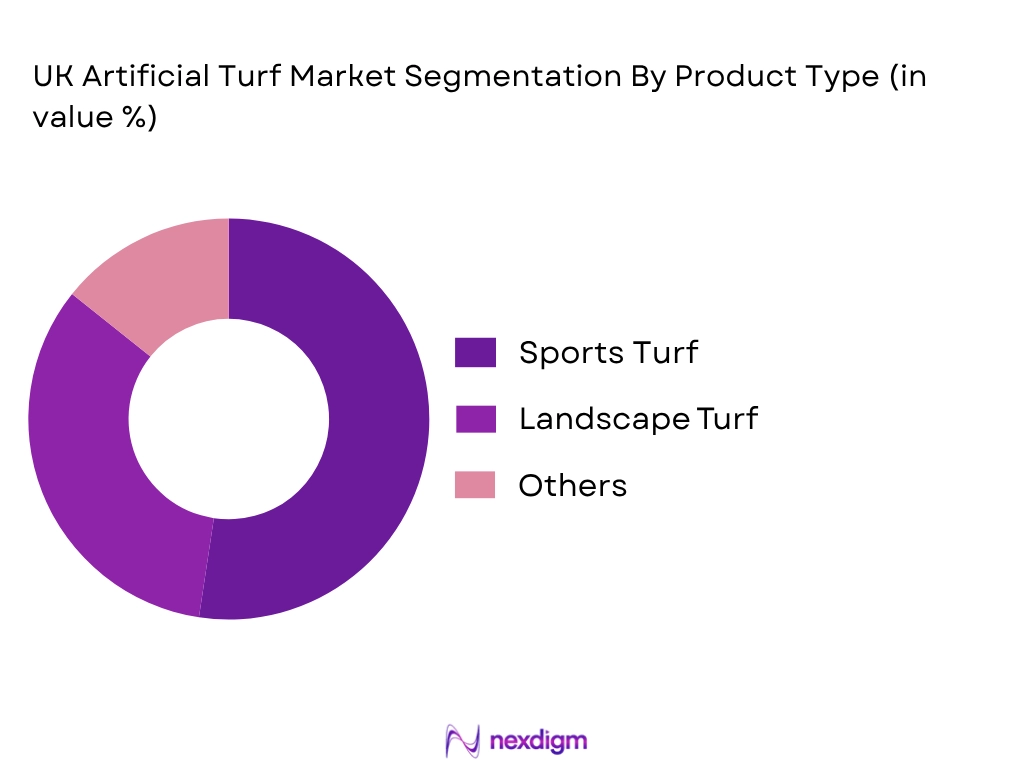
The UK artificial turf market is segmented by product type into sports turf, landscape turf, and others. Sports turf holds a dominant market share due to the extensive use in football, rugby, and multi-sport facilities. With increasing investments in sports infrastructure, artificial turf provides a durable solution that ensures consistent playing conditions across different weather conditions. Its low maintenance requirements and long lifespan make it an ideal choice for sports fields where high foot traffic is common. The increasing number of sports events and leagues in the UK has further cemented the dominance of sports turf.
By Material Type
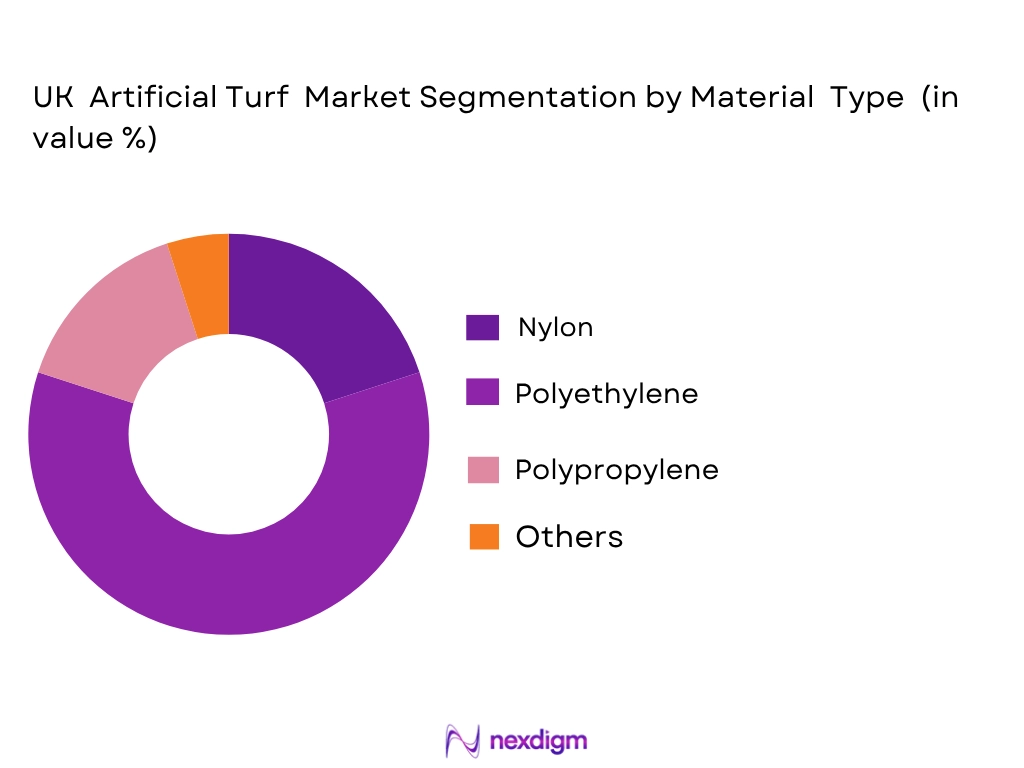
The market is also segmented by material type into nylon, polyethylene, polypropylene, and others. Polyethylene-based turf dominates the market due to its superior durability and ability to mimic the appearance and feel of natural grass. It is the preferred choice for both sports fields and landscaping applications, as it is resistant to wear and tear while maintaining a soft texture. The shift towards polyethylene is driven by consumer preference for environmentally friendly and sustainable turf options, further increasing its market share.
Competitive Landscape
The UK artificial turf market is characterized by the presence of both international and local players, with strong competition among a few key companies. These companies dominate due to their extensive distribution networks, technological innovations, and ability to meet UK-specific regulatory standards. Some of the major players include companies like Tarkett, FieldTurf, and Shaw Sports Turf, which have been in the market for several decades. The competition is primarily focused on improving product quality, enhancing sustainability, and offering a diverse range of artificial turf products for various applications, including sports and landscaping.
| Company Name | Establishment Year | Headquarters | Market Focus | Key Products | Revenue | Distribution Channels |
| Tarkett | 1886 | France | ~ | ~ | ~ | ~ |
| FieldTurf (Tarkett) | 1988 | Canada | ~ | ~ | ~ | ~ |
| Shaw Sports Turf | 1967 | USA | ~ | ~ | ~ | ` |
| SIS Pitches | 1989 | UK | ~ | ~ | ~ | ~ |
| Edel Grass | 1980 | Netherlands | ~ | ~ | ~ | ~ |
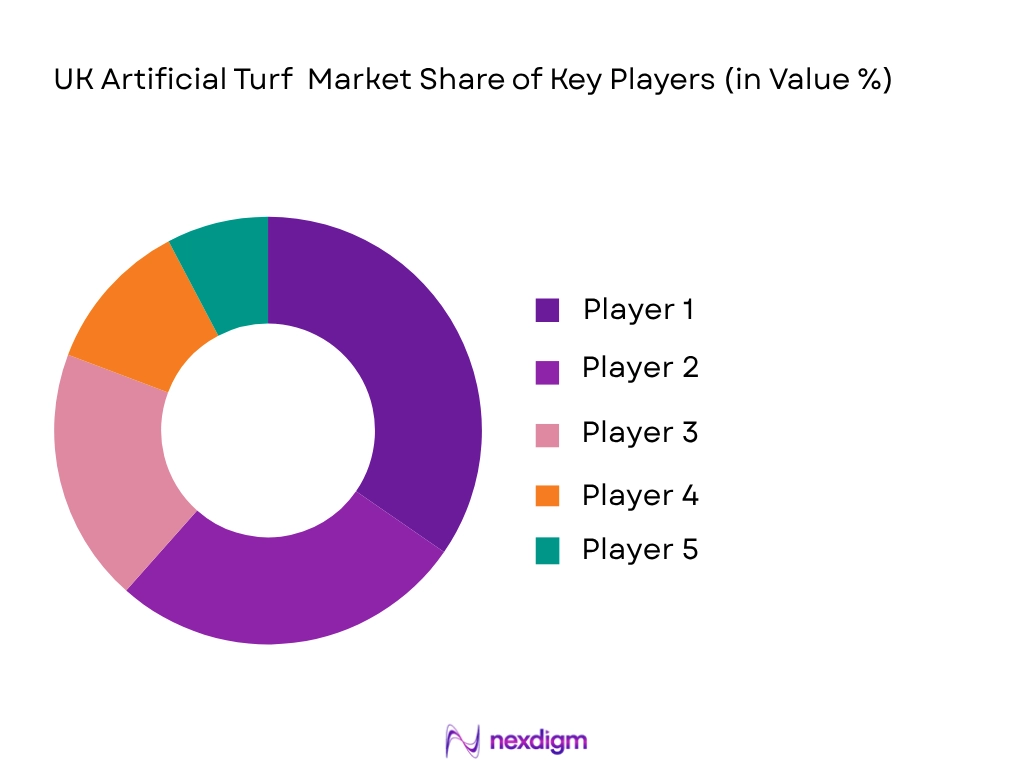
UK Artificial Turf Market Analysis
Growth Drivers
Increasing Investment in Sports Infrastructure
The demand for artificial turf in the UK is significantly driven by growing investments in sports infrastructure. The increasing number of sports events, football clubs, and recreational facilities is pushing the demand for durable and weather-resistant turf. As municipalities, sports organizations, and private sectors invest in multi-use sports fields and community parks, artificial turf becomes the preferred option due to its low maintenance and long lifespan. Furthermore, sports events like football leagues and tournaments are encouraging the adoption of artificial turf, ensuring year-round playability and reducing the downtime caused by weather-related disruptions.
Rising Demand for Low Maintenance Landscaping Solutions
The rise in demand for low-maintenance landscaping solutions, especially in residential and commercial projects, is driving the artificial turf market in the UK. Artificial turf offers a sustainable solution for areas where maintaining natural grass is impractical due to climate or high traffic. As urban areas continue to expand, artificial turf is being increasingly used in public spaces, commercial properties, and residential lawns. Its ability to conserve water, reduce maintenance costs, and offer an aesthetically pleasing alternative to natural grass has made it a popular choice for landscaping projects.
Market Challenges
High Initial Investment and Installation Costs
A key challenge faced by the UK artificial turf market is the high initial investment and installation costs. Artificial turf requires specialized installation, making it more expensive compared to natural grass, which can be a deterrent for both residential and commercial buyers. Although it provides long-term savings through lower maintenance and water costs, the upfront cost remains a significant barrier, especially for smaller-scale projects or organizations with limited budgets. This cost concern is particularly relevant for local councils and educational institutions looking to upgrade their sports facilities.
Environmental Impact Concerns and Recycling Challenges
Environmental concerns regarding the disposal and recycling of artificial turf have become an obstacle for the market’s growth. The synthetic materials used in artificial turf can take hundreds of years to decompose, contributing to landfill waste when disposed of improperly. As sustainability becomes a growing concern, the lack of effective recycling solutions for turf materials like polyethylene and nylon presents a challenge. This issue has led to calls for manufacturers to develop more eco-friendly materials and improve recycling processes, driving the need for better sustainable practices in the artificial turf industry.
Opportunities
Growing Demand for Artificial Turf in Non-Sports Applications
While artificial turf has traditionally been used in sports facilities, there is an increasing demand for its use in non-sports applications. Artificial turf is becoming a popular choice for landscaping projects in residential, commercial, and public spaces. In urban areas, where natural grass is hard to maintain, artificial turf offers an ideal solution for gardens, rooftops, and playgrounds. The increasing trend toward sustainable urban living and water conservation further boosts the adoption of artificial turf for non-sports applications, creating significant growth potential in the broader landscaping market.
Adoption of Eco-Friendly and Sustainable Turf Materials
There is a growing shift towards eco-friendly and sustainable artificial turf materials as consumers and businesses become more environmentally conscious. With increasing concerns over the environmental impact of traditional synthetic turf, manufacturers are focusing on creating products made from recycled materials, non-toxic chemicals, and biodegradable fibers. The adoption of such sustainable materials is not only addressing environmental concerns but is also meeting the demand from eco-conscious consumers who prioritize sustainability in their purchasing decisions. This presents an opportunity for market players to innovate and expand their product offerings.
Future Outlook
Over the next 5 years, the UK artificial turf market is expected to show significant growth, driven by continued investments in sports infrastructure, increased adoption in residential and commercial landscaping, and the growing demand for environmentally friendly products. Technological advancements in artificial turf manufacturing will lead to more sustainable and durable solutions, addressing consumer concerns regarding environmental impact. Furthermore, government regulations promoting water conservation and eco-friendly landscaping will provide additional impetus to the market. The shift towards sports facilities adopting artificial turf, coupled with an increased focus on sustainability, will continue to shape the market in the coming years.
Major Players
- Tarkett
- FieldTurf (Tarkett company)
- Shaw Sports Turf
- SIS Pitches
- Edel Grass
- Sporturf
- GreenFields
- Global Syn-Turf
- Everlast Turf
- Synlawn
- GrassMaster
- Polytan
- GTR Turf
- TenCate Grass
- Premier Turf Solutions
Key Target Audience
- Investments and Venture Capitalist Firms
- Government and Regulatory Bodies
- Sports Facility Managers
- Landscaping Companies
- Property Developers
- Municipal Authorities
- Commercial Developers
- Environmental Consultants
Research Methodology
Step 1: Identification of Key Variables
In this phase, we identify the key variables influencing the UK artificial turf market. Desk research and secondary data from industry reports, government publications, and expert sources help define these variables, setting the foundation for market dynamics.
Step 2: Market Analysis and Construction
We gather and analyze historical data related to the market’s growth, penetration, and revenue. This step involves evaluating product types, applications, and material use to forecast future trends and growth.
Step 3: Hypothesis Validation and Expert Consultation
We validate our market hypotheses through consultations with industry experts. Interviews with key stakeholders in manufacturing, sales, and installation provide additional insights into emerging trends and confirm market assumptions.
Step 4: Research Synthesis and Final Output
The final step synthesizes all the collected data, including expert feedback and market performance. We analyze various product categories, applications, and regional demand to produce a comprehensive and validated market report.

- Executive Summary
- Research Methodology (Market Definitions and Assumptions, Abbreviations, Market Sizing Approach, Consolidated Research Approach, Understanding Market Potential Through In-Depth Industry Interviews, Primary Research Approach, Limitations and Future Conclusions)

- Definition and Scope
- Market Dynamics Overview
- Market Genesis
- Major Players and Market Timeline
- Business Cycle and Trends
- Supply Chain and Value Chain Analysis

- Growth Drivers
Increasing Investment in Sports Infrastructure
Rising Demand for Low Maintenance Landscaping Solutions
Government Initiatives and Policies Promoting Sustainable Products
Technological Advancements in Artificial Turf Manufacturing
Urbanization and Expansion of Sports Facilities - Market Challenges
High Initial Investment and Installation Costs
Environmental Impact Concerns and Recycling Challenges
Competition from Natural Grass Alternatives
Lack of Standardization in Turf Products
Durability and Maintenance of Artificial Turf - Opportunities
Growing Demand for Artificial Turf in Non-Sports Applications
Adoption of Eco-Friendly and Sustainable Turf Materials
Expansion of Artificial Turf in Residential Landscaping
Increased Use of Artificial Turf for Public Parks and Recreational Areas
Technological Innovations to Enhance Turf Performance - Key Trends
Shift Towards More Realistic Turf Appearance and Performance
Increase in Customization Options for Turf Solutions
Growing Focus on Sustainability and Eco-Friendly Materials
Rising Popularity of Artificial Turf in School and Community Sports Facilities
Integration of Smart Technologies in Turf Systems - Government Regulations
- SWOT Analysis
- Porter’s Five Forces

- By Value, 2020–2025
- By Volume, 2020–2025
- By Average Price, 2020–2025

- By Product Type (In Value %)
Sports Turf
Landscape Turf
Others - By Material Type (In Value %)
Nylon
Polyethylene
Polypropylene
Others - By Application (In Value %)
Sports and Recreation
Landscaping
Commercial and Industrial
Others - By Distribution Channel (In Value %)
Direct Sales
Retail and Wholesale Distribution
Online Channels
Supermarkets and Hypermarkets
Specialty Stores - By Region (In Value %)
England
Scotland
Wales
Northern Ireland
Rest of UK

- Market Share of Major Players by Value/Volume
- Market Share of Major Players by Product Type
- Cross Comparison Parameters (Company Overview, Business Strategies, Recent Developments, Strength, Weakness, Organizational Structure, Revenues, Revenues by Product Type, Number of Touchpoints, Distribution Channels, Number of Dealers and Distributors, Margins, Production Plant, Capacity, Unique Value Offering and Others)
- SWOT Analysis of Major Players
- Pricing Analysis Based on Product Categories for Major Players
- Detailed Profiles of Major Companies
GreenTech Sports
PlayMaster Turf
ProField Solutions
EcoTurf UK
TurfWorks Ltd
AllStar Turf
VersaTurf Innovations
NextGen Fields
GrassTech UK
Royal Turf Solutions
Supreme Turf Systems
OptiTurf Industries
Premier Turf Solutions
Synthetic Turf Co.
FieldPro Technologies

- Market Requirements and Utilization Patterns
- Budget Considerations and Investment Strategies
- Legal and Compliance Framework
- Customer Expectations, Challenges, and Pain Points
- Factors Influencing Purchase Decisions

- By Value, 2026–2035
- By Volume, 2026–2035
- By Average Price, 2026–203


 Request a Sample
 Ask for Customization
 Get a Quote
 Enquire Now