

 Download PDF
Market Overview
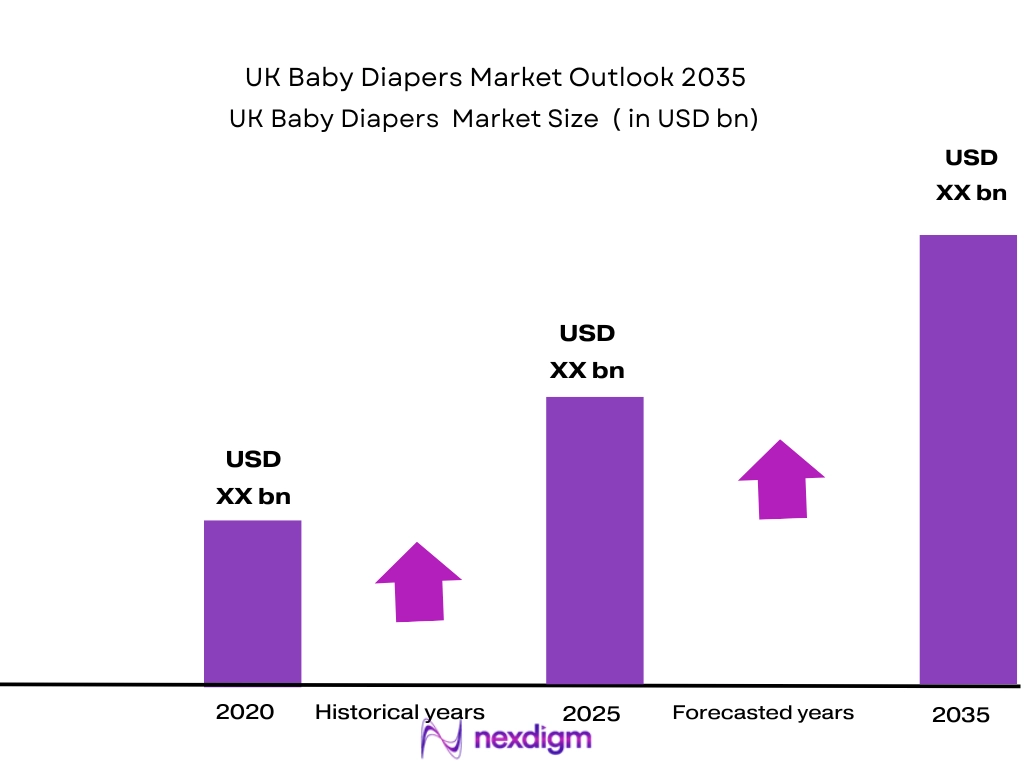
The UK baby diapers market is valued at GBP ~ billion, driven by both the increasing number of births and rising demand for more convenient and effective diaper solutions. This market is influenced by factors such as a growing preference for disposable diapers, the increasing awareness of the benefits of convenience, and technological innovations in diaper design. Additionally, the market is buoyed by the rising disposable income of consumers, along with increased consumer awareness of diaper-related hygiene, which pushes demand for premium, dermatologically tested, and eco-friendly products. In 2024, the market is expected to continue growing as new products enter the market and evolving consumer preferences drive product innovations.
The UK, particularly cities like London, Birmingham, and Manchester, dominate the baby diaper market due to their larger population sizes and higher disposable incomes. These cities have a concentration of young families with children under the age of 3, who are the primary consumers of baby diapers. Additionally, the widespread availability of retail and online shopping channels in these regions fosters an environment conducive to the growth of the diaper market. The presence of major multinational diaper brands, along with local brands targeting specific consumer needs, further drives market dominance in these cities.
Market Segmentation
By Product Type
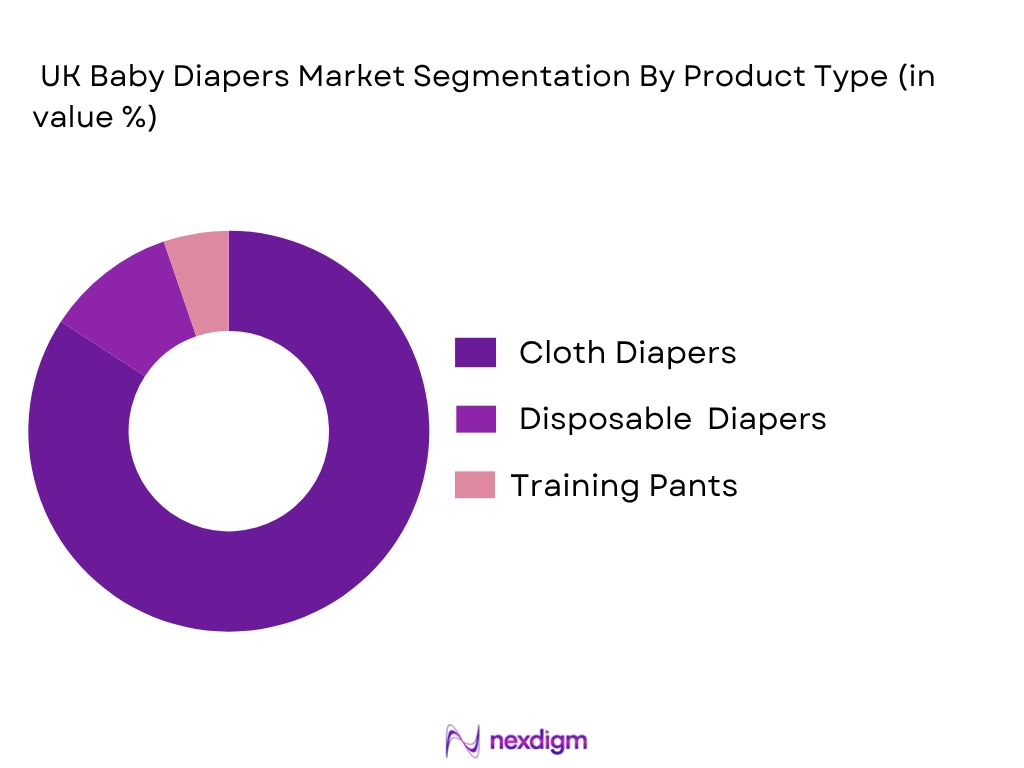
The UK baby diapers market is segmented by product type into disposable diapers, cloth diapers, and training pants, among others. Disposable diapers have the dominant market share in the UK, largely due to their convenience and the growing awareness of hygiene. The rise in urbanization, where working parents seek easy and time-saving solutions, has made disposable diapers an everyday essential for many households. Additionally, advancements in disposable diaper technology, such as improved absorbency and skin-friendly materials, have bolstered their popularity. These factors have cemented the dominance of disposable diapers in the UK market.
By Age Group
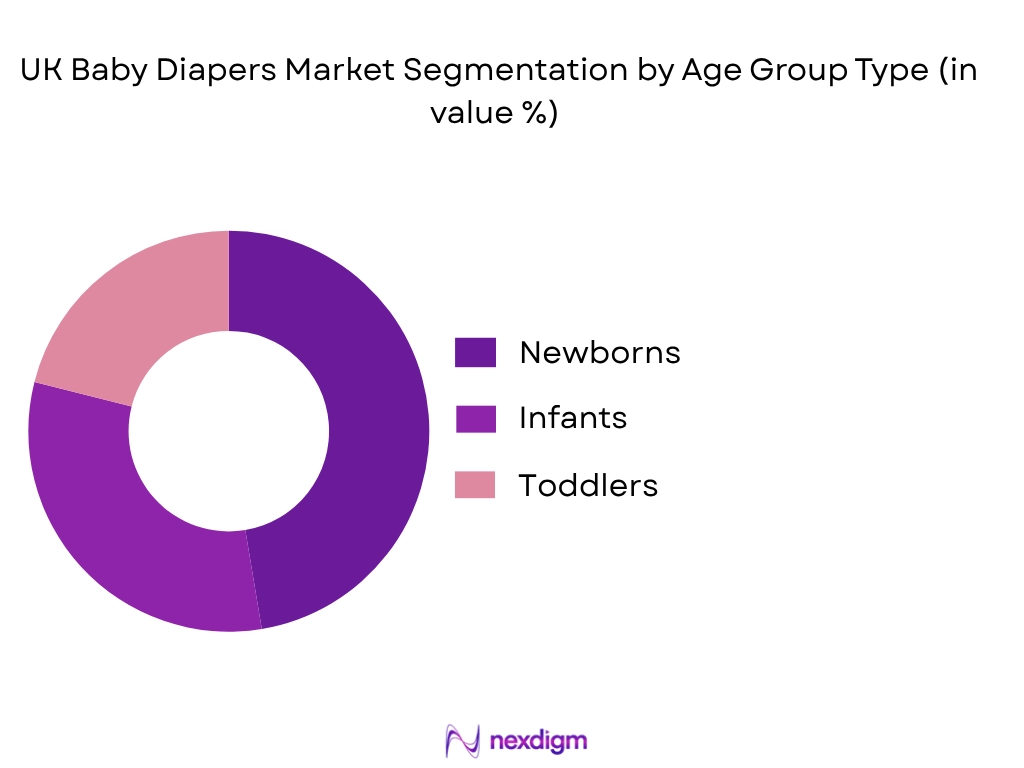
The UK baby diapers market is also segmented by age group, which includes newborns (0-6 months), infants (6-12 months), toddlers (1-3 years), and others. The dominant segment in the UK market is newborns, as they require a greater number of diapers during their early months. Given that newborns tend to use more diapers than older babies, this segment drives the highest demand in the market. Parents’ increased focus on convenience and hygiene for newborns, coupled with continuous product innovations that cater to the delicate skin of babies, further strengthens this segment’s market share.
Competitive Landscape
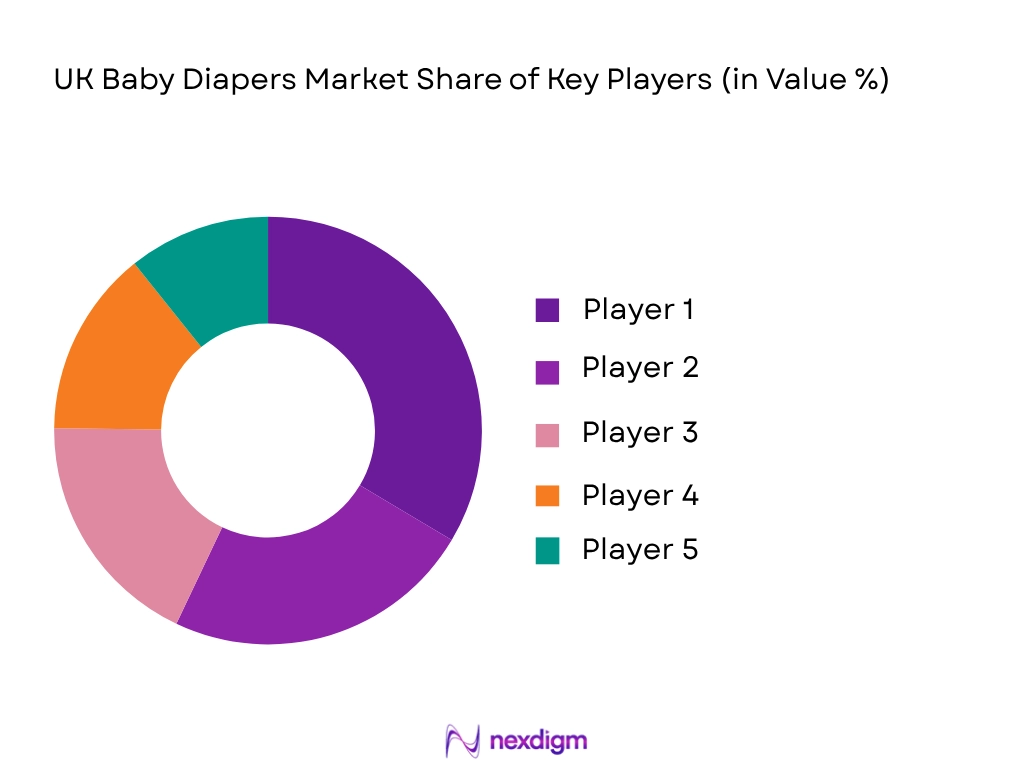
The UK baby diaper market is dominated by several key players, both multinational corporations and local companies. These players continue to innovate and expand their product offerings to cater to a variety of consumer preferences. Brands such as Procter & Gamble, Kimberly-Clark, and Unilever lead the market, offering a wide range of products from standard diapers to eco-friendly options. The dominance of these companies is also attributed to their robust distribution networks, strong brand loyalty, and ongoing investment in product development.
| Company Name | Establishment Year | Headquarters | Market Share | Product Range | Revenue | Key Distribution Channels | Innovation Focus |
| Procter & Gamble (Pampers) | 1837 | Cincinnati, USA | ~ | ~ | ~ | ~ | ~ |
| Kimberly-Clark (Huggies) | 1872 | Irving, Texas, USA | ~ | ~ | ~ | ~ | ~ |
| Unilever (Baby Dove) | 1930 | London, UK | ~ | ~ | ~ | ~ | ~ |
| Ontex | 1979 | Aalst, Belgium | ~ | ~ | ~ | ~ | ~ |
| SCA Hygiene Products | 1929 | Stockholm, Sweden | ~ | ~ | ~ | ~ | ~ |
UK Baby Diapers Market Analysis
Growth Drivers
Rising Birth Rates and Growing Baby Population
The increase in birth rates in the UK has significantly contributed to the growing baby population, which is a direct driver of the baby diaper market. As the number of newborns rises, so does the demand for baby care products, including diapers. The growing urbanization and the preference for disposable diapers due to their convenience and hygiene benefits have accelerated this demand. Additionally, the rise in dual-income households, where both parents work, further contributes to the adoption of diapers, as they are seen as an essential time-saving solution for busy parents. The steady rise in the number of babies under the age of three will continue to drive the demand for diapers in the UK.
Increase in Disposable Income
The increase in disposable income among UK households is playing a key role in expanding the baby diapers market. With higher income levels, families are increasingly able to afford premium, high-quality diaper products that provide additional features like enhanced comfort, skin protection, and superior absorbency. Parents are more willing to invest in diapers that offer better convenience and care for their babies. This economic empowerment has led to greater demand for specialized diaper products, such as those designed for babies with sensitive skin or those that incorporate eco-friendly materials. As consumer purchasing power continues to rise, the demand for premium and innovative diaper products is expected to grow significantly in the coming years.
Market Challenges
Fluctuations in Raw Material Prices
The UK baby diaper market faces challenges due to fluctuations in the prices of raw materials required for diaper production, such as cotton, superabsorbent polymers, and plastics. These materials form the core components of diapers, and price volatility can significantly impact production costs. When raw material prices increase, manufacturers are often forced to raise the prices of their products to maintain profit margins, which may make diapers less affordable for some consumers. This can lead to reduced demand, especially in the lower-income consumer segment, where price sensitivity is higher. Additionally, fluctuating raw material prices also pose a risk to profitability for manufacturers, especially when the prices of materials like oil (used in plastics) fluctuate unexpectedly.
Environmental Concerns over Disposable Diapers
The environmental impact of disposable diapers has become a growing concern in the UK, as they contribute to substantial landfill waste. Disposable diapers, which are made from materials that take centuries to decompose, are not biodegradable, raising concerns about long-term ecological damage. As consumers become more environmentally conscious, there is increasing demand for sustainable alternatives, such as biodegradable or compostable diapers. However, manufacturing eco-friendly diapers involves higher production costs, and there is limited availability of suitable raw materials to make large-scale transitions. Manufacturers are under pressure to invest in research and development to create more sustainable products, which could ultimately raise product prices or require significant changes in production processes, presenting a challenge to the diaper market.
Opportunities
Increase in Demand for Eco-friendly and Biodegradable Diapers
There is a growing trend toward environmental sustainability among consumers in the UK, especially in the baby care product market. This shift has led to increased demand for eco-friendly and biodegradable diapers, offering manufacturers an opportunity to capitalize on this change in consumer behavior. Many parents are becoming more aware of the environmental footprint of disposable diapers and are seeking sustainable alternatives. Companies that develop diapers using biodegradable materials or offer recycling programs can appeal to this environmentally conscious consumer segment. This growing demand for eco-friendly products not only caters to consumer preferences but also helps diaper brands differentiate themselves in a competitive market. The opportunity lies in making these eco-friendly alternatives both affordable and functional to drive further market adoption.
Advancements in Diaper Technology and Design
The UK baby diapers market is witnessing significant advancements in technology and product design, creating opportunities for companies to innovate and capture market share. New diaper technologies have improved absorbency, comfort, and breathability, providing better solutions for parents looking for reliable and high-quality products. Moreover, innovations such as thinner diapers with superior leak protection and moisture control are driving the demand for more premium products. As manufacturers continue to enhance the design and functionality of diapers, they can attract more discerning customers who prioritize comfort and performance. These advancements, coupled with a growing emphasis on skin-friendly materials, present an opportunity for brands to expand their product portfolios and cater to the evolving preferences of UK parents, thus driving continued growth in the market.
Future Outlook
Over the next five years, the UK baby diapers market is expected to show steady growth, driven by an increase in the birth rate, rising demand for premium and eco-friendly products, and continuous advancements in diaper technology. The increasing awareness of environmental issues will likely push demand for sustainable and biodegradable options, which will complement the traditional disposable diapers market. Moreover, innovation in comfort and skin care features will continue to be a key driver in the development of new products, with leading brands investing heavily in R&D to maintain a competitive edge.
Major Players
- Procter & Gamble (Pampers)
- Kimberly-Clark (Huggies)
- Unilever (Baby Dove)
- Ontex
- SCA Hygiene Products
- Johnson & Johnson (Aveeno Baby)
- The Honest Company
- Asda
- Tesco PLC
- Boots
- Lidl
- Aldi
- Pampers (Procter & Gamble)
- Bambo Nature (Abena)
- Molfix
Key Target Audience
- Investments and venture capitalist firms
- Government and regulatory bodies
- Retailers and distributors
- Manufacturers of baby care products
- E-commerce platforms and online retailers
- Baby and maternity product developers
- Baby care product wholesalers
- Hospitals and healthcare providers (for neonatal care)
Research Methodology
Step 1: Identification of Key Variables
The first step involves identifying all the key variables that influence the UK baby diaper market, including consumer trends, product innovations, and market demands. This is achieved through secondary research and detailed industry-level analysis.
Step 2: Market Analysis and Construction
In this phase, historical data is gathered, analyzed, and constructed to understand market penetration and growth rates. Various market dynamics, such as consumer buying behavior and industry trends, are assessed to generate accurate market estimates.
Step 3: Hypothesis Validation and Expert Consultation
Market hypotheses are formulated based on the gathered data and then validated by consultations with industry experts. These experts provide insights into the latest developments in the baby care industry, consumer preferences, and future trends.
Step 4: Research Synthesis and Final Output
In the final phase, in-depth interviews with key stakeholders are conducted to validate the findings from the secondary research. The final output combines both top-down and bottom-up approaches, providing a comprehensive and accurate market forecast.

- Executive Summary
- Research Methodology (Market Definitions and Assumptions, Abbreviations, Market Sizing Approach, Consolidated Research Approach, Understanding Market Potential Through In-Depth Industry Interviews, Primary Research Approach, Limitations and Future Conclusions)

- Definition and Scope
- Market Dynamics Overview
- Market Genesis
- Major Players and Market Timeline
- Business Cycle and Trends
- Supply Chain and Value Chain Analysis

- Growth Drivers
Rising Birth Rates and Growing Baby Population
Increase in Disposable Income
Expansion of Modern Retail Channels
Growing Demand for Convenient and Hygienic Diaper Solutions
Increase in Awareness of Baby Health and Comfort - Market Challenges
Fluctuations in Raw Material Prices
Environmental Concerns over Disposable Diapers
Price Sensitivity among Consumers
Competition from Cloth Diapers
Regulatory Challenges Related to Product Safety - Opportunities
Increase in Demand for Eco-friendly and Biodegradable Diapers
Rising Popularity of Cloth Diapers Among Eco-conscious Parents
Advancements in Diaper Technology and Design
Expanding Online Retail Channels
Introduction of New Product Variants for Differing Baby Needs - Key Trends
Shift Toward Eco-friendly and Sustainable Diapers
Technological Innovations in Absorbency and Comfort
Rising Popularity of Subscription Services for Baby Products
Increasing Demand for Premium Diapers
Focus on Dermatologically Safe and Hypoallergenic Products - Government Regulations
- SWOT Analysis
- Porter’s Five Force

- By Value, 2020–2025
- By Volume, 2020–2025
- By Average Price, 2020–2025

- By Product Type (In Value %)
Cloth Diapers
Disposable Diapers
Training Pants - By Material Type (In Value %)
Cotton-based Diapers
Plastic-based Diapers
Hybrid Diapers - By Age Group (In Value %)
Newborns
Infants
Toddlers - By Distribution Channel (In Value %)
Supermarkets and Hypermarkets
Online Channels
Pharmacies
Convenience Stores
Direct Sales - By Region (In Value %)
North
South
East
West
Rest of UK

- Market Share of Major Players by Value/Volume
- Market Share of Major Players by Product Type
- Cross Comparison Parameters (Company Overview, Business Strategies, Recent Developments, Strength, Weakness, Organizational Structure, Revenues, Revenues by Product Type, Number of Touchpoints, Distribution Channels, Number of Dealers and Distributors, Margins, Production Plant, Capacity, Unique Value Offering and Others)
- SWOT Analysis of Major Players
- Pricing Analysis Based on Product Categories for Major Players
- Detailed Profiles of Major Companies
Procter & Gamble (P&G)
Kimberly-Clark Corporation
Unilever
Johnson & Johnson
SCA Hygiene Products
Huggies (Kimberly-Clark)
Pampers (Procter & Gamble)
Ontex
Bambo Nature (Abena)
Attends Healthcare Products
Cotton Babies Inc.
Earth’s Best (Hain Celestial)
Seventh Generation
Pigeon Corporation
Merries (Kao Corporation)

- Market Demand and Utilization
- Purchasing Power and Budget Allocations
- Regulatory and Compliance Requirements
- Needs, Desires, and Pain Point Analysis
- Decision-Making Process

- By Value, 2026–2035
- By Volume, 2026–2035
- By Average Price, 2026–2035


 Request a Sample
 Ask for Customization
 Get a Quote
 Enquire Now