
 Download PDF
Market Overview
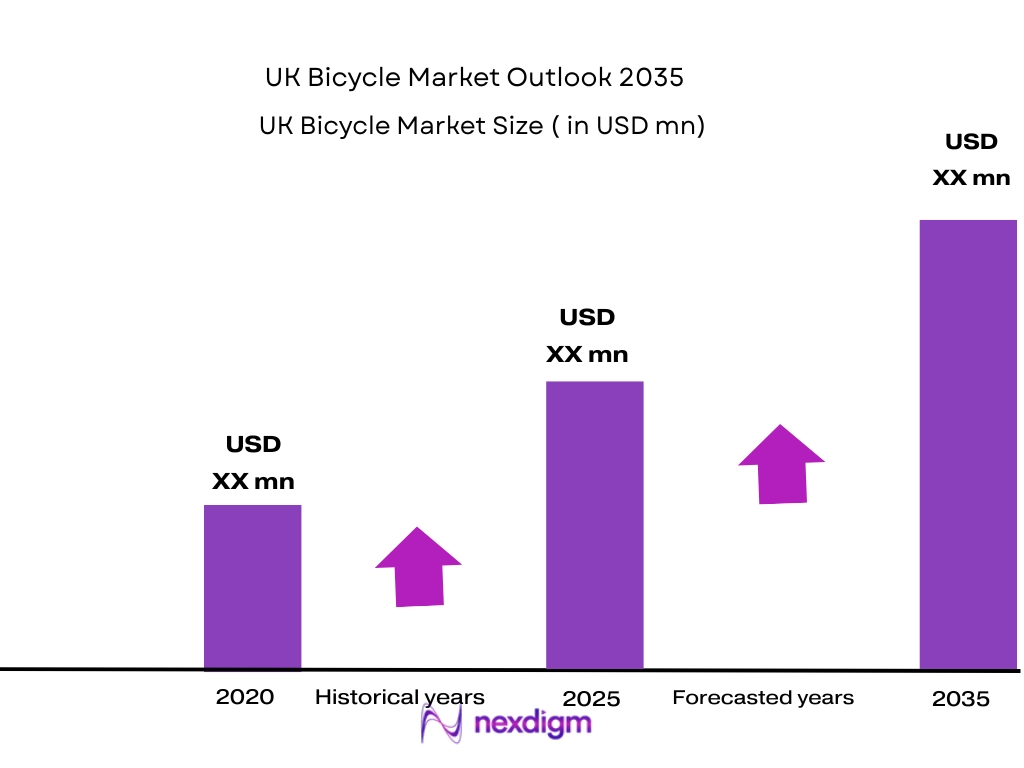
The UK bicycle market is valued at approximately USD ~ million in 2025 and is expected to grow significantly, supported by rising adoption of cycling for commuting, fitness, and recreational purposes. The market is projected to reach over USD 11,000 million by the early 2030s, reflecting strong long-term growth potential driven by urban mobility trends and sustainability initiatives.
The UK has a highly urbanized population with strong awareness of environmental sustainability and health benefits associated with cycling. Major cities such as London, Manchester, and Birmingham are witnessing increased adoption of bicycles for short-distance commuting due to traffic congestion and rising fuel costs. Government initiatives promoting active travel and investments in cycling infrastructure are also supporting demand. However, cycling adoption varies significantly across regions, with higher penetration in urban centers compared to rural areas.
Market Segmentation
By Product Type
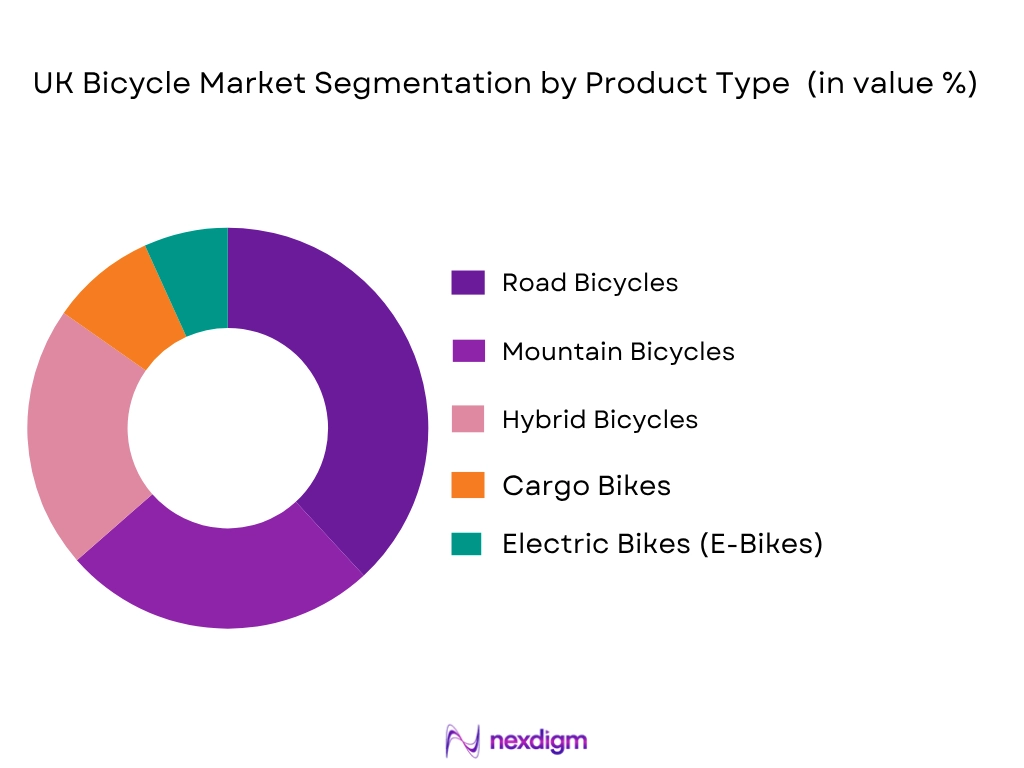
The UK bicycle market is segmented into mountain bikes, road bikes, hybrid bikes, cargo bikes, and electric bicycles. Road bikes dominate the market due to their popularity among commuters and fitness enthusiasts, accounting for a significant share of total sales. Cargo bikes and e-bikes are emerging as high-growth segments, driven by urban delivery needs and demand for convenient mobility solutions.
By Distribution Channel
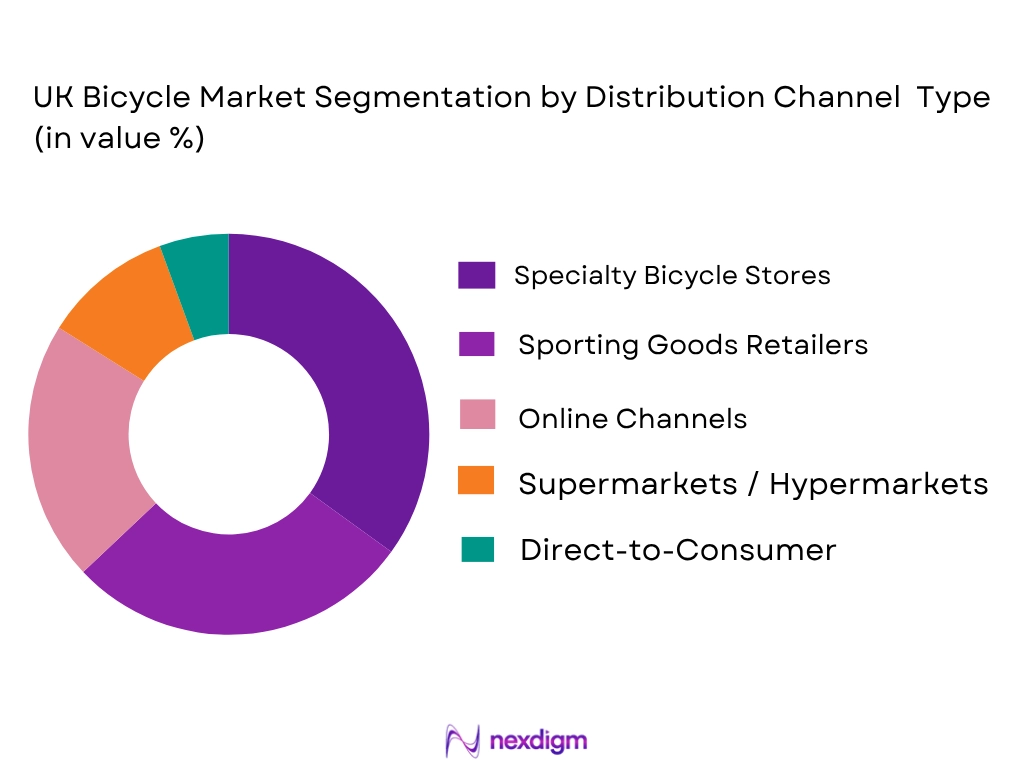
The market is segmented into specialty stores, online platforms, supermarkets, sporting goods retailers, and direct-to-consumer channels. Specialty bicycle retailers remain important due to product expertise and servicing support. However, online channels are rapidly gaining traction due to convenience, competitive pricing, and wider product availability. Direct-to-consumer brands are also expanding, offering customization and improved margins.
Competitive Landscape
The UK bicycle market is competitive, with a mix of domestic manufacturers, global brands, and retail chains. Established players dominate through strong brand recognition, product innovation, and extensive distribution networks. Retailers such as Halfords play a significant role in market distribution, while premium brands focus on performance and high-end segments. The market is also witnessing growth in direct-to-consumer and subscription-based business models.
| Company | Establishment Year | Headquarters | Product Focus | Distribution Network | Key Consumer Segment | Import/Local Presence | Competitive Advantage |
| Halfords Group | 1892 | United Kingdom | ~ | ~ | ~ | ~ | ~ |
| Brompton Bicycle | 1975 | United Kingdom | ~ | ~ | ~ | ~ | ~ |
| Raleigh UK | 1887 | United Kingdom | ~ | ~ | ~ | ~ | ~ |
| Trek Bicycle Corporation | 1976 | United States | ~ | ~ | ~ | ~ | ~ |
| Decathlon UK | 1976 | France / UK | ~ | ~ | ~ | ~ | ~ |

UK Bicycle Market Analysis
Growth Drivers
Rising Health and Fitness Awareness
The UK is experiencing a steady increase in health consciousness, encouraging consumers to adopt cycling as a regular physical activity. Cycling is widely promoted as a low-impact exercise that improves cardiovascular health and overall fitness. Urban populations are increasingly integrating cycling into daily routines, whether for commuting or leisure. Social media influence, fitness communities, and organized cycling events are further driving participation. The affordability of bicycles compared to gym memberships also contributes to rising demand. As awareness of preventive healthcare grows, cycling is becoming a preferred fitness option across different age groups, supporting long-term growth in the bicycle market.
Government Support for Sustainable Mobility
Government initiatives promoting sustainable transportation are playing a crucial role in the growth of the UK bicycle market. Policies encouraging reduced carbon emissions and active travel are driving investments in cycling infrastructure such as dedicated bike lanes and parking facilities. Programs supporting cycling awareness and safety are also contributing to increased adoption. Urban congestion and environmental concerns are pushing both consumers and policymakers toward greener mobility solutions. Cycling is being integrated into broader urban transport planning strategies. As the government continues to prioritize sustainability and climate goals, bicycles are expected to gain further importance as an eco-friendly and efficient mode of transport.
Market Challenges
Post-Pandemic Demand Normalization
Following the surge in bicycle demand during the COVID-19 pandemic, the UK market experienced a period of decline due to oversupply and reduced consumer urgency. Many households already purchased bicycles during the pandemic, leading to lower replacement demand in subsequent years. Retailers faced excess inventory and pricing pressures, impacting profitability. However, the market has started to stabilize, with growth returning in 2025 after several years of decline.
High Product Pricing and Cost Sensitivity
The rising cost of bicycles, particularly premium and electric models, is a significant challenge in the UK market. Inflation, supply chain disruptions, and increased manufacturing costs have contributed to higher retail prices. This has made bicycles less accessible for price-sensitive consumers, especially in lower-income groups. While financing options and promotions are available, affordability remains a key barrier. Consumers are also becoming more cautious with discretionary spending, which can impact demand for high-value bicycles. Addressing pricing concerns while maintaining product quality is essential for sustained market growth.
Opportunities
Growth in Electric Bicycle Segment
Electric bicycles represent one of the fastest-growing segments in the UK market, driven by increasing demand for convenient and efficient urban mobility solutions. E-bikes offer pedal assistance, making them suitable for longer distances and diverse user groups, including older individuals and commuters. The segment is expected to grow strongly over the coming years, supported by technological advancements and increasing consumer awareness.
Expansion of Bike Subscription and Sharing Services
Bike-sharing and subscription-based models are gaining traction in the UK, particularly in urban areas. These services provide flexible and cost-effective access to bicycles without requiring ownership. Integration with mobile applications and digital payment systems has enhanced user convenience. Companies and local authorities are investing in shared mobility solutions to reduce traffic congestion and promote sustainable transport. These models also encourage trial usage among new riders, potentially converting them into long-term customers. As urban mobility evolves, subscription and sharing services are expected to play a key role in expanding the bicycle market.
Future Outlook
The UK bicycle market is expected to grow steadily through 2035, driven by sustainability trends, urban mobility needs, and increasing health awareness. The market is projected to expand at a strong CAGR, supported by government initiatives, infrastructure development, and technological advancements in e-bikes. Electric bicycles, cargo bikes, and premium performance models are expected to gain significant market share. Urban commuting and last-mile delivery applications will remain key demand drivers, while recreational cycling will continue to support overall market growth. Online sales and direct-to-consumer channels will play an increasingly important role in shaping the competitive landscape.
Major Players
- Halfords Group
- Brompton Bicycle
- Raleigh UK
- Trek Bicycle Corporation
- Giant Manufacturing
- Specialized Bicycle Components
- Decathlon UK
- Scott Sports
- Cannondale
- Cube Bikes
- Merida Industry
- Orbea
Key Target Audience
- Bicycle manufacturers
- Component suppliers and distributors
- Retail chains and specialty stores
- Online e-commerce platforms
- Urban mobility providers
- Government and transport authorities
- Delivery and logistics companies
- Cycling clubs and associations
- Investors and venture capital firms
Research Methodology
Step 1: Identification of Key Variables
The initial phase involves identifying stakeholders such as manufacturers, distributors, retailers, and end users. Secondary sources including industry reports, government publications, and company data are analyzed to determine key market variables.
Step 2: Market Analysis and Construction
Historical trends in bicycle usage, pricing, and distribution are studied to construct a comprehensive market model. Demand is analyzed across commuting, recreational, and logistics applications.
Step 3: Hypothesis Validation and Expert Consultation
Insights are validated through discussions with industry experts, including manufacturers, retailers, and cycling professionals.
Step 4: Research Synthesis and Final Output
The final report integrates primary and secondary research findings to provide a comprehensive and validated market analysis.

- Executive Summary
- Research Methodology (Market Definitions and Assumptions, Abbreviations, Market Sizing Approach, Consolidated Research Approach, Understanding Market Potential Through In-Depth Industry Interviews, Primary Research Approach, Limitations and Future Conclusions)

- Definition and Scope
- Market Dynamics Overview
- Market Genesis
- Major Players and Market Timeline
- Business Cycle and Trends
- Supply Chain and Value Chain Analysis

- Growth Drivers
Rising Health and Fitness Awareness
Government Support for Sustainable Mobility
Expansion of Cycling Infrastructure
Growth of E-Bikes and Micro-Mobility Solutions
Increasing Popularity of Recreational Cycling - Market Challenges
Post-Pandemic Demand Normalization
High Product Pricing and Cost Sensitivity
Limited Cycling Infrastructure Outside Major Cities
Weather Conditions Impacting Usage
Competition from Alternative Transport Modes - Opportunities
Growth in Electric Bicycle Segment
Expansion of Bike Subscription and Sharing Services
Increasing Demand for Premium and Performance Bikes
Growth in Urban Delivery and Last-Mile Logistics
Government Investments in Cycling Infrastructure - Key Trends
Shift toward electric and cargo bikes
Rising demand for lightweight and high-performance bicycles
Growth in direct-to-consumer and online sales
Increasing adoption of cycling for short-distance commuting
Expansion of repair, maintenance, and service-based revenues - Government Regulations
- SWOT Analysis
- Porter’s Five Forces

- By Value, 2020–2025
- By Volume, 2020–2025
- By Average Price, 2020–2025

- By Product Type (In Value %)
Mountain Bikes
Road Bikes
Hybrid Bikes
Cargo Bikes
Electric Bikes (E-Bikes) - By Distribution Channel (In Value %)
Specialty Bicycle Stores
Online Channels
Supermarkets and Hypermarkets
Sporting Goods Retailers
Direct-to-Consumer - By Price Segment (In Value %)
Economy
Mid-Range
Premium - By End User (In Value %)
Men
Women
Kids - By Application (In Value %)
Commuting
Recreational
Sports and Racing
Delivery and Logistics - By Region (In Value %)
England
Scotland
Wales
Northern Ireland

- Market Share of Major Players by Value/Volume
- Market Share of Major Players by Product Type
- Cross Comparison Parameters(Company Overview, Business Strategies, Recent Developments, Strength, Weakness, Organizational Structure, Revenues, Revenues by Product Type, Number of Touchpoints, Distribution Channels, Number of Dealers and Distributors, Margins, Production Plant, Capacity, Unique Value Offering and Others)
- SWOT Analysis of Major Players
- Pricing Analysis Based on Product Categories for Major Players
- Detailed Profiles of Major Companies
Halfords Group
Brompton Bicycle
Raleigh UK
Trek Bicycle Corporation
Giant Manufacturing
Specialized Bicycle Components
Decathlon UK
Scott Sports
Cannondale
Cube Bikes
Merida Industry
Orbea

- Market Demand and Utilization
- Purchasing Power and Budget Allocations
- Regulatory and Compliance Requirements
- Needs, Desires, and Pain Point Analysis
- Decision-Making Process

- By Value, 2026–2035
- By Volume, 2026–2035
- By Average Price, 2026–2035


 Request a Sample
 Ask for Customization
 Get a Quote
 Enquire Now