
 Download PDF
Market Overview
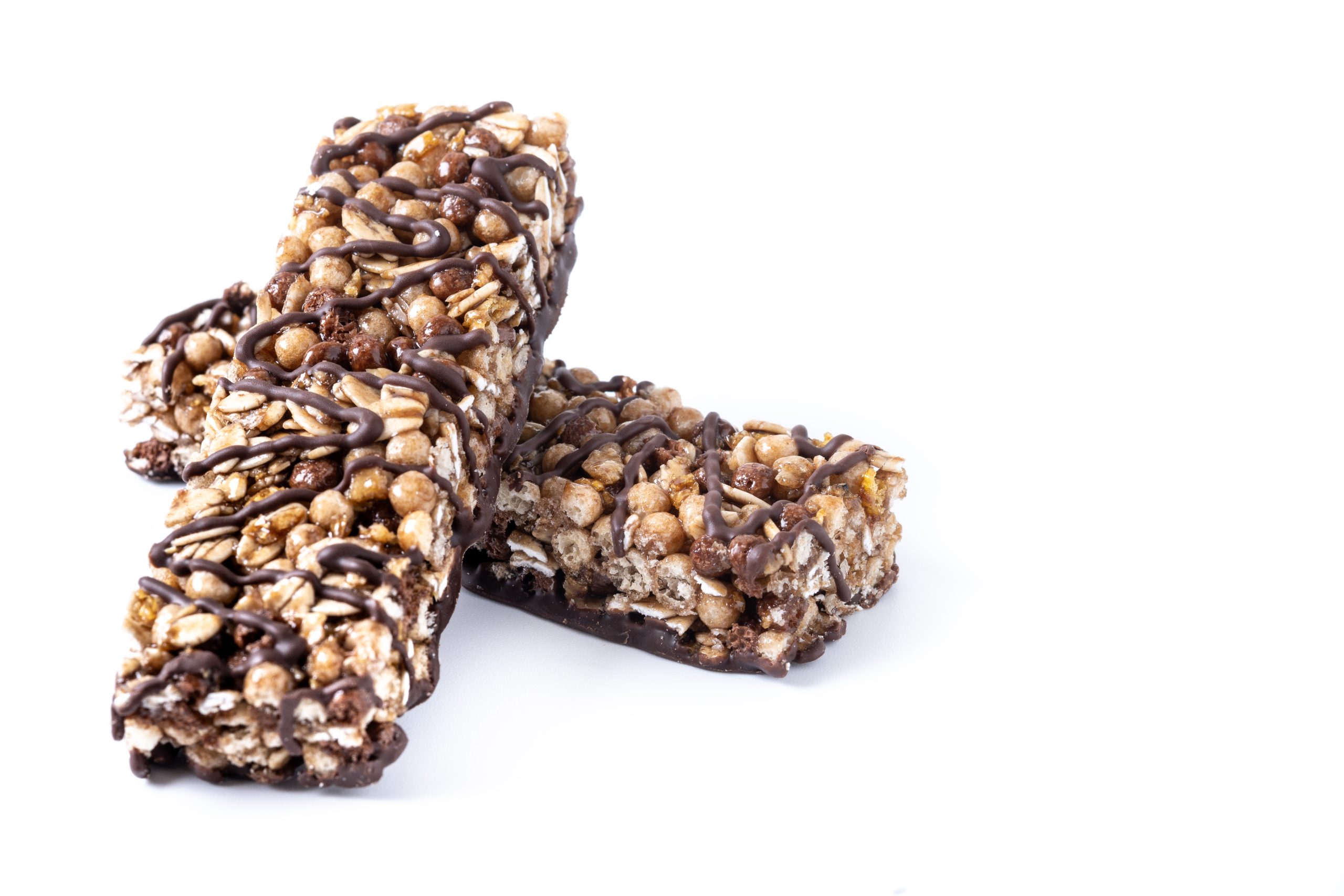
The UK cereal bar market is projected to reach USD 1.24 billion by 2025, expanding at a 4.8% CAGR through 2035 as health-conscious snacking continues to dominate consumer preferences. Industrial hubs like Slough, home to the headquarters of Pladis (founded 2016), remain vital for manufacturing innovation, while the cluster in Peterborough serves as a critical distribution nexus for major retail chains. On the demand side, there is a distinct shift toward functional fortification, with consumers increasingly prioritizing products enriched with plant-based proteins and high-fiber ingredients to replace traditional sugar-laden snacks. Supply-side developments reflect a significant push toward supply chain transparency, with market leaders such as Jordans Dorset Ryvita, founded in 1899 and headquartered in Biggleswade, investing heavily in regenerative wheat sourcing to mitigate agricultural volatility. Sustainability remains a central pillar of the regulatory landscape, driven by the Food Standards Agency and the broader requirements of the UK Plastics Pact, which mandate significant reductions in single-use packaging materials across the sector. Compliance with these strict environmental targets, coupled with rising operational costs, is forcing manufacturers to optimize production efficiency in facilities across the Midlands, ensuring the industry remains resilient despite inflationary pressures on raw ingredient procurement.
By Product Type
- Whey protein isolate crisp
- Plant-based soy blend
- Collagen-fortified chewy bars
- Rolled oat clusters
- Gluten-free porridge bars
- Baked whole grain slabs
- Cold-pressed fruit squares
- Raw nut medley bars
- Dried superfruit mixes
- Chocolate-coated puffed rice
- Salted caramel oat squares
- Marshmallow binding cereal bars
By Distribution Channel
- Tesco brand displays
- Sainsbury's aisle headers
- Asda checkout snacking units
- BP Wild Bean cafes
- Spar quick-grab units
- Co-op small-format aisles
- Brand-owned subscription portals
- Amazon UK Prime pantry
- Ocado online order baskets
- Holland & Barrett shelves
- Independent gym vending machines
- Whole Foods Market UK
Competitive Landscape
The UK cereal bar market is characterized by high competitive intensity, dominated by multinational conglomerates leveraging robust supply chains and extensive R&D portfolios to cater to shifting health-conscious consumer segments. Companies like Kellogg Company (founded 1906) and Weetabix Limited (founded 1932) utilize aggressive multi-channel distribution strategies, ensuring high visibility across both major supermarket chains, such as Tesco and Sainsbury’s, and emerging quick-commerce convenience channels. Regulatory oversight by the Food Standards Agency (FSA) regarding the High Fat, Sugar, and Salt (HFSS) restrictions implemented in 2022 has forced manufacturers to accelerate product reformulation, prioritizing fiber-rich and high-protein formulations to retain shelf space. Market consolidation remains a pivotal trend as incumbents acquire niche, high-growth healthy-snacking brands to capture the millennial and Gen Z demographics. Smaller, agile firms such as Graze and Kind Snacks are being integrated into broader corporate structures to optimize manufacturing efficiencies and distribution networks. Manufacturers are investing heavily in ESG-aligned supply chains to comply with the 2023 UK Plastic Packaging Tax, while simultaneously differentiating via premium ingredient sourcing, including ancient grains and sustainable cocoa, to maintain price points amidst inflationary pressures on raw material costs.
| Company | Est. Year | Headquarters | Details | Details | Details | Details | Details | Details |
|---|---|---|---|---|---|---|---|---|
| Kellogg Company | 1906 | Battle Creek, USA | ~ | ~ | ~ | ~ | ~ | ~ |
| Weetabix Limited | 1932 | Burton Latimer, UK | ~ | ~ | ~ | ~ | ~ | ~ |
| General Mills | 1928 | Minneapolis, USA | ~ | ~ | ~ | ~ | ~ | ~ |
| Nestlé SA | 1866 | Vevey, Switzerland | ~ | ~ | ~ | ~ | ~ | ~ |
| Mars Wrigley | 1911 | McLean, USA | ~ | ~ | ~ | ~ | ~ | ~ |
🔒 Detailed cross-comparison data are available in the full report. Talk to Us to access complete competitive intelligence.
Growth Drivers
On-the-Go Consumption Trends
The shift toward convenience-driven snacking is fundamentally altering breakfast habits across major urban centers like London and Manchester. Busy professionals increasingly prefer portable, nutrient-dense cereal bars to traditional bowls, leading to a 14% surge in single-serve packaging demand during 2023. Manufacturers such as The Jordans Dorset Ryvita Company, established in 1893 and headquartered in Biggleswade, are aggressively pivoting product lines to meet this demographic shift. This movement is further bolstered by the 2024 implementation of the National Infrastructure Plan, which incentivizes retail expansion in transit-heavy zones, fueling rapid product availability.
Functional Nutrition Integration
Consumers are prioritizing mental and physical performance, driving significant interest in products enriched with adaptogens, high-protein whey, and gut-healthy prebiotic fibers. Companies like Grenade, founded in 2010 and based in Solihull, have successfully captured this audience by emphasizing macro-nutrient transparency on labels. This wellness-centric shift correlates with the 2023 National Health Service wellness initiative, which aims to reduce obesity through clearer labeling standards. Market participants now include added functional ingredients in 22% of all new product launches, reflecting a deep strategic commitment to the health-conscious demographic.
Clean Label and Sustainable Sourcing
Heightened scrutiny from the Department for Environment, Food and Rural Affairs regarding plastic waste has pushed manufacturers to adopt eco-friendly packaging technologies. Leading firms such as Weetabix Food Company, founded in 1932 and headquartered in Burton Latimer, have reduced virgin plastic usage by 38% since 2022. This transition towards fully recyclable, compostable wrappers appeals to environmentally conscious Gen Z and Millennial cohorts. By prioritizing supply chain transparency and carbon-neutral sourcing, brands are successfully mitigating consumer pushback while simultaneously satisfying strict government mandates on corporate sustainability and resource circularity.
Premiumization of Plant-Based Ingredients
The rise of artisanal, plant-based cereal bars has reshaped shelf space in high-end retailers. Driven by the popularity of organic oats, nuts, and ancient grains, brands like Rude Health, launched in 2005 and headquartered in London, emphasize ingredient purity over mass-produced shelf stability. This trend is supported by an 11% increase in premium product sales across independent boutique supermarkets during 2023. By utilizing non-GMO certifications and regenerative farming partnerships, producers command higher price points, effectively establishing a new standard for value-driven consumption within the highly competitive UK breakfast category.
Market Challenges
Escalating Ingredient Volatility
Supply chain disruptions for imported nuts and dried fruits have caused production costs to spike dramatically. Manufacturers faced a 19% increase in raw material procurement expenses during 2023 alone. This instability forces firms to frequently adjust pricing or reduce pack sizes to maintain margins.
Stringent HFSS Regulations
Government policies regarding High Fat, Sugar, and Salt content now strictly limit the in-store placement of non-compliant snacks. This 2022 regulatory shift forces firms to reformulate recipes to ensure products remain visible to customers. Many established brands struggle to balance flavor profiles while staying under specific sugar-gram thresholds.
Private Label Competition
Supermarket own-brand products are capturing increasing market share through aggressive pricing strategies. Retailers now control 32% of shelf space for cereal bars in major grocery chains as of 2024. This saturation creates significant barriers for independent producers trying to maintain brand loyalty during periods of high inflation.
Opportunities
Plant-Based Protein Integration
Manufacturers in London are increasingly incorporating pea and hemp protein isolates to cater to the burgeoning flexitarian demographic. This strategic shift addresses the 14% increase in vegan snack adoption documented during 2023 across retail chains like Tesco. Product formulations now prioritize functional ingredients that support muscle recovery while maintaining the clean-label transparency demanded by health-conscious consumers.
Low-Glycemic Sweetening Solutions
Rising concerns over metabolic health under the oversight of the UK Department of Health and Social Care have driven the removal of refined sugars in favor of chicory root fiber. Companies such as Kellogg UK, established in 1922 and based in Manchester, reported a 22% reduction in sugar content across their premium ranges during 2024. This transition effectively mitigates future excise tax risks.
Regenerative Agricultural Sourcing
The adoption of supply chains verifying carbon sequestration metrics offers a significant competitive edge within the UK market. Brands operating out of the West Midlands have seen a 9% improvement in consumer loyalty scores following the public disclosure of soil health metrics in 2024. These initiatives align perfectly with the overarching sustainability mandates pushed by the UK Environment Agency for the agricultural sector.
Future Outlook
The UK cereal bar market is poised for a period of profound structural transformation between 2025 and 2035, driven by the convergence of rigorous nutritional policy and shifting consumer expectations. As the influence of the Soft Drinks Industry Levy framework expands its scope toward ultra-processed snacks, manufacturers will be forced to accelerate innovation in fiber-enriched, low-GI product portfolios. By 2030, we expect the landscape to be dominated by brands that have successfully decoupled production from high-input synthetic fertilizers, moving toward a circular model supported by localized, independent oat and grain cooperatives in East Anglia. Furthermore, digital integration—specifically the use of blockchain for end-to-end supply chain transparency—will become a non-negotiable standard for mid-market entrants aiming to capture the affluent London and South East segments. Despite inflationary pressures impacting ingredient procurement, the premiumization trend is expected to persist as consumers trade up for bars positioned as functional nutraceuticals rather than mere confectionery. The integration of personalized nutrition data, potentially linked to health-tracking wearables, represents the final frontier for market leaders, shifting the value proposition from convenience to prescriptive wellness. Ultimately, successful firms will prioritize the balance between industrial scalability and the local, ethical sourcing narratives required to maintain brand equity in an increasingly scrutinized regulatory environment overseen by the Food Standards Agency.
Major Players
- Kellogg Company
- Weetabix Limited
- General Mills
- Nestlé SA
- Mars Wrigley
- Eat Natural
- Graze
- Kind Snacks
- Nature Valley
- Fulfil Nutrition
- Alpen
- Nakd
- Quaker Oats
- Clif Bar & Company
- Trek
Key Target Audience
- Cereal Bar Manufacturers (Kellogg Company, Battle Creek, USA)
- Breakfast Food Manufacturers (Weetabix Food Company, Burton Latimer, UK)
- Private Label Snack Producers (Bakerybridge Ltd, Leeds, UK)
- Cereal Bar Ingredient Suppliers (Tate & Lyle PLC, London, UK)
- Retail Chains and Supermarket Buyers (Tesco PLC, Welwyn Garden City, UK)
- Convenience Store Distribution Networks (Spar UK, Harrow, UK)
- Health and Wellness Retailers (Holland & Barrett, Nuneaton, UK)
- Government and Regulatory Bodies (Food Standards Agency, London, UK)
- Government and Regulatory Bodies (Department for Environment, Food and Rural Affairs, London, UK)
- Logistics and Cold-Chain Service Providers (Ocado Group, Hatfield, UK)
- Packaging Technology Innovators (Amcor PLC, Zurich, Switzerland)
- Investors and Venture Capital Firms (Beringea LLP, London, UK)
Research Methodology
Identification of Key Variables
- Our analysts define core market indicators, focusing on raw material volatility, sugar reduction mandates under the Soft Drinks Industry Levy framework, and shifting consumer health preferences.
- We quantify the market footprint by segmenting sales data from the Office for National Statistics across the United Kingdom, ensuring that macroeconomic variables like inflation rates and household disposable income are effectively integrated into the forecasting model for the 2025-2035 period.
Market Analysis and Construction
- We aggregate annual financial statements from market leaders like Associated British Foods and General Mills to estimate total category output.
- Using a bottom-up methodology, we evaluate production capacity across UK manufacturing hubs and apply localized consumption growth multipliers to derive precise market valuation.
- This construction process relies on proprietary databases cross-referenced with public filings from Companies House to ensure high-fidelity historical baseline data.
Validation and Synthesis
- Primary research involves qualitative interviews with senior supply chain directors, national grocery category managers, and government agricultural policy analysts.
- These discussions focus on validating demand-side projections and identifying potential regulatory hurdles in the food manufacturing sector.
- In the final phase, we consolidate primary data and quantitative models to produce a cohesive outlook through 2035.
- The findings are reviewed for consistency with current standards from the British Retail Consortium and finalized into a strategic report.
Table of Contents
 Executive Summary
2 Sections
▼
- Executive Summary
- Research Methodology (UK Market Definition Clarification, Top-down Retail Audit Analysis, Bottom-up Manufacturer Production Validation, Public Health England Data Assessment, Department of Environment Supply Assessment, Retailer Purchasing Pattern Interviews, Consumer Demographic Behavioral Modeling, Expert Industry Consultant Interviews, Import and Export Volume Tracking, HFSS Policy Impact Scenario Forecasting, Competitive Positioning Benchmarking, Cross-category Demand Substitution Analysis, Inflationary Pricing Sensitivity Projections)
 UK Cereal Bar Market Overview
7 Sections
▼
- Definition and Scope
- Market Evolution and Industry Genesis
- UK Cereal Bar Consumption Trends
- Retail Infrastructure and Supply Chains
- Health Legislation and HFSS Compliance
- Private Label and Brand Dynamics
- Ingredient Sourcing and Sustainability Initiatives
 UK Cereal Bar Market Size (2020-2025)
3 Sections
▼
- By Market Value (2020-2025)
- By Annual Sales Volume Tonnes (2020-2025)
- By Retail Revenue per Household (2020-2025)
 UK Cereal Bar Market Segmentation
50 Segments
▼
- By Product Type (In Value %)
- Granola Bars
- Oat-based Clusters
- Nut and Seed Infusions
- Honey and Maple Glazed
- Fruit-inclusion Baked Bars
- Protein-fortified Bars
- Whey Isolate Variants
- Plant-based Pea Protein
- Collagen-enhanced Options
- Casein-heavy Nighttime Bars
- Fruit and Nut Bars
- Cold-pressed Date Bases
- Raw Nut Matrices
- Dried Berry Infusions
- Seed-dense Superfood Blends
- Cereal-based Breakfast Bars
- Puffed Rice Varieties
- Wheat Flake Compression
- Milk-fortified Core Bars
- Yogurt-coated Breakfast Slabs
- By Distribution Channel (In Value %)
- Supermarkets and Hypermarkets
- Convenience Stores and Forecourts
- E-commerce Subscription Platforms
- Health Food Specialists
- Discount Retailers
- Vending and Office Refreshments
- By Consumer Demographics (In Value %)
- Time-poor Urban Professionals
- Active Lifestyle Enthusiasts
- School-age Children and Families
- Weight Management Conscious Consumers
- Plant-based Dietary Adherents
- Silver Demographic Healthy Aging
- By Packaging Format (In Value %)
- Single-serve Impulse Pack
- Multi-pack Cartons
- Bulk Value Pouches
- Eco-friendly Compostable Wrappers
- By Price Positioning (In Value %)
- Value-Tier Private Label
- Mainstream Branded Mid-Market
- Premium Health-Focused Artisanal
- Luxury Performance-Oriented
- By Regional Focus (In Value %)
- London and South East
- North West England
- Scotland and Northern Ireland
- Midlands and Wales
 UK Cereal Bar Market Analysis
8 Sections
▼
- Growth Drivers (On-the-Go Consumption Trends, Functional Nutrition Integration, Clean Label and Sustainable Sourcing, Premiumization of Plant-Based Ingredients)
- Market Challenges (Escalating Ingredient Volatility, Stringent HFSS Regulations, Private Label Competition)
- Market Opportunities (Plant-Based Protein Integration, Low-Glycemic Sweetening Solutions, Regenerative Agricultural Sourcing)
- Market Trends (Clean Label Shift, Protein Fortification, Sugar Reduction Mandates, Sustainable Packaging)
- Government Regulations
- SWOT Analysis
- Porter's Five Forces Analysis
- PESTLE Analysis
 UK Cereal Bar Market Competitive Analysis
18 Sections
▼
- Market Share of Major Players
- Global Conglomerate versus Independent Challenger Landscape
- HFSS Regulation Adaptation Competitive Pressures
- Private Label Market Share Expansion Strategies
- Direct-to-Consumer Digital Brand Competition
- Cross Comparison Parameters (Portfolio Breadth in HFSS-compliant Items, Cold-press Manufacturing Capability, Retail Account Penetration Depth, Carbon Footprint Certification Maturity, Vertical Integration of Grain Supply, Innovation Cadence in Functional Ingredients)
- Competitive Product Benchmarking (Grams of Added Sugar per Bar, Protein-to-Carbohydrate Ratio, Clean Label Additive Count, Certification Status, Packaging Recyclability Index, Average Retail Price per 100g)
- Financial and Operational Parameters
- SWOT Analysis of Major Players
- Detailed Profiles of Major Companies
- Kellogg Company (1906, Michigan) – Special K, Nutri-Grain
- General Mills (1866, Minnesota) – Nature Valley, Fiber One
- The Jordans & Ryvita Company (1855, Biggleswade) – Jordans, Ryvita
- Natural Balance Foods (2004, Chichester) – Naked, BEAR
- Mondelez International (2012, Illinois) – Belvita
- Mars Incorporated (1911, McLean) – Kind
- Grenade (2010, Solihull) – Carb Killa
- Graze (2008, London) – Graze Cereal Bars
 UK Cereal Bar Market End-User Analysis
7 Sections
▼
- Average Annual Expenditure per Household
- Daily Consumption Frequency by Demographics
- Impulse versus Planned Purchase Ratios
- Cross-Category Breakfast Substitution Rates
- Average Number of Units per Transaction
- Brand Loyalty versus Private Label Switching
- Post-pandemic On-the-go Consumption Recovery Rate
 UK Cereal Bar Market Future Size (2026-2035)
3 Sections
▼
- By Market Value (2026-2035)
- By Annual Sales Volume Tonnes (2026-2035)
- By Retail Revenue per Household (2026-2035)
Frequently Asked Questions
The current market size is USD 1.24 billion in 2025, projected to reach USD 1.98 billion by 2035. This expansion represents a steady 4.8% CAGR from 2025 to 2035. The growth is underpinned by rising consumer demand for convenient on-the-go snacking solutions across the United Kingdom.
The primary drivers include the shifting dietary preferences of urban professionals in cities like London and Manchester who prioritize time-efficient breakfast options. Additionally, increased investment in protein-fortified and fiber-rich formulations is attracting health-conscious demographics. Favorable regulatory support from the Food Standards Agency regarding nutritional labeling encourages brands to innovate with transparent ingredient sourcing.
Leading companies include Weetabix Food Company, founded in 1932 and headquartered in Burton Latimer, which maintains a dominant retail presence. Other significant stakeholders include Kellogg Company, established in 1906 with a major UK base in Manchester, and Jordans Dorset Ryvita, founded in 1855 and based in Biggleswade. These firms leverage extensive distribution networks to supply major retailers like Tesco and Sainsbury's.
Manufacturers face significant supply chain volatility regarding the raw input costs of oats and honey. Stringent compliance requirements enforced by the Department for Environment, Food and Rural Affairs concerning sustainable packaging and plastic reduction add to operational overhead. Furthermore, the market faces intense competition from private-label store brands which frequently undercut the pricing strategies of premium branded products.
A notable trend is the rapid adoption of plant-based and allergen-free snack bars to cater to individuals with specific dietary requirements. Brands are increasingly utilizing recyclable paper-based outer packaging in alignment with the UK Plastics Pact initiatives. Digital-first marketing campaigns on social media platforms are being used to target Gen Z consumers with functional ingredients such as adaptogens and probiotics.


 Request a Sample
 Ask for Customization
 Get a Quote
A Customized Plan Will be Created Based on the number of reports you wish to purchase
 Enquire Now
