
 Download PDF
 Download PDF
Market Overview
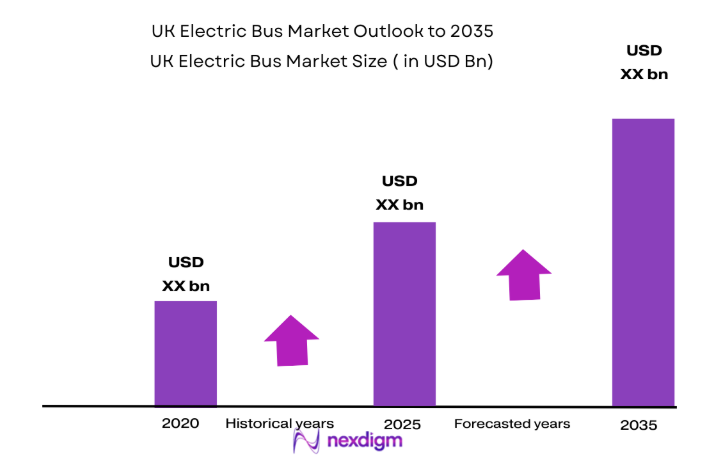
The UK Electric Bus market is expected to grow significantly, driven by rising government support for green transportation solutions and the shift towards sustainable mobility. The market, valued in billions ~ USD, is being propelled by increased investment in clean energy and the rapid electrification of public transport fleets. The growing focus on reducing carbon emissions and urban air quality is fueling demand for electric buses, which are becoming a preferred solution for transit agencies across the nation. Additionally, government policies, incentives, and regulations play a pivotal role in this growth, creating a favorable environment for the adoption of electric buses.
The UK remains a dominant player in the electric bus market, primarily driven by the adoption of sustainable transportation solutions in major cities like London and Manchester. These cities have made significant investments in public transport infrastructure to meet their environmental goals. The government’s push towards net-zero emissions, along with incentives for electric vehicle adoption, has made the UK a leading market in Europe for electric buses. Strong urban demand, especially from metropolitan areas, is expected to continue driving the market’s growth.
Market Segmentation
By Product Type
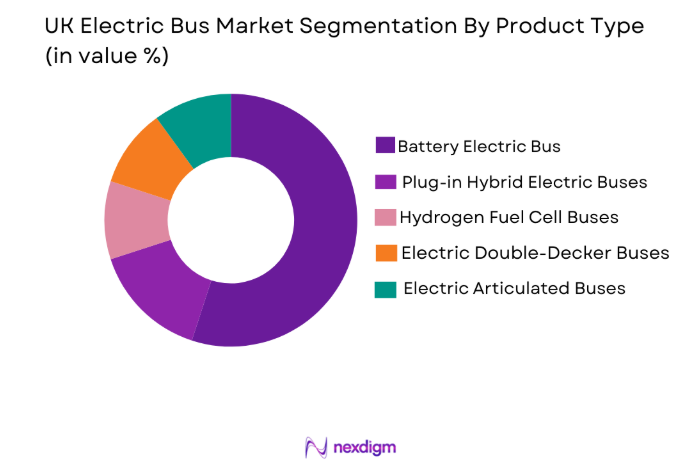
The UK Electric Bus market is segmented by product type into battery electric buses, plug-in hybrid electric buses, hydrogen fuel cell buses, electric double-decker buses, and electric articulated buses. Battery electric buses have the dominant market share due to their proven efficiency, lower operational costs, and growing infrastructure supporting their adoption. Factors such as extended range, fast-charging capabilities, and the lower total cost of ownership are driving the shift towards battery electric buses, particularly in large urban areas where high-capacity, low-emission transportation is crucial for reducing congestion and pollution. This dominance is expected to continue as the infrastructure for charging electric buses expands and the technology advances.
By Platform Type
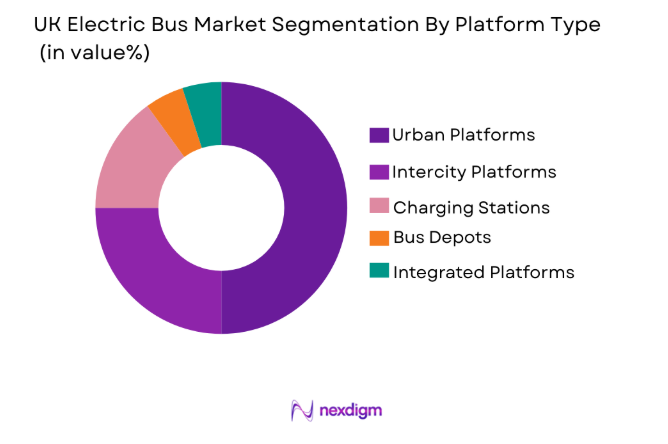
The UK Electric Bus market is segmented by platform type into urban platforms, intercity platforms, charging stations, bus depots, and integrated platforms. Urban platforms dominate due to high demand for sustainable public transport in cities. As electric buses become more viable for longer routes, intercity platforms are growing in importance. Charging stations and bus depots are essential for supporting electric bus operations across the country.
Competitive Landscape
The UK Electric Bus market is highly competitive, with key players consolidating their presence through strategic partnerships and technological advancements. Major manufacturers are continuously investing in R&D to improve battery life, energy efficiency, and charging infrastructure. This has led to significant competition among established companies and new entrants in the market. Additionally, partnerships between governments and private sector players are accelerating the adoption of electric buses in public transport fleets. The market is expected to witness more consolidation, with major players leading the charge in meeting regulatory requirements and consumer demand for sustainable transport solutions.
| Company Name | Establishment Year | Headquarters | Technology Focus | Market Reach | Key Products | Revenue | Additional Parameter |
| BYD Auto | 1995 | China | ~ | ~ | ~ | ~ | ~ |
| Proterra | 2004 | USA | ~ | ~ | ~ | ~ | ~ |
| Volvo | 1927 | Sweden | ~ | ~ | |||
| New Flyer | 1930 | Canada | |||||
| Solaris Bus | 1996 | Poland |
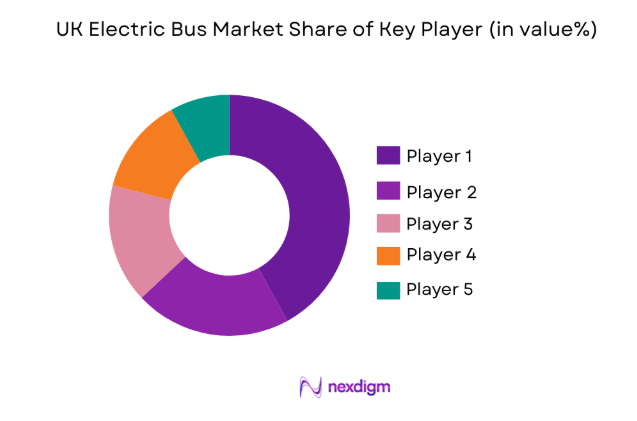
UK Electric Bus Market Analysis
Growth Drivers
Government Support for Green Transportation
Government support for green transportation has been one of the primary drivers of the UK’s electric bus market. Policies like the Clean Growth Strategy and financial incentives for electric vehicle adoption are encouraging the transition from traditional diesel buses to electric buses. Public transportation authorities, especially in urban centers, are receiving subsidies and tax rebates to reduce the upfront costs of electric buses, making them more attractive to public and private transport operators. These initiatives have been instrumental in accelerating the adoption of electric buses in the UK. Additionally, the government is pushing for all new public transport vehicles to be zero-emission by 2035, which further bolsters the demand for electric buses. This commitment aligns with the UK’s broader sustainability goals and helps reduce air pollution, a major concern in densely populated urban areas. The financial incentives are complemented by infrastructure investments in charging stations and service networks, ensuring that electric buses can operate efficiently across the country. Over time, this support will help the UK solidify its position as a leader in the electric bus market, with the ongoing integration of advanced technologies further driving growth.
Technological Advancements in Electric Bus Solutions
The continuous advancements in electric bus technology, especially in battery efficiency and charging systems, are playing a critical role in driving the market forward. Innovations in lithium-ion battery technology, such as improved energy density and faster charging times, have significantly enhanced the performance of electric buses, making them a viable alternative to traditional diesel-powered buses. These improvements not only extend the range of electric buses but also reduce operational costs for bus operators, making them more competitive in the long term. Charging technology has also evolved, with the introduction of fast-charging systems and wireless charging technologies that streamline the recharging process. These developments make it easier to integrate electric buses into public transport fleets, reducing downtime and increasing operational efficiency. Additionally, advancements in fleet management systems, including AI and IoT-based solutions, are helping to optimize bus schedules, energy consumption, and maintenance, further driving the market’s expansion. With these technological breakthroughs, electric buses are becoming increasingly reliable and cost-effective, positioning them as a central component of future public transportation systems.
Market Challenges
High Initial Capital Investment
One of the key challenges facing the UK’s electric bus market is the high initial capital investment required to purchase electric buses and establish the necessary charging infrastructure. Electric buses, while offering long-term cost savings in terms of lower fuel and maintenance costs, are significantly more expensive upfront compared to traditional diesel buses. This high cost barrier makes it challenging for public and private operators to transition their fleets, especially in regions with budget constraints. Although government subsidies and incentives can help mitigate these costs, the total expense still remains a significant hurdle, particularly for smaller municipalities and operators. The high capital costs are compounded by the need to build or upgrade charging infrastructure, which involves additional investments in power grid capacity, charging stations, and maintenance facilities. As such, while the operational benefits of electric buses are clear, the initial financial burden remains a considerable challenge for widespread adoption, particularly in less economically developed areas. Overcoming this obstacle will require continued government support and private sector investments in cost-reduction technologies, such as more affordable battery solutions and better charging networks.
Lack of Charging Infrastructure
Despite the progress made in electrifying the UK’s public transport sector, the lack of a comprehensive and widespread charging infrastructure remains a significant challenge. Electric buses require dedicated charging stations, and the availability of these stations is often limited to major cities and urban centers, leaving rural areas underserved. This uneven distribution of charging infrastructure creates operational inefficiencies, as electric buses may not have access to charging stations in remote areas, limiting their range and usage. For operators, this means that planning bus routes and schedules becomes more complex, as buses must be routed based on available charging stations, rather than optimal routes for passengers. Additionally, the infrastructure that does exist is not always equipped to handle the charging needs of a large fleet of electric buses. Charging stations may be under-equipped or require upgrades to support the increasing demand for electric vehicles. Addressing this infrastructure gap will be crucial to the market’s growth, as a robust and widespread network of charging stations is essential to ensure that electric buses can operate efficiently and effectively across the UK.
Opportunities
Expansion of Electric Bus Fleets in Smaller Cities
One of the key opportunities for the UK electric bus market lies in the expansion of electric bus fleets in smaller cities and towns. While large metropolitan areas such as London have been the primary focus for electric bus adoption, there is significant untapped potential in smaller urban centers where the benefits of electric buses, such as reduced emissions and operating costs, could have a substantial impact. These smaller cities often face higher levels of pollution due to higher vehicle emissions and traffic congestion, and the adoption of electric buses could offer a cost-effective solution to these issues. Furthermore, the relatively lower population densities and public transport demand in smaller cities make electric buses an ideal solution, as they can provide clean, efficient transport without the need for large, fossil-fuel-powered fleets. The government’s green transportation initiatives and funding programs could further support this expansion, helping to offset the high initial capital costs for local authorities and bus operators. As electric buses become more affordable and charging infrastructure expands, smaller cities across the UK are expected to experience growth in electric bus adoption, helping to reduce emissions and promote sustainability.
Integration of Renewable Energy with Electric Buses
Another promising opportunity for the UK’s electric bus market is the integration of renewable energy sources, such as solar and wind power, with electric bus fleets. As the UK continues to push for decarbonization, pairing electric buses with renewable energy can create a fully sustainable and green transport system. Electric buses can be charged using solar-powered charging stations or wind-powered grids, significantly reducing the carbon footprint of the public transport system. This approach would not only improve the environmental credentials of electric buses but also help mitigate the rising energy costs associated with traditional grid-powered charging. The integration of renewable energy sources into the electric bus ecosystem is a forward-thinking solution that can help future-proof the market, reduce dependency on fossil fuels, and align with the UK’s net-zero emissions goals. The government’s ongoing efforts to increase renewable energy generation capacity will further support the integration of these energy sources into the transport system, offering a unique opportunity to enhance the sustainability of electric buses.
Future Outlook
The future outlook for the UK Electric Bus market is highly positive, with continued growth expected over the next several years. As technology advances and battery costs decrease, the adoption of electric buses is set to rise, driven by both government incentives and regulatory pressure for cleaner transport solutions. The expansion of charging infrastructure and integration of renewable energy sources will further support this growth. The increasing demand for sustainable urban transport, coupled with the UK’s commitment to achieving net-zero emissions, creates a favorable environment for electric buses. Over the next five years, the market is likely to witness a significant shift towards fully electrified public transport systems, supported by advancements in battery technology and charging networks.
Major Players
- BYD Auto
- Proterra
- Volvo
- New Flyer
- Solaris Bus
- MAN Truck & Bus
- Scania
- Alexander Dennis
- Yutong
- Daimler AG
- Renaut Trucks
- Navistar
- Cummins Inc.
- ABB
- Wrightbus
Key Target Audience
- Investments and venture capitalist firms
- Government and regulatory bodies
- Public transportation authorities
- Private transport operators
- Electric vehicle charging infrastructure providers
- Vehicle manufacturers
- Fleet operators
- Environmental organizations
Research Methodology
Step 1: Identification of Key Variables
This step involves identifying the key variables that impact the electric bus market, including technological advancements, government policies, and consumer behavior.
Step 2: Market Analysis and Construction
Data is collected through primary and secondary research methods to construct a detailed market model, assessing demand, trends, and competitive dynamics.
Step 3: Hypothesis Validation and Expert Consultation
Market hypotheses are validated through consultations with industry experts and stakeholders to ensure accurate representation of market conditions.
Step 4: Research Synthesis and Final Output
The data collected is synthesized into actionable insights, forming the final output for the report, which includes market forecasts and strategic recommendations.

- Executive Summary
- Research Methodology (Definitions, Scope, Industry Assumptions, Market Sizing Approach, Primary & Secondary Research Framework, Data Collection & Verification Protocol, Analytic Models & Forecast Methodology, Limitations & Research Validity Checks)

- Market Definition and Scope
- Value Chain & Stakeholder Ecosystem
- Regulatory / Certification Landscape
- Sector Dynamics Affecting Demand

- Growth Drivers
Government incentives and subsidies for green transportation
Advancements in battery technology leading to longer ranges
Reduction in carbon emissions contributing to public health improvement
Increased urbanization and demand for sustainable public transport
Government regulations promoting electric vehicle adoption - Market Challenges
High initial investment cost for electric buses
Infrastructure challenges related to charging stations and network
Battery disposal and environmental concerns
Limited range of electric buses for intercity routes
Inadequate charging infrastructure in rural areas - Market Opportunities
Expansion of bus electrification programs in metropolitan areas
Integration of renewable energy sources for sustainable charging
Partnerships between manufacturers and transport authorities - Trends
Rising adoption of autonomous electric buses
Growth in hydrogen fuel cell buses for long-distance routes
Integration of smart charging technologies with electric buses
Increased collaboration between private and public sectors
Shift toward electric buses in school and educational transport - Government Regulations & Defense Policy
Zero emission vehicle policies
Electric vehicle infrastructure development plans
Public transport electrification mandates - SWOT Analysis
- Stakeholder and Ecosystem Analysis
- Porter’s Five Forces Analysis

- By Market Value, 2020-2025
- By Installed Units, 2020-2025
- By Average System Price, 2020-2025
- By System Complexity Tier, 2020-2025

- By System Type (In Value%)
Battery Electric Buses
Plug-in Hybrid Electric Buses
Hydrogen Fuel Cell Buses
Electric Double Decker Buses
Electric Articulated Buses - By Platform Type (In Value%)
Urban Platforms
Intercity Platforms
Charging Stations
Bus Depots
Integrated Platforms - By Fitment Type (In Value%)
On-premise Solutions
Cloud-based Solutions
Hybrid Solutions
Modular Solutions
Integrated Solutions - By End User Segment (In Value%)
Public Transport Authorities
Private Operators
Government Fleets
Corporate Fleets

- Market share of major players
- Cross Comparison Parameters (System Type, Platform Type, Procurement Channel, End User Segment, Fitment Type)
- SWOT Analysis of Key Competitors
- Pricing & Procurement Analysis
- Key Players
BYD Auto
Proterra
Volvo
MAN Truck & Bus
Scania
New Flyer
Alexander Dennis
Solaris Bus & Coach
VDL Bus & Coach
Yutong
Daimler AG
Renault Trucks
Navistar
Cummins Inc.
ABB

- Increasing demand for electric buses from public transport operators
- Government investment in electric vehicle infrastructure
- Private operators’ role in driving electric bus adoption
- Growing interest from educational institutions for zero-emission fleets

- Forecast Market Value, 2026-2035
- Forecast Installed Units, 2026-2035
- Price Forecast by System Tier, 2026-2035
- Future Demand by Platform, 2026-2035


 Request a Sample
 Ask for Customization
 Get a Quote
 Enquire Now