
 Download PDF
 Download PDF
Market Overview
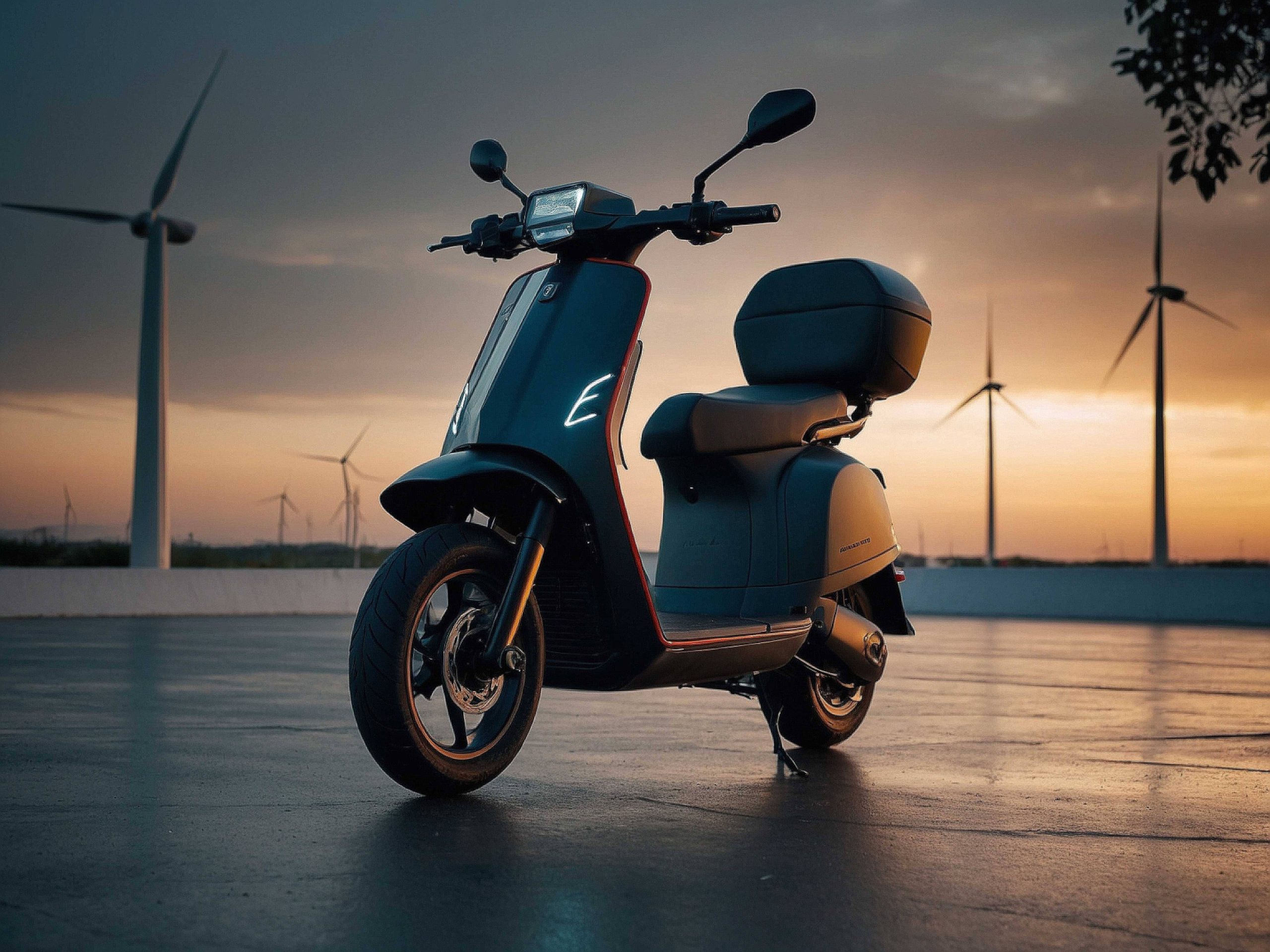
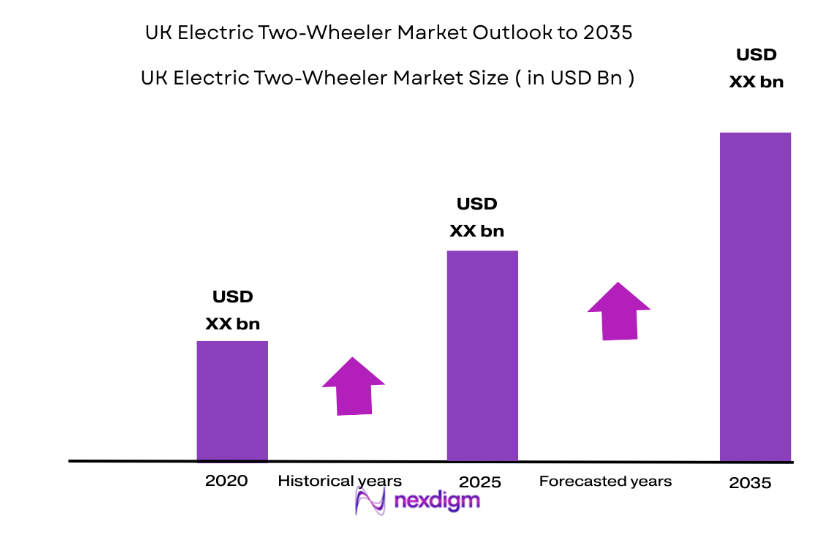
The UK Electric Two-Wheeler Market is valued at approximately USD ~ billion, driven by growing demand for sustainable and eco-friendly transportation solutions. The increasing adoption of electric two-wheelers is fueled by government policies that promote green technologies and reduce emissions. Additionally, technological advancements in battery efficiency, coupled with improved charging infrastructure, have made electric two-wheelers more accessible and cost-effective. These factors, combined with rising consumer preference for cleaner alternatives to traditional gasoline-powered vehicles, are expected to continue fueling market growth in the coming years.
Dominant cities in the UK include London, Manchester, and Birmingham, where urbanization and government incentives have spurred the adoption of electric two-wheelers. These cities benefit from comprehensive infrastructure, such as charging stations and bike lanes, which support the widespread use of electric vehicles. The shift towards green transportation in these areas is further encouraged by policies targeting air quality improvement and reducing traffic congestion, making urban centers ideal markets for electric two-wheelers.
Market Segmentation
By Product Type
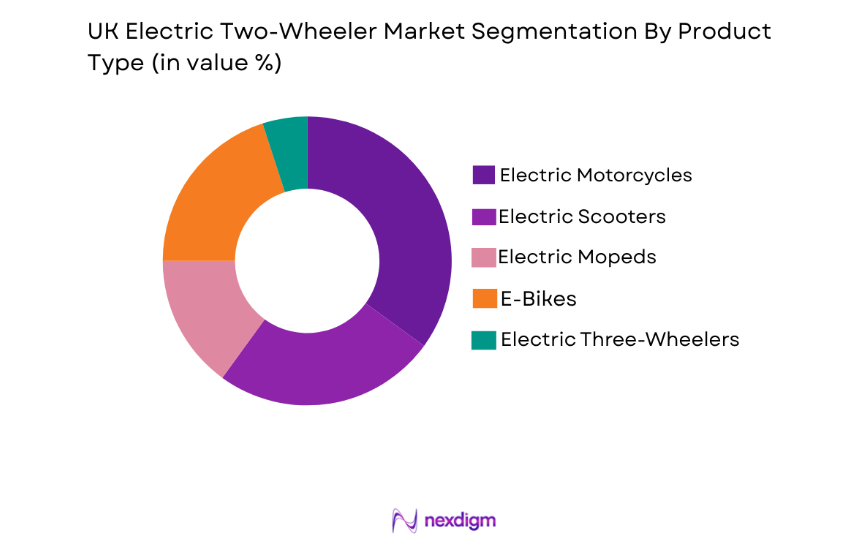
The UK Electric Two-Wheeler market is segmented by product type into electric motorcycles, electric scooters, electric mopeds, e-bikes, and electric three-wheelers. Recently, electric motorcycles have gained a dominant market share due to the increasing demand for high-performance electric vehicles. This sub-segment benefits from advancements in battery efficiency and motor technology, offering longer ranges and better speeds compared to other electric two-wheelers. Electric motorcycles are increasingly viewed as a viable alternative for urban and suburban commuters, offering both performance and environmental benefits.
By Platform Type
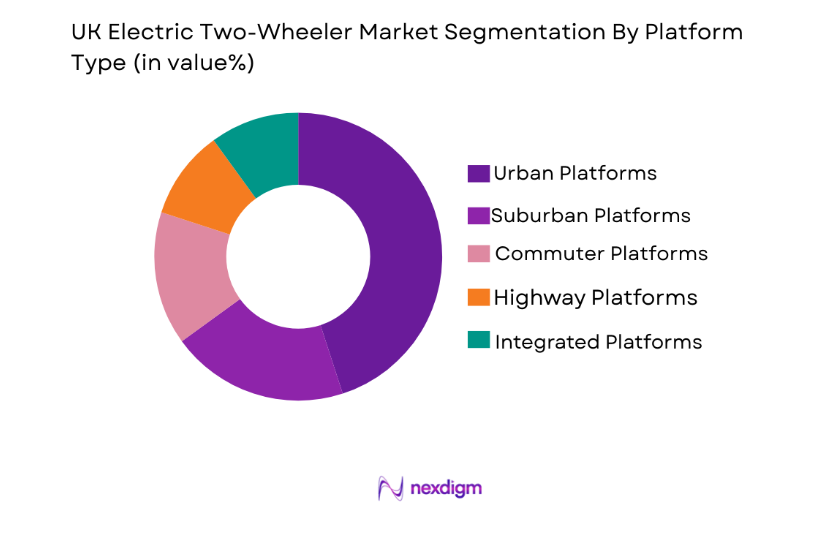
The UK Electric Two-Wheeler market is segmented by platform type into urban platforms, suburban platforms, commuter platforms, highway platforms, and integrated platforms. Urban platforms currently dominate the market, as electric two-wheelers are ideal for short, congested city commutes. The rise of shared mobility services, as well as increased government incentives for green transport in urban areas, drives the demand for electric two-wheelers. Additionally, the convenience of avoiding traffic and the reduced cost of electric vehicles compared to traditional cars make them highly popular among urban dwellers.
Competitive Landscape
The competitive landscape of the UK Electric Two-Wheeler Market is characterized by a blend of established automotive players and emerging startups. Market consolidation is occurring as major global brands continue to expand their electric vehicle portfolios and push for a larger share in the growing electric mobility space. The influence of players like Honda and Yamaha, combined with rising local manufacturers, creates a highly competitive environment. The market is also driven by partnerships between manufacturers and governments, supporting charging infrastructure and incentives for end-users.
| Company Name | Establishment Year | Headquarters | Technology Focus | Market Reach | Key Products | Revenue | Charging Infrastructure Solutions |
| Zero Motorcycles | 2006 | California, USA | ~ | ~ | ~ | ~ | ~ |
| Energica Motor Company | 2014 | Modena, Italy | ~ | ~ | ~ | ~ | ~ |
| Super Soco | 2015 | Shanghai, China | ~ | ~ | ~ | ~ | ~ |
| NIU Technologies | 2014 | Beijing, China | ~ | ~ | ~ | ~ | ~ |
| Gogoro | 2011 | Taipei, Taiwan | ~ | ~ | ~ | ~ | ~ |
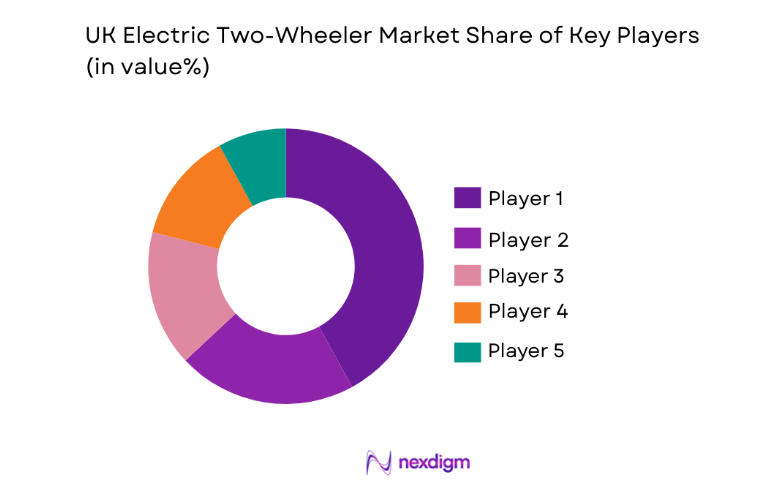
UK Electric Two- Wheeler Market Analysis
Growth Drivers
Government Incentives for Electric Mobility
Government policies and incentives have played a crucial role in driving the adoption of electric two-wheelers in the UK. Through various grants and subsidies, the government has made electric vehicles more affordable and accessible for consumers. These financial incentives include discounts on vehicle purchases and tax exemptions for electric vehicle owners. Additionally, the government’s commitment to achieving carbon neutrality by a set target year has accelerated the push for cleaner and greener transportation solutions. This has been accompanied by the introduction of programs aimed at expanding the charging infrastructure, making it more convenient for users to adopt electric two-wheelers. As consumers become more aware of the environmental impact of their transportation choices, these policies have made electric two-wheelers an attractive option, both economically and ecologically. Government-led initiatives like the Clean Growth Strategy, which includes funding for electric vehicle technologies, have further stimulated market growth. As the UK continues to invest in electric mobility, this growth driver is expected to gain even more momentum, expanding the market further. With widespread adoption becoming increasingly likely due to these incentives, the electric two-wheeler market in the UK is positioned for long-term success.
Technological Advancements in Battery Technology
Another major growth driver for the UK Electric Two-Wheeler Market is the continuous improvement in battery technology. The demand for electric two-wheelers heavily depends on battery performance, specifically range and charging time. Recent advancements in lithium-ion batteries, such as increased energy density and faster charging capabilities, have made electric two-wheelers more practical for everyday use. Manufacturers are investing heavily in research and development to further enhance battery life and efficiency. The development of solid-state batteries, which promise higher energy storage and faster charging speeds, is expected to revolutionize the market in the coming years. The availability of more efficient and cost-effective battery solutions has contributed to making electric two-wheelers a viable alternative to traditional vehicles. As the range of these electric two-wheelers continues to improve, they become increasingly attractive for long-distance commuters, reducing concerns about range anxiety. This technological innovation, paired with an expanding charging infrastructure, is expected to fuel the continued growth of the market in the UK, as well as increase adoption rates across various consumer segments.
Market Challenges
High Initial Cost of Electric Two-Wheelers
One of the key challenges for the UK Electric Two-Wheeler Market is the high initial cost of electric vehicles. Despite the long-term cost savings associated with electric vehicles, the upfront price remains significantly higher than that of traditional gasoline-powered two-wheelers. The cost of batteries, which constitutes a major portion of the vehicle’s price, has not yet reached a level where it is affordable for all consumer segments. While government incentives and grants provide some relief, these do not fully offset the high purchase price for the average consumer. This price disparity is particularly challenging for lower-income individuals who may find it difficult to invest in an electric two-wheeler despite the financial benefits of owning one in the long run. The higher upfront cost can deter potential customers, especially those in rural areas, where purchasing power is lower, further limiting the reach of electric two-wheelers. To address this challenge, manufacturers need to reduce production costs and find ways to make electric two-wheelers more affordable for a broader demographic. As technology continues to evolve, it is hoped that prices will decrease, but for now, cost remains a significant barrier to adoption.
Lack of Widespread Charging Infrastructure
Another major challenge for the UK Electric Two-Wheeler Market is the insufficient charging infrastructure in many parts of the country. While major cities like London and Manchester have begun to see a rapid increase in charging stations, other areas, particularly rural and suburban locations, still struggle with limited access to charging points. For electric two-wheeler users, finding an available charging station is crucial to ensuring the practicality of their vehicles. The lack of convenient and widespread charging infrastructure creates an obstacle for consumers, especially those who rely on their electric vehicles for long-distance commutes. While manufacturers continue to develop faster-charging technologies and battery swapping stations, the speed at which the charging network expands has not kept up with the pace of vehicle adoption. Without adequate access to charging stations, consumers may become hesitant to purchase electric two-wheelers, fearing they will be unable to charge their vehicles conveniently when needed. The market will only thrive if the charging infrastructure is expanded and improved, making it as accessible as traditional fuel stations. Until these issues are addressed, charging infrastructure remains one of the most significant hurdles for the electric two-wheeler industry in the UK.
Opportunities
Expansion in Commercial Fleet Use
The increasing demand for electric two-wheelers in commercial applications presents a significant opportunity for growth in the UK market. Delivery services, including food delivery and courier businesses, are increasingly adopting electric two-wheelers for their fleets. These businesses are attracted by the lower operational costs, environmental benefits, and increased urban mobility that electric two-wheelers offer. With urban congestion and rising fuel costs, electric two-wheelers present an ideal solution for businesses looking to reduce their carbon footprint and lower operating expenses. Moreover, the UK government’s focus on green transportation solutions provides additional support for this trend. Many businesses, particularly those involved in last-mile delivery services, are keen on transitioning to electric fleets to align with sustainability goals and improve their corporate social responsibility image. As the demand for faster, more efficient delivery services grows, electric two-wheelers are set to become an integral part of commercial transportation networks. This market opportunity offers growth potential for both vehicle manufacturers and fleet operators in the UK, who are eager to capitalize on the shift towards electric mobility.
Integration of Smart Technology in Electric Two-Wheelers
The integration of smart technology in electric two-wheelers presents another lucrative opportunity for the market. As consumers become increasingly tech-savvy, there is a growing demand for vehicles that offer more than just basic functionality. Electric two-wheelers equipped with advanced features such as GPS navigation, real-time vehicle diagnostics, smart charging, and IoT connectivity are gaining popularity. These features improve the overall user experience, making electric two-wheelers more attractive to a broader demographic. The incorporation of smart technology allows for better fleet management, especially for businesses relying on large numbers of vehicles, and provides added convenience for individual consumers. Additionally, features such as anti-theft systems, remote diagnostics, and performance tracking appeal to customers looking for safer and more efficient modes of transport. As technology continues to evolve, manufacturers who incorporate innovative smart features will have a competitive edge, positioning themselves to capitalize on the growing trend of connected and autonomous vehicles in the UK market.
Future Outlook
The future of the UK Electric Two-Wheeler Market looks promising, with steady growth expected over the next five years. The continued expansion of government incentives and subsidies, alongside the ongoing development of more efficient battery technologies, will drive the market forward. As electric two-wheelers become increasingly affordable and accessible, their adoption rates will rise, particularly in urban areas where they are seen as an ideal solution for short commutes. Moreover, technological advancements such as faster charging times, improved range, and enhanced vehicle connectivity will boost consumer confidence in electric mobility. The growing focus on sustainability and environmental concerns, combined with the UK’s ambitious climate goals, will create a favorable regulatory environment for electric vehicles. As the market matures, it is anticipated that electric two-wheelers will become a mainstream mode of transportation, especially in city centers, contributing to a significant reduction in carbon emissions and improving air quality. The increasing reliance on electric fleets for commercial purposes will also continue to grow, further supporting market expansion.
Major Players
- Zero Motorcycle
- Energica Motor Company
- Super Soco
- NIU Technologies
- Gogoro
- BMW Motorrad
- Honda Motor Co.
- Harley-Davidson
- Yamaha Motor Co.
- Piaggio Group
- Vespa
- KTM AG
- Bajaj Auto Ltd.
- Hero MotoCorp
- Okinawa Autotech
Key Target Audience
- Investments and venture capitalist firms
- Government and regulatory bodies
- Automotive manufacturers
- Delivery and logistics companies
- Fleet management companies
- Urban transportation providers
- Charging infrastructure providers
- Technology solution providers
Research Methodology
Step 1: Identification of Key Variables
The identification of key variables includes understanding the demand drivers, key trends, and technological advancements influencing the market.
Step 2: Market Analysis and Construction
Data collection and analysis were conducted through primary and secondary sources, focusing on market trends, challenges, and consumer behavior.
Step 3: Hypothesis Validation and Expert Consultation
Expert consultation helped validate assumptions and adjust forecasts to reflect realistic market scenarios.
Step 4: Research Synthesis and Final Output
The final report was synthesized by consolidating data and insights into actionable conclusions and market projections.

- Executive Summary
- Research Methodology (Definitions, Scope, Industry Assumptions, Market Sizing Approach, Primary & Secondary Research Framework, Data Collection & Verification Protocol, Analytic Models & Forecast Methodology, Limitations & Research Validity Checks)

- Market Definition and Scope
- Value Chain & Stakeholder Ecosystem
- Regulatory / Certification Landscape
- Sector Dynamics Affecting Demand

- Growth Drivers
Government incentives for electric mobility
Increase in urban pollution and need for sustainable transportation
Growing awareness of environmental benefits of electric vehicles
Technological advancements in battery life and motor efficiency
Improving charging infrastructure across urban areas - Market Challenges
High initial cost of electric two-wheelers
Limited range per charge compared to gasoline alternatives
Lack of widespread charging stations in rural areas
Regulatory hurdles for vehicle certification
Battery disposal and recycling issues - Market Opportunities
Rising demand for electric two-wheelers in the commercial delivery sector
Potential expansion of the charging network to accommodate growth
Introduction of low-cost models to increase market penetration - Trends
Increase in adoption of electric motorcycles for delivery services
Integration of AI and IoT for enhanced vehicle performance
Advancements in battery technology to improve range and speed
Urban governments focusing on green transportation solutions
Shift towards shared electric two-wheeler platforms in major cities - Government Regulations & Defense Policy
Government subsidies and tax rebates for electric vehicle purchases
Policy frameworks supporting the establishment of EV charging stations
Regulations on emissions driving the switch to electric mobility - SWOT Analysis
- Stakeholder and Ecosystem Analysis
- Porter’s Five Forces

- By Market Value, 2020-2025
- By Installed Units, 2020-2025
- By Average System Price, 2020-2025
- By System Complexity Tier, 2020-2025

- By System Type (In Value%)
Electric Motorcycles
Electric Scooters
Electric Mopeds
E-Bikes
Electric Three-Wheelers - By Platform Type (In Value%)
Urban Platforms
Suburban Platforms
Commuter Platforms
Highway Platforms
Integrated Platforms - By Fitment Type (In Value%)
On-road Vehicles
Off-road Vehicles
Custom-fit Models
Urban-focused Fitments
Rural-focused Fitments - By End User Segment (In Value%)
Private Users
Government Agencies
Fleet Operators

- Market share of major players
- Cross Comparison Parameters (System Type, Platform Type, Procurement Channel, End User Segment, Fitment Type)
- SWOT Analysis of Key Competitors
- Pricing & Procurement Analysis
- Key Players
Zero Motorcycles
Energica Motor Company
Super Soco
NIU Technologies
Gogoro
BMW Motorrad
Honda Motor Co.
Harley-Davidson
Yamaha Motor Co.
Piaggio Group
Vespa
KTM AG
Bajaj Auto Ltd.
Hero MotoCorp
Okinawa Autotech

- Private users seeking eco-friendly, cost-effective solutions
- Government-backed initiatives to support public transportation transition
- Fleet operators adopting electric two-wheelers for last-mile delivery
- Rental services capitalizing on the growing demand for shared mobility

- Forecast Market Value, 2026-2035
- Forecast Installed Units, 2026-2035
- Price Forecast by System Tier, 2026-2035
- Future Demand by Platform, 2026-2035


 Request a Sample
 Ask for Customization
 Get a Quote
 Enquire Now