
 Download PDF
Market Overview
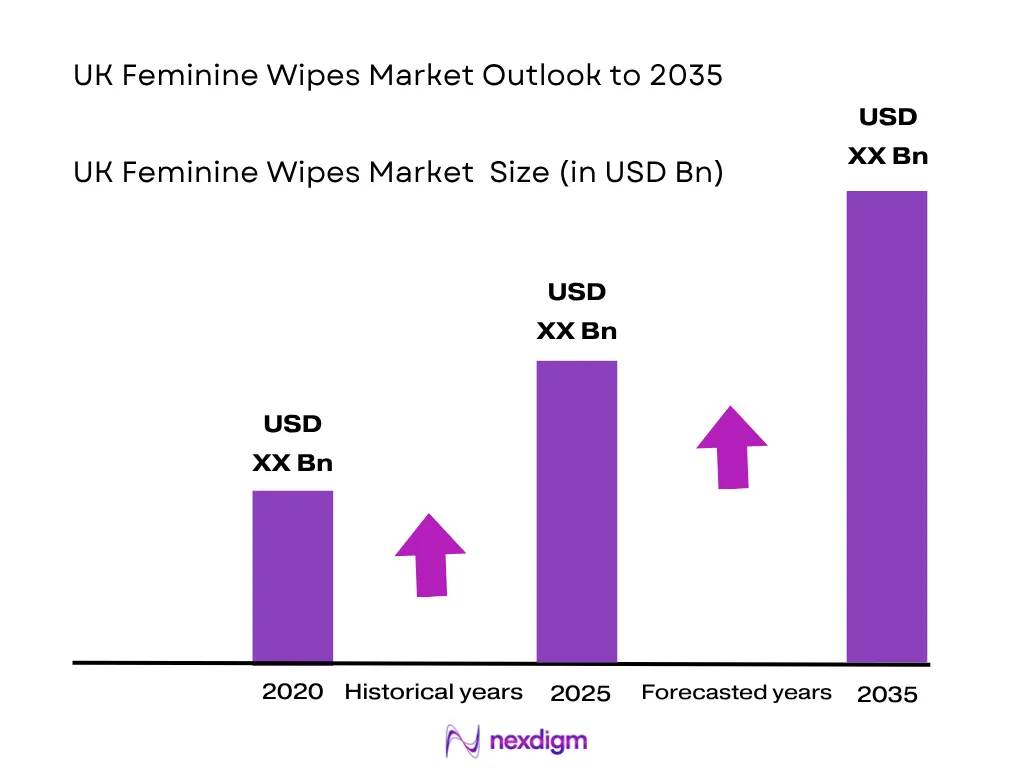
The global feminine wipes market was valued at USD ~ billion in 2025, driven by rising awareness about women’s intimate hygiene, convenience of on‑the‑go use, and increased online retail penetration, according to a comprehensive industry analysis. While UK‑specific figures are not published independently in public sources, the UK wet wipes industry (which includes intimate wipes) generated revenue of approximately USD ~ billion in 2022, with intimate wipes identified as the most lucrative segment within the broader category, reflecting robust demand for personal hygiene wipes in the UK.
In Europe, countries such as the United Kingdom, Germany, and France play leading roles in the feminine wipes market due to high disposable incomes, advanced retail infrastructure, and strong consumer awareness of personal and intimate hygiene standards. The UK’s mature retail landscape, including pharmacy chains, supermarkets, and e‑commerce platforms, supports wide product availability, while shifts toward premium, natural, and dermatologically tested formulations have accelerated acceptance.
Market Segmentation
By Product Formulation
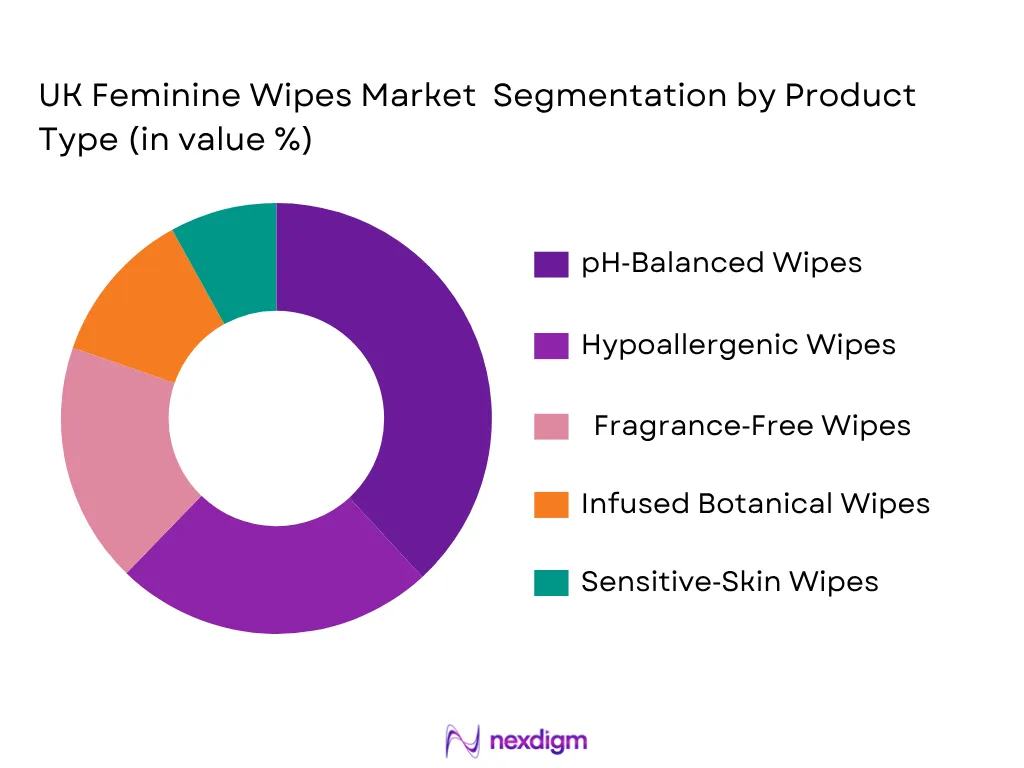
pH‑Balanced wipes dominate this segment due to strong consumer focus on products that support intimate microbiome health and minimize irritation. UK consumers increasingly seek products formulated to match natural pH levels, particularly for daily and menstrual hygiene occasions. This preference is reinforced by dermatological recommendations and retailer shelf prominence, making pH‑balanced versions the most trusted and high‑turn segment within the feminine wipes category. The trend toward minimal‑ingredient and clinically tested formulations further elevates this sub‑segment’s appeal among health‑conscious buyers.
By Distribution Channel
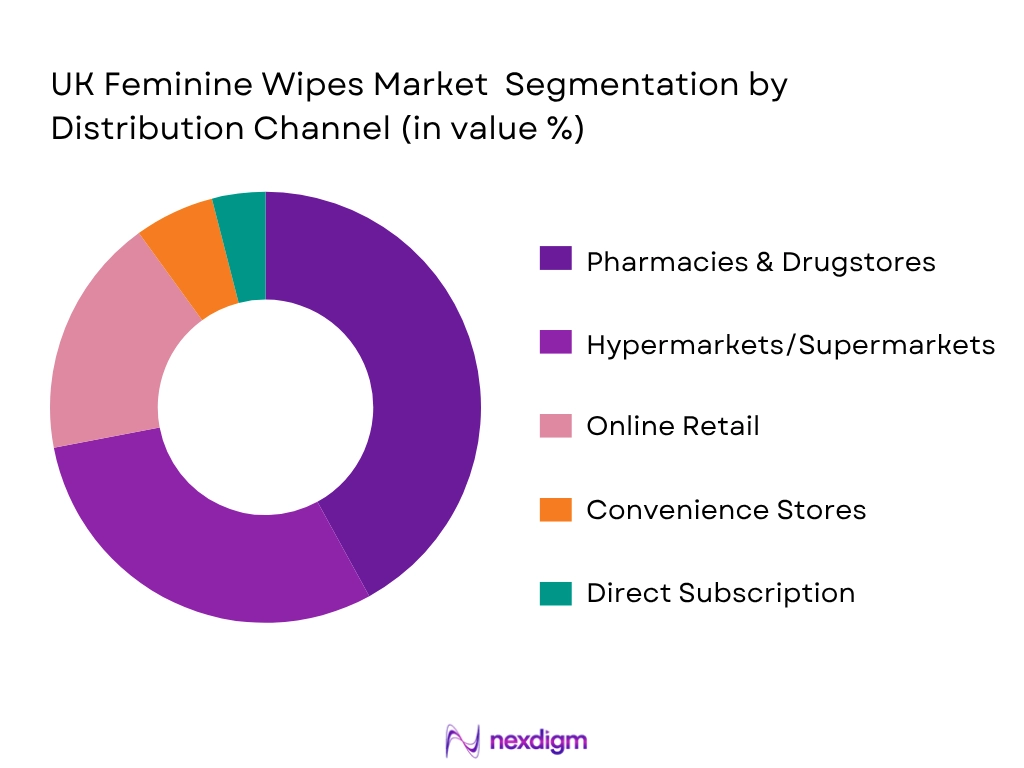
Pharmacy and drugstore channels capture the largest share due to high consumer trust in personal care products purchased through clinical retail environments. In the UK, chains like Boots and Superdrug act as key points of purchase for intimate hygiene products, where shoppers associate pharmacies with quality assurance and expert guidance. Supermarkets follow closely, leveraging broad footfall and frequent promotions to drive mass‑market sales. Online retail has grown rapidly as convenience and discreet purchasing rise, especially among younger cohorts and privacy‑conscious consumers.
Competitive Landscape
The UK feminine wipes market exhibits a blend of established global brands, dedicated intimate hygiene players, and strong private label presence from major retailers. Feminine wipes competition is shaped by formulation claims (e.g., pH‑balanced, hypoallergenic), substrate innovation (e.g., biodegradable/cotton), distribution breadth, and sustainability messaging. Retailer private labels, particularly from pharmacy and grocery chains, play a strategic role in shaping price tiers and consumer choice within the category. The UK feminine wipes market consists of both global and local players, with a mix of mass‑market and premium offerings across pharmacy, grocery, and online channels.
| Company | Year Established | Headquarters | Distribution Breadth | pH‑Balanced Claims | Sustainability Initiatives | Retailer Partnership Reach | Online Presence |
| Procter & Gamble (Femfresh) | 1837 | USA | ~ | ~ | ~ | ~ | ~ |
| Johnson & Johnson (Vagisil) | 1886 | USA | ~ | ~ | ~ | ~ | ~ |
| WaterWipes | 2013 | Ireland | ~ | ~ | ~ | ~ | ~ |
| Natracare | 1989 | UK | ~ | ~ | ~ | ~ | ~ |
| Boots Own Brand | N/A | UK | ~ | ~ | ~ | ~ | ~ |
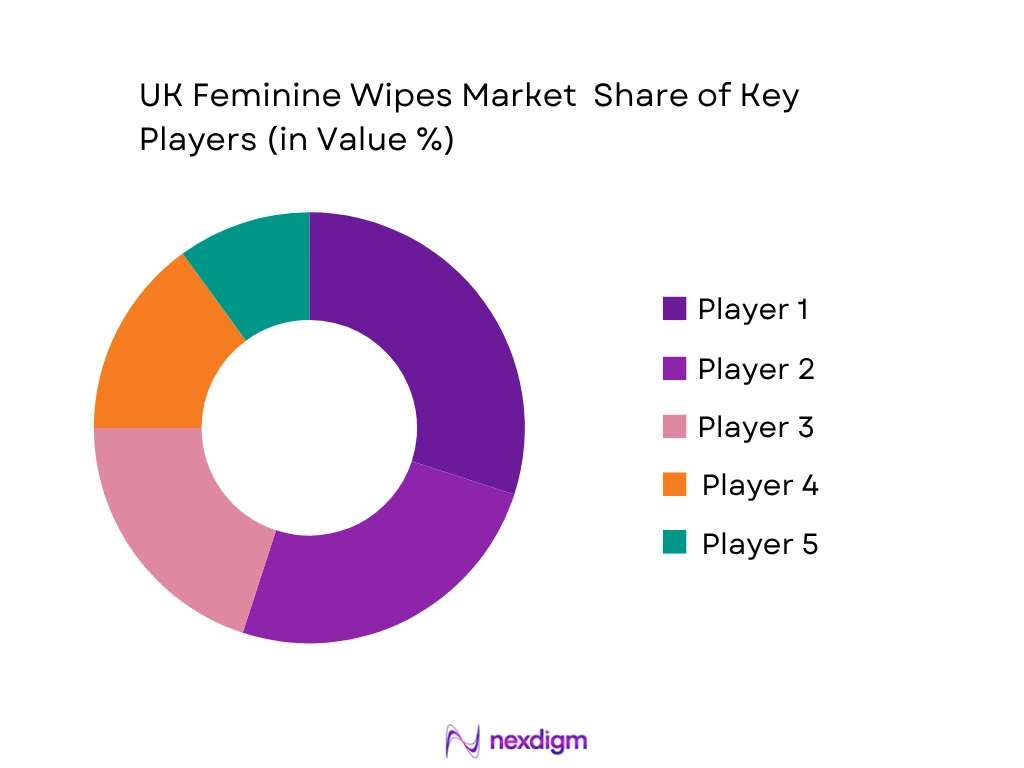
UK Feminine Wipes Market Analysis
Growth Drivers
Convenience‑Led Intimate Hygiene
The UK feminine wipes market is propelled by the strong consumer demand for convenience‑oriented personal care solutions, especially in intimate hygiene. As of the latest World Bank data, the urban population in the United Kingdom stood at approximately 67,226,000 people in 2024, representing a highly urbanised society where on‑the‑go lifestyles are prevalent. Urban consumers are more likely to integrate portable hygiene products into daily routines due to work commutes, social engagements, and travel, reinforcing the demand for convenient feminine wipe solutions that fit busy schedules and limited personal space. In addition, United Kingdom total employment was around 33,555,000 persons in 2024, reflecting a large working population that prioritises easy‑to‑use, quick‑access hygiene products. Household disposable income levels with GDP per capita at USD 46,070 in 2024 support discretionary purchases of value‑added personal care items, including intimate hygiene wipes. These macroeconomic indicators demonstrate a consumer base with both the need and the means to adopt convenience‑led intimate hygiene products as part of everyday personal care, affirming convenience as a key market driver.
On‑the‑Go Usage and Sensitive‑Skin Awareness
Another primary driver for the UK feminine wipes segment is the convergence of on‑the‑go usage patterns with rising awareness of sensitive‑skin health. According to the Office for National Statistics (ONS), the number of Britons commuting or travelling for work and social purposes remains high, with approximately 5.8 million daily rail journeys recorded in early 2024, indicating substantial out‑of‑home movement and a corresponding necessity for portable personal care products. As mobility increases, consumers seek products that deliver freshness and comfort outside the home environment. Concurrently, health data from the UK National Health Service (NHS) reveal that up to 25,000 new cases of dermatitis and dermatological concerns related to personal hygiene were treated in clinical settings in the first half of 2024, underscoring heightened sensitive‑skin awareness. This clinical prevalence reinforces consumer preference for formulations that are gentle, pH‑balanced, and dermatologically tested, features frequently associated with feminine wipes. The combination of high mobility and increased medical recognition of sensitive skin concerns reinforces the requirement for accessible, gentle hygiene solutions that maintain skin health while supporting an active lifestyle.
Market Challenges
Green‑Claim Substantiation
One of the foremost challenges in the UK feminine wipes market is the substantiation of environmental claims, specifically around biodegradability and sustainability. UK consumers are increasingly eco‑conscious; a 2024 survey by the UK Department for Environment, Food & Rural Affairs (DEFRA) reported that approximately 81% of adults consider environmental impact an important factor when purchasing personal care products, underscoring pressure on brands to prove ecological performance. However, current regulatory frameworks require conclusive scientific evidence to support terms such as “biodegradable” or “compostable,” creating compliance hurdles. For instance, DEFRA’s 2024 plastic waste policy consultation data highlights that ambiguous or unverified claims can mislead consumers and trigger regulatory scrutiny, necessitating rigorous testing and certification for environmental substantiation. This challenge is amplified by the complexity of nonwoven materials used in feminine wipes, which vary significantly in breakdown behaviour depending on composition. Brands must invest in third‑party testing and transparent disclosure to back their sustainability statements, increasing production and compliance costs. As a result, marketers must navigate stringent regulatory expectations while meeting consumer demand for green products, making credible carbon and waste claims a significant challenge in the category.
Flushability Concerns
Flushability of wipes presents another significant challenge for the UK feminine wipes market, driven by environmental and wastewater management issues. According to the UK Water Industry Research (UKWIR) 2024 study on sewer blockages, wet wipes, including personal care wipes, are implicated in an estimated 44% of sewer blockages nationally, resulting in increased maintenance costs and environmental impact. These findings have heightened consumer and regulatory scrutiny around claims that wipes can be flushed safely. Water utilities, represented by Water UK, have advocated clearer labelling to prevent misuse, noting that many wipes marketed as “flushable” do not disintegrate effectively in sewer systems, intensifying infrastructure strain. Addressing these technical and perception challenges requires rigorous mechanical disintegration testing and clear communication about proper disposal practices, adding both operational complexity and cost for manufacturers. As a result, brands must balance consumer convenience messaging with responsible guidance to mitigate environmental and infrastructure repercussions, making flushability concerns a tangible barrier to category growth and consumer trust.
Market Opportunities
Microbiome‑Safe Positioning
The increasing recognition of the human microbiome’s role in intimate health presents a substantial opportunity within the UK feminine wipes category. Data published in 2024 by the UK Health Security Agency (UKHSA) indicate that skin microbiome research and related health outcomes are gaining clinical prominence, with over 31,000 consultations concerning vulval irritation and microbiome imbalance recorded across NHS practices in Britain, demonstrating rising consumer awareness and healthcare engagement. This health insight signals demand for products that are not merely cleansing but also microbiome‑friendly, promoting skin balance and reducing irritation risk. Feminine wipes formulated to be pH‑balanced and free from disruptive additives are increasingly seen as supportive of natural skin ecosystems. With the UK population exhibiting high health literacy and elevated concerns over long‑term skin health, there is market potential for brands that emphasise microbiome‑safe positioning supported by transparent ingredient disclosures and clinical endorsement. This opportunity aligns with broader healthcare narratives prioritising preventive care and skin integrity, enabling product differentiation and consumer trust in a competitive segment.
Organic Cotton Formats
Organic cotton formulation represents a compelling market opportunity tied to both sustainability preferences and sensitive‑skin consumer segments. According to DEFRA’s 2024 personal care consumer behaviour report, UK households report prioritising eco‑friendly natural materials, with approximately 73% indicating a preference for products with organic or plant‑based components. This trend is further supported by agricultural data showing that 2,415 farms in the UK were certified as organic producers in 2024, providing a growing domestic supply of organic cotton and other natural fibres. Organic substrates appeal to consumers seeking reduced chemical exposure and lower environmental footprint, particularly among sensitive‑skin cohorts and eco‑conscious buyers. To leverage this opportunity, brands can develop organic cotton intimate wipes with clear certification credentials, aligning with broader shifts toward sustainable personal care. This approach resonates with both ethical purchasing behaviour and clinical sensitivity concerns, creating a differentiated value proposition in a crowded category and fostering long‑term loyalty among sustainability‑oriented consumers.
Future Outlook
Looking forward, the UK feminine wipes market is expected to show continued growth over the next decade, driven by heightened awareness of intimate health, broader acceptance of eco‑friendly substrates, and ongoing retail channel expansion. Market momentum will likely be supported by increased ecommerce adoption, private label competition, and clear regulatory signals around plastic‑free formulations. New product innovation, especially in microbiome‑supporting, dermatologist‑approved formulations, will further differentiate offerings and attract health‑oriented consumers. Sustainability positioning, including biodegradable materials and responsible disposal messaging, is expected to enhance consumer trust and purchase intent. Global and regional hygiene trends suggest increasing willingness among women to invest in premium intimate care products that offer comfort, convenience, and enhanced skin compatibility.
Major Players
- Femfresh (Procter & Gamble)
- Vagisil (Johnson & Johnson)
- WaterWipes
- Natracare
- Boots Own Brand
- Superdrug Own Label
- ASDA Own Brand
- Balance Activ
- Andrex Washlets (UK positioning)
- WooWoo
- Beauty Formulas
- Twipes
- YES (Intimate care brand)
- Uriage Gyn‑Phy
- Sweetums
Key Target Audience
- Retail Chain Procurement Leaders
- Personal Care/CPG Brand Managers
- Category Managers at Pharmacy & Grocery Chains
- Investment & Venture Capitalist Firms (Consumer Goods, Personal Care focus)
- Private Equity Teams Evaluating Consumer Brands
- Government & Regulatory Bodies (UK Department for Environment, Food & Rural Affairs; UK Health Security Agency)
- Strategic Sourcing & Supply Chain Heads
- E‑Commerce Marketplace Category Leads
Research Methodology
Step 1: Secondary Market Research
Extensive desk research was conducted using industry databases, company annual reports, market research publications (Grand View Research, industry outlook reports), and credible economic sources to establish baseline market size, segmentation, and competitive landscape.
Step 2: Category and Channel Analysis
The market was broken down by product formulation and distribution channels through quantitative aggregation of sales data from retail audits, e‑commerce tracking platforms, and publicly disclosed retailer performance metrics.
Step 3: Expert Validation & Market Synthesis
Subject matter experts, including personal care brand strategists and retail category buyers, were consulted to validate trends, segmentation logic, and competitive positioning to ensure robustness of conclusions.
Step 4: Forecasting and Trend Projection
Market forecasting leveraged published CAGR figures from credible research (Grand View Research global data) and applied them contextually to the UK retail landscape while accounting for local consumer purchase behaviour and regulatory influences.

- Executive Summary
- Research Methodology (Market definitions and assumptions, abbreviation glossary, top-down market sizing, bottom-up SKU-level retail build-up, pharmacy and grocery channel audits, e-commerce price scraping, company revenue triangulation, import and nonwoven substrate assessment, primary interviews with retailers/distributors/brand managers/contract manufacturers, consumer cohort validation, limitations and future conclusions)

- Definition and Scope
- Category Genesis and Evolution
- Timeline of Major Players
- Business Cycle
- Supply Chain and Value Chain Analysis
- Regulatory and Compliance Context
- Category Role Within Feminine Hygiene and Intimate Care

- Growth Drivers (Convenience-led intimate hygiene, on-the-go usage, sensitive-skin awareness, pH-balanced personal care adoption, menstrual wellness normalisation, pharmacy recommendation influence, e-commerce visibility, plastic-free product migration)
- Market Challenges (Green-claim substantiation, flushability concerns, irritation risk, intimate-care stigma, price sensitivity, private-label pressure, shelf-space competition, wet-wipe sewer blockage perception)
- Opportunities (Microbiome-safe positioning, organic cotton formats, post-sex hygiene, postpartum kits, travel packs, subscription bundles, pharmacy-led education, sustainable packaging)
- Trends (Fragrance-free repositioning, clean-label claims, vegan formulations, moisture-lock packaging, multipack economics, TikTok/social commerce, female-founded wellness brands, discreet packaging)
- Government Regulation (Plastic wet-wipe restrictions, cosmetics safety assessment, labelling compliance, environmental claims, wastewater guidance, product safety, retailer delisting triggers)
- SWOT Analysis (Brand equity, formulation trust, substrate transition, regulatory exposure, price-tier gaps, channel dependence, sustainable claim credibility, private-label threat)
- Stakeholder Ecosystem (Brand owners, nonwoven substrate suppliers, wet-wipe converters, formulation houses, packaging suppliers, pharmacy chains, grocery retailers, online marketplaces, water utilities, regulators, women’s health influencers)
- Porter’s Five Forces (Supplier power in plastic-free substrates, buyer power of Boots/Superdrug/grocery chains, threat of substitutes from intimate washes and bidets, new entrant activity from wellness brands, rivalry across branded and private-label SKUs)
- PESTLE Analysis (Regulatory transition, cost-of-living impact, intimate wellness acceptance, nonwoven material innovation, sustainability compliance, product safety liabilities)
- Price and Promotion Analysis (Price per wipe, multipack discounts, 2-for offers, retailer loyalty pricing, private-label price anchoring, premium organic pack pricing, Amazon marketplace discounting)
- Supply Chain and Manufacturing Analysis (Nonwoven rollstock sourcing, wet-wipe converting, lotion formulation, sachet/flow-wrap packing, microbiological testing, retailer distribution centres, import dependence, contract manufacturing)

- By Value (2020-2025)
- By Volume (2020-2025)
- By Average Selling Price (2020-2025)
- By Pack Sales (2020-2025)
- By Retail Shelf Value (2020-2025)
- By Online Gross Merchandise Value (2020-2025)
- By Price per Wipe (2020-2025)

- By Product Format (In Value%)
Standard Feminine Intimate Wipes
Pocket/Travel Feminine Wipes
Individually Wrapped Feminine Wipes
XL Body & Intimate Wipes
Multi-Purpose Intimate & Body Wipes - By Material/Substrate (In Value%)
Plant-Based Cellulose Wipes
Organic Cotton Wipes
Viscose/Rayon-Based Wipes
Bamboo-Based Wipes
Plastic-Free Nonwoven Wipes
Blended Nonwoven Wipes - By Formulation Type (In Value%)
Fragrance-Free Wipes
Lightly Fragranced Wipes
Aloe Vera/Calendula Infused Wipes
Oatmeal/Soothing Wipes
Prebiotic or Microbiome-Support Wipes
Water-Based Minimal-Ingredient Wipes - By Skin & Clinical Claim (In Value%)
pH-Balanced Wipes
Hypoallergenic Wipes
Dermatologically Tested Wipes
Gynaecologically Tested Wipes
Soap-Free Wipes
Alcohol-Free Wipes
Vegan/Cruelty-Free Wipes - By Usage Occasion (In Value%)
Daily Freshness
Menstrual-Cycle Hygiene
Travel and Work Use
Gym and Active Lifestyle
Postpartum/After-Birth Care
Incontinence-Adjacent Intimate Cleansing - By Pack Size (In Value%)
Trial Packs
10–12 Count Packs
20–25 Count Packs
30+ Count Packs
Multipacks
Subscription/Bulk Packs - By Price Tier (In Value%)
Economy Private Label
Mass-Market Branded
Pharmacy-Led Premium
Natural/Organic Premium
Digital-First Challenger Premium - By Distribution Channel (In Value%)
Pharmacy Chains
Health & Beauty Specialists
Supermarkets/Hypermarkets
Convenience Stores
Online Marketplaces
Brand D2C Websites
Subscription Platforms
Discount Retailers - By Retailer Type (In Value%)
Boots
Superdrug
Tesco
ASDA
Sainsbury’s
Ocado
Amazon UK
Independent Pharmacies
Ethical/Natural Retailers - By Region (In Value%)
England
Scotland
Wales
Northern Ireland
Greater London
South East
North West
Midlands
Scotland Central Belt

- Market Share of Major Players (Value share, volume share, pack share, retail shelf share, pharmacy channel share, grocery channel share, online marketplace share)
- Cross Comparison Parameters (Price per wipe, pack count, substrate/material type, pH-balanced claim, fragrance-free/soap-free positioning, biodegradable/plastic-free claim, clinical testing credentials, distribution breadth)
- SWOT Analysis of Major Players (Brand equity, retailer coverage, formulation credibility, price competitiveness, sustainability risk, digital visibility, portfolio depth, private-label exposure)
- SKU Benchmarking of Major Players (Pack size, ingredient architecture, substrate claim, fragrance profile, product format, claims hierarchy, disposal instruction, unit economics)
- Pricing Analysis Basis SKUs for Major Players (Entry price, average selling price, price per wipe, promotional depth, multipack price, online marketplace variance, retailer loyalty price, premium uplift)
- Retail Shelf and Digital Shelf Analysis (Search rank, product title optimisation, claim visibility, review count, rating quality, image pack hierarchy, subscription availability, out-of-stock frequency)
- Detailed Profiles of Major Competitors
Femfresh
Vagisil
Canesten/Canesfresh
WaterWipes
Natracare
Own Brand
Boots Own Brand
ASDA Own Brand
Balance Activ
Andrex Washlets
WooWoo
Beauty Formulas
Twipes
YES
Uriage Gyn-Phy

- Consumer Demand and Utilisation (Frequency of use, pack replenishment, daily freshness occasion, menstruation-related use, workplace/travel use, gym-bag usage, sensitive-skin adoption)
- Purchasing Power and Basket Behaviour (Price per wipe, promotion elasticity, pharmacy basket attachment, grocery replenishment, online subscription behaviour, premium natural-care willingness to pay)
- Needs, Desires and Pain Point Analysis (Odour anxiety, irritation avoidance, discreet use, pH reassurance, portability, flushability confusion, sustainable disposal, fragrance sensitivity)
- Consumer Cohort Analysis (Teen/young adult users, working professionals, postpartum women, peri-menopausal consumers, sensitive-skin users, eco-conscious consumers, incontinence-adjacent users)
- Decision-Making Process (Brand trust, clinical claims, ingredient transparency, retailer availability, price promotion, pack size, sustainability credentials, online reviews)
- Retail Journey Mapping (Discovery on pharmacy shelf, comparison on marketplace, trial through travel packs, repeat through grocery replenishment, switch through promotions, retention through formulation trust)

- By Value (2026-2035)
- By Volume (2026-2035)
- By Average Selling Price (2026-2035)
- By Pack Sales (2026-2035)
- By Online Gross Merchandise Value (2026-2035)
- By Price per Wipe (2026-2035)


 Request a Sample
 Ask for Customization
 Get a Quote
 Enquire Now