

 Download PDF
Market Overview
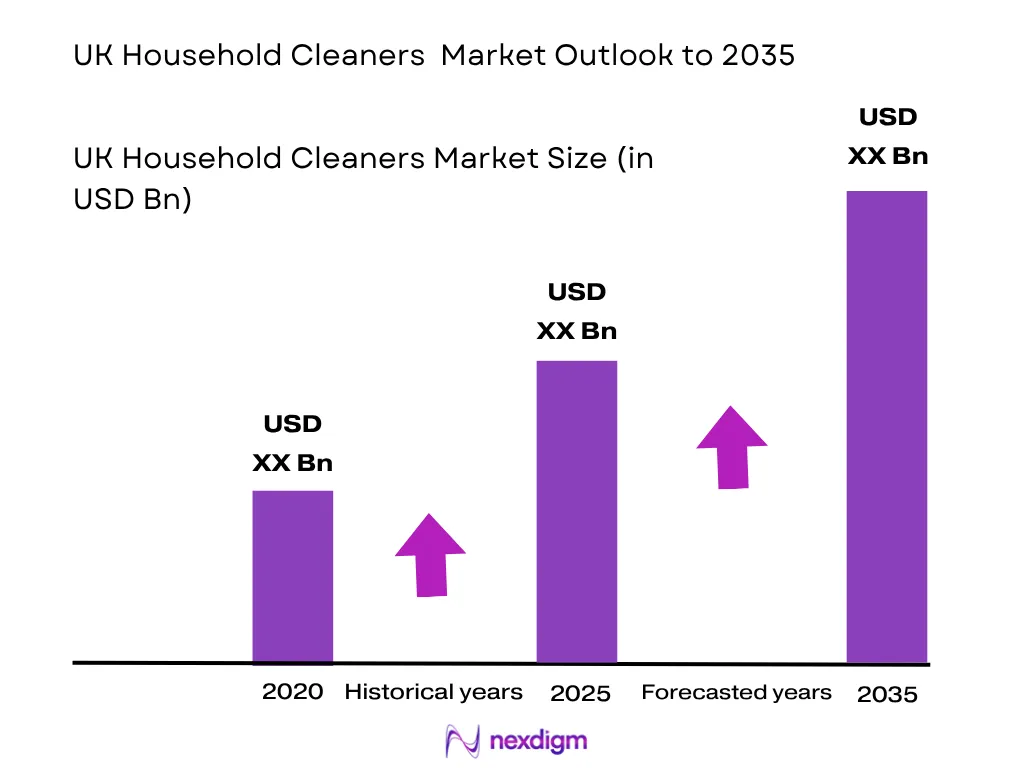
The UK Household Cleaners market has witnessed steady growth, valued at approximately USD ~ billion. The market is primarily driven by increasing awareness regarding hygiene and cleanliness, along with a rising preference for sustainable and eco-friendly products. The UK has a strong consumer base that consistently demands cleaning solutions for various household purposes, from surface cleaners to laundry detergents. Furthermore, innovation in product formulations, packaging, and an increased focus on convenience drive market growth, with brands offering solutions that cater to specific consumer needs such as hypoallergenic and multi-surface cleaners.
The UK Household Cleaners market is dominated by urban regions such as London, Birmingham, and Manchester, where high population density, advanced retail networks, and an increasing preference for convenience-driven products contribute to substantial demand. The market is further bolstered by growing consumer awareness around hygiene and cleanliness, especially in metropolitan areas, coupled with a well-established retail and e-commerce infrastructure. Regional players in these cities also help promote both national and international brands, providing an expansive reach across the country.
Market Segmentation
By Product Type
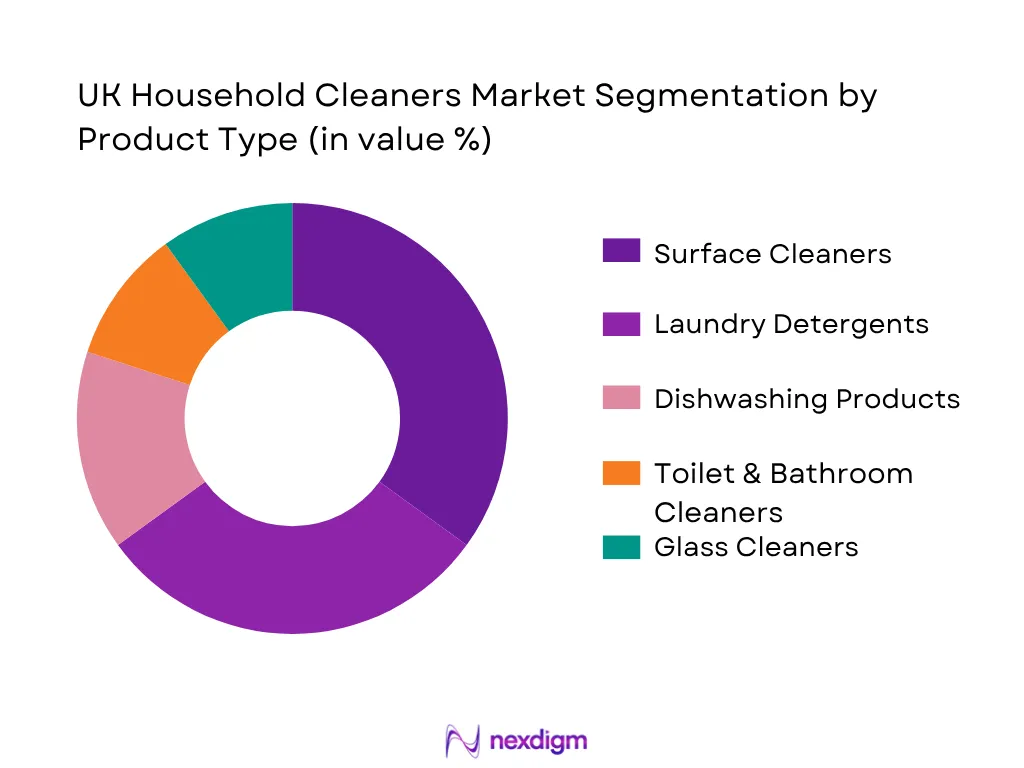
The UK Household Cleaners market is segmented by product type into surface cleaners, laundry detergents, dishwashing products, toilet and bathroom cleaners, and glass cleaners. Among these, surface cleaners dominate the market share. The shift toward multi-purpose surface cleaners and disinfectants, driven by consumer concerns about hygiene, has played a significant role in their dominance. Brands like Dettol, Cif, and Mr. Muscle lead this segment by offering products that cater to various cleaning needs and are positioned as effective against a broad range of germs and dirt, particularly in light of the post-pandemic hygiene wave.
By Distribution Channel
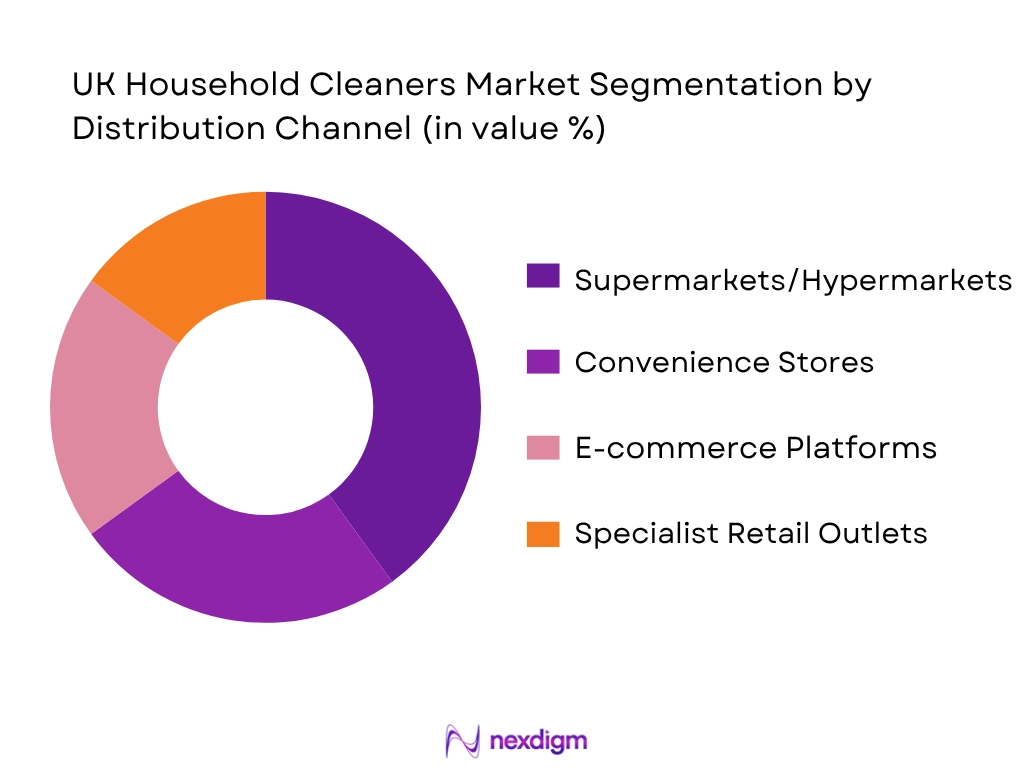
The UK Household Cleaners market is also segmented by distribution channel into supermarkets and hypermarkets, convenience stores, e-commerce platforms, and specialist retail outlets. Supermarkets and hypermarkets have a dominant share in this segment. The convenience and accessibility offered by large-scale retailers like Tesco, Asda, and Sainsbury’s enable widespread distribution and availability of cleaning products, which resonates with the UK consumer’s preference for bulk purchasing and one-stop shopping for cleaning supplies. Furthermore, these stores often offer competitive pricing, promotions, and a variety of cleaning products, making them a preferred choice.
Competitive Landscape
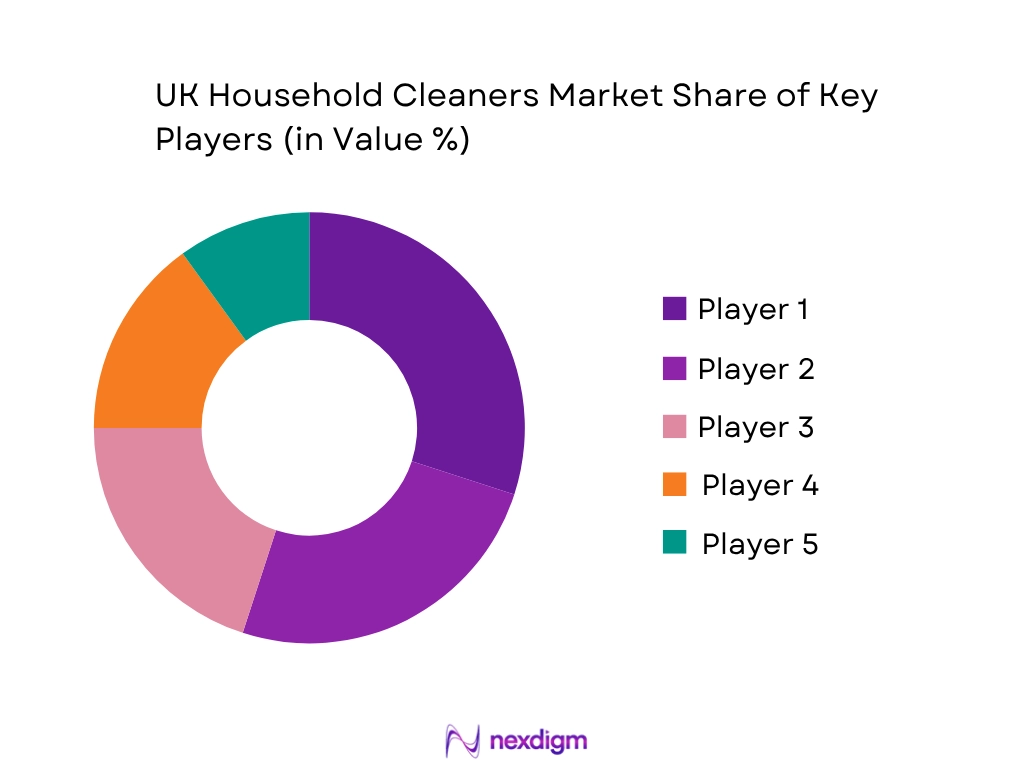
The UK Household Cleaners market is highly competitive, with several prominent players vying for market share. Brands such as Reckitt Benckiser, Procter & Gamble, Unilever, and Henkel dominate the market due to their extensive product portfolios, strong brand equity, and large distribution networks. These players leverage innovation, sustainability trends, and extensive marketing campaigns to maintain consumer loyalty. Additionally, the market is witnessing an influx of niche eco-friendly and natural cleaning brands catering to a growing demand for sustainable and non-toxic products. This competitive environment has led to significant brand consolidation and alliances in the market.
| Company | Establishment Year | Headquarters | Key Parameters | Product Portfolio | Market Reach | Sustainability Initiatives | Consumer Trust Score |
| Reckitt Benckiser | 1823 | Slough, UK | ~ | ~ | ~ | ~ | ~ |
| Procter & Gamble | 1837 | Cincinnati, USA | ~ | ~ | ~ | ~ | ~ |
| Unilever | 1930 | London, UK | ~ | ~ | ~ | ~ | ~ |
| Henkel | 1876 | Düsseldorf, Germany | ~ | ~ | ~ | ~ | ~ |
| S. C. Johnson | 1886 | Racine, USA | ~ | ~ | ~ | ~ | ~ |
UK Household Cleaners Market Analysis
Growth Drivers
Hygiene Awareness
The growing focus on hygiene has significantly impacted the UK Household Cleaners market. The COVID-19 pandemic brought hygiene to the forefront of consumers’ minds, and as a result, hygiene-conscious consumer behavior has persisted. According to the World Health Organization (WHO), global hygiene practices have seen substantial shifts due to the pandemic, with an increase in the purchase of disinfectants and cleaning products. Furthermore, hygiene awareness in households is amplified by rising concerns about germs, bacteria, and viruses. In the UK, the Health and Safety Executive (HSE) reported that cleaning and hygiene practices in households and businesses saw a rise in spending in 2023, reflecting continued consumer demand for cleaning solutions. In addition, public awareness campaigns on the importance of hygiene in preventing illness are likely to continue driving the purchase of cleaning products. With the average consumer spending on hygiene-related products showing incremental growth, brands are adapting by offering multi-purpose and disinfectant products tailored to health-conscious consumers. This trend, observed in 2024, is supported by government-backed public health campaigns promoting hygiene in both domestic and commercial spaces.
Eco Trends
Sustainability and eco-friendly trends are at the core of the household cleaning product market’s current growth. The push for reducing environmental footprints is evident in consumer behavior, with a notable shift toward eco-friendly, biodegradable, and non-toxic cleaning products. In the UK, the government has committed to achieving net-zero carbon emissions by 2050, and this is influencing market preferences toward sustainable solutions. For instance, eco-friendly products made from plant-based or biodegradable materials are increasingly being adopted. The Department for Business, Energy & Industrial Strategy (BEIS) reported a significant uptick in eco-product sales in 2023, a trend that is expected to continue in 2024. Brands such as Ecover, Method, and others are capitalizing on this by expanding their lines of green cleaning solutions. Additionally, the UK has seen an increase in plastic-free and refillable packaging, aligning with the ongoing national efforts to reduce single-use plastics. By 2024, the demand for eco-friendly products continues to rise as consumers seek products that align with sustainability goals, not just for personal use but also for contributing to broader environmental efforts.
Market Restraints
Input Cost Inflation
The increasing cost of raw materials and production inputs is a significant restraint in the UK Household Cleaners market. According to the UK Office for National Statistics (ONS), in 2024, the consumer price index (CPI) inflation rate remained high at 6.3%, with raw material prices experiencing substantial rises. Household cleaning product manufacturers are facing higher costs for raw materials like chemicals, plastics, and packaging. Specifically, the cost of chemicals has been volatile, largely due to fluctuating oil prices, and packaging costs have surged as the global supply chain struggles to recover post-pandemic. This inflationary pressure forces manufacturers to either absorb costs, which impacts margins, or pass these costs on to consumers. The ONS also highlighted that input prices for cleaning products in the UK have increased by approximately 4.5% in the past 12 months, creating challenges for cost-efficient production. This inflationary environment is expected to continue impacting manufacturers in the cleaning product segment, affecting pricing strategies and profitability.
Regulatory Compliance
Strict environmental and safety regulations pose a challenge to the UK Household Cleaners market. The UK government, in line with European Union directives, has implemented stringent standards for chemical use in consumer products, including cleaning agents. According to the UK Chemicals Regulatory Authority, all household cleaning products are required to comply with safety and environmental regulations, including restrictions on harmful substances. For example, regulations such as REACH (Registration, Evaluation, Authorisation and Restriction of Chemicals) place pressure on manufacturers to reformulate products to avoid harmful chemicals, which incurs additional research and development (R&D) costs. Furthermore, increasing legislation around packaging waste, including the Plastic Packaging Tax, compels cleaning brands to invest in recyclable packaging solutions, driving up operational costs. These compliance requirements not only increase the cost of production but also pose logistical challenges for manufacturers. Compliance with these regulations remains a significant burden, particularly for smaller companies that may lack the resources to meet these standards.
Opportunities
Channel Expansion
The rise of e-commerce has opened new avenues for growth in the UK Household Cleaners market. With a significant portion of consumers shopping online, the e-commerce sector has seen rapid expansion. In 2024, the UK’s online retail market grew by 13.2%, with household and personal care products being among the top categories for online sales. Online marketplaces such as Amazon and Ocado have experienced increased demand for cleaning products, particularly as consumers continue to prioritize convenience in shopping. Additionally, many cleaning brands are expanding their digital presence, offering direct-to-consumer sales through their websites and subscription models. This allows manufacturers to tap into a broader audience and provide tailored solutions to customer needs. The rapid growth of e-commerce platforms, driven by shifting consumer behavior, is expected to continue providing significant opportunities for household cleaner brands to expand their reach and drive growth in the coming years.
Refill Economics
Refillable and reusable packaging is a growing opportunity for the UK Household Cleaners market. With the government’s commitment to reducing plastic waste, refillable products are gaining momentum. In 2024, data from the UK Department for Environment, Food & Rural Affairs (DEFRA) shows that UK households generated over 2.5 million tonnes of plastic waste annually, with a significant portion stemming from single-use cleaning product bottles. As a result, consumers are increasingly shifting towards refillable options, reducing their reliance on single-use plastic packaging. Refill stations in stores, as well as refill-based subscription services, have witnessed an uptick in demand. Brands like Ecover and Method are already tapping into this trend by providing refillable cleaning solutions that align with the growing environmental consciousness. With the continued government push for waste reduction and sustainability, this market segment is poised for expansion, offering both economic and environmental benefits to consumers and manufacturers alike.
Future Outlook
The UK Household Cleaners market is expected to show steady growth over the next decade. Consumer demand for products with enhanced functionality, such as multi-purpose cleaners and those offering additional disinfecting properties, will remain a significant driver. Furthermore, eco-conscious products will continue to gain traction, as sustainability concerns are becoming more prominent in consumer purchasing decisions. Government regulations and manufacturers’ focus on reducing harmful chemicals in cleaning products will likely shape the market trajectory.
Major Players
- Reckitt Benckiser
- Procter & Gamble
- Unilever
- Henkel
- S. C. Johnson
- McBride
- SC Johnson Professional
- Method Products PBC
- Ecover
- The Clorox Company
- PZ Cussons
- Diversey Holdings Ltd.
- Church & Dwight Co., Inc.
- Kimberly-Clark Corporation
- Bissell Homecare, Inc.
Key Target Audience
- Retailers and Distributors
- Manufacturers of Household Cleaning Products
- E-commerce Platforms (Amazon, Ocado, etc.)
- Consumer Goods Investors and Venture Capital Firms
- Retail Chains (Supermarkets & Hypermarkets)
- Government and Regulatory Bodies (UK Government, Environmental Agency)
- Private Label Manufacturers
- Household Cleaning Product Suppliers
Research Methodology
Step 1: Identification of Key Variables
In this phase, key market variables such as product types, distribution channels, and consumer behavior are identified through desk research using proprietary industry reports, government publications, and trade databases. This foundational analysis helps pinpoint critical areas of focus for the report.
Step 2: Market Analysis and Construction
Historical data for the UK Household Cleaners market is collected, focusing on product demand, sales figures, and consumer preferences. Data will be analyzed to assess market penetration by major retailers and the emerging eco-friendly product trends shaping the market.
Step 3: Hypothesis Validation and Expert Consultation
Market hypotheses around growth factors, such as sustainability demand and the rise of e-commerce, are validated through expert interviews. We will engage with industry practitioners from leading companies to ensure insights are aligned with real-world operational challenges.
Step 4: Research Synthesis and Final Output
The final analysis includes engagement with top industry leaders, product manufacturers, and distributors. The synthesis phase will combine insights from consumer surveys, historical data, and expert consultations, resulting in a thorough, validated market outlook for the UK Household Cleaners market.

- Executive Summary
- Research Methodology(Market Definitions & Boundary Conditions, Data Collection Framework; Primary and Secondary, Market Sizing & Forecasting Logic (Revenue & Unit Demand), Pricing Analytics Approach (Retail vs. Trade), Supplier & Retailer Interview Protocols, Assumptions & Limitations)

- Category Definition & Scope
- Market Genesis & Structural Evolution
- Timeline of Major Household Cleaner Brands
- Business Cycle and Replacement Cycle
- Hygiene & Regulatory Environment
- Value Chain and Functional Ecosystem
- Demand Drivers & Consumer Behaviour
- Inflation & Input Cost Pass‑Through Dynamics
- Manufacturing and Co-Packing Ecosystem
- Retail Shelf Architecture and Planogram Logic

- Growth Drivers (Hygiene Awareness, Eco‑trends, Urbanisation, convenience formats, dual-income households, pet ownership, premium scents)
- Market Restraints (Input Cost Inflation, Regulatory Compliance, greenwashing risk, private-label undercutting, EPA compliance, raw material volatility, )
- Opportunities (White Spaces, Premiumization, Channel Expansion, Refill Economics, Regional Penetration)
- Macro Trends (Sustainability, E‑commerce Adoption, low-waste packaging, concentrated formats, private label premiumization)
- Innovation Patterns (Formulation & Packaging)
- Regulatory & Sustainability Mandates
- Consumer Decision Journey (Need recognition, scent preference, efficacy trust, price per use, claim validation, repeat purchase, household stock-up)
- SWOT Analysis (Brand equity, shelf power, efficacy claims, regulatory exposure, sustainability innovation, private-label threat)
- Porter’s Five Forces (Supplier concentration, retailer bargaining power, private-label threat, substitutes, formulation differentiation, entry barriers)
- Stakeholder Ecosystem (CPG manufacturers, retailers, EA, CMA, UKCPI, suppliers, distributors, e-commerce platforms, households, waste-management players)
- Competition Ecosystem (National brands, challenger eco brands, private labels, DTC refill brands, specialty surface-care brands)

- By Value (2020-2025)
- By Volume (2020-2025)
- By Average Selling Price (2020-2025)
- By Segment Contribution to Total Market Value (2020-2025)
- By Price Elasticity & Promotional Impact (2020-2025)

- By Product Type (In Value%)
Laundry Detergents
Surface Cleaners
Dishwashing Products
Toilet & Bathroom Cleaners
Glass & Specialty Cleaners - By Formulation/Ingredient (In Value%)
Conventional Chemical Formulations
Eco‑friendly/Biodegradable
Ultra‑Concentrated/Low Dose
Fragrance‑Free/Hypoallergenic
Professional/APAC/Industrial variants - By Distribution Channel (In Value%)
Supermarkets/Hypermarkets
Grocery & Convenience Retail
E‑Commerce & D2C Platforms
Wholesale/Institutional Buyers
Specialist Retailers - By Packaging Format (In Value%)
Bottles & Trigger Sprays
Sachets & Pods
Bulk/Refillable Formats
Aerosols & Wipes
|Pouches - By Consumer Segment (In Value%)
Urban Households
Rural & Suburban Consumers
High‑Income Premium Segment
Eco‑Conscious / Sustainability‑Driven
Value/Priced‑Segment Shoppers - By Application End‑Use (In Value%)
Household Residential
B2B (Hospitality/Healthcare/Offices)
Public & Institutional Cleaning - By Price Tier (In Value%)
Economy and Value
Mainstream Branded
Premium Performanc
Natural / Eco Premium
Private Label

- Market Share of Major Players (Value share, volume share, SKU share, retail shelf share, e-commerce share, Product Type, Distribution Channel, by Price Tier, category leadership by cleaner type)
- Cross‑Comparison Parameters (Company Overview, Product Portfolio breadth, Formulation Innovation Score, Channel Coverage, Brand Equity Index, Sustainability Certification Portfolio, Private‑Label vs National Brand Penetration, Price Positioning Cohorts)
- Pricing Structure & SKU Level Pricing Patterns((Trigger sprays, disinfecting wipes, toilet bowl cleaners, glass cleaners, dish liquids, dishwasher pods, floor cleaners, refill packs)
- Promotional & Trade Promotion Metrics
- Strategic Moves & M&A Activity
- SWOT Analysis of Major Players (Brand trust, category depth, innovation speed, regulatory exposure, private-label vulnerability, sustainability credibility)
- Detailed Profile of Major Companies
Reckitt Benckiser Group plc
Unilever plc
Procter & Gamble Co.
Henkel AG & Co. KGaA
McBride plc
Kao Group
S. C. Johnson & Son Inc.
Colgate‑Palmolive Co.
Amway Corp.
The Clorox Company
Church & Dwight Co. Inc.
Method Products PBC
Seventh Generation
Ecover
Bissell Homecare, Inc.

- Demand Patterns & Habit Segmentation
- Purchase Decision and Budget Allocation (Monthly cleaning spend, price per use, stock-up behavior, promotional sensitivity)
- Retail Selection Factors (Availability, Brand Trust)
- Pain‑Points & Unmet Needs(Fast action, germ kill, scent, no residue, pet/child safety, surface compatibility, low plastic waste)
- Decision-Making Process (Brand trust, claim recognition, shelf visibility, online reviews, price-pack equation, certifications)
- Customer Cohort Analysis (Eco-first buyers, disinfectant-first buyers, fragrance-first buyers, value-first buyers, pet households, premium surface-care buyers)
- Retail Shopper Behavior (Basket attachment, aisle navigation, end-cap response, coupon use, bulk buying, online replenishment)
- B2C vs Small-Business Crossover Demand (Home offices, short-term rentals, home daycare, residential cleaning services, professional-grade household products)

- By Value (2026-2035)
- By Volume (2026-2035)
- By Average Selling Price (2026-2035)
- By Price per Use (2026-2035)
- By Household Penetration (2026-2035)


 Request a Sample
 Ask for Customization
 Get a Quote
 Enquire Now