
 Download PDF
Market Overview
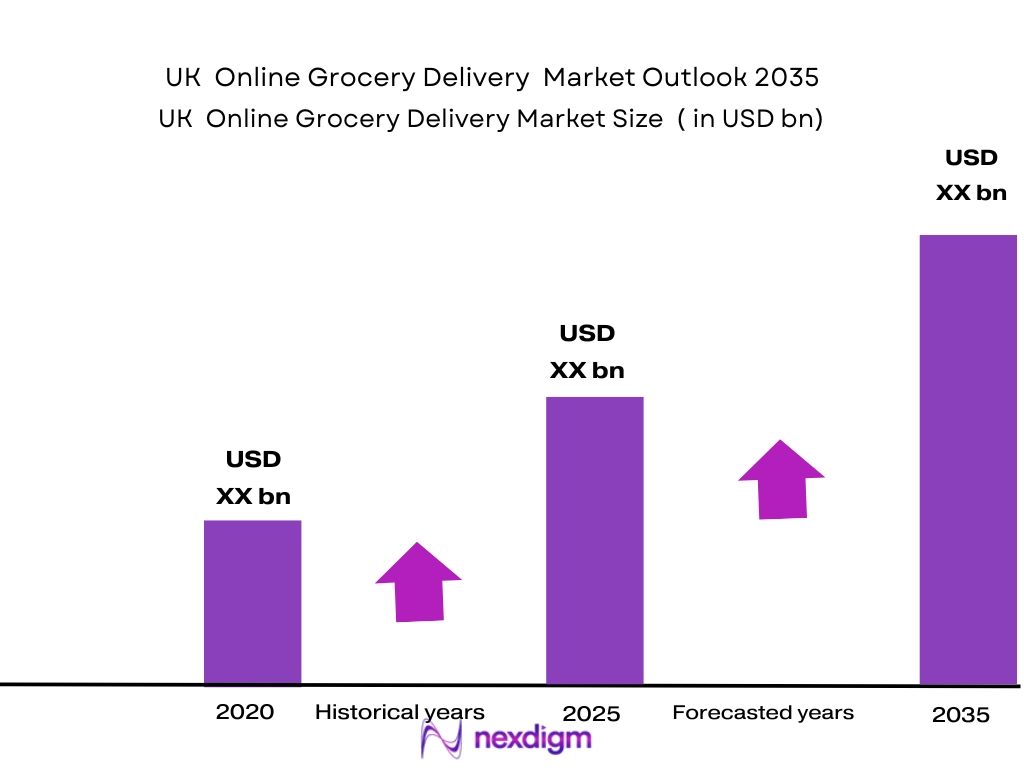
The UK Online Grocery Delivery market is valued at approximately GBP ~ billion, driven by growing consumer demand for convenience, an increase in e-commerce penetration, and a shift toward digital shopping experiences. As busy lifestyles continue to influence consumer behavior, more people are opting for the convenience of having groceries delivered directly to their homes. Additionally, the expansion of digital platforms and advancements in delivery technologies have made it easier and more efficient for consumers to purchase groceries online. Key drivers include the widespread adoption of smartphones, improvements in payment systems, and the rise in subscription-based services.
The UK market is dominated by major urban centers such as London, Birmingham, and Manchester, where high population density, increased disposable income, and greater adoption of technology contribute to the market’s strength. London, being the capital, leads with a high concentration of consumers relying on online grocery delivery due to its fast-paced lifestyle and limited access to traditional retail options. Additionally, areas in the South East, like Surrey and Oxford, have seen a rise in the demand for online grocery services due to affluent households, advanced delivery logistics, and easy access to e-commerce platforms.
Market Segmentation
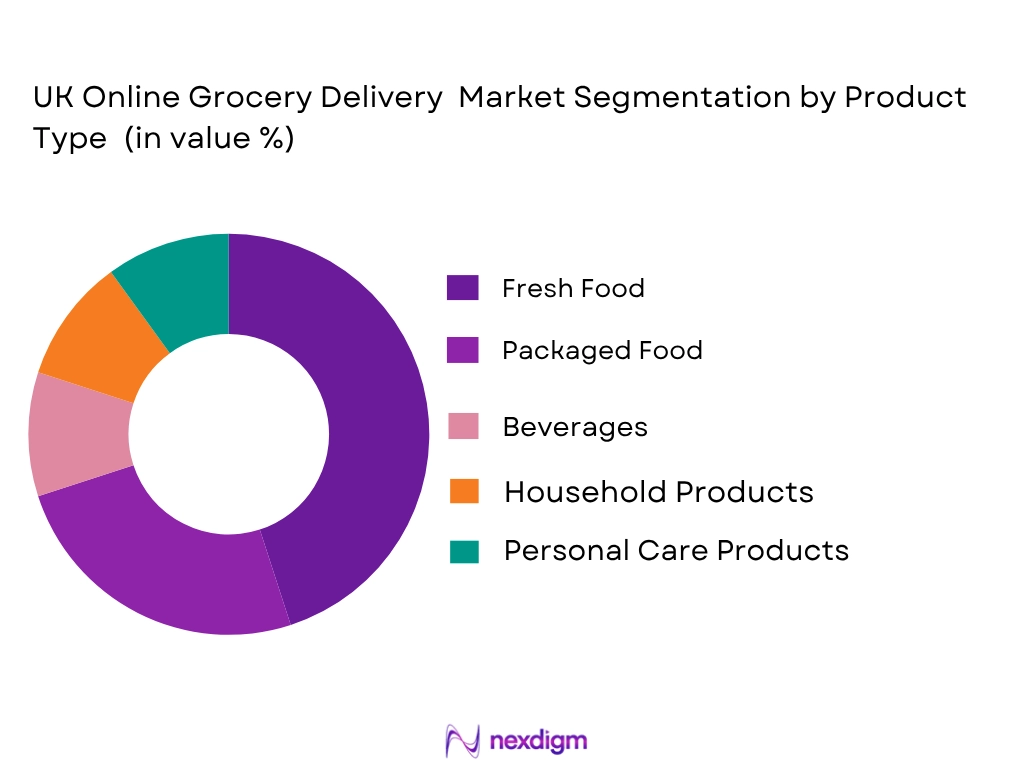
By Product Type
The UK Online Grocery Delivery market is segmented by product type into fresh food, packaged food, beverages, household products, and personal care products. Fresh food has a dominant market share, driven by an increasing demand for organic products, locally sourced vegetables, and fresh fruits. With growing consumer awareness of the importance of health-conscious eating, fresh food delivery has become a priority for both traditional grocery stores and new online platforms. Companies like Tesco, Sainsbury’s, and Amazon Fresh have been leading the charge by offering a broad selection of fresh food options, making it the most popular product segment in the market.
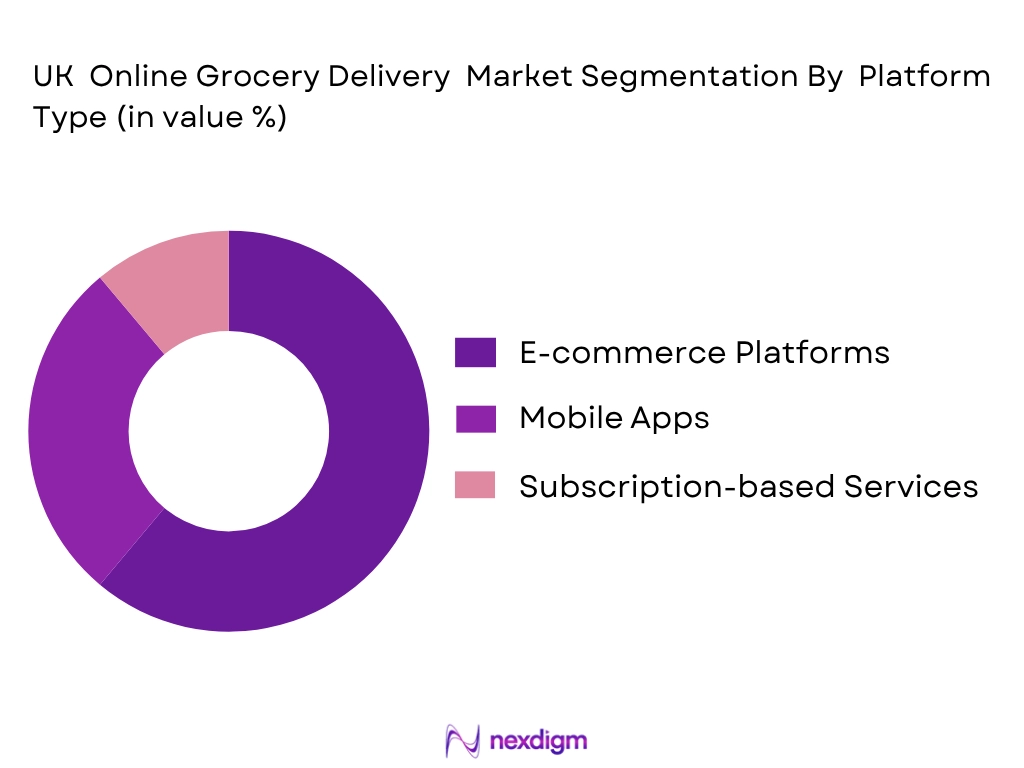
By Platform Type
The UK Online Grocery Delivery market is segmented by platform type into e-commerce platforms, mobile apps, and subscription-based services. E-commerce platforms hold a dominant share, largely because of their strong market presence, extensive product range, and seamless shopping experience. Supermarkets like Tesco and Sainsbury’s have long-established e-commerce platforms, offering extensive grocery selections and delivery services. Mobile apps are gaining traction, but they are still secondary to the more established e-commerce platforms. Subscription services, such as those provided by companies like HelloFresh, are growing rapidly, offering convenience for customers who prefer a curated grocery experience.
Competitive Landscape
The UK Online Grocery Delivery market is dominated by major players such as Tesco, Sainsbury’s, Asda, Ocado, and Amazon Fresh. These companies dominate the market due to their strong brand presence, extensive product offerings, and well-developed logistics infrastructure. Tesco, for instance, has capitalized on its established supermarket presence, expanding its online grocery services to cater to both urban and rural areas. Amazon Fresh leverages its vast e-commerce platform to provide an integrated shopping experience that appeals to tech-savvy consumers. This consolidation of a few key players underscores the significant influence of these companies in the market.
| Company Name | Establishment Year | Headquarters | Product Type Offered | Service Area | Revenue (2023) | Delivery Time | Technology Used | Customer Loyalty Programs |
| Tesco PLC | 1919 | Welwyn Garden City, UK | ~ | ~ | ~ | ~ | ~ | ~ |
| Sainsbury’s | 1869 | London, UK | ~ | ~ | ~ | ~ | ~ | ~ |
| Asda | 1949 | Leeds, UK | ~ | ~ | ~ | ~ | ~ | ~ |
| Ocado | 2000 | Hatfield, UK | ~ | ~ | ~ | ~ | ~ | ~ |
| Amazon Fresh | 2016 | London, UK | ~ | ~ | ~ | ~ | ~ | ~ |
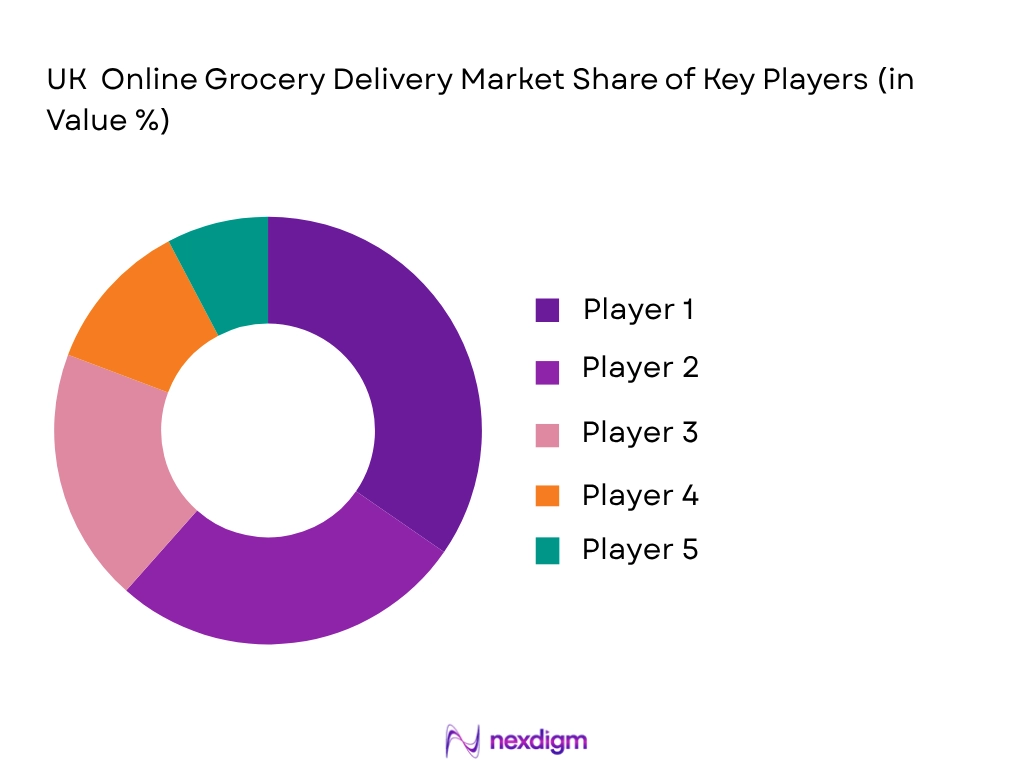
UK Online Grocery Delivery Market Analysis
Growth Drivers
Increasing Urbanization and Digital Transformation
Urbanization in the UK is a significant driver for the growth of the online grocery delivery market. As more people migrate to urban areas, the demand for efficient and convenient grocery shopping methods has risen. In parallel, the digital transformation of retail has enabled e-commerce giants and traditional supermarkets to tap into this growing urban population. With more people relying on smartphones and internet services, online grocery platforms are well-positioned to meet the increasing demand. Additionally, the shift toward online shopping has accelerated, making it easier for consumers to access a wide range of products from their homes, contributing to the market’s rapid expansion.
Rising Consumer Demand for Convenience and Health-Conscious Products
The demand for convenience and health-conscious products is rapidly increasing in the UK, boosting the online grocery delivery market. Consumers are increasingly seeking time-saving solutions, and online grocery shopping offers the convenience of having products delivered directly to their doorsteps. Furthermore, the growing interest in health and wellness has pushed consumers to favor organic, fresh, and healthier food options, making online grocery platforms that offer these products highly popular. Retailers have responded by enhancing their product offerings with healthier choices and tailored options to meet the growing demand, contributing significantly to the growth of the online grocery sector.
Market Challenges
Logistics and Supply Chain Complexities
One of the most significant challenges facing the UK online grocery delivery market is the complexity of logistics and supply chain management. Efficiently delivering fresh and perishable goods requires a highly coordinated logistics network, especially when aiming for same-day or next-day delivery. The need for cold storage facilities, real-time tracking, and route optimization tools places pressure on companies to maintain fast and reliable delivery services. Additionally, fluctuations in fuel costs, traffic congestion in major cities, and last-mile delivery challenges complicate operations. These logistical hurdles affect not only delivery speed but also the overall cost structure for online grocery platforms, making efficient logistics critical for success.
Regulatory Barriers and Compliance Standards
Regulatory compliance is a significant challenge for online grocery delivery services in the UK. The food industry is heavily regulated, and companies need to comply with strict guidelines on food safety, packaging, and labeling, among other aspects. These regulations are designed to ensure consumer protection and product safety but can lead to increased operational costs for online platforms. Additionally, the rise of new regulations, such as those related to sustainability and environmental impact, poses challenges for companies that need to adapt to these evolving standards. Compliance with these regulations can add complexity to the supply chain, increasing both operational costs and delivery times.
Opportunities
Expansion of Local and Regional Delivery Networks
One of the key opportunities for the UK online grocery delivery market is the expansion of local and regional delivery networks. While large urban areas like London have strong online grocery services, rural and suburban regions still offer significant growth potential. By establishing local fulfillment centers or partnering with regional distributors, online grocery platforms can ensure faster delivery times, reduce operational costs, and offer more localized services. Expanding to underserved areas allows companies to tap into new customer segments and create a more personalized shopping experience. Localized operations also help enhance customer loyalty and improve overall market penetration in the long term.
Rising Adoption of Eco-Friendly and Sustainable Delivery Options
With growing environmental awareness, there is a rising demand for eco-friendly and sustainable delivery options in the UK online grocery market. Consumers are increasingly concerned about the environmental impact of packaging, transportation, and delivery practices. This shift presents an opportunity for grocery delivery platforms to introduce sustainable alternatives, such as biodegradable packaging, electric delivery vehicles, and optimized delivery routes to reduce carbon emissions. Companies that embrace sustainability initiatives will not only meet consumer demand for greener solutions but also enhance their brand reputation and comply with increasingly stringent environmental regulations, contributing to long-term growth and consumer loyalty.
Future Outlook
Over the next five years, the UK Online Grocery Delivery market is expected to show significant growth, driven by the increasing demand for convenience, advancements in delivery logistics, and the shift towards healthier and organic food options. As consumers continue to embrace digital shopping, the market will also see growth in mobile app-based services and subscription models. The integration of artificial intelligence (AI) and robotics in delivery systems will enhance the efficiency of the logistics chain, further boosting customer satisfaction. Moreover, with the rise in eco-consciousness, businesses will invest in more sustainable packaging and delivery methods, helping to address environmental concerns and meet consumer preferences.
Major Players
- Tesco PLC
- Sainsbury’s
- Asda
- Ocado
- Amazon Fresh
- Waitrose
- Morrisons
- Iceland Foods
- Co-op Food
- Marks & Spencer
- Aldi UK
- Lidl UK
- Farmdrop
- HelloFresh
- Gousto
Key Target Audience
- Retailers and E-commerce Platforms
- Logistics and Delivery Service Providers
- Investments and Venture Capitalist Firms
- Government and Regulatory Bodies
- Food Producers and Suppliers
- Technology and Software Providers (AI, Robotics, Apps)
- Subscription Service Providers
- Packaging and Sustainability Companies
Research Methodology
Step 1: Identification of Key Variables
The first step is to identify and define key market variables that influence the UK Online Grocery Delivery market. This involves analyzing consumer behavior, technological advancements, logistics challenges, and the regulatory landscape. Secondary research and industry databases are used to gather initial data, followed by in-depth interviews with market experts.
Step 2: Market Analysis and Construction
In this phase, historical data is analyzed to assess market trends, growth rates, and the key drivers of market dynamics. This includes a thorough evaluation of consumer preferences, sales figures, and market penetration across different product segments and regions. The aim is to construct a reliable market model to forecast future growth.
Step 3: Hypothesis Validation and Expert Consultation
Market hypotheses related to key trends, growth drivers, and market challenges will be validated through consultations with industry experts. These experts, from major players in the market, will provide insights and confirm the accuracy of the research findings. These expert consultations are crucial for refining the data and ensuring reliability.
Step 4: Research Synthesis and Final Output
The final step involves synthesizing all research findings into actionable insights. Detailed analysis of product segments, consumer demand, and logistics strategies will be conducted. This will be followed by verifying the accuracy of the data through interactions with key market players and finalizing the comprehensive market report.

- Executive Summary
- Research Methodology (Market Definitions and Assumptions, Abbreviations, Market Sizing Approach, Consolidated Research Approach, Understanding Market Potential Through In-Depth Industry Interviews, Primary Research Approach, Limitations and Future Conclusions)

- Definition and Scope
- Market Dynamics Overview
- Market Genesis
- Major Players and Market Timeline
- Business Cycle and Trends
- Supply Chain and Value Chain Analysis

- Growth Drivers
Increasing Urbanization and Digital Transformation
Rising Consumer Demand for Convenience and Health-Conscious Products
Advancements in Delivery Logistics and Technology
Increase in Subscription and Online Ordering Services - Market Challenges
Logistics and Supply Chain Complexities
Regulatory Barriers and Compliance Standards
Price Sensitivity and Competitive Market Landscape
Limited Coverage in Rural and Remote Areas - Opportunities
Expansion of Local and Regional Delivery Networks
Integration of AI and Automation in Delivery Logistics
Rising Adoption of Eco-Friendly and Sustainable Delivery Options
Increased Collaboration Between Supermarkets and Online Delivery Platforms - Key Trends
Growth of Same-day and Express Delivery Services
Increasing Demand for Fresh and Organic Food Delivery
Technological Innovations in Delivery and Payment Solutions
Rising Popularity of Subscription-Based Grocery Delivery Services - Government Regulations
- SWOT Analysis
- Porter’s Five Forces

- By Value, 2020–2025
- By Volume, 2020–2025
- By Average Price, 2020–2025

- By Product Type (In Value %)
Fresh Food
Packaged Food
Beverages
Household Products
Personal Care Products - By Platform Type (In Value %)
E-commerce Platforms
Mobile Apps
Subscription-based Services - By Service Type (In Value %)
Same-day Delivery
Scheduled Delivery
Subscription-based Delivery - By Region (In Value %)
England
Scotland
Wales
Northern Ireland
Rest of UK

- Market Share of Major Players by Value/Volume
- Market Share of Major Players by Product Type
- Cross Comparison Parameters(Company Overview, Business Strategies, Recent Developments, Strength, Weakness, Organizational Structure, Revenues, Revenues by Product Type, Number of Touchpoints, Distribution Channels, Number of Dealers and Distributors, Margins, Production Plant, Capacity, Unique Value Offering and Others)
- SWOT Analysis of Major Players
- Pricing Analysis Based on Product Categories for Major Players
- Detailed Profiles of Major Companies
Tesco PLC
Sainsbury’s
Asda
Morrisons
Waitrose
Amazon Fresh
Ocado Group
Iceland Foods
Co-op Food
Marks & Spencer

- Market Demand and Utilization
- Purchasing Power and Budget Allocations
- Regulatory and Compliance Requirements
- Needs, Desires, and Pain Point Analysis
- Decision-Making Process

- By Value, 2026–2035
- By Volume, 2026–2035
- By Average Price, 2026–2035


 Request a Sample
 Ask for Customization
 Get a Quote
 Enquire Now