

 Download PDF
Market Overview
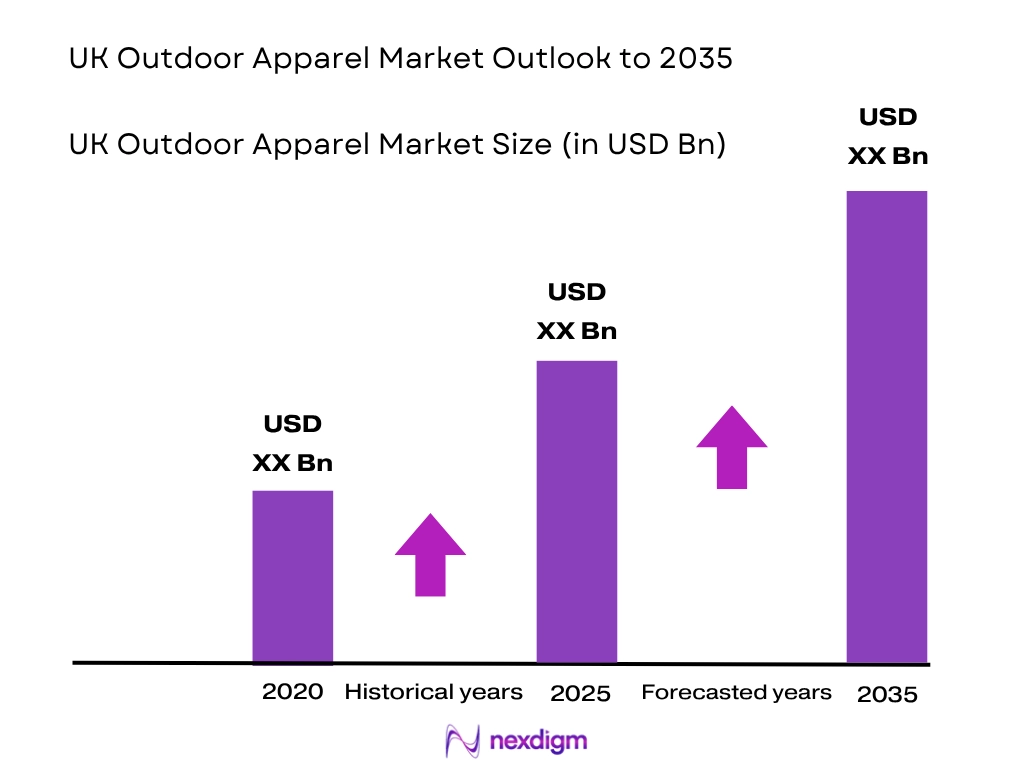
The UK Outdoor Apparel market is valued at USD ~ billion in 2025, reflecting continued consumer demand for high-performance and multifunctional clothing for hiking, camping, trail running and urban outdoor activities. This valuation draws on insights from the Europe outdoor apparel market, where the UK accounted for a significant share of regional demand due to a strong culture of outdoor recreation and retail penetration.
The market is driven in part by increased participation in outdoor activities, heightened consumer emphasis on health & wellness, and the growing trend toward sustainable, eco-conscious products. Cities such as London, Edinburgh, Manchester, and Birmingham dominate the market because these urban centres serve as hubs for retail, distribution and consumer engagement, while proximity to national parks (e.g., Lake District, Peak District) fosters regional outdoor apparel demand.
Market Segmentation
By Product Type
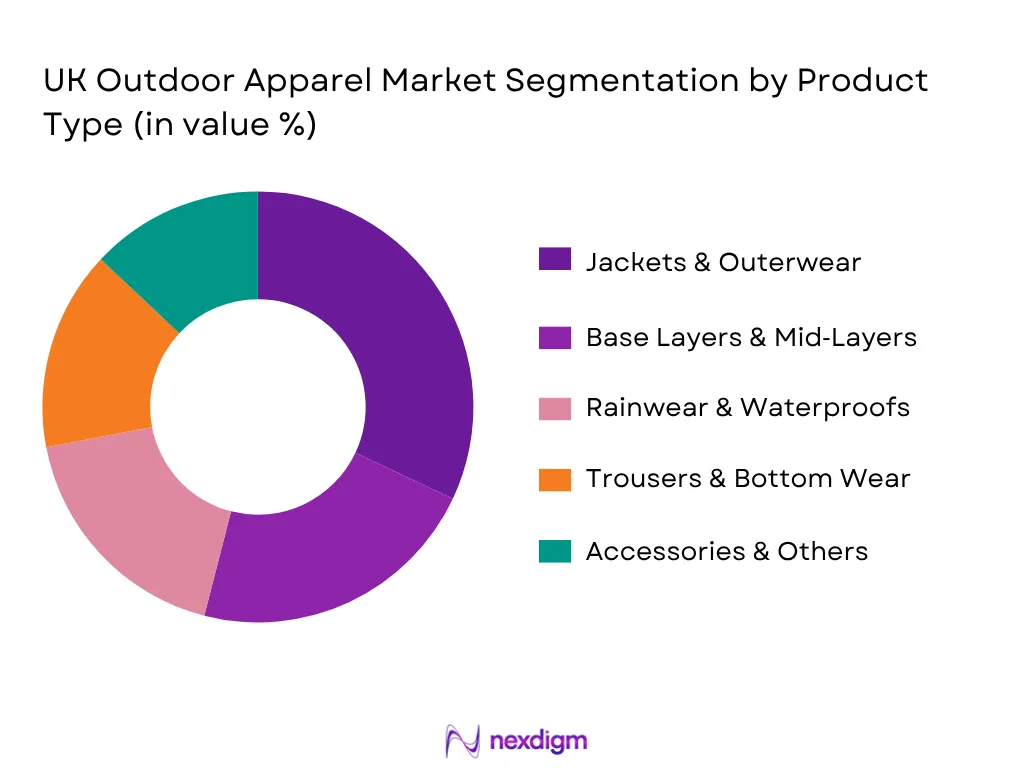
The UK Outdoor Apparel market is categorized into jackets & outerwear, base layers & mid‑layers, rainwear & waterproofs, trousers & bottom wear, and accessories. Jackets & outerwear hold the largest share due to the UK’s variable weather, where breathable waterproof jackets are essential for outdoor use and everyday wear. The prevalence of casual outdoor culture, frequent rainfall across regions and the popularity of weekend hikes contribute to higher jacket penetration. Mid‑layers and base layers are also strong performers because they address seasonal performance needs across multiple activity types, from walking to trail running.
By Distribution Channel
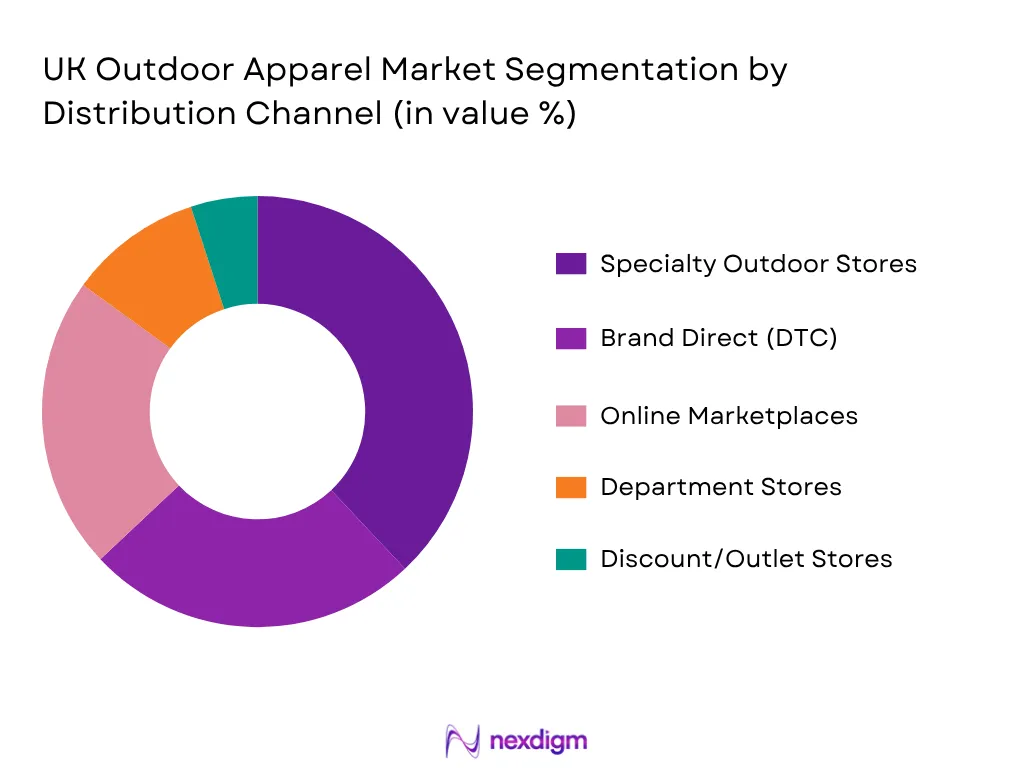
The UK Outdoor Apparel market is segmented by specialist retail, direct‑to‑consumer (DTC), online marketplaces, department stores, and discount/outlet channels. Specialist outdoor retail holds the dominant share because consumers in the UK frequently prefer in‑person fittings for technical gear where brands such as Berghaus, Rab, and The North Face maintain deep retail footprints. Additionally, seasoned outdoor consumers value hands‑on product demonstrations and expert store staff guidance reinforcing the strength of specialist stores. Direct‑to‑consumer online channels are rapidly growing due to ease of purchase, free returns, and expanding brand e‑commerce efforts.
Competitive Landscape
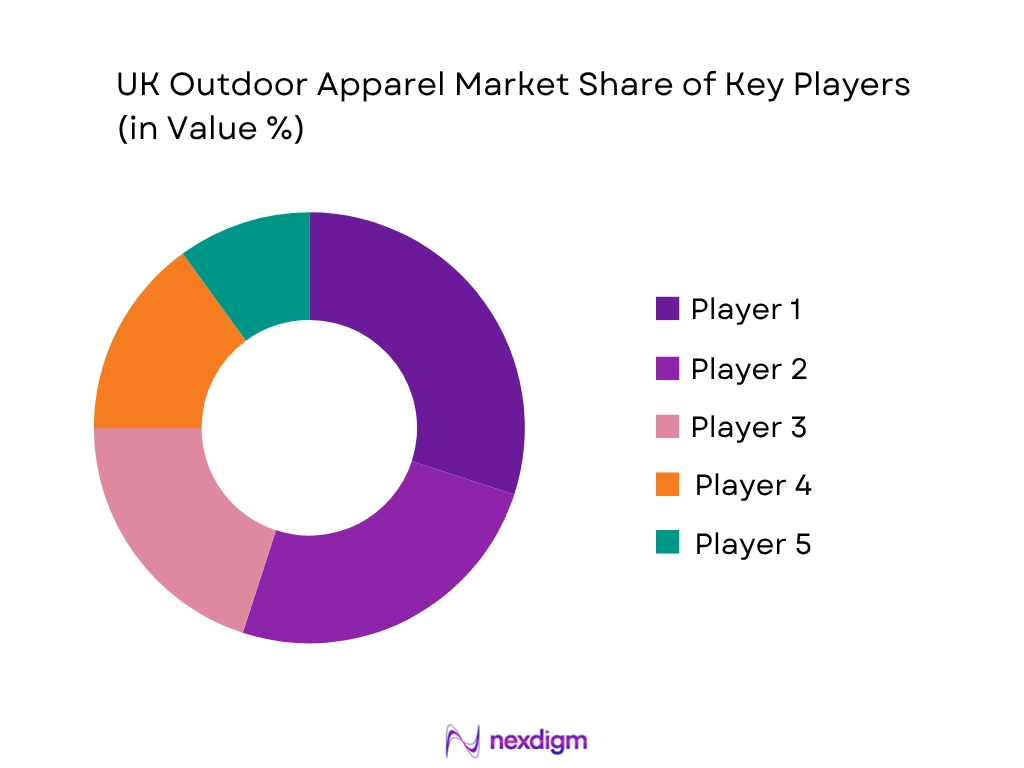
The UK Outdoor Apparel market features both global brands and strong domestic players. Major companies have built presence through retail networks, omni‑channel strategies and material innovation. The UK market exhibits mid‑tier and premium segmentation, with global technical brands (e.g., The North Face, Patagonia) leading in innovation and sustainable material use. Domestic brands such as Berghaus and Regatta maintain strong high‑street presence, while Columbia balances breadth and price accessibility. Sustainability efforts are increasingly important as consumer demand for recycled and low‑impact products grows.
| Company | Est. Year | Headquarters | Brand Portfolio Breadth | Retail Footprint (High Street & Online) | Technical Material Leadership | Sustainability Initiatives | Pricing Tier |
| The North Face | 1966 | California, USA | ~ | ~ | ~ | ~ | ~ |
| Patagonia | 1973 | California, USA | ~ | ~ | ~ | ~ | ~ |
| Columbia Sportswear | 1938 | Oregon, USA | ~ | ~ | ~ | ~ | ~ |
| Berghaus | 1966 | Cumbria, UK | ~ | ~ | ~ | ~ | ~ |
| Regatta Great Outdoors | 1981 | Norfolk, UK | ~ | ~ | ~ | ~ | ~ |
UK Outdoor Apparel Market Analysis
Growth Drivers
Participation Growth in Outdoor Activities
The demand for outdoor apparel in the UK is increasingly supported by rising participation in outdoor and physical activities. According to Sport England’s Active Lives survey, approximately 30.9 million adults in England engaged in at least 150 minutes of sport or physical activity per week between November 2024 and November 2025 a historic high and an increase of 859,000 active adults compared to the previous year. This heightened activity level translates into greater demand for functional, durable apparel suited for activities such as hiking, trail running, cycling, and open‑air recreation, all of which require technical performance wear. Additionally, a report highlighted that outdoor recreation now involves 34.3 million people across the UK, with open water swimming participation rising from 266,000 adults in 2016–17 to 543,000 in 2023‑24, reflecting a sustained shift toward outdoor lifestyles and recreation preferences which directly influences consumer spending on outdoor apparel and performance clothing.
Compliance Performance Wear Demand
Consumers’ demand for higher‑performance apparel that complies with functional and comfort standards has become a distinct driver in the UK outdoor apparel market. Broader consumer expenditure highlights this trend: UK household spending on clothing and footwear reached 79.8 billion British pounds in 2024, showing sustained engagement in apparel categories where technical and performance segments contribute significantly to overall sales. This expenditure pattern underscores a readiness among UK consumers to invest in category‑specific garments such as breathable jackets, waterproof shells, and moisture‑managing base layers necessary for outdoor pursuits across variable UK weather. Additionally, Sport England data shows that walking, adventure and informal outdoor activities are key contributors to increased physical activity, with 28.6 million regularly active adults in England (the highest recorded level), signalling broad demand beyond niche enthusiast groups. Given the UK’s varied climate from wet coastal regions to colder northern areas performance apparel that meets compliance standards for weather adaptability, breathability, and durability is increasingly prioritized, reinforcing demand for technically sophisticated products.
Market Challenges
Seasonal Demand Cyclicality
A fundamental challenge facing the UK outdoor apparel market stems from pronounced seasonal demand cyclicality driven by the UK’s temperate oceanic climate. Outdoor consumer interest and retail purchases are heavily skewed toward specific periods of the year when weather conditions are more conducive to activities such as hiking, camping, and climbing. Although exact apparel purchase statistics are not published by national bodies, broader data reflects cyclic spending patterns in clothing: UK consumers spent 79.8 billion British pounds on clothing and footwear in 2024 with noticeable shifts in seasonal retail peaks corresponding to spring/summer and autumn/winter transitions. This cyclicality affects inventory planning, retail promotions, and supply chain lead times, as brands often build significant inventory for peak seasons only to face slower turnover during off‑peak months. Even with sustained participation rates in activity levels, the unpredictability of UK weather including frequent rain, cooler temperatures and short daylight in winter leads to a concentration of outdoor activity and related apparel purchases in limited months, amplifying financial risk for retailers and manufacturers alike.
UK Climate Variance
The UK’s climate variance presents ongoing operational challenges for market participants in outdoor apparel. The UK’s weather patterns vary widely across regions and seasons, with frequent rain and temperature shifts even within a single day. While there is no dedicated national statistic on weather impact on apparel demand, macro environmental data from the Office for National Statistics indicates that climate and environmental factors remain integral to economic activity measurement and sector analysis, recognising the broad impact of environmental conditions on consumption patterns and goods demand. These climate characteristics compel brands to offer a wide array of product features, such as waterproofing, thermal insulation, wind resistance, and breathability driving up design complexity and product costs. Retailers must balance diverse climatic needs (for example, waterproof gear for the wetter northwest versus lighter layers for milder southeastern regions) in inventory mixes, increasing SKU complexity. With 100% access to electricity and modern infrastructure supporting consumer lifestyles, the UK population is highly urbanised but keen on outdoor recreation when weather permits, meaning product assortments must address extreme unpredictability to avoid stock imbalances and markdowns.
Market Opportunities
Sustainable & Circular Apparel
The UK outdoor apparel market has substantial opportunity anchored in consumer demand for sustainable and circular products, driven by broader environmental awareness and policy emphasis on reducing textile waste and emissions. While specific apparel sustainability data is limited, environmental accounts from the UK Office for National Statistics reveal that consumer expenditure remains the largest contributor to the country’s greenhouse gas emissions, emphasising the importance of consumption choices and eco‑responsible goods adoption. Within this context, outdoor apparel brands can capitalise on growing consumer preference for garments made with recycled materials, reduced carbon footprint and transparent lifecycle credentials. The environmental goods and services sector, which includes sustainable products and services, is tracked in national accounts, underscoring governmental prioritisation of eco‑friendly economic segments. By expanding circular offerings such as repair programmes, take‑back schemes, and products with certified lower environmental impact, brands can engage consumers seeking both outdoor functionality and environmental stewardship, positioning themselves as responsible alternatives in a market where sustainability resonates with over 69 million UK residents, of whom a significant share shows interest in eco‑friendly lifestyles.
Urban Outdoor Cross Over
An observable opportunity for UK outdoor apparel lies in the continued expansion of urban outdoor crossover products that bridge technical performance with everyday wearability. Although precise segmentation figures for this niche are not published by government sources, broader consumer spending on clothing and footwear 79.8 billion British pounds in 2024 reflects robust household participation in diverse apparel categories. As lifestyles evolve with increased interest in leisure activities, casual outdoor gear such as technical fleeces, water‑resistant jackets and performance sneakers are increasingly worn in urban settings as part of everyday wardrobes. The high number of physically active adults 30.9 million regularly performing 150 minutes of activity per week and mass participation in walking and adventure pursuits, indicates widespread interest in apparel that performs in both urban and outdoor environments. Urban outdoor crossover gear thus presents an opportunity for brands to diversify beyond classic performance segments, tapping into city dwellers’ demand for functional yet stylish outerwear that fits work‑to‑weekend lifestyles and aligns with overall clothing expenditure trends.
Future Outlook
Over the next decade, the UK Outdoor Apparel market is expected to sustain robust expansion, underpinned by rising participation in outdoor activities, product innovation and shifting consumer expectations toward sustainability and functional fashion. E‑commerce penetration and adoption of technical fabrics and smart wearable integrations will support growth across all channels. Continued interest in multi‑use apparel that bridges urban and outdoor use cases will also help broaden the market demographic.
Major Players
- The North Face
- Patagonia
- Columbia Sportswear
- Berghaus
- Regatta Great Outdoors
- Rab
- Mountain Equipment
- Craghoppers
- Jack Wolfskin
- Arc’teryx
- Fjällräven
- Salewa
- Mammut
- Helly Hansen
- Montane
Key Target Audience
- Retail Buyers & Merchandisers (UK Outdoor Retail Chains)
- Brand & Product Strategy Teams (Outdoor Apparel Brands)
- Investments & Venture Capitalist Firms (Sports & Outdoor Sector)
- Retail Real Estate Investors (Lifestyle & Outdoor Retail)
- Distribution & Supply Chain Partners (Outdoor Channels)
- Government & Regulatory Bodies (Department for Business and Trade, UK Sustainability Standards Agencies)
- Fabric & Material Technology Developers (Technical Textile Suppliers)
- Corporate Buyers (Outdoor Corporate Uniform & Team Apparel Sourcing)
Research Methodology
Step 1: Identification of Key Variables
The initial stage involved mapping the outdoor apparel ecosystem, identifying major stakeholders, distribution channels, product types, technical fabrics and demographic influences. This phase relied on extensive desk research using proprietary and secondary databases to gather comprehensive industry insights.
Step 2: Market Analysis & Data Construction
Historical revenue and volume data from Europe and UK‑specific reports were compiled and analysed. Market sizing included value measurement (USD terms) and segmentation performance across distribution channels, product types, and consumer cohorts to validate demand patterns.
Step 3: Expert Consultation & Hypothesis Validation
Hypotheses about market drivers and growth barriers were validated through consultations with UK outdoor brand executives, retail category managers and technical material specialists. These engagements provided operational insights that refined forecast accuracy.
Step 4: Synthesis & Final Output
The final analysis harmonised primary insights with secondary research, peer benchmark data and forecast models. This ensured alignment of UK market dynamics, segmentation trends and competitive positioning for a robust and validated market forecast.

- Executive Summary
- Research Methodology (Market Definitions & Apparel Performance Metrics, Abbreviations, Market Sizing Approach – Value & Volume, Price Benchmarking Methodology, Primary & Secondary Research Integration, Bottom‑Up vs Top‑Down Validation, Data Normalisation & Forecasting Assumptions, Limitations & Insight Confidence Scoring)

- Definition and Scope
- Market Genesis & Evolution
- Market Structure & Value Chain
- Activity & Use Case Ecosystems
- Regulatory Landscape

- Growth Drivers (Participation Growth in Outdoor Activities, Compliance Performance Wear Demand, Climate‑Driven Performance Needs, Health & Wellness Outdoor Culture)
- Market Challenges (Seasonal Demand Cyclicality, UK Climate Variance, Price Sensitivity, Supply Chain Constraints)
- Market Opportunities (Sustainable & Circular Apparel, Urban Outdoor Cross‑Over, Omnichannel Fulfilment Expansion, Bespoke & Custom Fit Trends)
- Trend Analysis (Eco‑friendly Materials Penetration, Digital Personalisation, Omni‑channel Customer Experience, Influencer & Social Commerce Impact)
- Regulatory Environment (Textile Labelling, REACH Compliance, Safety Standards, Trade/Tariff Rules, Environmental & Labor, OEKO-TEX/Bluesign, Claims Verification, Packaging Guidelines)
- Porter’s Five Forces Analysis (New Entrants, Supplier Power, Buyer Power, Substitutes, Rivalry)
- SWOT Analysis (Market Level) (Strengths: Heritage & Technical Performance, Omni-Channel Presence; Weaknesses: Price Sensitivity, Seasonal Volatility; Opportunities: Sustainability, DTC Channels, Urban Expansion; Threats: Supply Disruption, Competition, Tariff Fluctuations)
- Value Chain & Supply Chain Analysis (Materials – Polyester, Nylon, Wool, Recycled, Laminates; Domestic vs Import; Production & Capacity; Logistics & Distribution; Retail & Wholesale; Quality & Certification; Returns & Reverse Logistics)
- Consumer Purchase Behavior & Retail Analytics (Purchase Frequency, Basket Affinity, Loyalty, Online vs In-Store, Social Influence, Seasonal/Weather Buying, Sustainability Premium, Urban vs Rural Segments)

- By Market Value (2020-2025)
- By Volume (2020-2025)
- By E‑commerce vs Brick & Mortar (2020-2025)
- By Average ASP & Price Tiers (2020-2025)

- By Product Category (In Value%)
Performance Shells
Insulated Outerwear
Base Layers
Softshells
Hybrid Layers
Accessories - By Material Technology (In Value%)
GORE‑TEX/Proprietary Membranes
Merino Wool/Blends
Recycled Fibres
Sustainable Materials - By Activity Use Case (In Value%)
Hiking & Trekking
Mountaineering/Alpine
Trail Running
Camping & Leisure Outdoor
Urban Outdoor - By Distribution Channel (In Value%)
Specialist Outdoor Retailers
Brand Stores & Outlets
Online Marketplaces
Direct‑to‑Consumer
Discount/Factory Outlets - By End Consumer Demographic (In Value%)
Men
Women
Kids
Family Outdoor - By Price Tier (In Value%)
Value
Mid‑Tier Performance
Premium Technical

- Market Share Overview (Value & Volume, Specialist Retail vs Global Brands, Online vs Offline Presence, Premium vs Mid-Tier Share, Product Category Dominance)
- Cross‑Comparison Parameters (Brand Portfolio Breadth, Distribution Network Density, Omni‑channel Penetration, Sustainability/Supply Chain Transparency Score, ASP & Price Tier Positioning, Material Technology Leadership, Innovation Investment Intensity, Retail Footprint & Store Experience, Brand Equity & Digital Engagement, Exclusive Merchandising Agreements, Returns & Warranty Policies, Logistics & Delivery Capabilities, Membership/Rewards Penetration)
- SWOT Analysis of Key Players (Strengths, Weaknesses, Opportunities, Threats – Brand Equity, Technical Innovation, Supply Chain, Pricing Strategy, Market Expansion, Sustainability Initiatives)
- Pricing & SKU Benchmarking (ASP by Category, Price Elasticity, Discounting Patterns, Bundling & Promotions, Regional Pricing Variation, Online vs Retail Price Differences)
- Strategic Positioning & Differentiation (Technical vs Lifestyle Focus, Premium vs Value Tier, Sustainability Initiatives, Urban vs Activity-Focused Branding, Innovation Pipeline, Direct-to-Consumer Strength, Retail Experience & Engagement, Online Market Penetration)
- Detailed Profiles of Major Companies
Mountain Warehouse
Trespass
Go Outdoors Topco Ltd.
Tog 24
Black’s Outdoor Retail
Ellis Brigham Mountain Sports
Regatta Great Outdoors
Patagonia, Inc.
The North Face
Rab
Columbia Sportswear Company
Haglöfs
Mammut
Alpkit

- Purchase Drivers (Performance, Comfort, Fit, Price, Sustainability, Brand Reputation, Fashion/Style, Activity-Specific Needs)
- Buying Behavior (Frequency by Category, Online vs In-Store, Omni-Channel Engagement, Basket Composition, Seasonal/Weather Influence, Urban vs Rural Patterns, Group/Family Purchases, Multi-Brand Consideration)
- Brand Loyalty & Retention (Repeat Purchase Rate, Membership/Rewards Programs, Brand Switching, NPS Scores, Brand Advocacy, Social Media Influence, Technical vs Lifestyle Loyalty, Influencer & Peer Impact)
- Consumer Pain Points (Sizing & Fit Issues, Limited Availability, Seasonal Stockouts, Price Sensitivity, Sustainability Confusion, Product Returns, Warranty/Aftercare Experience, Product Knowledge Gaps)
- Decision-Making Process (Research Channels – Online Reviews, Social Media, Specialist Advice, Price vs Performance Trade-Off, Peer Recommendations, Trial/Experience Influence, Product Comparison, Certification & Eco-Labels Consideration)
- Willingness-to-Pay Analysis (Premium for Technical Features, Sustainability, Brand Equity, Customization, Limited Editions, Eco-Materials, Connected Apparel, Urban-Outdoor Crossover Value Perception)
- Regional & Demographic Insights (UK Urban vs Rural, Age Segments, Gender, Household Type, Activity Participation, Income Tier, Regional Outdoor Popularity, Climate-Driven Regional Demand)

- By Market Value (2026-2035)
- By Volume (2026-2035)
- By E‑commerce vs Brick & Mortar (2026-2035)
- By Average ASP & Price Tiers (2026-2035)


 Request a Sample
 Ask for Customization
 Get a Quote
 Enquire Now