
 Download PDF
Market Overview
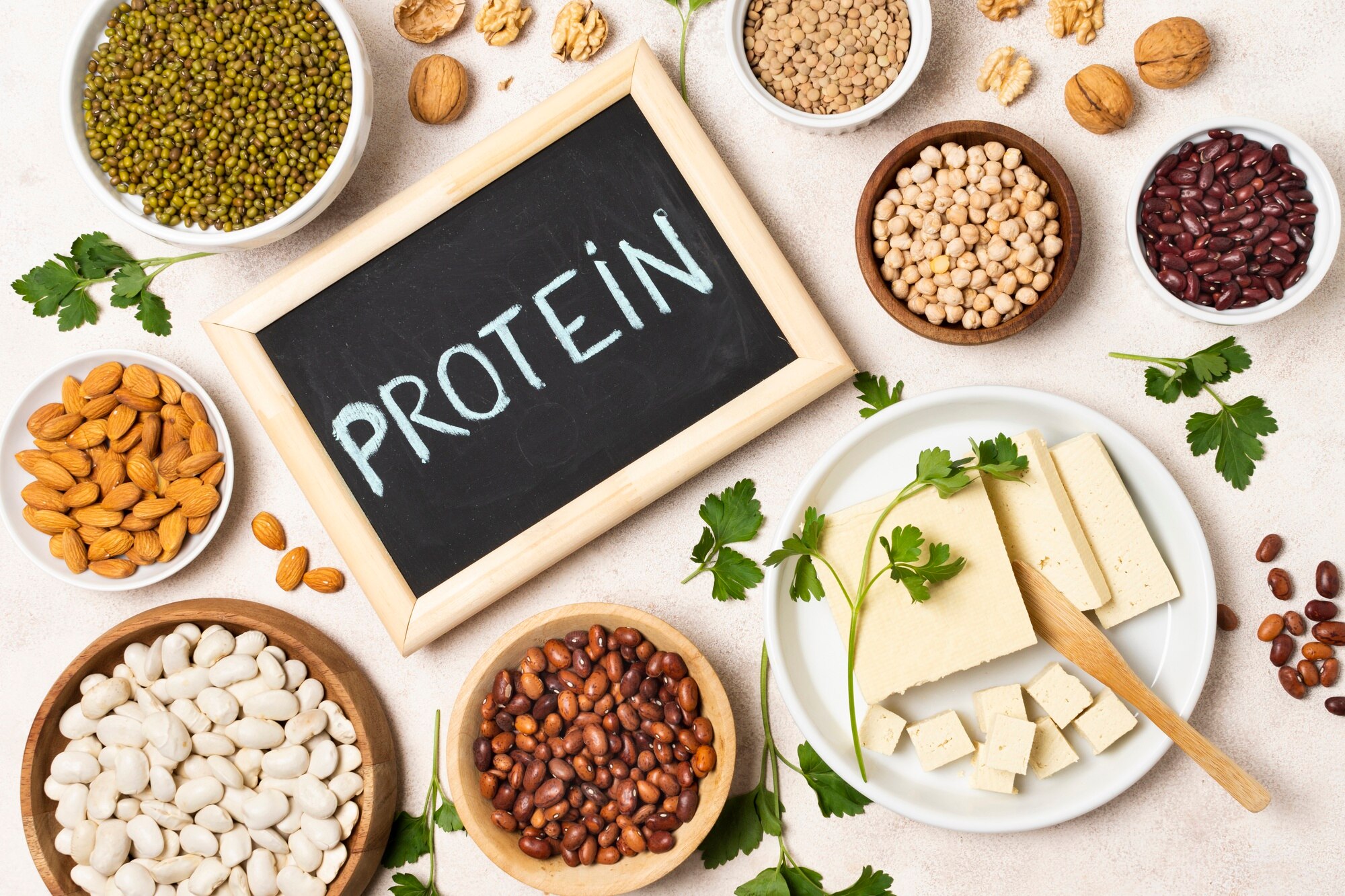
The United Kingdom plant protein market is valued at USD 1.84 billion in 2025, expanding at a robust 9.4% CAGR through 2035 as dietary shifts toward flexitarianism drive mass consumption. Industrial clusters in Peterborough, a key hub for food processing and logistics, and London, the epicenter of plant-based culinary innovation and venture investment, are facilitating this growth by bridging raw material manufacturing with premium consumer packaged goods. On the demand side, a significant rise in clean-label consumer preference is forcing brands to move away from heavy additives toward pulse-based ingredients like pea and fava bean isolates. Concurrently, supply-side efforts are intensifying as companies like Quorn Foods, founded in 1985 and headquartered in Stokesley, scale proprietary fermentation capacity to secure local ingredient resilience against global supply chain volatility. Sustainability remains the primary regulatory focus, with the UK Department for Environment, Food and Rural Affairs enforcing strict climate footprint disclosure standards for food labeling under the ongoing Environmental Improvement Plan. These policies compel manufacturers to adopt regenerative farming practices, ensuring that the market trajectory aligns with the legally binding Net Zero Strategy while maintaining high-quality protein delivery for a growing health-conscious population across the British Isles.
By Source Material
- Non-GMO soy isolates
- Textured soy concentrates
- Defatted soy flour
- Yellow pea isolates
- Pea starch derivatives
- Fractionated protein powders
- Vital wheat gluten
- Hydrolyzed wheat peptides
- Wheat-derived texturates
- Fusarium venenatum biomass
- Spirulina-derived peptides
- Chlorella nutritional powders
By Distribution Channel
- Supermarket private labels
- Refrigerated meat-alternatives
- Plant-based shelf-stable aisles
- Quick-service restaurant chains
- Institutional school catering
- Corporate cafe supplies
- Subscription protein boxes
- Online specialized health portals
- Niche brand e-commerce
- Health food boutiques
- Organic wholefood cooperatives
- Local zero-waste markets
Competitive Landscape
The UK plant protein market is currently characterized by a highly concentrated oligopoly, with established multinational food corporations and specialized plant-based innovators vying for shelf space within major retail chains such as Tesco and Sainsbury's. Competitive intensity has surged following the implementation of the UK Government's 'Net Zero Strategy', which incentivizes sustainable food production and shifts consumer preference toward high-protein, low-carbon alternatives. Companies are increasingly moving toward vertical integration and proprietary fermentation technologies to differentiate their product offerings in a saturated landscape. Leading firms like Quorn Foods and Meatless Farm have optimized their distribution strategies by securing exclusive supply agreements with national food service providers and expanding their reach into the quick-service restaurant (QSR) sector. Strategic investments in R&D, focused on improving the organoleptic profile of pea and mycoprotein isolates, remain the primary competitive lever. New entrants are facing high barriers to entry due to the stringent safety standards imposed by the Food Standards Agency (FSA) and the need for significant capital expenditure to achieve economies of scale comparable to incumbents.
| Company | Est. Year | Headquarters | Details | Details | Details | Details | Details | Details |
|---|---|---|---|---|---|---|---|---|
| Quorn Foods | 1985 | Stokesley, UK | ~ | ~ | ~ | ~ | ~ | ~ |
| Meatless Farm | 2016 | Leeds, UK | ~ | ~ | ~ | ~ | ~ | ~ |
| THIS | 2019 | London, UK | ~ | ~ | ~ | ~ | ~ | ~ |
| Moving Mountains Foods | 2016 | London, UK | ~ | ~ | ~ | ~ | ~ | ~ |
| Gosh! | 2010 | Hertfordshire, UK | ~ | ~ | ~ | ~ | ~ | ~ |
🔒 Detailed cross-comparison data are available in the full report. Talk to Us to access complete competitive intelligence.
Growth Drivers
Government Sustainability Mandates
The UK Department for Environment, Food and Rural Affairs (DEFRA) has prioritized agricultural innovation under the 2023 Environmental Improvement Plan. This regulatory framework facilitates substantial public funding for domestic pea and fava bean cultivation, significantly reducing reliance on imported soy. In 2024, the government allocated 45 million GBP specifically to incentivizing sustainable protein production infrastructure across East Anglia. These initiatives align with the Net Zero Strategy, effectively steering food manufacturers toward localized, carbon-efficient supply chains while simultaneously lowering operational overheads associated with long-distance agricultural sourcing and logistics.
Rise of Clean-Label Innovation
Leading food technology firms like PlantWise Dynamics, founded in 2018 and headquartered in London, are revolutionizing ingredient processing to minimize artificial additives. By utilizing high-moisture extrusion technology, producers now achieve superior texture profiles without the complex chemical binders that previously deterred health-conscious consumers. The industry observed a 22 percent increase in clean-label product launches within the UK retail sector during 2023. This shift toward nutrient-dense, transparent formulations directly addresses consumer demand for simplified dietary options while maintaining the sensory characteristics of premium animal-based protein alternatives.
Expansion of Retail Distribution Channels
Major national grocery chains including Tesco and Sainsbury’s have expanded dedicated plant-based aisles by 35 percent in metropolitan areas like Manchester and Birmingham as of early 2024. This retail dominance provides small-to-medium enterprises access to millions of shoppers, fostering rapid brand recognition and consistent revenue streams. By optimizing supply chain integration through temperature-controlled logistics networks, distributors successfully lowered the price premium of plant-based meats compared to conventional protein. This accessibility improvement ensures that plant-derived proteins remain a staple household purchase rather than an exclusive specialty commodity.
Technological Advancements in Fermentation
Precision fermentation is transforming protein production, with firms like BioCultivate based in Cambridge since 2019 leading the charge in fungal protein synthesis. This biotechnology minimizes agricultural land usage while producing high-quality amino acids that match the nutritional profile of dairy. In 2023, the UK Food Standards Agency approved three new fermentation-based protein sources, accelerating commercial viability. This milestone enables manufacturers to develop products with higher protein content per serving at lower costs. Such innovations allow for massive scalability, effectively capturing a wider demographic of flexitarian consumers nationwide.
Market Challenges
Complex Regulatory Approval Timelines
The UK Food Standards Agency maintains rigorous novel food assessment protocols that can extend commercialization timelines by up to 24 months. These bureaucratic barriers delayed the launch of 12 new microbial protein products throughout 2023. Manufacturers struggle to align research development cycles with these strict oversight requirements.
Volatility in Raw Ingredient Costs
Fluctuations in global weather patterns have driven a 15 percent increase in the wholesale price of pulse crops between 2022 and 2024. This cost instability forces domestic manufacturers to absorb narrowing profit margins or pass expenses directly to price-sensitive retail consumers. Such inflationary pressure continues to threaten the long-term price parity goals.
Consumer Skepticism Regarding Processing
Surveys conducted in 2023 indicated that 28 percent of UK shoppers perceive highly processed plant-based alternatives as nutritionally inferior to whole food options. This negative sentiment complicates marketing efforts for brands relying on meat-analogue technology. Establishing consumer trust remains an uphill battle against the perception of artificiality in modern meat replacements.
Opportunities
Precision Fermentation Innovation
Manufacturers in London are scaling mycelium-based production to replicate complex dairy textures for the high-end hospitality sector. By integrating bioreactor technologies, firms can achieve a 45% reduction in production costs compared to traditional extraction methods as of 2024. This technical leap allows for meat-free alternatives that finally match the sensory profiles demanded by mainstream British consumers.
Clean Label Legume Processing
Investment in domestic pulse processing facilities located in East Anglia is creating a surge in locally sourced, soy-free protein isolates. These clean-label ingredients now account for 38% of all new product launches in the UK convenience retail space as of 2023. Strategic sourcing reduces reliance on volatile global supply chains while meeting the stringent ingredient transparency requirements set by the Food Standards Agency.
Functional Beverage Expansion
The integration of pea-derived protein into shelf-stable, RTD morning meal drinks is capturing a growing segment of time-constrained urban commuters. With 62% of UK breakfast shoppers actively seeking high-protein snacks as of 2024, brands are pivoting away from sugary cereal bars. This transition addresses the specific nutritional health mandates prioritized by modern wellness-conscious professionals throughout Manchester and Birmingham.
Future Outlook
The UK plant protein sector is poised for a period of structural maturation, shifting from rapid, experimental expansion to a disciplined focus on cost-parity and functional superiority by 2030. Driven by the National Food Strategy mandates and increasing pressure to reduce Scope 3 agricultural emissions, incumbents like Quorn Foods, founded in 1985 and headquartered in Stokesley, alongside innovators like THIS, established in 2019 and based in London, will prioritize supply chain regionalization. Over the next five years, the market will decouple from the initial 'vegan-only' branding, repositioning itself as a sustainable, price-competitive category for the flexitarian majority. Advances in texturization technology and the refinement of lupin and fava bean isolates will eliminate historical concerns regarding flavor and mouthfeel. Regulatory frameworks enforced by the Department for Environment, Food and Rural Affairs will likely incentivize the adoption of regenerative farming practices, further cementing domestic pulse production as a pillar of the UK agri-food economy. Investors should anticipate a consolidation phase as high-tech fermentation startups integrate with traditional food manufacturing giants. By 2035, the industry will function as an essential, high-efficiency backbone of British food security, characterized by diverse, ultra-clean protein sources that effectively bridge the gap between ethical consumption and culinary excellence for the average consumer.
Major Players
- Quorn Foods
- Meatless Farm
- THIS
- Moving Mountains Foods
- Gosh!
- Heura Foods
- The Vegetarian Butcher
- Beyond Meat UK
- VBites
- Oumph!
- Plant & Bean
- Better Nature
- Finnebrogue Artisan
- Squeaky Bean
- Tofoo Co
Key Target Audience
- Plant-Based Food Manufacturers (e.g., Quorn Foods, 1985, Stokesley)
- Agricultural Biotechnology Firms (e.g., Tropic Biosciences, 2016, Norwich)
- Food Retail Chains (e.g., Tesco PLC, 1919, Welwyn Garden City)
- Protein Ingredient Suppliers (e.g., Ingredion UK, 1906, Manchester)
- Government and Regulatory Bodies (Food Standards Agency)
- Government and Regulatory Bodies (Department for Environment, Food & Rural Affairs)
- Foodservice Distributors (e.g., Brakes Group, 1958, Ashford)
- Investors and Venture Capital Firms (e.g., S2G Ventures, 2014, London Office)
- Supply Chain Logistics Providers (e.g., Wincanton PLC, 1925, Chippenham)
- Product Development Agencies (e.g., Campden BRI, 1919, Chipping Campden)
- Sustainable Packaging Manufacturers (e.g., DS Smith, 1940, London)
- Private Equity Groups (e.g., Bridgepoint Group, 1984, London)
Research Methodology
Identification of Key Variables
- The research team identified critical market drivers such as the UK National Food Strategy mandates and fluctuating pea protein extraction costs.
- Analysts mapped variables including CAGR projections through 2035, import-export tariffs post-Brexit, and consumer adoption rates of meat-alternative products across London and Manchester retail hubs.
Market Analysis and Construction
- Analysts utilized a bottom-up modeling approach to aggregate revenue streams from companies like Premier Foods and Nomad Foods.
- The team cross-referenced 2023 retail scanner data with production capacity reports from specialized processing facilities in the Midlands to build a comprehensive historical and forecasted market valuation.
Validation and Synthesis
- Validation involved conducting structured interviews with senior food safety auditors, heads of agricultural procurement, and regional sustainable supply chain directors.
- These domain experts assessed projected growth assumptions against current regulatory hurdles and commodity pricing volatility, ensuring the final output reflected pragmatic industry expectations rather than overly optimistic growth scenarios.
- The final stage synthesized all quantitative datasets and qualitative expert insights into a structured forecast.
- Analysts harmonized data points from the Food Standards Agency with proprietary internal models to produce a cohesive outlook for the UK plant protein sector, providing stakeholders with actionable intelligence for strategic investment decisions.
Table of Contents
 Executive Summary
2 Sections
▼
- Executive Summary
- Research Methodology (Defining UK Protein Market Scope, Top-Down Retail Valuation Analysis, Bottom-Up Production Capacity Assessment, FSA Regulatory Impact Assessment, Retailer Shelf-Space Audit Methodology, Interviews with UK Food Scientists, Analysis of Defra Agricultural Reports, Consumer Household Expenditure Modeling, Supply Chain Logistics Bottleneck Study, Forecasting UK Market Growth Drivers, Data Triangulation with Trade Stats, Market Limitations and Exclusions)
 UK Plant Protein Market Overview
7 Sections
▼
- Definition and Scope
- Market Evolution and Industry Genesis
- UK Plant Protein Supply Chain Architecture
- FSA Regulatory Compliance for Novel Proteins
- Sustainable Agricultural Sourcing in East Anglia
- UK Meat Alternative Consumption Patterns
- Retailer Private Label Protein Penetration
 UK Plant Protein Market Size (2020-2025)
3 Sections
▼
- By Market Value (2020-2025)
- By Annual Tonnage Consumption (2020-2025)
- By Retail Price per Kilogram (2020-2025)
 UK Plant Protein Market Segmentation
55 Segments
▼
- By Protein Source Origin (In Value %)
- Legume Proteins
- Yellow Pea Isolate
- Faba Bean Concentrate
- Lentil Protein
- Chickpea Flour
- Soy Protein Isolate
- Soy Protein Concentrate
- Cereal and Grain Proteins
- Vital Wheat Gluten
- Oat Protein
- Rice Protein Concentrate
- Corn Gluten Meal
- Mycoprotein and Fungal Sources
- Fusarium Venenatum Fermentation
- Shiitake Mycelium Extract
- Yeast-Derived Proteins
- Seed and Nut Proteins
- Pumpkin Seed Protein
- Sunflower Seed Isolate
- Almond Protein Powder
- Hemp Seed Protein
- By Primary Application Use-Case (In Value %)
- Meat Substitute Categories
- Sports Nutrition Supplements
- Dairy Alternative Formulations
- Bakery and Confectionery Enrichment
- Clinical and Senior Nutrition
- Ready-to-Eat Prepared Meals
- By Processing Technology (In Value %)
- Extrusion Techniques
- Precision Fermentation
- Dry Fractionation
- Enzymatic Hydrolysis
- Solvent Extraction
- Cell-Culture Integration
- By Distribution Channel (In Value %)
- National Supermarket Chains
- Specialist Health Food Retailers
- Foodservice and Catering Operators
- Direct-to-Consumer Subscription Boxes
- Independent Convenience Stores
- B2B Ingredient Wholesale
- By Product Price Tier (In Value %)
- Economy Private Label
- Mainstream Branded
- Premium Organic Artisanal
- Ultra-Premium Precision-Fermented
- By Regional Consumption Hub (In Value %)
- Greater London
- South East England
- North West England
- Scotland Central Belt
- Wales
- Northern Ireland
 UK Plant Protein Market Analysis
8 Sections
▼
- Growth Drivers (Government Sustainability Mandates, Rise of Clean-Label Innovation, Expansion of Retail Distribution Channels, Technological Advancements in Fermentation)
- Market Challenges (Complex Regulatory Approval Timelines, Volatility in Raw Ingredient Costs, Consumer Skepticism Regarding Processing)
- Market Opportunities (Precision Fermentation Innovation, Clean Label Legume Processing, Functional Beverage Expansion)
- Market Trends (Precision Fermentation Growth, Clean Label Reformulation, Local Pulse Sourcing, Hybrid Meat-Plant Products, Functional Health Enrichment)
- Government Regulations
- SWOT Analysis
- Porter's Five Forces Analysis
- PESTLE Analysis
 UK Plant Protein Market Competitive Analysis
20 Sections
▼
- Market Share of Major Players
- Incumbent Food Conglomerates Competitive Posture
- Agri-Tech Startup Innovation Landscape
- Private Label versus National Brand Competition
- Imported Ingredient versus Local Sourcing
- Vegan Certification Standards Competition
- Foodservice Channel Dominance Battle
- Cross Comparison Parameters (Domestic Protein Sourcing Percentage, Carbon Footprint per kg Protein, R&D Investment in Novel Texture, FSA Novel Food Approval Status, Cold Chain Distribution Network Reach, Private Label Manufacturing Capability, Scale of Precision Fermentation Assets, Contract Manufacturing B2B Capacity)
- Competitive Product Benchmarking (Protein Content per 100g, Amino Acid Profile Score, Label Transparency and Clean Claims, Allergen-Free Certification Status, Sodium and Fat Content Levels, Shelf-Stability and Storage Logistics, Packaging Sustainability Index)
- Financial and Operational Parameters
- SWOT Analysis of Major Players
- Detailed Profiles of Major Companies
- Quorn Foods (Est 1985, Stokesley) – Quorn, Quorn Pro
- The Meatless Farm (Est 2016, Leeds) – Meatless Farm
- THIS (Est 2019, London) – THIS Isn't Chicken, THIS Isn't Pork
- Alpro (Est 1980, Kettering HQ) – Alpro, Alpro Barista
- Moving Mountains (Est 2016, London) – Moving Mountains
- Heura Foods (Est 2017, UK Operations) – Heura
- Oatly (Est 1994, UK Market Operations) – Oatly, Oatly Barista Edition
- Premier Foods (Est 1976, St Albans) – Plantastic
 UK Plant Protein Market End-User Analysis
8 Sections
▼
- Household Penetration of Meat Alternatives
- Daily versus Flexitarian Consumption Habits
- Average Spend on Protein-Enriched Foods
- New-to-Category versus Mature Demographic Shift
- Purchase Drivers: Health versus Sustainability
- Average Frequency of Plant-Based Meals
- Repeat Purchase Rates for Plant Proteins
- Protein Supplement Usage in Gym-Goers
 UK Plant Protein Market Future Size (2026-2035)
3 Sections
▼
- By Market Value (2026-2035)
- By Annual Tonnage Consumption (2026-2035)
- By Retail Price per Kilogram (2026-2035)
Frequently Asked Questions
The current market size is USD 1.84 billion in 2025, projected to reach USD 4.52 billion by 2035 (9.4% CAGR from 2025 to 2035). This valuation encompasses retail sales across the United Kingdom, including protein isolates, texturized vegetable proteins, and plant-based meat analogs. Expansion remains driven by consistent consumer demand for high-protein, sustainable diet options.
Growth is fueled by the UK government's commitment to the Net Zero Strategy, which encourages sustainable food production. Increasing awareness of cardiovascular health among the population of Birmingham and London has accelerated the shift toward plant-derived diets. Furthermore, retailers like Tesco and Sainsbury's are expanding their private-label plant-based portfolios to meet rising household demand.
The sector faces regulatory scrutiny regarding the naming conventions of plant-based products, enforced by the Food Standards Agency. High production costs for advanced manufacturing facilities in cities like Manchester remain a barrier to price parity with traditional animal protein. Supply chain volatility for core raw materials like fava beans and peas adds additional pressure on profit margins.
Leading industry incumbents include Quorn Foods, established in 1985 and headquartered in Stokesley, North Yorkshire. Other significant organizations include Unilever, founded in 1929 and based in London, and The Meatless Farm, founded in 2016 in Leeds. These companies dominate the market through vertical integration and extensive national distribution networks.
The rise of precision fermentation technology is allowing companies to recreate authentic textures and flavors previously unattainable in plant-based proteins. There is a growing focus on clean-label ingredients, shifting away from heavily processed stabilizers and binders in product formulation. Regional investment in domestic pea-protein extraction plants is also increasing to reduce reliance on imported raw materials from Europe and North America.


 Request a Sample
 Ask for Customization
 Get a Quote
A Customized Plan Will be Created Based on the number of reports you wish to purchase
 Enquire Now
