

 Download PDF
 Download PDF
Market Overview
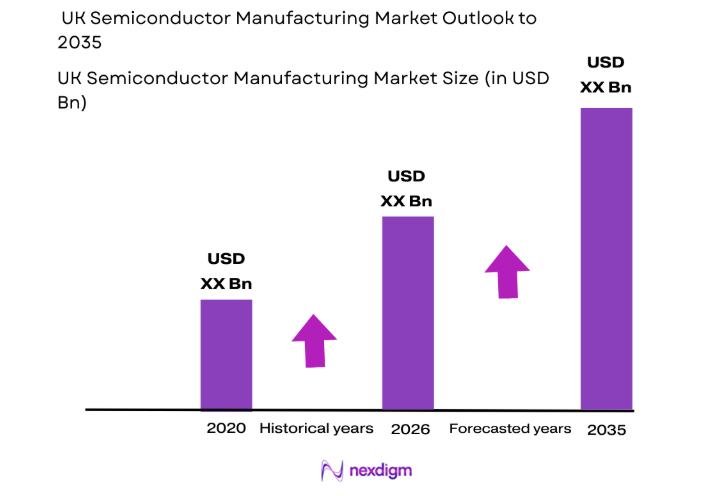
The UK Semiconductor Manufacturing market is projected to reach USD ~ billion in 2025, driven by the growing demand for semiconductor devices in industries such as automotive, telecommunications, and consumer electronics. The increasing reliance on semiconductors for technologies like 5G, electric vehicles, and IoT devices is propelling market growth. Additionally, the UK’s emphasis on strengthening its semiconductor supply chain through government initiatives and private-sector investments is further accelerating the adoption of advanced semiconductor manufacturing technologies.
Key regions such as Cambridge, Manchester, and London dominate the UK’s semiconductor manufacturing landscape due to their robust research and development ecosystems, access to skilled labor, and proximity to key industry players. Cambridge, in particular, is known for its thriving tech and semiconductor industry, with numerous startups and academic institutions contributing to innovation in semiconductor technologies. Additionally, government policies focused on supporting high-tech industries in these regions have facilitated the growth of the semiconductor manufacturing sector in the UK.
Market Segmentation
By Product Type
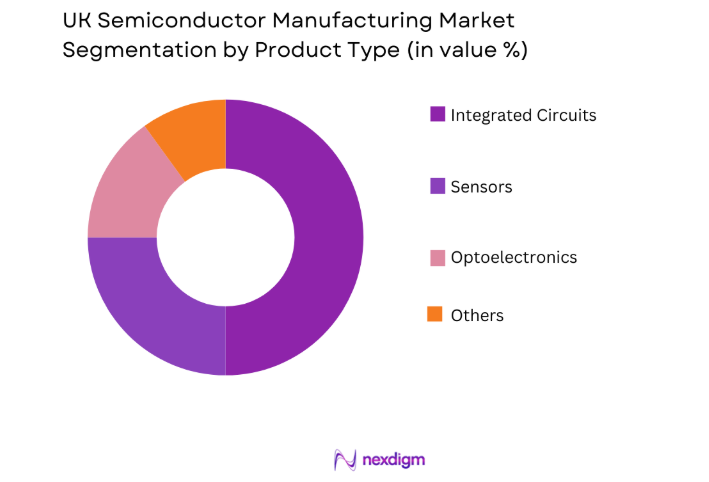
The UK Semiconductor Manufacturing market is segmented by product type into integrated circuits, sensors, optoelectronics, and others. Recently, integrated circuits (ICs) have captured the dominant market share due to their critical role in nearly all modern electronic devices. The increasing use of ICs in consumer electronics, telecommunications, automotive systems, and IoT applications has propelled their demand. Moreover, advancements in IC technology, such as the development of smaller, more efficient chips with higher processing power, have driven the widespread adoption of ICs across various sectors. The demand for ICs is expected to remain robust as industries continue to integrate more advanced semiconductor technologies into their products.
By End-User Industry
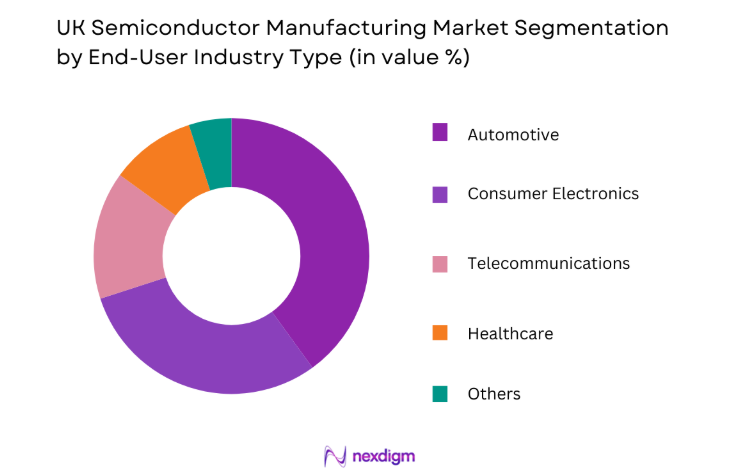
The UK Semiconductor Manufacturing market is segmented by end-user industry into automotive, consumer electronics, telecommunications, healthcare, and others. The automotive industry holds a dominant market share due to the increasing integration of semiconductors in electric vehicles (EVs), advanced driver-assistance systems (ADAS), and autonomous driving technologies. As automakers strive to meet the growing demand for electric and smart vehicles, the need for high-performance semiconductor components has surged. Additionally, the push for energy-efficient vehicles has further accelerated the adoption of semiconductor technologies, particularly in power management and battery systems, making the automotive sector a key driver in the market.
Competitive Landscape
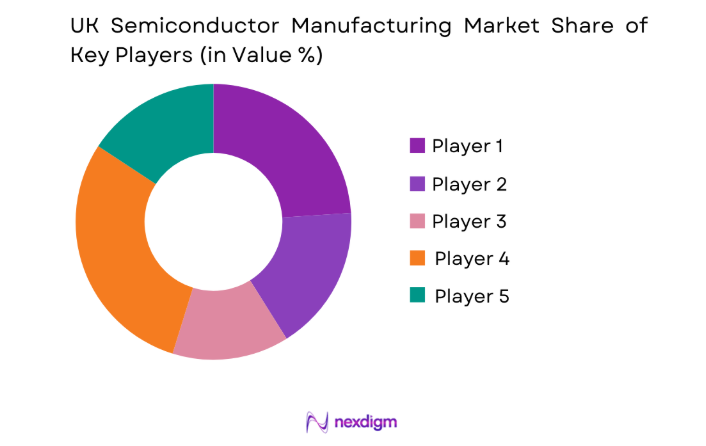
The UK Semiconductor Manufacturing market is highly competitive, with a mix of established global players and emerging local companies contributing to the market’s growth. Major multinational semiconductor manufacturers, as well as local startups, are focusing on innovation, strategic partnerships, and investments in R&D to drive their market share. Additionally, the UK government’s push to strengthen its semiconductor industry through funding and policy support has led to increased competition and consolidation among market participants. The growing emphasis on automation and AI-driven semiconductor manufacturing processes is further intensifying competition in the sector.
| Company Name | Establishment Year | Headquarters | Technology Focus | Market Reach | Key Products | Revenue | Additional Parameter |
| ARM Holdings | 1990 | Cambridge, UK | ~ | ~ | ~ | ~ | ~ |
| Dialog Semiconductor | 1981 | London, UK | ~ | ~ | ~ | ~ | ~ |
| Imagination Technologies | 1985 | Kings Langley, UK | ~ | ~ | ~ | ~ | ~ |
| IQE plc | 1988 | Cardiff, UK | ~ | ~ | ~ | ~ | ~ |
| Microchip Technology | 1989 | Chandler, USA | ~ | ~ | ~ | ~ | ~ |
UK Semiconductor Manufacturing Market Analysis
Growth Drivers
Rising Demand for Electric Vehicles
The rising demand for electric vehicles (EVs) is a significant growth driver for the UK Semiconductor Manufacturing market. As the automotive industry shifts toward electric and autonomous vehicles, the need for advanced semiconductor components in areas such as power management, battery systems, and autonomous driving technologies is growing rapidly. Semiconductors play a critical role in EV powertrains, energy-efficient systems, and in-cabin electronics, making them indispensable for the development of next-generation vehicles. The UK government’s commitment to reducing carbon emissions and promoting sustainable transportation is driving the demand for EVs, further fueling the growth of semiconductor components used in these vehicles. Additionally, the growing adoption of advanced driver-assistance systems (ADAS) and electric powertrains, which rely heavily on semiconductors, is creating opportunities for semiconductor manufacturers to expand their product offerings and capture a larger share of the automotive market.
Advancements in 5G and Telecommunications
The rapid advancements in 5G technology are driving growth in the UK Semiconductor Manufacturing market. As telecom providers roll out 5G networks, the demand for high-performance semiconductors that support higher data transmission speeds and improved connectivity is increasing. Semiconductor devices, such as RF components, microprocessors, and sensors, are crucial for the development and deployment of 5G infrastructure and devices. Additionally, the need for low-latency communication and enhanced connectivity in IoT applications, such as smart cities and autonomous vehicles, is further accelerating the demand for semiconductor technologies. As the UK government continues to invest in 5G infrastructure and digital connectivity, semiconductor manufacturers will benefit from increased demand for next-generation communication components. The UK’s strategic focus on becoming a global leader in 5G technology and digital infrastructure will continue to support the growth of the semiconductor market.
Market Challenges
Supply Chain Disruptions and Component Shortages
Supply chain disruptions and component shortages have emerged as significant challenges in the UK Semiconductor Manufacturing market. The global semiconductor supply chain has been under pressure due to the COVID-19 pandemic, geopolitical tensions, and increased demand from industries such as automotive and consumer electronics. These disruptions have led to delays in the production of semiconductors, causing shortages that affect the manufacturing of various electronic devices. For the UK, these supply chain challenges have hindered the ability to meet demand, particularly for advanced semiconductor components used in critical sectors like telecommunications and automotive. The limited availability of raw materials, coupled with logistical bottlenecks, has increased production costs and extended lead times for semiconductor manufacturers. As a result, companies face difficulties in scaling production and meeting customer demands, which could impede the growth of the market in the short term.
High Research and Development Costs
The high costs associated with research and development (R&D) in the semiconductor manufacturing sector pose a challenge for companies operating in the UK market. Developing advanced semiconductor technologies, such as 5G components, AI-driven chips, and optoelectronic devices, requires significant investment in R&D, including expensive testing, prototyping, and material sourcing. Additionally, the rapid pace of technological advancements in the semiconductor industry necessitates continuous innovation, which requires sustained financial resources. For smaller semiconductor manufacturers and startups, these high R&D costs can be a barrier to entry and expansion. The need to balance R&D spending with profitability may hinder smaller firms from competing effectively with larger, established players in the market. While large semiconductor companies often have the financial resources to fund extensive R&D, smaller firms may struggle to secure the funding needed to develop cutting-edge technologies.
Opportunities
Growth of Internet of Things (IoT) Devices
The growing adoption of Internet of Things (IoT) devices presents a significant opportunity for the UK Semiconductor Manufacturing market. IoT devices, ranging from smart home systems to industrial sensors and medical devices, rely heavily on semiconductor components to enable connectivity, data processing, and energy efficiency. The increasing demand for IoT-enabled devices in sectors such as healthcare, automotive, and consumer electronics is driving the need for advanced semiconductors. As businesses and consumers continue to adopt smart devices, the demand for semiconductors that can support the connectivity, low power consumption, and high data throughput requirements of IoT applications will continue to rise. Additionally, the UK government’s push towards smart cities and digital transformation will create further opportunities for semiconductor manufacturers to provide IoT solutions that enhance urban infrastructure, healthcare, and energy management systems.
Advancements in Semiconductor Manufacturing Technologies
Advancements in semiconductor manufacturing technologies, such as extreme ultraviolet (EUV) lithography, quantum computing, and 3D chip stacking, offer significant opportunities for growth in the UK Semiconductor Manufacturing market. These technologies allow for the production of smaller, more powerful, and energy-efficient semiconductor components, which are critical for applications such as AI, 5G, and high-performance computing. As demand for faster processing speeds and improved energy efficiency increases across industries, the need for next-generation semiconductor manufacturing technologies will grow. The UK’s focus on becoming a leader in high-tech manufacturing, coupled with ongoing investments in R&D and infrastructure, positions it well to capitalize on these advancements. Semiconductor manufacturers that invest in cutting-edge manufacturing technologies will be able to differentiate themselves in the market and capture a larger share of the growing demand for advanced semiconductor devices.
Future Outlook
The future outlook for the UK Semiconductor Manufacturing market is positive, with significant growth expected over the next five years. The market will be driven by the increasing demand for semiconductor components in industries such as automotive, telecommunications, and IoT. Technological advancements in areas such as 5G, AI, and quantum computing will continue to shape the future of semiconductor manufacturing. Additionally, government initiatives aimed at strengthening the UK’s semiconductor industry and supporting digital transformation will provide a favorable environment for market growth. As demand for advanced semiconductor technologies continues to rise, the market will experience further innovation, driving the development of new semiconductor solutions to meet the evolving needs of industries.
Major Players
- ARM Holdings
- Dialog Semiconductor
- Imagination Technologies
- IQE plc
- Microchip Technology
- Broadcom
- Qualcomm
- Intel
- Texas Instruments
- NXP Semiconductors
- STMicroelectronics
- Infineon Technologies
- TSMC
- Samsung Electronics
- GlobalFoundries
Key Target Audience
- Investments and venture capitalist firms
- Government and regulatory bodies
- Semiconductor manufacturers
- Telecommunications companies
- Automotive manufacturers
- Consumer electronics firms
- IoT device manufacturers
Research Methodology
Step 1: Identification of Key Variables
Key market drivers, challenges, and trends are identified, focusing on factors such as technological advancements, market demand, and regulatory policies.
Step 2: Market Analysis and Construction
An in-depth analysis of market segmentation, competition, and industry dynamics is conducted to build a comprehensive market model.
Step 3: Hypothesis Validation and Expert Consultation
Industry experts and stakeholders provide feedback to validate assumptions and refine the research findings.
Step 4: Research Synthesis and Final Output
The research findings are synthesized into a final report, providing actionable insights and strategic recommendations for stakeholders in the UK Semiconductor Manufacturing market.

- Executive Summary
- Research Methodology (Definitions, Scope, Industry Assumptions, Market Sizing Approach, Primary & Secondary Research Framework, Data Collection & Verification Protocol, Analytic Models & Forecast Methodology, Limitations & Research Validity Checks)

- Market Definition and Scope
- Value Chain & Stakeholder Ecosystem
- Regulatory / Certification Landscape
- Sector Dynamics Affecting Demand

- Growth Drivers
Rising Demand for Consumer Electronics Driving Semiconductor Production
Increased Investment in 5G Networks and Infrastructure
Government Initiatives to Boost Domestic Semiconductor Manufacturing - Market Challenges
High Capital Investment Requirements for Semiconductor Fabrication
Supply Chain Disruptions Affecting Semiconductor Availability
Challenges in Keeping Up with Rapid Technological Advancements in Semiconductor Design - Market Opportunities
Growth in Electric Vehicle Production and Automotive Electronics
Expanding Semiconductor Applications in IoT and Smart Devices
Potential for Increased Semiconductor Manufacturing in the UK Post-Brexit - Trends
Advancements in Semiconductor Packaging Technologies
Increased Adoption of Artificial Intelligence in Semiconductor Design and Production - Government Regulations
- SWOT Analysis
- Porter’s Five Forces

- By Market Value, 2020-2025
- By Installed Units, 2020-2025
- By Average System Price, 2020-2025
- By System Complexity Tier, 2020-2025

- By System Type (In Value%)
Wafer Fabrication Equipment
Semiconductor Assembly and Packaging Equipment
Semiconductor Testing Equipment
Raw Materials for Semiconductor Manufacturing
Photomasks and Lithography Systems - By Platform Type (In Value%)
Consumer Electronics Manufacturing
Automotive Electronics Manufacturing
Telecommunications and Data Center Manufacturing
Industrial Electronics Manufacturing - By Fitment Type (In Value%)
New Semiconductor Manufacturing Installations
Retrofit and Upgraded Semiconductor Equipment
Outsourced Semiconductor Manufacturing Services
Integrated Semiconductor Manufacturing Facilities - By End User Segment (In Value%)
Electronics Manufacturers
Automotive Industry
Telecommunications Providers
Industrial Equipment Manufacturers

- Market Share Analysis
- Cross Comparison Parameters (Production Capacity, Wafer Size Compatibility, Equipment Integration, Materials Sourcing, Industry Focus, Pricing Flexibility, Innovation and R&D Capability)
- SWOT Analysis of Key Competitors
- Pricing & Procurement Analysis
- Key Players
ASM International
ASML Holding
Applied Materials
Tokyo Electron Limited
Lam Research
KLA Corporation
Samsung Electronics
Intel Corporation
Micron Technology
GlobalFoundries
Texas Instruments
Qualcomm
STMicroelectronics
Broadcom
Renesas Electronics

- Electronics Manufacturers Scaling Up Semiconductor Production
- Automotive Industry Shifting Towards More Semiconductor-Dependent Technologies
- Telecommunications Companies Boosting Demand for Semiconductors in 5G
- Industrial Equipment Manufacturers Incorporating Advanced Semiconductor Components

- Forecast Market Value, 2026-2035
- Forecast Installed Units, 2026-2035
- Price Forecast by System Tier, 2026-2035
- Future Demand by Platform, 2026-2035


 Request a Sample
 Ask for Customization
 Get a Quote
 Enquire Now