
 Download PDF
Market Overview
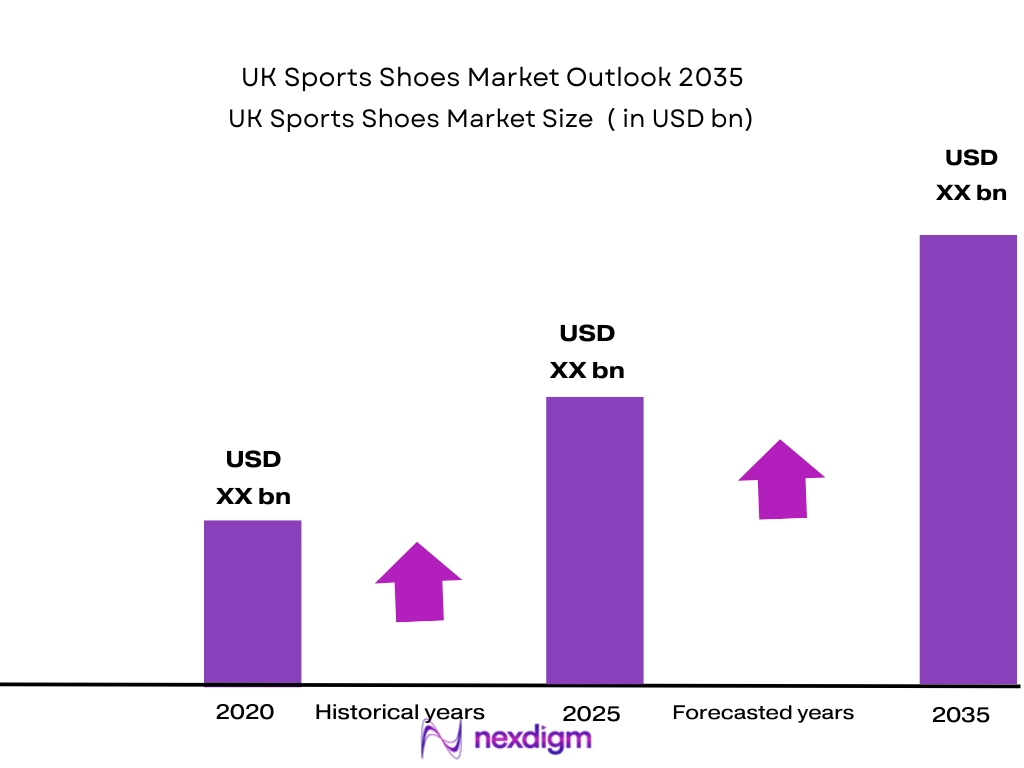
The UK sports shoes market is valued at USD ~ billion in 2025, reflecting steady growth from USD 9.2 billion in 2024. The market expansion is primarily driven by rising consumer awareness about fitness and health, increased participation in recreational and competitive sports, and the growing influence of athleisure fashion. Additionally, technological innovations in footwear, such as smart shoes, lightweight materials, and performance-enhancing designs, are fueling demand, resulting in higher average selling prices across premium and mid-tier segments.
Major cities such as London, Manchester, and Birmingham dominate the UK sports shoes market due to their dense urban population, higher disposable incomes, and a strong presence of retail chains, flagship brand stores, and e-commerce penetration. These cities also host key sporting events and have widespread fitness facilities, driving frequent purchases and brand loyalty. International brands prioritize these metropolitan regions for product launches and marketing campaigns, making them central hubs of market activity.
Market Segmentation
By Product Type
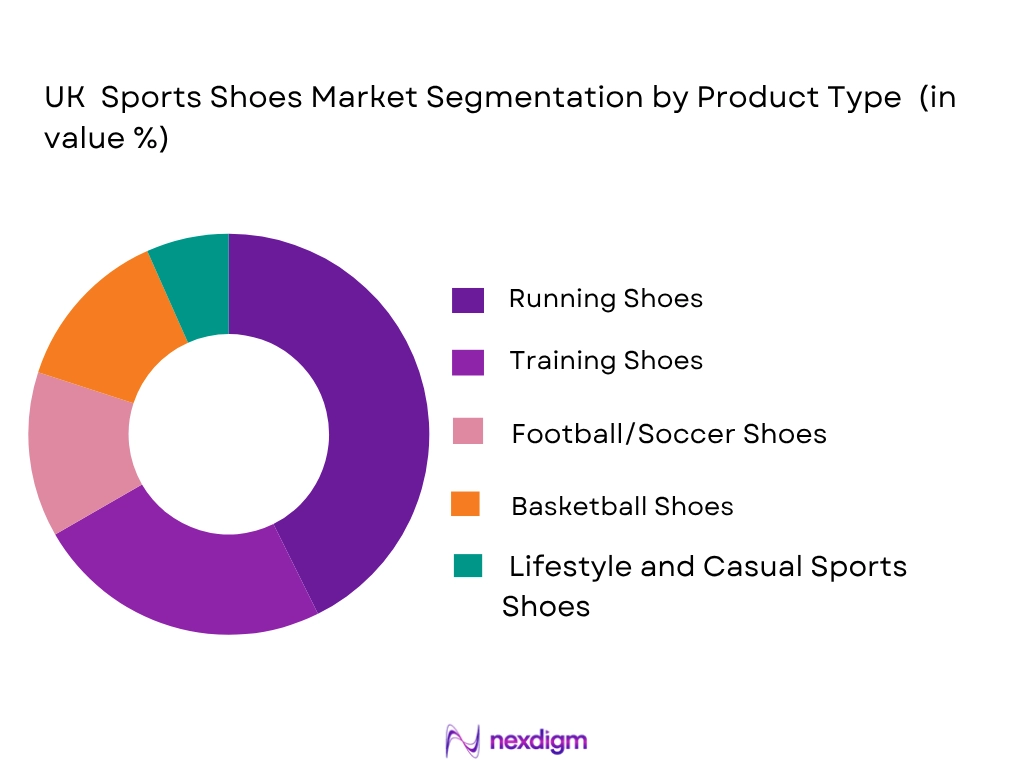
The UK sports shoes market is segmented by product type into running shoes, training and gym shoes, football and soccer shoes, basketball shoes, lifestyle and casual sports shoes, and other sports shoes. Recently, running shoes have maintained a dominant market share, driven by a combination of health-conscious consumers and the popularity of running clubs, marathons, and recreational events. Major brands focus on offering comfort, cushioning, and innovative features for running, further boosting their adoption. The versatility of running shoes for both outdoor activities and casual wear also contributes to their continued dominance.
By Material Type
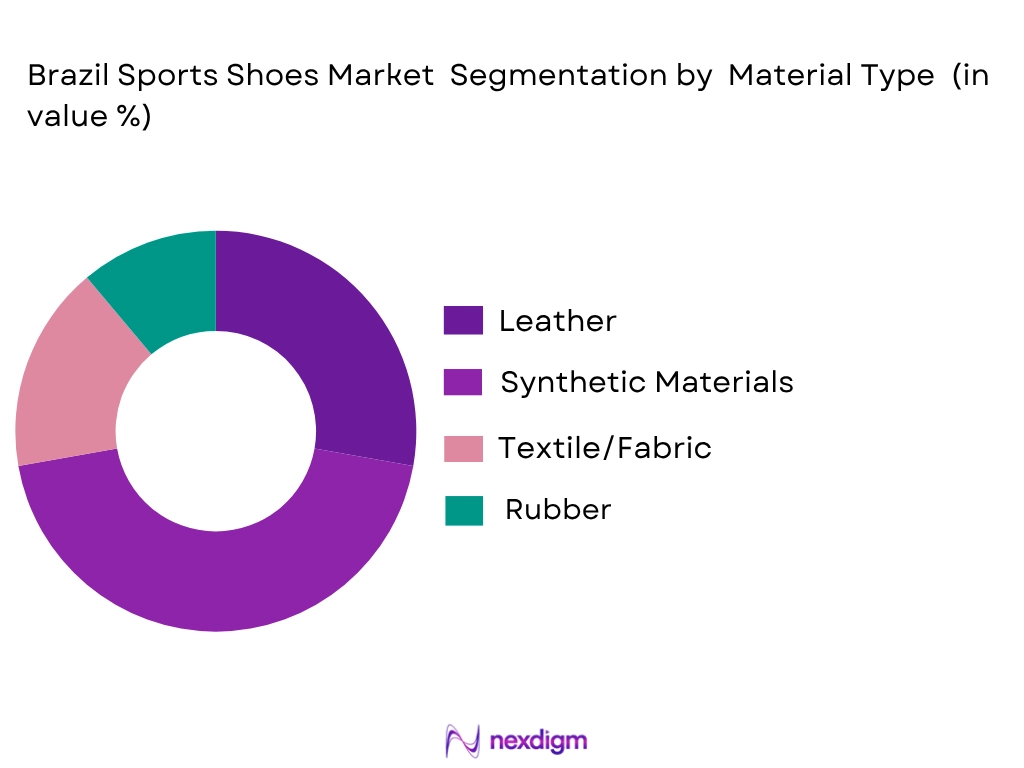
The UK sports shoes market is segmented by material type into leather, synthetic materials, textiles, and rubber & foam. Synthetic materials dominate this segment due to their affordability, versatility, and ability to support advanced design technologies such as lightweight construction and breathability. Footwear made from synthetic materials also accommodates customization for performance needs, such as running, training, and outdoor activities, making it the preferred choice among both professional athletes and recreational users. Brands continuously innovate in synthetic materials to enhance comfort and durability, sustaining their strong market position.
Competitive Landscape
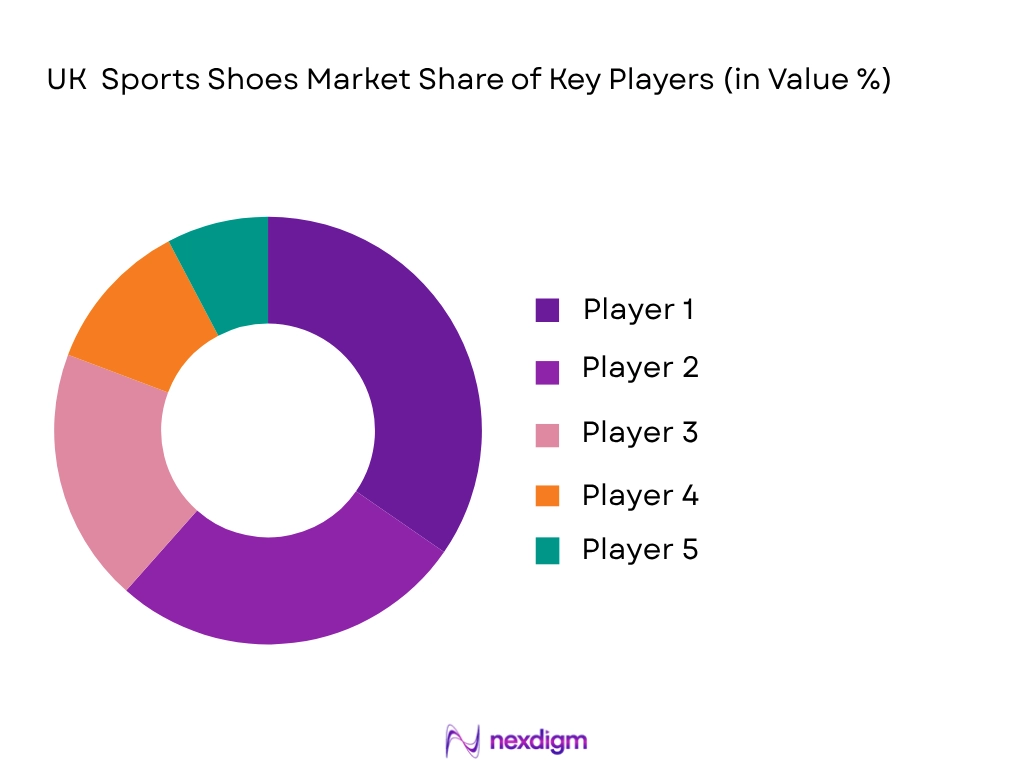
The UK sports shoes market is dominated by global brands such as Nike, Adidas, Puma, and Under Armour, alongside domestic players. The market’s consolidation around these key players highlights the influence of brand recognition, innovation in performance footwear, and extensive distribution networks that include flagship stores, e-commerce platforms, and partnerships with sports institutions.
| Company | Establishment Year | Headquarters | Revenue (USD Billion) | Revenue by Product Type (%) | Distribution Channels | Production Capacity | R&D Investment | Unique Value Offering |
| Nike Inc. | 1964 | Beaverton, USA | ~ | ~ | ~ | ~ | ~ | ~ |
| Adidas AG | 1949 | Herzogenaurach, Germany | ~ | ~ | ~ | ~ | ~ | ~ |
| Puma SE | 1948 | Herzogenaurach, Germany | ~ | ~ | ~ | ~ | ~ | ~ |
| Under Armour Inc. | 1996 | Baltimore, USA | ~ | ~ | ~ | ~ | ~ | ~ |
| New Balance Athletics Inc. | 1906 | Boston, USA | ~ | ~ | ~ | ~ | ~ | ~ |
UK Sports Shoes Market Analysis
Growth Drivers
Increasing Fitness and Sports Awareness
In the United Kingdom, heightened awareness of health, wellness, and physical fitness is a key driver for sports shoe demand. Government initiatives, local community programs, and corporate wellness campaigns have promoted participation in running, cycling, gym workouts, and team sports. Consumers increasingly seek footwear that combines comfort, injury prevention, and performance optimization. Fitness apps and wearable devices further encourage regular activity, creating sustained demand for specialized sports shoes. The growing fitness culture has also elevated lifestyle-driven purchases, where consumers adopt athletic footwear for casual or everyday use. This dual demand—performance and lifestyle—provides opportunities for brands to expand their portfolios and cater to a broad demographic across age groups.
Technological Advancements in Sports Footwear
Technological innovation is reshaping the UK sports shoe market. Manufacturers are introducing lightweight, breathable materials, enhanced cushioning, and ergonomically optimized designs to improve performance and reduce injury risks. Smart shoes equipped with sensors for activity tracking and gait analysis are gaining popularity among athletes and tech-savvy fitness enthusiasts. Additionally, advanced manufacturing processes, such as 3D printing and adaptive sole designs, allow for improved fit, durability, and personalization. These innovations enable brands to differentiate products in a competitive market, justify premium pricing, and appeal to consumers seeking both functional and high-tech footwear. The continuous introduction of new technologies stimulates repeat purchases and brand loyalty.
Market Challenges
High Cost of Advanced Sports Shoes
The premium pricing of technologically advanced sports shoes remains a significant challenge in the UK market. Shoes featuring performance-enhancing materials, smart sensors, or custom designs are often expensive, limiting accessibility for cost-sensitive consumers. Seasonal discounts or promotions can partially mitigate this, but high prices may drive buyers toward cheaper alternatives or counterfeit products. Import duties and logistics costs further inflate retail pricing. Brands must balance innovation with affordability and communicate the added value effectively. Failure to do so risks restricting market penetration, particularly among younger consumers and casual fitness enthusiasts, where price sensitivity is high, potentially impacting overall sales volumes and long-term brand loyalty.
Seasonal and Weather-Dependent Demand
Sports shoe sales in the UK are strongly influenced by seasonal and weather conditions. Demand tends to peak during summer months or around major sporting events, while colder and wetter periods can reduce consumer interest in outdoor athletic footwear. Seasonal fluctuations pose challenges for inventory management, cash flow, and production planning. Brands must forecast demand accurately and adopt flexible supply chain strategies to avoid overstocking or stockouts. Weather-resistant designs, multi-season footwear, and targeted promotions can partially mitigate these fluctuations. However, unpredictable weather patterns and changing consumer behavior continue to create uncertainty, requiring proactive marketing and operational agility to sustain sales throughout the year.
Opportunities
Expansion of Eco-Friendly and Sustainable Footwear
Growing environmental consciousness among UK consumers is driving demand for sustainable sports shoes. Brands can leverage eco-friendly materials such as recycled plastics, natural fibers, and biodegradable components, as well as implement ethical manufacturing practices. Sustainability initiatives resonate strongly with younger and environmentally conscious demographics, providing both brand differentiation and premium pricing potential. Partnerships with environmental organizations or certification programs further enhance credibility. The increasing regulatory focus on reducing environmental impact also encourages manufacturers to innovate responsibly. Expanding the sustainable footwear segment presents a strategic opportunity to align market growth with broader social responsibility trends, strengthening consumer trust and loyalty.
Digitalization and Integration of Smart Shoes
The UK market is increasingly adopting digital and connected footwear solutions. Smart sports shoes equipped with sensors, GPS tracking, and integrated fitness analytics allow consumers to monitor performance metrics such as distance, pace, and energy expenditure in real time. Integration with mobile apps enhances personalization, goal tracking, and engagement. These products appeal to tech-savvy athletes, fitness enthusiasts, and health-conscious consumers seeking data-driven insights. Furthermore, digital customization tools allow users to design shoes based on performance needs and personal style preferences. As wearable technology adoption rises, smart footwear offers a high-value growth segment and an opportunity for brands to create recurring revenue through app subscriptions and integrated digital services.
Future Outlook
Over the next decade, the UK sports shoes market is expected to demonstrate sustained growth, driven by continued consumer adoption of fitness lifestyles, the rise of athleisure, and technological advancements in footwear. Increasing investment in digital channels, such as e-commerce and mobile apps, will enhance accessibility and consumer engagement. Additionally, the integration of smart shoes, sustainable materials, and personalized products is likely to reshape purchasing behavior and drive premiumization in the market. These factors collectively support a forecasted CAGR of 5.2% for the period 2024–2030.
Major Players
- Nike Inc.
- Adidas AG
- Puma SE
- Under Armour Inc.
- Reebok International Ltd.
- New Balance Athletics Inc.
- Skechers USA Inc.
- ASICS Corporation
- Converse Inc.
- Vans Inc.
- Fila Holdings Corp.
- Salomon Group
- Brooks Sports Inc.
- Mizuno Corporation
- Hoka One One
Key Target Audience
- Brand Managers and Product Strategists
- Retail Chain Decision Makers
- Sports and Fitness Clubs Procurement Heads
- E-commerce Platform Managers
- Investments and Venture Capitalist Firms
- Government and Regulatory Bodies (Department for Digital, Culture, Media & Sport, UK)
- Athlete Endorsement and Sponsorship Managers
- Footwear and Material Suppliers
Research Methodology
Step 1: Identification of Key Variables
The initial phase involves constructing an ecosystem map encompassing all major stakeholders within the UK Sports Shoes Market. Extensive desk research, utilizing both secondary and proprietary databases, is conducted to identify key variables impacting market dynamics, including consumer behavior, product innovations, and distribution patterns.
Step 2: Market Analysis and Construction
Historical data on sales, product adoption, and market penetration is compiled and analyzed. Performance metrics for product types, material categories, and distribution channels are evaluated to determine revenue contributions and growth patterns. The reliability of this analysis is ensured through cross-verification with market intelligence sources.
Step 3: Hypothesis Validation and Expert Consultation
Market hypotheses are formulated and validated via interviews with industry professionals, including footwear brand executives, retailers, and sports club managers. This approach provides insights into operational, strategic, and financial trends that refine market estimates.
Step 4: Research Synthesis and Final Output
Data from primary and secondary research is synthesized to generate comprehensive forecasts. Engagement with footwear manufacturers and distributors ensures validation of findings related to product performance, sales trends, and consumer preferences, resulting in a credible market assessment.

- Executive Summary
- Research Methodology (Market Definitions and Assumptions, Abbreviations, Market Sizing Approach, Consolidated Research Approach, Understanding Market Potential Through In-Depth Industry Interviews, Primary Research Approach, Limitations and Future Conclusions)

- Definition and Scope
- Market Dynamics Overview
- Market Genesis and Evolution
- Key Players and Market Timeline
- Business Cycle and Trends
- Supply Chain and Value Chain Analysis

- Growth Drivers
Increasing Fitness and Sports Awareness
Technological Advancements in Sports Footwear
Growth of Sports Events and Fitness Tourism
Rising Disposable Income and Spending on Sportswear
Innovations in Custom and Performance Footwear - Market Challenges
High Cost of Advanced Sports Shoes
Seasonal and Weather-Dependent Demand
Environmental Impact and Sustainability Concerns
Intense Competition from Local and Global Brands
Regulatory Challenges and Standards Compliance - Opportunities
Expansion of Eco-Friendly and Sustainable Footwear
Digitalization and Integration of Smart Shoes
Growth in Indoor Sports and Home Fitness Footwear
Rise in Women’s and Youth Participation in Sports
Expansion of Subscription and Rental Models for Sports Shoes - Trends
Shift Toward Lightweight and Breathable Footwear
Custom-Fitting and Personalization
Emergence of Sports Performance Apparel Integration
Integration of Data Analytics and AI in Smart Shoes
Increasing Popularity of Mobile Fitness and Tracking Apps - Government Regulations
Import and Export Regulations
Health and Safety Standards for Sports Footwear
Environmental Regulations (Sustainability and Recyclability)
Sports Equipment Standards and Certification
Taxation and Import Duties on Sports Shoes
- SWOT Analysis
- Porter’s Five Forces

- By Value, 2020–2025
- By Volume, 2020–2025
- By Average Price, 2020–2025

- By Product Type (In Value %)
Running Shoes
Training and Gym Shoes
Football and Soccer Shoes
Basketball Shoes
Lifestyle and Casual Sports Shoes - By Material Type (In Value %)
Leather
Synthetic Materials
Textiles
Rubber and Foam - By Usage Type (In Value %)
Professional/Competitive Sports
Recreational Sports - By End User (In Value %)
Individual Consumers
Sports Clubs and Institutions
Retailers
Online Consumers - By Distribution Channel (In Value %)
Direct Sales (Brand Stores, Flagship Stores)
Distributors and Wholesalers
Online Channels (E-commerce Websites)
Retail Chains (Sporting Goods Stores) - By Price Tier (In Value %)
Economy / Entry-Level
Mid-Tier
Premium / High-End

- Market Share of Major Players by Value/Volume
- Market Share of Major Players by Product Type
- Market Share of Major Players by Material Type
- Cross Comparison Parameters (Company Overview, Business Strategies, Recent Developments, Strength, Weakness, Organizational Structure, Revenues, Revenues by Product Type, Distribution Channels, Dealer Networks, Production Capacity, Unique Value Offerings)
- SWOT Analysis of Major Players
- Pricing Analysis Based on Product Categories for Major Players
- Detailed Profiles of Major Companies
Nike Inc.
Adidas AG
Puma SE
Under Armour Inc.
Reebok International Ltd.
New Balance Athletics Inc.
Skechers USA Inc.
ASICS Corporation
Converse Inc.
Vans Inc.
Fila Holdings Corp.
Salomon Group
Brooks Sports Inc.
Mizuno Corporation
Hoka One One

- Market Demand and Utilization
- Purchasing Power and Budget Allocations
- Regulatory and Compliance Requirements
- Needs, Desires, and Pain Point Analysis
- Decision-Making Process

- By Value, 2026–2035
- By Volume, 2026–2035
- By Average Price, 2026–2035


 Request a Sample
 Ask for Customization
 Get a Quote
 Enquire Now