

 Download PDF
Market Overview
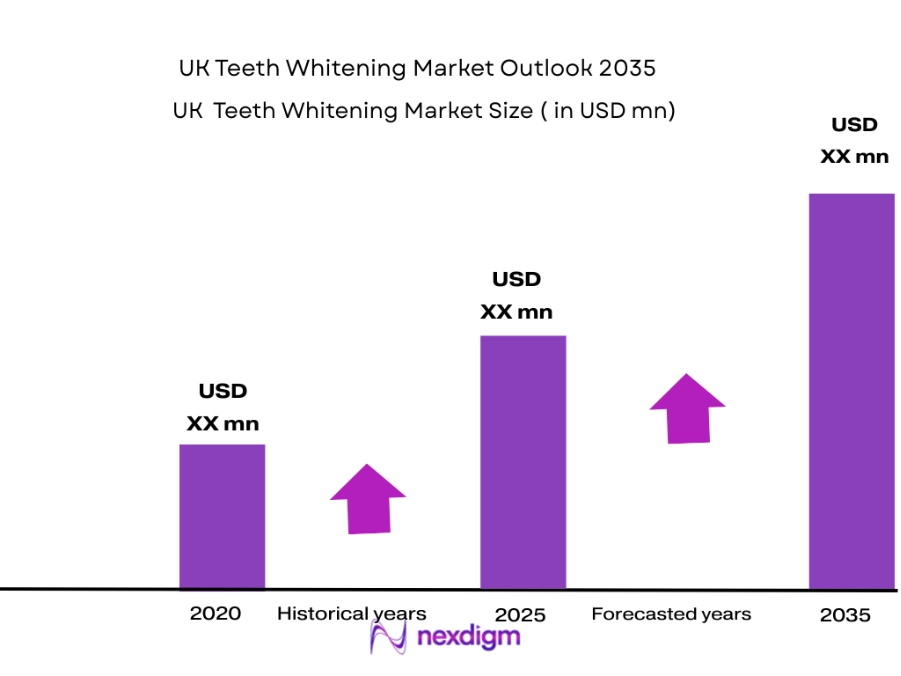
The UK teeth whitening market is valued at USD ~ million in revenue, according to authenticated industry market data, reflecting a rising consumer preference for cosmetic dental care and aesthetic oral products. The market’s growth in 2024 is driven by expanding at‑home whitening solutions, wider availability through retail and online channels, and increasing demand for daily cosmetic products such as toothpaste and gels that provide visible whitening benefits.
Market growth is prominently led by major urban population centers such as London, Manchester, Birmingham, and Glasgow, where disposable incomes are higher and beauty and wellness spending is more prevalent. These cities also have dense networks of cosmetic dental clinics and retail outlets offering professional whitening services and over‑the‑counter products, supporting sustained consumer demand in these core UK regions.
Market Segmentation
By Product Type
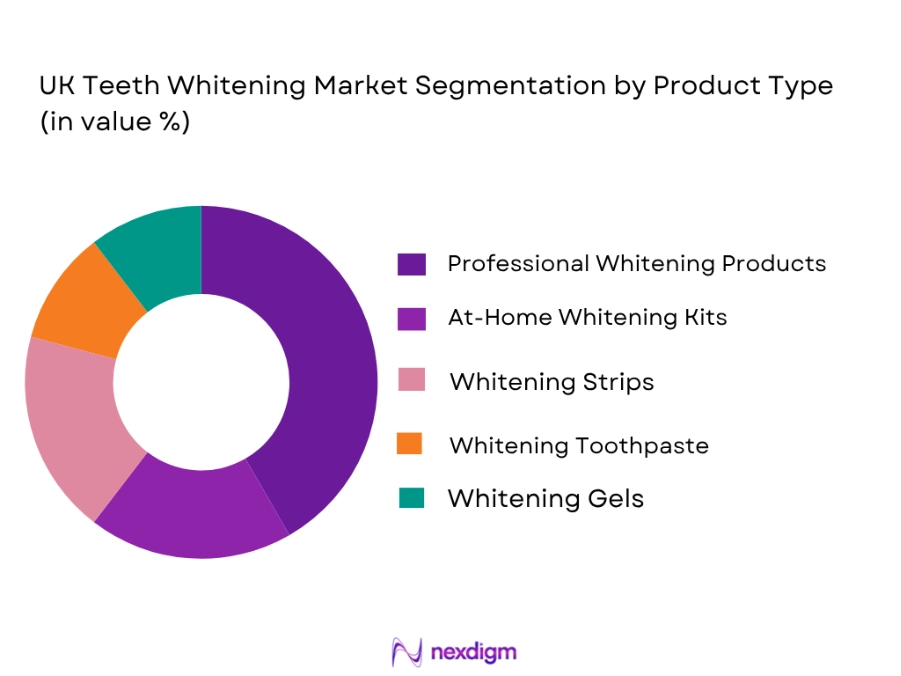
Under the By Product Type segmentation, whitening toothpaste holds dominance in the UK teeth whitening market, capturing the largest share in 2024. This sub‑segment’s leadership is due to its wide consumer acceptance as a convenient, cost‑effective daily oral care solution that offers whitening benefits without the need for professional intervention. Major brands leverage strong shelf presence in supermarkets, pharmacies, and online platforms, making toothpaste products the most accessible option for average consumers. At‑home kits also maintain significant share driven by digital marketing and affordability relative to in‑clinic treatments.
By Distribution Channel
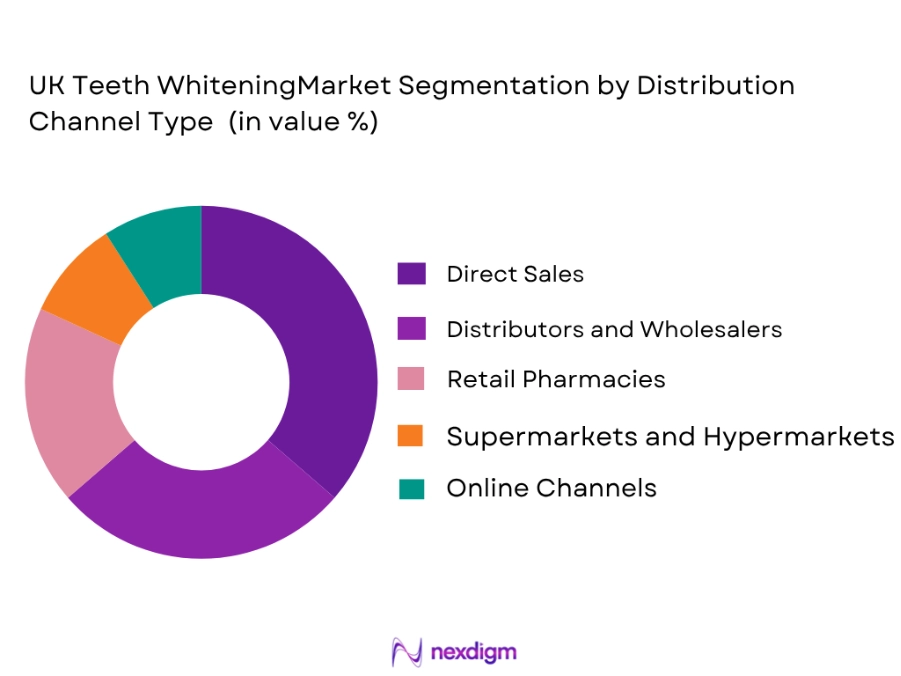
Under the By Distribution Channel category, retail pharmacies dominate the UK teeth whitening landscape in 2024 owing to their trusted role in oral care product distribution, convenient access for consumers, and professional recommendations by pharmacists. Retail pharmacies are widely available across towns and cities, enhancing product visibility and credibility compared to other channels. Online channels also hold a strong share as consumer preference for direct‑to‑consumer shopping increases, especially for at‑home kits and subscription‑based whitening products, supported by e‑commerce growth trends.
Competitive Landscape
The UK teeth whitening market displays moderate consolidation with several global and local brands shaping competitive dynamics. The market is influenced by leading oral care and consumer health companies introducing diversified whitening products, expanding across distribution channels, and leveraging brand equity to attract cosmetic‑oriented purchasers.
| Company | Establishment Year | Headquarters | Product Range | Channel Presence | UK Market Focus | Whitening Expertise | Brand Recognition |
| Colgate‑Palmolive | 1806 | New York, USA | ~ | ~ | ~ | ~ | ~ |
| GlaxoSmithKline | 2000* | London, UK | ~ | ~ | ~ | ~ | ~ |
| Unilever PLC | 1929 | London, UK | ~ | ~ | ~ | ~ | ~ |
| Procter & Gamble | 1837 | Ohio, USA | ~ | ~ | ~ | ~ | ~ |
| Church & Dwight | 1846 | New Jersey, USA | ~ | ~ | ~ | ~ | ~ |
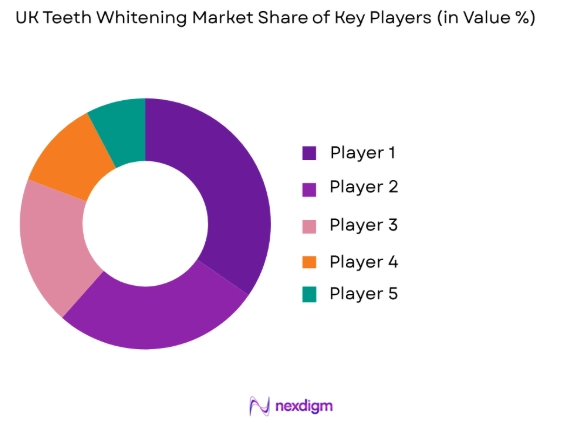
UK Teeth Whitening Market Analysis
Growth Drivers
Rising Awareness of Dental Aesthetics
In the UK, consumers increasingly recognize the impact of dental aesthetics on personal appearance and confidence. Educational campaigns, media coverage, and social influence have reinforced the importance of a bright smile. This awareness extends across age groups, from young adults seeking cosmetic improvements to older demographics looking to maintain dental health and appearance. The trend encourages both professional treatments and at-home whitening options. Dental practices and cosmetic clinics have capitalized on this growing consciousness by offering a range of whitening procedures. Consequently, demand for teeth whitening products and services has risen steadily, creating consistent market growth and opportunities for brands to educate consumers about safe and effective whitening methods.
Increasing Disposable Income and Spending on Personal Care
Rising disposable income in the UK has led to increased consumer spending on personal care and cosmetic products, including teeth whitening. As people prioritize self-care and aesthetic enhancement, they are willing to invest in both professional dental services and premium at-home whitening kits. Higher spending power enables adoption of advanced technologies, such as laser-assisted or LED-activated treatments, which offer faster and more effective results. This economic trend supports market expansion by allowing consumers to opt for higher-quality products and repeat treatments, strengthening brand loyalty and encouraging innovation among manufacturers and dental service providers seeking to meet evolving consumer expectations.
Market Challenges
Regulatory Compliance and Safety Concerns
The UK teeth whitening market faces strict regulatory oversight to ensure consumer safety. Products must comply with safety standards for hydrogen peroxide concentration and labeling requirements, creating hurdles for both manufacturers and dental service providers. Non-compliance can lead to fines, reputational damage, and product recalls. Additionally, concerns over tooth sensitivity and gum irritation require careful formulation and professional supervision. Companies must navigate these regulations while maintaining product efficacy and accessibility. Safety concerns also influence consumer trust, making education and transparent communication essential. Balancing innovation, regulatory compliance, and safe usage is a continual challenge that impacts market growth and brand credibility.
Price Sensitivity Among Consumers
Although disposable income is rising, UK consumers remain price-conscious, particularly for over-the-counter whitening products. High competition among local and international brands intensifies pressure on pricing and profitability. Many consumers compare costs across professional services, retail kits, and online alternatives, often favoring affordable solutions. Brands must differentiate through product efficacy, safety, convenience, and marketing while managing costs to maintain competitive pricing. Retailers and e-commerce platforms further influence pricing dynamics through discounts, bundles, and promotions. Sustaining profitability in such an environment requires careful balance between quality, innovation, and affordability, while building consumer trust in product effectiveness and safety.
Opportunities
Introduction of Innovative Whitening Technologies
There is significant potential for growth through the development and introduction of advanced whitening technologies in the UK market. Innovations such as LED-assisted gels, laser treatments, and enzyme-based formulations can offer faster, longer-lasting results while minimizing sensitivity. Professional clinics and at-home kits that incorporate these technologies provide a differentiated consumer experience. Additionally, research into natural and enamel-safe ingredients aligns with rising health-conscious consumer preferences. Innovative products can attract tech-savvy and aesthetically motivated consumers while supporting premium pricing strategies. Brands that invest in new whitening methods can capture market share, strengthen credibility, and position themselves as leaders in safe, effective, and modern dental care solutions.
Expansion of Online Retail and E-Commerce Platforms
The UK’s digital adoption presents opportunities for teeth whitening brands to expand through online retail and direct-to-consumer e-commerce channels. Consumers increasingly prefer purchasing oral care products online for convenience, product variety, and fast delivery. Digital channels also enable targeted marketing, personalized recommendations, and subscription-based sales models. At-home whitening kits are particularly suited for e-commerce growth, as busy consumers prioritize ease of use and accessibility. Expanding online presence allows brands to reach wider audiences, gather consumer data for insights, and offer exclusive product lines. This digital strategy can significantly enhance market penetration, brand visibility, and consumer engagement in the UK teeth whitening sector.
Future Outlook
Over the next decade the UK teeth whitening market is expected to demonstrate consistent growth owing to increasing aesthetic consciousness, rising disposable income levels and expanding preferences for at‑home teeth whitening products. Advances in formulation technologies, such as peroxide‑free gels and LED‑assisted light devices, along with growing online retail adoption, will further broaden consumer reach. Continuous marketing by major oral care brands and rising awareness of cosmetic trends through social media are anticipated to sustain market interest and diversification of product offerings.
Major Players
- Colgate‑Palmolive
- GlaxoSmithKline
- Unilever PLC
- Procter & Gamble
- Church & Dwight Co.
- Brodie & Stone
- Philips Oral Healthcare
- WhiteWash UK
- SmileDirectClub
- Beaming White
- Poladay Teeth Whitening
- The White Company
- Dental Beauty Ltd
- White Glo
- Marvis UK
Key Target Audience
- Large FMCG and consumer healthcare companies
- Dental clinic chains and cosmetic dentistry providers
- Retail pharmacy chains and supermarket oral care buyers
- E‑commerce platforms specializing in beauty and personal care
- Investments and venture capitalist firms (e.g. LDC, BGF)
- Government and regulatory bodies
- Beauty and wellness product distributors
- Private equity firms focused on health and personal care portfolios
Research Methodology
Step 1: Identification of Key Variables
The initial phase involved constructing an ecosystem map of all major stakeholders within the UK teeth whitening market. This step combined comprehensive desk research using secondary and proprietary industry databases to define critical variables influencing market dynamics.
Step 2: Market Analysis and Construction
Historical and current market revenue data was compiled and analyzed to assess revenue contribution by product and distribution segments. This included examining sales trends across professional services, retail purchases, and online channels to ensure robust market sizing.
Step 3: Hypothesis Validation and Expert Consultation
Market hypotheses were validated through expert interviews and discussions with industry practitioners, including product marketers and oral care professionals. These insights assisted in refining assumptions and corroborating revenue estimates.
Step 4: Research Synthesis and Final Output
Final analysis involved synthesis of verified data and engagement with leading manufacturers and distributors to validate competitive landscape insights and product segment performance, ensuring a comprehensive and validated UK market outlook.

- Executive Summary
- Research Methodology (Market Definitions and Assumptions, Abbreviations, Market Sizing Approach, Consolidated Research Approach, Understanding Market Potential Through In-Depth Industry Interviews, Primary Research Approach, Limitations and Future Conclusions)

- Definition and Scope
- Market Dynamics Overview
- Market Genesis
- Major Players and Market Timeline
- Business Cycle and Trends
- Supply Chain and Value Chain Analysis

- Growth Drivers
Rising Awareness of Dental Aesthetics
Increasing Disposable Income and Spending on Personal Care
Growing Influence of Social Media and Celebrity Endorsements
Expansion of Dental and Cosmetic Clinics - Market Challenges
Regulatory Compliance and Safety Concerns
Price Sensitivity Among Consumers
Potential Side Effects and Sensitivity Issues
High Competition Among Local and International Brands - Opportunities
Introduction of Innovative Whitening Technologies
Expansion of Online Retail and E-commerce Platforms
Increasing Demand for At-Home Whitening Solutions
Rising Adoption in Professional Dental Services - Key Trends
Shift toward safer and natural whitening products
Rising popularity of at-home teeth whitening kits
Integration of whitening treatments with overall dental care
Growth in e-commerce and direct-to-consumer sales - Government Regulations
- SWOT Analysis
- Porter’s Five Forces

- By Value, 2020–2025
- By Volume, 2020–2025
- By Average Price, 2020–2025

- By Product Type (In Value %)
Professional Whitening Products
At-Home Whitening Kits
Whitening Toothpaste
Whitening Strips
Whitening Gels - By Material/Ingredient Type (In Value %)
Hydrogen Peroxide
Carbamide Peroxide
Activated Charcoal
Other Ingredients - By Application (In Value %)
Dental Clinics
Beauty and Aesthetic Clinics
Retail Consumers
E-commerce Purchases - By Distribution Channel (In Value %)
Direct Sales
Distributors and Wholesalers
Retail Pharmacies
Online Channels - By Region (In Value %)
London
Manchester
Birmingham
Glasgow
Rest of UK

- Market Share of Major Players by Value/Volume
- Market Share of Major Players by Product Type
- Cross Comparison Parameters (Company Overview, Business Strategies, Recent Developments, Strength, Weakness, Organizational Structure, Revenues, Revenues by Product Type, Number of Touchpoints, Distribution Channels, Number of Dealers and Distributors, Margins, Production Plant, Capacity, Unique Value Offering and Others)
- SWOT Analysis of Major Players
- Pricing Analysis Based on Product Categories for Major Players
- Detailed Profiles of Major Companies
Crest (Procter & Gamble)
Colgate-Palmolive
GlaxoSmithKline (Sensodyne)
Church & Dwight Co.
Unilever
Philips Oral Healthcare
WhiteWash UK
Beaming White
SmileDirectClub
Poladay Teeth Whitening
The White Company
Dental Beauty Ltd
White Glo
Marvis UK

- Market Demand and Utilization
- Purchasing Power and Budget Allocations
- Regulatory and Compliance Requirements
- Needs, Desires, and Pain Point Analysis
- Decision-Making Process

- By Value, 2026–2035
- By Volume, 2026–2035
- By Average Price, 2026–2035


 Request a Sample
 Ask for Customization
 Get a Quote
 Enquire Now