

 Download PDF
Market Overview
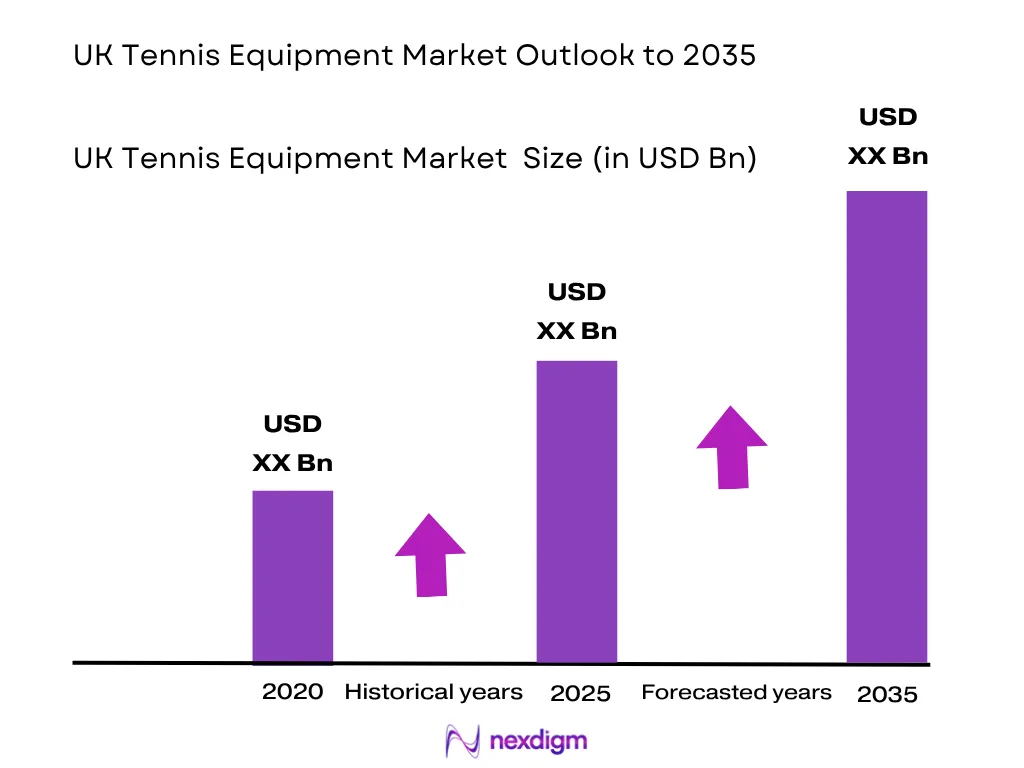
The UK tennis equipment market in 2025 is valued at approximately USD ~ billion, driven primarily by a steady increase in participation and improvements in tennis infrastructure. In 2024, over 1.7 million individuals played tennis, with increasing demand from both recreational and professional sectors. Growth in club memberships, a focus on youth tennis programs, and government investments in public courts have all contributed to the surge in equipment sales. Additionally, rising health consciousness and increased participation in outdoor sports, coupled with brand innovations, have supported the continued expansion of the market.
The UK’s tennis market is dominated by cities such as London, Manchester, and Birmingham. London’s prominence is attributed to its status as the hub of tennis culture, including the prestigious Wimbledon tournament. Additionally, its concentration of tennis clubs, high-income households, and access to international sports brands make it a key player in the market. Similarly, Manchester and Birmingham’s investments in tennis facilities and increasing participation rates further boost their dominance. These cities benefit from well-established sports infrastructures and access to key consumer segments, with London remaining a key center for high-end equipment sales.
Market Segmentation
By Product Type
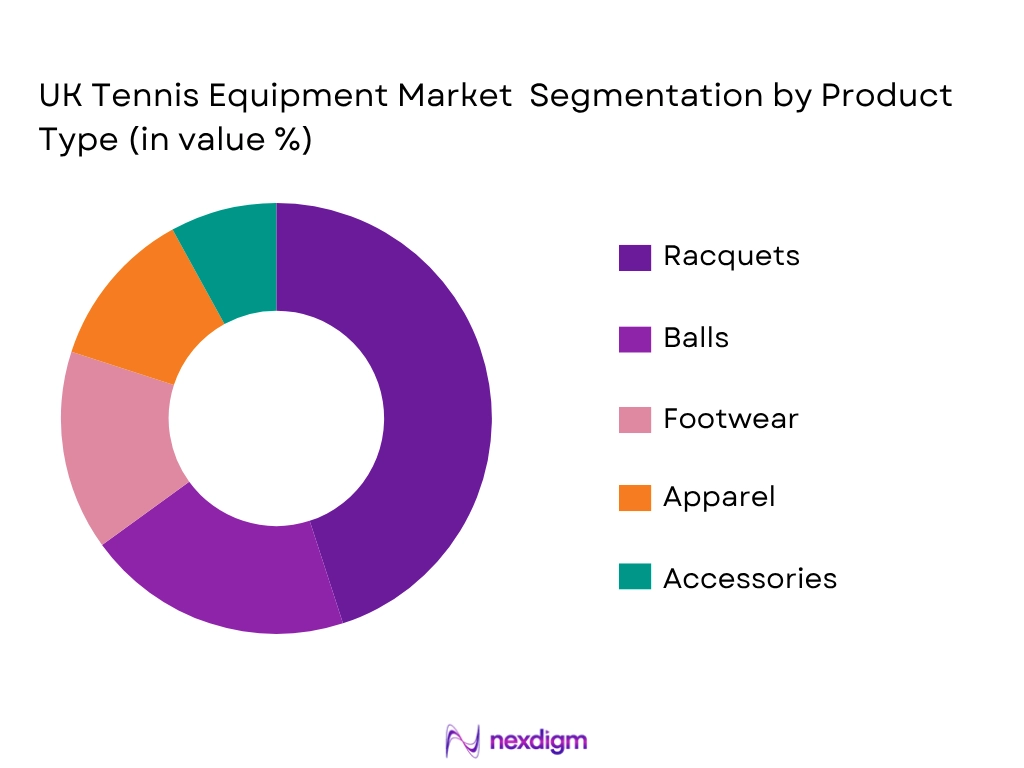
The UK tennis equipment market is segmented by product type into racquets, balls, footwear, apparel, and accessories. Among these, racquets hold the dominant share of the market due to their essential role in tennis. As of 2025, racquets account for around 45% of total market value. This segment’s dominance is attributed to the continual demand for improved racquet performance, technological innovation, and customization options. Brands like Wilson and Babolat have continued to innovate, launching racquets with advanced materials such as graphite and carbon fibre, which enhance durability and performance. The importance of racquets is also highlighted by sponsorship deals and endorsements from top tennis players, further cementing their role in the market’s growth.
By Distribution Channel
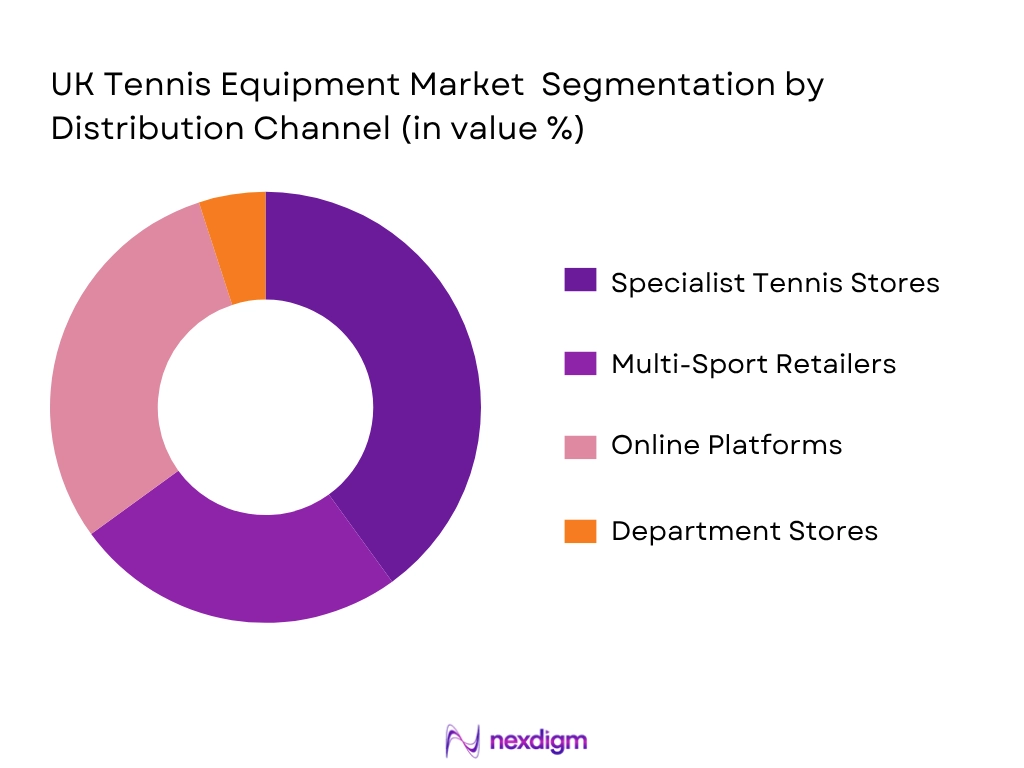
The UK tennis equipment market is also segmented by distribution channels, with significant contributions from specialist tennis stores, multi-sport retailers, online platforms, and department stores. In 2025, specialist tennis stores hold the largest share at 40%, as these stores provide a high level of expertise and offer an in-depth selection of products catering specifically to tennis players. Consumers prefer shopping at these stores due to their knowledgeable staff and tailored services such as racquet stringing. Online platforms are growing rapidly, particularly in the post-pandemic era, accounting for 30% of the market share in 2025, thanks to the convenience and extensive product range offered. The combination of traditional retail and e-commerce is expected to drive the market forward as the shopping experience continues to evolve.
Competitive Landscape
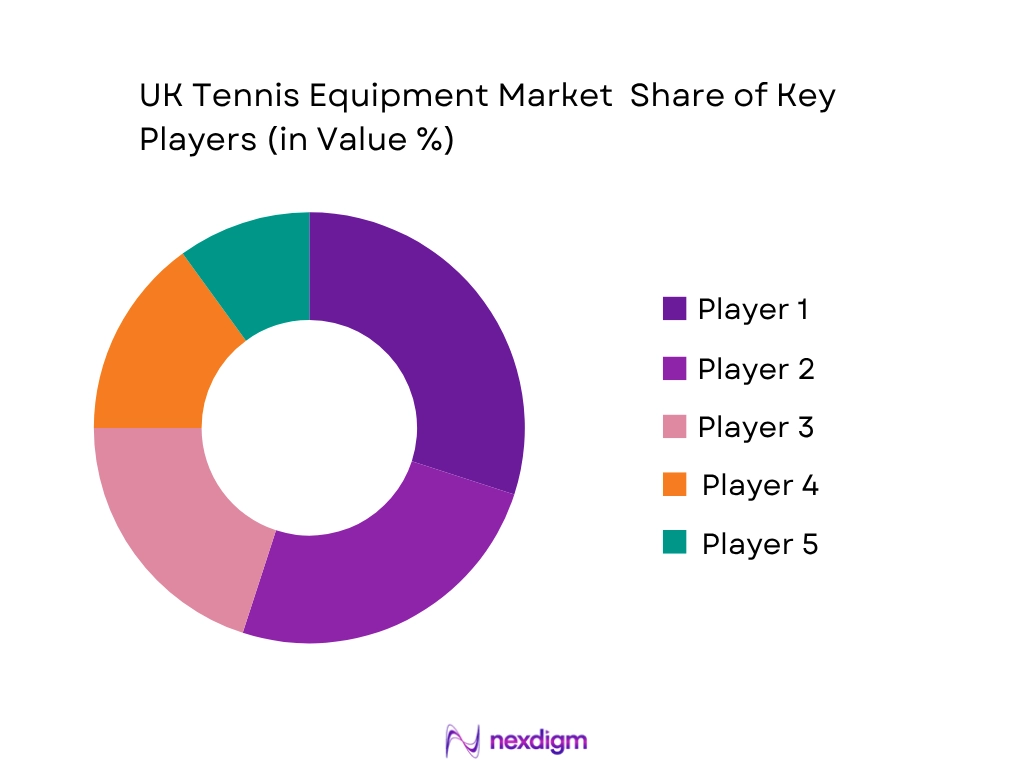
The UK tennis equipment market is consolidated, with a few key players dominating the landscape. Major global brands such as Wilson, HEAD, and Babolat continue to lead due to their strong brand presence, extensive distribution networks, and continuous innovation in product design. Additionally, companies like Dunlop and Prince provide significant competition by offering competitive pricing and strong ties to the professional tennis circuit. These companies have successfully established themselves as market leaders by ensuring high product quality and integrating new technologies into their offerings.
| Company Name | Establishment Year | Headquarters | Product Focus | Distribution Network | R&D Focus | Endorsements & Sponsorships | Market Strategy | Revenue Estimates (2024) |
| Wilson | 1914 | Chicago, USA | ~ | ~ | ~ | ~ | ~ | ~ |
| HEAD | 1950 | Kennelbach, Austria | ~ | ~ | ~ | ~ | ~ | ~ |
| Babolat | 1875 | Lyon, France | ~ | ~ | ~ | ~ | ~ | ~ |
| Dunlop | 1909 | London, UK | ~ | ~ | ~ | ~ | ~ | ~ |
| Prince | 1970 | Atlanta, USA | ~ | ~ | ~ | ~ | ~ | ~ |
UK Tennis Equipment Market Analysis
Growth Drivers
Tennis Participation Trends & Club Membership Growth
Tennis participation has seen a steady increase in recent years, reflecting growing interest in both recreational and competitive play. As of 2025, over 1.7 million people in the UK participate in tennis at least once a year, with 60% of them being regular participants. The Lawn Tennis Association (LTA) has been instrumental in driving participation, particularly in youth and adult categories. Memberships in tennis clubs have also grown significantly, with the number of members reaching approximately 350,000 by the end of 2025. This growth is driven by community outreach programs, grass-roots initiatives, and significant investments in local tennis facilities. Tennis clubs in the UK have reported a 10% increase in memberships over the past two years. Furthermore, the development of indoor courts has extended participation opportunities during the off-season months, contributing to sustained growth. Tennis is also benefiting from rising consumer health consciousness, with 31% of British adults taking up sport to improve their fitness, further increasing demand for tennis equipment. These trends demonstrate the growing accessibility and popularity of the sport in the UK, which is expected to fuel continued demand for tennis equipment over the next few years.
Government/Local Authority Court Investments
Government and local authorities across the UK have continued to invest heavily in tennis infrastructure, which is directly driving increased participation and demand for equipment. In 2024, the UK government allocated USD 2.5 million to support the development of community sports facilities, including tennis courts, as part of the “Sporting Future” strategy. Local councils are also contributing, with multiple areas earmarking funds to refurbish and build new public tennis courts. In London, for example, the city council invested USD 12.7 million in refurbishing tennis facilities at parks such as Hyde Park, which has led to a sharp increase in court bookings and membership enrollments. Moreover, the government’s “Tennis for All” initiative, which aims to provide access to tennis for young people in underserved communities, has already impacted 250,000 children across the country, with plans to extend the program to an additional 100,000 by 2026. These investments are creating more playing opportunities, stimulating demand for new tennis equipment, and positioning tennis as a core component of the nation’s sporting culture.
Market Challenges
Supply Chain Disruptions (Component Sourcing)
The UK tennis equipment market faces ongoing challenges due to global supply chain disruptions, particularly in sourcing critical components such as high-grade carbon fibers, rubber, and synthetic materials used in racquets and tennis balls. In 2025, global supply chain disruptions continue to affect the timely delivery of these components, as the war in Ukraine and the lingering effects of the COVID-19 pandemic have strained manufacturing and transportation networks. The UK’s reliance on imports for these materials has caused delays, with tennis equipment manufacturers experiencing up to 8 weeks of delay in the delivery of some materials. Furthermore, transportation costs have risen by 12% since 2023 due to global fuel price hikes. Tennis equipment brands have been forced to diversify their supplier base to mitigate risks, but logistical bottlenecks and uncertainty in global trade continue to challenge the market. The scarcity of materials has also led to production cost increases, resulting in higher prices for consumers. These supply chain constraints will likely continue to impact the availability and pricing of tennis equipment, although companies are adapting by increasing their stock and local sourcing efforts.
Seasonal Demand Volatility
The UK tennis market is highly sensitive to seasonal demand fluctuations, with a significant portion of sales being driven by the summer months. In 2025, the seasonal nature of the sport continues to create challenges for equipment retailers and manufacturers. Sales data from major retail chains indicate a 40% increase in racquet and tennis ball sales between April and July, compared to the rest of the year, which sees demand drop by as much as 25%. This seasonal spike is largely driven by the traditional tennis season, which peaks during events such as Wimbledon, alongside school holidays that promote recreational play. Retailers have increasingly relied on summer promotions to drive sales, but they are often left with excess inventory post-season, which can lead to markdowns and lower margins. Additionally, fluctuations in weather patterns have contributed to unpredictability, with rainy summers limiting outdoor play and thus reducing demand for equipment. Retailers and brands are working to counter this volatility by diversifying product lines and increasing off-season promotions.
Opportunities
Customisation & Performance Fit Services
The demand for personalised and custom-fit tennis equipment has seen notable growth in the UK, driven by a desire for performance optimization and improved player experiences. In 2025, approximately 30,000 custom racquet fittings were conducted in the UK, a significant increase compared to previous years, as players look for racquets tailored to their specific playing style, skill level, and physical characteristics. This shift is being fueled by increased awareness of the importance of racquet customization, including factors such as grip size, racquet weight, balance, and string tension. Major brands like Wilson and Babolat have capitalized on this trend by offering in-store customisation services, which include racquet stringing and grip adjustments. This bespoke service not only appeals to high-level professionals but is also gaining traction among recreational and club players. Tennis equipment stores are also expanding their service offerings, with several new online platforms launching racquet fitting guides and customisation tools for consumers. As the market continues to mature, the customisation trend is expected to drive premium sales and enhance customer loyalty.
Smart & Connected Equipment (Sensors/Analytics)
The integration of smart technology into tennis equipment is revolutionizing the sport, offering consumers and professionals data-driven insights into their performance. In 2025, the market for smart tennis racquets, which come equipped with sensors to track ball speed, spin, and player movements, has grown exponentially. Brands like HEAD, Wilson, and Babolat have already seen a 15% increase in demand for their smart racquet models, which feature Bluetooth technology to sync with mobile apps for detailed analytics. These innovations allow players to monitor their performance, track their improvement over time, and adjust their training regimes accordingly. Moreover, connected tennis balls, which use sensors to measure bounce height and speed, have begun to gain popularity among recreational players, offering them instant feedback. This move towards technology in tennis equipment is expected to open up new market opportunities, as more players, from beginners to professionals, seek personalized performance data to enhance their game. As demand for these high-tech products continues to rise, companies are investing heavily in research and development to improve the capabilities and affordability of smart tennis gear.
Future Outlook
Over the next decade, the UK tennis equipment market is expected to experience stable growth, driven by continued advancements in tennis technology, increasing participation in the sport, and heightened consumer demand for customization. Technological innovations, such as smart racquets, personalized equipment, and performance-enhancing accessories, will continue to be key drivers of growth. As tennis remains one of the most popular sports in the UK, investment in infrastructure and retail networks will also foster increased access to tennis equipment. Furthermore, the increasing appeal of tennis among youth and women’s segments will boost demand for both entry-level and premium products.
Major Players
- Wilson Sporting Goods
- HEAD Sport UK
- Babolat UK
- Yonex UK
- Prince UK
- Dunlop Sport UK
- Slazenger (Sports Direct)
- Tecnifibre UK
- Nike (Tennis Apparel & Footwear)
- Adidas (Tennis Range)
- Asics (Court Footwear)
- Decathlon (Artengo Brand)
- Under Armour (Tennis Segment)
- Gamma Sports UK
- Solinco Europe
Key Target Audience
- Investments and Venture Capitalist Firms
- Government and Regulatory Bodies (Department for Digital, Culture, Media & Sport)
- Professional Tennis Clubs and Academies
- Retail Chains Specializing in Sports Equipment
- Tennis Equipment Manufacturers
- Sports Associations (Lawn Tennis Association)
- E-commerce Platforms (Amazon, eBay)
- Wholesalers and Distributors
Research Methodology
Step 1: Identification of Key Variables
This phase involves creating an ecosystem map for the UK tennis equipment market. We gather comprehensive data through secondary research, including government publications, industry reports, and reliable market databases, to identify and define the key market variables such as product categories, pricing trends, and distribution channels.
Step 2: Market Analysis and Construction
In this phase, historical market data is analyzed to assess the distribution of sales across various product segments and regions. Data will be used to determine market penetration, product uptake, and consumer behavior patterns. Additionally, retail performance and consumer feedback will be incorporated to evaluate market stability.
Step 3: Hypothesis Validation and Expert Consultation
Hypotheses regarding growth trends and market behavior will be validated through consultations with industry experts from top brands and retailers in the UK. Insights from these stakeholders will provide operational and strategic perspectives, helping refine data and ensure accuracy.
Step 4: Research Synthesis and Final Output
The final phase synthesizes all research findings, directly engaging with major tennis equipment manufacturers and distributors. This phase ensures that the final report is validated and reflective of real-time market conditions. The data is cross-verified to provide a robust and comprehensive analysis of the UK tennis equipment market.

- Executive Summary
- Research Methodology (Market Definitions and Scope Boundaries, Category Taxonomy (Racquets, Balls, Apparel, Footwear, Accessories), Pricing Benchmarking Method, Channel Mapping & Distribution Tracking, Data Source Hierarchy (Primary Interviews, Secondary Databases), Sample Size and Statistical Techniques (Retail Scanner, eCommerce Analytics), Bias Mitigation and Validation Framework, Market Forecasting Models, Limitations and Assumptions)

- Definition and Scope
- Industry Genesis and Maturation
- Regulatory and Standards Landscape
- Value Chain Structure
- Channel Dynamics
- Trade Flow and Import/Export Patterns
- Evolving Consumer Segments

- Growth Drivers (Tennis Participation Trends, Club Membership Growth, Government/Local Authority Court Investments, Digital Engagement & Online Retail Acceleration)
- Market Challenges (Supply Chain Disruptions (Component Sourcing), Seasonal Demand Volatility, Competitive Discounting and Price Wars)
- Opportunities (Customisation & Performance‑Fit Services, Smart and Connected Equipment (Sensors/Analytics), Sponsorship & Pro Tour Retail Activation)
- Emerging Trends (Sustainability Materials (Recycled Polymers, Eco‑Strings), Omni‑Channel Retail Integration, Social Play & Community‑Led Marketing)
- Regulatory Environment (Product Safety and Certification Requirements, Import Duties & Trade Tariff Impacts, Advertising and Endorsement Guidelines)
- SWOT Analysis (Strengths, Weaknesses, Opportunities, Threats of the UK tennis equipment market)
- Stakeholder Ecosystem (Relationships among manufacturers, distributors, retail chains, sports federations, tennis clubs and coaches)
- Porter’s Five Forces (Competitive rivalry, supplier power (e.g. material suppliers), buyer power, threat of new entrants (niche sports tech startups), threat of substitutes)

- By Market Value (2020-2025)
- By Unit Volume (2020-2025)
- By Average Selling Price (2020-2025)
- By Channel Value Share (2020-2025)
- By End‑User Spend Profiles (2020-2025)

- By Product Category (In Value%)
Racquets
Tennis Balls
Footwear
Apparel
Accessories - By Player Segment (In Value%)
Professional Athletes
Club Members
Amateur Enthusiasts
Youth & Juniors
Schools & Institutions - By Distribution Channel (In Value %)
Specialist Tennis Stores
Multi‑Sport Retailers
Online Marketplaces & Brand Direct
Department Stores
Pro Shops (Clubs & Tournaments) - By Price Tier (In Value %)
Premium
Mid‑Tier
Value / Entry - By Geography (In Value%)
England (Major Cities Concentration)
Scotland
Wales
Northern Ireland

- Market Share Analysis by Value and Volume
- Cross Comparison Parameters (Product Portfolio Breadth (Racquets, Footwear, Balls), Channel Coverage (Direct, Retail, eComm), Pricing Strategy and ASP Positioning, SKU Depth and Frequency of New Releases, End‑User Loyalty & Brand Equity Metrics, Distribution Network Strength (Dealers, Clubs, eCommerce), Digital Engagement and CRM Capabilities, After‑Sales Services)
- Competitive Intensity Mapping (Concentration, Fragmentation)
- Channel and Tier‑Level Competition Dynamics
- SWOT of Major Players (Strengths, Weaknesses, Opportunities, Threats for key companies)
- Pricing & Promotional Benchmarking (Average selling prices and SKU-level pricing for major brands, premium vs standard product lines)
- Company Profiles of Major Competitors
Wilson Sporting Goods
HEAD Sport UK
Babolat
Yonex UK
Prince UK
Dunlop Sport UK
Slazenger
Tecnifibre UK
Nike
Adidas
Asics
Decathlon
Under Armour
Gamma Sports UK

- Demand and Utilization (Sales breakdown by end-user type: recreational players vs professional athletes, club/academy purchases)
- Consumer Demographics and Purchasing Behavior (Age, income, gender distribution, purchasing frequency, channel preferences)
- Budget and Price Sensitivity (Pricing tiers: premium vs mid-range vs value segment, consumer spending patterns on equipment and apparel)
- Needs, Desires and Pain Points (Comfort, performance, and durability requirements, desire for brand/image, issues like gear availability or fitting)
- Decision-Making Process (Influencers in purchase decisions: coaches’ recommendations, peer reviews, online research, role of professional endorsements and demo clinics)

- By Value (2026-2035)
- By Volume (2026-2035)
- By Average Selling Price Trends (2026-2035)


 Request a Sample
 Ask for Customization
 Get a Quote
 Enquire Now