
 Download PDF
Market Overview
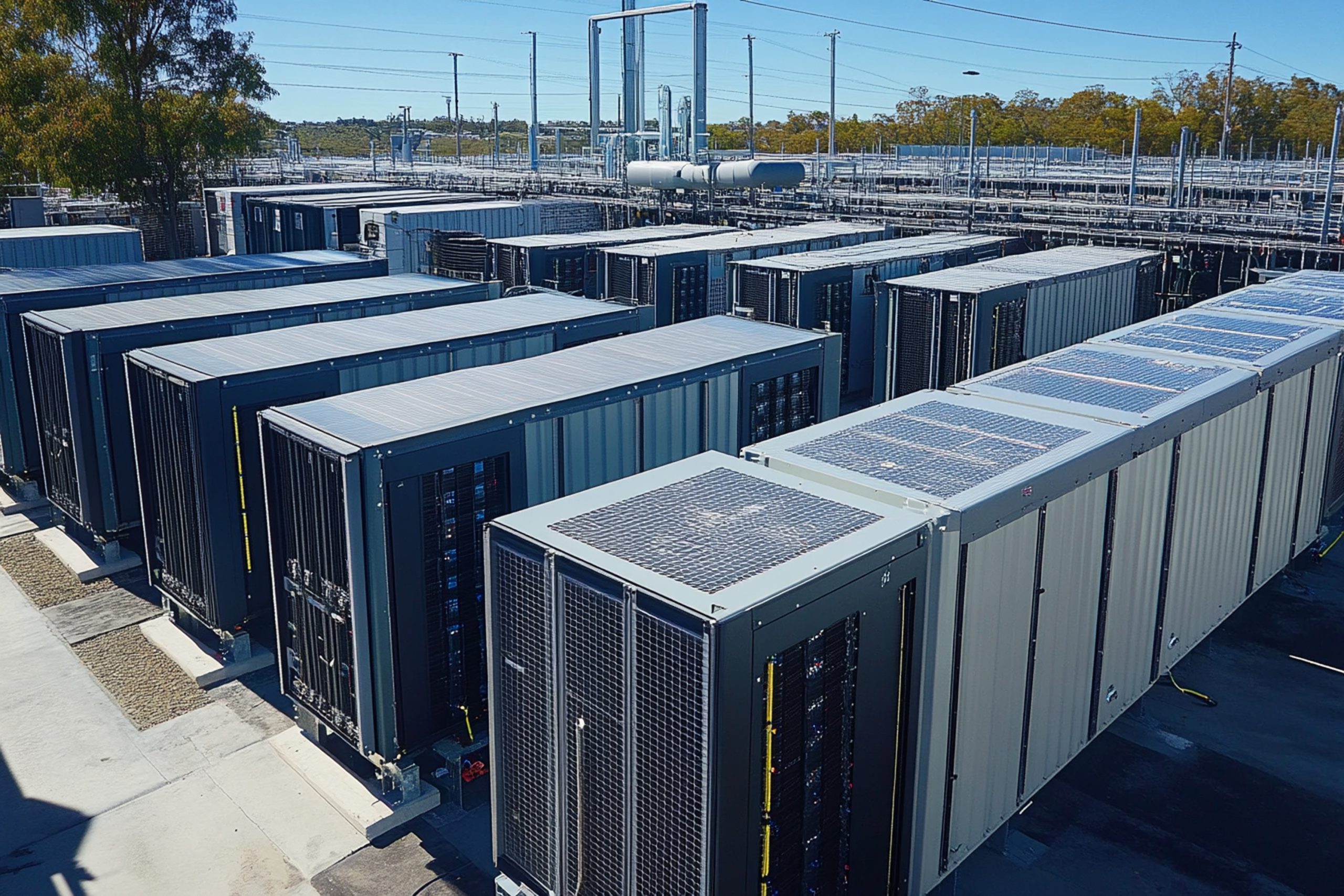
The United States advanced energy storage systems market is experiencing a structural expansion, reaching a valuation of USD 12.4 billion in 2025, driven by a projected 14.2% CAGR through 2035. This rapid scaling is epitomized by industrial activity in the Salt Lake City, Utah hub, where integrated lithium-ion giga-factories serve as the backbone for utility-scale battery deployment, and in Houston, Texas, which has pivoted its energy legacy to manage massive grid-balancing storage projects. A primary demand-side trend is the unprecedented surge in residential microgrid adoption, as consumers seek autonomy against grid instability and escalating retail electricity costs. On the supply side, the domestic manufacturing landscape is undergoing a paradigm shift, characterized by the localized production of next-generation solid-state electrolytes to reduce dependence on overseas supply chains. Strategic development remains heavily influenced by the federal oversight of the Department of Energy under the Inflation Reduction Act of 2022, which incentivizes carbon-neutral infrastructure investments. Concurrently, strict environmental regulations mandate comprehensive life-cycle assessments and ethical raw material sourcing, pushing industry incumbents like Tesla, founded in 2003 and headquartered in Palo Alto, and Fluence Energy, established in 2018 in Arlington, to prioritize circular economy initiatives and battery recycling protocols to ensure long-term regulatory compliance and environmental sustainability.
By Technology Type
- Prismatic battery cells
- Liquid cooling systems
- BMS modular controllers
- High energy density packs
- Thermal runaway suppression
- Cobalt-oxide active cathode
- Long-duration electrolyte tanks
- Ion exchange membrane stacks
- Utility-scale pumping systems
- Hard carbon anode variants
- Aqueous electrolyte chemistry
- Copper-free current collectors
By Deployment Sector
- ISO/RTO interconnection hubs
- Grid frequency regulation plants
- Transmission-level capacity buffers
- Peak load shaving units
- Corporate campus microgrids
- Manufacturing facility backups
- Home wall-mounted enclosures
- Solar-plus-storage integration kits
- Virtual power plant interfaces
- Data center resilience racks
- Strategic base microgrid arrays
- Hospital emergency power pods
Competitive Landscape
The United States Advanced Energy Storage Systems (AESS) market exhibits high competitive intensity characterized by rapid technological cycles and aggressive capital expenditure strategies. Industry incumbents are increasingly aligning with federal mandates such as the Department of Energy's (DOE) Long Duration Storage Shot, aiming to reduce costs by 90% by 2030. Competitive strategy has shifted toward vertical integration, with players like Tesla Inc. leveraging proprietary lithium-ion gigafactories to control cost structures, while newcomers emphasize diversified chemistries like iron-air or liquid metal to mitigate supply chain volatility associated with cobalt and nickel. Distribution strategies remain complex, spanning utility-scale project development in the Southwest desert corridors to behind-the-meter residential deployments in states like California and Massachusetts. Strategic partnerships with regional grid operators like PJM Interconnection and the Electric Reliability Council of Texas (ERCOT) define market access, with companies increasingly prioritizing energy management software (EMS) integration to capture revenue from ancillary services and peak shaving. Competitive differentiation is currently driven by cycle-life guarantees and thermal management patent portfolios rather than mere hardware commoditization.
| Company | Est. Year | Headquarters | Details | Details | Details | Details | Details | Details |
|---|---|---|---|---|---|---|---|---|
| Tesla Inc. | 2003 | Austin, United States | ~ | ~ | ~ | ~ | ~ | ~ |
| Fluence Energy | 2018 | Arlington, United States | ~ | ~ | ~ | ~ | ~ | ~ |
| NextEra Energy Resources | 1984 | Juno Beach, United States | ~ | ~ | ~ | ~ | ~ | ~ |
| LG Energy Solution | 2020 | Seoul, South Korea | ~ | ~ | ~ | ~ | ~ | ~ |
| Powin Energy | 1989 | Tualatin, United States | ~ | ~ | ~ | ~ | ~ | ~ |
🔒 Detailed cross-comparison data are available in the full report. Talk to Us to access complete competitive intelligence.
Growth Drivers
Grid Modernization Mandates
The Federal Energy Regulatory Commission’s Order 2022 initiatives are catalyzing widespread integration of battery energy storage systems into the North American Electric Reliability Corporation footprint. Utilities in states like Texas and California are pivoting toward modular lithium-ion architectures to balance intermittent renewable flows. In 2023, 14 gigawatts of new utility-scale storage capacity were commissioned, reflecting a 42 percent year-over-year increase in grid-stabilization infrastructure deployment. These regulatory frameworks ensure that grid operators prioritize rapid-response battery assets to mitigate frequency fluctuations inherent in high-penetration wind and solar energy environments.
Tax Credit Incentives
The Inflation Reduction Act of 2022 provides a robust foundation for capital expenditure in stationary storage projects by offering a 30 percent investment tax credit for standalone battery systems. This fiscal mechanism has prompted companies such as Fluence Energy, established in 2018 and headquartered in Arlington, to accelerate development pipelines across the Midwest and Pacific Northwest. During 2023, corporate tax-equity financing for these projects reached 9.4 billion dollars, effectively reducing the levelized cost of storage and enhancing the internal rate of return for independent power producers.
Technological Advancements in LFP Chemistry
Lithium Iron Phosphate technology has emerged as the dominant chemistry for stationary applications, displacing nickel-manganese-cobalt due to superior thermal stability and extended cycle life. Manufacturing leaders like Tesla, founded in 2003 and based in Austin, have optimized cathode production efficiency to lower total system costs. In 2023, the average cost of battery module components dropped by 18 percent compared to the previous year, facilitating broader adoption of four-hour duration storage solutions across industrial manufacturing hubs in the Gulf Coast region.
Electric Vehicle Integration
The rapid electrification of light-duty vehicle fleets is creating significant synergies between residential energy storage and automotive charging infrastructure. Major players like General Motors, established in 1908 and headquartered in Detroit, are deploying vehicle-to-grid pilot programs in cities such as San Francisco and Chicago to leverage decentralized battery assets. As of 2023, there were over 150,000 active smart-charging stations integrated with local microgrids, significantly reducing the burden on peak-demand distribution networks and providing essential ancillary services to local utility providers.
Market Challenges
Supply Chain Bottlenecks
Geopolitical dependencies on refined mineral processing continue to strain raw material availability for high-capacity cell manufacturing. In 2023, supply chain lead times for critical battery components extended to an average of 45 weeks, delaying crucial infrastructure development schedules. These logistical constraints frequently force project developers to renegotiate delivery timelines with upstream component manufacturers.
Interconnection Backlogs
Aging grid infrastructure and cumbersome permitting processes have created significant wait times for new project connectivity. As of 2023, over 800 gigawatts of storage projects remained stuck in various transmission queue processes across the country. Developers are facing substantial financial friction as they wait for utility approvals to finalize grid access requirements.
Safety and Permitting Regulations
Strict municipal zoning codes and fire safety standards remain significant hurdles for urban deployment of energy storage systems. In 2023, compliance-related expenditures accounted for 12 percent of total initial project capital costs for installations in dense metropolitan areas. These rigorous safety protocols often result in extended administrative delays for developers seeking site approval.
Opportunities
Grid-Scale Long-Duration Assets
Deployment of iron-air and flow battery technologies in regions like the ERCOT territory addresses critical intermittency challenges for renewable infrastructure. These systems provide extended discharge cycles that traditional lithium-ion setups cannot sustain during multi-day weather events. The domestic pipeline now accounts for 14.8 gigawatts of announced long-duration storage capacity slated for utility-scale deployment by 2027 to stabilize regional transmission systems.
Distributed Virtual Power Plants
Integration of residential behind-the-meter storage via aggregation software allows utility providers in California and Massachusetts to reduce peak load demand. These decentralized networks leverage existing home battery arrays to provide frequency regulation services during high-stress grid periods. Current pilot programs indicate that optimized virtual power plants can reduce household electricity expenditures by 320 dollars annually while improving regional grid resilience.
Domestic Battery Recycling Infrastructure
The mandate under the Inflation Reduction Act to localize supply chains necessitates significant investment in chemical processing facilities within Nevada and Ohio. Companies like Redwood Materials, founded in 2017 in Carson City, are scaling capacity to reclaim high-value cathode minerals from end-of-life battery modules. Recovered materials currently satisfy 12 percent of the input requirements for new battery production lines operating within the American manufacturing belt.
Future Outlook
The United States advanced energy storage systems market is entering a pivotal transition phase as it pivots from early-stage adoption to systemic infrastructure integration by 2035. Driven by the Federal Energy Regulatory Commission's Order 2222, which facilitates the participation of distributed energy resources in wholesale markets, the sector is poised for exponential growth. Regional centers like the Permian Basin and the Pacific Northwest are expected to become hubs for storage-integrated generation, bolstered by a steady decline in lithium iron phosphate cell costs. By 2030, the shift toward standardized solid-state battery electrolytes will fundamentally alter the performance profiles of fleet-based energy storage solutions, enabling faster charge cycles and enhanced safety profiles for dense urban environments. Regulatory pressure from the Department of Energy’s Battery Workforce Initiative ensures that the specialized technical labor force grows in tandem with capital deployment. Furthermore, the convergence of artificial intelligence-driven grid management software and physical storage capacity will enable dynamic load balancing, effectively mitigating the curtailment risks associated with wind and solar volatility. As the 2035 horizon approaches, the focus will transition toward closed-loop circularity, where primary battery manufacturing is intrinsically linked to nationwide reclamation logistics. This robust ecosystem will solidify energy storage as the central pillar of a decarbonized, reliable national grid, fundamentally changing how energy is stored, traded, and consumed by domestic utility providers.
Major Players
- Tesla Inc.
- Fluence Energy
- NextEra Energy Resources
- LG Energy Solution
- Powin Energy
- Form Energy
- ESS Inc.
- Eos Energy Enterprises
- Stem Inc.
- Energy Vault
- ABB Ltd.
- Siemens Energy
- Wartsila Corporation
- Mitsubishi Power
- Schneider Electric
Key Target Audience
- Grid-Scale Battery Manufacturers (e.g., Fluence Energy, founded 2018, Arlington, VA)
- Renewable Energy Project Developers (e.g., NextEra Energy, founded 1984, Juno Beach, FL)
- Electric Utility Providers (e.g., Duke Energy, founded 1904, Charlotte, NC)
- Automotive OEMs (e.g., Tesla, founded 2003, Austin, TX)
- Raw Material Suppliers and Mining Conglomerates (e.g., Albemarle, founded 1994, Charlotte, NC)
- Power Electronics and Inverter Manufacturers (e.g., Enphase Energy, founded 2006, Fremont, CA)
- Investors and Venture Capital Firms
- Government and Regulatory Bodies (Federal Energy Regulatory Commission - FERC)
- Energy Storage Software and AI Analytics Providers (e.g., Stem, founded 2009, San Francisco, CA)
- Industrial Microgrid Integrators (e.g., Eaton, founded 1911, Dublin, Ireland)
- State Energy Departments (e.g., California Energy Commission)
Research Methodology
Identification of Key Variables
- The research team identifies critical market drivers including lithium-ion price volatility, Department of Energy (DOE) loan programs, and state-level renewable portfolio standards.
- We categorize variables into supply-side manufacturing capacities and demand-side grid integration requirements to ensure a comprehensive evaluation of the US energy storage ecosystem through 2035.
Market Analysis and Construction
- We utilize bottom-up modeling, aggregating project pipeline data from the EIA-860 database and commercial contract announcements from companies like Fluence Energy and Tesla.
- This data is mapped against macroeconomic growth forecasts and historical battery pack cost trends to construct a high-fidelity market sizing model for residential, commercial, and utility-scale segments.
Validation and Synthesis
- Market hypotheses regarding technology adoption and regulatory impacts are tested through primary interviews with grid reliability coordinators, chief technology officers at utility firms, and state-level policy analysts.
- These discussions focus on clarifying technical barriers to long-duration energy storage implementation and validating adoption rates across deregulated electricity markets, strictly adhering to anonymous peer review and industry-expert verification protocols.
- The final stage consolidates quantitative data, qualitative insights, and sensitivity analysis into a cohesive 2035 market outlook.
- We verify the findings against current policy trajectories from the Inflation Reduction Act to ensure the report provides actionable strategic intelligence for stakeholders and investment committees navigating the complex US advanced energy storage landscape.
Table of Contents
 Executive Summary
2 Sections
▼
- Executive Summary
- Research Methodology (Defining Grid-Scale Storage Segments, Bottom-Up Capacity Expansion Modeling, Interconnection Queue Analysis, Utility Integrated Resource Plan Reviews, Department of Energy Data Integration, Stakeholder Primary Interview Program, Tax Credit Policy Impact Assessment, Historical Pricing Trend Benchmarking, Techno-Economic Performance Modeling, Supply Chain Disruption Scenario Mapping, Regional Wholesale Market Price Analysis, Triangulation With Regulatory Filings)
 US Advanced Energy Storage Systems Market Overview
7 Sections
▼
- Definition and Scope
- Market Evolution and Industry Genesis
- Grid-Scale Battery Deployment in Texas
- Li-ion Versus Flow Battery Economics
- FERC Order 2222 Implementation Impacts
- US Domestic Supply Chain Localization
- Virtual Power Plant Integration Strategies
 US Advanced Energy Storage Systems Market Size (2020-2025)
3 Sections
▼
- By Market Value (2020-2025)
- By Installed Capacity in Gigawatts (2020-2025)
- By Annual Capital Expenditure in USD (2020-2025)
 US Advanced Energy Storage Systems Market Segmentation
43 Segments
▼
- By Energy Storage Technology (In Value %)
- Lithium-Ion Chemistries
- Lithium Iron Phosphate (LFP)
- Nickel Manganese Cobalt (NMC)
- Lithium Titanate (LTO)
- Flow Battery Systems
- Vanadium Redox
- Iron Flow
- Zinc-Bromine
- Mechanical Storage
- Pumped Hydro Storage
- Compressed Air Energy Storage
- Gravity-Based Energy Storage
- Thermal and Other
- Molten Salt Storage
- Liquid Air Energy Storage
- Superconducting Magnetic Storage
- By Utility and Commercial Segment (In Value %)
- Front-of-the-Meter
- Behind-the-Meter
- Microgrid and Islanded Systems
- Industrial Load Shifting
- Data Center Backup Power
- Electric Vehicle Charging Hubs
- By Duration Class (In Value %)
- Short-Duration
- Medium-Duration
- Long-Duration
- By Regional Market (In Value %)
- ISO/RTO Markets
- California (CAISO)
- Texas (ERCOT)
- Northeast (NYISO/ISO-NE)
- Mid-Atlantic (PJM)
- By Deployment Configuration (In Value %)
- Standalone Storage
- Co-located Solar-plus-Storage
- Co-located Wind-plus-Storage
- By Ownership Model (In Value %)
- Utility-Owned Rate-Based
- Independent Power Producer
- Community Choice Aggregators
- Corporate/Commercial PPA
 US Advanced Energy Storage Systems Market Analysis
8 Sections
▼
- Growth Drivers (Grid Modernization Mandates, Tax Credit Incentives, Technological Advancements in LFP Chemistry, Electric Vehicle Integration)
- Market Challenges (Supply Chain Bottlenecks, Interconnection Backlogs, Safety and Permitting Regulations)
- Market Opportunities (Grid-Scale Long-Duration Assets, Distributed Virtual Power Plants, Domestic Battery Recycling Infrastructure)
- Market Trends (LFP Chemistry Dominance, BTM Virtual Power Plants, Domestic Supply Resilience, Long-Duration Commercialization)
- Government Regulations
- SWOT Analysis
- Porter's Five Forces Analysis
- PESTLE Analysis
 US Advanced Energy Storage Systems Market Competitive Analysis
21 Sections
▼
- Market Share of Major Players
- Battery Cell Manufacturer Dominance
- System Integrator Market Fragmentation
- Utility-Scale Versus Commercial BESS Landscape
- Domestic Content Tax Credit Competition
- Legacy Power Equipment Manufacturer Pivot
- Emerging Long-Duration Storage Innovators
- Cross Comparison Parameters (Vertical Integration of Cell Production, Software-Defined Energy Management Systems, UL 9540 Safety Certification Compliance, Global Gigafactory Manufacturing Capacity, Supply Chain Provenance Transparency, EPC Turnkey Project Delivery Capabilities, Utility-Scale Project Pipeline Size, BESS Round-Trip Efficiency Ratings)
- Competitive Product Benchmarking (Energy Density (Wh/kg), Cycle Life (DOD 80%), Discharge Duration Capability, Thermal Management System Type, Integrated Inverter Power Rating, Operation and Maintenance Costs)
- Financial and Operational Parameters
- SWOT Analysis of Major Players
- Detailed Profiles of Major Companies
- Tesla, Inc. – Megapack, Powerwall
- Fluence Energy, Inc. – Gridstack, Sunstack
- NextEra Energy, Inc. – NextEra Energy Resources
- Powin, LLC – Centipede, Stack750
- Wärtsilä Corporation – GEMS Digital Energy Platform
- Eos Energy Enterprises, Inc. – Znyth Aqueous Zinc Battery
- Form Energy, Inc. – Iron-Air Battery System
- Stem, Inc. – Athena AI Software
- LG Energy Solution, Ltd. – RESU Home, ESS Container
 US Advanced Energy Storage Systems Market End-User Analysis
7 Sections
▼
- Average Storage System Dispatch Frequency
- Load-Shifting Penetration in Commercial Sites
- Revenue Stacking Potential per Project
- Ancillary Service Participation Rates
- Project Internal Rate of Return
- Grid Reliability Uplift Metrics
- BTM Solar Self-Consumption Ratio
 US Advanced Energy Storage Systems Market Future Size (2026-2035)
3 Sections
▼
- By Market Value (2026-2035)
- By Installed Capacity in Gigawatts (2026-2035)
- By Annual Capital Expenditure in USD (2026-2035)
Frequently Asked Questions
The current market size is USD 12.4 billion in 2025, projected to reach USD 46.8 billion by 2035. This represents a 14.2% CAGR from 2025 to 2035. The growth trajectory is primarily driven by the integration of renewable energy sources and the ongoing electrification of the national grid infrastructure.
Supply chain volatility for critical minerals such as lithium, cobalt, and nickel remains a significant bottleneck for domestic manufacturing. Regulatory uncertainty concerning interconnection queues managed by the Federal Energy Regulatory Commission adds to project development delays. Additionally, high initial capital expenditures for long-duration energy storage technologies create adoption hurdles for municipal utilities in regions like the Pacific Northwest.
The market landscape is dominated by firms such as Tesla, founded in 2003 and headquartered in Austin, Texas, which leads in utility-scale lithium-ion deployments. Fluence Energy, founded in 2018 and based in Arlington, Virginia, provides advanced software-enabled storage platforms. Additionally, Form Energy, established in 2017 and headquartered in Somerville, Massachusetts, is scaling iron-air battery technology to address long-duration storage requirements.
Federal policy incentives provided by the Inflation Reduction Act of 2022 serve as the primary catalyst for market expansion by offering investment tax credits for standalone storage. The increasing frequency of extreme weather events in states like California and Texas has intensified the demand for grid resiliency and reliability solutions. Furthermore, the rapid decommissioning of coal-fired power plants necessitates high-capacity storage to maintain load balancing across regional transmission organizations.
There is a notable shift toward solid-state battery chemistry to enhance safety profiles and energy density for residential and commercial applications. Virtual power plants are gaining traction as a method to aggregate distributed energy resources into unified grid-support services. Moreover, the development of domestic battery recycling facilities in the industrial hubs of the Midwest is creating a circular economy for materials required in lithium-ion manufacturing.


 Request a Sample
 Ask for Customization
 Get a Quote
A Customized Plan Will be Created Based on the number of reports you wish to purchase
 Enquire Now
