

 Download PDF
 Download PDF
Market Overview
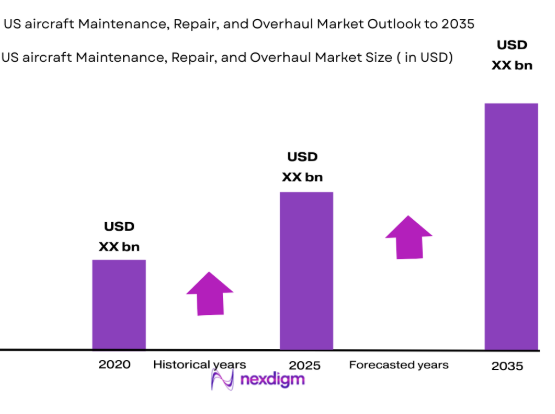
The US aircraft maintenance, repair, and overhaul (MRO) market is valued at approximately USD ~ billion based on a recent historical assessment. The market is driven by the increasing fleet size of commercial and military aircraft, the need for regular maintenance to ensure safety standards, and technological advancements in diagnostic tools and repair processes. The demand for high-quality MRO services continues to grow as air traffic increases, with more aircraft requiring scheduled maintenance and unscheduled repairs. The development of new materials and innovations in aircraft design also fuels the demand for advanced MRO capabilities, ensuring that aircraft are operating efficiently and safely.
The US remains the dominant player in the aircraft MRO market due to the size of its aviation industry and the presence of major aircraft manufacturers and operators. Key cities such as Chicago, Atlanta, and Los Angeles, which are home to several large aviation hubs, have become focal points for MRO operations. The concentration of aircraft fleets in these cities, coupled with their well-established infrastructure, supports the demand for MRO services. Additionally, the regulatory environment and large military presence in the US further bolster the market’s growth in this region, providing a strong foundation for continued dominance in the global market.
Market Segmentation
By Product Type
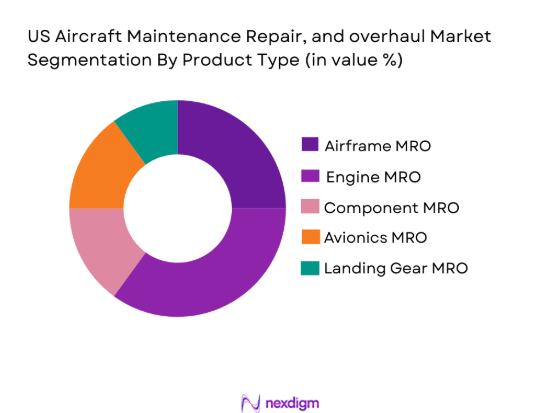
The US aircraft MRO market is segmented by product type into airframe, engine, component, avionics, and landing gear MRO services. Recently, engine MRO services have dominated the market share due to factors such as the increasing number of high-performance engines, frequent need for engine overhauls, and advancements in engine technology. As airlines focus on reducing downtime and improving fuel efficiency, engine MRO has become critical. The growing use of advanced avionics and landing gear systems also drives the demand for specialized maintenance services in these segments.
By Platform Type
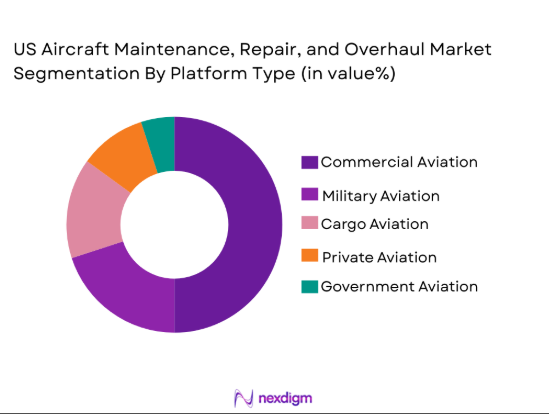
The US aircraft MRO market is segmented by platform type into commercial, military, cargo, private, and government aviation sectors. Recently, the commercial aviation sector has dominated the market share due to the increasing number of commercial flights, global air traffic, and long-term maintenance contracts. The demand for efficient MRO services is heightened by the need to keep fleets operational and compliant with safety regulations, especially as airlines strive to minimize operational disruptions and maintain fleet reliability.
Competitive Landscape
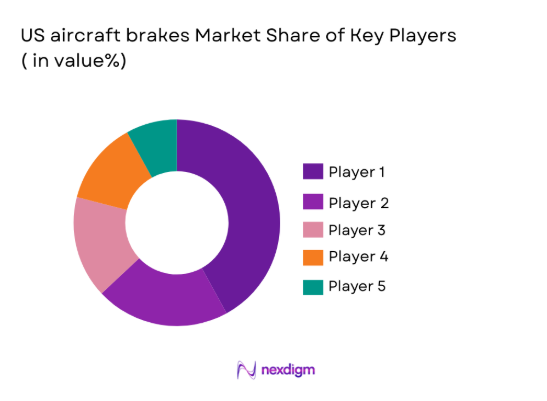
The competitive landscape of the US aircraft MRO market is characterized by a mix of large multinational corporations and regional service providers. The market is witnessing consolidation, with major players acquiring smaller MRO firms to expand their service offerings and geographic reach. Major players in the industry are focusing on technological advancements, such as predictive maintenance tools and enhanced repair techniques, to stay competitive and improve service efficiency.
|
Company Name |
Establishment Year | Headquarters | Technology Focus | Market Reach | Key Products | Revenue | Additional Parameter |
| United Technologies | 1934 | Farmington, CT | ~ | ~ | ~ | ~ | ~ |
| AAR Corp | 1955 | Wood Dale, IL | ~ | ~ | ~ | ~ | ~ |
| GE Aviation | 1917 | Cincinnati, OH | ~ | ~ | ~ | ~ | ~ |
| Lufthansa Technik | 1951 | Hamburg, Germany | ~ | ~ | ~ | ~ | ~ |
| Delta TechOps | 2005 | Atlanta, GA | ~ | ~ | ~ | ~ | ~ |
US Aircraft Maintenance, Repair, and Overhaul Market Analysis
Growth Drivers
Increased Air Traffic
Increased air traffic continues to drive demand for MRO services. As global air travel rebounds and continues to grow, airlines and aircraft operators face mounting pressure to maintain a larger fleet. The increase in both commercial and cargo flights further elevates the need for routine and unscheduled maintenance. Moreover, the increase in long-haul flights and expanding global routes directly impacts the demand for high-quality MRO services. Technological advances in aircraft systems and engines necessitate more sophisticated maintenance procedures, promoting continuous demand. Airliners are increasingly prioritizing predictive maintenance solutions to mitigate downtime, adding a further boost to the market. Growing fleets and the long operational life cycles of aircraft also encourage more investments in repair and overhaul services, ensuring the safety and operational efficiency of aircraft. Regional aviation growth and the rise of low-cost carriers also contribute to increased maintenance needs. This consistent rise in air traffic, alongside evolving industry standards, remains a key driver of the US aircraft MRO market.
Advancements in Aircraft Technology
As aircraft manufacturers introduce newer, more complex aircraft models, the demand for specialized MRO services grows. These advanced models come with sophisticated components, high-performance engines, and enhanced materials, which require specific expertise for maintenance. The increased integration of digital technologies in aircraft systems, such as IoT and AI-based diagnostics, also necessitates advanced MRO services. Technological progress enables predictive maintenance, which reduces costs by identifying issues before they become critical. This shift toward technology-driven MRO services boosts the demand for skilled labor and the need for digital platforms that improve operational efficiency. The adoption of environmentally friendly technologies in aircraft, such as fuel-efficient engines and low-emission systems, further adds to the complexity of maintenance. As such, innovation in aircraft design and the push for sustainability in aviation directly translate into increased MRO market growth, reinforcing the need for high-tech solutions in the maintenance process.
Market Challenges
High Maintenance Costs
One of the major challenges facing the US aircraft MRO market is the rising cost of maintenance services. As aircraft become more technologically advanced, the complexity of maintenance and repair procedures increases, leading to higher costs. Additionally, labor shortages and the need for highly skilled technicians contribute to the escalation of operational costs. The price of aircraft parts and components also continues to rise, further pushing up MRO expenses. In particular, the cost of engines and avionics systems is increasing, adding a substantial burden to operators and manufacturers who rely heavily on regular MRO services. This challenge is exacerbated by the growing demand for higher levels of performance and compliance with stricter environmental regulations. Although technological innovations in predictive maintenance may offer cost-saving potential, the initial investment required to implement these solutions is often significant, which can deter some operators from adopting them. These financial pressures create a barrier to entry for smaller players and reduce overall profitability in the MRO market.
Regulatory and Compliance Issues
Stringent regulatory and compliance requirements pose a significant challenge for the US aircraft MRO market. The aviation industry is highly regulated, with agencies such as the Federal Aviation Administration (FAA) and the European Union Aviation Safety Agency (EASA) enforcing rigorous standards for aircraft safety, maintenance, and environmental sustainability. MRO providers must comply with these regulations, which often require frequent updates to their procedures, certifications, and infrastructure. The increasing complexity of compliance requirements, especially with evolving environmental laws, puts additional strain on MRO operations. Moreover, maintaining regulatory certifications can be a costly and time-consuming process for MRO providers. Non-compliance can result in heavy fines, legal ramifications, and loss of business, further adding to operational challenges. With new regulations constantly being introduced, staying up to date with these requirements remains a continuous challenge for companies in the MRO sector.
Opportunities
Integration of Digital Technologies in MRO Services
The integration of digital technologies in the US aircraft MRO market presents significant opportunities for growth. With the rise of IoT, AI, and machine learning, MRO providers can implement predictive maintenance systems that help detect issues before they lead to costly repairs or downtime. The use of drones, robotics, and augmented reality for inspections and repairs offers efficiencies and enhances safety. These technologies also enable more accurate forecasting of maintenance schedules, which helps airlines better plan their operations. The demand for digitalization is growing as operators seek to reduce costs and improve the quality of their services. Furthermore, software platforms that streamline maintenance management and supply chain processes are gaining popularity, which presents new avenues for MRO providers to improve efficiency. Companies that invest in these technologies stand to gain a competitive advantage, attracting customers who value reliability, transparency, and efficiency.
Sustainability Initiatives in Aircraft Maintenance
As the aviation industry continues to prioritize sustainability, there is a growing demand for green MRO solutions. Sustainable practices, such as reducing carbon emissions, recycling parts, and adopting eco-friendly technologies, present a lucrative opportunity for MRO providers. The shift toward environmentally friendly aircraft, such as electric and hybrid-electric planes, also calls for specialized MRO services that can accommodate new technologies. In response to regulatory pressures and public demand for more eco-conscious operations, MRO providers are increasingly focusing on reducing their environmental impact. This trend includes the development of greener repair processes, waste management strategies, and energy-efficient maintenance practices. As environmental sustainability becomes a key priority for the aviation industry, MRO companies that embrace these changes will not only comply with regulatory requirements but also attract environmentally conscious customers. This opportunity offers long-term growth prospects for MRO providers willing to invest in green technologies and practices.
Future Outlook
The US aircraft MRO market is poised for steady growth over the next five years, driven by increasing air traffic, technological advancements in aircraft systems, and expanding fleet sizes. The growing need for digital solutions in maintenance management, along with heightened regulatory support for safety and environmental sustainability, will continue to shape market dynamics. Innovations in aircraft design and the rising demand for eco-friendly MRO solutions are expected to open new opportunities for market players, particularly those that embrace digital technologies and sustainable practices. The next five years will witness continued advancements in predictive maintenance and the increasing adoption of advanced materials, which will further influence the direction of the market. Additionally, geopolitical factors and the recovery of global air travel are expected to reinforce market demand, ensuring a positive outlook for the aircraft MRO sector.
Major Players
- United Technologies
- AAR Corp
- GE Aviation
- Lufthansa Technik
- Delta TechOps
- Air France Industries KLM Engineering & Maintenance
- Rolls-Royce
- Honeywell Aerospace
- SIA Engineering Company
- ST Engineering Aerospace
- Safran Aircraft Engines
- Joramco
- MTU Aero Engines
- Lufthansa Technik Logistik Services
- British Airways Engineering
Key Target Audience
- Airlines
- Aircraft Manufacturers
- Aviation Maintenance Companies
- Aerospace Defense Contractors
- Commercial Aircraft Operators
- Aircraft Leasing Companies
- Private Aviation Companies
- Government and Regulatory Bodies
Research Methodology
Step 1: Identification of Key Variables
Key variables influencing the aircraft MRO market are identified, including air traffic trends, aircraft fleet growth, and technological advancements in MRO processes.
Step 2: Market Analysis and Construction
Comprehensive market analysis is conducted using primary and secondary data sources to construct an accurate model of the MRO market’s current and future landscape.
Step 3: Hypothesis Validation and Expert Consultation
Market hypotheses are validated by consulting with industry experts, including MRO service providers, airline operators, and aircraft manufacturers, to ensure the accuracy of findings.
Step 4: Research Synthesis and Final Output
The research findings are synthesized into actionable insights, which form the basis of the final report, outlining key trends, challenges, and opportunities in the US aircraft MRO market.

- Executive Summary
- Research Methodology (Definitions, Scope, Industry Assumptions, Market Sizing Approach, Primary & Secondary Research Framework, Data Collection & Verification Protocol, Analytic Models & Forecast Methodology, Limitations & Research Validity Checks)

- Market Definition and Scope
- Value Chain & Stakeholder Ecosystem
- Regulatory / Certification Landscape
- Sector Dynamics Affecting Demand
- Strategic Initiatives & Infrastructure Growth

- Growth Drivers
Increased Air Traffic
Advancements in Aircraft Technology
Rising Fleet Sizes
Increased Focus on Aircraft Safety
Technological Innovations in MRO Processes - Market Challenges
High Maintenance Costs
Regulatory Compliance Complexities
Labor Shortages in MRO Sector
Rising Costs of Aircraft Components
Evolving Environmental Standards - Market Opportunities
Integration of Digital Technologies
Sustainability Initiatives in Aircraft Maintenance
Expansion of MRO Services to Emerging Markets - Trends
Increased Use of Predictive Maintenance
Adoption of Robotics and Automation
Rise in Outsourcing MRO Services
Focus on Environmental Sustainability
Advances in Aircraft Systems and Components - Government Regulations & Defense Policy
Aviation Safety Regulations
Environmental Protection and Sustainability Initiatives
Government Funding and Incentives for MRO Technological Advancements - SWOT Analysis
- Stakeholder and Ecosystem Analysis
- Porter’s Five Forces Analysis
- Competition Intensity and Ecosystem Mapping

- By Market Value, 2020-2025
- By Installed Units, 2020-2025
- By Average System Price, 2020-2025
- By System Complexity Tier, 2020-2025

- By System Type (In Value%)
Airframe MRO
Engine MRO
Component MRO
Avionics MRO
Landing Gear MRO - By Platform Type (In Value%)
Commercial Aviation
Military Aviation
Cargo Aviation
Private Aviation
Government Aviation - By Fitment Type (In Value%)
On-premise Solutions
Cloud-based Solutions
Hybrid Solutions
Modular Solutions
Integrated Solutions - By End User Segment (In Value%)
Commercial Airlines
Military
Private Aviation
Cargo Operators
Government Entities - By Procurement Channel (In Value%)
Direct Procurement
Government Tenders
Private Sector Procurement
Online Bidding Platforms
Third-party Distributors - By Material / Technology (In Value%)
Composite Materials
Lightweight Alloys
Carbon Fiber Components
Advanced Avionics Technologies
Energy-efficient Systems

- Market structure and competitive positioning
- Cross Comparison Parameters (System Type, Platform Type, Procurement Channel, EndUser Segment, Fitment Type)
- SWOT Analysis of Key Competitors
- Pricing & Procurement Analysis
- Key Players
United Technologies
AAR Corp
GE Aviation
Lufthansa Technik
Delta TechOps
Air France Industries KLM Engineering & Maintenance
Rolls-Royce
Honeywell Aerospace
SIA Engineering Company
ST Engineering Aerospace
Safran Aircraft Engines
Joramco
MTU Aero Engines
Lufthansa Technik Logistik Services
British Airways Engineering

- Commercial Airlines’ Need for Efficient MRO Solutions
- Military’s Demand for Specialized MRO Services
- Private Aviation Growth and MRO Service Expansion
- Cargo Aviation’s Increased Reliance on MRO Services

- Forecast Market Value, 2026-2035
- Forecast Installed Units, 2026-2035
- Price Forecast by System Tier, 2026-2035
- Future Demand by Platform, 2026-2035


 Request a Sample
 Ask for Customization
 Get a Quote
 Enquire Now