
 Download PDF
Market Overview
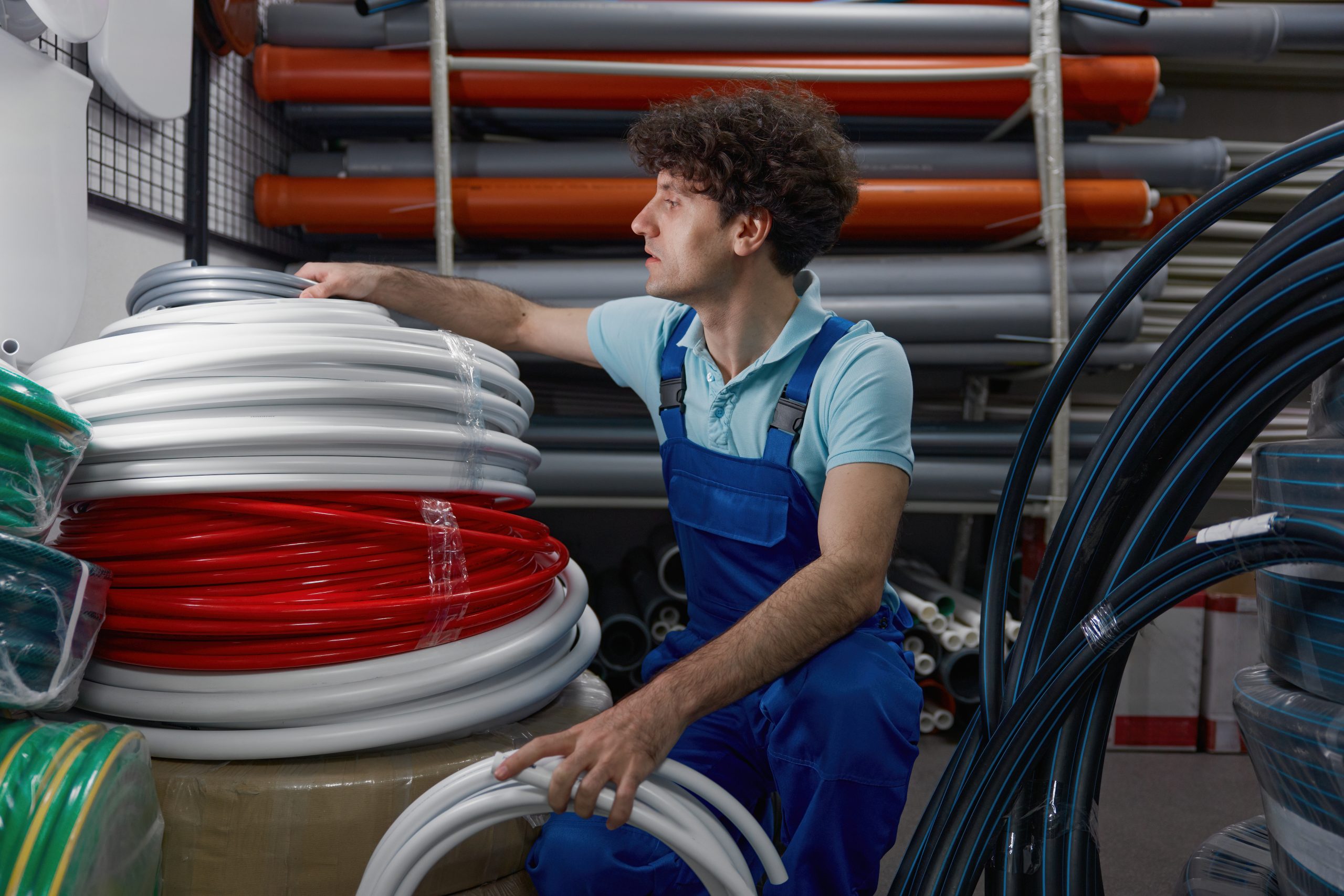
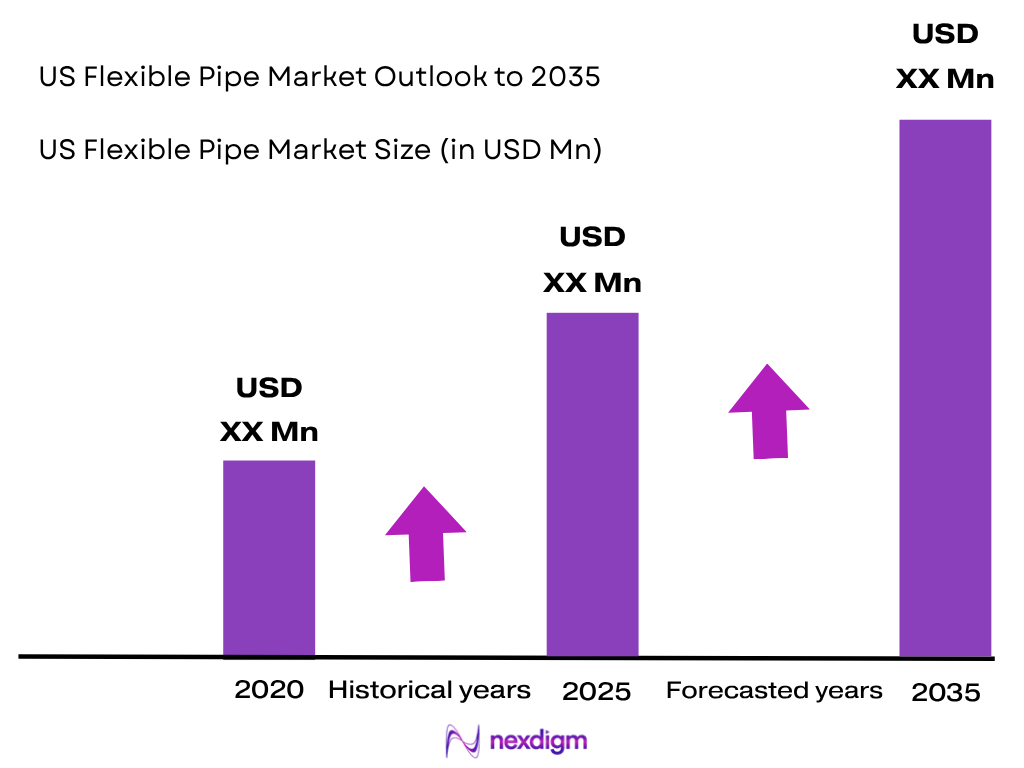
The US Flexible Pipe Market is valued at approximately USD ~ billion in 2024 and is primarily driven by increasing offshore oil and gas activities, subsea production developments, and demand for lightweight corrosion-resistant pipeline solutions. Flexible pipes are increasingly used in deepwater and ultra-deepwater operations due to their ability to withstand complex installation conditions, dynamic movement, and high-pressure environments. Offshore applications remain a key demand area as flexible pipes support flowlines, risers, jumpers, and subsea connections. Global flexible pipe demand is strongly linked with offshore exploration and subsea infrastructure investments.
The US flexible pipe market is concentrated around energy-intensive regions including Houston, Texas; the Gulf Coast; Louisiana; and offshore areas connected to the Gulf of Mexico. Houston dominates due to its position as a global oil and gas engineering hub with extensive offshore service providers, pipeline contractors, and subsea technology companies. The Gulf of Mexico remains a major offshore production region, creating demand for flexible risers and flowline systems. Texas and Louisiana also benefit from extensive petrochemical infrastructure, offshore fabrication facilities, and energy logistics networks supporting flexible pipe deployment. The US offshore energy ecosystem continues to support demand for advanced pipeline technologies for deepwater production and subsea developments.
Market Segmentation
By Product Type
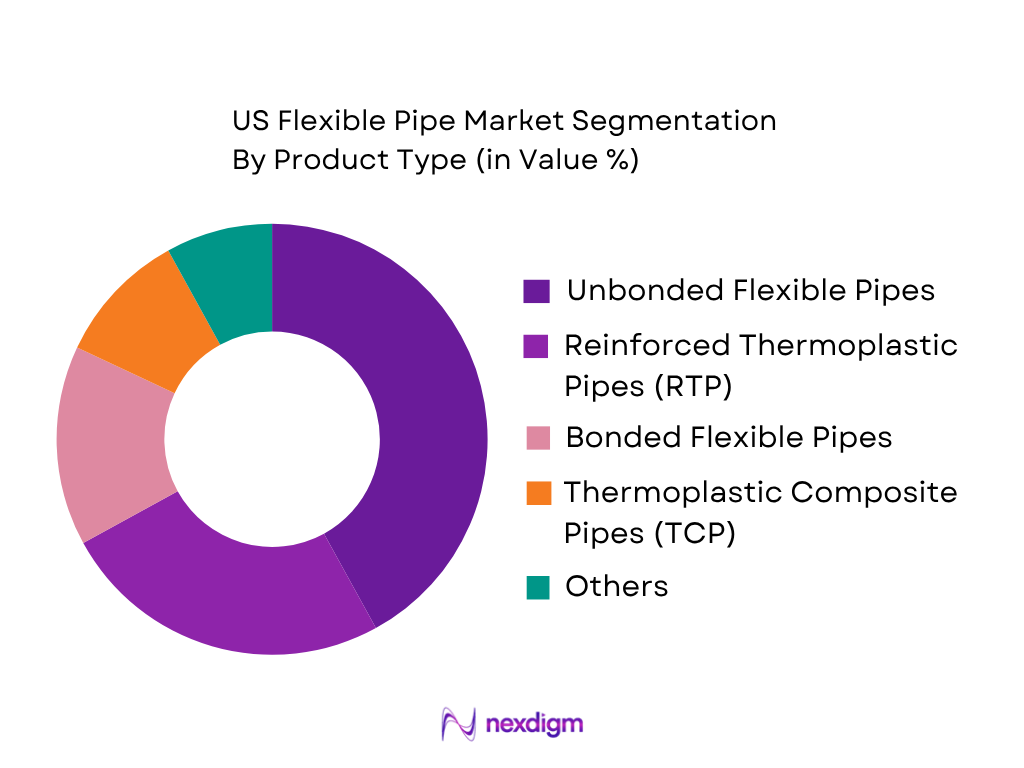
US Flexible Pipe Market is segmented by product type into unbonded flexible pipes, reinforced thermoplastic pipes, bonded flexible pipes, thermoplastic composite pipes, and specialized flexible systems. Unbonded flexible pipes represent the dominant segment due to extensive utilization in offshore oil and gas production, particularly for dynamic risers and subsea flowline applications. These pipes provide high flexibility, pressure resistance, and fatigue performance required for deepwater environments. The Gulf of Mexico offshore sector has historically relied on advanced flexible pipe systems for subsea production infrastructure. Increasing adoption of subsea tiebacks and complex offshore developments continues to support demand for unbonded flexible pipe solutions. Reinforced thermoplastic pipes are also gaining adoption due to their lightweight structure, corrosion resistance, and faster installation capabilities in onshore and offshore applications.
By Application
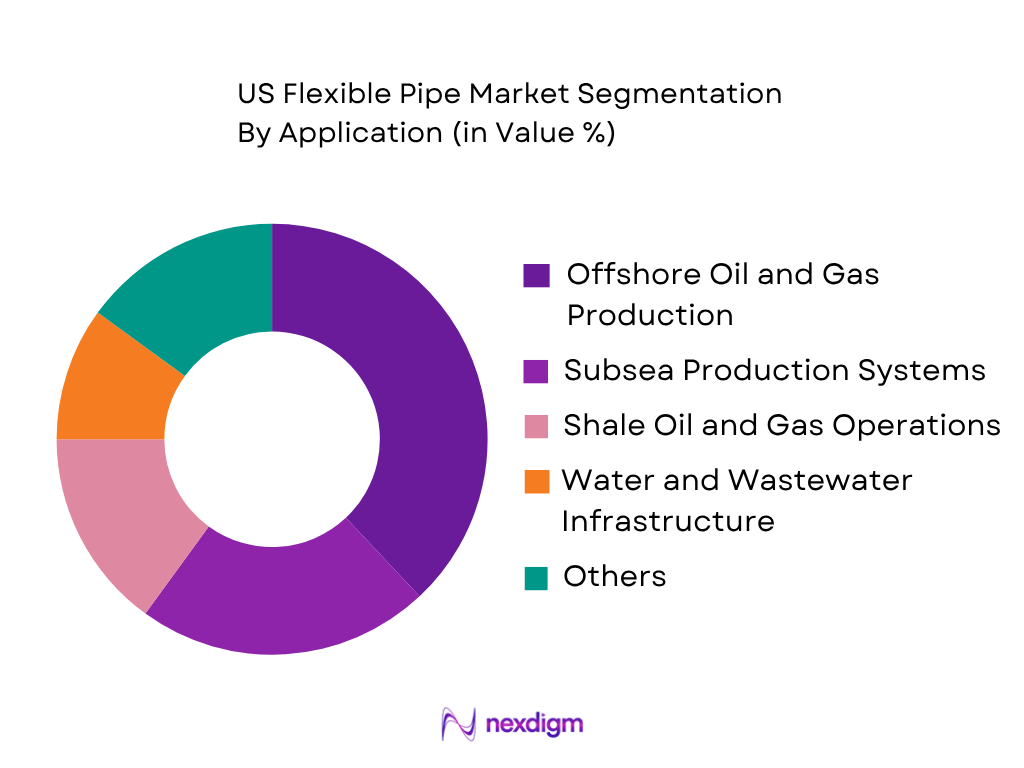
US Flexible Pipe Market is segmented by application into offshore oil and gas production, subsea production systems, shale oil and gas operations, water infrastructure, chemical transfer, and renewable energy applications. Offshore oil and gas production dominates the market due to the requirement for flexible risers, flowlines, and jumpers in deepwater environments. Flexible pipes provide operational advantages compared with conventional rigid pipelines because they accommodate movement caused by waves, currents, and floating production systems. The Gulf of Mexico remains an important demand center due to offshore production activities and subsea infrastructure requirements. Subsea production systems represent another significant application area as operators increasingly use tieback solutions to connect new discoveries with existing offshore facilities. Flexible pipes are also expanding into shale operations and industrial applications due to corrosion resistance and reduced installation complexity.
Competitive Landscape
The US Flexible Pipe Market is characterized by the presence of global offshore technology companies, composite pipe manufacturers, and oilfield equipment suppliers. The competitive environment is influenced by technological capabilities, offshore qualification experience, manufacturing capacity, and ability to provide complete flexible pipe solutions. Major companies compete through advanced materials, subsea engineering capabilities, installation support, and long-term relationships with oil and gas operators. Companies such as TechnipFMC, NOV, Baker Hughes, and Shawcor have significant experience in offshore flexible pipeline systems and energy infrastructure applications.
| Company | Establishment Year | Headquarters | Flexible Pipe Product Portfolio | Offshore & Subsea Capability | Material Technology Capability | Manufacturing & Production Footprint | End-Use Industry Presence | Technology & Innovation Focus |
| TechnipFMC | 2017 | Houston, USA | ~ | ~ | ~ | ~ | ~ | ~ |
| NOV (National Oilwell Varco) | 1862 | Houston, USA | ~ | ~ | ~ | ~ | ~ | ~ |
| Baker Hughes | 2017 | Houston, USA | ~ | ~ | ~ | ~ | ~ | ~ |
| Shawcor | 1968 | Toronto, Canada | ~ | ~ | ~ | ~ | ~ | ~ |
| Strohm (Formerly Airborne Oil & Gas) | 2007 | Ijmuiden, Netherlands | ~ | ~ | ~ | ~ | ~ | ~ |

US Flexible Pipe Market Analysis
Growth Drivers
Expansion of Offshore Oil and Gas Production and Increasing Deepwater Exploration Activities
The US Flexible Pipe Market is strongly supported by continued offshore oil and gas production activities, particularly in the Gulf of Mexico, where flexible risers, flowlines, and subsea connection systems are extensively deployed. The US Energy Information Administration reported that the United States produced approximately 13.2 million barrels per day of crude oil in 2024, maintaining its position as one of the largest global oil producers. Offshore production contributes significantly to domestic supply, creating demand for advanced pipeline solutions capable of operating under high-pressure and dynamic marine conditions. The Bureau of Ocean Energy Management reported continued offshore leasing and development activities in federal waters, supporting future subsea infrastructure requirements. Deepwater projects require flexible pipe systems due to their ability to withstand water depth pressures, vessel movement, and complex seabed conditions. The US Gulf of Mexico contains thousands of active offshore wells and production facilities, requiring reliable flow assurance systems. Additionally, offshore operators are increasingly adopting flexible composite pipelines due to corrosion resistance, reduced installation complexity, and longer operational life compared with traditional steel pipelines. These factors continue to strengthen demand for flexible pipe technologies across offshore energy applications.
Growth of Shale Oil and Gas Operations and Aging Pipeline Infrastructure Replacement Demand
The expansion of shale oil and gas production and modernization of aging pipeline infrastructure are supporting demand for flexible pipe systems in the United States. The US Energy Information Administration reported that domestic natural gas production reached approximately 103 billion cubic feet per day in 2024, supported by major shale regions including the Permian Basin, Marcellus, and Haynesville formations. Flexible pipes are increasingly used in gathering systems, temporary pipeline networks, water transfer operations, and unconventional oilfield applications due to faster deployment and reduced corrosion risks. The Pipeline and Hazardous Materials Safety Administration manages more than 3 million miles of regulated pipeline infrastructure across the United States, highlighting the requirement for replacement, maintenance, and modernization activities. Flexible pipe technologies provide advantages in pipeline rehabilitation, remote field development, and areas requiring rapid installation. Additionally, the US Department of Energy continues to emphasize energy infrastructure reliability and modernization. Reinforced thermoplastic pipes and composite flexible pipelines are gaining attention because they offer lightweight characteristics, resistance to chemical exposure, and operational flexibility. These infrastructure requirements create sustained opportunities for flexible pipe adoption across upstream and industrial applications.
Market Challenges
High Manufacturing Complexity of Advanced Flexible Pipes and Dependence on Specialized Materials
The US Flexible Pipe Market faces challenges due to the complex manufacturing requirements associated with advanced flexible pipe systems. High-performance flexible pipes require multiple layers of specialized materials, including polymers, reinforcement fibers, pressure-resistant layers, and protective coatings, which demand advanced manufacturing capabilities. The production process requires precise control to achieve required pressure ratings, fatigue resistance, and long-term performance in offshore environments. The US manufacturing sector continues to depend on specialized materials and global supply chains for advanced polymers and composite reinforcement technologies. According to the US Geological Survey, the United States imported significant quantities of industrial raw materials required for advanced manufacturing applications, creating exposure to supply chain fluctuations. Flexible pipe manufacturers must also meet strict offshore qualification requirements established by organizations such as the American Petroleum Institute and offshore regulatory authorities. Deepwater applications require extensive testing under extreme pressure, temperature, and mechanical loading conditions before deployment. Limited availability of specialized manufacturing facilities and technical expertise increases production complexity. These factors can create barriers for new market entrants and increase dependency on established flexible pipe technology providers with proven offshore experience.
High Installation Costs and Competition from Rigid Pipeline Systems
The US Flexible Pipe Market experiences challenges from high installation costs and competition from conventional rigid pipeline systems. Flexible pipes require specialized installation equipment, engineering expertise, and offshore deployment capabilities, which can increase project complexity. Offshore installation activities involve vessels, subsea equipment, and specialized contractors, resulting in higher operational requirements compared with traditional rigid pipelines. The US offshore energy sector operates under strict safety and environmental regulations, requiring extensive testing and compliance before installation. The Bureau of Safety and Environmental Enforcement regulates offshore oil and gas activities and requires operators to follow detailed safety management procedures. Additionally, rigid steel pipelines remain widely used due to established manufacturing processes, extensive operational history, and availability of existing infrastructure. According to the US Department of Transportation, pipeline transportation remains a major component of national energy infrastructure, supporting continued use of conventional systems. Flexible pipes must therefore demonstrate advantages in challenging applications such as deepwater fields, subsea tiebacks, and corrosion-sensitive environments. Cost considerations, project economics, and operator preference continue influencing technology selection decisions within the US pipeline sector.
Market Opportunities
Deepwater Subsea Field Development and Reinforced Thermoplastic Pipe Adoption
The US Flexible Pipe Market has significant opportunities from deepwater subsea development and increasing adoption of reinforced thermoplastic pipe technologies. Offshore operators are focusing on maximizing production from existing fields through subsea tiebacks, which require flexible flowlines, jumpers, and riser systems. The Gulf of Mexico remains a major offshore production region, with the Bureau of Ocean Energy Management reporting continued activity across federal offshore areas. Reinforced thermoplastic pipes provide opportunities due to their lightweight construction, corrosion resistance, and suitability for applications requiring rapid installation. The US oil and gas industry continues investing in technologies that improve operational efficiency and reduce maintenance requirements. The National Ocean Industries Association highlights the importance of offshore energy infrastructure supporting domestic production activities. Flexible composite pipelines are also being considered for applications beyond traditional oil and gas, including carbon transportation and industrial fluid transfer. The increasing requirement for durable pipeline solutions in harsh environments creates opportunities for manufacturers offering advanced polymer-based technologies. Expansion of subsea infrastructure, offshore field optimization, and demand for corrosion-resistant materials are expected to support wider adoption of reinforced flexible pipe systems.
Hydrogen Transportation Infrastructure, Carbon Capture Networks, and Water Infrastructure Modernization
The development of hydrogen, carbon capture, and water infrastructure projects creates emerging opportunities for flexible pipe applications in the United States. The US Department of Energy continues supporting hydrogen infrastructure development through national clean energy initiatives, increasing the need for specialized transportation systems capable of handling new energy carriers. Flexible composite pipes offer potential advantages for hydrogen and carbon dioxide transportation due to corrosion resistance and lightweight properties. Carbon capture and storage projects require dedicated pipeline networks for transporting captured carbon dioxide from industrial facilities to storage locations. The Environmental Protection Agency has identified carbon management as an important component of emissions reduction strategies, supporting infrastructure development. Additionally, water infrastructure modernization represents another opportunity area, as the American Society of Civil Engineers has highlighted aging water systems requiring significant upgrades across the United States. Flexible pipe systems are increasingly used in water transfer, rehabilitation, and industrial applications due to installation flexibility and reduced maintenance requirements. Growth in energy transition projects, industrial water management, and infrastructure renewal creates additional demand opportunities for advanced flexible pipeline technologies.
Future Outlook
Over the next decade, the US Flexible Pipe Market is expected to experience steady expansion driven by offshore energy developments, subsea production requirements, and increasing adoption of advanced composite pipeline technologies. Growing demand for lightweight, corrosion-resistant, and high-pressure pipeline solutions will support flexible pipe adoption across oil and gas, industrial, and renewable energy applications. Development of deepwater resources, offshore wind infrastructure, and carbon management projects will create additional opportunities for flexible pipe manufacturers. Technological advancements in thermoplastic composite pipes and digital pipeline monitoring systems are expected to improve product performance and operational efficiency.
Major Players
- TechnipFMC
- National Oilwell Varco (NOV)
- Baker Hughes
- Shawcor
- Strohm
- Magma Global
- Airborne Oil & Gas
- Prysmian Group
- Nexans
- Titeflex
- Parker Hannifin
- Eaton
- Gates Industrial
- Continental AG
- FlexSteel Pipeline Technologies
Key Target Audience
- Offshore Oil and Gas Operators
- Subsea Engineering and Installation Companies
- Oilfield Service Providers
- Pipeline Construction and Maintenance Companies
- Chemical and Petrochemical Companies
- Water Infrastructure Developers
- Renewable Energy Infrastructure Developers
- Investments and Venture Capitalist Firms
- Government and Regulatory Bodies (Bureau of Safety and Environmental Enforcement, Pipeline and Hazardous Materials Safety Administration, Department of Energy)
Research Methodology
Step 1: Identification of Key Variables
The initial phase involves developing a comprehensive ecosystem map covering flexible pipe manufacturers, offshore operators, subsea contractors, engineering companies, and end-use industries. This stage includes evaluation of product categories, application areas, material technologies, and regional demand patterns influencing the US Flexible Pipe Market.
Step 2: Market Analysis and Construction
Historical market information is analyzed through assessment of offshore development activities, pipeline infrastructure requirements, flexible pipe consumption patterns, and industry adoption trends. Supply-side analysis includes manufacturing capacity, technology capabilities, and competitive positioning of major flexible pipe suppliers.
Step 3: Hypothesis Validation and Expert Consultation
Market assumptions are validated through discussions with industry participants including offshore operators, flexible pipe manufacturers, engineering contractors, and pipeline specialists. These consultations provide operational insights related to technology adoption, procurement patterns, and application requirements.
Step 4: Research Synthesis and Final Output
The final stage integrates primary and secondary research findings to develop a comprehensive assessment of market size, segmentation, competitive landscape, growth factors, and future opportunities within the US Flexible Pipe Market.

- Executive Summary
- Research Methodology (Market Definition and Scope, US Flexible Pipe Market Classification, Flexible Pipe Application Mapping, Offshore and Subsea Flexible Pipe Demand Assessment, Onshore Oil and Gas Pipeline Replacement Assessment, Shale Oil and Gas Flexible Pipe Consumption Analysis, Offshore Wind Cable Protection Demand Assessment, Water and Wastewater Flexible Pipe Application Assessment, Material Technology Assessment, Import and Domestic Manufacturing Analysis, Industry Expert Interviews, Demand-Side Assessment, Supply-Side Assessment, Market Sizing Approach, Data Triangulation, Forecasting Framework, Limitations and Future Conclusions)

- Definition and Scope
- US Flexible Pipe Industry Evolution
- Flexible Pipe Technology Evolution
- US Flexible Pipe Value Chain Analysis
- US Flexible Pipe Supply Chain Analysis

- Growth Drivers (Expansion of Offshore Oil and Gas Production, Increasing Deepwater and Ultra-Deepwater Exploration Activities, Growth of Shale Oil and Gas Operations, Aging Pipeline Infrastructure Replacement Demand, Rising Adoption of Corrosion-Resistant Composite Pipes, Offshore Wind Infrastructure Development, Industrial Water Management Requirements, Need for Lightweight and Flexible Pipeline Solutions)
- Market Challenges (High Manufacturing Complexity of Advanced Flexible Pipes, Dependence on Specialized Polymer and Reinforcement Materials, Stringent Offshore Qualification Requirements, High Installation and Maintenance Costs, Competition from Rigid Pipeline Systems, Limited Domestic Production Capacity for Advanced Flexible Pipes, Technical Challenges in Extreme Temperature and Pressure Applications)
- Market Opportunities (Deepwater Subsea Field Development, Offshore Wind Cable Protection Systems, Reinforced Thermoplastic Pipe Adoption, Pipeline Rehabilitation Projects, Hydrogen Transportation Infrastructure, Carbon Capture and Storage Pipeline Networks, Water Infrastructure Modernization, Advanced Composite Flexible Pipe Manufacturing Expansion)
- Market Trends (Thermoplastic Composite Pipe Adoption, Lightweight Pipeline Solutions, Digital Pipeline Monitoring, Advanced Polymer Material Development, Offshore Subsea Tieback Expansion, Corrosion-Free Pipeline Systems, Modular Flexible Pipeline Installation, Automated Manufacturing Technologies, Sustainable Composite Material Development, Low Carbon Infrastructure Applications)
- Government Regulations and Standards Landscape (Bureau of Safety and Environmental Enforcement Offshore Pipeline Regulations, Pipeline and Hazardous Materials Safety Administration Standards, American Petroleum Institute Pipeline Standards, National Association of Corrosion Engineers Standards, Environmental Protection Agency Water Infrastructure Regulations, Offshore Wind Development Regulations)
- SWOT Analysis
- Porter’s Five Forces Analysis
- PESTLE Analysis
- Stakeholder Ecosystem
- Competition Ecosystem

- By Market Value (2020-2025)
- By Flexible Pipe Consumption Volume (2020-2025)
- By Offshore Flexible Pipe Consumption Volume (2020-2025)
- By Subsea Flexible Flowline and Riser Consumption Volume (2020-2025)
- By Reinforced Thermoplastic Pipe Consumption Volume (2020-2025)

- By Product Type (In Value %)
Unbonded Flexible Pipes
Bonded Flexible Pipes
Reinforced Thermoplastic Pipes (RTP)
Thermoplastic Composite Pipes (TCP)
Flexible Flowlines
Flexible Risers
Flexible Jumpers
Flexible Choke and Kill Lines
Flexible Hose Systems - By Material Type (In Value %)
High-Density Polyethylene (HDPE) Flexible Pipes
Polyamide-Based Flexible Pipes
Polyvinylidene Fluoride (PVDF) Flexible Pipes
Polyethylene-Based Composite Pipes
Steel Reinforced Flexible Pipes
Fiber Reinforced Composite Flexible Pipes
Carbon Fiber Reinforced Flexible Pipes - By Application (In Value %)
Offshore Oil and Gas Production
Subsea Production Systems
Deepwater and Ultra-Deepwater Operations
Shale Oil and Gas Production
Pipeline Replacement and Rehabilitation
Chemical Transfer Systems
Industrial Fluid Transportation
Water and Wastewater Infrastructure
Mining Slurry Transportation
Marine and Offshore Renewable Energy Applications - By End-Use Industry (In Value %)
Oil and Gas Exploration and Production
Offshore Drilling Contractors
Subsea Engineering and Installation Companies
Petrochemical Processing
Chemical Manufacturing
Water Utilities
Mining Industry
Power Generation
Marine Infrastructure
Renewable Energy Industry - By Region (In Value %)
Gulf of Mexico
Texas
Louisiana
Alaska
California
Midwest Industrial Region
Eastern United States

- Market Share of Major Players (By US Revenue, Flexible Pipe Sales Volume, Offshore Application Exposure, Subsea Flexible Pipe Installation Capability, Product Portfolio, End-Use Industry Presence, Manufacturing Capacity, Technology Licensing Capability)
- Cross Comparison Parameters (US Flexible Pipe Revenue, Offshore and Subsea Flexible Pipe Portfolio Breadth, Deepwater Flexible Riser and Flowline Capability, Reinforced Thermoplastic Pipe Technology Capability, High Pressure High Temperature Application Experience, Domestic Manufacturing and Supply Chain Footprint, Installation and Engineering Support Capability, Digital Monitoring and Pipeline Integrity Management Solutions)
- SWOT Analysis of Major Players
- Detailed Profiles of Major Companies
TechnipFMC
Nexans
NOV
Prysmian Group
Airborne Oil & Gas
Shawcor
Magma Global
Strohm
FlexSteel Pipeline Technologies
Titeflex
Parker Hannifin
Hose Solutions
Continental AG
Eaton
Gates Industrial

- Offshore Oil and Gas Operator Flexible Pipe Procurement Assessment
- Subsea Production System Requirement Analysis
- Deepwater Field Development Flexible Riser and Flowline Demand Assessment
- Shale Operator Flexible Pipe Application Assessment
- Pipeline Integrity Management Requirement Analysis
- Chemical and Petrochemical Industry Flexible Transfer Requirement Assessment

- By Market Value (2026-2035)
- By Flexible Pipe Consumption Volume (2026-2035)
- By Offshore Flexible Pipe Consumption Volume (2026-2035)
- By Subsea Flexible Flowline and Riser Consumption Volume (2026-2035)
- By Reinforced Thermoplastic Pipe Consumption Volume (2026-2035)


 Request a Sample
 Ask for Customization
 Get a Quote
 Enquire Now