
 Download PDF
 Download PDF
Market Overview
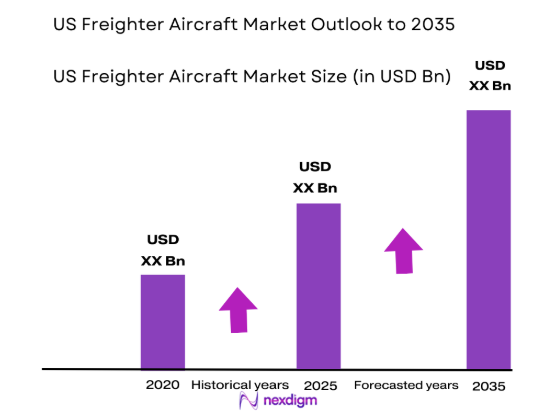
The US freighter aircraft market, valued at approximately USD ~ billion, is primarily driven by increasing demand for air cargo services, fueled by the rise of e-commerce, global trade, and supply chain complexities. Growth is further accelerated by the adoption of larger and more fuel-efficient freighters that cater to evolving logistics needs, including time-sensitive deliveries and cross-border transportation. Freight operators, including express delivery companies, airlines, and third-party logistics providers, are seeking ways to modernize and expand their fleets to meet growing demand in both domestic and international markets.
In terms of geographical dominance, the United States, specifically key hubs such as Los Angeles, Chicago, and Dallas, leads the market due to robust infrastructure, high cargo volumes, and well-established air freight networks. The country benefits from its strategic position as a global logistics center, supported by world-class airports and well-connected rail and road networks. Additionally, demand from e-commerce giants like Amazon, FedEx, and UPS further strengthens the position of the US as the dominant player in the freighter aircraft market.
Market Segmentation
By Product Type
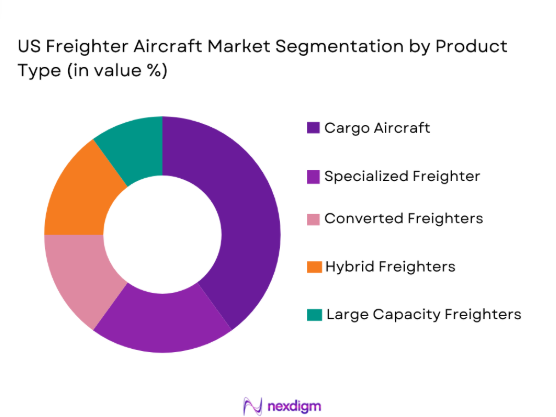
The US freighter aircraft market is segmented by product type into cargo aircraft, specialized freighter aircraft, converted freighters, hybrid freighters, and large capacity freighters. Recently, large capacity freighters have a dominant market share due to factors such as increased demand for faster deliveries, larger shipment volumes, and advancements in fuel efficiency and cargo handling systems. Their ability to transport high volumes of goods across long distances efficiently has made them the preferred choice for major logistics companies, enabling them to meet growing e-commerce demands and international shipping needs. This trend is further driven by increased investments in fleet modernization, and major players such as FedEx and UPS are upgrading their fleets with large capacity freighters to maximize operational efficiency.
By Platform Type
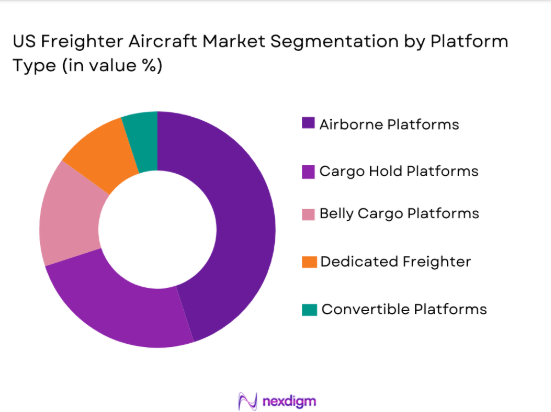
The US freighter aircraft market is segmented by platform type into airborne platforms, cargo hold platforms, belly cargo platforms, dedicated freighter platforms, and convertible platforms. Recently, dedicated freighter platforms have a dominant market share due to factors such as dedicated infrastructure for cargo, optimized design for large volumes, and the demand for specialized air freight services. Dedicated freighters offer the flexibility and capacity to handle a wide range of cargo, from perishables to large industrial shipments. Additionally, dedicated freighters are increasingly being seen as critical assets for time-sensitive deliveries, offering direct, faster routes for high-value goods. Their operational efficiency, coupled with technological advancements, further drives the preference for these platforms in major logistics networks.
Competitive Landscape
The competitive landscape in the US freighter aircraft market is characterized by consolidation, with major players such as Boeing, Airbus, and Lockheed Martin controlling significant portions of the market. The presence of large logistics companies such as FedEx, UPS, and DHL also plays a vital role in shaping the competitive dynamics by driving demand for specialized aircraft and fleet modernization. Additionally, companies like Amazon Air are becoming increasingly influential in this market, expanding their fleets and supporting the overall demand for freighter aircraft. While large players dominate the space, niche manufacturers and conversion specialists are also emerging, contributing to a more diverse and competitive market environment. This growth is supported by technological advancements, regulatory support, and increasing investment in the aviation sector.
| Company Name | Establishment Year | Headquarters | Technology Focus | Market Reach | Key Products | Revenue | Additonal Parameters |
| Boeing | 1916 | Chicago, IL, USA | ~ | ~ | ~ | ~ | ~ |
| Airbus | 1970 | Toulouse, France | ~ | ~ | ~ | ~ | ~ |
| FedEx Express | 1971 | Memphis, TN, USA | ~ | ~ | ~ | ~ | ~ |
| UPS Airlines | 1982 | Louisville, KY, USA | ~ | ~ | ~ | ~ | ~ |
| Amazon Air | 2016 | Seattle, WA, USA | ~ | ~ | ~ | ~ | ~ |
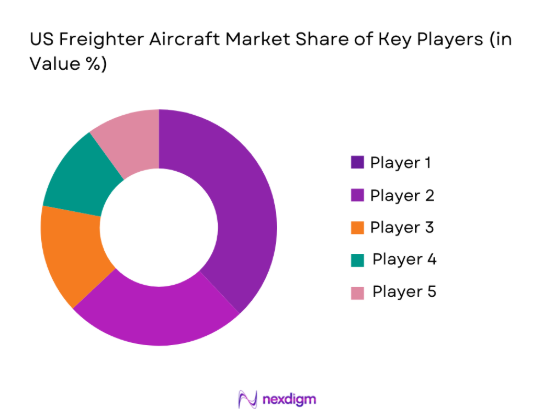
US Freighter Aircraft Market Analysis
Growth Drivers
Rising E-commerce Demand
The growth of e-commerce is a major driver for the US freighter aircraft market, as logistics companies are under increasing pressure to fulfill online orders swiftly and efficiently. The expansion of e-commerce platforms like Amazon, coupled with the shift toward same-day and next-day delivery services, has led to a surge in demand for air cargo services. Freighter aircraft, particularly large capacity freighters, are integral to fulfilling these needs, offering faster, more reliable transport for goods across long distances. This trend is expected to continue as e-commerce giants expand their global networks to meet the growing consumer demand for quick delivery times, further pushing the need for modernized freighter fleets. The rise of omnichannel retail and the changing consumer purchasing behaviors are creating an even larger opportunity for air cargo to meet the delivery expectations of consumers, especially in peak seasons like the holidays. This driver is expected to lead to continued investment in freighter aircraft, with more airlines and freight operators updating their fleets.
Technological Advancements in Aircraft Design
Another significant growth driver for the US freighter aircraft market is the ongoing advancements in aircraft design and technology, which are focused on improving fuel efficiency, reducing operational costs, and increasing payload capacity. Innovations such as lightweight composite materials, fuel-efficient engines, and enhanced cargo management systems have transformed the freighter aircraft landscape. These advancements not only improve the sustainability of operations but also make freighters more economically viable for logistics companies. Additionally, the development of autonomous systems and digital tools to manage cargo more effectively is expected to further enhance the efficiency of freighter aircraft. These technological improvements are helping to meet the increasing demand for air cargo services while mitigating the environmental impact of the aviation sector, leading to more widespread adoption of modern freighter aircraft by major logistics players.
Market Challenges
High Operational Costs
One of the primary challenges facing the US freighter aircraft market is the high operational and maintenance costs associated with running large cargo fleets. Freighter aircraft require significant capital investment not only for their initial purchase but also for their ongoing maintenance, fuel, and staffing. These costs can be particularly burdensome for smaller freight operators who may struggle to compete with the larger players that benefit from economies of scale. Additionally, the fluctuating cost of aviation fuel and the need for continuous fleet modernization to keep pace with technological advancements further compound these financial challenges. As the market continues to evolve, companies must find ways to mitigate these costs while maintaining high levels of service. This challenge has led to an increased focus on partnerships, leasing options, and the adoption of more fuel-efficient aircraft to help offset these high operational costs.
Stringent Regulatory Environment
The US freighter aircraft market also faces significant challenges in navigating the complex regulatory environment governing aviation. From safety standards set by the Federal Aviation Administration (FAA) to environmental regulations aimed at reducing emissions, freighter aircraft operators must comply with a variety of rules and regulations. These regulations can increase the costs of operations and slow down the pace of fleet modernization as companies must ensure compliance with all applicable laws. In addition to domestic regulations, international regulations, such as the International Civil Aviation Organization (ICAO) standards, add another layer of complexity for companies operating globally. Ensuring compliance with these regulations while maintaining cost efficiency and operational flexibility is a constant challenge for freight operators, potentially impacting their ability to compete in a fast-moving market.
Opportunities
Sustainability in Air Cargo
One of the most promising opportunities in the US freighter aircraft market lies in the growing demand for sustainable solutions. The aviation industry, including freight operators, is under increasing pressure to reduce its carbon footprint and adopt greener technologies. Innovations in hybrid and electric propulsion systems offer a potential breakthrough for reducing fuel consumption and lowering emissions. As government regulations tighten and consumer demand for eco-friendly solutions grows, airlines and freight operators are exploring new, greener technologies for their fleets. This shift towards sustainability provides a significant opportunity for freighter aircraft manufacturers and operators to invest in cleaner technologies, which will not only benefit the environment but also provide a competitive edge in a market increasingly focused on sustainability.
Rise of Automated and Smart Technologies
The rise of automation and smart technologies in cargo operations presents a substantial opportunity for the US freighter aircraft market. The implementation of automated loading and unloading systems, autonomous aircraft operations, and AI-driven logistics solutions are expected to revolutionize the air cargo industry. These technologies can significantly reduce operational costs, improve efficiency, and shorten turnaround times at airports, all of which are crucial in meeting the demands of a rapidly growing global e-commerce market. Additionally, smart technologies that enable real-time tracking, enhanced cargo security, and optimized route planning can further enhance the value proposition of freighter aircraft. This opportunity is already being explored by major players in the industry, with significant investments being made into the development and deployment of automated technologies, signaling a transformation in air freight operations.
Future Outlook
The future of the US freighter aircraft market is expected to be characterized by continued growth, driven by advancements in technology and the increasing demand for air cargo services. Key developments such as sustainable propulsion systems, automation, and digitalization are set to transform the sector. Regulatory support, especially concerning environmental standards, will shape the direction of technological investments, with a strong emphasis on fuel efficiency and emissions reduction. As e-commerce continues to expand, so too will the need for faster and more reliable air freight services, further driving demand for freighter aircraft.
Major Players
- Boeing
- Airbus
- FedEx Express
- UPS Airlines
- Amazon Air
- Atlas Air
- Cargolux
- DHL Aviation
- Emirates SkyCargo
- Lufthansa Cargo
- Qatar Airways Cargo
- AirBridgeCargo Airlines
- Kalitta Air
- Singapore Airlines Cargo
- China Eastern Airlines Cargo
Key Target Audience
- Investments and venture capitalist firms
- Government and regulatory bodies
- Freight operators
- Aircraft manufacturers
- Logistics service providers
- Airline operators
- Aircraft leasing companies
- Airlines with dedicated air cargo services
Research Methodology
Step 1: Identification of Key Variables
This step involves recognizing the critical factors influencing the market, including technological innovations, demand drivers, regulatory trends, and industry-specific dynamics. Key market variables are identified from a broad spectrum of sources, ensuring a clear focus on the most impactful elements.
Step 2: Market Analysis and Construction
In this phase, a comprehensive market analysis is conducted using both primary data from interviews and surveys and secondary data from reputable sources. The data is structured to create a detailed market model that segments the market into key components for in-depth analysis.
Step 3: Hypothesis Validation and Expert Consultation
The market model hypotheses are validated through consultations with industry experts, executives, and stakeholders to ensure the assumptions are realistic and aligned with current market trends. This step provides real-world insights and a deeper understanding of market challenges and opportunities.
Step 4: Research Synthesis and Final Output
After gathering and validating all the data, it is synthesized into a final comprehensive market report. This output includes insights, forecasts, and actionable recommendations that are presented clearly to assist stakeholders in making informed decisions based on the latest market trends.

- Executive Summary
- Research Methodology (Definitions, Scope, Industry Assumptions, Market Sizing Approach, Primary & Secondary Research Framework, Data Collection & Verification Protocol, Analytic Models & Forecast Methodology, Limitations & Research Validity Checks)

- Market Definition and Scope
- Value Chain & Stakeholder Ecosystem
- Regulatory / Certification Landscape
- Sector Dynamics Affecting Demand
- Strategic Initiatives & Infrastructure Growth

- Growth Drivers
Growth in E-commerce and Online Retail
Increasing Air Cargo Traffic Demand
Need for Modernization in Air Cargo Fleets
Development of Sustainable Aviation Technologies
Expansion of Global Freight Networks - Market Challenges
High Capital Investment Requirements
Stringent Environmental Regulations
Technological Integration Issues
Lack of Standardization in Conversion Services
Limited Availability of Aircraft for Conversion - Market Opportunities
Advancements in Electric and Hybrid Propulsion
Growing Demand for Eco-Friendly Cargo Solutions
Partnerships for Advanced Cargo Handling Solutions - Trends
Digitalization in Freight Operations
Rise of Autonomous Cargo Aircraft
Focus on Reducing Carbon Emissions in Cargo Aviation
Development of New Aircraft Conversion Technologies
Integration of Smart Cargo Systems - Government Regulations & Defense Policy
Aviation Emission Reduction Standards
FAA Regulations for Aircraft Modification
Cargo Security and Inspection Guidelines - SWOT Analysis
- Stakeholder and Ecosystem Analysis
- Porter’s Five Forces Analysis
- Competition Intensity and Ecosystem Mapping

By Market Value, 2020-2025
By Installed Units, 2020-2025
By Average System Price, 2020-2025
By System Complexity Tier, 2020-2025

- By System Type (In Value%)
Cargo Aircraft
Specialized Freighter Aircraft
Converted Freighters
Hybrid Freighters
Large Capacity Freighters - By Platform Type (In Value%)
Airborne Platforms
Cargo Hold Platforms
Belly Cargo Platforms
Dedicated Freighter Platforms
Convertible Platforms - By Fitment Type (In Value%)
Integrated Solutions
Custom Fitment Solutions
Modification Services
Retrofit Solutions
Conversion Solutions - By EndUser Segment (In Value%)
Freight Operators
E-commerce Giants
Airlines with Cargo Services
Military Logistics
Third-Party Logistics Providers - By Procurement Channel (In Value%)
Direct Procurement
Government Contracts
Leasing Companies
Freight Operators’ In-House Procurement
Third-Party Distributors - By Material / Technology (in Value%)
Lightweight Composite Materials
Advanced Avionics Systems
Cargo Management Systems
Fuel-Efficient Engines
Automation & Robotics

- Market share snapshot of major players
- Cross Comparison Parameters (System Type, Platform Type, Procurement Channel, EndUser Segment, Fitment Type, Material/Technology, Regional Reach, Technological Innovation, Pricing Strategy, Product Portfolio)
- SWOT Analysis of Key Players
- Pricing & Procurement Analysis
- Key Players
Boeing
Airbus
Lockheed Martin
GE Aviation
Northrop Grumman
DHL Aviation
FedEx Express
Atlas Air
UPS Airlines
Cargolux
Emirates SkyCargo
Amazon Air
Boeing Global Services
Ryanair
IAG Cargo

- Freight Operators Investing in Modern Fleets
- E-commerce Giants Expanding Delivery Networks
- Military Logistics Adoption of Freighter Aircraft
- Third-Party Logistics Providers Focusing on Efficiency

- Forecast Market Value, 2026-2035
- Forecast Installed Units, 2026-2035
- Price Forecast by System Tier, 2026-2035
- Future Demand by Platform, 2026-2035


 Request a Sample
 Ask for Customization
 Get a Quote
 Enquire Now