
 Download PDF
Market Overview
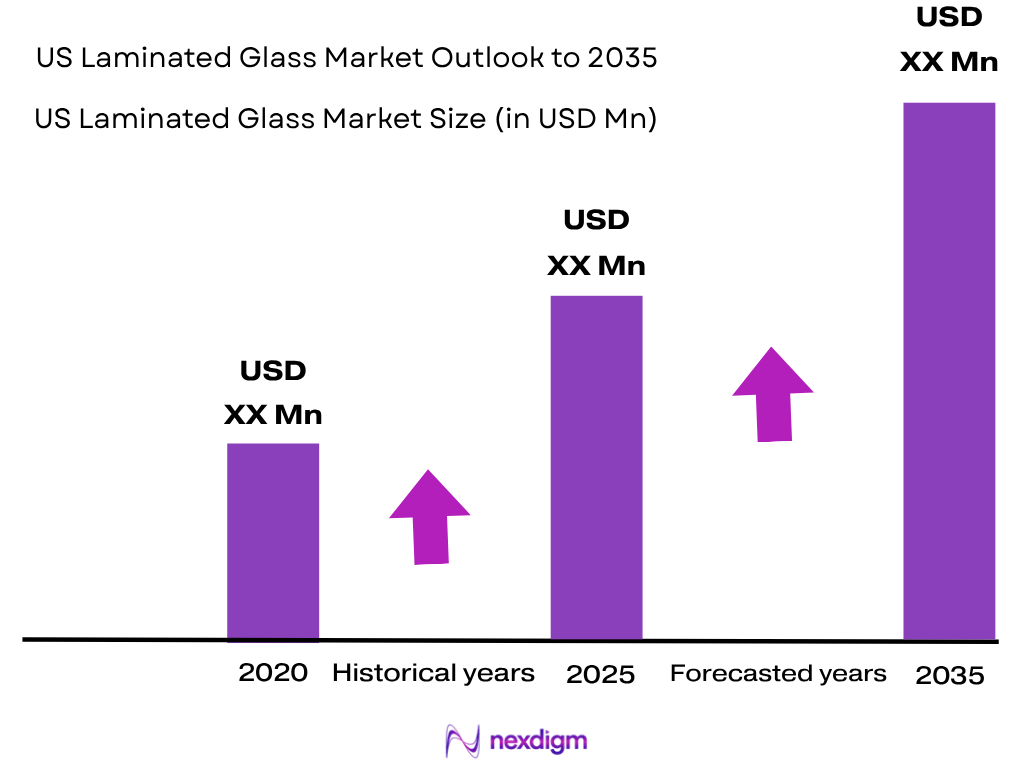
The US laminated glass market is valued at ~USD XX billion in 2024 and is expected to grow at a CAGR of ~X% during 2026-2035. The market expansion is supported by rising adoption of safety glazing in commercial buildings, automotive windshields, architectural façades, and security applications. Laminated glass demand is increasing due to its impact resistance, acoustic insulation, UV protection, and compliance with safety standards. Globally, the laminated glass market was valued at USD 21.93 billion in 2024, reflecting strong demand from construction and automotive applications.
The US laminated glass market is concentrated around major construction and automotive manufacturing hubs including California, Texas, Michigan, Ohio, New York, and Illinois. California and New York demonstrate strong demand due to large-scale commercial construction, high-rise developments, and stringent building safety requirements. Michigan remains a major automotive glazing center due to the presence of vehicle manufacturers and automotive supply chains. Texas contributes significantly through infrastructure expansion, commercial real estate projects, and energy-sector facility construction requiring advanced glazing solutions.
Market Segmentation
By Application Type
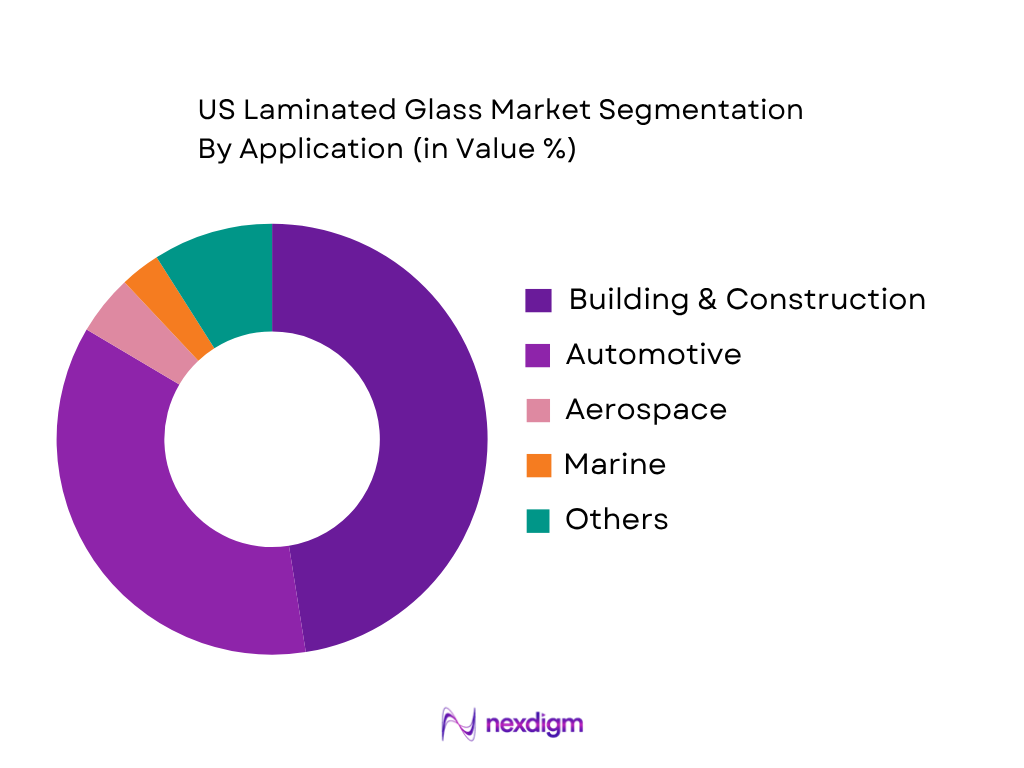
The US laminated glass market is segmented by application type into building & construction, automotive, aerospace, marine, security & defense, and solar applications. Building & construction represents the dominant application segment due to increasing usage of laminated glass in façades, curtain walls, skylights, doors, windows, and acoustic glazing systems. Commercial buildings, airports, hospitals, and premium residential developments increasingly require safety glazing solutions that maintain structural integrity after impact. Laminated glass provides enhanced protection against breakage, noise reduction, and improved energy efficiency, making it preferred for modern architectural designs. The expansion of green building standards and demand for high-performance construction materials further supports adoption. Safety regulations requiring impact-resistant glazing in specific building applications also strengthen demand from contractors, architects, and developers.
By Glass Type
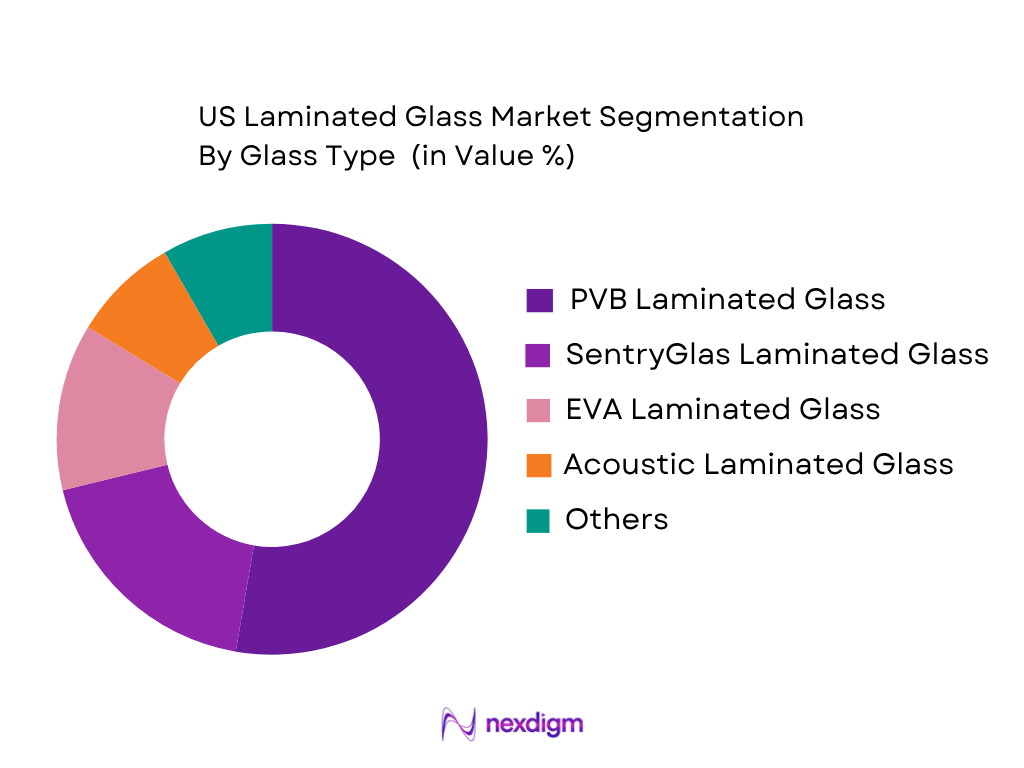
The US laminated glass market is segmented by glass type into PVB laminated glass, SentryGlas laminated glass, EVA laminated glass, acoustic laminated glass, bullet-resistant laminated glass, and decorative laminated glass. PVB laminated glass dominates the segment due to its extensive usage in automotive windshields and architectural glazing applications. Polyvinyl butyral interlayers provide strong adhesion, safety performance, transparency, and acoustic properties. Automotive manufacturers widely use PVB laminated glass because it maintains visibility and prevents glass fragmentation during accidents. In construction applications, PVB-based laminated glass is preferred for windows, façades, and overhead glazing due to compliance with safety standards and durability requirements. The availability of established manufacturing infrastructure and compatibility with multiple glass configurations further strengthens its market position. PVB remains the most commonly used interlayer material globally for laminated glass applications.
Competitive Landscape
The US laminated glass market is moderately consolidated, with global glass manufacturers and specialized glazing companies competing through advanced product development, manufacturing capacity, automotive partnerships, and architectural solutions. Major players focus on safety glazing, acoustic glass, energy-efficient glass, and customized laminated solutions for automotive and construction applications.
| Company | Establishment Year | Headquarters | Product Portfolio | Manufacturing Capability | Major End Users | Technology Focus | Distribution Network |
| Saint-Gobain | 1665 | France | ~ | ~ | ~ | ~ | ~ |
| AGC Inc. | 1907 | Japan | ~ | ~ | ~ | ~ | ~ |
| Guardian Industries | 1932 | USA | ~ | ~ | ~ | ~ | ~ |
| Vitro Architectural Glass | 1909 | USA | ~ | ~ | ~ | ~ | ~ |
| NSG Group | 1918 | Japan | ~ | ~ | ~ | ~ | ~ |
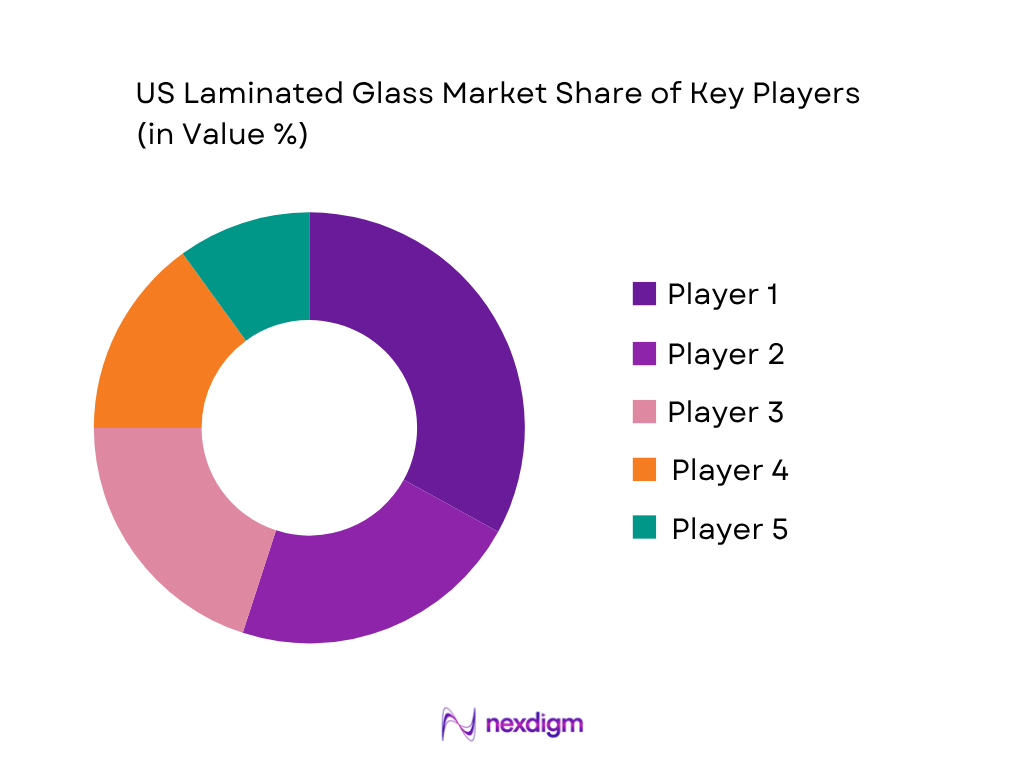
US Laminated Glass Market Analysis
Growth Drivers
Increasing Automotive Safety Glass Adoption
The US laminated glass market is supported by increasing integration of safety glazing solutions in passenger vehicles, commercial vehicles, and electric vehicles. Automotive manufacturers are increasingly using laminated windshields and acoustic glazing systems to improve occupant protection, reduce cabin noise, and support advanced vehicle designs. According to the US Department of Transportation, the country recorded 276.1 million registered vehicles in 2023, creating a large replacement and OEM demand base for automotive glass solutions. The National Highway Traffic Safety Administration reported 40,901 road fatalities in 2023, reinforcing the importance of advanced safety technologies in vehicles. The growth of electric vehicles is further strengthening demand, with the International Energy Agency reporting that global electric car sales exceeded 17 million units in 2024, increasing the requirement for lightweight and high-performance glazing materials. Laminated glass adoption is also supported by federal vehicle safety standards requiring improved windshield retention and occupant protection performance. The combination of vehicle safety regulations, rising vehicle ownership, and increasing demand for premium automotive features continues to drive the adoption of laminated glass in the US automotive sector.
Expansion of Commercial Construction Activity
The US laminated glass market benefits from continued investment in commercial construction, renovation projects, and modern building infrastructure requiring advanced façade and safety glazing solutions. Laminated glass is increasingly specified in offices, healthcare facilities, educational buildings, retail complexes, and transportation infrastructure because of its impact resistance, acoustic insulation, and design flexibility. According to the US Census Bureau, construction spending in the United States reached approximately USD 2 trillion annually in 2024, reflecting sustained activity across private and public construction sectors. The US Department of Energy reported that commercial and residential buildings account for around 30% of total US energy consumption, increasing demand for energy-efficient glazing systems that improve thermal performance. Urban development in major metropolitan areas such as New York, Los Angeles, Dallas, and Miami continues to support demand for advanced architectural glass. Additionally, building codes requiring safety glazing in specific applications, including entrances, hazardous locations, and high-rise structures, are encouraging the replacement of conventional glass with laminated alternatives. These factors support long-term adoption of laminated glass in commercial construction applications.
Market Challenges
High Production Energy Requirements
The US laminated glass market faces challenges due to the energy-intensive nature of glass manufacturing, including melting, forming, tempering, and lamination processes. Glass production requires significant thermal energy, making manufacturers vulnerable to fluctuations in natural gas and electricity costs. According to the US Energy Information Administration, industrial facilities consumed approximately 32 quadrillion British thermal units of energy in 2023, highlighting the significant energy demand of manufacturing industries. The glass industry relies heavily on high-temperature furnaces operating above 1,400°C, creating pressure to improve energy efficiency and reduce emissions. The Environmental Protection Agency reported that industrial processes remain one of the major contributors to greenhouse gas emissions in the US economy, increasing regulatory pressure on energy-intensive manufacturers. Laminated glass production also requires additional processing steps, including interlayer application, autoclaving, and quality inspection, compared with conventional glass manufacturing. Companies are therefore required to invest in furnace modernization, renewable energy integration, and process optimization to manage operational challenges. These energy-related requirements can influence production costs and create barriers for smaller manufacturers entering the laminated glass market.
Dependence on Specialty Interlayer Materials
The US laminated glass market is challenged by dependence on specialized interlayer materials such as polyvinyl butyral (PVB), ethylene-vinyl acetate (EVA), and ionoplast films that determine performance characteristics including safety retention, acoustic insulation, and durability. Supply availability and material consistency are critical because laminated glass performance depends heavily on interlayer quality. According to the US Geological Survey, the United States imported significant volumes of specialty chemical materials used across industrial applications, reflecting continued reliance on global chemical supply networks. The automotive and construction industries require strict material certifications, increasing qualification timelines for alternative suppliers. Specialty interlayers must meet performance requirements related to temperature resistance, optical clarity, moisture protection, and long-term adhesion. Disruptions in chemical supply chains can affect manufacturing schedules for automotive glass producers, architectural glass fabricators, and security glazing suppliers. Additionally, increasing environmental regulations related to chemical compositions and recycling compatibility are creating pressure for manufacturers to develop alternative interlayer technologies. Managing material availability, regulatory compliance, and performance requirements remains a key challenge for laminated glass producers.
Market Opportunities
Electric Vehicle Windshield Growth
The expansion of electric vehicles creates significant opportunities for laminated glass manufacturers through increased demand for lightweight, acoustic, and advanced safety glazing solutions. Electric vehicles generate lower engine noise compared with internal combustion vehicles, increasing consumer expectations for improved cabin acoustics and encouraging adoption of acoustic laminated windshields. According to the International Energy Agency, global electric vehicle sales surpassed 17 million units in 2024, demonstrating rapid industry expansion and increasing demand for specialized automotive components. The US electric vehicle market continues to develop through investments in battery manufacturing, charging infrastructure, and vehicle production capacity. The US Department of Energy reported continued expansion of domestic electric vehicle and battery manufacturing projects supported by industrial investment programs. Laminated glass suppliers have opportunities to provide thinner, lighter, and multifunctional glazing solutions integrated with sensors, displays, and advanced driver assistance systems. Increasing demand for premium electric vehicles, improved passenger comfort, and enhanced safety performance is expected to strengthen the role of laminated glass in next-generation automotive designs.
Hurricane and Impact Resistant Glazing Demand
The growing need for resilient building materials in weather-exposed regions creates opportunities for laminated glass adoption in hurricane-resistant and impact-resistant glazing applications. Coastal states such as Florida, Texas, Louisiana, and North Carolina experience frequent exposure to hurricanes and severe storms, increasing demand for protective building materials. According to the National Oceanic and Atmospheric Administration, the Atlantic hurricane season produced 18 named storms in 2024, including major storm events affecting coastal regions. Laminated glass provides improved protection because the interlayer holds glass fragments together after impact, reducing injury risks and maintaining building envelope integrity. The Federal Emergency Management Agency promotes stronger building practices in disaster-prone areas, supporting adoption of resilient construction materials. Residential and commercial property owners are increasingly investing in storm-resistant windows, security glazing, and improved building protection systems. This creates opportunities for laminated glass manufacturers to expand into retrofit applications, high-performance architectural glazing, and specialized protective glass solutions for climate-resilient infrastructure.
Future Outlook
The US laminated glass market is expected to witness steady expansion over the next decade, supported by increasing safety requirements, infrastructure modernization, automotive technology advancement, and demand for energy-efficient building materials. Growth will be driven by increasing adoption of acoustic glazing, smart glass integration, electric vehicle manufacturing, and sustainable construction practices. The automotive sector is expected to remain an important growth contributor as manufacturers integrate laminated glazing solutions with advanced driver assistance systems, noise reduction technologies, and lightweight vehicle designs. The construction industry will continue adopting laminated glass for premium buildings, commercial infrastructure, and renovation projects.
Major Players
- Saint-Gobain
- AGC Inc.
- Guardian Industries
- Vitro Architectural Glass
- NSG Group
- Eastman Chemical Company
- Kuraray Co. Ltd.
- Sisecam Group
- Fuyao Glass Industry Group
- Xinyi Glass Holdings
- Schott AG
- Central Glass Co.
- Taiwan Glass Industry Corporation
- Trulite Glass & Aluminum Solutions
- Oldcastle BuildingEnvelope
Key Target Audience
- Automotive OEM manufacturers
- Automotive glass suppliers and Tier-1 component manufacturers
- Construction and real estate development companies
- Architectural glazing contractors
- Glass processing and fabrication companies
- Investments and venture capitalist firms
- Government and regulatory bodies (US Department of Transportation, National Highway Traffic Safety Administration, Department of Energy, Federal Aviation Administration)
- Infrastructure development companies and facility management organizations
Research Methodology
Step 1: Identification of Key Variables
The initial phase involves developing an ecosystem map covering laminated glass manufacturers, raw material suppliers, automotive OEMs, construction companies, glazing contractors, and regulatory stakeholders. Secondary research is conducted to identify market variables including glass production trends, application demand, regulatory requirements, and technology developments.
Step 2: Market Analysis and Construction
Historical market information is analyzed through demand-side and supply-side assessments covering automotive production, construction activity, infrastructure investment, and laminated glass adoption patterns. Revenue estimation is structured using application-level consumption analysis and industry validation.
Step 3: Hypothesis Validation and Expert Consultation
Market assumptions are validated through discussions with industry participants including glass manufacturers, processors, automotive suppliers, and construction specialists. These interactions provide operational insights regarding product demand, technology adoption, and competitive positioning.
Step 4: Research Synthesis and Final Output
The final stage integrates collected information through data triangulation, ensuring alignment between production capacity, end-use demand, regulatory influences, and market dynamics. The findings are consolidated into a comprehensive market assessment.

- Executive Summary
- Research Methodology (Market Definition and Scope, Laminated Glass Industry Framework, Market Sizing Approach, Revenue Estimation Methodology, Top-Down Analysis, Bottom-Up Analysis, Supply-Side Assessment, Demand-Side Assessment, Primary Interviews, Manufacturer Validation, Distribution Channel Mapping, Application-Level Analysis, Data Triangulation, Forecasting Model, Research Limitations)

- Definition and Scope
- Laminated Glass Manufacturing Ecosystem
- Evolution of Laminated Glass Industry
- Key Industry Developments and Technological Milestones
- Laminated Glass Value Chain Analysis

- Growth Drivers (Increasing Automotive Safety Glass Adoption, Expansion of Commercial Construction Activity, Growth of Green Building Requirements, Rising Demand for Acoustic Glazing Solutions, Increasing Security Glazing Requirements, Infrastructure Modernization Projects, Growth of Electric Vehicles, Expansion of Transportation Infrastructure)
- Market Challenges (High Production Energy Requirements, Raw Material Price Volatility, Dependence on Specialty Interlayer Materials, Complex Fabrication Requirements, Quality Control Requirements, Limited Recycling Infrastructure, Competition from Tempered Glass, High Manufacturing Investment Requirements, Supply Chain Disruptions)
- Market Opportunities (Electric Vehicle Windshield Growth, Smart Laminated Glass Integration, Energy-Efficient Building Applications, Hurricane and Impact Resistant Glazing Demand, Security and Blast Resistant Glass Applications, Soundproof Architectural Glass Solutions, Sustainable Glass Recycling Technologies, Infrastructure Safety Glass Replacement Demand)
- Market Trends (Smart Glass Integration, Low-E Laminated Glass Adoption, Acoustic Laminated Glass Growth, Lightweight Automotive Glazing, Sustainable Building Materials, Energy Efficient Building Codes, Multifunctional Glass Solutions, Digital Manufacturing Technologies)
- Government Regulations and Standards (ASTM Glass Safety Standards, ANSI Z97.1 Safety Glazing Requirements, Federal Motor Vehicle Safety Standards, International Building Code Compliance, Energy Efficiency Building Regulations, LEED Building Requirements, Transportation Safety Standards)
- SWOT Analysis
- Porter’s Five Forces Analysis
- PESTLE Analysis
- Stakeholder Ecosystem Analysis
- Competition Ecosystem Analysis

- By Market Value (2020-2025)
- By Volume Consumption (2020-2025)
- By Average Selling Price (2020-2025)
- By Production Volume (2020-2025)
- By Domestic Manufacturing Capacity (2020-2025)

- By Product Type (In Value %)
PVB Laminated Glass
EVA Laminated Glass
SGP / Ionoplast Laminated Glass
Resin Laminated Glass
Acoustic Laminated Glass
Colored Laminated Glass
Low-E Laminated Glass
Heat Resistant Laminated Glass
Security Laminated Glass - By Interlayer Type (In Value %)
Polyvinyl Butyral (PVB)
Ethylene Vinyl Acetate (EVA)
SentryGlas Plus (SGP)
Thermoplastic Polyurethane (TPU)
Specialty Acoustic Interlayers - By Application (In Value %)
Automotive Windshields
Automotive Side and Rear Glass
Commercial Building Facades
Residential Windows and Doors
Skylights and Canopies
Security and Safety Glazing
Marine Glazing - By End-Use Industry (In Value %)
Automotive Industry
Commercial Construction
Residential Construction
Infrastructure Projects
Aerospace and Defense
Marine Industry - By Glass Thickness (In Value %)
Thin Laminated Glass
Standard Laminated Glass
Heavy-Duty Laminated Glass
Multi-Layer Laminated Glass - By Manufacturing Process (In Value %)
Autoclave Laminated Glass
Cast-in-Place Resin Laminated Glass
Vacuum Laminated Glass
Film-Based Lamination

- Market Share Analysis of Major Players (By Revenue, Product Category, Application Segment, Distribution Channel)
- Cross Comparison Parameters (Production Capacity, Laminated Glass Product Portfolio, Interlayer Technology Capability, Automotive Glass Manufacturing Presence, Architectural Glass Processing Network, Geographic Manufacturing Footprint, Certification and Testing Capability, Research and Development Investment)
- SWOT Analysis of Major Companies
- Detailed Profiles of Major Companies
AGC Inc.
Saint-Gobain
Nippon Sheet Glass Co., Ltd.
Vitro
Guardian Industries
Fuyao Glass Industry Group
Xinyi Glass Holdings
Central Glass Co., Ltd.
SCHOTT AG
Koch Industries
Cardinal Glass Industries
Trulite Glass & Aluminum Solutions
Oldcastle BuildingEnvelope
Interstate Glass Technologies
Viracon

- Consumer Behavior Assessment
- End-Use Consumption Trends
- Demographic and Regional Demand Analysis
- Purchasing Decision Analysis
- Product Attribute Preference Analysis

- By Market Value (2026-2035)
- By Volume Consumption (2026-2035)
- By Average Selling Price (2026-2035)
- By Production Volume (2026-2035)
- By Domestic Manufacturing Capacity (2026-2035)


 Request a Sample
 Ask for Customization
 Get a Quote
 Enquire Now