

 Download PDF
Market Overview
The Philippines Automotive Diagnostic Scan Tools Market is valued at ~USD XX million based on the defined market scope covering professional diagnostic scanners, OBD-II scanners, multi-brand diagnostic platforms, ECU diagnostic equipment, and related software and services. Market development is supported by the expanding vehicle parc, increasing electronic content in modern vehicles, and the growing requirement for computerized fault identification across independent workshops, dealerships, and fleet maintenance operations. The market is also influenced by increasing adoption of electronically controlled powertrains, connected vehicle technologies, and more sophisticated engine, transmission, safety, and body control modules.
Metro Manila represents the principal automotive diagnostic activity center because it combines a large concentration of passenger and commercial vehicles with dense networks of dealerships, independent workshops, fleet operators, parts distributors, and automotive service providers. The Philippine Statistics Authority reported a national population of approximately 112.7 million, while the Philippine economy generated substantial transportation and services activity, supporting continued vehicle utilization. Other important automotive service clusters include Cebu City, Davao City, Angeles, Batangas, and Laguna, where industrial activity, logistics operations, dealerships, and vehicle maintenance facilities create recurring demand for diagnostic equipment.
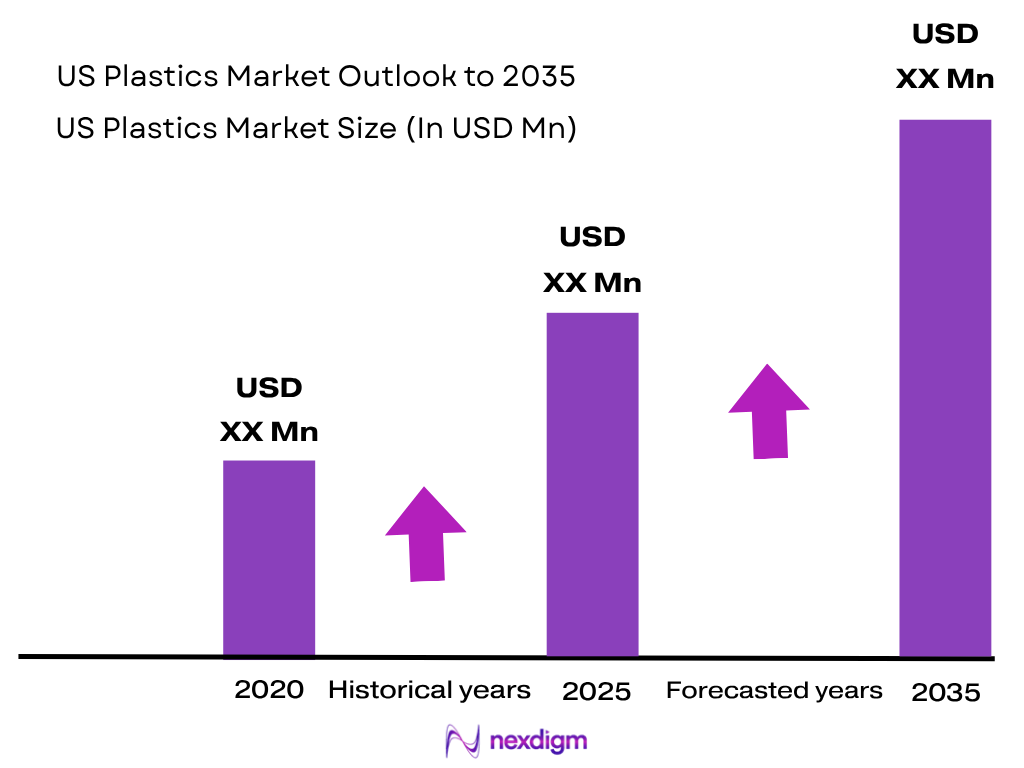
Market Segmentation
By Diagnostic Tool Type
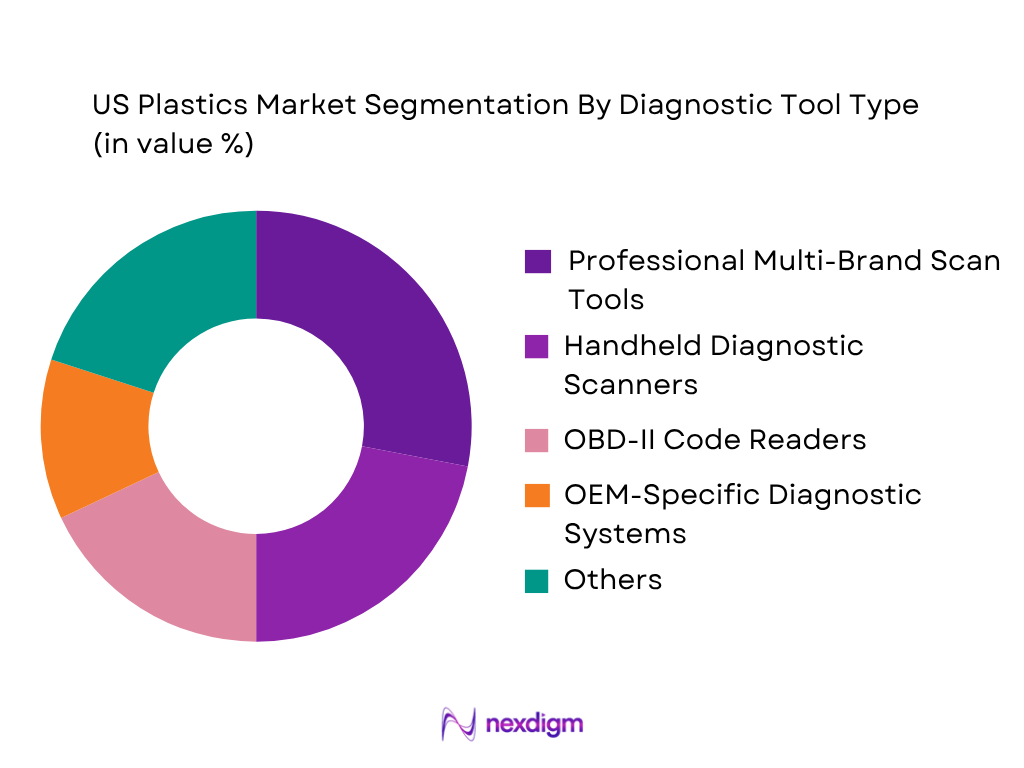
The Philippines Automotive Diagnostic Scan Tools Market is segmented by diagnostic tool type into OBD-II code readers, handheld diagnostic scanners, professional multi-brand scanners, OEM-specific diagnostic systems, ECU programming and coding tools, ADAS diagnostic and calibration systems, and heavy-duty vehicle diagnostic scanners. Recently, professional multi-brand diagnostic scanners are expected to account for the dominant market share at approximately ~XX%, primarily because independent automotive workshops require equipment capable of servicing multiple vehicle brands through a single diagnostic platform. The Philippines has a heterogeneous vehicle fleet comprising Japanese, Korean, Chinese, European, and American brands, increasing the practical value of broad vehicle-coverage tools. Modern professional scanners can access multiple electronic control units, including engine, transmission, ABS, airbag, body control, and instrument modules. Increasing electronic complexity is also moving workshops away from basic fault-code readers toward bidirectional testing, live-data analysis, service resets, coding, and component actuation capabilities. The segment is therefore positioned as a central diagnostic platform for independent repair businesses seeking broader vehicle coverage and improved workshop productivity.
By End User
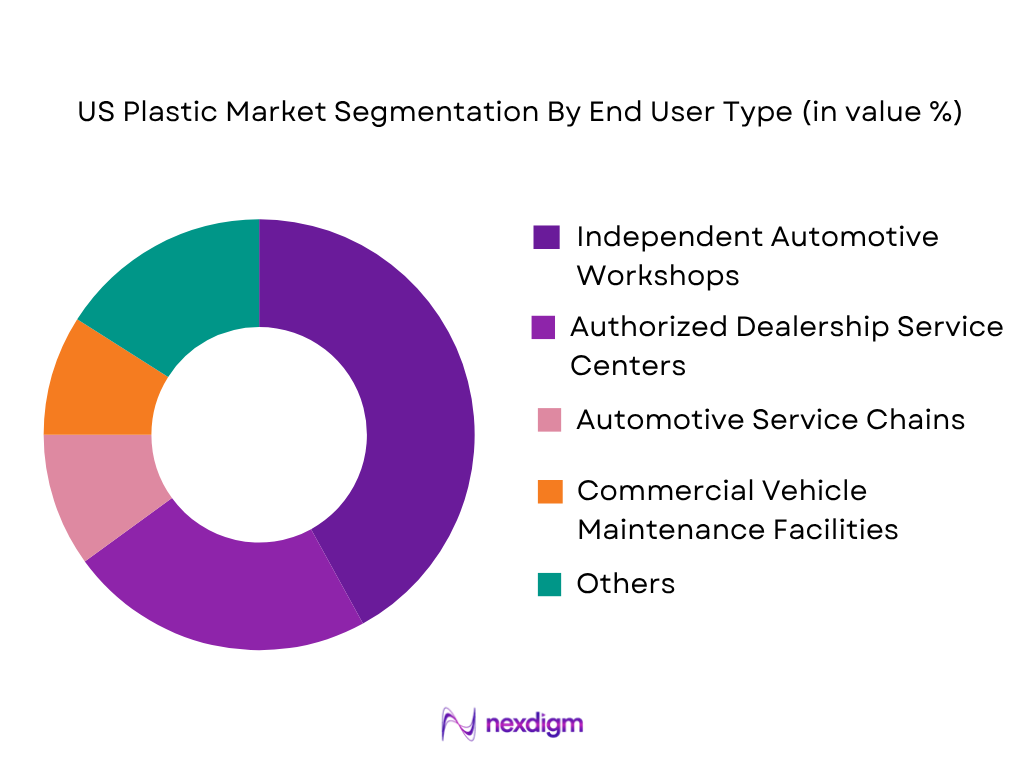
The Philippines Automotive Diagnostic Scan Tools Market is segmented by end user into independent automotive workshops, authorized dealerships, automotive service chains, fleet operators, commercial vehicle maintenance facilities, body and collision repair centers, and automotive electronics specialists. Independent automotive workshops are expected to hold the leading share at approximately ~XX%, reflecting their extensive role in servicing vehicles outside authorized dealership networks. The country’s large population of small and medium-sized repair businesses creates recurring demand for affordable but increasingly capable diagnostic equipment. Independent workshops frequently handle vehicles from several manufacturers, making multi-brand coverage, software compatibility, service-reset functions, live-data monitoring, and component-level diagnostics commercially important. The growth of electronically controlled vehicles further increases dependence on scan-based troubleshooting rather than purely mechanical inspection. Authorized dealerships remain important for OEM-level diagnostics, programming, and warranty-related service, while fleet operators increasingly require diagnostic capability to reduce vehicle downtime and improve preventive maintenance. Commercial vehicle service facilities also require specialized scanners capable of accessing engine, transmission, braking, emissions, and body-control systems. Consequently, independent workshops represent the broadest addressable customer base, while specialized diagnostic requirements create opportunities for premium equipment categories.
Competitive Landscape
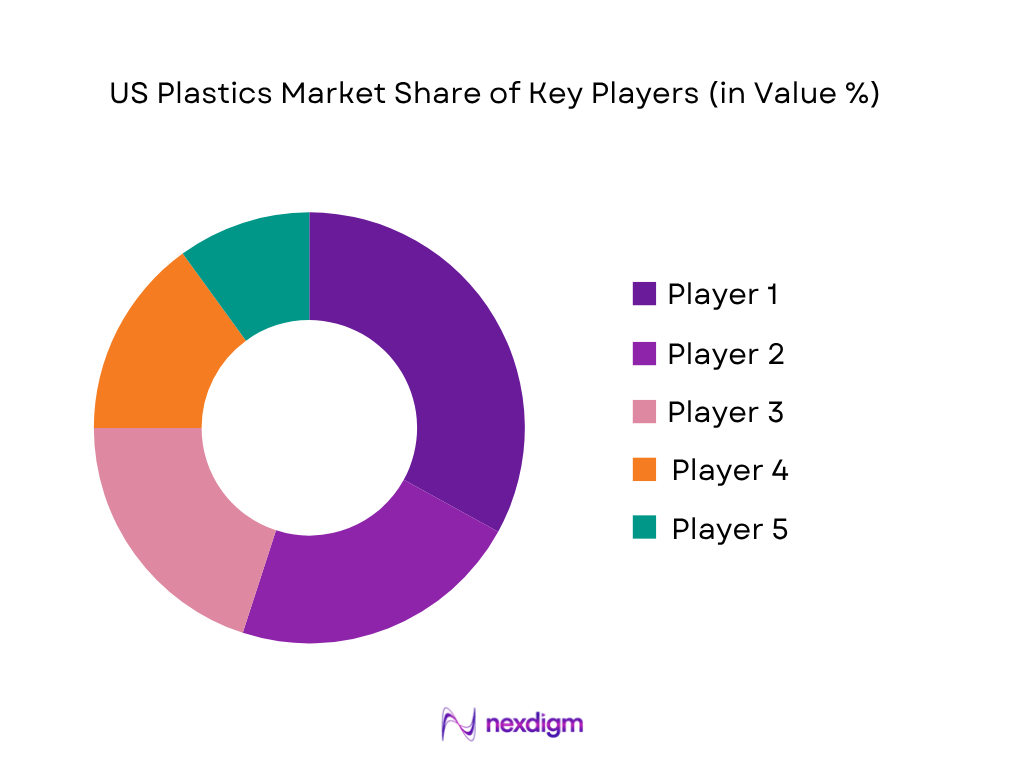
The Philippines Automotive Diagnostic Scan Tools Market comprises global diagnostic equipment manufacturers, automotive technology suppliers, OEM diagnostic platforms, and specialized aftermarket tool providers. Competition is shaped by vehicle coverage, diagnostic software depth, ECU access, bidirectional functionality, programming capability, update frequency, connectivity, and distributor support. Global brands compete alongside regionally distributed professional scanner providers, while authorized dealerships typically rely on manufacturer-specific diagnostic platforms. Independent workshops represent an important competitive battleground because they prioritize multi-brand coverage, ease of use, software availability, and total ownership value.
| Company | Establishment Year | Headquarters | Diagnostic Portfolio | Vehicle Coverage | ECU Programming | ADAS Capability | Connectivity |
| Bosch | 1886 | Gerlingen, Germany | ~ | ~ | ~ | ~ | ~ |
| Snap-on | 1920 | Kenosha, USA | ~ | ~ | ~ | ~ | ~ |
| Autel | 2004 | Shenzhen, China | ~ | ~ | ~ | ~ | ~ |
| Launch Tech | 1992 | Shenzhen, China | ~ | ~ | ~ | ~ | ~ |
| TOPDON | 2017 | Shenzhen, China | ~ | ~ | ~ | ~ | ~ |
US Plastics Market Analysis
Growth Drivers
Expansion of Packaging Demand
The US plastics market is supported by sustained demand from packaging, which remains one of the largest downstream applications for polyethylene, polypropylene, PET and other polymer systems. The underlying economic activity provides a strong demand base: US public construction spending reached $492.7 billion in 2024, while manufacturing construction spending reached $192.4 billion, creating additional requirements for protective packaging, industrial containers, films, pallets and material-handling products. At the resin level, US production of major plastics reached 102.2 billion pounds during 2024, up from the comparable 2023 level, while sales and captive use reached 101.5 billion pounds. PET, HDPE, LDPE, LLDPE and PP are particularly relevant to bottles, containers, films, closures and flexible packaging. The US plastics industry also employed approximately 452,700 workers in plastics-product manufacturing during 2024, demonstrating the scale of the domestic conversion base. Packaging demand is therefore supported by both consumer-goods distribution and industrial manufacturing activity. The combination of high-volume resin availability, extensive converting capacity, manufacturing output and construction-related material movement creates a broad recurring requirement for plastic films, rigid containers, protective packaging and transport packaging across the US economy.
Growth of Construction and Infrastructure Applications
Construction and infrastructure activity provides an important structural demand driver for US plastics because polymers are extensively incorporated into pipes, insulation, roofing membranes, flooring, window profiles, sealants, protective films and other building products. US public construction spending reached $492.7 billion in 2024, compared with $450.7 billion in 2023, while highway construction reached $142.7 billion and educational construction reached $105.2 billion. Manufacturing construction also generated $192.4 billion of construction spending, reflecting continued investment in industrial facilities that require polymer-based piping, insulation, protective materials and electrical components. The economic environment is particularly relevant for PVC, HDPE, PP, polyurethane and engineering plastics because these materials combine corrosion resistance, lightweight characteristics, durability and ease of installation. Plastic piping is increasingly relevant to water, wastewater, drainage and industrial fluid-handling infrastructure, while polymer insulation supports energy-efficiency requirements in buildings and industrial facilities. The scale of construction activity therefore creates demand across both commodity and higher-performance plastics. Continued investment in transportation, utilities, manufacturing facilities and public infrastructure strengthens the addressable application base for plastic products and supports sustained utilization of domestic resin conversion and fabrication capacity.
Market Challenges
Feedstock Price Volatility and Dependence on Petrochemical Feedstocks
The US plastics market remains structurally exposed to fluctuations in natural gas liquids, ethane, crude-derived feedstocks and petrochemical operating conditions because major polymers are produced from hydrocarbon-based intermediates. This dependency is significant even though the US has strong domestic feedstock availability. US ethane production reached a record 2.8 million barrels per day in 2024, representing a 7% increase from the previous year, with the Texas Inland and New Mexico refining districts accounting for 63% of national ethane production. The scale of this concentration creates both an advantage and a supply-chain exposure: polyethylene and other petrochemical value chains benefit from abundant feedstock, but producers remain sensitive to changes in natural-gas processing, export demand, energy infrastructure and regional operating conditions. Major plastics resin production reached 136.0 billion pounds in 2024, illustrating the enormous quantity of polymer output dependent on upstream hydrocarbon availability. Regional concentration also means disruptions affecting Gulf Coast petrochemical infrastructure can transmit through resin availability, transportation and downstream manufacturing. Consequently, polymer producers and converters must manage feedstock procurement, inventory, logistics and production planning carefully. These conditions can complicate long-term capacity planning and increase exposure to external energy and commodity-market movements.
Plastic Waste Management Constraints and Recycling Infrastructure Gaps
Recycling infrastructure remains a major structural challenge for the US plastics market because increasing demand for recycled-content polymers requires sufficient collection, sorting, processing and reprocessing capacity. The US Environmental Protection Agency’s 2024 recycling infrastructure assessment identified an estimated $36.5 billion to $43.4 billion investment requirement to modernize collection and processing infrastructure. The assessment also found that approximately 50% of states and territories collect data on community curbside recycling programs, while just over 60% collect data on drop-off programs, demonstrating uneven infrastructure and data coverage. Only 15% collect data on capture rates for community recycling programs, while approximately 88% do not collect data on the types of single-use plastics in commerce. For plastics manufacturers, these gaps make reliable access to post-consumer resin more difficult, particularly when customers require consistent recycled-content specifications. PET and HDPE benefit from relatively established collection streams, but multilayer films, mixed plastics and difficult-to-sort formats remain more challenging. The fragmented nature of state-level systems further complicates national circularity strategies. Consequently, resin producers, converters and brand owners face the combined challenge of securing adequate recycled feedstock while maintaining material quality, regulatory compliance, traceability and consistent processing performance.
Market Opportunities
Expansion of Advanced Recycling and Post-Consumer Recycled Resin Demand
The transition toward circular plastics creates a significant opportunity for US resin producers, recyclers and converters to develop higher-value recycled polymer streams. The US EPA’s 2024 assessment identified $36.5 billion to $43.4 billion of infrastructure investment needed across curbside collection, drop-off systems, material recovery facilities and packaging recycling infrastructure. This gap represents a substantial opportunity for companies developing sorting, washing, pelletizing, purification and advanced recycling capabilities. The existing resin ecosystem provides a large potential feedstock base: US production of major thermoplastic resins reached 118.6 billion pounds in 2024, including 27.4 billion pounds of LLDPE, 26.7 billion pounds of HDPE, 17.6 billion pounds of PP and 16.7 billion pounds of PVC. Increasing integration of recycled material into packaging, automotive components, construction products and consumer goods can therefore create new demand for PCR and chemically recycled polymers. The opportunity extends beyond recycling facilities to specialized compounding, compatibilizers, purification technologies and quality-control systems that can convert variable waste streams into application-grade resin. Companies capable of delivering consistent recycled feedstock can strengthen relationships with converters and brand owners seeking circular material solutions while reducing dependence on virgin resin for selected applications.
Lightweight Automotive Component Substitution and High-Performance Engineering Plastics
Automotive lightweighting and increasing electronic content create opportunities for engineering plastics, reinforced polymers, thermoplastics and specialty compounds capable of replacing heavier metal components while maintaining mechanical, thermal and electrical performance. The US plastics-product manufacturing sector employed approximately 452,700 workers in 2024, indicating a substantial domestic manufacturing base capable of converting polymers into technically demanding components. At the broader manufacturing level, US manufacturing construction spending reached $192.4 billion in 2024, supporting investment in production facilities where engineered polymer components, electrical housings, protective systems and industrial equipment can be deployed. Vehicle electrification further expands potential applications because EVs require polymer solutions for battery housings, connectors, thermal-management components, charging systems, cable insulation and lightweight interior structures. High-performance plastics such as polyamides, polycarbonates, PEEK, ABS and reinforced polypropylene can address requirements involving heat resistance, dimensional stability, chemical resistance and electrical insulation. The opportunity is therefore shifting from simple volume-based resin consumption toward higher-value material engineering and application development. US compounders and specialty-polymer suppliers can capture additional value through customized formulations, recycled-content grades, flame-retardant materials and application-specific compounds designed for automotive, electronics and industrial customers.
Future Outlook
The Philippines Automotive Diagnostic Scan Tools Market is expected to expand as vehicle electronic architecture becomes more complex and automotive service providers increasingly depend on computerized diagnostics. Growth will be supported by the continuing expansion of the vehicle parc, increasing penetration of electronically controlled systems, and greater use of diagnostic software in independent workshops. EV and hybrid vehicle adoption will introduce additional diagnostic requirements involving battery management, electric motors, power electronics, and high-voltage systems. ADAS calibration, ECU programming, secure gateway access, and cloud-connected diagnostic platforms are also expected to become increasingly important areas of investment.
Major Players
- Bosch
- Snap-on Incorporated
- Autel Intelligent Technology
- Launch Tech
- TOPDON Technology
- TEXA S.p.A.
- ACTIA Group
- Continental AG
- Denso Corporation
- Delphi Technologies
- Hella Gutmann Solutions
- NEXIQ Technologies
- ANCEL
- Thinkcar Technology
- OTC Tools
Key Target Audience
- Automotive Diagnostic Equipment Manufacturers and Technology Providers
- Automotive OEMs and Authorized Dealership Networks
- Independent Automotive Workshops and Service Chains
- Commercial Vehicle and Fleet Maintenance Operators
- Automotive Parts Distributors and Diagnostic Equipment Distributors
- Investments and Venture Capitalist Firms
- Government and Regulatory Bodies (Department of Trade and Industry, Department of Transportation, Land Transportation Office)
- Automotive Aftermarket and Vehicle Electronics Service Providers
Research Methodology
Step 1: Identification of Key Variables
The initial phase involves constructing a Philippines Automotive Diagnostic Scan Tools Market ecosystem covering diagnostic equipment manufacturers, automotive OEMs, dealerships, independent workshops, fleet operators, distributors, technicians, and regulatory stakeholders. The research identifies variables including vehicle parc, electronic control unit penetration, OBD adoption, workshop density, diagnostic equipment deployment, vehicle brand diversity, and demand for programming and calibration services.
Step 2: Market Analysis and Construction
In this phase, historical market information is compiled across diagnostic scanner categories, end-user groups, vehicle types, distribution channels, and application areas. The analysis evaluates professional scanner adoption, OBD diagnostic usage, ECU programming requirements, dealership deployment, independent workshop utilization, commercial vehicle diagnostics, and aftermarket equipment replacement to construct the market database.
Step 3: Hypothesis Validation and Expert Consultation
Market hypotheses are developed and validated through consultations with automotive diagnostic equipment suppliers, workshop operators, dealership service managers, automotive technicians, fleet maintenance personnel, and automotive electronics specialists. Discussions focus on equipment functionality, vehicle coverage, software updates, programming requirements, ADAS calibration, cybersecurity restrictions, purchasing criteria, and changing diagnostic requirements.
Step 4: Research Synthesis and Final Output
The final phase integrates supply-side and demand-side findings through data triangulation and bottom-up validation. Manufacturer information, vehicle registration indicators, workshop activity, distribution structures, diagnostic equipment deployment, and technology adoption are reconciled to establish a structured assessment of the Philippines Automotive Diagnostic Scan Tools Market and its future development trajectory.

- Executive Summary
- Research Methodology (US Plastics Market Definition and Scope, Resin-to-Product Market Boundary, Plastics Industry Classification, Polymer and Material Taxonomy, Top-Down Market Sizing, Bottom-Up Demand Reconstruction, Production and Shipment Reconciliation, Capacity and Utilization Assessment, Domestic Production and Import-Export Mapping, End-Use Demand Validation, Primary Industry Interviews, Manufacturer and Converter Benchmarking, Data Triangulation, Forecasting Framework, Assumptions and Limitations)

- Definition and Scope
- US Plastics Industry Evolution
- Plastics Industry Structure Across Resin Producers
- US Plastics Value Chain Analysis
- US Plastics Supply Chain Analysis
- Polymer Ecosystem Analysis

- Growth Drivers (Expansion of Packaging Demand, Growth of Construction and Infrastructure Applications, Increasing Automotive Plastic Content, Expansion of Domestic Polymer Production, Growth of Healthcare and Medical Plastics, Rising Demand for Lightweight Materials, Expansion of Advanced Manufacturing, Increasing Demand for Recycled Resin)
- Market Challenges (Feedstock Price Volatility, Environmental Compliance Requirements, Plastic Waste Management Constraints, Recycling Infrastructure Gaps, Resin Supply Chain Disruptions, Dependence on Petrochemical Feedstocks, Skilled Labor Shortages, Regulatory Fragmentation Across States)
- Market Opportunities (Expansion of Advanced Recycling, Growth of Post-Consumer Recycled Resin Demand, Development of Bio-Based Polymer Applications, Lightweight Automotive Component Substitution, Sustainable Flexible Packaging, High-Performance Engineering Plastics, Domestic Recycling Infrastructure Expansion, Circular Polymer Supply Agreements)
- Market Trends (Design-for-Recycling, Recycled Content Integration, Advanced Mechanical Recycling, Chemical Recycling, Lightweighting, Mono-Material Packaging, Electrification-Driven Engineering Plastics, Smart Manufacturing and Automation, Digital Polymer Processing, Bio-Based Polymer Development)
- Government Regulations and Standards (US Environmental Protection Agency Plastics Regulations, Resource Conservation and Recovery Act Requirements, State Extended Producer Responsibility Programs, State Plastic Packaging Regulations, Recycled Content Requirements, Food and Drug Administration Food-Contact Polymer Requirements, Occupational Safety Standards, Recycling and Waste Management Standards)
- SWOT Analysis
- Porter’s Five Forces Analysis
- PESTLE Analysis

- By Market Value (2020-2025)
- By Plastics Production Volume (2020-2025)
- By Domestic Plastics Shipments (2020-2025)
- By Plastic Resin Production Volume (2020-2025)
- By Plastics Products Manufacturing Volume (2020-2025)

- By Polymer Type (In Value %)
Polyethylene (PE)
High-Density Polyethylene (HDPE)
Low-Density Polyethylene (LDPE)
Linear Low-Density Polyethylene (LLDPE)
Polypropylene (PP)
Polyvinyl Chloride (PVC)
Polyethylene Terephthalate (PET)
Polystyrene (PS)
Polyurethane (PU)
Acrylonitrile Butadiene Styrene (ABS)
Engineering Plastics
Specialty and High-Performance Plastics - By Product Form (In Value %)
Plastic Films and Sheets
Rigid Plastic Packaging
Plastic Pipes and Tubes
Plastic Profiles and Extruded Products
Plastic Containers and Bottles
Plastic Foams
Plastic Compounds and Masterbatches
Plastic Molded Components
Plastic Sheets and Semi-Finished Forms - By Processing Technology (In Value %)
Injection Molding
Extrusion
Blow Molding
Thermoforming
Rotational Molding
Compression Molding
Calendering
Reaction Injection Molding
Additive Manufacturing and 3D Printing - By End-Use Industry (In Value %)
Packaging
Building and Construction
Automotive and Transportation
Electrical and Electronics
Consumer Goods and Appliances
Agriculture
Industrial Machinery and Equipment
Aerospace and Defense - By Sustainability and Material Type (In Value %)
Virgin Plastics
Post-Consumer Recycled Plastics
Post-Industrial Recycled Plastics
Mechanically Recycled Plastics
Chemically Recycled Plastics
Bio-Based Plastics
Biodegradable and Compostable Plastics
Circular and Recycled-Content Polymer Solutions - By Region (In Value %)
South Central United States
Gulf Coast Petrochemical Corridor
Texas
Louisiana
Midwest United States
Great Lakes Manufacturing Corridor
Northeast United States
Southeast United States
West Coast United States

- Market Share of Major Players (By Revenue, Polymer Type, Resin Production, Plastics Product Category, Processing Technology, End-Use Industry, Domestic Production Capacity, Recycled Resin Capacity)
- Cross Comparison Parameters (Polymer Portfolio Breadth, US Resin Production Capacity, Plastics Conversion and Manufacturing Footprint, Feedstock Integration Capability, Recycled Resin and Advanced Recycling Capability, End-Use Industry Coverage, Domestic Distribution and Supply Chain Reach, Sustainable Polymer Technology and Circularity Capability)
- SWOT Analysis of Major Players
- Detailed Profiles of Major Companies
Dow Inc.
ExxonMobil Chemical
LyondellBasell Industries N.V.
Chevron Phillips Chemical Company LLC
Westlake Corporation
SABIC
DuPont de Nemours Inc.
Eastman Chemical Company
Celanese Corporation
INEOS
BASF SE
Berry Global Inc.
Amcor plc
Sealed Air Corporation
Avient Corporation

- End-Use Demand Assessment
- Packaging Industry Plastics Demand Analysis
- Automotive Plastics Demand Assessment
- Construction Plastics Demand Assessment
- Healthcare Plastics Demand Analysis
- Electrical and Electronics Plastics Demand Analysis

- By Market Value (2026-2035)
- By Plastics Production Volume (2026-2035)
- By Domestic Plastics Shipments (2026-2035)
- By Plastic Resin Production Volume (2026-2035)
- By Plastics Products Manufacturing Volume (2026-2035)


 Request a Sample
 Ask for Customization
 Get a Quote
 Enquire Now