

 Download PDF
Market Overview
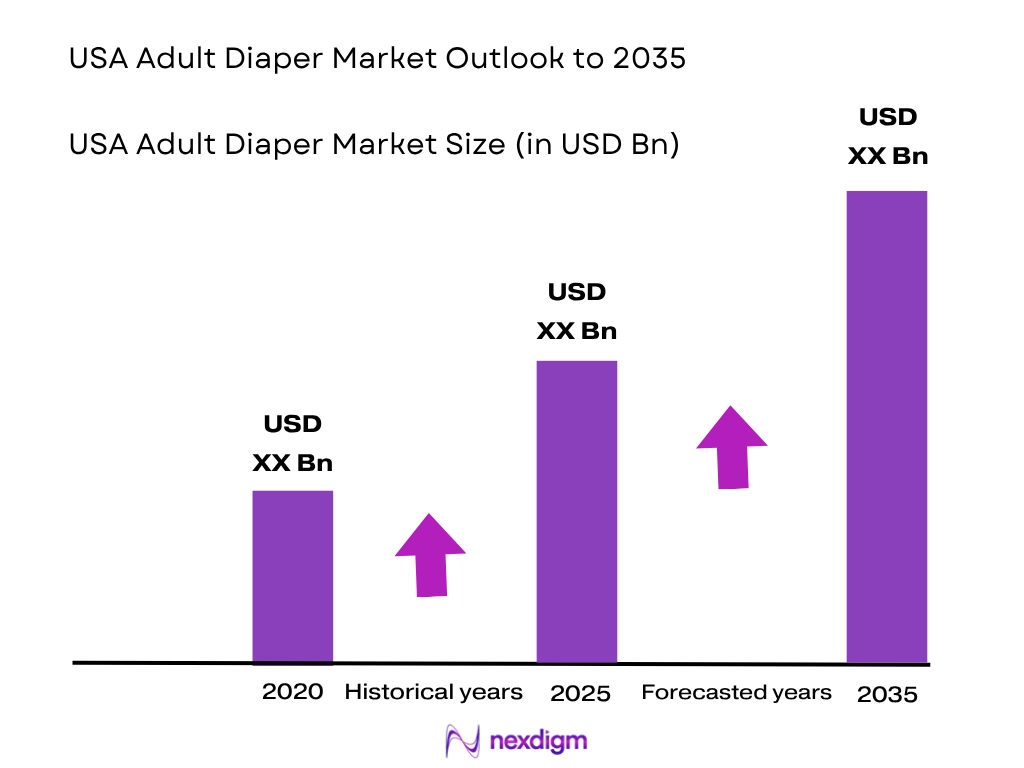
The USA adult diaper market has been valued at USD ~ billion in 2025 and is expected to grow significantly in the upcoming years. This market is driven by various factors, including an aging population, increasing prevalence of incontinence, and growing awareness about adult incontinence products. The rising demand for discreet, comfortable, and high-absorbency products is pushing the market forward. As the awareness around incontinence management increases, consumers are shifting towards advanced absorbent products and better-quality diapers, further boosting the market.
The dominant players in the USA adult diaper market are largely driven by urban areas with a high aging population. Cities like New York, Los Angeles, and Chicago are major consumers due to their large population of elderly individuals. Additionally, long-term care facilities and home healthcare agencies in these regions contribute significantly to the demand for adult diapers. High healthcare expenditure and the presence of well-established distribution channels also make these cities key players in the market. The government support for elderly care in these areas further reinforces the dominance.
Market Segmentation
By Product Type
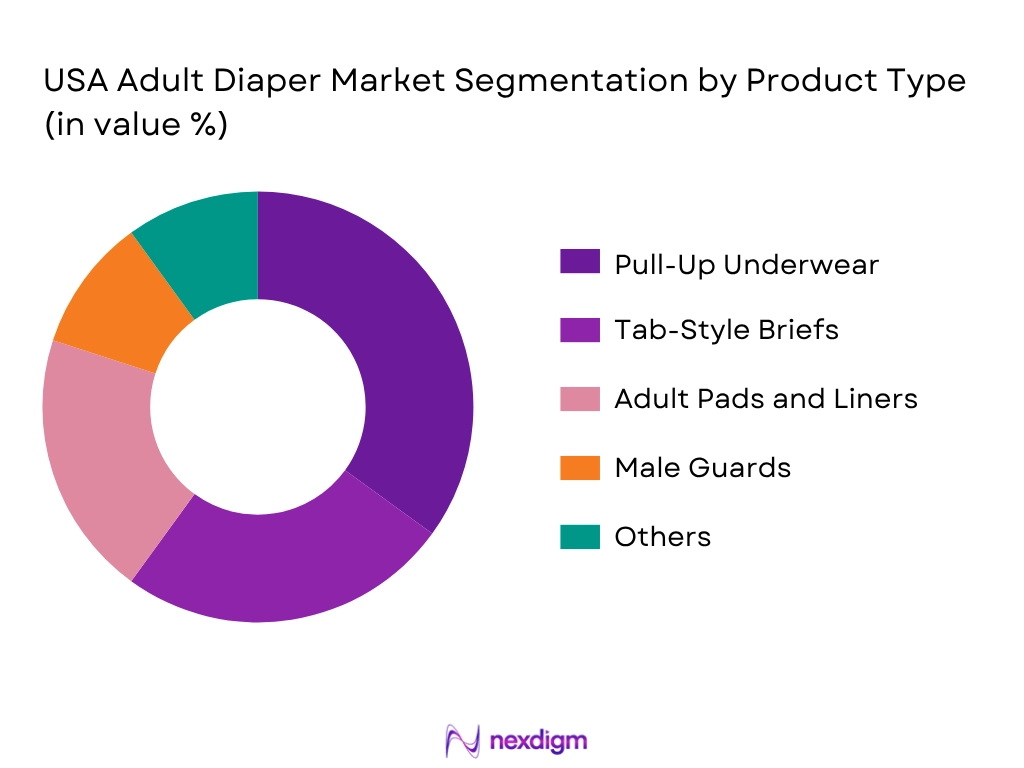
The USA adult diaper market is segmented by product type into pull-up underwear, tab-style briefs, adult pads and liners, male guards, underpads, and reusable diapers. Pull-up underwear has been dominating the market due to its increasing popularity among consumers. This segment offers convenience and discretion, which are crucial for individuals with incontinence. These products are also more suitable for active adults and those with mild to moderate incontinence, driving the demand for pull-up underwear. Brands like Depend, TENA, and Prevail have led in innovation and brand loyalty, contributing to this dominance.
By Absorbency Level
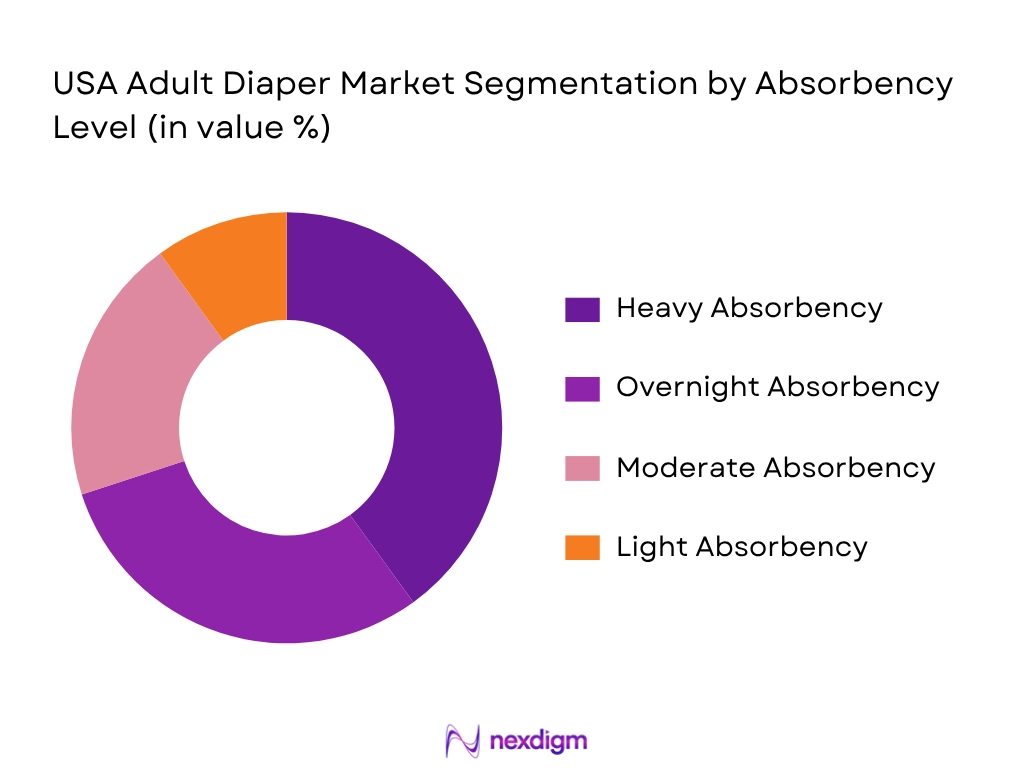
The USA adult diaper market is also segmented by absorbency level, including light, moderate, heavy, and overnight absorbency products. Heavy absorbency and overnight products are dominating the market. This segment caters to individuals who require protection for longer periods, especially for overnight use. The growing prevalence of severe incontinence issues and the need for comfort during nighttime hours have made these products a popular choice. Consumers are willing to pay more for high absorbency, and these products also help reduce the frequency of diaper changes, enhancing the user’s quality of life.
Competitive Landscape
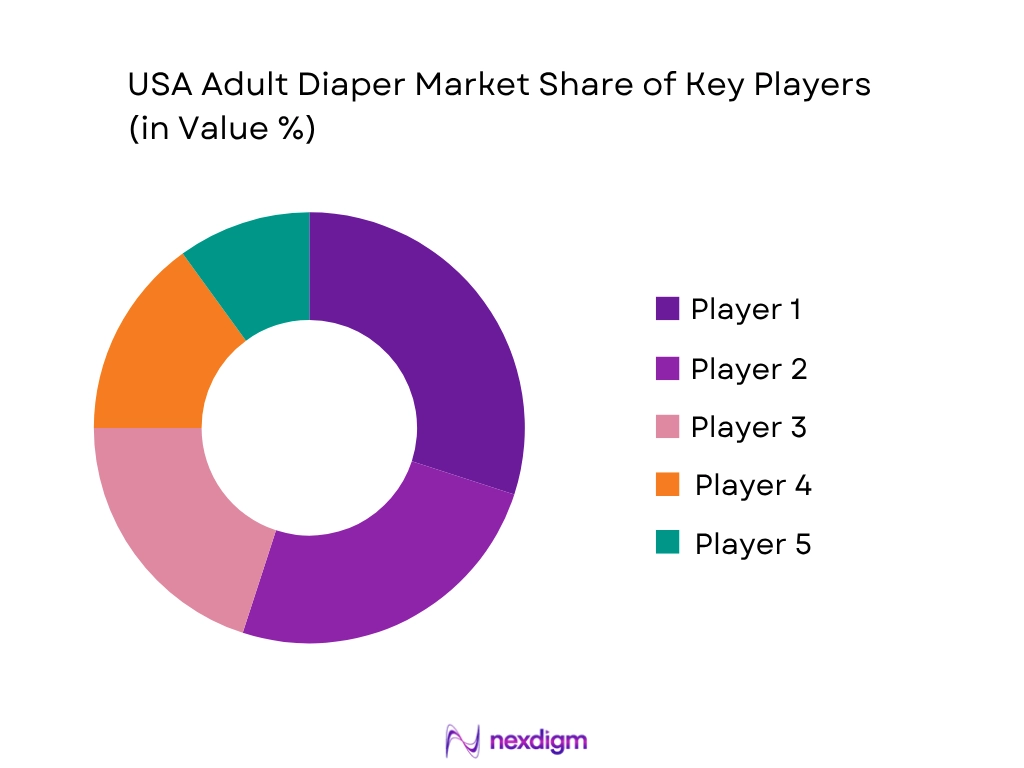
The USA adult diaper market is dominated by a few key players, each offering a wide range of products catering to varying degrees of incontinence. Major brands like Kimberly-Clark (Depend), Procter & Gamble (Always Discreet), and First Quality (Prevail) have established strong brand presence and product innovation. These players maintain competitive pricing and extensive distribution networks, ensuring wide availability across both retail and institutional channels. Newer entrants like NorthShore Care Supply have also carved out niches with premium, high-absorbency products. Despite the dominance of these few key players, private label products are gaining ground due to their affordability and increasing acceptance.
| Company Name | Establishment Year | Headquarters | Product Range | Distribution Channels | Market Focus | Innovation Leadership |
| Kimberly-Clark (Depend) | 1872 | Irving, Texas | ~ | ~ | ~ | ~ |
| Procter & Gamble (Always Discreet) | 1837 | Cincinnati, Ohio | ~ | ~ | ~ | ~ |
| First Quality Enterprises (Prevail) | 1988 | Great Neck, New York | ~ | ~ | ~ | ~ |
| Medline Industries (FitRight) | 1910 | Northfield, Illinois | ~ | ~ | ~ | ~ |
| NorthShore Care Supply | 2002 | Skokie, Illinois | ~ | ~ | ~ | ~ |
USA Adult Diaper Market Analysis
Growth Drivers
Senior Population
The senior population in the United States is rapidly growing, which is a significant driver for the adult diaper market. According to the U.S. Census Bureau, the population of adults aged 65 and over is expected to increase from approximately 56 million in 2020 to 73 million by 2030. This demographic shift directly correlates with the demand for adult incontinence products, as aging individuals are more likely to experience incontinence issues. Additionally, the World Health Organization (WHO) reports that around 50-70% of older adults are affected by some form of incontinence, making this group a primary target for adult diaper manufacturers. The aging trend is further supported by rising life expectancy, which is projected to reach an average of 79 years by 2026, according to the National Center for Health Statistics. With these numbers, the demand for adult diapers is poised to expand as more seniors require products that offer both comfort and convenience.
Chronic Disease Burden
Chronic diseases are a major driver in the adult diaper market, as many chronic conditions such as diabetes, obesity, and neurological disorders lead to incontinence. According to the Centers for Disease Control and Prevention (CDC), nearly 60% of adults in the U.S. suffer from at least one chronic condition, with the most prevalent being heart disease, diabetes, and obesity. These conditions significantly increase the likelihood of incontinence, especially in older populations. The CDC also highlights that the number of people diagnosed with diabetes is expected to rise from 37 million in 2023 to 44 million by 2030, further elevating the number of individuals who need adult diapers. Additionally, neurological conditions such as multiple sclerosis and Parkinson’s disease, which affect mobility and bladder control, are also on the rise, contributing to increased demand for incontinence products. As the healthcare system continues to focus on managing chronic diseases, the need for products that offer convenience and comfort will continue to increase.
Market Challenges
Stigma
Stigma remains a significant challenge in the adult diaper market. Despite growing awareness and acceptance of incontinence products, societal stigma surrounding their use persists. A report by the National Association for Continence (NAFC) found that approximately 80% of individuals suffering from incontinence feel embarrassed about their condition, which can deter them from seeking treatment or using products like adult diapers. This stigma can also affect purchasing behaviors, as many individuals feel self-conscious about buying these products. In some cases, this stigma leads to underreporting of incontinence, with the U.S. National Institute on Aging (NIA) reporting that only about 30% of individuals who experience incontinence seek treatment. As such, overcoming this stigma is essential for continued market growth. While brands are increasingly focusing on discreet and comfortable designs to address this issue, societal perceptions still pose a significant barrier to wider adoption.
Skin Irritation
Skin irritation remains a persistent challenge for consumers using adult diapers, with many individuals experiencing rashes and discomfort as a result of prolonged wear. According to a 2024 report by the U.S. Food and Drug Administration (FDA), skin irritation is one of the leading causes of complaints from adult diaper users. The FDA highlights that the combination of moisture, friction, and the chemicals used in some diaper materials can lead to skin breakdown and irritation, particularly among elderly individuals with sensitive skin. The Centers for Disease Control and Prevention (CDC) has also reported that approximately 20% of adults using incontinence products experience some form of skin irritation, which negatively impacts their quality of life. Manufacturers have responded by improving materials, such as using breathable fabrics and moisture-wicking layers, but skin irritation continues to be a key challenge in the industry. Efforts to address these issues through more comfortable, skin-friendly products are expected to shape future product development.
Market Opportunities
Premiumization
Premiumization is a growing opportunity within the adult diaper market, as consumers increasingly seek higher-quality, more comfortable products. As the population becomes more health-conscious, there is a rising demand for premium incontinence products that offer superior features such as enhanced absorbency, odor control, and skin protection. According to a report from the American Geriatrics Society, more seniors are opting for premium brands that provide added comfort and convenience, particularly those who experience heavy incontinence. The demand for premium products is also driven by the increasing availability of products designed specifically for different needs, such as bariatric diapers for larger individuals or products designed for overnight protection. As consumer preferences shift toward premium offerings, manufacturers are investing in advanced technology and materials to meet these demands. In fact, the market for premium adult diapers is seeing growth in sales volume, with consumers willing to spend more for enhanced quality, durability, and comfort.
Overnight Protection
Overnight protection is one of the most important segments in the adult diaper market, driven by the need for high-quality products that offer comfort and reliability during long periods of use. According to the National Institutes of Health (NIH), nearly 30% of individuals with incontinence experience more severe symptoms at night, making the demand for overnight diapers significant. As such, products designed specifically for nighttime use, with enhanced absorbency and leak protection, are growing in popularity. Manufacturers have responded to this need by developing adult diapers with additional layers of protection and moisture-wicking technology that provide comfort throughout the night. As the aging population continues to grow, more seniors will require overnight protection to maintain their independence and quality of life. This shift toward nighttime solutions is likely to remain a key opportunity in the market.
Future Outlook
Over the next 5 years, the USA adult diaper market is expected to continue showing steady growth. The growth will be driven by advancements in product technology, including improvements in absorbency materials, skin-friendly features, and better fit options. The demand for overnight and high-absorbency diapers will rise due to the aging population and the increasing awareness of incontinence issues. Additionally, the increasing shift towards online shopping, along with rising disposable incomes, will contribute to the expansion of the market. Government support for elderly care and continued healthcare expenditure will also fuel the market’s growth trajectory.
Major Players
- Kimberly-Clark (Depend)
- Procter & Gamble (Always Discreet)
- First Quality Enterprises (Prevail)
- Medline Industries (FitRight)
- NorthShore Care Supply
- Attindas Hygiene Partners
- Cardinal Health
- Ontex BV
- Attends Healthcare Products
- Essity (TENA)
- Domtar Corporation
- Hengan International Group
- 3M
- Paul Hartmann AG
- Drylock Technologies
Key Target Audience
- Adult Diaper Manufacturers
- Healthcare and Long-Term Care Facilities
- Government and Regulatory Bodies (FDA, CDC)
- Retail Chains and Distributors
- Home Healthcare Agencies
- Institutional Buyers (Nursing Homes, Hospitals)
- Investment and Venture Capitalist Firms
- E-Commerce and Online Retailers
Research Methodology
Step 1: Identification of Key Variables
The first phase involves identifying and defining the critical variables that impact the adult diaper market in the USA. Desk research is used to collect historical data on demographics, incontinence rates, and purchasing behaviors. This information helps to form the foundation for further market segmentation and analysis.
Step 2: Data Collection and Market Analysis
In this phase, secondary research is conducted to collect data on market sizes, product types, and consumer preferences. Key metrics like annual sales, pricing trends, and market volume are assessed. Additionally, interviews with stakeholders like caregivers, healthcare providers, and retail buyers are conducted to understand market demand.
Step 3: Expert Consultation and Validation
Market hypotheses are validated through consultations with industry experts and major manufacturers. Expert input is obtained through in-depth interviews and surveys with product developers, marketers, and executives in the adult incontinence industry. This step ensures that data is both accurate and up to date.
Step 4: Synthesis and Reporting
After collecting and analyzing data, the final phase involves synthesizing all the insights to create a detailed report. This includes validating the data and identifying actionable trends and forecasts that will assist market participants in making informed decisions.

- Executive Summary
- Research Methodology (Adult Diaper Market Definitions, Urinary/Fecal/Mixed Incontinence Assumptions, TAM/SAM/SOM Framework, Top-Down Sizing, Bottom-Up SKU Mapping, Retail Scanner Inputs, Institutional Procurement Inputs, DME Supplier Checks, E-Commerce Listing Analysis, Primary Interviews, Limitations)

- Definition and Scope
- Market Genesis and Evolution
- Timeline of Major Product and Channel Shifts
- Business Cycle
- Supply Chain and Value Chain Analysis
- Demand Ecosystem Across Retail, Homecare, and Institutional Care
- Product Technology Evolution Across Thin-Core, Odor-Control, Leak-Guard, and Breathable Materials

- Growth Drivers (Senior Population, Chronic Disease Burden, Homecare Adoption, DTC Access, Stigma Reduction)
- Market Challenges (Stigma, Skin Irritation, Leakage Risk, Price Sensitivity, Reimbursement Gaps, Product Fit Issues)
- Opportunities(Premiumization, Overnight Protection, Bariatric Products, Sustainable Absorbents, Digital Replenishment)
- Market Trends (Pull-Up Preference, Discreet Packaging, Gendered Products, Odor Neutralization, Caregiver Convenience)
- Regulatory and Reimbursement Landscape (FDA Classification, Medicaid Coverage, HCPCS Coding, State Waivers, LTC Procurement Standards)
- Pricing Analysis (Price per Unit, Pack Size, Absorbency Premium, Channel Discounting, Private Label Spread)
- Supply Chain and Raw Material Analysis (Nonwoven Fabric, Fluff Pulp, Superabsorbent Polymer, Elastic Films, Packaging, Contract Manufacturing)
- SWOT Analysis (Brand Trust, Aging Demand, Stigma, Reimbursement, Premiumization, Private Label Threat)
- Porter’s Five Forces (Buyer Power, Supplier Power, Substitution Risk, New Entrants, Competitive Rivalry)
- Stakeholder Ecosystem (Manufacturers, Retailers, DME Suppliers, Care Facilities, Payers, Clinicians, Caregivers, End Users)
- Competition Ecosystem (National Brands, Institutional Brands, Specialty DTC Brands, Retail Private Labels, Medical Distributors)

- By Value (2020-2025)
- By Volume (2020-2025)
- By Average Selling Price (2020-2025)
- By Price per Unit (2020-2025)
- By Retail vs Institutional Sales Contribution (2020-2025)

- By Product Format (In Value%)
Adult Pull-Up Underwear
Adult Tab-Style Briefs
Adult Pads and Liners
Male Guards
Underpads and Bed Pads
Reusable/Washable Adult Diapers - By Incontinence Type (In Value)
Urinary Incontinence
Fecal Incontinence
Mixed Incontinence
Post-Surgical/Temporary Incontinence
Mobility-Impairment-Linked Incontinence - By Absorbency Level (In Value%)
Light Absorbency
Moderate Absorbency
Heavy Absorbency
Maximum/Overnight Absorbency
Bariatric/Extended-Capacity Absorbency - By End User (In Value%)
Active Adults Managing Light-to-Moderate Leakage
Elderly Homecare Users
Bedridden and Low-Mobility Users
Postpartum and Women’s Bladder Leakage Users
Long-Term Care Residents
Hospital and Post-Acute Care Patients - By Distribution Channel (In Value%)
Mass Merchandisers
Drugstores and Pharmacies
Supermarkets and Club Stores
Online Marketplaces
Brand-Owned Direct-to-Consumer Platforms
DME Suppliers and Medical Supply Stores
Hospitals, Nursing Homes, and Long-Term Care Procurement - By Usage Occasion (In Value%)
Daytime Use
Overnight Use
Travel and Outdoor Use
Bedridden Care Use
Post-Procedure Recovery Use - By Gender Orientation (In Value%)
Unisex Products
Female-Focused Products
Male Guards and Male-Focused Products
Bariatric and Plus-Size Fit Products - By Price Tier (In Value%)
Economy Private Label
Mid-Tier Branded Products
Premium Retail Products
Clinical/Institutional Grade Products
Subscription-Based Specialty Products - By Region (In Value%)
Northeast
Midwest
South
West

- Market Share of Major Players (Value Share, Volume Share, Retail Share, Institutional Share, Online Visibility, Product Format, Channel)
- Cross Comparison Parameters (Adult Incontinence Brand Portfolio, Absorbency-Level Range, Retail Shelf Penetration, Institutional/DME Network, Price per Unit, Private Label Exposure, Online Subscription Capability, Skin-Health & Odor-Control Claims)
- Competitive Benchmarking (SKU Depth, Pack Sizes, Size Range, Bariatric Availability, Overnight Claims, Wetness Indicator Availability, Refastenable Tab Technology, Breathable Core Design)
- SWOT Analysis of Major Players (Dependence on Retail Channels, Institutional Strength, Brand Recall, Premium Innovation, Private Label Risk)
- SKU-Level Pricing Analysis (Briefs, Pull-Ups, Guards, Pads, Underpads, Overnight Products, Bariatric Products)
- Recent Strategic Developments (Product Launches, Packaging Redesigns, DTC Expansion, Retail Partnerships, Institutional Contracts, Sustainability Initiatives)
- Detailed Profiles of Major Companies
Kimberly-Clark Corporation
TENA
Always Discreet
Prevail
Attends
Tranquility
FitRight, Medline Incontinence
Wings, Cardinal Health Incontinence
McKesson Incontinence
Ontex BV
3M
MoliCare
NorthShore
Because
Drylock Technologies

- Demand and Utilization (Daily Unit Usage, Nighttime Usage, Change Frequency, Absorbency Need, Care Setting)
- Purchasing Power and Budget Allocation (Out-of-Pocket Spend, Insurance Support, Medicaid Coverage, Bulk Buying, Subscription Savings)
- Needs, Desires, and Pain Points (Discreet Fit, Odor Control, Skin Comfort, Leakage Protection, Mobility Support, Caregiver Convenience)
- Decision-Making Process (Self-Purchase, Caregiver Purchase, Nurse Recommendation, Physician Referral, Facility Procurement, DME Authorization)
- Product Selection Criteria (Absorbency, Waist Size, Gender Fit, Breathability, Wetness Indicator, Refastenable Tabs, Price per Unit)
- Customer Cohort Analysis (Active Seniors, High-Dependency Elderly, Women with Bladder Leakage, Men with Leakage, Institutional Residents, Post-Acute Patients)

- By Value (2026-2035)
- By Volume (2026-2035)
- By Average Selling Price (2026-2035)
- By Price per Unit (2026-2035)
- By Retail vs Institutional Sales Contribution (2026-2035)


 Request a Sample
 Ask for Customization
 Get a Quote
 Enquire Now