
 Download PDF
 Download PDF
Market Overview
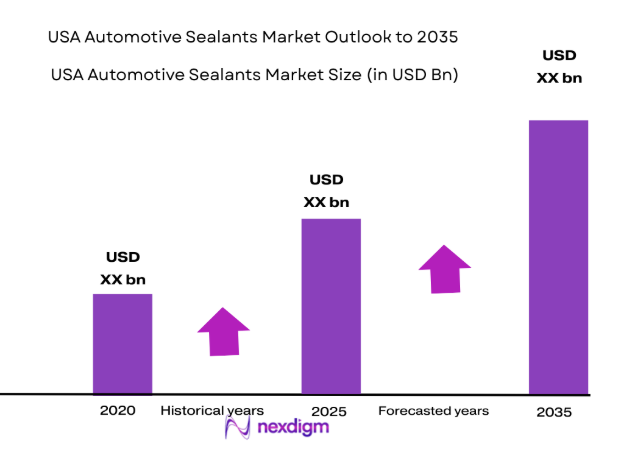
The USA automotive sealants market has witnessed substantial growth, driven by increasing vehicle production, which demands advanced sealing solutions to meet performance and safety standards. The market size is projected to reach USD ~ billion, supported by continuous advancements in sealant materials. The demand for high-performance sealants is driven by the increasing focus on vehicle safety, fuel efficiency, and environmental sustainability. Automotive manufacturers are shifting towards specialized sealants that cater to evolving demands in electric vehicles (EVs) and energy-efficient vehicles.
The dominant markets for automotive sealants in the USA include major automotive manufacturing hubs such as Detroit, Michigan, and several regions in the South, driven by the presence of established OEMs and Tier 1 suppliers. These areas benefit from robust infrastructure, skilled labor, and strategic partnerships with automotive giants. In addition, states like California, with its focus on electric vehicles, contribute significantly to the demand for specialized sealant solutions that cater to EV manufacturing.
Market Segmentation
By Product Type
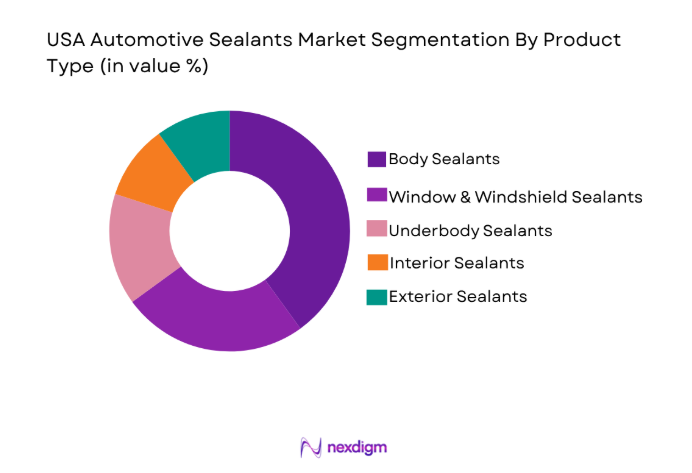
USA automotive sealants market is segmented by product type into body sealants, window and windshield sealants, underbody sealants, interior sealants, and exterior sealants. Recently, body sealants have gained a dominant market share due to their crucial role in ensuring vehicle structural integrity and enhancing overall safety and performance. Body sealants are extensively used in the manufacturing of passenger and commercial vehicles, where durability and high resistance to environmental factors are prioritized. The demand for these sealants has risen as vehicle manufacturers strive to meet safety standards and consumers’ preferences for long-lasting products.
By Platform Type
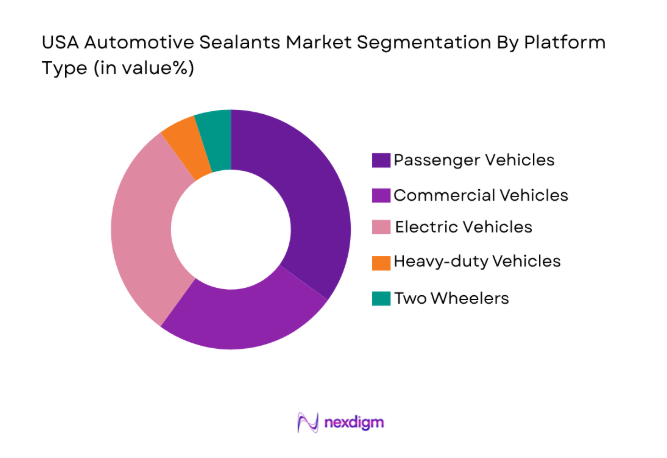
USA automotive sealants market is segmented by platform type into passenger vehicles, commercial vehicles, electric vehicles, heavy-duty vehicles, and two-wheelers. The electric vehicle (EV) platform has shown dominant market share due to the rising consumer demand for EVs and the automotive industry’s focus on sustainability. As the EV market expands, the need for specialized sealants that enhance vehicle performance, ensure battery integrity, and meet environmental regulations has surged. Innovations in sealant materials for EVs are helping reduce energy consumption and increase battery lifespan, which further fuels their demand in the market.
Competitive Landscape
The USA automotive sealants market is highly competitive, characterized by strong consolidation and market influence by key players. Large manufacturers have been expanding their portfolios and technological capabilities, especially in the field of electric vehicles, where sealants are being developed for specialized applications. The market is expected to see further growth through mergers, acquisitions, and collaborations aimed at strengthening market presence and diversifying product offerings.
| Company Name | Establishment Year | Headquarters | Technology Focus | Market Reach | Key Products | Revenue | Additional Parameter |
| 3M | 1902 | Minnesota, USA | ~ | ~ | ~ | ~ | ~ |
| Henkel AG & Co. KGaA | 1876 | Düsseldorf, Germany | ~ | ~ | ~ | ~ | ~ |
| Dow Inc. | 1897 | Michigan, USA | ~ | ~ | ~ | ~ | ~ |
| Sika AG | 1910 | Baar, Switzerland | ~ | ~ | ~ | ~ | ~ |
| BASF SE | 1865 | Ludwigshafen, Germany | ~ | ~ | ~ | ~ | ~ |
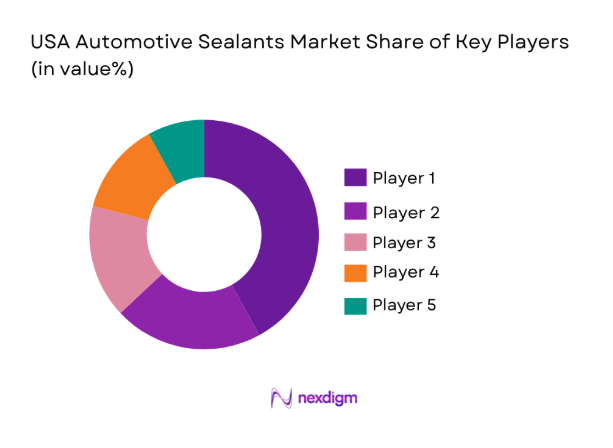
USA Automotive Sealants Market Analysis
Growth Drivers
Increasing Automotive Production
The USA automotive sealants market is experiencing robust growth, driven by the rising production of vehicles, especially electric vehicles (EVs), passenger vehicles, and commercial vehicles. With the automotive industry increasingly focusing on the demand for more energy-efficient and environmentally friendly vehicles, manufacturers are seeking advanced sealants that can meet these requirements. Sealants used in vehicles today play a crucial role in enhancing the performance, durability, and safety of these products. With consumers shifting towards EVs and other fuel-efficient vehicles, manufacturers are looking for sealant solutions that can ensure better thermal management and overall performance, especially considering the unique needs of EVs in terms of battery performance, motor protection, and electrical component sealing. As manufacturers continue to ramp up vehicle production in the face of increasing demand, the need for reliable, high-quality automotive sealants grows, particularly as companies integrate more complex, technology-driven vehicle designs that depend on robust sealing solutions for long-lasting, high-performance outcomes.
Technological Advancements in Sealant Formulations
Another key driver for the growth of the automotive sealants market is the ongoing technological advancements in sealant formulations. Automotive manufacturers are increasingly adopting next-generation sealants made from high-performance materials that offer superior durability, enhanced resistance to extreme temperatures, UV rays, and environmental factors. With a growing demand for sustainable solutions, automotive sealant manufacturers are focusing on developing eco-friendly, water-based formulations that are free from harmful chemicals. These advancements not only improve the overall lifespan and functionality of the vehicles but also ensure compliance with stringent regulatory standards, including those related to VOC emissions and environmental safety. Additionally, sealant formulations have been optimized for use in more specialized applications, such as the bonding and sealing of lightweight materials in electric vehicles and autonomous vehicles, driving further innovation and fueling market demand. Innovations such as conductive sealants, which provide electrical insulation for EV battery compartments, are an example of how automotive sealants are evolving to meet the needs of new technologies and market trends.
Market Challenges
Raw Material Price Volatility
One of the significant challenges facing the USA automotive sealants market is the volatility in the price of raw materials. The main materials used in automotive sealants, including polymers, silicones, and polyurethanes, are subject to fluctuations in supply and demand, as well as price hikes due to global events and resource shortages. As the cost of raw materials rises, manufacturers face challenges in maintaining their production margins without passing the costs onto consumers. This volatility can also lead to price instability across the entire supply chain, which impacts manufacturers’ ability to offer competitive pricing while ensuring product quality. Raw material shortages, such as those caused by disruptions in the global supply chain or geopolitical tensions, can further exacerbate this issue, leading to potential delays in product availability and negatively impacting the timely delivery of sealants to the automotive market. Such challenges can undermine market growth, especially as automotive manufacturers are under increasing pressure to reduce costs while maintaining high standards of performance and durability in their vehicles.
Regulatory and Environmental Barriers
The automotive sealants market is also faced with a growing number of regulatory hurdles that impact product development and manufacturing processes. In particular, stricter environmental regulations governing the use of volatile organic compounds (VOCs) and other harmful chemicals have increased the pressure on automotive sealant manufacturers to develop products that are not only high-performing but also compliant with health and safety standards. Governments worldwide, including in the USA, are mandating that sealants used in automotive applications meet higher sustainability and environmental standards, which may require manufacturers to invest heavily in R&D to develop greener, low-VOC alternatives. These regulatory pressures are challenging companies to find innovative solutions that can maintain or improve performance while meeting environmental compliance. Furthermore, these restrictions complicate the global distribution of automotive sealants, as different regions may have varying standards for permissible materials. The need for environmentally friendly, sustainable solutions is driving significant investments in the development of bio-based sealants and other alternatives, but these products are often more expensive and harder to scale, presenting a challenge to cost-effective mass production.
Opportunities
Demand for Lightweight Sealants in Electric Vehicles
The increasing adoption of electric vehicles (EVs) presents a significant opportunity for the USA automotive sealants market. EVs require lightweight, durable, and high-performance materials to ensure efficiency and safety. Sealants for EVs must not only meet the same high-performance standards as those in traditional vehicles but also provide specific benefits such as enhanced resistance to heat and protection for battery compartments. As the global automotive industry continues its transition to electric mobility, sealant manufacturers are focused on developing innovative solutions that can enhance the performance of EVs, reduce energy consumption, and improve the overall lifespan of vehicle components. These specialized sealants, which are capable of enduring the demanding conditions associated with EVs’ high-performance batteries, motors, and electronic components, are increasingly sought after by OEMs and Tier 1 suppliers. As the EV market expands, manufacturers that focus on providing lightweight, energy-efficient, and sustainable sealants will be well-positioned to tap into the growing demand for EVs and further drive market growth. With government incentives and favorable regulations supporting the shift toward electric mobility, this segment presents a long-term growth opportunity for sealant manufacturers.
Expansion of Aftermarket Services for Sealants
The expansion of the automotive aftermarket sector presents a promising growth opportunity for sealant manufacturers. As the number of vehicles on the road continues to rise, and with many older vehicles requiring repairs and maintenance, the demand for automotive sealants in the aftermarket is expected to grow significantly. This includes the repair and replacement of seals for doors, windows, underbodies, and interior components. Consumers are increasingly looking for high-quality, durable sealants to extend the lifespan and functionality of their vehicles, especially as vehicle maintenance becomes a priority. Sealant manufacturers that offer customized products for specific automotive brands, as well as sealants with unique properties like noise reduction, corrosion resistance, and ease of application, will benefit from this growing demand. Moreover, the rise of online platforms for vehicle parts and services is creating new opportunities for aftermarket sealant providers to expand their reach. By focusing on the aftermarket segment, manufacturers can cater to a wide range of consumer needs, from professional auto repair services to DIY enthusiasts, thus capitalizing on a rapidly growing and diverse market.
Future Outlook
The USA automotive sealants market is poised for steady growth over the next five years, fueled by technological advancements in automotive materials and increasing demand from electric vehicles. With evolving consumer preferences for safer, more energy-efficient vehicles, demand for high-performance sealants is expected to rise. Additionally, favorable regulatory policies promoting sustainable automotive solutions will encourage innovation in sealant technologies. The market is set to benefit from advancements in both manufacturing processes and material formulations, supporting ongoing industry growth.
Major Players
- 3M
- Henkel AG & Co. KGaA
- Dow Inc.
- Sika AG
- BASF SE
- H.B. Fuller
- The Lubrizol Corporation
- Illinois Tool Works Inc.
- Wacker Chemie AG
- Momentive Performance Materials Inc.
- Bostik
- Covestro AG
- Eastman Chemical Company
- RPM International Inc.
Key Target Audience
- Investments and venture capitalist firms
- Government and regulatory bodies
- Automotive manufacturers
- Electric vehicle manufacturers
- Sealant distributors and suppliers
- Aftermarket automotive service providers
- Research and development institutions
Research Methodology
Step 1: Identification of Key Variables
The initial step involves identifying key market variables, including demand drivers, technological trends, and regulatory factors that influence the automotive sealants market.
Step 2: Market Analysis and Construction
Comprehensive market analysis is conducted through the review of historical data, emerging trends, and future projections, leading to the construction of market models and frameworks.
Step 3: Hypothesis Validation and Expert Consultation
Experts in the automotive and materials science fields are consulted to validate hypotheses and refine the analysis, ensuring accuracy and relevance.
Step 4: Research Synthesis and Final Output
The final output synthesizes all research findings, providing a comprehensive view of the automotive sealants market, with actionable insights and market forecasts.

- Executive Summary
- Research Methodology (Definitions, Scope, Industry Assumptions, Market Sizing Approach, Primary & Secondary Research Framework, Data Collection & Verification Protocol, Analytic Models & Forecast Methodology, Limitations & Research Validity Checks)

- Market Definition and Scope
- Value Chain & Stakeholder Ecosystem
- Regulatory / Certification Landscape
- Sector Dynamics Affecting Demand
- Strategic Initiatives & Infrastructure Growth

- Growth Drivers
Increasing Automotive Production
Growth in Electric Vehicle Demand
Technological Advancements in Sealant Materials - Market Challenges
Volatility in Raw Material Prices
Environmental and Regulatory Restrictions
High Competition and Price Sensitivity - Market Opportunities
Demand for Lightweight and Durable Sealants
Expansion of Electric Vehicle Market
Technological Innovations in Sealant Formulations - Trends
Shift Towards Sustainable Sealant Materials
Growing Adoption of Advanced Adhesive Technologies - Government Regulations
- SWOT Analysis
- Porter’s Five Forces

- By Market Value, 2020-2025
- By Installed Units, 2020-2025
- By Average System Price, 2020-2025
- By System Complexity Tier, 2020-2025

- By System Type (In Value%)
Body Sealants
Window and Windshield Sealants
Underbody Sealants
Interior Sealants
Exterior Sealants - By Platform Type (In Value%)
Passenger Vehicles
Commercial Vehicles
Electric Vehicles
Heavy Duty Vehicles
Two-Wheelers - By Fitment Type (In Value%)
OEM Sealants
Aftermarket Sealants
Replacement Sealants
Do-It-Yourself (DIY) Sealants - By End User Segment (In Value%)
Automotive Manufacturers
Aftermarket Service Providers
Original Equipment Manufacturers (OEM)
Automotive Distributors

- Market Share Analysis
- Cross Comparison Parameters (System Type, Platform Type, End User Segment, Fitment Type, Price, Demand, Technology)
- SWOT Analysis of Key Competitors
- Pricing & Procurement Analysis
- Key Players
3M
Henkel AG & Co. KGaA
Dow Inc.
Sika AG
AkzoNobel N.V.
BASF SE
H.B. Fuller
The Lubrizol Corporation
Illinois Tool Works Inc.
Wacker Chemie AG
Momentive Performance Materials Inc.
Bostik
Covestro AG
Eastman Chemical Company
RPM International Inc.

- Automotive Manufacturers’ Demand for Durable Sealants
- Aftermarket Demand for Customization and Replacement Sealants
- Technological Requirements from OEMs
- Increasing Use of Sealants in EV Manufacturing

- Forecast Market Value, 2026-2035
- Forecast Installed Units, 2026-2035
- Price Forecast by System Tier, 2026-2035
- Future Demand by Platform, 2026-2035


 Request a Sample
 Ask for Customization
 Get a Quote
 Enquire Now