

 Download PDF
 Download PDF
Market Overview
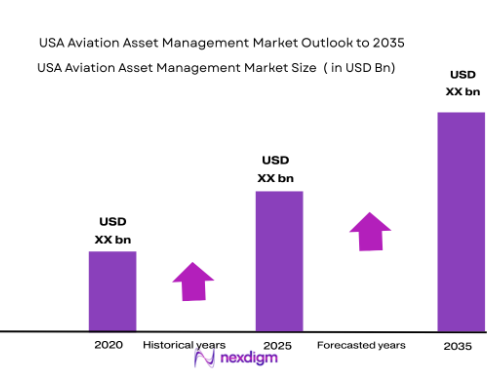
The USA aviation asset management market is valued at approximately USD ~ billion, driven primarily by the growing demand for efficient fleet management, regulatory compliance, and the increasing need for digital tracking of aviation assets. As the aviation industry continues to recover from previous downturns, the necessity for advanced asset management solutions has escalated, facilitating improved aircraft performance, better maintenance management, and asset utilization efficiency. The market is propelled by airlines, MRO providers, and leasing companies seeking integrated solutions to track, monitor, and manage their aviation assets more effectively.
The USA remains a dominant player in the aviation asset management sector due to its extensive fleet of commercial and military aircraft and robust aerospace infrastructure. Key cities such as New York, Los Angeles, and Seattle are central to the market’s growth, owing to their high concentration of aviation companies, airports, and logistics hubs. The strong regulatory environment set by the FAA and the U.S. government’s significant investments in aerospace technology further enhance the nation’s leadership position. Additionally, the high rate of aircraft leasing and the adoption of technological innovations across the sector contribute to the sustained demand for asset management solutions.
Market Segmentation
Product Type
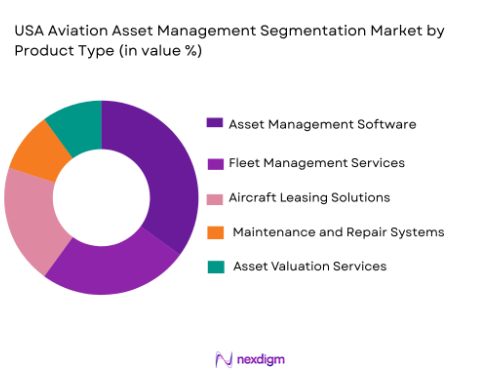
USA aviation asset management market is segmented by product type into asset management software, fleet management services, aircraft leasing solutions, maintenance and repair management systems, and asset valuation services. Recently, asset management software has had a dominant market share due to the increasing reliance on digitalization for managing and tracking aviation assets, improving operational efficiency, and providing real-time data analysis. The growing adoption of cloud-based platforms.
By Platform Type
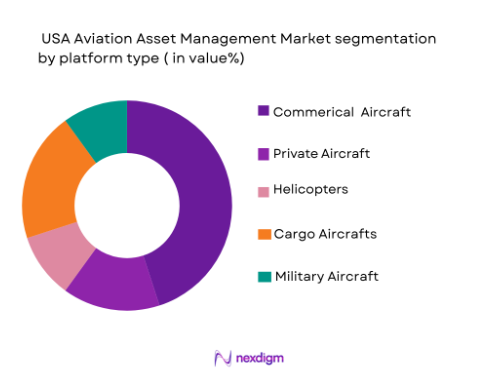
The market is segmented by platform type into commercial aircraft, private aircraft, helicopters, cargo aircraft, and military aircraft. Commercial aircraft dominate the market due to their widespread use in passenger travel, supported by increasing air traffic and the expansion of low-cost carriers. With growing fleet sizes and the continuous demand for optimized asset management systems to track multiple aircraft across global routes, airlines increasingly rely on platform-specific asset management solutions to enhance operational performance. The consistent demand for more efficient fleet management systems and the advent of digital technologies have made commercial aircraft the primary segment within the aviation asset management landscape.
Competitive Landscape
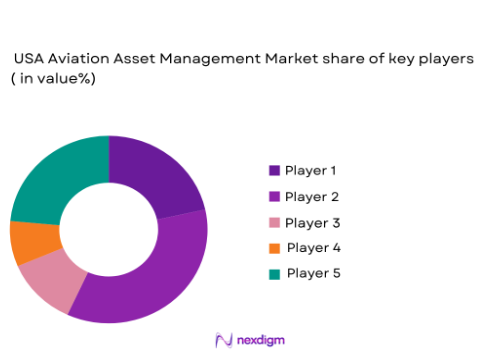
The USA aviation asset management market is highly competitive, characterized by both large multinational corporations and specialized tech providers. The major players are increasingly consolidating to provide comprehensive solutions, combining advanced technologies like AI, IoT, and predictive analytics with traditional asset management frameworks. As the demand for automated and data-driven solutions increases, major players with strong R&D capabilities are positioned to capitalize on market growth. The competitive intensity is further driven by the constant need for regulatory compliance and technological advancements in aviation asset tracking.
| Company Name | Establishment Year | Headquarters | Technology Focus | Market Reach | Key Products | Revenue | Market-specific Parameter |
| GE Aviation | 1892 | USA | ~ | ~ | ~ | ~ | ~ |
| Honeywell International | 1906 | USA | ~ | ~ | ~ | ~ | ~ |
| Collins Aerospace | 2018 | USA | ~ | ~ | ~ | ~ | ~ |
| Rockwell Collins | 1973 | USA | ~ | ~ | ~ | ~ | ~ |
| Safran S.A. | 2005 | France/USA | ~ | ~ | ~ | ~ | ~ |
USA aviation asset management Market Analysis
Growth Drivers
Technological Advancements in Asset Management Solutions
The adoption of advanced technologies such as AI, IoT, and cloud computing is driving growth in the aviation asset management market. These technologies provide enhanced capabilities in monitoring and tracking aviation assets in real time, offering predictive maintenance, optimizing performance, and reducing downtime. By automating several operational processes, these technologies streamline aircraft management, thus improving efficiency. For instance, AI and machine learning are being utilized to predict maintenance needs and optimize fleet management strategies. Additionally, IoT-based systems enable more accurate tracking of components and systems within an aircraft, enhancing asset lifecycle management. This increased level of automation is also helping aviation companies reduce labor costs and improve operational efficiency. As technology continues to evolve, asset management systems are expected to become even more sophisticated, with more capabilities for data analysis, providing airlines and MRO providers with deeper insights into their fleets. The growing reliance on these digital systems is further catalyzed by the need to comply with stringent regulatory standards for aircraft maintenance and operations, ensuring the safety and reliability of aviation assets. Furthermore, technological advancements are helping companies reduce the operational costs associated with aircraft management, thus contributing significantly to the overall market growth. As more players adopt these technologies, the market for aviation asset management solutions is expected to grow at an accelerated rat.
Regulatory Support and Compliance Requirements
Regulatory frameworks play a significant role in shaping the growth of the aviation asset management market. In the USA, the Federal Aviation Administration (FAA) sets stringent regulations for aircraft maintenance, safety, and performance, which require aviation companies to implement advanced asset management systems to ensure compliance. As regulations become more complex, the demand for digital solutions that help companies manage, track, and monitor their assets in accordance with these laws is increasing. With growing pressure from regulatory bodies to adhere to maintenance schedules and safety standards, aviation companies are increasingly investing in asset management technologies that help streamline compliance processes. These solutions enable airlines, maintenance providers, and aircraft operators to track compliance in real time and receive automated alerts for necessary maintenance and updates. This regulatory push is driving companies to upgrade their asset management systems to maintain competitive and operational advantages. Additionally, global aviation regulations, including those from the International Civil Aviation Organization (ICAO), create a uniform standard for asset management across borders. As the industry faces increasing demands for safety and reliability, regulatory compliance will continue to be a major driver of demand for aviation asset management solutions, further fueling market growth.
Market Challenges
High Capital Investment and Implementation Cost
One of the major challenges in the USA aviation asset management market is the significant upfront cost required for the implementation of advanced asset management systems. For smaller players in the market, these systems can be prohibitively expensive, both in terms of the initial purchase price and the cost of integration with existing systems. The capital required to install such systems often involves substantial financial investment, which may be difficult for smaller airlines or maintenance, repair, and overhaul (MRO) providers to afford. Furthermore, the integration process is complex and time-consuming, requiring a thorough evaluation of the existing infrastructure and a detailed plan for implementation. This often results in additional costs related to system customization, data migration, and training of personnel to handle new software and tools. Smaller companies, in particular, face barriers in investing in advanced asset management technologies, which limits the market’s overall potential. These high implementation costs often deter businesses from fully adopting these technologies, especially in the short term, which could slow the market’s growth and adoption rates. Additionally, these systems require continuous updates and maintenance, further adding to the overall operational costs. Despite the long-term benefits, the initial financial burden remains a significant challenge for companies across the aviation industry, hindering the growth of the market.
Data Security and Cybersecurity Risks
As more aviation companies adopt digital asset management systems, the threat of cyberattacks and data breaches becomes a critical concern. The sensitive nature of the data involved in managing aviation assets, including information about fleet maintenance, safety compliance, and operational performance, makes these systems attractive targets for cybercriminals. Breaches can lead to significant financial losses, damage to brand reputation, and legal implications due to regulatory violations. Moreover, the complexity of aviation asset management systems makes them more susceptible to security vulnerabilities. Airlines and MRO providers, especially those operating with legacy systems or with limited cybersecurity capabilities, may struggle to keep up with evolving threats. Ensuring robust data security measures and protection against cyberattacks is a critical challenge in the aviation asset management market, as failures to safeguard sensitive information can lead to significant disruptions. To address these concerns, companies are increasingly investing in advanced cybersecurity measures, but the increasing sophistication of cyber threats means that staying ahead of potential risks remains an ongoing challenge. Without a proactive and comprehensive cybersecurity strategy, companies in the aviation asset management market are exposed to significant risks, limiting their ability to fully leverage digital systems for enhanced operational efficiency.
Opportunities
Integration with Emerging Technologies for Enhanced Efficiency
One of the most significant opportunities in the USA aviation asset management market lies in the integration of emerging technologies such as blockchain, artificial intelligence (AI), and machine learning with existing asset management solutions. Blockchain technology offers enhanced transparency, security, and traceability of aircraft data, allowing for more reliable tracking of asset histories, including maintenance records, ownership changes, and part replacements. AI and machine learning can be utilized to enhance predictive maintenance capabilities, reducing downtime by forecasting potential failures before they occur. By integrating these emerging technologies, aviation asset management systems can offer more advanced capabilities, such as real-time analytics, automated decision-making, and optimized scheduling. This integration will help aviation companies further reduce costs and increase the efficiency of their operations. As the adoption of these technologies becomes more widespread, companies that implement these advanced solutions will be better positioned to improve asset lifecycle management, gain a competitive edge, and meet the growing demand for efficiency in the aviation industry. This presents a significant growth opportunity for technology providers and aviation companies looking to enhance their asset management capabilities.
Expansion of Aircraft Leasing Market
The growing demand for aircraft leasing presents a significant opportunity for aviation asset management solutions providers. With the increasing cost of aircraft acquisition and the need for operational flexibility, many airlines, particularly low-cost carriers, are turning to leasing as an alternative to purchasing new aircraft. This shift has resulted in a rise in the number of aircraft leasing companies, creating a growing market for asset management solutions that can efficiently track and manage leased assets. Asset management systems can help leasing companies ensure compliance with maintenance schedules, optimize fleet utilization, and track the performance of aircraft under lease agreements. Additionally, as leasing companies manage a larger number of assets across multiple regions, they require more advanced technologies to streamline operations and ensure compliance with international regulations. The growth of the aircraft leasing market presents a significant opportunity for companies that provide advanced asset management solutions tailored to the needs of leasing firms. With the ongoing expansion of this market, the demand for comprehensive asset management solutions is expected to rise, offering significant growth prospects for technology providers.
Future Outlook
The USA aviation asset management market is set to experience significant growth over the next five years, driven by the continued expansion of the aerospace sector, technological advancements, and regulatory developments. The adoption of cloud-based asset management solutions, coupled with the increasing use of artificial intelligence and IoT, will lead to more efficient fleet management and predictive maintenance. Furthermore, enhanced government regulations and the rise in air travel will contribute to the demand for streamlined asset tracking and management systems. With the growing need for sustainability and fuel-efficient operations, the market is expected to see increased investments in next-gen technologies, ensuring long-term market growth. Companies that integrate emerging technologies into their systems will be able to provide more intelligent, scalable, and cost-effective solutions, fostering innovation and positioning themselves for future success.
Major Players
- GE Aviation
- Honeywell International
- Collins Aerospace
- Rockwell Collins
- Safran S.A.
- Boeing
- Airbus
- IBM
- SAP
- Oracle
- Aviation Capital Group
- Lufthansa Technik
- Delta TechOps
- Rolls-Royce
- Thales Group
Key Target Audience
- Investments and venture capitalist firms
- Government and regulatory bodies
- Airlines and commercial aviation operators
- MRO (Maintenance, Repair, and Overhaul) service providers
- Aircraft leasing companies
- Aerospace technology providers
- Military and defense agencies
- Aircraft operators and maintenance providers
Research Methodology
Step 1: Identification of Key Variables
The first step involves identifying the key variables that influence the aviation asset management market, such as system types, technologies, and market segments. These variables are critical for understanding the factors that drive market growth and segmentation.
Step 2: Market Analysis and Construction
In this step, we analyze the gathered data to construct a comprehensive model of the aviation asset management market. This includes evaluating current market conditions, technological trends, and financial performance across various industry segments.
Step 3: Hypothesis Validation and Expert Consultation
To validate our hypotheses, we consult with industry experts, key players, and stakeholders. These consultations provide valuable insights that enhance the accuracy of market forecasts and ensure the reliability of the data.
Step 4: Research Synthesis and Final Output
The final step synthesizes all gathered information into a coherent report, providing a detailed analysis of the market, its drivers, challenges, and future opportunities. This step also includes verifying the final output against industry standards to ensure consistency and accuracy.

- Executive Summary
- Research Methodology (Definitions, Scope, Industry Assumptions, Market Sizing Approach, Primary & Secondary Research Framework, Data Collection & Verification Protocol, Analytic Models & Forecast Methodology, Limitations & Research Validity Checks)

- Market Definition and Scope
- Value Chain & Stakeholder Ecosystem
- Regulatory / Certification Landscape
- Sector Dynamics Affecting Demand
- Strategic Initiatives & Infrastructure Growth

- Growth Drivers
Expansion of Air Traffic
Technological Advancements in Aircraft Monitoring
Rising Demand for Fleet Efficiency
Increase in Aircraft Leasing
Government Regulations Driving Asset Management - Market Challenges
High Initial Investment for Asset Management Systems
Complex Regulatory Compliance Requirements
Integration with Legacy Systems
Maintenance & Support Costs
Cybersecurity Risks in Aircraft Data - Market Opportunities
Growing Demand for Data-Driven Insights
Expanding Aircraft Leasing Market
Advancements in Predictive Maintenance Technologies - Trends
Rise of AI-Driven Asset Management Systems
Shift Towards Cloud-Based Platforms
Adoption of Blockchain for Asset Tracking
Increasing Focus on Sustainability & Fuel Efficiency
Growth in UAV & Autonomous Aircraft Operations - Government Regulations & Defense Policy
FAA Certification Requirements
Environmental Regulations on Aircraft Emissions
Defense Budget Increases for Aircraft Upgrades - SWOT Analysis
- Stakeholder and Ecosystem Analysis
- Porter’s Five Forces Analysis
- Competition Intensity and Ecosystem Mapping

- By Market Value, 2020-2025
- By Installed Units, 2020-2025
- By Average System Price, 2020-2025
- By System Complexity Tier, 2020-2025

- By System Type (In Value%)
Fleet Management Systems
Aircraft Maintenance Tracking Systems
Asset Performance Management Systems
Inventory Management Systems
Aviation Logistics Systems - By Platform Type (In Value%)
Commercial Aircraft
Private Aircraft
Helicopters
Cargo Aircraft
Military Aircraft - By Fitment Type (In Value%)
OEM Fitment
Aftermarket Fitment
MRO Fitment
Retrofit Fitment
Hybrid Fitment - By End User Segment (In Value%)
Airlines
Private Jet Owners
Aircraft Leasing Companies
MRO Providers
Government & Defense - By Procurement Channel (In Value%)
Direct Purchase
Lease Agreements
Third-Party Procurement
Online Platforms
Government Contracts - By Material / Technology (In Value%)
Advanced Aircraft Materials
Aviation Electronics
Aircraft Engine Technologies
Safety & Security Systems
Artificial Intelligence & Automation

- Market share snapshot of major players
- Cross Comparison Parameters (Product Range, Technological Integration, Global Reach, Price Points, Customer Service)
- SWOT Analysis of Key Competitors
- Pricing & Procurement Analysis
- Key Players
GE Aviation
Honeywell International
Thales Group
Collins Aerospace
Rockwell Collins
Safran S.A.
Boeing
Airbus
IBM
SAP
Oracle
Aviation Capital Group
Lufthansa Technik
Delta TechOps
Rolls-Royce

- Cost Optimization Needs of Airlines
- Fleet Expansion Strategies in Leasing Firms
- Technological Adoption by MRO Providers
- Government Investments in Aerospace Technology

- Forecast Market Value, 2026-2035
- Forecast Installed Units, 2026-2035
- Price Forecast by System Tier, 2026-2035
- Future Demand by Platform, 2026-2035


 Request a Sample
 Ask for Customization
 Get a Quote
 Enquire Now