

 Download PDF
Market Overview
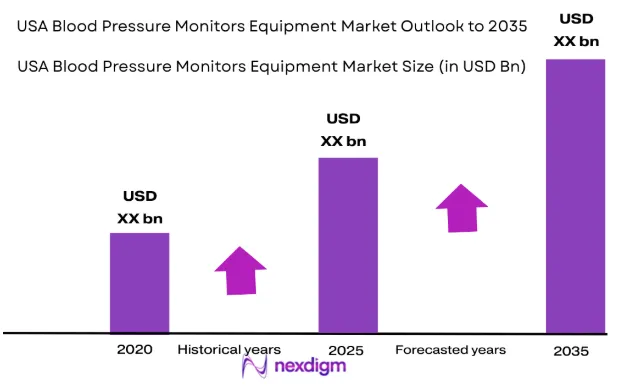
The USA blood pressure monitors equipment market is valued at approximately USD ~ billion based on a recent historical assessment, supported by data from regulatory filings, company disclosures, and healthcare device tracking databases such as the U.S. FDA and CMS expenditure insights. Growth is driven by rising hypertension prevalence affecting over USD ~ million adults, increasing adoption of home healthcare devices, and strong demand for digital monitoring technologies. Continuous innovation in connected and wearable systems further strengthens market expansion.
Major demand centers include metropolitan regions such as New York, California, Texas, and Florida due to higher population density, advanced healthcare infrastructure, and greater penetration of remote patient monitoring programs. These regions benefit from strong hospital networks, high healthcare spending, and widespread insurance coverage supporting device adoption. Urban consumers also demonstrate higher awareness and preference for digital health solutions, while large healthcare systems in these states actively integrate monitoring devices into chronic disease management programs.
Market Segmentation
System Type
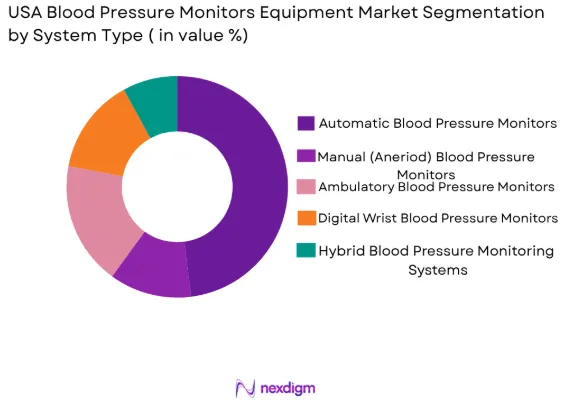
USA Blood Pressure Monitors Equipment market is segmented by system type into automatic blood pressure monitors, manual (aneroid) blood pressure monitors, ambulatory blood pressure monitors (ABPM), digital wrist blood pressure monitors, and hybrid blood pressure monitoring systems. Recently, automatic blood pressure monitors has a dominant market share due to factors such as ease of operation, high accuracy, and strong adoption across homecare and clinical environments. These devices require minimal training, making them highly suitable for self-monitoring among patients with chronic hypertension. Increasing recommendations by healthcare providers for regular at-home monitoring have further strengthened their demand. Additionally, advancements in digital display, memory storage, and connectivity features enhance usability and patient compliance, supporting their leading position in the market.
Platform Type
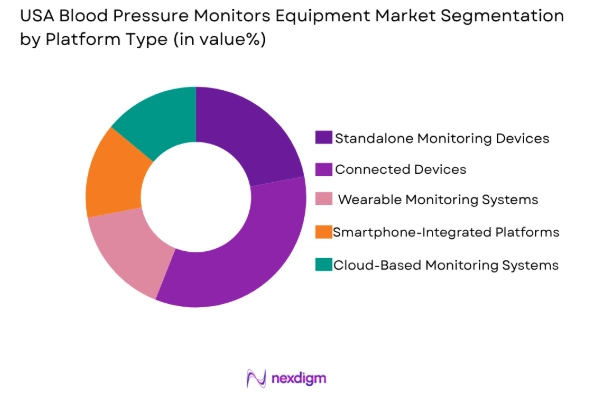
USA Blood Pressure Monitors Equipment market is segmented by platform type into standalone monitoring devices, connected devices, wearable monitoring systems, smartphone-integrated platforms, and cloud-based monitoring systems. Recently, connected devices has a dominant market share due to factors such as increasing integration with digital health ecosystems, growing telehealth adoption, and demand for real-time data tracking. These devices enable seamless data sharing with healthcare providers and integration into electronic health records, improving clinical decision-making. The proliferation of smartphones and health applications has further supported their adoption. Additionally, healthcare systems increasingly prefer connected platforms for remote patient monitoring programs, making them essential tools in managing chronic cardiovascular conditions.
Competitive Landscape
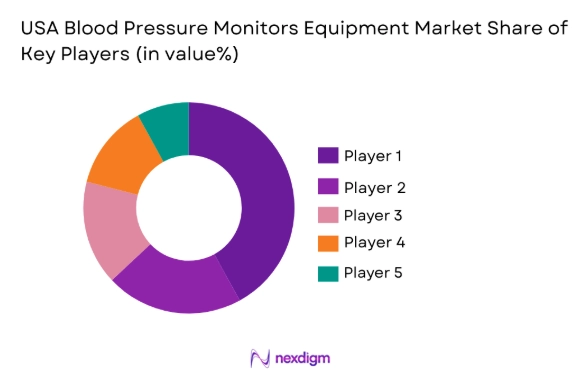
The USA blood pressure monitors equipment market is moderately consolidated with a mix of established multinational medical device manufacturers and specialized diagnostic firms competing on technology, accuracy, and integration capabilities. Larger companies leverage extensive distribution networks and strong brand recognition to secure key accounts in hospitals, clinics, and retail channels, while smaller innovators focus on niche offerings such as wearable and connected devices. Strategic partnerships, acquisitions, and product enhancements are common as firms aim to differentiate their portfolios and address rising demand for remote monitoring. Pricing pressures and regulatory compliance also shape competitive behavior, with many players investing in R&D to introduce feature-rich, FDA‑cleared products that enhance clinical outcomes and end‑user engagement.
| Company Name | Establishment Year | Headquarters | Technology Focus | Market Reach | Key Products | Revenue (USD) | Connectivity/Integration Feature |
| Omron Healthcare | 1933 | Kyoto, Japan | ~ | ~ | ~ | ~ | ~ |
| A&D Medical | 1977 | Tokyo, Japan | ~ | ~ | ~ | ~ | ~ |
| Withings | 2008 | Paris, France | ~ | ~ | ~ | ~ | ~ |
| Philips Healthcare | 1891 | Amsterdam, Netherlands | ~ | ~ | ~ | ~ | ~ |
| Beurer | 1919 | Ulm, Germany | ~ | ~ | ~ | ~ | ~ |
USA Blood Pressure Monitors Equipment Market Analysis
Growth Drivers
Technological Advancements in Blood Pressure Monitoring
The continuous technological advancements in blood pressure monitors, such as the introduction of smart and wearable devices, have significantly driven the market’s growth. The integration of wireless connectivity, cloud data storage, and AI-based analytics enables real-time monitoring, making it easier for consumers to track their blood pressure levels at home or on-the-go. These innovations have made it possible for users to receive more accurate readings and alerts, improving overall health management. This technological evolution not only improves user experience but also provides better accuracy, efficiency, and ease of use. The increasing adoption of these innovative devices by both healthcare professionals and end-users contributes to the market’s rapid expansion. As healthcare providers increasingly integrate these devices into their practices, and as more consumers opt for in-home monitoring to avoid the inconvenience of visiting medical facilities, the demand for advanced blood pressure monitors is expected to continue rising. Furthermore, the ongoing development of wireless technologies and AI applications is expected to further shape the future of blood pressure monitoring, ensuring that the market remains dynamic and progressive.
Aging Population and Increased Health Awareness
The aging population in the USA is another crucial driver of the blood pressure monitors equipment market. As hypertension becomes more prevalent among older adults, the demand for blood pressure monitoring devices has surged. Older adults are at a higher risk of developing chronic conditions like high blood pressure, which significantly increases their need for regular monitoring to prevent complications such as heart disease or stroke. Along with the growing health awareness about the risks of hypertension and the importance of early diagnosis, more individuals are investing in at-home devices for continuous monitoring. With the increasing accessibility and affordability of these devices, seniors are now able to take charge of their health more effectively, thus contributing to the overall growth of the market. This demographic shift, combined with a heightened focus on preventive healthcare, is a significant factor behind the market’s steady growth trajectory. The rise of health-focused technologies that cater specifically to the elderly also contributes to expanding the market by providing solutions that are easy to use and designed with this demographic’s needs in mind.
Market Challenges
High Costs of Advanced Monitoring Devices
Despite the increasing demand for blood pressure monitors, the high costs of advanced and feature-rich devices present a significant challenge. While there is a growing shift towards wearable and smart devices, their relatively high price limits their adoption among budget-conscious consumers, particularly in rural or low-income areas. These advanced devices, which offer additional features such as wireless connectivity, AI capabilities, and cloud-based data storage, can be prohibitively expensive for many users. Furthermore, healthcare systems that aim to incorporate these advanced monitoring devices into their practices may face financial barriers, which hinders broader market penetration. The cost-related barriers thus restrict the market’s full growth potential in certain regions, especially where access to healthcare resources and consumer spending power are limited. As a result, although the demand for these devices is increasing, cost considerations remain an ongoing hurdle for many prospective customers. For these devices to reach a wider audience, manufacturers and healthcare providers may need to explore strategies to lower costs or provide more affordable alternatives to ensure that blood pressure monitoring is accessible to a broader range of consumers.
Regulatory Hurdles and Device Approval Processes
Another major challenge facing the blood pressure monitors equipment market is the complex and time-consuming regulatory approval process for medical devices. Blood pressure monitors need to meet stringent requirements set by agencies such as the FDA before being sold in the market, which often leads to delays in product launches. These regulatory hurdles, while necessary to ensure the safety and efficacy of devices, can significantly slow the introduction of new technology into the market. Additionally, any changes to regulatory frameworks or requirements could further complicate the approval process, affecting the time-to-market for new devices. With more advanced devices that require compliance with new and evolving regulations, manufacturers must navigate a detailed and often unpredictable approval journey. These regulatory delays can slow down innovation and market expansion in certain areas, as devices may take years to become available. Therefore, companies need to be agile in meeting regulatory requirements to avoid setbacks and maximize their market potential.
Opportunities
Telemedicine and Remote Patient Monitoring
The rise of telemedicine and remote patient monitoring presents a significant opportunity for the blood pressure monitors market. With an increasing number of healthcare providers embracing telehealth services, the need for reliable home monitoring equipment has surged. Telemedicine allows patients to consult with healthcare professionals remotely, reducing the need for in-person visits and enabling more frequent monitoring of health conditions such as hypertension. This shift towards telehealth has driven the demand for blood pressure monitors that can connect with mobile apps or cloud-based platforms, providing healthcare providers with real-time patient data. Patients, especially in rural areas, benefit from the convenience and accessibility of remote monitoring solutions, allowing them to manage their health more effectively from home. Blood pressure monitors that can sync with mobile apps and telehealth platforms are becoming essential for healthcare professionals to monitor patients’ health conditions in real-time, driving the demand for such devices. With continued advancements in telemedicine, this market segment is expected to grow even further, opening up new avenues for the adoption of blood pressure monitoring devices.
Prevention of Hypertension through Home-Based Monitoring
The growing emphasis on preventive healthcare, particularly through home-based monitoring of chronic conditions like hypertension, offers a promising opportunity. As more individuals opt for self-management of their health, blood pressure monitors play a key role in enabling proactive health monitoring. The ability to monitor blood pressure levels regularly at home allows individuals to catch early signs of hypertension and take timely actions to prevent the condition from worsening. This trend is particularly appealing to the health-conscious consumer who seeks to manage their well-being outside of clinical settings. With an increasing number of consumers actively seeking ways to monitor their health, home-based blood pressure monitors have become an essential tool in managing and preventing hypertension. Additionally, healthcare professionals are recognizing the importance of incorporating home monitoring into their treatment plans, which further supports the growing demand for these devices. Blood pressure monitors designed for easy home use align perfectly with the demand for preventive health solutions and will continue to fuel market growth in the coming years. As consumers increasingly prioritize health monitoring, the market for home-based blood pressure devices is expected to see significant expansion.
Future Outlook
Over the next five years, the USA blood pressure monitors equipment market is expected to continue growing steadily. This growth is attributed to the technological advancements in monitoring devices, especially the integration of AI and mobile health platforms, that make blood pressure management more efficient. The increasing prevalence of hypertension and the rising demand for home healthcare solutions will continue to support market growth. Additionally, the expansion of telemedicine services and increased regulatory support for remote monitoring will further boost the adoption of these devices, contributing to a positive market outlook.
Major Players
- Omron Healthcare
- A&D Medical
- Withings
- Philips Healthcare
- Beurer
- Fitbit
- Welch Allyn
- Panasonic Healthcare
- Dräger Medical
- Masimo
- Kardia by AliveCor
- Medtronic
- Boston Scientific
- Cigna Corporation
- Hill-Rom
Key Target Audience
- Investments and venture capitalist firms
- Government and regulatory bodies
- Hospitals and healthcare providers
- Insurance companies
- Blood pressure monitor distributors
- Medical device manufacturers
- Health tech startups
Research Methodology
Step 1: Identification of Key Variables
Key variables such as device type, pricing trends, regulatory standards, and adoption rates were identified. Demand drivers including disease prevalence and healthcare infrastructure were analyzed. Data points were structured to align with market segmentation. Additional variables such as technology integration, distribution channels, and reimbursement frameworks were also incorporated. These factors ensured a comprehensive understanding of market dynamics.
Step 2: Market Analysis and Construction
Market size was constructed using validated secondary sources such as FDA databases, CMS spending reports, and company financials. Bottom-up and top-down approaches ensured accurate estimation. Segmentation analysis was integrated into the model. Historical data trends were cross-referenced with current market developments. Forecasting assumptions were adjusted based on macroeconomic and healthcare policy indicators.
Step 3: Hypothesis Validation and Expert Consultation
Industry experts including healthcare professionals and device manufacturers were consulted to validate assumptions. Feedback was incorporated into refining market estimates and identifying emerging trends. Cross-verification ensured reliability. Multiple expert interviews were conducted across different value chain participants. Their insights helped refine technological adoption trends and competitive positioning analysis.
Step 4: Research Synthesis and Final Output
All data points were synthesized into a structured format. Analytical models were applied to generate insights and projections. Final outputs were reviewed for consistency, accuracy, and alignment with industry standards. Quality checks and peer reviews were conducted to eliminate discrepancies. The final report was validated to ensure it meets industry benchmarking standards and client requirements

- Executive Summary
- Research Methodology (Definitions, Scope, Industry Assumptions, Market Sizing Approach, Primary & Secondary Research Framework, Data Collection & Verification Protocol, Analytic Models & Forecast Methodology, Limitations & Research Validity Checks)

- Market Definition and Scope
- Value Chain & Stakeholder Ecosystem
- Regulatory / Certification Landscape
- Sector Dynamics Affecting Demand
- Strategic Initiatives & Infrastructure Growth

- Growth Drivers
Rising prevalence of hypertension and cardiovascular diseases
Increasing adoption of home healthcare monitoring solutions
Technological advancements in digital and connected monitoring devices - Market Challenges
Accuracy concerns in low-cost and consumer-grade devices
Data privacy and cybersecurity risks in connected devices
Reimbursement limitations for home monitoring equipment - Market Opportunities
Expansion of remote patient monitoring and telehealth services
Integration of AI and predictive analytics in monitoring systems
Growing demand for wearable and continuous monitoring solutions - Trends
Shift toward smart, app-connected blood pressure monitoring devices
Increasing consumer preference for compact and wearable solutions - Government Regulations
- SWOT Analysis
- Porter’s Five Forces

- By Market Value, 2020-2025
- By Installed Units, 2020-2025
- By Average System Price, 2020-2025
- By System Complexity Tier, 2020-2025

- By System Type (In Value%)
Automatic Blood Pressure Monitors
Manual (Aneroid) Blood Pressure Monitors
Ambulatory Blood Pressure Monitors (ABPM)
Digital Wrist Blood Pressure Monitors
Hybrid Blood Pressure Monitoring Systems - By Platform Type (In Value%)
Standalone Monitoring Devices
Connected (Bluetooth/Wi-Fi Enabled) Devices
Wearable Blood Pressure Monitoring Devices
Smartphone-Integrated Monitoring Platforms
Cloud-Based Remote Monitoring Systems - By Fitment Type (In Value%)
Home Use Devices
Clinical/Professional Use Devices
Portable/Handheld Devices
Wearable Continuous Monitoring Devices - By End User Segment (In Value%)
Hospitals and Clinics
Homecare Settings
Ambulatory Surgical Centers and Diagnostic Centers

- Market Share Analysis
- Cross Comparison Parameters (Product Accuracy, Pricing Strategy, Distribution Network, Technology Integration, Regulatory Compliance, Brand Reputation, After-Sales Support, Product Portfolio Breadth, Innovation Capability, Digital Connectivity Features, Manufacturing Capabilities, Supply Chain Efficiency, Customer Support Services, Market Presence, Strategic Partnerships)
- SWOT Analysis of Key Competitors
- Pricing & Procurement Analysis
- Key Players
Omron Healthcare Inc.
Philips Healthcare
GE HealthCare Technologies Inc.
A&D Medical
Microlife Corporation
Welch Allyn (Hill-Rom Holdings Inc.)
SunTech Medical Inc.
Rossmax International Ltd.
Beurer GmbH
Withings SA
iHealth Labs Inc.
Masimo Corporation
Briggs Healthcare
American Diagnostic Corporation
Kaz USA Inc.

- Hospitals driving demand for high-precision and multi-parameter systems
- Homecare segment witnessing rapid growth due to aging population
- Diagnostic centers adopting ambulatory monitoring for better diagnosis
- Telehealth providers integrating BP monitoring into remote care models

- Forecast Market Value, 2026-2035
- Forecast Installed Units, 2026-2035
- Price Forecast by System Tier, 2026-2035
- Future Demand by Platform, 2026-2035


 Request a Sample
 Ask for Customization
 Get a Quote
 Enquire Now