
 Download PDF
 Download PDF
Market Overview
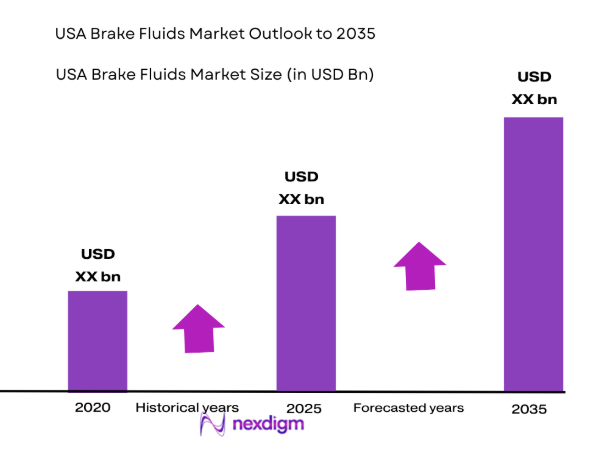
The USA brake fluids market is valued at approximately USD ~ billion, driven by factors like increasing vehicle production, safety concerns, and the adoption of advanced braking systems. The demand for high-performance and long-lasting brake fluids is expected to rise, driven by the increasing preference for premium vehicle models and performance-oriented vehicles. Government regulations regarding vehicle safety standards are also contributing to market growth. The market is also influenced by the trend of increasing automotive production in North America, as well as rising consumer awareness regarding vehicle maintenance.
The dominant regions driving the market include the United States, particularly cities like Detroit and Los Angeles, which are hubs for the automotive industry. These regions benefit from a high concentration of automotive manufacturers and aftermarket suppliers, supporting substantial brake fluid demand. Additionally, the growing number of vehicle sales and fleet operations in metropolitan areas is a key factor driving the market’s growth. The strong presence of major automotive OEMs and aftermarket retailers in these regions further enhances market demand.
Market Segmentation
By Product Type
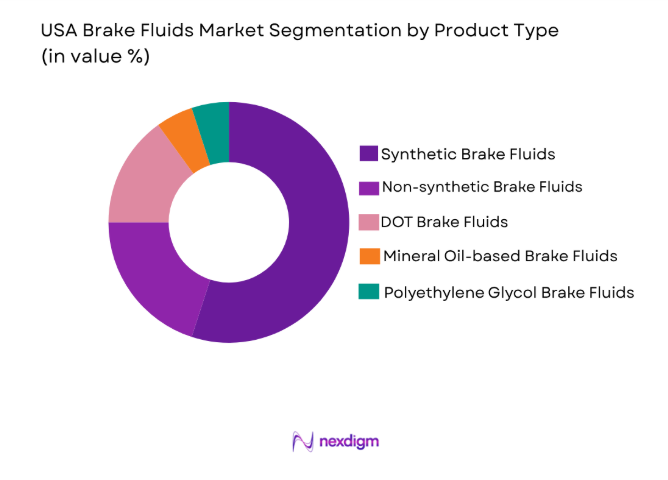
The USA brake fluids market is segmented by product type into synthetic, non-synthetic, DOT brake fluids, mineral oil-based brake fluids, and polyethylene glycol brake fluids. Recently, synthetic brake fluids have dominated the market share due to factors such as improved performance, higher temperature tolerance, and longer fluid life compared to non-synthetic alternatives. The growing demand for premium vehicles, which require high-performance fluids, has significantly contributed to the rise of synthetic brake fluids, making them the dominant sub-segment.
By Platform Type
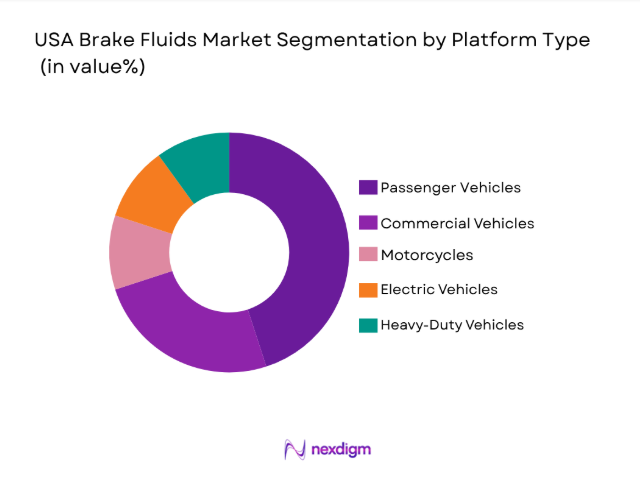
The market is also segmented by platform type, including passenger vehicles, commercial vehicles, motorcycles, electric vehicles, and heavy-duty vehicles. Among these, the passenger vehicle segment holds the dominant market share, driven by the increasing sales of light-duty cars and SUVs, which require frequent brake fluid replacements. As consumer preference shifts towards safety features and efficient braking systems, passenger vehicles remain the leading sub-segment in the market.
Competitive Landscape
The competitive landscape of the USA brake fluids market is characterized by the presence of global and regional players. Companies are adopting strategies like mergers, acquisitions, and product innovations to consolidate their market positions. Major players are focusing on expanding their product portfolios to cater to diverse consumer needs, from premium fluids for high-performance vehicles to standard offerings for regular cars. The market is highly competitive, with a few companies holding a significant share, while regional players cater to niche segments.
| Company Name | Establishment Year | Headquarters | Technology Focus | Market Reach | Key Products | Revenue | Product Innovation |
| Castrol | 1899 | United Kingdom | ~ | ~ | ~ | ~ | ~ |
| Valvoline | 1866 | USA | ~ | ~ | ~ | ~ | ~ |
| BP | 1908 | United Kingdom | ~ | ~ | ~ | ~ | ~ |
| Shell | 1907 | Netherlands | ~ | ~ | ~ | ~ | ~ |
| Prestone | 1927 | USA | ~ | ~ | ~ | ~ | ~ |
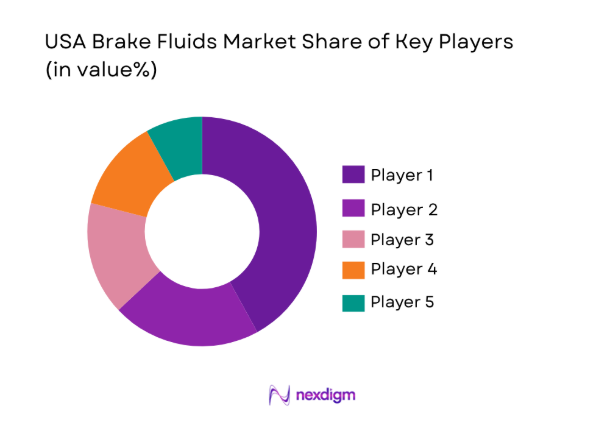
USA Brake Fluids Market Analysis
Growth Drivers
Increasing Vehicle Production
The rising production of passenger vehicles, commercial vehicles, and electric vehicles is a significant growth driver for the USA brake fluids market. The surge in automotive manufacturing, particularly with a focus on safety features, has resulted in a corresponding rise in demand for brake fluids. As automotive manufacturers strive to meet stricter safety regulations and improve vehicle performance, the need for quality brake fluids becomes critical. Furthermore, the expansion of the electric vehicle segment, which requires specialized brake fluid formulations, has contributed to this growth, adding a new dimension to brake fluid demand. With the USA being one of the largest automotive markets globally, the robust vehicle production infrastructure ensures a consistent demand for brake fluids. As more consumers opt for vehicles equipped with advanced safety technologies that rely on high-quality braking systems, manufacturers are compelled to innovate and enhance brake fluid performance. This growing demand for premium brake fluid systems is expected to expand as the production of electric and commercial vehicles accelerates. Consequently, the continual growth of vehicle production, particularly within the electric vehicle segment, will drive the ongoing demand for advanced brake fluids and systems over the next several years, fostering market expansion and product innovation.
Safety Standards and Regulations
The increasing emphasis on vehicle safety and the implementation of stricter regulations by government bodies are key factors fueling the growth of the USA brake fluids market. As safety regulations continue to become more stringent, manufacturers are required to adopt high-performance brake fluids to meet the desired standards, ensuring vehicles are equipped with reliable and efficient braking systems. These regulations, particularly those governing commercial vehicles, require brake systems capable of withstanding high-speed, high-temperature conditions, which directly drives demand for superior brake fluids. The push for improved braking systems is not only a matter of regulatory compliance but also a competitive advantage for automotive manufacturers. As regulatory bodies enforce more comprehensive safety standards, the need for high-quality brake fluid formulations becomes crucial. Additionally, governments’ initiatives to promote safer driving environments and stricter environmental regulations continue to support the market’s growth, further solidifying the importance of advanced brake fluid solutions. The combination of tighter safety regulations and increasing consumer safety awareness is a driving force for market expansion, leading to a more robust demand for high-performance, reliable brake fluids across various vehicle segments.
Market Challenges
High Cost of Synthetic Fluids
One of the major challenges faced by the USA brake fluids market is the high cost associated with synthetic brake fluids. While synthetic fluids offer superior performance, longer lifespan, and enhanced efficiency compared to traditional non-synthetic fluids, their premium price point poses a significant barrier to widespread adoption, especially among budget-conscious consumers. The production cost of synthetic brake fluids, which involves high-quality raw materials and advanced chemical formulations, makes them more expensive. This price differential often leads consumers to opt for cheaper alternatives, such as non-synthetic brake fluids, which are less costly but may offer lower performance levels. Although synthetic fluids are prevalent in premium vehicle segments, where performance and safety are prioritized, their adoption in lower-priced vehicle segments is limited. Overcoming the cost barrier without compromising the high performance of synthetic brake fluids is essential to drive broader market adoption across various consumer segments. Manufacturers face the challenge of balancing cost-effectiveness with product quality, ensuring that synthetic brake fluids remain an attractive option for all market categories.
Environmental Impact of Brake Fluid Disposal
The disposal of brake fluids, particularly those containing hazardous chemicals, presents a significant environmental challenge in the USA brake fluids market. Brake fluid disposal is subject to strict regulatory oversight due to the potential environmental risks, especially if the fluids are improperly discarded. Improper disposal of brake fluids can lead to soil and water contamination, posing serious threats to ecosystems and public health. Despite the growing adoption of environmentally friendly alternatives, the widespread use of traditional brake fluids that contain harmful chemicals remains a concern. Consumers and service providers often fail to comply with proper disposal procedures, exacerbating the environmental impact. Furthermore, the transition to eco-friendly brake fluids, although beneficial in reducing environmental risks, faces slow adoption, primarily due to cost considerations and limited availability. Addressing this challenge will require greater consumer education, robust waste management systems, and the further development of biodegradable brake fluids that offer the same level of performance as their conventional counterparts. To mitigate the environmental impact, companies and regulatory bodies must collaborate to establish sustainable disposal practices and promote the use of greener alternatives.
Opportunities
Adoption of Eco-friendly Brake Fluids
A significant opportunity for the USA brake fluids market lies in the growing demand for eco-friendly and biodegradable brake fluids. As environmental concerns continue to rise, both consumers and manufacturers are increasingly seeking sustainable alternatives in every aspect of vehicle maintenance, including brake fluids. The development of biodegradable fluids that have minimal environmental impact offers manufacturers the chance to meet this rising demand while maintaining performance standards. The environmental benefits of eco-friendly brake fluids, such as reduced toxicity and easier disposal, provide strong incentives for both consumers and automakers to shift towards greener solutions. Furthermore, as government regulations continue to tighten in terms of environmental standards, manufacturers will face increasing pressure to adopt environmentally responsible solutions. Companies that can innovate to offer high-performance, eco-friendly brake fluids will be well-positioned to capture market share in an evolving regulatory landscape. This growing consumer demand, paired with regulatory incentives for environmentally friendly solutions, presents an attractive growth avenue for companies in the USA brake fluids market. The potential for eco-friendly brake fluids to replace traditional options in both mainstream and premium vehicle segments creates significant market opportunities for forward-thinking manufacturers.
Growth in the Electric Vehicle Market
The rise of electric vehicles (EVs) offers a unique opportunity for the USA brake fluids market. Unlike conventional vehicles, electric vehicles typically use regenerative braking systems, which require specialized brake fluids that are optimized for their unique braking systems. As the EV market continues to expand, particularly in North America, the demand for brake fluids tailored to the needs of electric vehicles is expected to rise. This growing segment of the automotive industry presents a niche opportunity for brake fluid manufacturers to develop and supply solutions that meet the specific performance requirements of electric vehicles. These specialized brake fluids must be designed to handle different braking forces, temperature variations, and the specific needs of EVs, creating a demand for new formulations. As electric vehicle adoption continues to surge, manufacturers that can innovate and develop brake fluid solutions optimized for EVs will have a competitive advantage. The combination of increased electric vehicle sales and the need for high-performance braking solutions offers a promising growth opportunity for the USA brake fluids market. As EV manufacturers push for advancements in safety and braking performance, this sub-segment of brake fluids is set to play a key role in the market’s future expansion.
Future Outlook
The future outlook of the USA brake fluids market is promising, with expected growth driven by an increase in vehicle production and technological advancements in fluid formulations. The growing focus on safety features, particularly in electric vehicles and commercial vehicles, will fuel demand for high-performance brake fluids. Regulatory support, along with advancements in fluid technology, will further strengthen market growth. As more consumers opt for vehicles with advanced braking systems, the demand for premium brake fluids is likely to rise. Additionally, the shift towards eco-friendly solutions will be a key trend, with manufacturers focusing on developing sustainable brake fluids to meet regulatory standards.
Major Players
- Castrol
- Valvoline
- BP
- Shell
- Prestone
- ExxonMobil
- TotalEnergies
- Fuchs Petrolub
- Motul
- Gulf Oil
- Cepsa
- Liqui Moly
- AMSOIL
- Royal Purple
- Chevron
Key Target Audience
- Investments and venture capitalist firms
- Government and regulatory bodies
- Automotive OEMs
- Aftermarket Retailers
- Fleet Operators
- Vehicle Maintenance Service Providers
- Automotive Component Manufacturers
Research Methodology
Step 1: Identification of Key Variables
Identification of key market variables, including demand drivers, competitive landscape, and consumer trends.
Step 2: Market Analysis and Construction
Analysis of historical data, current market conditions, and future trends to construct an accurate market model.
Step 3: Hypothesis Validation and Expert Consultation
Consultation with industry experts and validation of hypotheses through primary and secondary research.
Step 4: Research Synthesis and Final Output
Synthesis of research findings into a comprehensive report, providing actionable insights for stakeholders.

- Executive Summary
- Research Methodology (Definitions, Scope, Industry Assumptions, Market Sizing Approach, Primary & Secondary Research Framework, Data Collection & Verification Protocol, Analytic Models & Forecast Methodology, Limitations & Research Validity Checks)

- Market Definition and Scope
- Value Chain & Stakeholder Ecosystem
- Regulatory / Certification Landscape
- Sector Dynamics Affecting Demand
- Strategic Initiatives & Infrastructure Growth

- Growth Drivers
Increasing Demand for Vehicle Safety Features
Technological Advancements in Brake Fluid Formulations
Growing Automotive Production and Sales - Market Challenges
High Production Costs of Synthetic Brake Fluids
Environmental Concerns Related to Brake Fluid Disposal
Limited Consumer Awareness About Brake Fluid Maintenance - Market Opportunities
Expansion of Electric Vehicle Market and Brake Fluid Requirements
Rising Demand for High-Performance Brake Fluids
Advancements in Brake Fluid Recycling Technologies - Trends
Increasing Adoption of Synthetic Brake Fluids
Shift Towards Eco-friendly Brake Fluid Solutions - Government Regulations
- SWOT Analysis
- Porter’s Five Forces

- By Market Value, 2020-2025
- By Installed Units, 2020-2025
- By Average System Price, 2020-2025
- By System Complexity Tier, 2020-2025

- By System Type (In Value%)
Synthetic Brake Fluids
Non-synthetic Brake Fluids
DOT Brake Fluids
Mineral Oil-Based Brake Fluids
Polyethylene Glycol Brake Fluids - By Platform Type (In Value%)
Passenger Vehicles
Commercial Vehicles
Motorcycles
Electric Vehicles
Heavy Duty Vehicles - By Fitment Type (In Value%)
OEM Fitment
Aftermarket Fitment
Replacement Fitment
Custom Fitment - By End User Segment (In Value%)
Automotive OEMs
Aftermarket Retailers
Fleet Operators

- Market Share Analysis
- Cross Comparison Parameters (Synthetic vs Non-synthetic, Passenger Vehicles vs Commercial Vehicles, OEM Fitment vs Aftermarket Fitment, Mineral Oil-based vs Polyethylene Glycol, Electric Vehicles vs Conventional Vehicles, Brake Fluid Performance, Cost Efficiency)
- SWOT Analysis of Key Competitors
- Pricing & Procurement Analysis
- Key Players
Castrol
Valvoline
BP
Shell
ExxonMobil
TotalEnergies
Prestone
Chevron
Fuchs Petrolub
Motul
Gulf Oil
Cepsa
Liqui Moly
AMSOIL
Royal Purple

- Rising Demand from Automotive OEMs for High-quality Fluids
- Increasing Focus of Aftermarket Retailers on Premium Brake Fluids
- Fleet Operators Prioritizing Long-lasting Fluid Solutions
- Automotive Industry Shifting Towards More Sustainable Brake Fluids

- Forecast Market Value, 2026-2035
- Forecast Installed Units, 2026-2035
- Price Forecast by System Tier, 2026-2035
- Future Demand by Platform, 2026-2035


 Request a Sample
 Ask for Customization
 Get a Quote
 Enquire Now