

 Download PDF
Market Overview
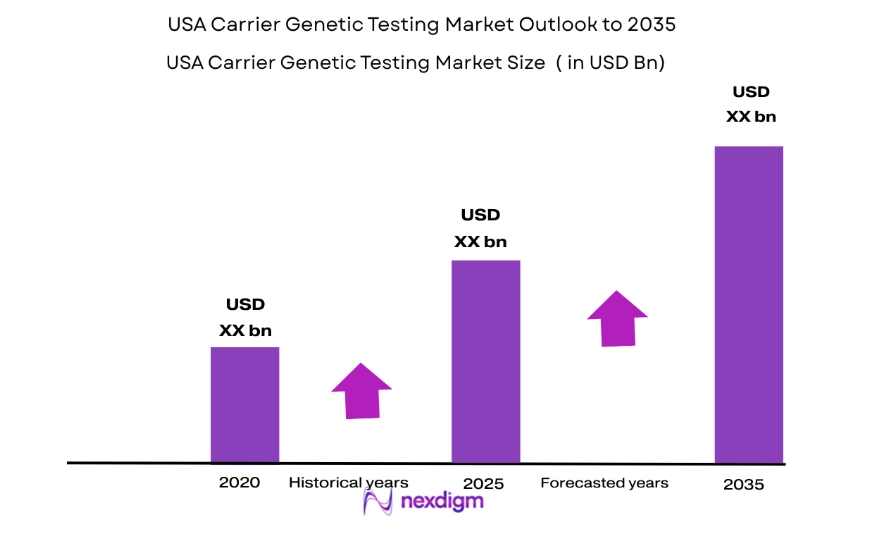
The USA Carrier Genetic Testing Market is projected to experience significant growth, driven by advancements in genetic testing technology and increasing adoption of personalized healthcare solutions. Based on a recent historical assessment, the market size is expected to reach USD ~ billion, fueled by rising awareness of genetic disorders, expanding carrier screening programs, and the increasing demand for non-invasive testing. The growing availability of next-generation sequencing (NGS) and PCR-based technologies is contributing to market expansion, making genetic testing more accessible to a wider population.
The USA remains a dominant market in carrier genetic testing due to the high prevalence of genetic disorders, advancements in healthcare technology, and the robust healthcare infrastructure. Major cities, including New York, Los Angeles, and Chicago, lead the market due to their large healthcare networks and research institutions that drive innovation in genetic testing. Additionally, supportive government regulations and the increasing focus on preventive healthcare contribute to the market’s strong position.
Market Segmentation
By Product Type:
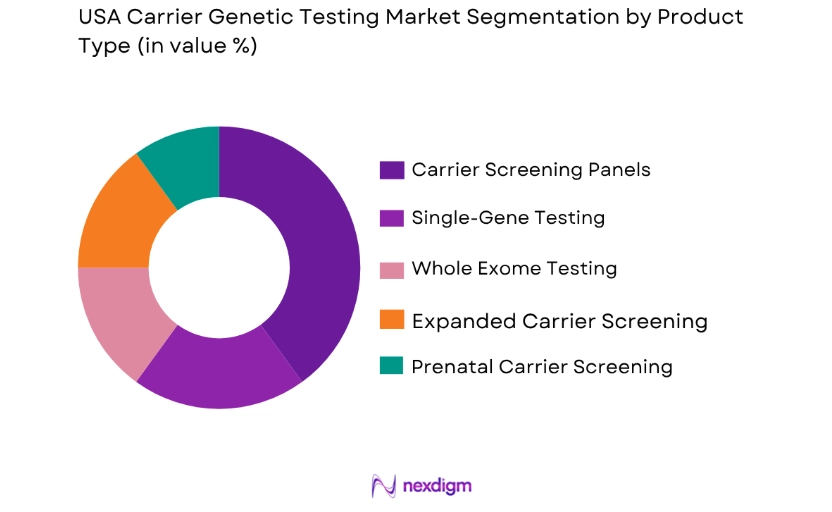
The USA Carrier Genetic Testing Market is segmented by product type into Carrier Screening Panels, Single-Gene Testing, Whole Exome Testing, Expanded Carrier Screening, and Prenatal Carrier Screening. Recently, Carrier Screening Panels have the dominant market share due to increasing consumer awareness about genetic conditions and the widespread adoption of comprehensive testing. These panels are particularly favored due to their ability to screen for multiple conditions simultaneously, providing cost-effective solutions for genetic testing. The growing availability of these panels through healthcare providers and direct-to-consumer options is further accelerating their popularity.
By Platform Type:
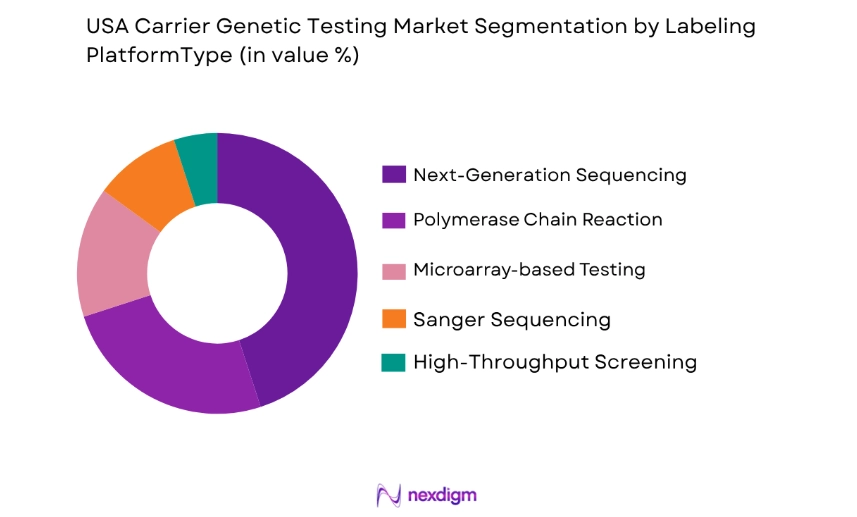
The market is segmented by platform type into Next-Generation Sequencing (NGS), Polymerase Chain Reaction (PCR), Microarray-based Testing, Sanger Sequencing, and High-Throughput Screening. NGS has a dominant market share due to its ability to handle large volumes of genetic data with higher accuracy and faster results. The technology’s increasing use in both clinical and research settings has made it the preferred choice for genetic testing. Its versatility in sequencing multiple genes and its declining cost over the years have further fueled its market growth, making it the backbone of modern carrier genetic testing.
Competitive Landscape
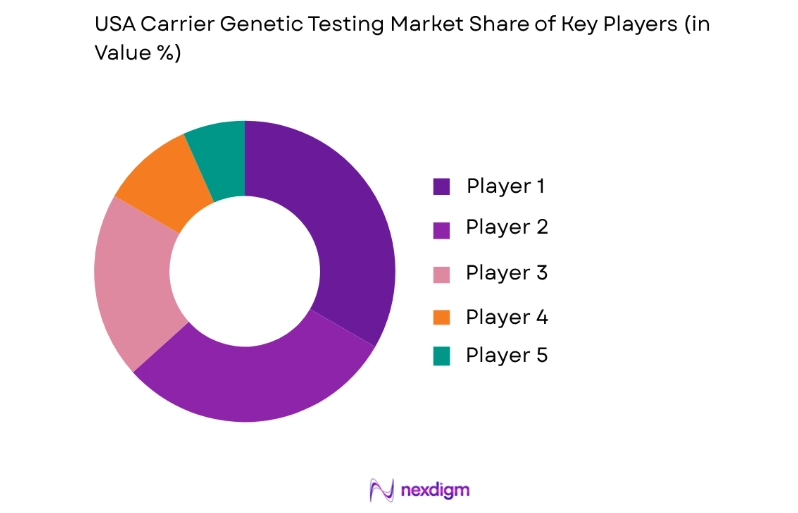
The competitive landscape of the USA Carrier Genetic Testing Market is influenced by the presence of established companies and a growing number of specialized firms offering advanced genetic testing solutions. Consolidation in the market is driven by the increasing demand for high-quality and reliable genetic testing services. Key players in the market are focusing on technological innovation, expanding their product offerings, and enhancing their market reach through strategic partnerships and acquisitions.
| Company Name | Establishment Year | Headquarters | Technology Focus | Market Reach | Key Products | Revenue | Market-Specific Parameter |
| Thermo Fisher Scientific | 1956 | Waltham, MA | ~ | ~ | ~ | ~ | ~ |
| Illumina, Inc. | 1998 | San Diego, CA | ~ | ~ | ~ | ~ | ~ |
| Abbott Laboratories | 1888 | Abbott Park, IL | ~ | ~ | ~ | ~ | ~ |
| Myriad Genetics | 1991 | Salt Lake City, UT | ~ | ~ | ~ | ~ | ~ |
| LabCorp | 1978 | Burlington, NC | ~ | ~ | ~ | ~ | ~ |
USA Carrier Genetic Testing Market Analysis
Growth Drivers
Rising Prevalence of Genetic Disorders:
The increasing prevalence of genetic disorders is driving demand for carrier genetic testing in the USA. As more individuals become aware of the risk of inherited genetic conditions, there is a growing interest in early screening for potential genetic risks. Healthcare providers and insurance companies are also increasingly encouraging genetic testing to reduce the burden of hereditary diseases on the healthcare system. This awareness, coupled with the availability of affordable and accessible testing options, is fueling market growth.
Advancements in Genetic Testing Technology:
Significant advancements in genetic testing technologies, such as Next-Generation Sequencing (NGS) and Polymerase Chain Reaction (PCR), have contributed to the growth of the carrier genetic testing market. These technologies allow for faster, more accurate, and cost-effective testing. The continuous evolution of these platforms is improving testing accuracy and enabling a broader range of tests to be offered to consumers. Additionally, advances in data analysis tools have streamlined the interpretation of complex genetic information, further propelling market growth.
Market Challenges
High Cost of Genetic Testing:
Despite technological advancements, the cost of genetic testing remains a significant barrier to widespread adoption. While prices have decreased over the years, high costs can still prevent many individuals from accessing testing, especially in regions with lower healthcare budgets. Additionally, the expense of advanced genetic technologies and the need for specialized equipment further contribute to the overall cost, limiting access for lower-income populations and creating disparities in healthcare.
Ethical and Regulatory Challenges in Genetic Data Handling:
The handling of genetic data raises significant ethical and regulatory concerns, which can impede the growth of the market. Privacy issues, such as the potential misuse of sensitive genetic information, pose a challenge for healthcare providers, regulators, and testing companies. Moreover, the lack of consistent regulations across states and regions creates uncertainties for both patients and service providers. Ensuring compliance with privacy laws and gaining public trust are essential for the continued success of the genetic testing market.
Opportunities
Integration of Artificial Intelligence (AI) in Genetic Testing:
The integration of artificial intelligence (AI) in genetic testing is creating significant opportunities for the USA Carrier Genetic Testing Market. AI can help improve the accuracy and efficiency of genetic testing by enabling more precise analysis of genetic data. Additionally, AI can assist in predicting genetic disorders and enhancing the decision-making process for healthcare providers. The adoption of AI-based platforms in the genetic testing process will make testing more accessible and affordable, leading to a broader adoption of carrier genetic testing.
Expanding Prenatal Genetic Screening Programs:
Expanding prenatal genetic screening programs represents a key opportunity for the market. With an increasing number of women seeking prenatal care and genetic testing to assess the health risks of their pregnancies, the demand for carrier genetic testing is expected to rise. The availability of non-invasive prenatal testing (NIPT) and expanded carrier screening options is driving this trend. Healthcare providers are increasingly offering these services as part of routine prenatal care, creating a significant market opportunity for genetic testing companies.
Future Outlook
The USA Carrier Genetic Testing Market is expected to experience strong growth over the next five years, driven by technological advancements in genetic testing, increasing awareness of genetic disorders, and expanding healthcare access. The market will benefit from greater adoption of non-invasive testing, the integration of AI, and enhanced government regulations that support the use of genetic testing for preventive healthcare. As genetic testing becomes more accessible and affordable, it is anticipated that more individuals will opt for carrier genetic testing, leading to continued market expansion.
Major Players
- Thermo Fisher Scientific
- Illumina, Inc.
- Abbott Laboratories
- Myriad Genetics
- LabCorp
- PerkinElmer
- F. Hoffmann-La Roche
- Danaher Corporation
- Bio-Rad Laboratories
- Genomic Health
- Quest Diagnostics
- Cepheid
- Agilent Technologies
- Medtronic
- Eppendorf AG
Key Target Audience
- Investments and venture capitalist firms
- Government and regulatory bodies
- Healthcare providers
- Diagnostic laboratories
- Hospitals
- Private research institutions
- Medical device manufacturers
- Healthcare technology companies
Research Methodology
Step 1: Identification of Key Variables
Identifying key market variables that impact demand, technology adoption, and consumer preferences in the USA Carrier Genetic Testing Market.
Step 2: Market Analysis and Construction
Analyzing market trends, competitor landscape, and technological innovations to construct a comprehensive market profile.
Step 3: Hypothesis Validation and Expert Consultation
Engaging with industry experts and stakeholders to validate hypotheses and refine market insights.
Step 4: Research Synthesis and Final Output
Synthesizing research findings and preparing the final report with actionable insights for stakeholders.

- Executive Summary
- Research Methodology (Definitions, Scope, Industry Assumptions, Market Sizing Approach, Primary & Secondary Research Framework, Data Collection & Verification Protocol, Analytic Models & Forecast Methodology, Limitations & Research Validity Checks)

- Market Definition and Scope
- Value Chain & Stakeholder Ecosystem
- Regulatory / Certification Landscape
- Sector Dynamics Affecting Demand

- Growth Drivers
Rising Prevalence of Genetic Disorders
Increasing Demand for Personalized Medicine
Advancements in Genetic Testing Technology
Growing Adoption of Carrier Screening Programs
Government Initiatives for Early Genetic Testing - Market Challenges
High Cost of Genetic Testing
Regulatory and Ethical Issues Surrounding Genetic Data
Limited Awareness in Rural Areas
Technological Barriers in Widespread Adoption
Privacy and Data Protection Concerns - Market Opportunities
Expansion of Personalized Healthcare Solutions
Integration of AI and Machine Learning in Genetic Testing
Growing Awareness of Genetic Disorders in the General Population - Trends
Increased Utilization of NGS Technology
Expanding Use of Non-invasive Testing Methods
Growing Focus on Prenatal Genetic Screening
Adoption of At-home Testing Kits

- By Market Value, 2020-2025
- By Installed Units, 2020-2025
- By Average System Price, 2020-2025
- By System Complexity Tier, 2020-2025

- By System Type (In Value%)
Carrier Screening Panels
Single-Gene Testing
Whole Exome Testing
Expanded Carrier Screening
Prenatal Carrier Screening - By Platform Type (In Value%)
Next-Generation Sequencing (NGS)
Polymerase Chain Reaction (PCR)
Microarray-based Testing
Sanger Sequencing
High-Throughput Screening - By Fitment Type (In Value%)
Original Equipment Manufacturer (OEM)
Aftermarket
Replacement
Modular Fitment
Integrated Fitment - By EndUser Segment (In Value%)
Healthcare Providers
Diagnostic Laboratories
Hospitals
Government Healthcare Agencies
Private Research Institutions

- Market Share Analysis
- CrossComparison Parameters (System Type, Platform Type, Procurement Channel, EndUser Segment, Fitment Type)
- SWOT Analysis of Key Competitors
- Pricing & Procurement Analysis
- Porter’s Five Forces
- Key Players
Thermo Fisher Scientific
Illumina, Inc.
Abbott Laboratories
LabCorp
Myriad Genetics
PerkinElmer
F. Hoffmann-La Roche
Danaher Corporation
Bio-Rad Laboratories
Genomic Health
Quest Diagnostics
Cepheid
Agilent Technologies
Medtronic
Eppendorf AG

- Healthcare Providers’ Increasing Focus on Genetic Counseling
- Diagnostic Laboratories Expanding Genetic Test Offerings
- Hospitals Integrating Genetic Screening in Prenatal Care
- Research Institutions Pushing for Genomic Research Advancements

- Forecast Market Value, 2026-2035
- Forecast Installed Units, 2026-2035
- Price Forecast by System Tier, 2026-2035
- Future Demand by Platform, 2026-2035


 Request a Sample
 Ask for Customization
 Get a Quote
 Enquire Now