
 Download PDF
 Download PDF
Market Overview
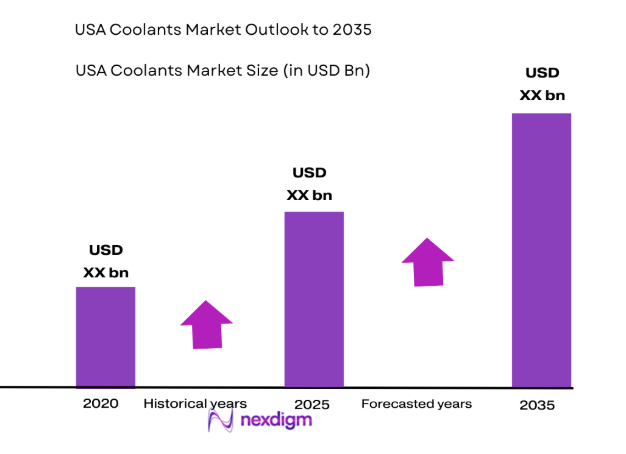
The USA Coolants market is valued at approximately USD 4.2 billion, driven by a combination of automotive production, industrial growth, and technological advancements in cooling solutions. Increasing vehicle production, especially in the electric vehicle segment, has amplified the demand for efficient and high-performance coolants. Additionally, growing industrial applications and advancements in HVAC systems have further propelled the market.
The market is dominated by regions with strong automotive manufacturing hubs such as Michigan, California, and Texas, where vehicle production drives demand for automotive coolants. Major industrial centers like Ohio and Illinois also contribute significantly due to the widespread use of coolants in machinery and equipment. These regions benefit from advanced infrastructure, technological development, and government policies promoting sustainability and energy efficiency.
Market Segmentation
By Product Type
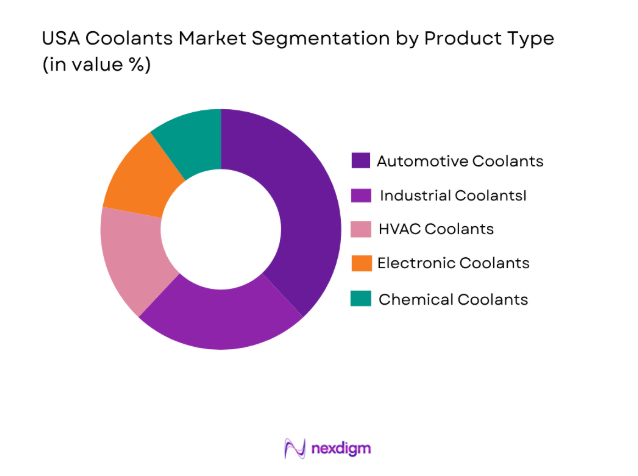
USA Coolants market is segmented by product type into automotive coolants, industrial coolants, HVAC coolants, electronic coolants, and chemical coolants. Recently, automotive coolants have a dominant market share due to factors such as the rising production of vehicles, including electric vehicles, which require advanced coolant systems to maintain optimal performance. The significant demand for automotive coolants is supported by increased vehicle sales, the need for vehicle maintenance, and the growth of electric vehicles that require specialized cooling solutions to prevent overheating.
By Platform Type
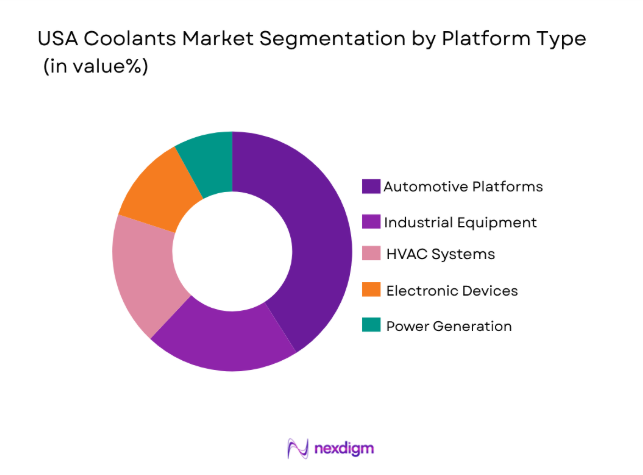
USA Coolants market is segmented by platform type into automotive platforms, industrial equipment platforms, HVAC systems platforms, electronic devices platforms, and power generation platforms. The automotive platforms sub-segment is leading the market due to the high demand for coolants in both internal combustion engine and electric vehicles. Increased focus on fuel efficiency and performance in vehicles, combined with stricter emissions regulations, has contributed to the strong demand for automotive coolants. The growth of electric vehicle platforms has also further increased the need for specialized coolants to ensure the longevity and safety of battery systems.
Competitive Landscape
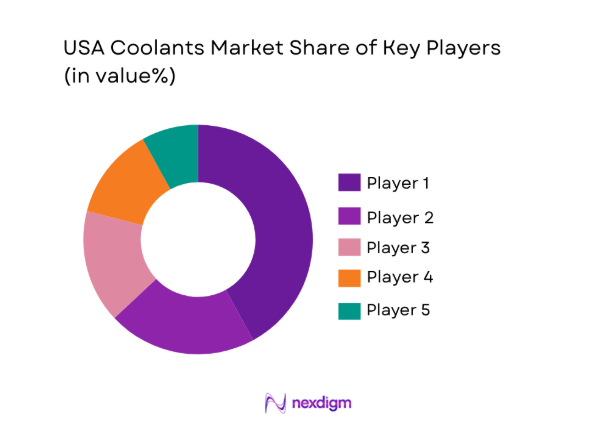
The competitive landscape of the USA Coolants market is characterized by consolidation, with major players dominating the market through technological advancements and strategic acquisitions. Established companies leverage their market presence and robust supply chains to maintain a competitive edge. These players are increasingly focusing on developing eco-friendly coolants and expanding their portfolios to meet the growing demand from various sectors, including automotive, industrial, and electronics.
| Company Name | Establishment Year | Headquarters | Technology Focus | Market Reach | Key Products | Revenue (USD) | Additional Parameter |
| Dow Chemical Company | 1897 | Midland, MI, USA | ~ | ~ | ~ | ~ | ~ |
| Honeywell International | 1906 | Morris Plains, NJ | ~ | ~ | ~ | ~ | ~ |
| BASF SE | 1865 | Ludwigshafen, Germany | ~ | ~ | ~ | ~ | ~ |
| ExxonMobil Corporation | 1999 | Irving, TX, USA | ~ | ~ | ~ | ~ | ~ |
| Chevron Corporation | 1879 | San Ramon, CA, USA |
USA Coolants Market Analysis
Growth Drivers
Increased Vehicle Production
The USA Coolants market is experiencing significant growth due to the increasing production of vehicles, especially electric vehicles. The automotive sector’s demand for advanced coolants has been rising to meet the needs of newer vehicle technologies, which require more efficient cooling systems for optimal performance. Electric vehicles, in particular, are driving the need for specialized coolants that can manage the thermal performance of battery systems, making this a crucial growth driver for the market. The growth of electric vehicle production is supported by rising consumer demand, government incentives, and the automotive industry’s focus on sustainability and fuel efficiency. With the widespread adoption of electric vehicles and an increase in vehicle fleet sizes, there is a substantial rise in demand for innovative coolant solutions. Furthermore, the growth of hybrid vehicles, which combine internal combustion engines and electric motors, adds to the demand for advanced coolant solutions that maintain efficient cooling for both systems.
Technological Advancements in Cooling Solutions
Continuous advancements in coolant formulations are also contributing to the market’s growth. New technologies, such as the development of eco-friendly and high-performance coolants, have sparked a shift in the market toward more sustainable products. These innovations aim to improve energy efficiency, reduce emissions, and meet environmental regulations, thereby attracting both manufacturers and consumers who are keen on adopting greener solutions. Moreover, the integration of artificial intelligence and smart technologies into cooling systems allows for better performance, extended lifespans of vehicle components, and reduced environmental impact. The use of alternative coolants, such as water-based or biodegradable formulations, continues to grow as environmental standards tighten, pushing manufacturers to invest in research and development to create more effective and eco-conscious solutions. These advancements help to ensure that the market meets the evolving regulatory frameworks and consumer preferences for environmentally sustainable and energy-efficient cooling systems.
Market Challenges
High Cost of Advanced Coolants
One of the key challenges facing the USA Coolants market is the high cost associated with advanced coolants, especially those used in electric vehicles and industrial applications. These coolants often require specialized materials and manufacturing processes, which makes them more expensive compared to traditional coolants. This price difference can hinder widespread adoption and limit growth in cost-sensitive industries. For electric vehicles, the need for advanced coolants to manage the thermal performance of batteries, power electronics, and motors results in higher material costs and manufacturing complexity. Moreover, as manufacturers continue to prioritize high-performance coolants, the initial investment and maintenance costs can be a significant barrier for both small-scale manufacturers and consumers. This challenge is further compounded by the fact that many manufacturers face competition from low-cost traditional coolants, which offer less efficiency and are not suited for the demands of newer, high-performance systems.
Environmental Concerns with Chemical-based Coolants
Chemical-based coolants, while widely used, have come under scrutiny due to their environmental impact. The chemicals used in these coolants can be harmful to ecosystems if not disposed of properly, leading to stringent environmental regulations. Manufacturers are now under pressure to find alternatives that are both effective and environmentally friendly, adding complexity to the market and affecting profitability. The environmental concerns surrounding chemical coolants stem from their potential to cause soil and water pollution if leaked or improperly disposed of, which has led to a stronger regulatory push. Additionally, growing public awareness about environmental sustainability has prompted the automotive and industrial sectors to demand safer, greener alternatives, further influencing the direction of the market. Regulatory bodies, such as the EPA, have introduced tighter standards for coolant disposal, which forces manufacturers to innovate or face penalties, creating challenges and additional operational costs.
Opportunities
Shift Toward Eco-friendly Coolants
As environmental concerns continue to grow, there is a significant opportunity for the USA Coolants market to expand through the adoption of eco-friendly coolants. The increasing demand for products that reduce carbon footprints and comply with regulations presents a strong opportunity for companies to develop sustainable alternatives. The shift towards these products could be a key driver of growth in the coming years, especially in the automotive and industrial sectors. Consumers and businesses alike are seeking to minimize their environmental impact, and governments are implementing stricter regulations to encourage the use of green solutions. Manufacturers who can develop coolants that are biodegradable, non-toxic, and energy-efficient will have a competitive advantage in a market that increasingly values sustainability. As the automotive industry pivots towards electric vehicles, eco-friendly coolants that are compatible with battery systems and energy-efficient technologies will become even more crucial, positioning this segment as a high-growth opportunity.
Growth in Electric Vehicle Cooling Demand
The rise in electric vehicles presents a unique opportunity for the USA Coolants market. Electric vehicles require specialized cooling systems to maintain battery health and prevent overheating, which increases the demand for innovative coolants. Companies that can adapt to this growing demand by developing advanced, high-performance coolants tailored to electric vehicle systems stand to benefit from a rapidly expanding market. The cooling needs of electric vehicles are distinct from traditional vehicles, as they require coolants capable of managing the heat generated by the battery packs and power electronics. As the adoption of electric vehicles accelerates due to environmental regulations, government incentives, and changing consumer preferences, the demand for specific coolant solutions tailored to this segment will surge. Furthermore, the growth of charging infrastructure and the increasing number of electric vehicle models in the market will drive the need for more specialized cooling systems, thereby creating substantial growth opportunities for manufacturers involved in this space.
Future Outlook
The USA Coolants market is expected to experience steady growth over the next five years, driven by technological innovations, an increasing focus on sustainability, and the rise of electric vehicles. As automakers and industrial manufacturers continue to prioritize energy efficiency and environmental responsibility, the demand for high-performance and eco-friendly coolants will increase. Additionally, advancements in cooling technologies for electronics and HVAC systems will also drive market expansion. Regulatory support aimed at reducing carbon emissions will further support the adoption of advanced coolants, paving the way for a more energy-efficient future.
Major Players
- Dow Chemical Company
- Honeywell International
- BASF SE
- ExxonMobil Corporation
- Chevron Corporation
- Prestone Products Corporation
- Castrol Ltd.
- Shell Oil Company
- TotalEnergies
- Royal Dutch Shell
- Petro-Canada Lubricants
- Valvoline Inc.
- BP Lubricants
- Lukoil
- Idemitsu Kosan Co.
Key Target Audience
- Investments and venture capitalist firms
- Government and regulatory bodies
- Automotive Manufacturers
- Industrial Equipment Manufacturers
- HVAC Industry Leaders
- Electronics Manufacturers
- Power Generation Companies
Research Methodology
Step 1: Identification of Key Variables
Key market variables such as product types, platform types, and regional dynamics are identified and analyzed for their impact on the market.
Step 2: Market Analysis and Construction
Comprehensive market models are built using both primary and secondary research data, ensuring accurate market sizing and trends.
Step 3: Hypothesis Validation and Expert Consultation
Hypotheses are validated through consultations with industry experts, ensuring the research framework reflects real market conditions.
Step 4: Research Synthesis and Final Output
Data is synthesized into final reports, with detailed market forecasts, segmentation, and competitive landscape analysis.

- Executive Summary
- Research Methodology (Definitions, Scope, Industry Assumptions, Market Sizing Approach, Primary & Secondary Research Framework, Data Collection & Verification Protocol, Analytic Models & Forecast Methodology, Limitations & Research Validity Checks)

- Market Definition and Scope
- Value Chain & Stakeholder Ecosystem
- Regulatory / Certification Landscape
- Sector Dynamics Affecting Demand
- Strategic Initiatives & Infrastructure Growth

- Growth Drivers
Increased Vehicle Production
Technological Advancements in Coolant Formulations
Rising Demand for Energy-Efficient Cooling Solutions - Market Challenges
High Cost of Advanced Coolants
Environmental Concerns with Chemical-based Coolants
Complexity in Global Supply Chains - Market Opportunities
Rise in Electric Vehicle Cooling Demand
Shift Toward Eco-friendly Coolants
Expansion of Automotive Aftermarket - Trends
Growth in Adoption of Synthetic Coolants
Integration of Smart Cooling Systems - Government Regulations
Environmental Protection Agency (EPA) Guidelines
Automotive Emission Standards
Safety Regulations for Industrial Coolants - SWOT Analysis
- Porter’s Five Forces

- By Market Value, 2020-2025
- By Installed Units, 2020-2025
- By Average System Price, 2020-2025
- By System Complexity Tier, 2020-2025

- By System Type (In Value%)
Automotive Coolants
Industrial Coolants
HVAC Coolants
Electronic Coolants
Chemical Coolants - By Platform Type (In Value%)
Automotive Platforms
Industrial Equipment Platforms
HVAC Systems Platforms
Electronic Devices Platforms
Power Generation Platforms - By Fitment Type (In Value%)
OEM Coolants
Aftermarket Coolants
Pre-mixed Coolants
Concentrated Coolants - By End User Segment (In Value%)
Automotive Industry
Industrial Manufacturing
HVAC Industry
Power Generation
Electronics Manufacturing

- Market Share Analysis
- Cross Comparison Parameters (System Type, Platform Type, Fitment Type, End User Segment, Market Value, Average Price, Regulatory Compliance)
- SWOT Analysis of Key Competitors
- Pricing & Procurement Analysis
- Key Players
Dow Chemical Company
Honeywell International
BASF SE
ExxonMobil Corporation
Chevron Corporation
Royal Dutch Shell
Petro-Canada Lubricants
Valvoline Inc.
TotalEnergies
Castrol Ltd.
Prestone Products Corporation
American Motor Oil
SABIC
Cargill Incorporated
Calumet Specialty Products Partners

- Increasing Adoption of Coolants in Electric Vehicles
- Rising Demand for Coolants in Industrial Applications
- Shift Toward Green Coolants in the HVAC Sector
- Electronics Industry Growth Boosting Coolant Demand

- Forecast Market Value, 2026-2035
- Forecast Installed Units, 2026-2035
- Price Forecast by System Tier, 2026-2035
- Future Demand by Platform, 2026-2035


 Request a Sample
 Ask for Customization
 Get a Quote
 Enquire Now