
 Download PDF
Market Overview
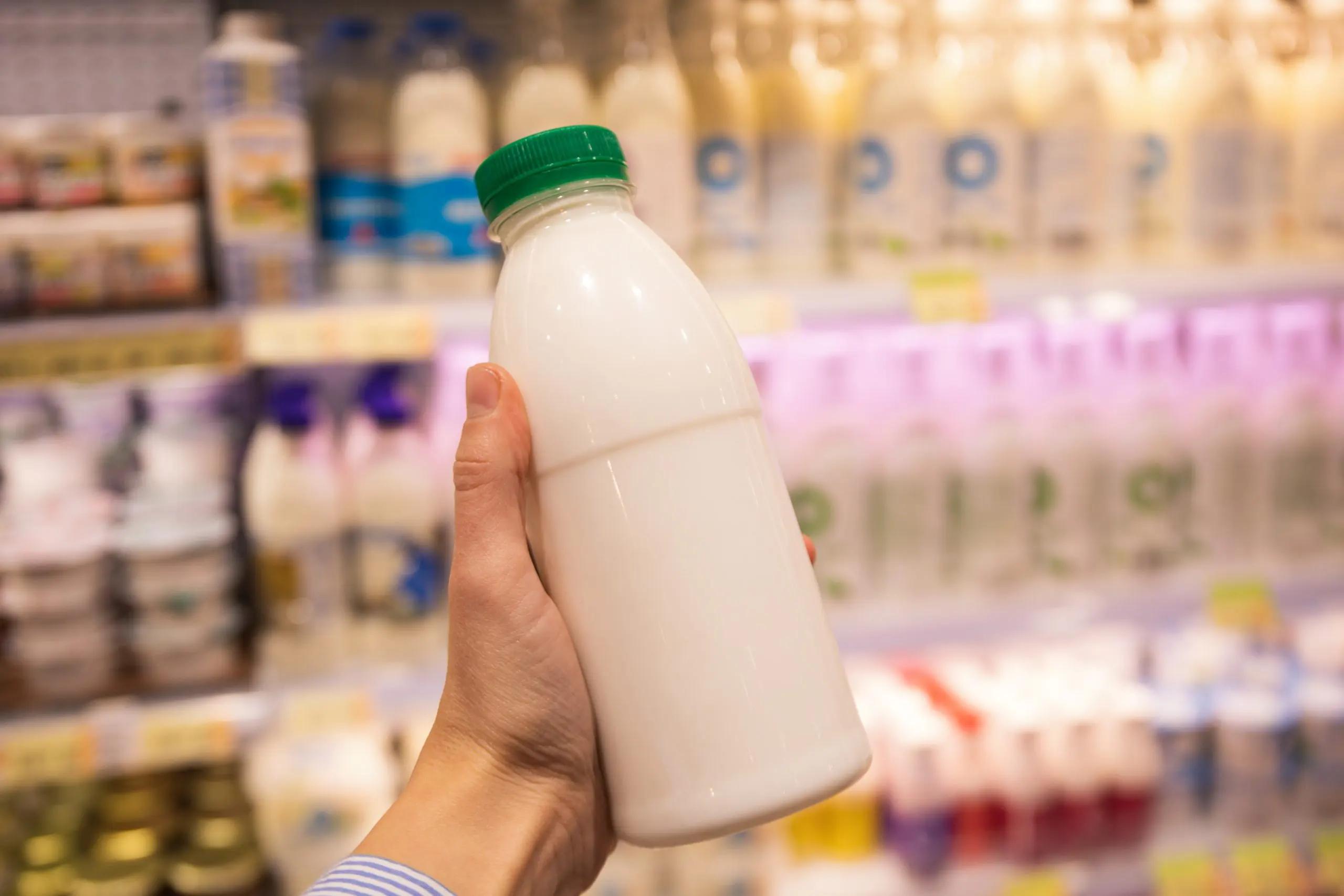
The USA Dairy Alternatives Market is supported by expanding consumer preference for plant-based diets and increasing awareness regarding lactose intolerance and sustainable food consumption. The U.S. retail plant-based food market generated nearly USD ~ billion in sales, while plant-based milk alone contributed close to USD ~ billion in retail revenue. Almond milk, oat milk, and soy milk continue to dominate store shelves because of broader availability and innovation in flavored, fortified, and barista-style products. Growth in foodservice adoption and premium café consumption has accelerated product penetration across supermarkets and online retail channels.
Cities and regions such as California, New York, Seattle, Austin, and Chicago dominate the USA Dairy Alternatives Market due to strong vegan populations, advanced retail infrastructure, and higher consumer awareness regarding sustainable diets. California remains a key production and consumption hub because of the concentration of almond cultivation, food-tech startups, and plant-based innovation centers. New York and Seattle are major markets due to café culture and strong adoption of oat milk in premium coffee chains, while Midwest and Southern metropolitan areas are witnessing rising demand due to increasing lactose intolerance awareness and expansion of health-focused grocery chains.
Market Segmentation
By Product Type
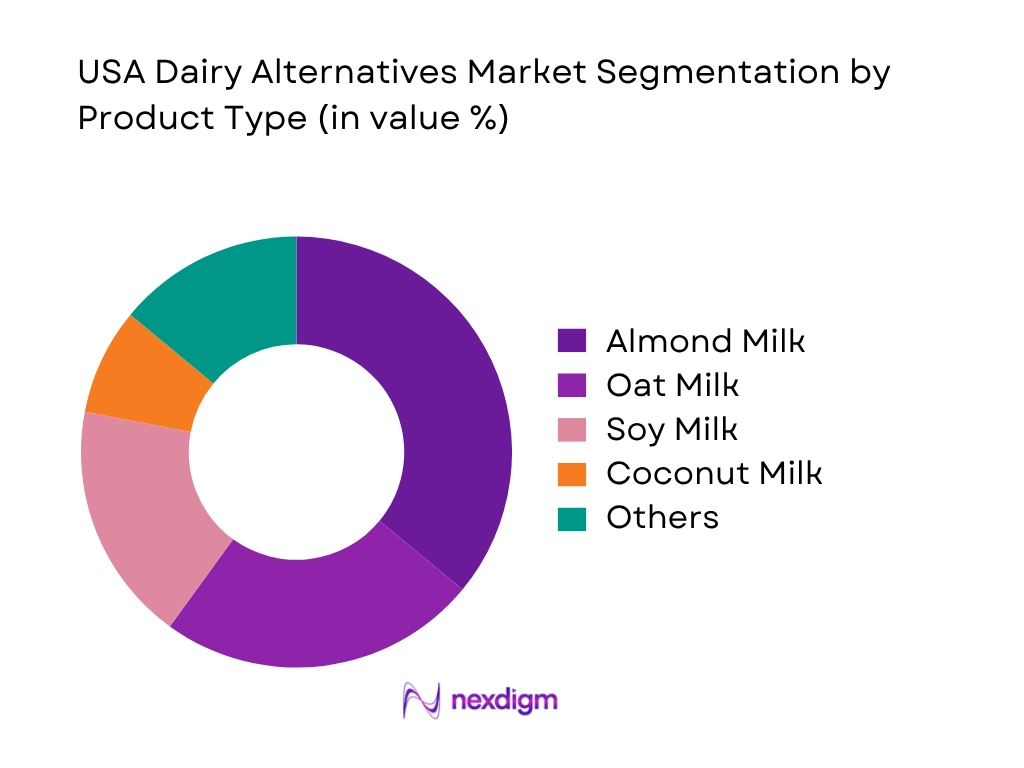
The USA Dairy Alternatives Market is segmented by product type into almond milk, oat milk, soy milk, coconut milk, rice milk, cashew milk, plant-based yogurt, dairy-free cheese, dairy-free butter and creamers, and dairy-free ice cream. Almond milk dominates the USA Dairy Alternatives Market under the product type segmentation due to its strong retail presence, low-calorie profile, and wide consumer acceptance. Consumers perceive almond milk as a healthier substitute for dairy milk because of its vitamin enrichment and lower sugar content. The availability of shelf-stable cartons and strong penetration in coffee chains further supports category leadership. Additionally, California’s almond production ecosystem strengthens raw material availability and supports consistent supply for manufacturers. Oat milk is emerging rapidly due to barista adoption, but almond milk continues to maintain dominance because of higher household penetration and stronger consumer familiarity across age groups.
By Distribution Channel
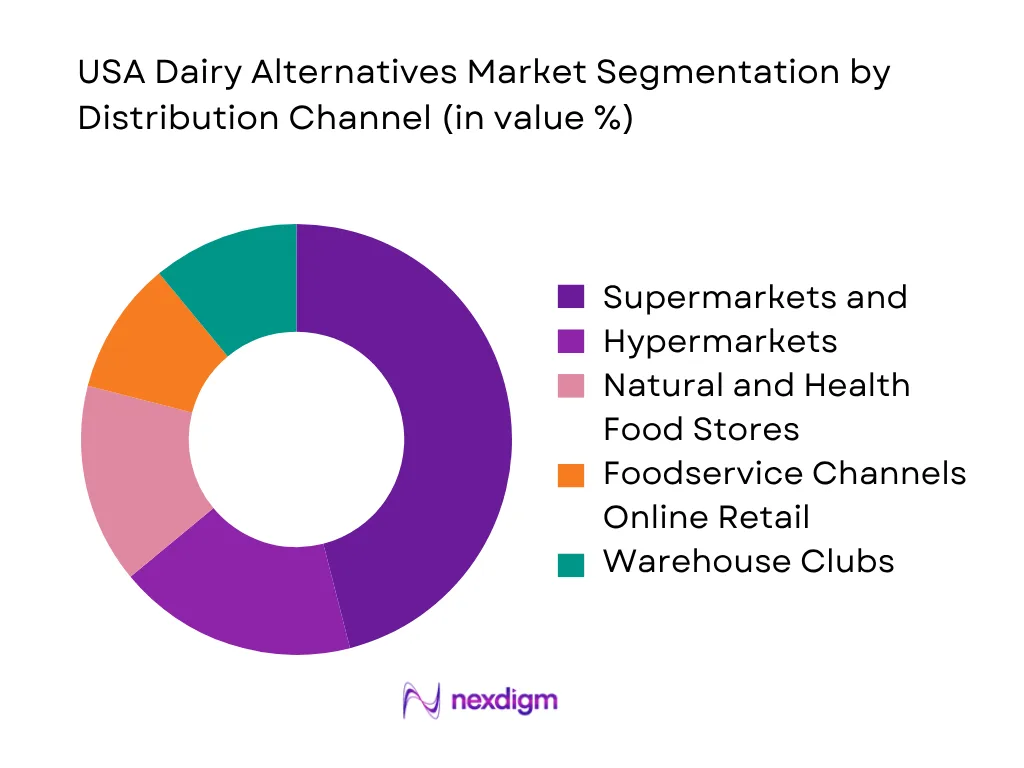
The USA Dairy Alternatives Market is segmented by distribution channel into supermarkets and hypermarkets, convenience stores, natural and health food stores, online retail, foodservice channels, and warehouse clubs. Supermarkets and hypermarkets dominate the USA Dairy Alternatives Market because they offer wider product assortments, premium shelf visibility, and higher consumer accessibility. Retail chains have expanded dedicated plant-based sections to meet rising consumer demand for dairy-free products. These stores provide consumers with multiple packaging sizes, promotional discounts, and access to emerging brands, encouraging higher purchase frequency. The dominance of supermarkets is also supported by strong cold-chain infrastructure and availability of private-label dairy alternative products at competitive prices. In addition, partnerships between plant-based manufacturers and large retailers have improved nationwide distribution reach. While online retail is gaining traction through subscription-based grocery platforms, physical retail continues to lead because consumers prefer checking product labels, nutritional information, and freshness before purchase.
Competitive Landscape
The USA Dairy Alternatives Market is moderately consolidated, with leading companies focusing on product innovation, sustainability initiatives, and expansion across retail and foodservice channels. Major manufacturers are strengthening their market presence through new flavor launches, protein fortification, clean-label positioning, and strategic partnerships with cafés and supermarkets. The market is also witnessing increasing competition from emerging startups specializing in oat milk, pea protein beverages, and precision-fermented dairy alternatives.
| Company | Establishment Year | Headquarters | Key Product Focus | Distribution Strength | Production Facilities | Sustainability Initiatives | Foodservice Presence | Innovation Focus |
| Danone North America | 1919 | New York, USA | ~ | ~ | ~ | ~ | ~ | ~ |
| Oatly Group AB | 1994 | Malmö, Sweden | ~ | ~ | ~ | ~ | ~ | ~ |
| Califia Farms | 2010 | California, USA | ~ | ~ | ~ | ~ | ~ | ~ |
| Blue Diamond Growers | 1910 | California, USA | ~ | ~ | ~ | ~ | ~ | ~ |
| Ripple Foods | 2014 | California, USA | ~ | ~ | ~ | ~ | ~ | ~ |
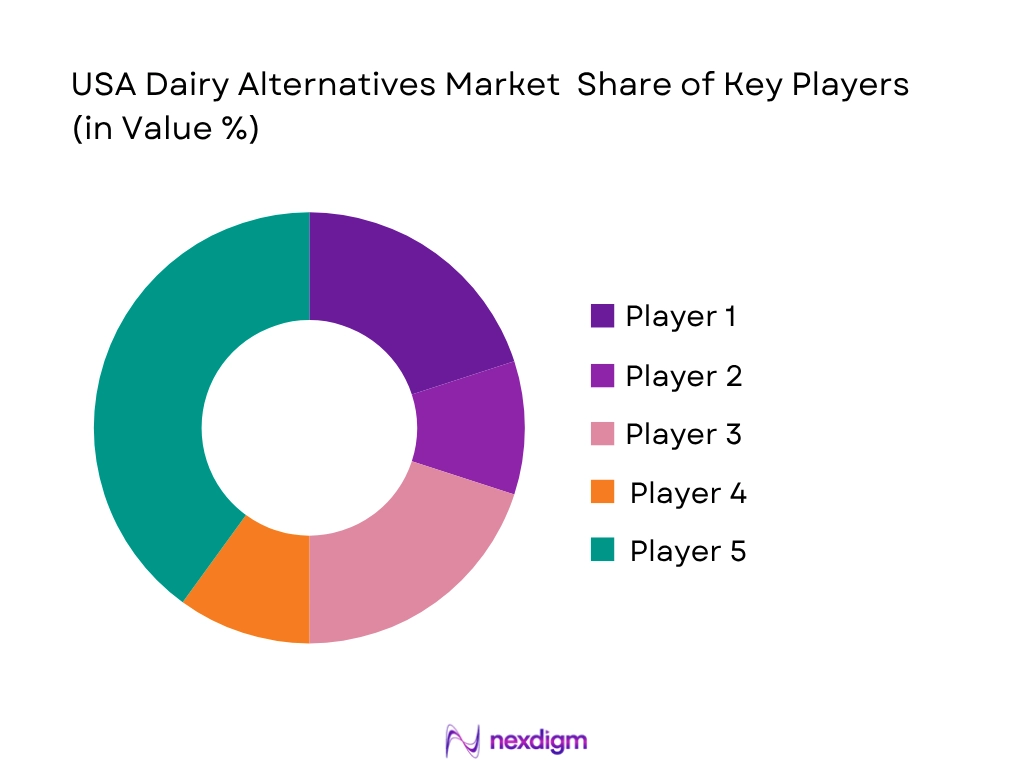
USA Dairy Alternatives Market Analysis
Growth Drivers
Rising Lactose Intolerance and Dairy Allergies
The increasing prevalence of lactose intolerance and dairy allergies in the United States is significantly driving demand for dairy alternatives. According to the U.S. National Library of Medicine, nearly 36 million Americans experience lactose malabsorption, while prevalence among African American, Asian American, Hispanic, and Native American populations remains substantially higher. The U.S. Census Bureau reported the national population exceeded 341 million in 2024, expanding the consumer base for lactose-free products. Additionally, the Centers for Disease Control and Prevention reported increasing digestive health consultations across outpatient facilities between 2022 and 2024. Rising healthcare awareness, dietary management practices, and physician recommendations are accelerating adoption of almond milk, oat milk, and soy-based dairy substitutes across retail and foodservice sectors.
Increasing Vegan and Flexitarian Population
The growing vegan and flexitarian population in the United States is accelerating consumption of plant-based dairy alternatives. According to the United States Department of Agriculture, per capita dairy milk consumption declined to nearly 130 pounds annually, compared to over 247 pounds in earlier decades, indicating shifting dietary preferences. The Bureau of Labor Statistics reported that U.S. consumers increased spending on health-focused food categories between 2022 and 2024, supported by rising disposable personal income exceeding USD 21 trillion in 2024 according to the U.S. Bureau of Economic Analysis. Urban centers such as California and New York continue to witness increasing plant-based menu penetration across restaurants and café chains. Rising climate awareness and sustainability-focused purchasing behavior are also supporting long-term adoption of dairy alternatives among younger consumer groups.
Market Challenges
Volatility in Almond and Oat Raw Material Prices
Fluctuations in almond and oat production remain a major challenge for dairy alternative manufacturers in the United States. California produces nearly 80% of the world’s almonds, yet prolonged drought conditions and water shortages have disrupted agricultural output between 2022 and 2024. According to the U.S. Department of Agriculture, California experienced continued groundwater stress and declining reservoir conditions impacting almond cultivation acreage. In addition, the National Oceanic and Atmospheric Administration recorded above-average temperature conditions across major agricultural regions during 2023 and 2024, affecting crop yields. Oat production volatility has also increased due to supply chain disruptions and adverse weather conditions in North America. These agricultural fluctuations create sourcing uncertainty for manufacturers dependent on stable almond and oat supplies.
Nutritional Equivalence Concerns
Nutritional equivalence remains a significant concern affecting adoption of dairy alternatives among some consumer groups in the United States. According to the U.S. Food and Drug Administration, several plant-based milk categories contain lower natural protein levels compared to conventional dairy milk, particularly almond and rice milk products. The USDA Dietary Guidelines highlighted calcium, vitamin D, and potassium deficiencies among American adults between 2020 and 2025, increasing scrutiny regarding nutritional adequacy of dairy substitutes. Furthermore, the National Institutes of Health reported rising concerns regarding ultra-processed food consumption and additive ingredients in packaged foods. Consumers increasingly demand fortified dairy alternatives with higher protein and micronutrient content, forcing manufacturers to invest heavily in formulation innovation and nutritional enhancement strategies.
Market Opportunities
Expansion of Precision Fermentation Dairy Alternatives
Precision fermentation technology is creating major opportunities within the USA Dairy Alternatives Market as food technology companies increasingly develop animal-free dairy proteins. According to the U.S. Department of Energy, biotechnology investments in sustainable food innovation increased substantially between 2022 and 2024 through public-private funding initiatives. The U.S. Patent and Trademark Office recorded increasing patent filings related to alternative proteins and microbial fermentation technologies during the same period. Additionally, the National Science Foundation expanded funding support for food biotechnology and sustainable protein innovation programs. Precision fermentation enables production of whey and casein proteins without livestock involvement, addressing sustainability and supply chain concerns. Increasing investment in biotechnology infrastructure and fermentation capacity is strengthening commercialization potential for next-generation dairy alternatives.
Increasing Demand for Clean Label Products
Growing consumer preference for clean-label and minimally processed food products is creating substantial opportunities for dairy alternative manufacturers in the United States. The U.S. Department of Agriculture reported increasing demand for organic and natural food products between 2022 and 2024, supported by rising health-conscious consumer spending. According to the FDA, food manufacturers are increasingly reformulating products to reduce artificial additives, stabilizers, and excess sugar content in response to changing labeling expectations. The Organic Trade Association reported continued expansion in certified organic food consumption across grocery retail channels. Consumers increasingly prefer short ingredient lists, non-GMO certification, and preservative-free formulations, encouraging manufacturers to innovate with simpler ingredient compositions and transparent sourcing practices within the dairy alternatives category.
Future Outlook
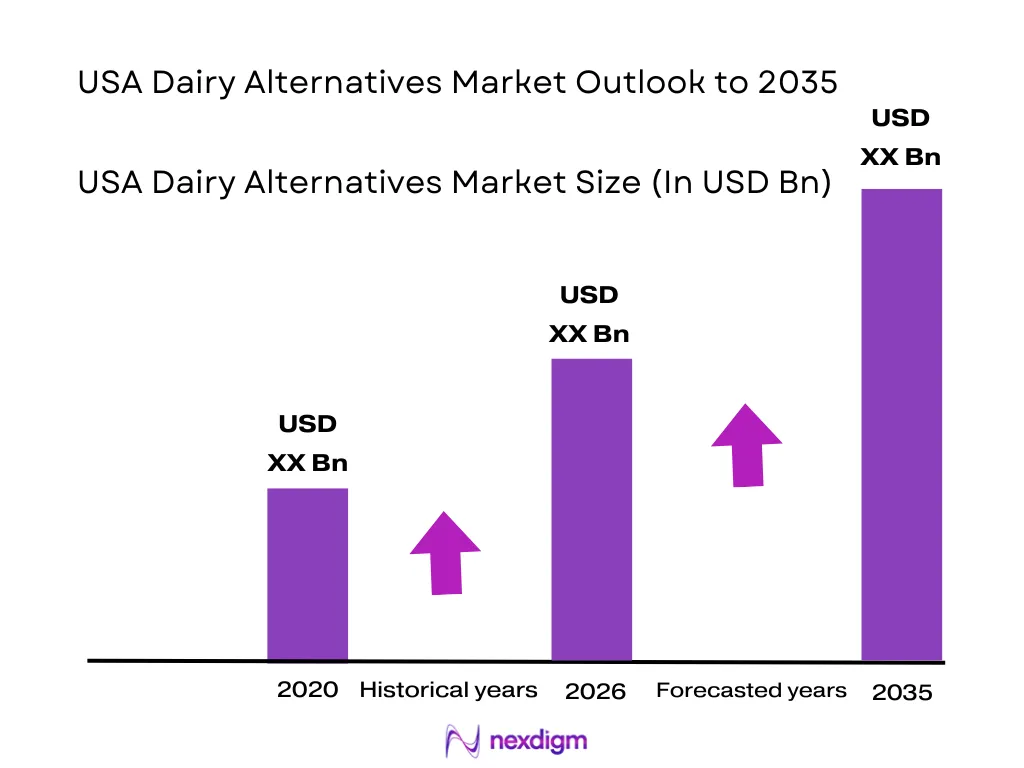
The USA Dairy Alternatives Market is expected to witness substantial expansion over the coming years due to increasing consumer focus on sustainability, wellness, and functional nutrition. Growing adoption of flexitarian diets and rising awareness regarding dairy allergies and lactose intolerance are expected to strengthen market demand across beverages, yogurt, cheese, and frozen dessert categories. Manufacturers are expected to focus heavily on clean-label ingredients, high-protein formulations, and sugar-free variants to attract health-conscious consumers. The expansion of café chains and foodservice partnerships is likely to accelerate demand for premium oat milk and barista-style dairy alternatives. Technological advancements in precision fermentation and plant-protein extraction are expected to improve texture, taste, and nutritional profiles, making dairy alternatives more competitive with conventional dairy products. In addition, increasing investments in sustainable packaging and regenerative agriculture are expected to strengthen long-term market growth across the United States.
Major Players
- Danone North America
- Oatly Group AB
- Califia Farms
- Blue Diamond Growers
- Chobani LLC
- SunOpta Inc.
- Ripple Foods
- Silk
- So Delicious Dairy Free
- Elmhurst 1925
- Daiya Foods
- Planet Oat
- Good Karma Foods
- Forager Project
- Kite Hill
Key Target Audience
- Plant-Based Beverage Manufacturers
- Dairy-Free Yogurt and Cheese Producers
- Retail Supermarket Chains
- Foodservice and Café Operators
- Ingredient and Plant Protein Suppliers
- Investments and Venture Capitalist Firms
- Government and Regulatory Bodies (U.S. Food and Drug Administration, USDA, Federal Trade Commission)
- Packaging and Sustainable Material Providers
Research Methodology
Step 1: Identification of Key Variables
The initial stage involved identifying critical variables influencing the USA Dairy Alternatives Market, including product innovation, retail penetration, consumer dietary trends, lactose intolerance prevalence, and foodservice adoption. Extensive secondary research was conducted using company reports, trade journals, retail databases, and government publications to understand the industry ecosystem and value chain structure.
Step 2: Market Analysis and Construction
Historical market analysis was conducted using retail sales data, product launch statistics, consumption trends, and import-export information related to plant-based dairy products. Market revenue estimations were derived through bottom-up calculations based on product categories, retail channel performance, and regional demand analysis across the United States.
Step 3: Hypothesis Validation and Expert Consultation
The preliminary market findings were validated through interviews with plant-based beverage manufacturers, distributors, retail category managers, and foodservice operators. These interactions provided operational insights regarding pricing trends, consumer preferences, shelf expansion strategies, and future product development pipelines within the dairy alternatives sector.
Step 4: Research Synthesis and Final Output
The final phase involved consolidating qualitative and quantitative findings to produce a comprehensive market assessment. Cross-validation was conducted using trade statistics, manufacturer disclosures, and retail intelligence data to ensure consistency and reliability of market estimates, segmentation analysis, and future growth projections for the USA Dairy Alternatives Market.

- Executive Summary
- Research Methodology
(Market Definitions and Assumptions, Abbreviations, Research Framework, Bottom-Up Market Estimation, Top-Down Validation, Consumption Mapping, Retail Audit Analysis, Trade Flow Assessment, Primary Interviews with Manufacturers and Retailers, Forecasting Model, Limitations and Assumptions)

- Definition and Scope
- Evolution of Plant-Based Dairy Consumption in the USA
- Industry Ecosystem and Stakeholder Mapping
- Supply Chain and Value Chain Analysis
- Raw Material Procurement Landscape
- Manufacturing and Processing Flow

- Growth Drivers
Rising Lactose Intolerance and Dairy Allergies
Increasing Vegan and Flexitarian Population
Expansion of Functional and Fortified Dairy Alternatives
Rapid Growth of Café and Coffee Chains Using Plant-Based Milk
Growth in Sustainable Food Consumption - Market Challenges
Volatility in Almond and Oat Raw Material Prices
Nutritional Equivalence Concerns
Regulatory and Labeling Disputes
Shelf Stability and Texture Challenges - Market Opportunities
Expansion of Precision Fermentation Dairy Alternatives
Increasing Demand for Clean Label Products
Growth in High-Protein Plant-Based Products
Expansion in School and Institutional Nutrition Programs - Market Trends
Oat Milk Premiumization
Barista-Style Plant Milk Innovation
Sugar-Free and Organic Product Launches
Sustainable Packaging Adoption
Hybrid Dairy and Plant-Based Product Launches - Government Regulations
FDA Labeling Guidelines for Plant-Based Dairy
USDA Organic Certification Requirements
Nutritional Fortification Standards
Food Safety and Shelf-Life Compliance - Porter’s Five Forces Analysis
PESTLE Analysis
Pricing Analysis
Competition Ecosystem

- By Value, 2020-2025
- By Volume, 2020-2025
- By Average Selling Price, 2020-2025

- By Product Type (in Value %)
Plant-Based Milk Consumption,
Shelf Presence
SKU Penetration
Household Adoption Rate - By Source Type (in Value %)
Protein Content
Raw Material Availability
Processing Efficiency
Nutritional Profile - By Distribution Channel (in Value %)
Shelf Share
Store Penetration
Online Conversion Rate
Basket Size - By Consumer Demographics (in Value %)
Age Group Consumption
Vegan Adoption Rate
Lactose Intolerance Prevalence
Income-Based Spending - By Packaging Type (in Value %)
Shelf Life
Recyclability Rate
Packaging Cost
Retail Visibility - By Sales Channel Usage (in Value %)
Subscription Penetration
Repeat Purchase Rate
Order Frequency - By Region (in Value %)
Northeast USA
Midwest USA
South USA
West USA

- Market Share Analysis of Major Players on the Basis of Revenue and Volume
- Cross Comparison Parameters (Company Overview, Product Portfolio Breadth, Plant-Based Milk SKU Count, Fortification Strategy, Distribution Reach, Retail Shelf Presence, Production Capacity, Manufacturing Facilities, Sustainability Commitments, Ingredient Sourcing Strategy, Foodservice Partnerships, Online Penetration, Pricing Positioning, Innovation Pipeline, EBITDA Margins, Strategic Collaborations)
- Competitive Benchmarking Matrix
- SWOT Analysis of Major Players
- Pricing Analysis by Product Category and SKU
- Detailed Profiles of Major Companies
Danone North America
Oatly Group AB
Califia Farms
Blue Diamond Growers
Chobani LLC
SunOpta Inc.
Ripple Foods
Silk (Danone)
So Delicious Dairy Free
Elmhurst 1925
Daiya Foods
Planet Oat
Good Karma Foods
Forager Project
Kite Hill

- Consumption Frequency Analysis
- Consumer Spending and Basket Analysis
- Brand Loyalty and Switching Behavior
- Purchase Decision Parameters
- Health and Wellness Preference Mapping

- By Value, 2026-2035
- By Volume, 2026-2035
- By Average Selling Price, 2026-2035


 Request a Sample
 Ask for Customization
 Get a Quote
 Enquire Now