
 Download PDF
 Download PDF
Market Overview
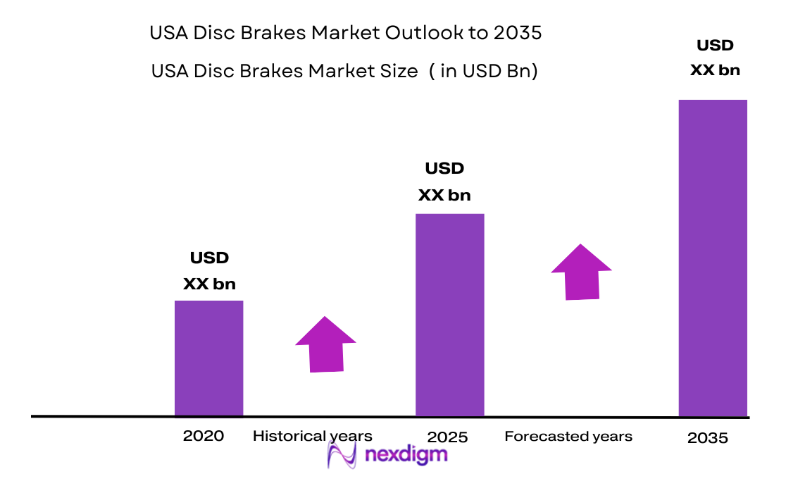
The USA disc brakes market is expected to grow significantly, driven by the increasing demand for high-performance braking systems across various vehicle types, including passenger cars, motorcycles, and commercial vehicles. This growth is attributed to factors such as the rise in vehicle production, advancements in braking technologies, and the shift towards electric vehicles that demand more efficient braking systems. Based on a recent historical assessment, the USA disc brakes market size is estimated at approximately USD ~ billion, reflecting strong market activity and technological progress in the braking industry.
The USA continues to be a dominant region in the global disc brakes market due to its large automotive manufacturing base and the presence of major automotive hubs such as Detroit and other manufacturing cities across the country. Additionally, the increasing focus on vehicle safety, coupled with stringent regulations, ensures that advanced braking systems, including disc brakes, are integrated into a wide variety of vehicle models. This trend is driven by both OEMs and aftermarket demand, with significant contributions from both urban and industrial centers across the country.
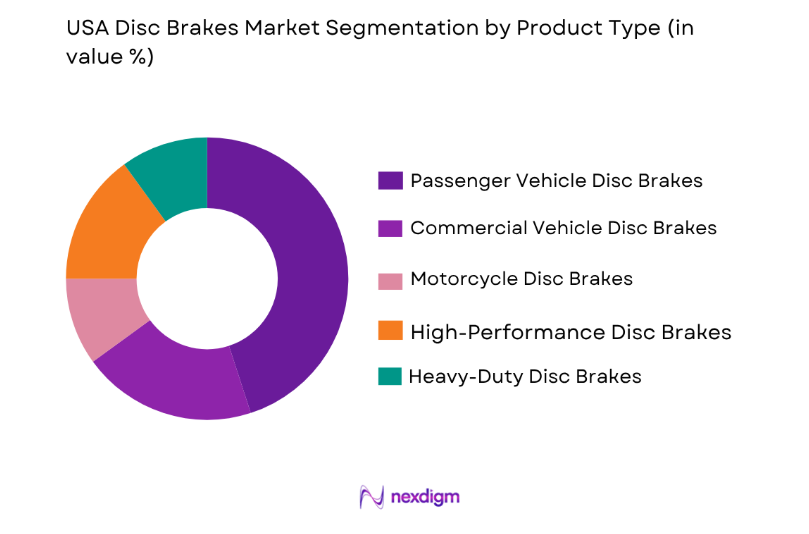
By Product Type:
USA Disc Brakes market is segmented by product type into passenger vehicle disc brakes, commercial vehicle disc brakes, motorcycle disc brakes, high-performance disc brakes, and heavy-duty disc brakes. Recently, passenger vehicle disc brakes have dominated the market share. This sub-segment benefits from high consumer demand, as passenger vehicles make up the majority of car sales, particularly in North America. Furthermore, advancements in braking technologies have improved performance and safety, increasing their adoption. As passenger vehicles continue to lead the market, demand is expected to remain strong due to continuous innovations in materials like carbon composites and ceramics that offer superior braking performance, thus sustaining their dominant position.
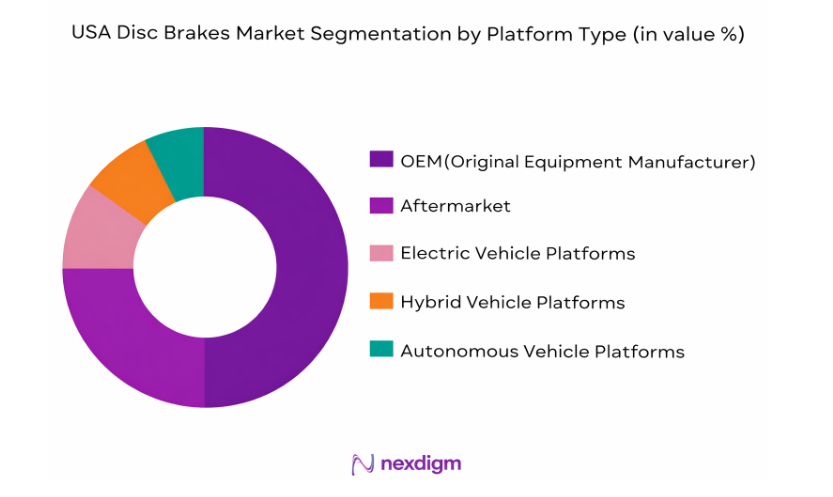
By Platform Type:
USA Disc Brakes market is segmented by platform type into OEM (Original Equipment Manufacturer), aftermarket, electric vehicle platforms, hybrid vehicle platforms, and autonomous vehicle platforms. Recently, the OEM platform has the dominant market share due to its integration into vehicle manufacturing processes, where manufacturers prefer to install disc brakes directly on new vehicles. The significant presence of well-established automotive manufacturers and their partnerships with brake component suppliers further strengthens OEM demand. As more vehicles are produced each year, particularly electric and hybrid vehicles, the OEM segment is poised to continue leading the market, given its direct role in vehicle production and sales.
Competitive Landscape
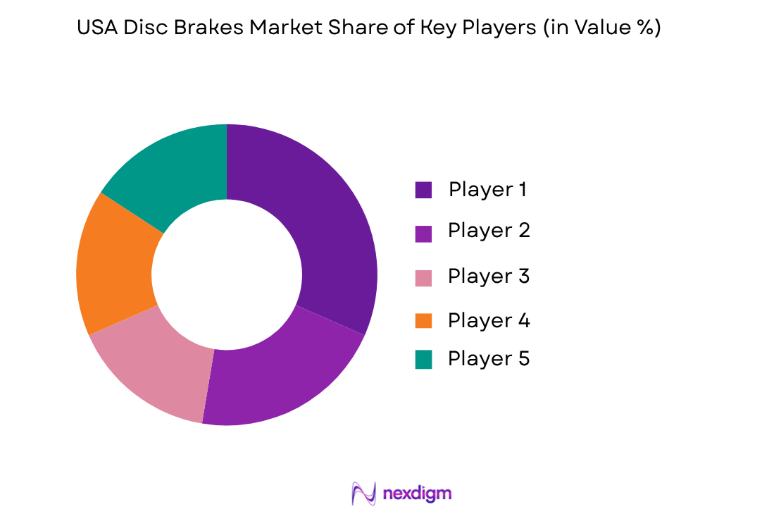
The competitive landscape of the USA Disc Brakes market is marked by the dominance of several well-established players with strong technological capabilities. Market consolidation is evident, with a few major players leading the industry. These players leverage advanced manufacturing techniques, including the use of lightweight materials and ceramic-based technologies, to enhance performance and reduce weight. Their extensive research and development efforts focus on improving brake efficiency and durability. This has resulted in high barriers to entry for new competitors. Additionally, the strategic acquisition of smaller companies by key players has helped expand their market reach and capabilities.
| Company Name | Establishment Year | Headquarters | Technology Focus | Market Reach | Key Products | Revenue (USD) |
| Brembo | 1961 | Italy | ~ | ~ | ~ | ~ |
| Bosch | 1886 | Germany | ~ | ~ | ~ | ~ |
| Akebono Brake Corporation | 1929 | Japan | ~ | ~ | ~ | ~ |
| Continental AG | 1871 | Germany | ~ | ~ | ~ | ~ |
| ZF Friedrichshafen | 1915 | Germany | ~ | ~ | ~ | ~ |
USA Disc Brakes Market Analysis
Growth Drivers
Technological Advancements in Braking Systems:
Technological advancements in braking systems are a key growth driver in the USA Disc Brakes market. Innovations such as the development of carbon-ceramic brake pads and lighter materials like aluminum alloys have significantly improved the braking efficiency, safety, and durability of disc brakes. These advancements contribute to shorter stopping distances, which enhance vehicle safety and performance, especially in high-performance and electric vehicles. Additionally, improvements in the automation of braking systems, such as the integration with autonomous driving technologies, further drive the demand for disc brakes. With consumer preferences shifting toward safety and reliability, advanced braking technologies are becoming more crucial in the automotive industry, thereby fueling market growth. The growing adoption of electric and hybrid vehicles, which require advanced brake systems to accommodate different driving conditions, is another factor driving technological development in this segment. Manufacturers are also focusing on making disc brakes more efficient in terms of energy consumption, further solidifying their role in the automotive industry. As these technological trends continue to progress, disc brakes are expected to remain a fundamental component in the evolution of automotive safety and performance.
Increasing Demand for Electric and Hybrid Vehicles:
The increasing demand for electric and hybrid vehicles has significantly impacted the USA Disc Brakes market. With the rise in environmentally conscious consumer behavior and government incentives for adopting green technologies, electric and hybrid vehicles have seen a surge in popularity. These vehicles require specialized braking systems to optimize energy efficiency and ensure better performance. Regenerative braking systems, which are commonly integrated with disc brakes in electric and hybrid vehicles, have contributed to the growing need for advanced braking technologies. Moreover, the shift toward electric mobility is pushing manufacturers to innovate in brake materials and designs to meet the unique demands of these vehicles, such as reducing the weight of components while maintaining performance. This trend is expected to continue to drive the demand for disc brakes in the long term, as the adoption of electric and hybrid vehicles is projected to rise sharply over the next few years. Furthermore, as the global automotive market transitions toward cleaner, greener technologies, the need for high-performing, reliable, and sustainable braking solutions in these vehicles will remain a critical driver of market growth.
Market Challenges
High Cost of Advanced Brake Materials:
A significant challenge facing the USA Disc Brakes market is the high cost of advanced brake materials. The adoption of cutting-edge materials such as carbon-ceramic composites and aluminum alloys is crucial for improving brake performance and reducing weight. However, these materials come with a high price tag, which raises the overall manufacturing costs of disc brakes. For manufacturers, this results in increased production costs, which are often passed on to consumers, making vehicles equipped with these advanced brakes more expensive. Additionally, smaller and independent automotive manufacturers may find it difficult to afford these high-cost components, thus limiting their ability to offer cutting-edge vehicles with advanced braking systems. This price barrier slows the rate of adoption of advanced disc brakes in the mass-market automotive sector. Moreover, the availability of raw materials for these specialized components is sometimes limited, further exacerbating cost issues. The industry faces the challenge of balancing the need for high-performance braking solutions with the desire to keep vehicle costs competitive, particularly in budget-conscious segments.
Regulatory Compliance and Safety Standards:
Regulatory compliance and safety standards pose another significant challenge in the USA Disc Brakes market. As braking systems are critical for vehicle safety, manufacturers must adhere to stringent safety regulations and certifications, which vary across regions. This requires manufacturers to constantly innovate and ensure that their products meet the latest regulatory standards, which can increase R&D costs and production timelines. Additionally, different safety standards for disc brakes in electric, hybrid, and conventional vehicles complicate the manufacturing process, as the requirements for each vehicle type may differ. Stricter emission standards also impact the materials used in brake systems, requiring manufacturers to adapt their designs to comply with evolving environmental regulations. These factors add complexity to production processes and can lead to delays in bringing products to market, thereby hindering the overall growth of the disc brake segment. As regulatory bodies continue to tighten standards, manufacturers must stay agile and invest in compliance measures, further driving up costs and operational challenges.
Opportunities
Integration of Autonomous and Electric Vehicle Technologies:
The integration of autonomous and electric vehicle technologies presents a significant opportunity for the USA Disc Brakes market. As autonomous vehicles become more prevalent, the demand for highly responsive and efficient braking systems will increase. Autonomous vehicles require advanced braking technologies that are finely tuned for rapid and precise actions to ensure safety during all driving conditions. Similarly, electric vehicles, with their regenerative braking systems, rely heavily on the performance of disc brakes for efficient energy recovery and performance. This creates an opportunity for brake manufacturers to innovate and develop specialized disc brake solutions that cater to the needs of autonomous and electric vehicles. The market can benefit from the rising trend of automation in vehicles, as manufacturers focus on integrating braking systems with autonomous vehicle technologies, such as automated emergency braking and collision avoidance. As these technologies continue to evolve, the demand for advanced braking systems will grow, providing a substantial opportunity for manufacturers in the disc brake market.
Growing Aftermarket for Replacement and Upgrades:
The growing aftermarket for replacement and upgrades is another key opportunity in the USA Disc Brakes market. As vehicles age, the demand for brake system maintenance and replacement parts increases. Disc brakes, being a critical component of vehicle safety, require regular servicing and replacement, creating a consistent demand for aftermarket brake parts. Additionally, the increasing number of vehicles on the road, especially older models, drives the need for aftermarket solutions. Consumers are also increasingly opting for brake system upgrades to enhance vehicle performance, particularly in high-performance or off-road vehicles. This shift towards upgrading to more efficient and high-quality brake systems presents a lucrative opportunity for companies to expand their product offerings in the aftermarket segment. Moreover, with the rise of online platforms for automotive parts, the aftermarket for disc brakes is expected to continue growing as consumers seek cost-effective alternatives to original equipment parts while maintaining high-quality standards.
Future Outlook
The future outlook for the USA Disc Brakes market is positive, with steady growth anticipated over the next five years. As consumer preferences continue to shift toward electric and hybrid vehicles, the demand for specialized braking systems will grow. Technological advancements in materials and integration with autonomous vehicle technologies are expected to play a major role in driving market expansion. Additionally, ongoing regulatory support for vehicle safety standards will contribute to the continued adoption of advanced braking solutions. As the market evolves, the increasing demand for high-performance and energy-efficient disc brakes will create opportunities for innovation and market penetration.
Major Players
- Brembo
- Bosch
- Akebono Brake Corporation
- Continental AG
- ZF Friedrichshafen
- TRW Automotive
- Mando Corporation
- Aisin Seiki
- Mahle GmbH
- Federal-Mogul
- Hitachi Automotive Systems
- Schaeffler Group
- Valeo
- JTEKT Corporation
- NSK Ltd
Key Target Audience
- Investments and venture capitalist firms
- Government and regulatory bodies
- Automobile manufacturers
- Automotive component suppliers
- Electric vehicle manufacturers
- Fleet operators
- Aftermarket suppliers
- Commercial vehicle manufacturers
Research Methodology
Step 1: Identification of Key Variables
The key market variables are identified through both qualitative and quantitative research, including expert interviews and data mining.
Step 2: Market Analysis and Construction
This step involves market segmentation and constructing a comprehensive model based on historical data and emerging trends.
Step 3: Hypothesis Validation and Expert Consultation
Hypotheses regarding market trends are validated through expert opinions and feedback from industry stakeholders.
Step 4: Research Synthesis and Final Output
The final output is synthesized by integrating all findings into a comprehensive report, ensuring accuracy and completeness.

- Executive Summary
- Research Methodology (Definitions, Scope, Industry Assumptions, Market Sizing Approach, Primary & Secondary Research Framework, Data Collection & Verification Protocol, Analytic Models & Forecast Methodology, Limitations & Research Validity Checks)

- Market Definition and Scope
- Value Chain & Stakeholder Ecosystem
- Regulatory / Certification Landscape
- Sector Dynamics Affecting Demand

- Growth Drivers
Growing Demand for Safety and Performance Features in Vehicles
Advancements in Material Technology for Lightweight Disc Brakes
Rising Popularity of Electric and Hybrid Vehicles - Market Challenges
High Manufacturing Costs of Advanced Disc Brakes
Regulatory Compliance and Standards in Different Regions
Limited Availability of Skilled Labor for Brake System Installation - Market Opportunities
Expansion of Electric Vehicle Market Driving Disc Brake Demand
Increased Adoption of Disc Brakes in Motorcycles and Performance Vehicles
Growing Aftermarket for Replacement Parts and Upgrades - Trends
Introduction of Carbon-Ceramic Brake Technology
Integration of Advanced Driver Assistance Systems (ADAS) with Braking
Improvement in Wear Resistance and Durability of Disc Brakes - Government Regulations
- SWOT Analysis of Key Competitors

- By Market Value, 2020-2025
- By Installed Units, 2020-2025
- By Average System Price, 2020-2025
- By System Complexity Tier, 2020-2025

- By System Type (In Value%)
Passenger Vehicle Disc Brakes
Commercial Vehicle Disc Brakes
Motorcycle Disc Brakes
High-Performance Disc Brakes
Heavy-Duty Disc Brakes - By Platform Type (In Value%)
OEM (Original Equipment Manufacturer)
Aftermarket
Electric Vehicle Platforms
Hybrid Vehicle Platforms
Autonomous Vehicle Platforms - By Fitment Type (In Value%)
Front Disc Brakes
Rear Disc Brakes
All-Wheel Disc Brakes
Direct Fitment Disc Brakes
Modular Fitment Disc Brakes - By EndUser Segment (In Value%)
Automobile Manufacturers
Aftermarket Suppliers
Fleet Operators

- Market Share Analysis
- CrossComparison Parameters (System Type, Platform Type, Procurement Channel, EndUser Segment, Fitment Type)
- SWOT Analysis of Key Competitors
- Pricing & Procurement Analysis
- Porter’s Five Forces
- Key Players
Brembo
Bosch
TRW Automotive
Akebono Brake Corporation
Continental AG
ZF Friedrichshafen
Hitachi Automotive Systems
Nisshinbo Brake Inc.
Federal-Mogul
Mando Corporation
Schaeffler Group
Delphi Technologies
Aisin Seiki
Valeo
Mahle GmbH

- Increased Demand for Disc Brakes from Automotive OEMs
- Growth in Electric and Hybrid Vehicle Segments
- Rising Adoption of Disc Brakes in Commercial Vehicles
- Technological Advancements in Aftermarket Brake Solutions

- Forecast Market Value, 2026-2035
- Forecast Installed Units, 2026-2035
- Price Forecast by System Tier, 2026-2035
- Future Demand by Platform, 2026-2035


 Request a Sample
 Ask for Customization
 Get a Quote
 Enquire Now