

 Download PDF
Market Overview
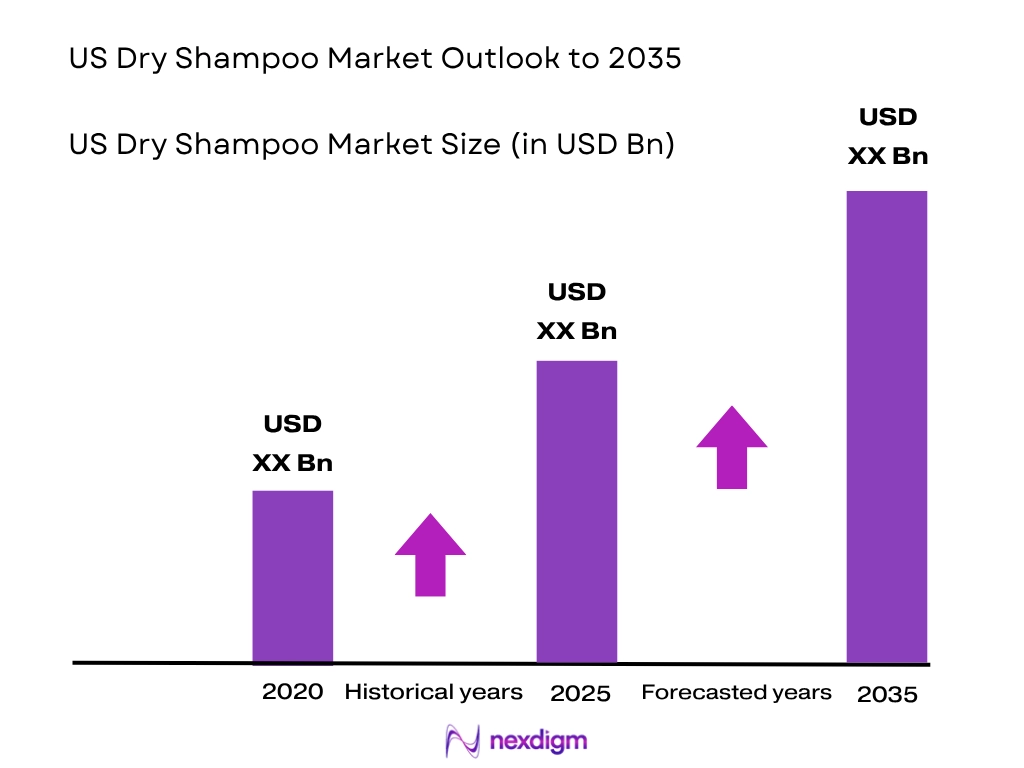
The U.S.A Dry Shampoo market is valued at approximately USD ~ billion based on Nexdigm’s recent industry study, reflecting robust demand for convenient hair care products. Analyzed data shows significant adoption among urban consumers, driven by busy lifestyles, increased personal care spending, and elevated awareness of grooming routines. The convenience and time-saving nature of dry shampoo, which refreshes hair without water, particularly resonate with on‑the‑go professionals and active consumers.
The market’s dominance is concentrated in major metropolitan regions such as New York, Los Angeles, Chicago, and Miami, due to high consumer spending power and strong beauty culture. These cities have dense populations of working professionals and frequent travelers, fueling demand for quick‑use personal care solutions. Additionally, U.S. leadership in beauty influencer culture and online retail penetration has amplified dry shampoo adoption, reinforcing its popularity across demographic segments.
Market Segmentation
By Product Format
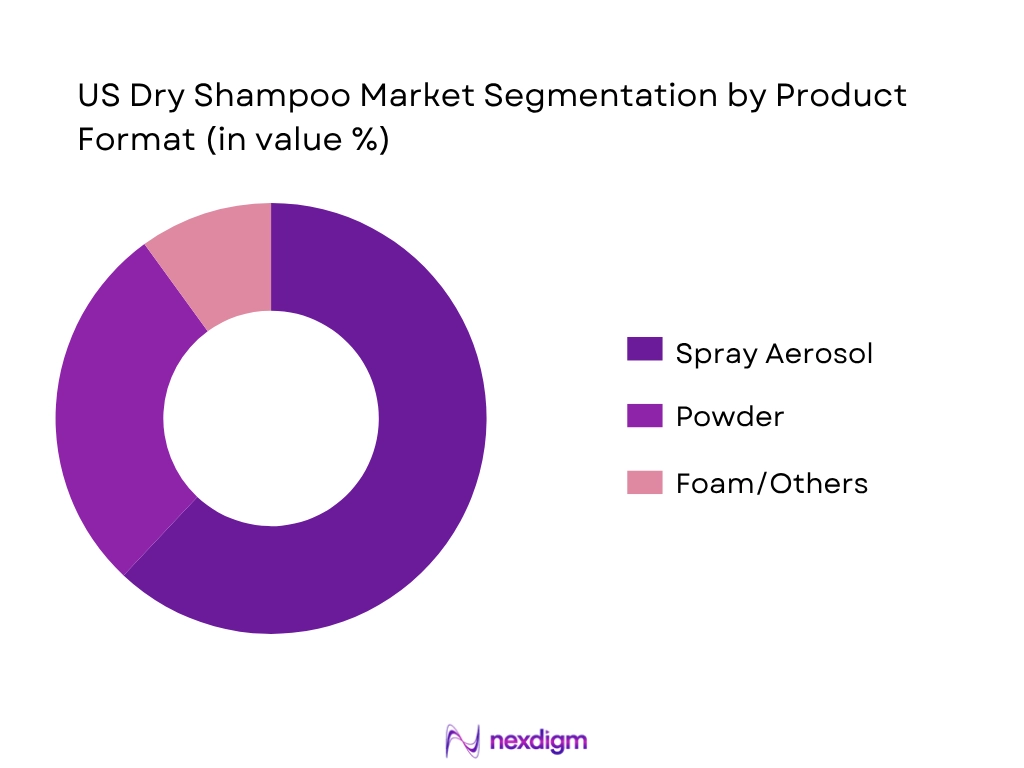
Among product formats, spray aerosol remains dominant with the largest share, mainly due to its ease of application and immediate oil absorption properties. Consumers prefer spray formats because they can quickly refresh hair with minimal effort, especially beneficial for busy lifestyles and frequent touch‑ups. The fine mist delivery of spray formats ensures even coverage and efficient performance, contributing to its strong preference in U.S. distribution channels. Moreover, well‑established spray products from legacy hair care brands have reinforced consumer trust and repeat usage within this segment.
By Distribution Channel
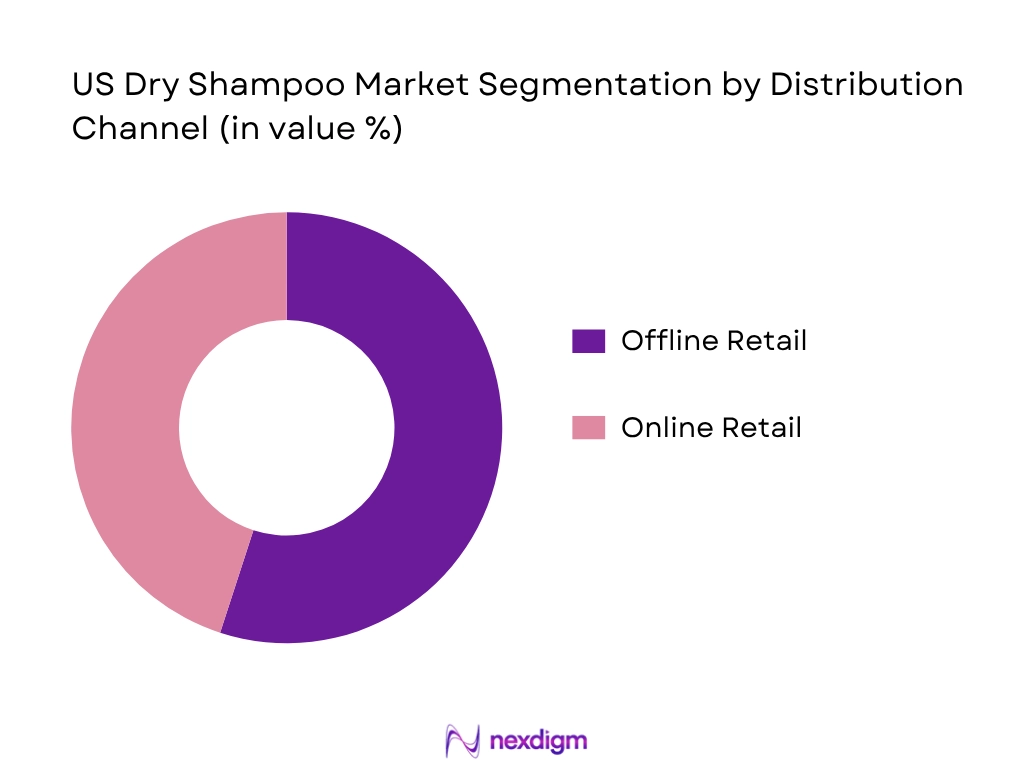
Within distribution channels, offline retail continues to hold a larger share, driven by the preference for in‑store physical evaluation before purchase, as well as immediate availability through drugstores, supermarkets, and specialty beauty stores. These traditional retail environments cater to impulse purchases and provide opportunities for sampling and personalized recommendations. Nevertheless, online retail is rapidly gaining ground, fueled by digital shopping convenience and strong e‑commerce growth among millennials and Gen Z consumers, who increasingly rely on online platforms for buying personal care products. Brands are actively optimizing digital experiences and offering online exclusives, further accelerating this channel’s growth.
Competitive Landscape
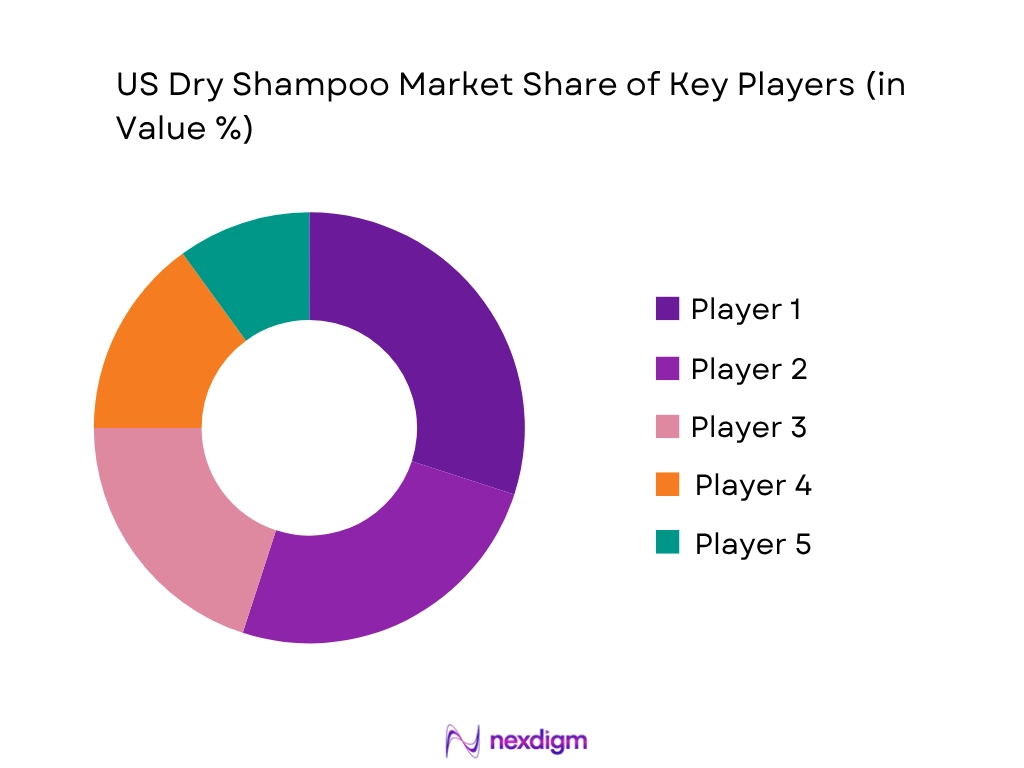
The competitive environment in the U.S. Dry Shampoo Market is highly consolidated among global beauty and hair care giants, with a strong influence from both legacy brands and digitally native beauty companies. These players leverage extensive distribution networks, aggressive marketing, and continuous product innovation to capture consumer attention and expand presence across retail channels. The competitive landscape is shaped by heavy investment in product differentiation, frequent new launches, and strong digital marketing strategies. Global brand names contribute to market credibility and scale, while agile niche brands disrupt with clean‑label formulations and eco‑friendly positioning. This mix of established players and emerging innovators ensures market dynamism, with competition centered on brand experience and consumer loyalty.
| Company | Year Established | Headquarters | Brand Portfolio Depth | Distribution Presence | Innovation Index | Marketing Spend Focus | Channel Penetration | Product Range Diversity |
| Procter & Gamble | 1837 | Cincinnati, USA | ~ | ~ | ~ | ~ | ~ | ~ |
| Unilever | 1929 | London, UK | ~ | ~ | ~ | ~ | ~ | ~ |
| L’Oréal USA | 1909 | New York, USA | ~ | ~ | ~ | ~ | ~ | ~ |
| Church & Dwight Co., Inc. | 1846 | Ewing, USA | ~ | ~ | ~ | ~ | ~ | ~ |
| Henkel AG & Co. KGaA | 1876 | Düsseldorf, Germany | ~ | ~ | ~ | ~ | ~ | ~ |
USA Dry Shampoo Market Analysis
Growth Drivers
Convenience & Busy Lifestyles
A key driver for the U.S. Dry Shampoo Market is the overarching trend of convenience‑oriented consumer behavior underpinned by strong national consumer spending. In 2024, U.S. personal consumption expenditure, which captures consumer purchases of goods and services including personal care items- reached USD 19.8 trillion, accounting for the largest component of gross domestic product growth and contributing around 67 percent to economic expansion according to U.S. Bureau of Economic Analysis data. This reflects sustained consumer liquidity and willingness to spend on daily lifestyle aids. Simultaneously, average annual household expenditures rose to USD 78,535 from the U.S. Bureau of Labor Statistics, indicating greater overall household outlays across categories, including non‑essentials such as personal care and grooming products. These macroeconomic fundamentals create an environment in which time‑saving products like dry shampoo are increasingly prioritized by consumers seeking efficient ways to manage grooming routines amidst work, travel, and social commitments, a behaviour especially prevalent in urban and economically active populations. This structural shift in lifestyle has elevated demand for products that reduce reliance on traditional hair washing, making dry shampoo a staple in personal care regimens.
Hair Health Awareness
Heightened consumer focus on hair and scalp health contributes meaningfully to the expansion of the U.S. Dry Shampoo Market. Macro trends in haircare reveal a broader consumer shift toward products that balance effectiveness with scalp and hair condition a pattern reflected in beauty trend trackers showing increased emphasis on ingredient transparency and holistic hair wellbeing. With online platforms highlighting scalp‑friendly ingredients and dermatologist‑endorsed formulations, dry shampoo has evolved beyond a mere convenience item to one positioned within preventive and maintenance hair routines. This shift aligns with national financial trends in personal expenditure: in 2024, average income before taxes was USD 104,207, which supports discretionary spending on health‑oriented grooming products. At the same time, a healthy labor market and rising consumer disposable income, as illustrated by annual personal income nearing USD 23.9 trillion and **disposable personal income reaching USD 20.9 trillion on a seasonally adjusted basis in mid‑2024, enable greater investment in premium and functional beauty products that promote long‑term hair health. These financial levers underscore why consumers are increasingly choosing dry shampoo formats that claim added benefits, such as revitalization, scalp soothing, and reduced chemical exposure, rather than traditional water‑based washes that may strip natural oils. The combination of higher disposable incomes and elevated haircare expectations strengthens demand for advanced dry shampoo products.
Market Challenges
VOC & Propellant Limits
Regulatory and formulation challenges arising from volatile organic compounds (VOC) restrictions and aerosol propellant standards present a material constraint for the U.S. Dry Shampoo Market. Many conventional dry shampoos rely on aerosol propellants for spray delivery, but state and federal air quality regulations limit allowable VOC content to mitigate environmental and health impacts, influencing product development and reformulation cycles. These constraints often necessitate higher investments in alternative delivery mechanisms or low‑VOC formulas, which can elevate production complexity. Furthermore, consumer product compliance within the U.S. market requires adherence to the Environmental Protection Agency’s volatile organic compound regulations and state‑level standards such as California Air Resources Board (CARB) guidelines, which impose strict limits on propellants and solvents in personal care aerosols. Such regulatory frameworks can restrict the speed at which new formulations reach market and drive manufacturers to balance efficacy with compliance. The broader economic backdrop of regulatory pressure coincides with a period in which clean air initiatives and environmental governance are prioritized, indirectly shaping product portfolios. As a result, companies often allocate significant R&D resources to meet these limits while maintaining product performance, creating barriers for smaller entrants and affecting product availability across some channels. This regulatory dynamic underscores how compliance obligations impact formulation strategies and product offerings within the U.S. dry shampoo sector.
Price Sensitivity
Price sensitivity among U.S. consumers represents a persistent challenge for the dry shampoo segment, especially when juxtaposed with broader household spending pressures. According to the 2024 Consumer Expenditure Survey published by the U.S. Bureau of Labor Statistics, the average American household spent USD 78,535, and major categories such as housing and transportation accounted for over half of these expenditures, leaving a constrained discretionary budget for grooming and beauty products. With essential outlays dominating household budgets, consumers are more critical of value propositions offered by personal care brands, particularly for products perceived as non‑essential or occasional use. This sensitivity is heightened by variability in income growth; while average income before taxes was USD 104,207, disposable income pressures persist due to rising costs in essential categories such as housing and transportation. Consequently, retail pricing strategies for dry shampoo must navigate consumer reluctance toward premium pricing tiers without clear functional differentiation. This environment fosters intense competition on promotional pricing, discounting, and SKU segmentation to capture budget‑conscious shoppers, especially in mass market and drugstore channels. Such economic dynamics demand that brands reconcile product innovation with accessible pricing structures to maintain market share amid consumer budgets constrained by larger expenditure commitments.
Opportunities
DTC & Subscription Growth
Expansion of direct‑to‑consumer (DTC) sales channels and subscription models represents a significant opportunity for the U.S. Dry Shampoo Market, influenced by consumer preferences for convenience and personalized shopping experiences. Despite traditional retail channels still commanding significant consumer interaction, e‑commerce adoption continues to strengthen. U.S. consumer spending data from the Bureau of Economic Analysis shows that consumer expenditures on goods and services remain robust, providing an economic foundation for digital retail innovations. E‑commerce platforms enable brands to cultivate repeat purchase behaviours through subscription bundles and auto‑replenishment — particularly relevant for dry shampoo, a recurrent purchase within grooming routines. Increasing internet penetration and digital engagement facilitate targeted online marketing campaigns, enhancing conversion rates and customer lifetime value. Moreover, younger consumer cohorts with higher online shopping frequency exhibit a rising propensity toward subscription services, capitalizing on convenience and loyalty incentives. The DTC channel also allows for enhanced consumer data capture, which can refine product offerings and marketing personalization, aligning closely with preferences for tailored formulations and usage reminders. These dynamics, rooted in both macro consumer spending patterns and digital adoption statistics, indicate that DTC and subscription growth will continue to unlock sustained demand and deeper engagement within the U.S. dry shampoo market.
Sustainable/Clean Products
A marked shift toward sustainable and clean personal care products offers future growth prospects for dry shampoo brands that align with evolving consumer values. National beauty trend analyses indicate that ingredient transparency and eco‑friendly formulations are increasingly prioritized, particularly among younger demographics who drive personal care trends. While macroeconomic data shows average consumer expenditures support discretionary purchases, a growing subset of consumers allocate a portion of their spending to products that reflect environmental and health concerns. This trend is consistent with broader patterns in consumer markets where sustainability claims influence purchasing decisions. Within dry shampoo specifically, alternatives to traditional ingredients — including talc‑free powders, biodegradable formulations, and reduced aerosol reliance — resonate with health‑conscious buyers. Retailers and e‑commerce platforms are incorporating sustainability filters and certifications, improving visibility for clean‑label products. As a result, brands with sustainable positioning can tap into a segment willing to pay premiums for formulations perceived as safer and environmentally responsible. This macro‑aligned consumer emphasis on sustainability presents an immediate opportunity to differentiate offerings, strengthen brand loyalty, and expand market penetration without reliance on speculative forecasts supported by contemporaneous consumer expenditure patterns and prioritization of wellbeing.
Future Outlook
The U.S. Dry Shampoo Market is poised for continued growth over the next decade, driven by ongoing shifts in consumer grooming behavior, increasing urbanization, and rapid expansion of e‑commerce sales channels. Rising adoption of clean beauty and sustainable formulation trends will further expand product offerings, while tailored marketing strategies targeting diverse demographic segments will enhance brand engagement. Growth in the men’s grooming segment and premium market tier adoption are expected to contribute additional growth vectors, supported by innovative product formats and multi‑benefit formulations.
Major Market Players
- Procter & Gamble
- Unilever
- L’Oréal USA
- Church & Dwight Co., Inc.
- Henkel AG & Co. KGaA
- Batiste (Reckitt)
- Klorane (Pierre Fabre Group)
- Living Proof
- Amika
- Moroccanoil
- Verb
- Ouai
- Drybar
- Tula Haircare
- Revlon – Hair Care Division
Key Target Audience
- CPG Brand Managers – Personal Care & Haircare
- Retail Buyers & Category Managers (Mass, Specialty Beauty)
- E‑commerce & Marketplaces Procurement Heads
- Investments and Venture Capitalist Firms
- Private Equity Investors Focused on Beauty & Personal Care
- Government and Regulatory Bodies (FDA – Cosmetics Division; FTC – Advertising Compliance)
- Supply Chain & Distribution Infrastructure Investors
- Consumer & Retail Trend Analysts
Research Methodology
Step 1: Identification of Key Variables
The initial phase constructs a comprehensive ecosystem map covering stakeholders in the U.S. Dry Shampoo Market using secondary databases and industry reports. Variables include product formats, distribution channels, consumer demographics, and innovation trends.
Step 2: Market Analysis and Construction
Historical sales and consumption data are compiled and analyzed to assess market penetration across regions and channels within the U.S. Retail performance metrics and product adoption patterns are evaluated to estimate market sizing and structure.
Step 3: Hypothesis Validation and Expert Consultation
Market hypotheses are validated through interviews with industry experts, including brand leaders and retail procurement professionals. These consultations provide operational and financial insights and refine forecast assumptions.
Step 4: Research Synthesis and Final Output
The final phase includes engagement with manufacturers and distributors to verify formulation trends, channel performance, and consumer preferences. This ensures a validated, accurate market picture that aligns bottom‑up data with strategic insights.

- Executive Summary
- Research Methodology (Research Definitions and Assumptions, Abbreviations, Market Sizing & Forecasting Method, Multi‑Source Data Fusion, Primary Research Structure, Limitations, Confidence Levels)

- Product Definition & Scope
- Market Genesis & Lifecycle Stage
- Haircare Category Linkages (Hair Care CPG)
- Channel & Route‑to‑Consumer (Retail Coverage)
- Value Chain & Distribution Network Mapping

- Growth Drivers (Convenience & Busy Lifestyles, Hair Health Awareness, Premiumization, Social Media Influence, Clean/Vegan Trends, Urban Dual-Income Households)
- Market Challenges (VOC & Propellant Limits, Price Sensitivity, Traditional Shampoo Competition, Raw Material Costs, Awareness Gaps)
- Opportunities (DTC & Subscription Growth, Sustainable/Clean Products, Private Label Expansion, Salon Partnerships, E-Commerce Penetration)
- Emerging Trends (Influencer Marketing, Custom & Personalized Formulas, Sustainable Packaging, Hybrid Volume + Conditioning Products, Hair Type Targeting)
- Regulatory Environment (FDA Cosmetic Compliance, VOC & Propellant Rules, Labeling & Claims Verification, Advertising Regulations, Packaging Sustainability)
- Porter’s Five Forces Analysis (New Entrants, Supplier Power, Buyer Power, Substitutes, Rivalry)
- SWOT Analysis (Market Level) (Strengths: Convenience & Adoption; Weaknesses: Price & Awareness; Opportunities: Clean Beauty & Subscription Channels; Threats: Regulations & Traditional Shampoo)
- Value Chain & Supply Chain Analysis (Raw Materials – Talc, Starches, Propellants, Natural Extracts; Domestic vs Imports; Manufacturing Lines; Logistics & Distribution Hubs; Wholesale & Retail Channels; Quality Testing)
- Pricing Dynamics & Margin Stack (ASP by Segment – Value/Mid/Premium; Channel Price Gaps; Promotions & Trade Allowances; Gross & Contribution Margins; Online vs Offline Economics; Cost Pass-Through)
- Consumer Purchase Behavior & Retail Analytics (Purchase Frequency, Basket Affinity & Cross-Sell, Brand Loyalty, Online vs In-Store Preferences, Social Media Influence)

- By Market Value (2020-2025)
- By Volume Shipped (Units & kGs)
- By Price Realization & ASP (2020-2025)
- By Channel Mix Contribution (2020-2025)
- By Market Growth Rates & CAGR Drivers (2020-2025)

- By Product Format (In Value%)
Spray Aerosol
Powder
Foam - By Ingredient Positioning (In Value%)
Conventional
Clean/Organic
Vegan
Biotech Actives - By End‑Use Consumer Segment (In Value%)
Mass/Household
Premium/Salon
Professional Stylist - By Target Demographic (In Value%)
Women
Men
Youth/Gen Z
Boomers - By Distribution Channel (In Value%)
Drugstores
Supermarkets
Specialty Beauty
E‑Retail
DTC Subscription - By Marketing Positioning (In Value%)
Value
Mid‑Tier
Premium/Luxury - By Scalp & Hair Concern (In Value%)
Oil Control
Volume Boost
Residue‑Free
Tinted for Dark Hair

- Market Share Overview (Net Retail Sales, Volume Share, Segment Contribution – Value vs Units, Channel-Specific Share)
- Competitive Positioning (Brand Tiering – Value, Mid, Premium; Innovation Leadership; Product Portfolio Depth; Distribution Reach; Consumer Loyalty Index)
- Cross-Comparison Parameters (Brand Portfolio, SKU Breadth, Price Tier Coverage, Channel Penetration, E-Commerce Presence, Innovation Index, Marketing Spend, Supply Chain Footprint)
- SWOT Analysis – Major Players (Strengths: Brand Equity, Distribution Network; Weaknesses: Price Sensitivity, Limited Formats; Opportunities: Clean & Sustainable Launches, DTC Expansion; Threats: Regulatory Constraints, Competitive New Entrants)
- Pricing & Promotions (ASP by SKU, Channel Price Differentials – Drugstore vs Specialty vs E-Retail, Trade Promotions, Online vs Offline Pricing, Margin Stack Analysis)
- Innovation & Product Development (Formulation Differentiation – Volumizing, Conditioning, Residue-Free, Tinted; Ingredient Trends – Clean, Organic, Vegan; Packaging Innovation – Refillable, Eco-Friendly, Travel-Friendly)
- Distribution & Channel Strategy (Mass Retail, Drugstore, Specialty Beauty, E-Commerce, DTC Subscription; Shelf Space & Visibility, Retailer Partnerships, Marketplace & Platform Penetration)
- Detailed Profiles of Major Companies
Procter & Gamble (P&G)
Unilever
L’Oréal USA
Coty Inc.
Church & Dwight Co., Inc.
Henkel AG & Co. KGaA
Batiste (Spectrum Brands)
Klorane (Pierre Fabre)
Living Proof
Amika
Moroccanoil
Verb
Ouai
Drybar
Tula Haircare

- Demographic Insights (Gender – Women/Men, Age – Gen Z, Millennials, Boomers; Income – Mass, Mid, Premium; Urban vs Suburban; Hair Type – Straight, Wavy, Curly, Textured)
- Behavioral Patterns (Purchase Frequency, Repurchase Rate, Brand Loyalty, Trial & Switching Behavior, Impulse vs Planned Purchases, Seasonal/Occasion Usage)
- Usage & Preference Trends (Hair Concerns – Oil Control, Volume, Residue-Free, Tinted; Product Format Preference – Spray, Powder, Foam; Ingredient Awareness – Clean, Organic, Vegan; Multi-Use Products – Styling + Conditioning)
- Purchase Drivers (Convenience, Quick Styling, Social Media Recommendations, Peer Influence, Price vs Perceived Value, Sustainability & Packaging)
- Channel-Specific Behavior (Drugstore vs Specialty vs E-Retail vs DTC Subscription; Online Basket Composition, Marketplace Preference; In-Store Trial & Sampling Impact)
- Consumer Pain Points (Residue/Staining, Scalp Sensitivity, Limited Shade Options, Price Perceived High, Confusing Label Claims)
- Influence of Marketing & Social Media (Influencer & Beauty Blogger Impact, Instagram/TikTok Trends, Product Reviews & Ratings, Online Tutorials, Loyalty Programs & Promotions)
- Psychographics & Lifestyle Correlations (Active Lifestyle & Gym Users, Frequent Travelers, Time-Conscious Professionals, Eco-Conscious Consumers, Premium vs Value Orientation)

- By Value Forecast (2026-2035)
- By Volume Forecast (2026-2035)
- By ASP & Unit Economics Forecast (2026-2035)
- By Scenario Analysis (2026-2035)


 Request a Sample
 Ask for Customization
 Get a Quote
 Enquire Now