
 Download PDF
 Download PDF
Market Overview
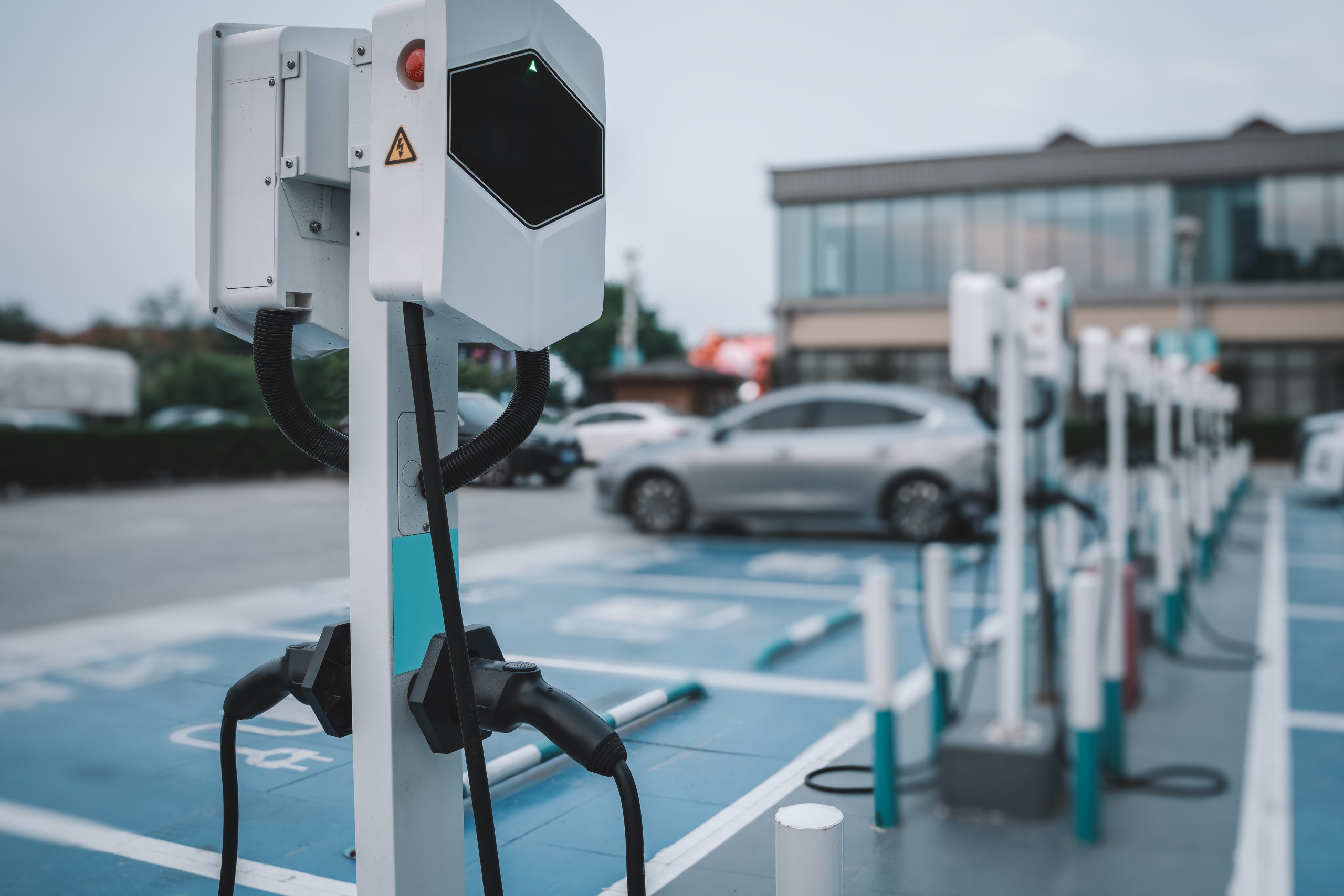
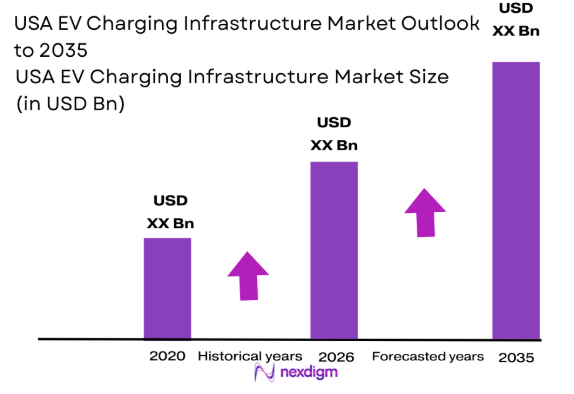
The USA EV Charging Infrastructure market is experiencing significant growth, with the market size expected to reach over USD ~ billion based on recent assessments. This growth is driven by increasing government support, private sector investments, and the growing adoption of electric vehicles across the country. The development of fast-charging networks, coupled with favorable regulatory policies and incentives for infrastructure, further boosts market expansion. As the demand for electric vehicles rises, so does the need for efficient and accessible EV charging stations, propelling the market’s upward trajectory.
Dominant players in the USA EV Charging Infrastructure market are primarily found in regions such as California, Texas, and New York. These areas benefit from robust regulatory frameworks, high EV adoption rates, and ongoing investment in infrastructure development. Cities like Los Angeles, San Francisco, and New York are leading the transition towards clean energy, with strong policies promoting EV adoption and facilitating the growth of charging networks. These cities also receive substantial federal and state-level funding to support EV infrastructure expansion, contributing to their dominance in the market.
Market Segmentation
By Product Type
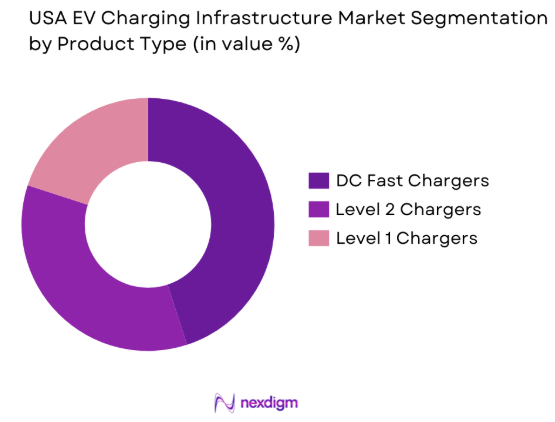
The USA EV Charging Infrastructure market is segmented by product type into Level 1 Chargers, Level 2 Chargers, and DC Fast Chargers. Recently, DC Fast Chargers have gained a dominant market share due to their ability to provide quick charging solutions, which is critical for reducing downtime for electric vehicle owners, particularly for commercial fleets and long-distance travel. Factors such as the increasing number of electric vehicles on the road and the rising need for faster charging solutions have significantly boosted the demand for DC Fast Chargers.
By Platform Type
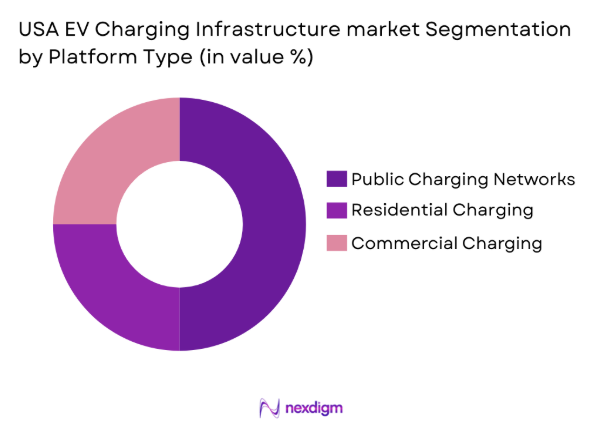
The market is segmented by platform type into Residential Charging, Commercial Charging, and Public Charging Networks. Recently, Public Charging Networks have dominated the market due to the increasing demand for widespread accessibility of EV charging stations. The expansion of public charging stations in high-traffic areas, along with government incentives, has played a crucial role in this shift. Additionally, the growing trend of electric vehicle adoption in urban centers and along major highways has driven the widespread establishment of public charging stations.
Competitive Landscape
The competitive landscape of the USA EV Charging Infrastructure market is marked by both consolidation and intense competition among leading players. The market is heavily influenced by major companies that dominate the charging network infrastructure, including those with a strong presence in both public and private sectors. The ongoing collaboration between tech companies and traditional energy providers further highlights the dynamic nature of this market, with players focusing on integrating advanced technologies such as smart charging and energy management systems.
| Company Name | Establishment Year | Headquarters | Technology Focus | Market Reach | Key Products | Revenue (USD) | Additional Parameter |
| Tesla | 2003 | California | ~ | ~ | ~ | ~ | ~ |
| ChargePoint | 2007 | California | ~ | ~ | ~ | ~ | ~ |
| EVgo | 2010 | Texas | ~ | ~ | ~ | ~ | ~ |
| Blink Charging | 2009 | Florida | ~ | ~ | ~ | ~ | ~ |
| Electrify America | 2016 | California | ~ | ~ | ~ | ~ | ~ |
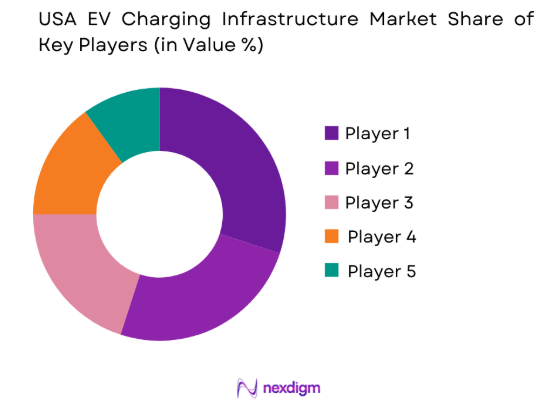
USA EV Charging Infrastructure Market Analysis
Growth Drivers
Government Incentives
The USA EV Charging Infrastructure market has been significantly boosted by federal and state-level incentives designed to promote the adoption of electric vehicles and their charging infrastructure. The U.S. government’s aggressive push towards reducing carbon emissions, coupled with tax incentives for EV owners and infrastructure developers, has played a critical role in shaping the market. These initiatives have made electric vehicles more accessible, thereby increasing the demand for an extensive charging network. Furthermore, the incentives for installing fast-charging stations and supporting the development of green energy sources are expected to continue fueling the market’s growth in the coming years. As these initiatives evolve, they are expected to create a sustainable ecosystem for both EVs and the necessary infrastructure.
Technological Advancements
The continual innovation in charging technology is also a key growth driver for the EV charging infrastructure market. Advancements such as ultra-fast charging solutions and wireless charging technologies have improved charging times and enhanced the user experience. The integration of smart charging systems, which allow users to schedule their charging times and optimize energy usage, is transforming the market landscape. Additionally, the development of energy management systems and the integration of renewable energy sources like solar power into the charging infrastructure are making EV charging more sustainable. These technological advancements are expected to reduce operational costs, improve charging efficiency, and foster greater adoption of EV charging infrastructure.
Market Challenges
High Capital Expenditure
One of the key challenges facing the USA EV Charging Infrastructure market is the high initial cost associated with the installation and maintenance of charging stations. Setting up a fast-charging station, particularly DC Fast Chargers, requires significant capital investment, including infrastructure development, land acquisition, and the installation of advanced technology. This financial barrier can limit the speed at which charging stations are deployed, especially in underserved or remote areas. Furthermore, the lack of standardized technology across different charging networks also complicates the infrastructure rollout, as companies are required to develop compatible systems for different types of electric vehicles, which increases costs and delays network expansion.
Technological Integration and Standardization
The lack of interoperability and system integration is a significant challenge for the EV charging infrastructure market. With multiple companies developing their own charging solutions, there is no standardization in connectors, payment systems, and network protocols. This fragmentation creates compatibility issues, resulting in an inefficient charging experience for users. Electric vehicle owners often face the inconvenience of navigating various charging networks, each with its own pricing models and payment systems. A unified approach is necessary to streamline the process, ensuring that EV owners can charge their vehicles seamlessly across different networks. Standardization is essential for increasing efficiency, reducing operational complexity, and supporting long-term market growth.
Opportunities
Renewable Energy Integration
One of the most promising opportunities in the USA EV Charging Infrastructure market lies in the integration of renewable energy sources into charging networks. As the demand for electric vehicles continues to rise, the need for clean and sustainable energy to power these vehicles becomes increasingly important. By incorporating solar power and other renewable energy sources into the charging infrastructure, operators can reduce carbon emissions and contribute to a cleaner environment. Additionally, offering customers the option to charge their EVs using renewable energy can attract more environmentally-conscious consumers. This shift towards green energy-powered charging stations represents an exciting opportunity for innovation and growth in the sector.
Autonomous EV Charging Solutions
Another significant opportunity for growth in the EV charging infrastructure market is the development of autonomous and robotic charging solutions. With the increasing focus on autonomous vehicles, the potential for creating self-parking and self-charging systems is on the horizon. These innovations can simplify the charging process, especially for busy urban environments, where the availability of parking and charging stations is limited. The integration of artificial intelligence and machine learning into charging infrastructure allows for intelligent energy management, reducing waiting times for users and optimizing the overall charging process. The introduction of these next-generation solutions will create a more efficient and user-friendly charging experience.
Future Outlook
The future outlook for the USA EV Charging Infrastructure market is highly promising, with sustained growth expected in the coming years. The market will benefit from continuous technological advancements, including ultra-fast charging solutions, smart grids, and renewable energy integration. Strong government support, coupled with the increasing adoption of electric vehicles, will ensure the expansion of charging infrastructure across urban and rural areas alike. As the transition to electric mobility accelerates, we can expect to see a significant increase in public and private investments in EV infrastructure. Additionally, the shift towards greener energy sources and innovations in autonomous charging solutions will provide further opportunities for growth in the market.
Major Players
- Tesla
- ChargePoint
- EVgo
- Blink Charging
- Electrify America
- Shell Recharge
- BP Pulse
- Greenlots
- Siemens
- ABB
- Leviton
- Schneider Electric
- Volta Charging
- EVBox
- Siemens
Key Target Audience
- Investments and venture capitalist firms
- Government and regulatory bodies
- Electric vehicle manufacturers
- Charging network operators
- Energy service providers
- Real estate developers
- Fleet operators
- Auto OEMs
Research Methodology
Step 1: Identification of Key Variables
The first step involves identifying the key variables that drive the EV Charging Infrastructure market, including technological advancements, regulatory factors, and consumer adoption trends.
Step 2: Market Analysis and Construction
In this step, we conduct a detailed analysis of the market size, growth drivers, and challenges, utilizing data from reputable sources and industry experts to build a comprehensive market model.
Step 3: Hypothesis Validation and Expert Consultation
Hypotheses formed in the initial stages are validated through expert consultations, including interviews with industry leaders and stakeholders to ensure accuracy and relevance.
Step 4: Research Synthesis and Final Output
The final step involves synthesizing all collected data and insights into a cohesive report, with a focus on delivering actionable recommendations for market participants.

- Executive Summary
- Research Methodology (Definitions, Scope, Industry Assumptions, Market Sizing Approach, Primary & Secondary Research Framework, Data Collection & Verification Protocol, Analytic Models & Forecast Methodology, Limitations & Research Validity Checks)

- Market Definition and Scope
- Value Chain & Stakeholder Ecosystem
- Regulatory / Certification Landscape
- Sector Dynamics Affecting Demand
- Strategic Initiatives & Infrastructure Growth

- Growth Drivers
Expansion of Electric Vehicle Adoption
Government Funding and Incentives - Market Challenges
High Installation Costs
Technological Integration and Standardization - Market Opportunities
Increase in Renewable Energy Integration
Development of Ultra-Fast Charging Solutions - Trends
Integration of Smart Charging Technology
Surge in EV Adoption Post-COVID
Focus on Sustainable Charging Solutions - Government Regulations
- SWOT Analysis of Key Competitors
- Porter’s Five Forces

- By Market Value, 2020-2025
- By Installed Units, 2020-2025
- By Average System Price, 2020-2025
- By System Complexity Tier, 2020-2025

- By System Type (In Value%)
Charging Stations
Ultra-Fast Chargers
Standard Chargers
Wireless Charging Systems
Mobile Charging Solutions - By Platform Type (In Value%)
Home Charging Solutions
Public Charging Networks
Fleet Charging Infrastructure
Workplace Charging Solutions
Commercial Charging Stations - By Fitment Type (In Value%)
On-premise Solutions
Cloud-based Solutions
Hybrid Solutions
Integrated Solutions
Portable Solutions - By End User Segment (In Value%)
Private EV Owners
Commercial Fleets
Public Transport Providers
Retail & Commercial Businesses
Government & Municipalities - By Procurement Channel (In Value%)
Direct Procurement
Government Tenders
Private Sector Procurement
Public-Private Partnerships
Online Platforms

- Market Share Analysis
- Cross Comparison Parameters(Charging Speed, Charging Network Coverage, System Compatibility, Fitment Type, End User Segment, Installation Time, Maintenance Requirements, Cost of Installation, Charging Infrastructure Scalability, Charging Efficiency)
- SWOT Analysis of Key Competitors
- Pricing & Procurement Analysis
- Key Players
Tesla
ChargePoint
EVgo
Blink Charging
Electrify America
Shell Recharge
BP Pulse
Greenlots
Siemens
ABB
Leviton
Siemens
Schneider Electric
Volta Charging
EVBox

- Private EV Owners’ Growing Need for Convenience
- Commercial Fleets’ Focus on Cost Efficiency
- Government Policies Driving Public Infrastructure Adoption
- Retail and Commercial Sector’s Shift Toward Sustainability

- Forecast Market Value, 2026-2035
- Forecast Installed Units, 2026-2035
- Price Forecast by System Tier, 2026-2035
- Future Demand by Platform, 2026-2035


 Request a Sample
 Ask for Customization
 Get a Quote
 Enquire Now