

 Download PDF
Market Overview
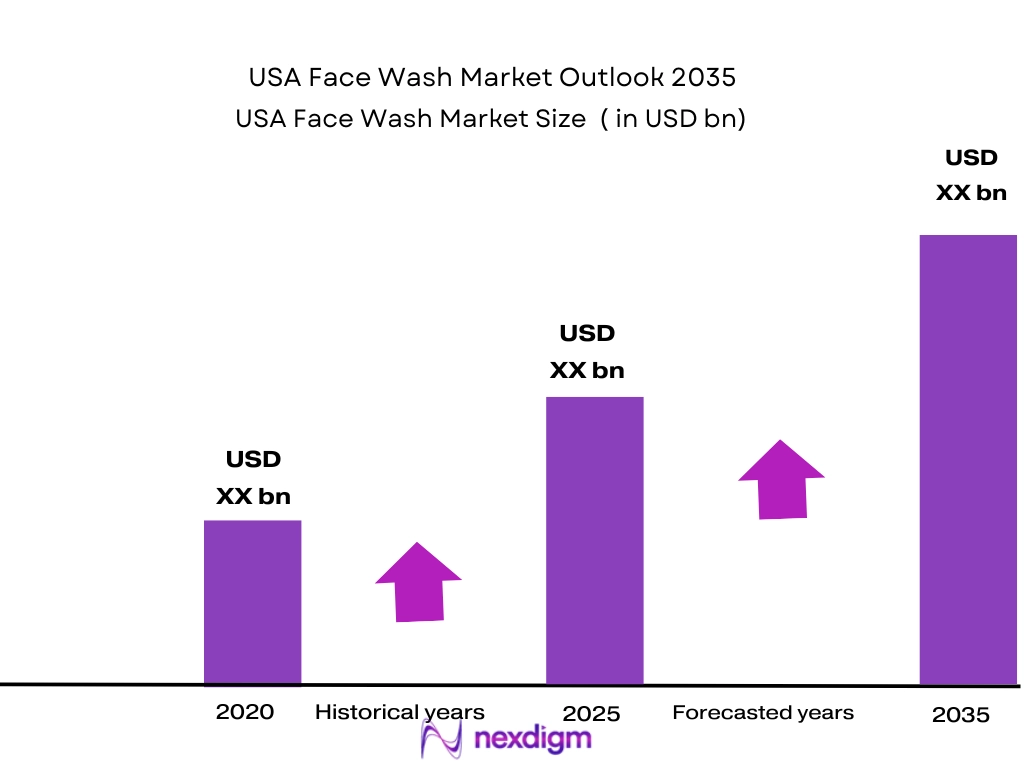
The USA face wash market is valued at USD ~ billion, reflecting consistent growth from USD 5.2 billion the previous year. This expansion is primarily driven by rising consumer awareness about skin health and hygiene, increasing disposable incomes, and the growing adoption of personal care routines across various age groups. Additionally, innovations in product formulations, such as anti-acne, anti-aging, and sensitive skin-friendly face washes, are stimulating higher consumer uptake, contributing to the overall market expansion.
Key urban centers such as New York, Los Angeles, and Chicago dominate the USA face wash market due to their high population density, affluent consumer base, and strong retail infrastructure. These cities also have a high concentration of premium cosmetic stores, dermatology clinics, and e-commerce penetration, facilitating easy access to a wide range of face wash products. Additionally, health-conscious and fashion-aware populations in these regions actively seek innovative and specialized skincare products, driving market preference and product demand.
Market Segmentation
By Product Type
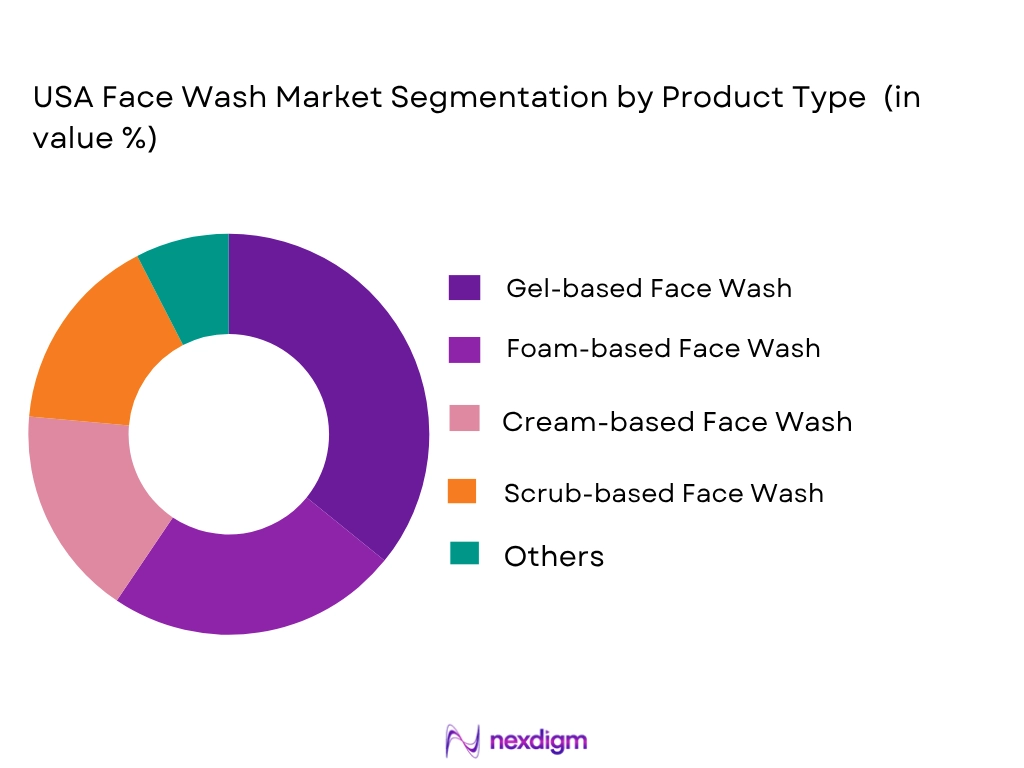
The USA face wash market is segmented by product type into gel-based, foam-based, cream-based, scrub-based, and others. Gel-based face washes dominate the market due to their versatility, lightweight texture, and suitability for combination and oily skin. They appeal to a wide demographic and are frequently recommended by dermatologists for daily use. Brands like Neutrogena and Cetaphil have solidified consumer loyalty in this segment through extensive advertising, clinical endorsements, and product innovation, maintaining high penetration across retail and online channels.
By Ingredients Type
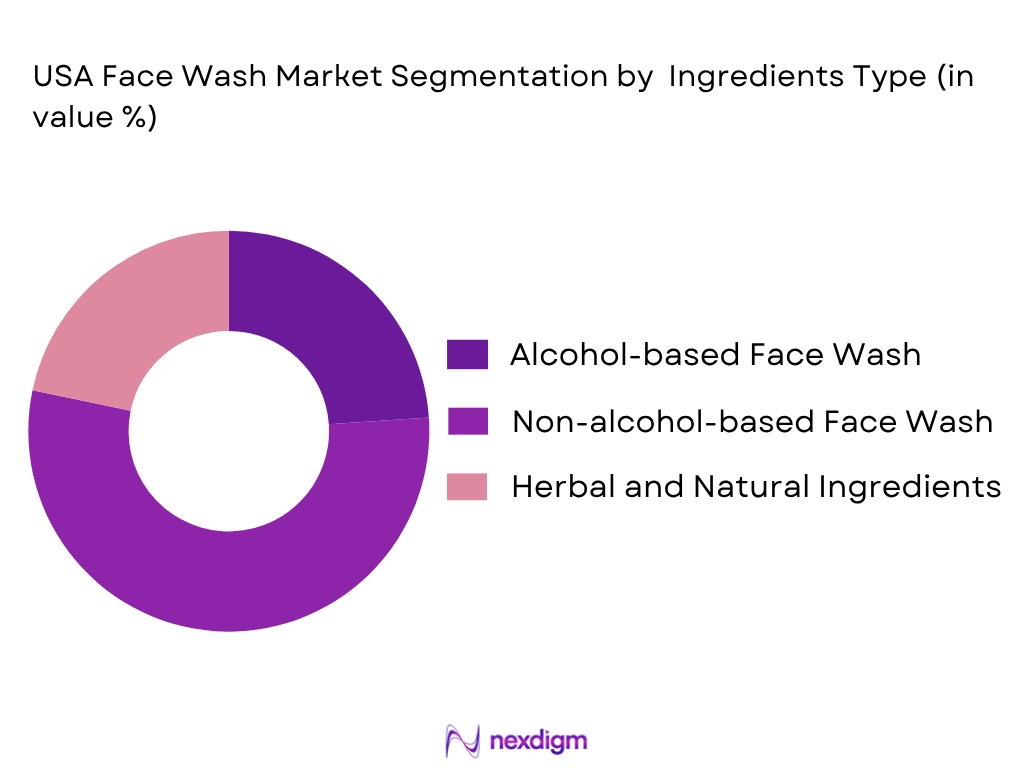
The market is segmented by ingredient type into alcohol-based, non-alcohol-based, and herbal/natural ingredients. Non-alcohol-based face washes currently hold the largest market share due to growing consumer preference for gentle and skin-friendly formulations. These products cater to sensitive skin and avoid irritation while offering effective cleansing, which aligns with the rising demand for dermatologically safe options. Companies like Aveeno and Cetaphil have successfully leveraged this trend through product lines emphasizing mildness and hypoallergenic properties, further consolidating their market leadership.
Competitive Landscape
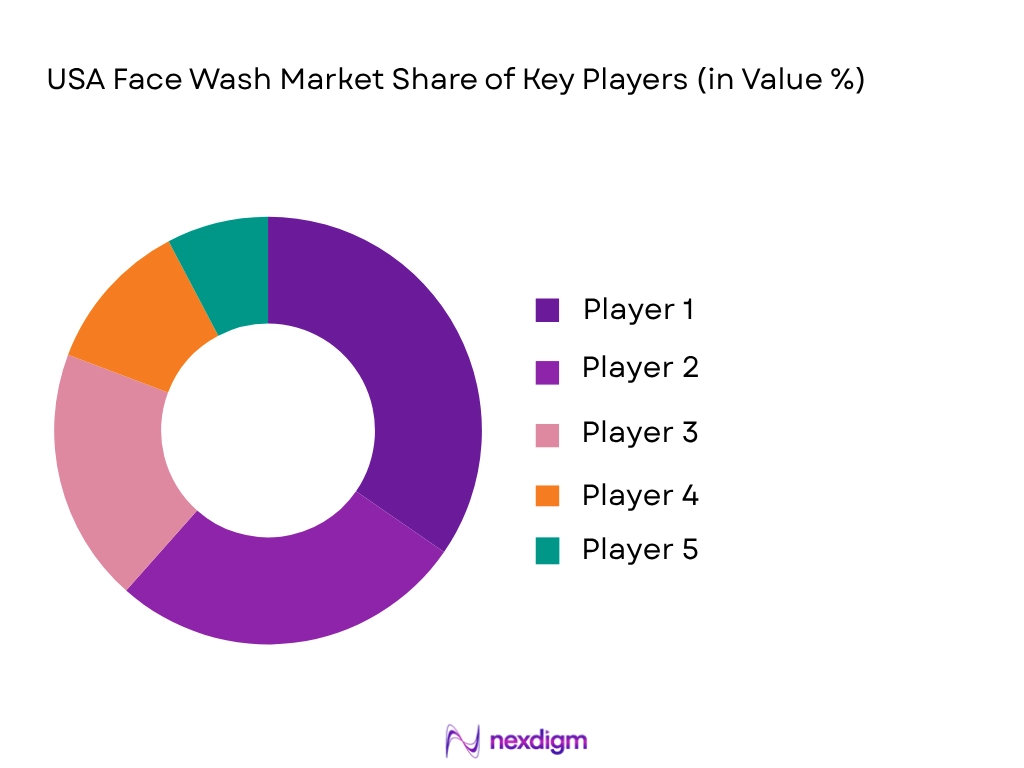
The USA face wash market is dominated by several global and domestic players, including Neutrogena, Procter & Gamble, and L’Oréal. These companies benefit from strong brand recognition, established distribution networks, and continuous product innovation, allowing them to maintain significant influence over the market. Market consolidation is evident as larger players acquire smaller niche brands, enhancing their product portfolios and geographic reach. The competitive landscape highlights the importance of R&D and marketing investment to capture consumer loyalty and address evolving skin care needs.
| Company Name | Establishment Year | Headquarters | Product Portfolio | Distribution Channels | Annual Revenue | R&D Expenditure | Market Presence | Key Strengths |
| Neutrogena | 1930 | Los Angeles, CA | ~ | ~ | ~ | ~ | ~ | ~ |
| Procter & Gamble | 1837 | Cincinnati, OH | ~ | ~ | ~ | ~ | ~ | ~ |
| L’Oréal USA | 1909 | New York, NY | ~ | ~ | ~ | ~ | ~ | ~ |
| Colgate-Palmolive | 1806 | New York, NY | ~ | ~ | ~ | ~ | ~ | ~ |
| Unilever | 1930 | Englewood Cliffs, NJ | ~ | ~ | ~ | ~ | ~ | ~ |
USA Face Wash Market Analysis
Growth Drivers
Increase in Awareness About Skin Care and Hygiene
The rising awareness of personal hygiene and skincare routines in the USA has significantly fueled the growth of the face wash market. Consumers increasingly prioritize facial cleansing as part of daily self-care, influenced by social media, dermatological campaigns, and wellness trends. Educational initiatives by healthcare providers and cosmetic brands reinforce the importance of maintaining clean and healthy skin, emphasizing benefits such as reduced acne, improved texture, and anti-aging effects. This heightened consciousness encourages frequent usage of face wash products across demographics, boosting demand. Brands leverage this awareness to launch targeted marketing campaigns, reinforcing the necessity of facial cleansing while expanding their consumer base.
Expansion of E-commerce and Retail Channels
The USA face wash market has experienced accelerated growth due to the expansion of both e-commerce and retail channels. Online platforms offer consumers access to a wide variety of domestic and international brands, enabling product comparison, customer reviews, and convenient delivery. Retail chains, supermarkets, and pharmacies enhance visibility through in-store promotions and trials. Omnichannel strategies allow brands to reach broader audiences while leveraging digital marketing to influence purchasing decisions. This accessibility and convenience directly translate to increased sales and market penetration, allowing even niche or premium face wash products to efficiently reach their target segments.
Challenges
Intense Market Competition and Price Sensitivity
The face wash market in the USA is highly competitive, dominated by global giants like Neutrogena, Procter & Gamble, and L’Oréal. New entrants face challenges in capturing market share due to strong brand loyalty, extensive distribution networks, and aggressive marketing strategies by established players. Consumers also exhibit high price sensitivity, which pressures companies to maintain competitive pricing while investing in R&D and marketing, potentially impacting profit margins
Fluctuations in Raw Material Prices and Regulatory Compliance
Face wash manufacturers rely on various natural and synthetic ingredients whose costs can be volatile due to supply chain disruptions, seasonal availability, or global market trends. Additionally, strict regulatory standards enforced by bodies such as the FDA require consistent quality, safety testing, and labeling compliance. Failure to meet these standards can result in recalls, fines, or reputational damage, posing a persistent challenge for market participants
Opportunities
Growing Demand for Natural and Herbal Face Wash Products
Consumer preferences in the USA are shifting toward natural and herbal face wash products, driven by increased health consciousness and environmental awareness. Ingredients such as aloe vera, tea tree oil, chamomile, and green tea are valued for their safety, effectiveness, and eco-friendly appeal. Natural formulations are suitable for sensitive skin types and offer fewer side effects, enhancing consumer trust. Brands emphasizing sustainable sourcing, cruelty-free testing, and organic certifications are well-positioned to capitalize on this trend. This segment presents opportunities for premium pricing, brand differentiation, and long-term growth in a niche but rapidly expanding market.
Innovation in Product Formulations and Packaging
Innovation in face wash formulations and packaging offers significant growth potential in the USA market. Companies are developing multifunctional products, such as cleansers that combine exfoliation, hydration, or anti-aging properties. Advanced delivery systems like foams, gels, and microbeads improve product performance and user experience. Packaging innovations, including eco-friendly materials, travel-sized bottles, and dispensers, appeal to convenience-oriented and environmentally conscious consumers. Personalization trends, such as skin-type-specific or customizable skincare routines, further expand market opportunities. By continuously introducing differentiated products, brands can attract a broader audience, enhance retention, and strengthen their position amid competitive pressure.
Future Outlook
Over the next five years, the USA face wash market is expected to maintain robust growth, driven by innovations in formulations, increasing consumer preference for natural and organic products, and expanding e-commerce channels. The integration of advanced skin care technologies, such as probiotics and anti-pollution ingredients, is likely to further propel market demand. Rising awareness regarding skin protection and anti-aging benefits, coupled with the expansion of premium and specialized product offerings, will reinforce growth trajectories in both urban and suburban regions. The market is projected to reach USD 8.5 billion by 2030, reflecting a CAGR of 6.2% from 2024 to 2030.
Major Players
- Neutrogena (Johnson & Johnson)
- Procter & Gamble (P&G)
- L’Oréal USA
- Colgate-Palmolive Company
- Unilever
- Cleans & Clear
- Aveeno (Johnson & Johnson)
- Olay (Procter & Gamble)
- The Body Shop
- Kiehl’s
- Cetaphil (Galderma)
- La Roche-Posay
- Himalaya Wellness
- Biotique
- Nivea (Beiersdorf AG)
Key Target Audience
- Investments and venture capitalist firms
- Retail and e-commerce distributors
- Healthcare providers and dermatology clinics
- Corporate and industrial procurement teams
- Spa and salon chains
- Hospitality and wellness chains
- Government and regulatory bodies
- Beauty and personal care conglomerates
Research Methodology
Step 1: Identification of Key Variables
The initial phase involves constructing an ecosystem map encompassing all major stakeholders within the USA face wash market. Desk research is conducted using secondary databases and company filings to identify variables impacting market growth, including consumer preferences, distribution channels, and regulatory frameworks.
Step 2: Market Analysis and Construction
Historical data related to market sales, product segmentation, and geographic distribution is compiled. Analysis of market penetration, product performance, and consumer demographics ensures accurate revenue estimates. Both retail and e-commerce channels are evaluated for comprehensive coverage.
Step 3: Hypothesis Validation and Expert Consultation
Market hypotheses are validated through interviews with dermatologists, brand managers, and distribution partners. Expert consultations provide operational, financial, and consumer behavior insights that are essential for refining the market analysis and ensuring credibility.
Step 4: Research Synthesis and Final Output
The final phase includes verification of all data through company disclosures and direct discussions with manufacturers. Insights on product formulation, consumer trends, and sales performance are integrated into the bottom-up analysis to produce a validated, accurate market report.

- Executive Summary
- Research Methodology (Market Definitions and Assumptions, Abbreviations, Market Sizing Approach, Consolidated Research Approach, Understanding Market Potential Through In-Depth Industry Interviews, Primary Research Approach, Limitations and Future Conclusions)

- Definition and Scope
- Market Dynamics Overview
- Market Genesis
- Major Players and Market Timeline
- Business Cycle and Trends
- Supply Chain and Value Chain Analysis

- Growth Drivers
Increase in Awareness About Skin Care and Hygiene
Rising Demand for Personal Care and Cosmetic Products
Growing Focus on Dermatological Health
Adoption of Face Wash Products in Public, Corporate, and Healthcare Sectors
Expansion of E-commerce and Retail Channels - Market Challenges
Fluctuations in Raw Material Prices
Intense Market Competition and Price Sensitivity
Regulatory Compliance and Quality Assurance
Consumer Perception and Product Efficacy - Opportunities
Growing Demand for Natural and Herbal Face Wash Products
Innovation in Product Formulations and Packaging
Expansion of Online Retail and Distribution Channels
Rising Adoption in Corporate, Healthcare, and Beauty Sectors
Introduction of Multi-functional and Specialized Face Wash Products - Key Trends
Shift Toward Natural, Organic, and Herbal Ingredients
Rising Popularity of Anti-aging and Acne Control Formulations
Demand for Travel-size and On-the-go Products
Focus on Sustainable and Environmentally Friendly Packaging
Expansion of Brand Portfolios and Product Offerings - Government Regulations
- SWOT Analysis
- Porter’s Five Force

- By Value, 2020–2025
- By Volume, 2020–2025
- By Average Price, 2020–2025

- By Product Type (In Value %)
Gel-based Face Wash
Foam-based Face Wash
Cream-based Face Wash
Scrub-based Face Wash
Others - By Ingredients Type (In Value %)
Alcohol-based Face Wash
Non-alcohol-based Face Wash
Herbal and Natural Ingredients - By Application (In Value %)
Healthcare and Dermatology
Retail and Consumer Use
Corporate and Industrial Use
Spa and Salon
Others - By Distribution Channel (In Value %)
Direct Sales
Retail Pharmacies
Online Channels
Supermarkets and Hypermarkets
Convenience Stores - By Region (In Value %)
Northeast
Midwest
South
West
Rest of USA

- Market Share of Major Players by Value/Volume
- Market Share of Major Players by Product Type
- Cross Comparison Parameters(Company Overview, Business Strategies, Recent Developments, Strength, Weakness, Organizational Structure, Revenues, Revenues by Product Type, Number of Touchpoints, Distribution Channels, Number of Dealers and Distributors, Margins, Production Plant, Capacity, Unique Value Offering and Others)
- SWOT Analysis of Major Players
- Pricing Analysis Based on Product Categories for Major Players
- Detailed Profiles of Major Companies
Neutrogena (Johnson & Johnson)
Procter & Gamble (P&G)
L’Oréal USA
Colgate-Palmolive Company
Unilever
Cleans & Clear
Aveeno (Johnson & Johnson)
Olay (Procter & Gamble)
The Body Shop
Kiehl’s
Cetaphil (Galderma)
La Roche-Posay
Himalaya Wellness
Biotique
Nivea (Beiersdorf AG)

- Market Demand and Utilization
- Purchasing Power and Budget Allocations
- Regulatory and Compliance Requirements
- Needs, Desires, and Pain Point Analysis
- Decision-Making Process

- By Value, 2026–2035
- By Volume, 2026–2035
- By Average Price, 2026–2035


 Request a Sample
 Ask for Customization
 Get a Quote
 Enquire Now