

 Download PDF
 Download PDF
Market Overview
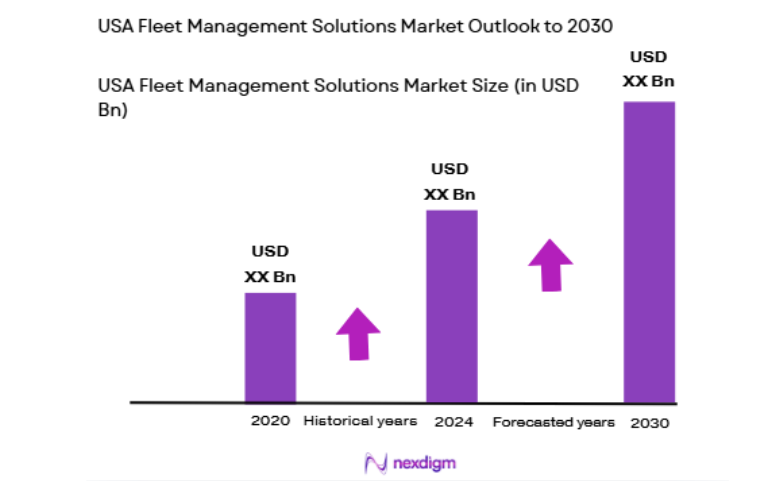
The USA Fleet Management Solutions market is projected to experience significant growth, valued at approximately USD ~ billion. This expansion is driven by increasing demand for fleet optimization, advancements in telematics, and a growing need for cost reduction and operational efficiency across industries. Fleet management solutions provide businesses with valuable insights, helping them improve vehicle maintenance, fuel management, and driver behavior. The integration of Internet of Things (IoT) and Artificial Intelligence (AI) into fleet management platforms is enhancing real-time tracking, predictive maintenance, and operational automation.
Dominant cities within the USA include large metropolitan areas like New York, Los Angeles, and Chicago, where fleet-based operations such as logistics, transportation, and delivery services are on the rise. These regions offer a favorable business environment due to advanced infrastructure, high vehicle density, and technological adoption. Moreover, government incentives and regulations aimed at improving vehicle safety, fuel efficiency, and sustainability are encouraging businesses to invest in advanced fleet management systems. These cities represent a key growth hub for fleet management providers targeting both commercial and government fleets.
Market Segmentation
By Product Type
The USA Fleet Management Solutions market is segmented by product type into telematics solutions, fleet tracking solutions, driver behavior monitoring solutions, maintenance management solutions, and fuel management solutions. Recently, telematics solutions have dominated the market share due to their wide range of applications, from real-time fleet tracking to monitoring driver behavior and vehicle performance. Telematics systems allow fleet managers to collect, analyze, and act on data to reduce operational costs, enhance vehicle maintenance, and improve safety. As fleet operators increasingly realize the importance of data-driven decision-making, telematics has become essential in providing end-to-end fleet visibility, resulting in cost savings and operational efficiency.

By Platform Type
The USA Fleet Management Solutions market is also segmented by platform type into cloud-based platforms, on-premise platforms, hybrid platforms, mobile applications, and web-based platforms. Cloud-based platforms are currently dominating the market share due to their scalability, real-time data access, and reduced infrastructure costs. The demand for cloud-based solutions has surged as businesses move away from traditional on-premise systems, opting for cloud solutions that provide flexibility, remote access, and seamless integration with IoT devices. Cloud-based fleet management platforms allow companies to monitor their fleets 24/7, optimize routes, and enhance overall fleet productivity. The ease of cloud integration, along with the growth of connected devices, ensures that cloud-based platforms will continue to lead the market.

Competitive Landscape
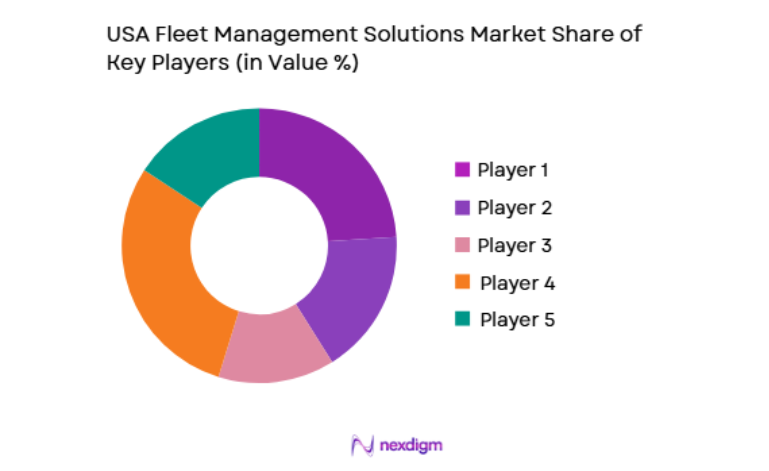
The competitive landscape of the USA Fleet Management Solutions market is marked by the presence of established players and new entrants focusing on integrating advanced technologies like AI, IoT, and predictive analytics into fleet management systems. The market has seen increased consolidation, with major players acquiring smaller tech firms to expand their service offerings and enhance their technological capabilities. Key players are focusing on providing comprehensive solutions to meet the needs of industries such as logistics, transportation, and government, which are increasingly relying on automation and data analytics to streamline fleet operations.
| Company Name | Establishment Year | Headquarters | Technology Focus | Market Reach | Key Products | Revenue | Market-Specific Parameter |
| Geotab | 2000 | Oakville, Canada | ~ | ~ | ~ | ~ | ~ |
| Samsara | 2011 | San Francisco, CA | ~ | ~ | ~ | ~ | ~ |
| Fleet Complete | 1998 | Toronto, Canada | ~ | ~ | ~ | ~ | ~ |
| Verizon Connect | 2008 | Dallas, TX | ~ | ~ | ~ | ~ | ~ |
| Trimble | 1978 | Sunnyvale, CA | ~ | ~ | ~ | ~ | ~ |
USA Fleet Management Solutions Market Analysis
Growth Drivers
Increase in Demand for Fleet Optimization
The growing demand for operational efficiency and cost reduction is a key driver in the fleet management solutions market. With businesses looking for ways to optimize routes, reduce fuel consumption, and streamline vehicle maintenance, fleet management solutions have become indispensable tools. Fleet operators can now track real-time data from their vehicles, which helps them optimize the performance and reduce operating costs. Additionally, the integration of AI-driven analytics allows for predictive maintenance, minimizing downtime and extending the lifespan of vehicles. As the logistics and transportation industries expand, particularly in urban areas, the need for fleet optimization technologies will continue to grow, further driving demand. The reduction in fuel costs, which makes up a large part of fleet operations, and improved driver performance are two key aspects that enhance fleet optimization. As a result, businesses that adopt these technologies experience improved bottom lines and productivity.
Technological Advancements in IoT and AI
The integration of IoT and AI into fleet management systems is driving market growth. These technologies enable fleet operators to make data-driven decisions by gathering and analyzing data from sensors and telematics devices in real time. The use of AI for route optimization, predictive maintenance, and driver behavior analysis has led to improvements in fleet performance, safety, and cost-efficiency. IoT-connected devices, such as GPS trackers and sensors, provide real-time information on vehicle locations, fuel usage, tire pressure, and maintenance needs. As AI and machine learning algorithms become more advanced, fleet operators are able to predict issues before they occur, minimizing unplanned maintenance and reducing downtime. The continuous development of AI technology is expected to further enhance fleet management capabilities, providing a competitive edge for businesses that adopt it early.
Market Challenges
High Initial Investment Costs
One of the primary challenges in the USA Fleet Management Solutions market is the high upfront cost associated with implementing fleet management technologies. Fleet management systems, particularly those that utilize advanced telematics, AI, and IoT, require significant investments in hardware, software, and infrastructure. Small and medium-sized fleet operators may find it difficult to justify these initial costs, despite the long-term cost savings offered by these technologies. Furthermore, integrating fleet management solutions with existing systems can incur additional costs, such as training and system upgrades, which may hinder adoption. This barrier to entry is particularly challenging for businesses with tight budgets or those that are not yet convinced of the ROI from adopting advanced fleet management solutions. Overcoming this challenge will require technology providers to offer more affordable and scalable solutions that are accessible to a wider range of businesses.
Data Privacy and Security Concerns
As fleet management systems become increasingly reliant on cloud-based solutions and IoT technologies, data privacy and security concerns are emerging as significant challenges. The collection, transmission, and storage of sensitive fleet data, such as vehicle location, driver behavior, and maintenance history, expose companies to potential cybersecurity risks. With the rise in cyberattacks targeting business-critical systems, fleet management providers must ensure their solutions comply with data protection regulations and implement robust security protocols. Fleet operators need assurance that their data is secure from unauthorized access or breaches, especially when dealing with confidential company information. Ensuring the safety and privacy of fleet data is critical to gaining trust and increasing adoption across the market.
Opportunities
Integration of Electric Vehicles (EVs) into Fleets
The growing shift towards electric vehicles (EVs) presents a major opportunity for fleet management providers. As more businesses adopt EVs as part of their fleets, fleet management solutions must evolve to accommodate the unique needs of electric vehicles, including charging infrastructure management, battery health monitoring, and energy consumption optimization. The integration of EVs into fleets will require new telematics solutions that provide real-time data on vehicle charging status, energy efficiency, and battery life. Fleet operators will need to adapt their fleet management strategies to include sustainable practices that optimize the use of EVs, which could significantly reduce operational costs related to fuel and maintenance. Fleet management companies that offer integrated solutions for EVs stand to gain a competitive edge as businesses move towards greener and more cost-efficient operations.
Adoption of Predictive Maintenance
Predictive maintenance represents a significant opportunity in the fleet management market. With the advancement of AI and machine learning, predictive maintenance solutions can help fleet operators anticipate vehicle breakdowns before they occur. This is achieved by continuously monitoring key vehicle components, analyzing data for signs of wear and tear, and providing actionable insights that can help prevent unplanned maintenance. By leveraging these technologies, fleet managers can reduce maintenance costs, improve vehicle uptime, and extend the lifespan of their assets. The ability to predict when maintenance is needed allows businesses to avoid costly repairs and avoid the disruptions that come with unplanned vehicle downtime. The demand for predictive maintenance solutions is expected to grow as businesses continue to seek ways to enhance fleet reliability and operational efficiency.
Future Outlook
The future of the USA Fleet Management Solutions market is promising, with growth driven by ongoing technological advancements and increased adoption of AI, IoT, and cloud-based solutions. Fleet operators are expected to continue embracing these technologies to optimize their operations, reduce costs, and improve sustainability. The shift toward electric vehicles and the growing demand for predictive maintenance will further fuel market expansion. Additionally, government regulations aimed at promoting greener and more efficient transportation will continue to drive investments in fleet management technologies. As the market matures, increased competition will lead to the development of more affordable and user-friendly solutions, expanding the customer base and accelerating market adoption.
Major Players
- Geotab
- Samsara
- Fleet Complete
- Verizon Connect
- Trimble
- Zonar Systems
- Omnitracs
- KeepTruckin
- Fleetcor
- Smartrak
- Fleetmatics
- Lytx
- Teletrac Navman
- GreenRoad Technologies
- Penske Corporation
Key Target Audience
- Investments and venture capitalist firms
- Government and regulatory bodies
- Logistics companies
- Fleet operators
- Technology providers for fleet management
- Vehicle manufacturers
- Transportation companies
- Retail and delivery businesses
Research Methodology
Step 1: Identification of Key Variables
Identify the critical drivers, challenges, and opportunities shaping the fleet management solutions market.
Step 2: Market Analysis and Construction
Collect quantitative and qualitative data from primary and secondary sources to build a comprehensive market model.
Step 3: Hypothesis Validation and Expert Consultation
Consult with industry experts to validate assumptions and refine market forecasts.
Step 4: Research Synthesis and Final Output
Consolidate findings to deliver actionable insights and recommendations for market stakeholders.

- Executive Summary
- Research Methodology (Definitions, Scope, Industry Assumptions, Market Sizing Approach, Primary & Secondary Research Framework, Data Collection & Verification Protocol, Analytic Models & Forecast Methodology, Limitations & Research Validity Checks)

- Market Definition and Scope
- Value Chain & Stakeholder Ecosystem
- Regulatory / Certification Landscape
- Sector Dynamics Affecting Demand

- Growth Drivers
Increased Adoption of Telematics Solutions
Rising Fuel Costs and Operational Efficiencies
Growth in E-commerce and Delivery Services - Market Challenges
High Initial Investment Costs
Complex Integration with Existing Systems
Data Privacy and Security Concerns - Market Opportunities
Growing Demand for Automated Fleet Management
Partnerships with Tech Startups for Innovation
Rising Demand for Electric Vehicle Fleet Solutions - Trends
Integration of AI in Fleet Management
Adoption of Predictive Maintenance Solutions
Growth in Real-time Fleet Tracking Technologies - Government regulations
- SWOT analysis
- Porters 5 forces

- By Market Value, 2019-2024
- By Installed Units, 2019-2024
- By Average System Price, 2019-2024
- By System Complexity Tier, 2019-2024

- By System Type (In Value%)
Telematics Solutions
Fleet Tracking Solutions
Driver Behavior Monitoring Solutions
Maintenance Management Solutions
Fuel Management Solutions - By Platform Type (In Value%)
Cloud-based Platforms
On-premise Platforms
Hybrid Platforms
Mobile Applications
Web-based Platforms - By Fitment Type (In Value%)
Telematics Device Fitment
Software Fitment
Sensor Fitment
Tracking Device Fitment
Integrated Fitment - By EndUser Segment (In Value%)
Logistics and Transportation
Construction and Heavy Equipment
Government and Public Services
Retail and Consumer Goods
Energy and Utilities - By Procurement Channel (In Value%)
Direct Sales
Third-Party Distributors
Online Channels

- Market Share Analysis
- Cross Comparison Parameters (System Type, Platform Type, Procurement Channel, EndUser Segment, Fitment Type, Market Reach, Customer Satisfaction, Technological Innovation, Pricing Strategy, Regulatory Compliance)
- SWOT Analysis of Key Competitors
- Pricing & Procurement Analysis
- Key Players
Geotab
Samsara
Fleet Complete
Verizon Connect
Trimble
Zonar Systems
Omnitracs
KeepTruckin
Fleetcor
Smartrak
Fleetmatics
Lytx
Teletrac Navman
GreenRoad Technologies
Penske Corporation

- Demand for Optimized Fleet Routes in Logistics
- Adoption of Real-time Monitoring by Construction Firms
- Government’s Increased Adoption of Fleet Management Solutions
- Retailers’ Focus on Last-Mile Delivery Optimization

- Forecast Market Value, 2025-2030
- Forecast Installed Units, 2025-2030
- Price Forecast by System Tier, 2025-2030
- Future Demand by Platform, 2025-2030


 Request a Sample
 Ask for Customization
 Get a Quote
 Enquire Now