

 Download PDF
 Download PDF
Market Overview
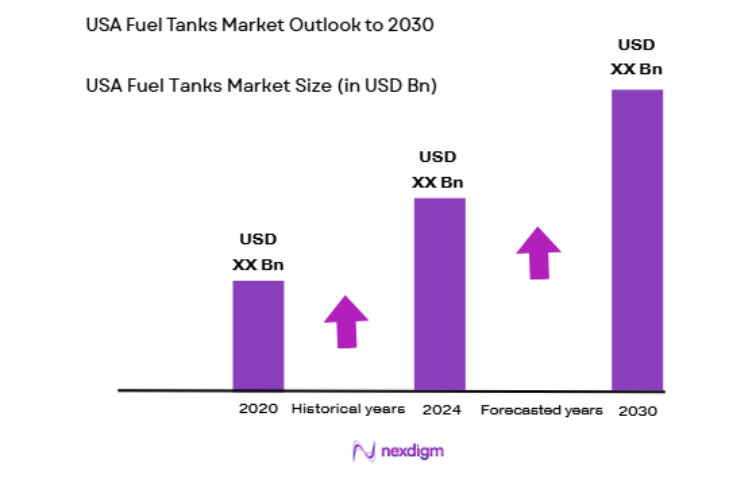
The USA Fuel Tanks market, valued at ~ billion, is driven by increasing demand for fuel storage systems due to expanding fuel distribution networks, rising automotive sales, and the need for sustainable fuel storage solutions. With regulatory pressure on fuel safety and environmental impact, fuel tank manufacturers are investing in innovative materials and technologies to meet growing market needs. The market is also influenced by the rising preference for renewable fuels and infrastructure investments in various sectors, including automotive, aviation, and industrial use.
Dominant regions include California, Texas, and Florida, where fuel consumption is highest, and regulatory frameworks support the continued adoption of safer and more efficient fuel storage solutions. These states also benefit from robust infrastructure and strong manufacturing capabilities, making them key players in the market. Furthermore, government incentives and regional policies are helping these areas maintain dominance, driving demand for both residential and industrial fuel tank installations.
Market Segmentation
By Product Type
USA Fuel Tanks market is segmented by product type into fuel storage tanks, fuel transport tanks, underground storage tanks (UST), above ground storage tanks (AST), and mobile fuel tanks. The fuel storage tanks segment has consistently held the dominant market share, driven by growing demand for stationary storage solutions in various industries. The increasing need for fuel security, environmental regulations on fuel storage safety, and technological advancements in tank design all contribute to the growth of this sub-segment. Additionally, the strong demand for large-scale fuel storage across sectors like automotive, aviation, and industrial fuels supports the dominance of this sub-segment.

By Platform Type
USA Fuel Tanks market is segmented by platform type into commercial platforms, residential platforms, industrial platforms, military platforms, and transportation platforms. The commercial platforms sub-segment holds the largest market share, primarily due to the substantial demand from businesses in fuel-intensive industries such as transportation, aviation, and manufacturing. As these industries require large-scale, reliable fuel storage solutions, commercial platforms remain the most prominent choice. Additionally, the increasing adoption of fuel-efficient and eco-friendly systems in commercial settings has boosted the market for high-capacity fuel tanks designed for industrial use.

Competitive Landscape
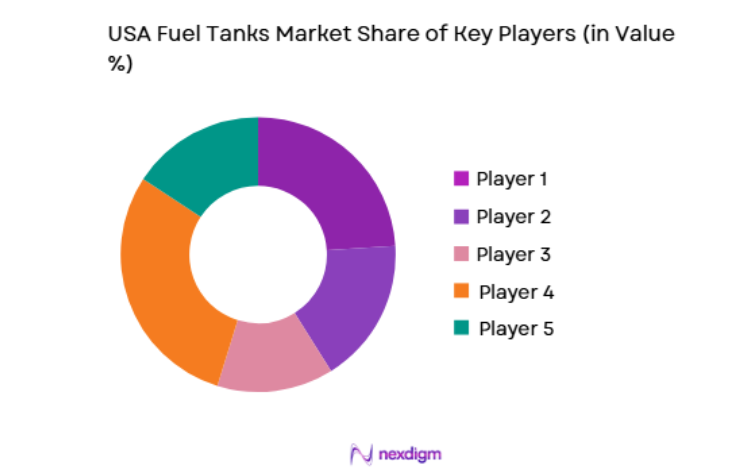
The USA Fuel Tanks market is characterized by intense competition among key players who focus on product innovation, regulatory compliance, and cost-efficiency. Major players are actively investing in research and development to improve the safety, capacity, and sustainability of their fuel tanks. The industry is witnessing consolidation, with large players acquiring smaller manufacturers to expand their product portfolios and reach. Strategic partnerships with fuel distribution networks and the integration of advanced technologies such as smart monitoring systems are also becoming prevalent.
| Company Name | Establishment Year | Headquarters | Technology Focus | Market Reach | Key Products | Revenue | Additional Parameter |
| Emerson Electric Co. | 1890 | St. Louis, MO | ~ | ~ | ~ | ~ | ~ |
| ZCL Composites | 1987 | Edmonton, Canada | ~ | ~ | ~ | ~ | ~ |
| Veeder-Root | 1906 | Simsbury, CT | ~ | ~ | ~ | ~ | ~ |
| OPW Fueling Components | 1892 | Hamilton, OH | ~ | ~ | ~ | ~ | ~ |
| Honeywell International | 1906 | Charlotte, NC | ~ | ~ | ~ | ~ | ~ |
USA Fuel Tanks Market Analysis
Growth Drivers
Increasing Demand for Fuel Storage Solutions
The demand for fuel storage solutions has seen significant growth due to expanding fuel distribution networks and the increasing fuel consumption across industries. As transportation and manufacturing industries continue to expand, the need for efficient and safe fuel storage systems becomes more crucial. Fuel storage tanks offer a reliable way to secure fuel for use in vehicles, machinery, and industrial applications. Additionally, stricter environmental regulations that ensure the safe storage of fuel have forced industries to invest in better technologies, driving demand for fuel tanks. The constant innovation in tank designs, such as corrosion-resistant materials and the integration of monitoring systems, has further stimulated growth in the market. Furthermore, the rising trend of energy efficiency and sustainability in industrial and residential settings continues to drive the adoption of advanced fuel storage solutions. With governments around the world supporting the development of infrastructure and incentivizing the use of eco-friendly storage systems, the market is expected to grow steadily, providing ample opportunities for businesses to capitalize on this trend.
Technological Advancements in Fuel Tank Design
The ongoing advancements in fuel tank design, including the use of new materials and the integration of IoT for monitoring and control, are significant growth drivers for the USA Fuel Tanks market. These innovations enhance the safety, efficiency, and environmental performance of fuel tanks, making them more appealing to industries that rely on fuel storage. For example, advanced materials such as high-strength composites are now used to manufacture lightweight yet durable tanks, offering improved resistance to corrosion and environmental factors. Additionally, the incorporation of smart sensors and remote monitoring technologies allows for real-time tracking of fuel levels, temperature, and potential leaks, reducing the risk of accidents and ensuring better regulatory compliance. As technological solutions continue to evolve, the market for smart fuel tanks is expanding, providing increased operational efficiency and cost savings for businesses across various sectors, including automotive, aerospace, and energy.
Market Challenges
High Costs of Fuel Tank Maintenance and Replacement
One of the key challenges in the USA Fuel Tanks market is the high cost of fuel tank maintenance and replacement. Regular maintenance is required to ensure tanks remain in compliance with safety and environmental standards, but this comes with significant costs for businesses. Fuel tanks, particularly those in industrial and commercial settings, are exposed to various environmental factors such as extreme temperatures, corrosion, and wear and tear. These conditions can lead to costly repairs and replacements. The need for constant inspection, cleaning, and monitoring to prevent fuel leakage and contamination further adds to operational costs. Small businesses and industries with limited budgets may struggle with the high upfront and ongoing costs associated with maintaining and replacing fuel tanks. Moreover, the long lifespan of fuel tanks means that businesses must plan and allocate resources for maintenance over extended periods, which can be a financial burden.
Complex Regulatory Compliance
Another significant challenge faced by companies in the USA Fuel Tanks market is the complexity of regulatory compliance. The fuel storage industry is highly regulated, with strict requirements set by federal, state, and local governments regarding safety, environmental impact, and tank construction standards. Complying with these regulations can be challenging, as regulations are constantly evolving, and businesses must ensure their fuel tanks meet the latest standards. Failure to comply with these regulations can result in hefty fines, legal liabilities, and damage to a company’s reputation. The need for businesses to stay updated with changing environmental laws, safety standards, and fuel storage protocols requires continuous investment in legal advice and compliance systems. Furthermore, the lack of standardization across regions complicates the compliance process, making it even more challenging for businesses to operate on a national scale.
Opportunities
Expansion in Renewable Fuel Storage Solutions
One of the key opportunities in the USA Fuel Tanks market lies in the expansion of renewable fuel storage solutions. As the demand for renewable energy sources such as biofuels, ethanol, and hydrogen grows, there is an increasing need for specialized storage solutions to handle these fuels. Renewable fuels require tanks that are compatible with their chemical properties, which differ from those of traditional fossil fuels. The market for renewable fuel storage solutions is expected to grow significantly as industries strive to meet sustainability goals and reduce carbon footprints. Fuel tank manufacturers have the opportunity to innovate and develop storage solutions that cater to the unique needs of renewable fuels, capitalizing on this trend. Additionally, government incentives and policies aimed at supporting renewable energy initiatives further encourage businesses to invest in renewable fuel storage infrastructure, creating opportunities for growth in this segment.
Adoption of Eco-friendly Fuel Tank Materials
The increasing demand for environmentally friendly solutions presents a significant opportunity for growth in the USA Fuel Tanks market. As environmental concerns grow, industries are seeking sustainable alternatives to traditional fuel tank materials, such as steel and aluminum, which are more resource-intensive and environmentally damaging to produce. The adoption of eco-friendly materials, such as recycled composites and bioplastics, is gaining traction in the market. These materials offer reduced environmental impact, lower production costs, and improved performance. Additionally, the use of recyclable and biodegradable materials in fuel tanks aligns with the growing trend of circular economy practices and sustainability initiatives. Manufacturers that can develop fuel tanks using eco-friendly materials will have a competitive edge in the market, attracting customers who prioritize sustainability in their operations.
Future Outlook
The USA Fuel Tanks market is poised for significant growth in the coming years, driven by increasing demand for safe, efficient, and sustainable fuel storage solutions. Technological advancements in fuel tank design and materials, coupled with growing regulatory support for environmental sustainability, will contribute to market expansion. The shift towards renewable energy sources and the rise in demand for eco-friendly storage solutions are expected to further fuel market growth. As fuel consumption across industries continues to rise, the need for reliable and advanced fuel storage infrastructure will drive innovation, offering ample opportunities for businesses to enhance their product offerings and improve operational efficiency.
Major Players
- Emerson Electric Co.
- ZCL Composites
- Veeder-Root
- OPW Fueling Components
- Honeywell International
- Franklin Fueling Systems
- Greif
- Eaton Corporation
- FMC Technologies
- Total Safety
- A. R. Wilfley & Sons
- Manganese Bronze
- Macsteel International
- Ametek Inc.
- Haldex
Key Target Audience
- Investments and venture capitalist firms
- Government and regulatory bodies
- Fuel tank manufacturers
- Oil and gas distribution companies
- Automotive manufacturers
- Renewable energy companies
- Construction and infrastructure firms
- Industrial fuel users
Research Methodology
Step 1: Identification of Key Variables
The initial step involved identifying key variables such as fuel consumption trends, regulatory requirements, and technological developments in fuel tank design through a combination of market reports, government publications, and industry data.
Step 2: Market Analysis and Construction
Market analysis was conducted by reviewing historical data, analyzing current market trends, and constructing a forecast model based on identified key variables. Both primary and secondary research methods were used to gather insights.
Step 3: Hypothesis Validation and Expert Consultation
Hypotheses regarding market drivers, challenges, and opportunities were validated through expert consultations with industry professionals, including manufacturers, regulatory bodies, and analysts.
Step 4: Research Synthesis and Final Output
The final output was synthesized by combining all gathered data, validating results through further analysis, and generating a comprehensive report that includes actionable insights for stakeholders in the USA Fuel Tanks market.

- Executive Summary
- Research Methodology (Definitions, Scope, Industry Assumptions, Market Sizing Approach, Primary & Secondary Research Framework, Data Collection & Verification Protocol, Analytic Models & Forecast Methodology, Limitations & Research Validity Checks)

- Market Definition and Scope
- Value Chain & Stakeholder Ecosystem
- Regulatory / Certification Landscape
- Sector Dynamics Affecting Demand

- Growth Drivers
Rising Demand for Fuel Storage Solutions
Technological Advancements in Tank Design
Increasing Fuel Storage and Distribution Needs - Market Challenges
High Costs of Fuel Tank Maintenance
Regulatory Compliance Issues
Environmental and Safety Concerns - Market Opportunities
Adoption of Eco-friendly Materials
Expansion in Renewable Fuel Storage Solutions
Technological Innovations in Fuel Tank Monitoring Systems - Trends
Shift Towards Sustainable Fuel Solutions
Increased Automation in Fuel Tank Management
Growing Focus on Remote Monitoring and Control - Government regulations
- SWOT analysis
- Porters 5 forces

- By Market Value, 2019-2024
- By Installed Units, 2019-2024
- By Average System Price, 2019-2024
- By System Complexity Tier, 2019-2024

- By System Type (In Value%)
Fuel Storage Tanks
Fuel Transport Tanks
Underground Storage Tanks (UST)
Above Ground Storage Tanks (AST)
Mobile Fuel Tanks - By Platform Type (In Value%)
Commercial Platforms
Residential Platforms
Industrial Platforms
Military Platforms
Transportation Platforms - By Fitment Type (In Value%)
Fixed Systems
Modular Systems
Portable Systems
Custom Systems
Integrated Systems - By End User Segment (In Value%)
Automotive Industry
Aviation Industry
Marine Industry
Agricultural Sector

- Market Share Analysis
- Cross Comparison Parameters (System Type, Platform Type, Procurement Channel, EndUser Segment, Fitment Type, Regulatory Compliance, Fuel Type Compatibility, Environmental Impact, Safety Standards, Technological Innovation)
- SWOT Analysis of Key Competitors
- Pricing & Procurement Analysis
- Key Players
Caterpillar
Cummins
ZCL Composites
AeroTek
GreenTech Energy Solutions
Emerson Electric Co.
Gibson Engineering
Marmon Industrial
Waste Management, Inc.
OPW Fueling Components
Honeywell International Inc.
Mann+Hummel
Veeder-Root
Dover Fueling Solutions
Ingersoll Rand

- Automotive Industry Driving Tank Adoption
- Aviation Sector’s Dependence on Reliable Fuel Tanks
- Marine Industry Demanding Robust Fuel Storage Solutions
- Residential and Commercial Consumers Seeking Efficient Fuel Systems

- Forecast Market Value, 2025-2030
- Forecast Installed Units, 2025-2030
- Price Forecast by System Tier, 2025-2030
- Future Demand by Platform, 2025-2030


 Request a Sample
 Ask for Customization
 Get a Quote
 Enquire Now