
 Download PDF
 Download PDF
Market Overview
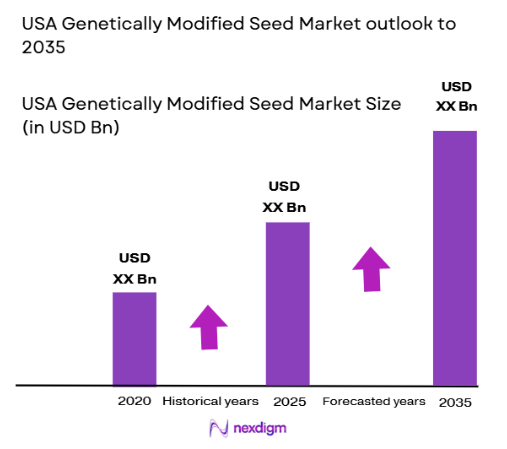
The USA genetically modified seed market has reached a significant value in recent years, driven by advancements in biotechnology and increasing demand for crops with improved yields, resistance to pests, and better nutritional profiles. The market is valued at USD ~ billion, reflecting the large-scale adoption of genetically modified seeds by agricultural producers and the continuous investments by key players in research and development. The growth is propelled by the increasing need to enhance food production due to growing population pressures and climate challenges.
The USA dominates the genetically modified seed market due to its advanced agricultural infrastructure, significant investments in biotechnology, and favorable regulatory environment. The country is home to the largest number of commercial farms, particularly in regions like the Midwest, where genetically modified crops such as corn and soybeans are widely cultivated. The concentration of research institutions, strong intellectual property protection, and collaboration between agricultural corporations and universities also contribute to the USA’s leading role in the global market.
Market Segmentation
By Product Type
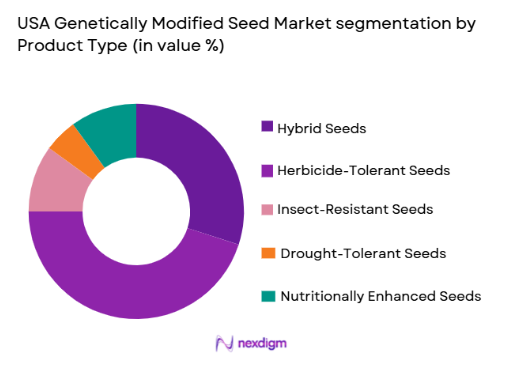
USA Genetically Modified Seed market is segmented by product type into various sub-segments such as hybrid seeds, herbicide-tolerant seeds, insect-resistant seeds, drought-tolerant seeds, and nutritionally enhanced seeds. Recently, herbicide-tolerant seeds have a dominant market share due to their growing demand for crop protection and ease of use in large-scale farming. This dominance is driven by the widespread adoption of herbicide-resistant crops, as they allow for more efficient weed control and better overall crop yields. These seeds cater to the increasing need for sustainable farming practices, providing farmers with a tool to maintain crop health while minimizing pesticide use, aligning with both environmental goals and economic efficiency.
By Platform Type
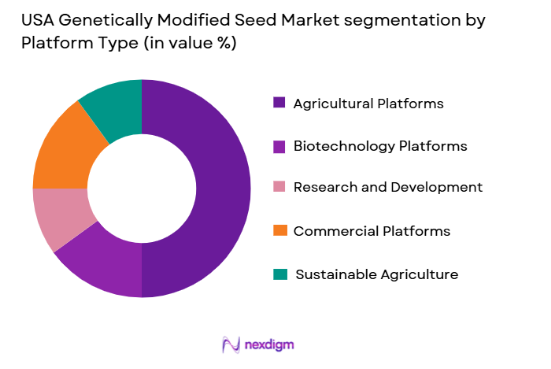
USA Genetically Modified Seed market is segmented by platform type into agricultural platforms, biotechnology platforms, research and development platforms, commercial platforms, and sustainable agriculture platforms. Agricultural platforms dominate the market due to their extensive use in seed production, distribution, and commercial farming. These platforms support large-scale farming, providing farmers with the tools and resources necessary for optimizing crop yields using genetically modified seeds. Their dominance is driven by the integration of cutting-edge technology, biotechnology, and logistics, which help ensure the timely delivery of quality seeds for mass production. With strong backing from both private and public sectors, agricultural platforms are continuously evolving to meet the growing demands of the farming industry.
Competitive Landscape
The competitive landscape of the USA genetically modified seed market is characterized by the presence of several major players, which have led to significant consolidation within the industry. These players influence market trends through aggressive research and development efforts, strategic partnerships, and strong brand recognition. The market is driven by innovations in seed technology, which allow for improved crop yields, pest resistance, and better environmental sustainability. The intense competition among these leading companies is evident in their extensive patent portfolios, substantial investments in biotechnology, and their ongoing efforts to penetrate emerging markets.
| Company Name | Establishment Year | Headquarters | Technology Focus | Market Reach | Key Products | Revenue (USD) | Research Investment |
| Monsanto | 1901 | St. Louis, USA | ~ | ~ | ~ | ~ | ~ |
| Bayer | 1863 | Leverkusen, Germany | ~ | ~ | ~ | ~ | ~ |
| Syngenta | 2000 | Basel, Switzerland | ~ | ~ | ~ | ~ | ~ |
| Corteva Agriscience | 2019 | Wilmington, USA | ~ | ~ | ~ | ~ | ~ |
| Dow AgroSciences | 1897 | Midland, USA | ~ | ~ | ~ | ~ | ~ |
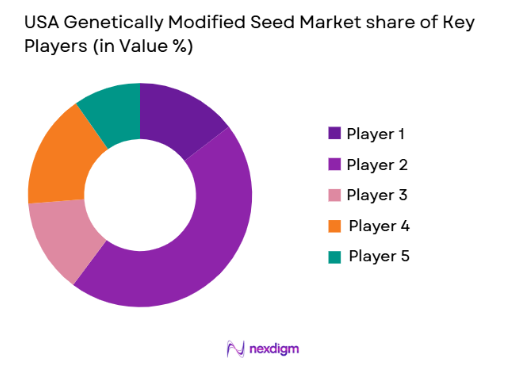
USA Genetically Modified Seed Market Analysis
Growth Drivers
Demand for Increased Crop Yields:
The growing global population and increasing food demand drive the need for genetically modified seeds that can enhance crop yields. As the agricultural sector seeks to meet this demand, genetically modified seeds offer higher productivity and resilience, particularly in regions with challenging growing conditions. Farmers are increasingly adopting genetically modified seeds as they help increase efficiency and maximize output per acre. This is particularly true for staple crops such as corn and soybeans, where high yields are crucial for both domestic and international markets. The rise in global food insecurity and the need to reduce post-harvest losses further fuel the demand for crops that can survive harsh conditions, enhancing the prospects for genetically modified seeds in the agricultural sector. These factors are expected to continue driving the growth of the market over the next few years.
Technological Advancements in Seed Development:
Ongoing advancements in biotechnology and genomics are another key driver of the USA genetically modified seed market. With improved techniques such as CRISPR and gene editing, agricultural biotechnology has made significant strides in developing seeds that offer enhanced resistance to pests, diseases, and environmental stress. As these technological innovations continue to evolve, genetically modified seeds are becoming more efficient and accessible to farmers. Companies are investing heavily in R&D to create next-generation seeds that address both crop productivity and environmental sustainability. This technological progress allows for more tailored solutions that can be adapted to different geographic regions and climate conditions, ensuring a stable and resilient food supply. These advancements are expected to foster continued growth in the genetically modified seed market.
Market Challenges
Regulatory Hurdles and Certification Delays:
Regulatory challenges and certification delays pose significant barriers to the growth of the USA genetically modified seed market. As genetically modified organisms (GMOs) face strict regulatory scrutiny, the approval process for new seed varieties can be lengthy and costly. While the USA has relatively favorable regulations compared to other countries, there are still challenges in meeting the requirements of environmental safety, labeling laws, and consumer acceptance. Additionally, international regulatory bodies, such as the European Union, often have stricter guidelines, which can limit export opportunities for genetically modified seeds. As a result, delays in regulatory approvals may slow down the introduction of new seed varieties and hinder market growth.
Public Perception and Consumer Acceptance:
Another challenge that the genetically modified seed market faces is public perception and consumer acceptance of genetically modified crops. Despite scientific consensus on the safety and efficacy of GMOs, there is still significant public skepticism regarding their potential health and environmental impacts. This concern is often driven by misinformation, fear of unintended consequences, and opposition from environmental groups. Consumer resistance to genetically modified foods in certain regions can affect the demand for genetically modified seeds, as farmers may hesitate to adopt them if there is backlash from consumers or retailers. The ability to address these concerns and educate the public about the benefits of GMOs will play a crucial role in overcoming this challenge.
Opportunities
Expansion in Sustainable Agricultural Practices:
The growing demand for sustainable agriculture presents a significant opportunity for the genetically modified seed market. As concerns over climate change and environmental degradation rise, farmers are increasingly seeking solutions that can help them reduce environmental impact while maintaining productivity. Genetically modified seeds, such as drought-resistant and pest-resistant varieties, provide an effective way to address these sustainability goals. By enabling more efficient use of water, fertilizers, and pesticides, genetically modified crops can help reduce the environmental footprint of agriculture. The shift towards more sustainable farming practices, supported by government policies and consumer demand for eco-friendly products, creates a significant growth opportunity for the market.
Emerging Demand for Climate-Resilient Crops:
Climate change is altering growing conditions around the world, creating a need for crops that can withstand extreme weather events, such as droughts, floods, and temperature fluctuations. Genetically modified seeds that are designed to be more resilient to these conditions offer a solution to this growing challenge. As extreme weather events become more frequent, the demand for climate-resilient crops is expected to rise. This creates an opportunity for companies to develop new seed varieties that can thrive in changing climatic conditions, ensuring food security and stability for farmers and consumers alike. The development of these crops will be a key driver of market growth in the coming years.
Future Outlook
Over the next five years, the USA genetically modified seed market is expected to experience steady growth driven by technological advancements, increased adoption of sustainable farming practices, and the ongoing demand for high-yield crops. Regulatory frameworks are expected to evolve, offering more streamlined approval processes for genetically modified crops. As farmers face greater pressures due to climate change, the demand for climate-resilient and pest-resistant seeds will increase. At the same time, consumer acceptance of genetically modified products may improve with greater transparency and education efforts, supporting continued market growth.
Major Players
- Monsanto
- Bayer
- Syngenta
- Corteva Agriscience
- Dow AgroSciences
- BASF
- Limagrain
- KWS SAAT SE
- Evogene
- Sygenta Seeds
- Land O’Lakes
- AgReliant Genetics
- Vilmorin & Cie
- Seminis
- Dupont Pioneer
Key Target Audience
- Investments and venture capitalist firms
- Government and regulatory bodies
- Agriculture companies and cooperatives
- Seed distribution companies
- Biotechnology and genomic firms
- Crop protection companies
- Food and beverage manufacturers
- Agronomy research institutions
Research Methodology
Step 1: Identification of Key Variables
The initial step involves identifying the key variables that influence the genetically modified seed market, including technological trends, regulatory frameworks, and consumer behaviors.
Step 2: Market Analysis and Construction
In this phase, comprehensive market analysis is conducted, incorporating both primary and secondary research, to construct a detailed view of market dynamics.
Step 3: Hypothesis Validation and Expert Consultation
Experts in biotechnology, agriculture, and market trends are consulted to validate hypotheses and refine assumptions based on real-world data.
Step 4: Research Synthesis and Final Output
The final stage involves synthesizing all the research findings into a comprehensive market report that provides actionable insights and strategic recommendations.

- Executive Summary
- Research Methodology (Definitions, Scope, Industry Assumptions, Market Sizing Approach, Primary & Secondary Research Framework, Data Collection & Verification Protocol, Analytic Models & Forecast Methodology, Limitations & Research Validity Checks)

- Market Definition and Scope
- Value Chain & Stakeholder Ecosystem
- Regulatory / Certification Landscape
- Sector Dynamics Affecting Demand
- Strategic Initiatives & Infrastructure Growth

- Growth Drivers
Increasing Demand for Crop Yield Enhancement
Technological Advancements in Seed Development
Government Support for Agricultural Biotechnology
Rising Global Population and Food Demand
Adoption of Sustainable Agricultural Practices - Market Challenges
Regulatory Hurdles and Certification Delays
Public Perception and Consumer Acceptance Issues
High Costs of Research and Development
Environmental Concerns and Ethical Debates
Market Penetration Barriers in Emerging Economies - Market Opportunities
Growing Demand for Drought-Tolerant Crops
Expanding Biotechnology Applications in Agriculture
Partnerships Between Public and Private Sector for Seed Innovation - Trends
Rise in Biotechnology-Focused Agricultural Startups
Increase in Organic and Sustainable Agriculture Practices
Advancements in Seed Quality and Efficiency
Growing Investment in Agricultural Biotech R&D
Development of Climate-Resilient Crop Varieties - Government Regulations & Defense Policy
Environmental Protection Regulations
International Trade Regulations on Genetically Modified Seeds
Supportive Government Policies for Agricultural Innovation - SWOT Analysis
- Stakeholder and Ecosystem Analysis
- Porter’s Five Forces Analysis
- Competition Intensity and Ecosystem Mapping

- By Market Value, 2020-2025
- By Installed Units, 2020-2025
- By Average System Price, 2020-2025
- By System Complexity Tier, 2020-2025

- By System Type (In Value%)
Hybrid Seeds
Herbicide-Tolerant Seeds
Insect-Resistant Seeds
Drought-Tolerant Seeds
Nutritionally Enhanced Seeds - By Platform Type (In Value%)
Agricultural Platforms
Biotechnology Platforms
Research & Development Platforms
Commercial Platforms
Sustainable Agriculture Platforms - By Fitment Type (In Value%)
Field-Based Solutions
Greenhouse Solutions
Indoor Vertical Farming Solutions
Organic Farming Solutions
Precision Agriculture Solutions - By EndUser Segment (In Value%)
Commercial Farmers
Agricultural Corporations
Research Institutions
Government Agricultural Departments
Agriculture Supply Chain Providers - By Procurement Channel (In Value%)
Direct Procurement
Online Platforms
Government Tenders
Agricultural Cooperatives
Third-Party Distributors - By Material / Technology (In Value%)
Gene Editing Technologies
CRISPR-Cas9 Technology
Transgenic Seed Technology
Plant Breeding Technology
Biotechnology Tools

- Market structure and competitive positioning
- Market share snapshot of major players
- CrossComparison Parameters (Product Type, Technology, Price, Distribution Channels, Market Reach, Innovation, R&D Focus, Regulatory Compliance, Sustainability Initiatives, Competitive Strategy)
- SWOT Analysis of Key Players
- Pricing & Procurement Analysis
- Key Players
Monsanto
Bayer
Syngenta
DuPont Pioneer
Dow AgroSciences
BASF
Corteva Agriscience
Limagrain
KWS SAAT SE
Evogene
Sygenta Seeds
Land O’Lakes
AgReliant Genetics
Vilmorin & Cie
Seminis

- Commercial Farmers’ Adoption of GM Seeds
- Government’s Role in Supporting Agricultural Biotech
- Agricultural Corporations’ Investment in Biotech
- Research Institutions’ Focus on Crop Improvement

- Forecast Market Value, 2026-2035
- Forecast Installed Units, 2026-2035
- Price Forecast by System Tier, 2026-2035
- Future Demand by Platform, 2026-2035


 Request a Sample
 Ask for Customization
 Get a Quote
 Enquire Now