

 Download PDF
Market Overview
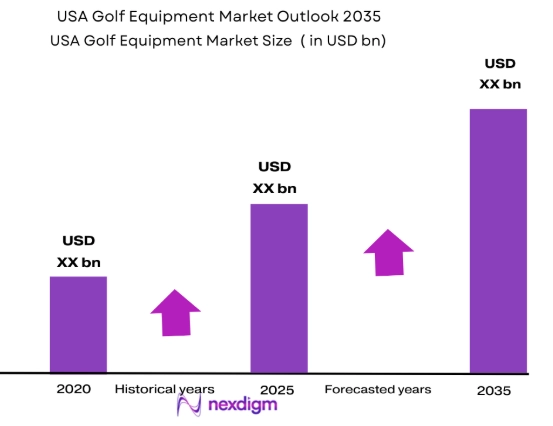
Based on a recent historical assessment, the USA Golf Equipment market is expected to reach a valuation of approximately USD ~ billion in the near future. This growth is primarily driven by the rising popularity of golf among younger demographics, particularly millennials and Gen Z, as well as advancements in golf technology. The market is experiencing an influx of new products and technological innovations, such as smart golf clubs, GPS-enabled devices, and customizable golf accessories, which contribute to a shift in consumer preferences. Additionally, the expansion of golf courses and resorts across the United States has been a key driver of demand for golf equipment. This is further supported by higher disposable incomes and an increasing willingness to invest in premium golfing products.
Dominant cities such as Los Angeles, New York, and Chicago play a significant role in driving the demand for golf equipment due to the concentration of golf courses, clubs, and major golfing events in these regions. Additionally, states like Florida and California, with their year-round favorable weather for outdoor activities, continue to see growth in the golf market. These areas are not only home to professional players but also foster large recreational golfing communities. Golf tourism is another key factor driving market dominance, with these regions becoming destinations for both local and international golfers looking to purchase high-end equipment and experience world-class golfing facilities.
Market Segmentation
By Product Type
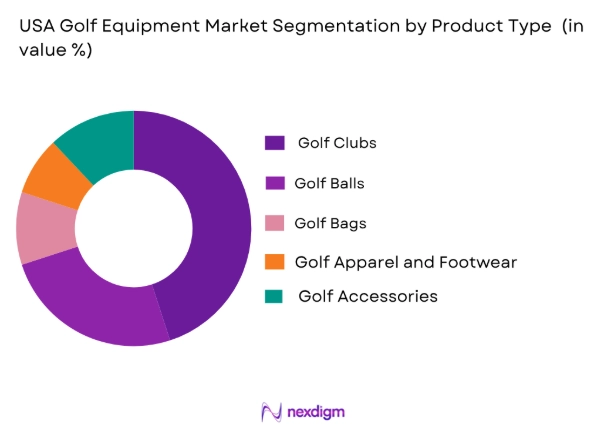
The USA Golf Equipment market is segmented by product type into categories like golf clubs, golf balls, golf bags, golf apparel, footwear, and golf accessories. Recently, the golf club sub-segment has captured the largest market share. The demand for high-performance golf clubs is fueled by advancements in materials such as titanium and graphite, which improve accuracy, distance, and durability. Custom-fit clubs are particularly in demand as consumers increasingly seek personalized golfing experiences. Leading brands also focus on technological innovations in club design, such as adjustable drivers and sensor-equipped clubs. This push towards innovation in clubs is further enhanced by the increasing participation of younger golfers who are more inclined to adopt cutting-edge technology in their equipment.
By End User
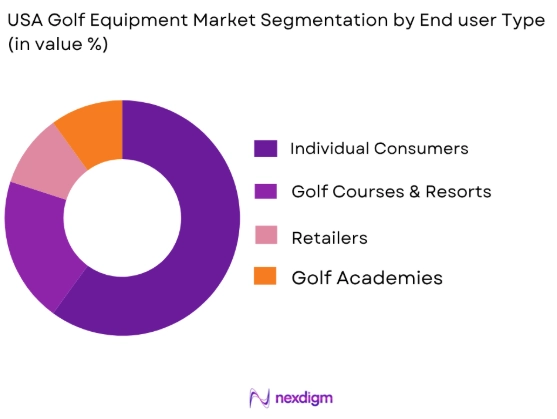
The USA Golf Equipment market is also segmented by end user into individual consumers, golf courses and resorts, retailers, and golf academies. The individual consumer segment dominates the market due to the growing popularity of golf as a recreational activity. More people are investing in golf equipment for personal use, either for casual rounds of golf or more serious competition. This trend is particularly noticeable in suburban and metropolitan areas where golfing is viewed as both a leisure activity and a lifestyle choice. Furthermore, the increase in disposable incomes and the expanding number of recreational golfers is fueling the demand for both entry-level and premium equipment. As a result, individual consumers account for the largest portion of the market share.
Competitive Landscape
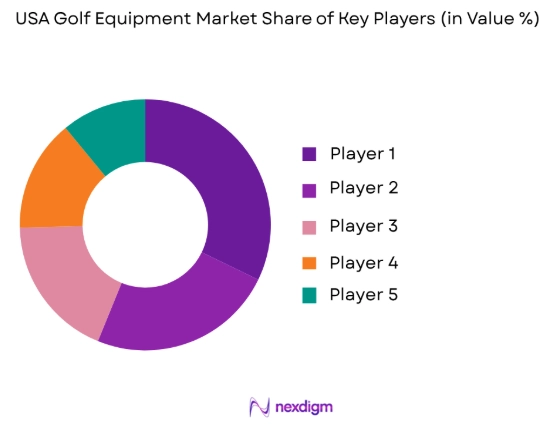
The competitive landscape in the USA Golf Equipment market is characterized by a high level of consolidation, with a few key players dominating the market. These major players continue to innovate and expand their product lines, focusing on advancements in materials, customization, and digital integration to cater to the evolving needs of consumers. While new entrants continue to emerge, established companies have significant brand recognition and loyal customer bases, further consolidating their market positions. The growth of digital sales channels and the increasing availability of premium, high-tech golf equipment have also contributed to increased competition. Overall, the market remains highly competitive, with ongoing technological advancements and evolving consumer preferences playing a central role in shaping the competitive dynamics.
| Company Name | Establishment Year | Headquarters | Technology Focus | Market Reach | Key Products | Revenue (USD) | Additional Parameter |
| Callaway Golf Company | 1982 | Carlsbad, California | ~ | ~ | ~ | ~ | ~ |
| TaylorMade Golf | 1979 | Carlsbad, California | ~ | ~ | ~ | ~ | ~ |
| Titleist (Acushnet) | 1932 | Fairhaven, Massachusetts | ~ | ~ | ~ | ~ | ~ |
| PING | 1959 | Phoenix, Arizona | ~ | ~ | ~ | ~ | ~ |
| Mizuno | 1906 | Osaka, Japan | ~ | ~ | ~ | ~ | ~ |
USA Golf Equipment Market Analysis
Growth Drivers
Increasing Popularity of Golf Among Younger Demographics
The increasing popularity of golf among younger demographics is driving significant growth in the USA Golf Equipment market. Younger generations, including millennials and Gen Z, are embracing golf not just as a sport but as a social activity. The sport’s accessibility and less formal nature have made it more appealing to these groups. Additionally, golf has seen a rise in media coverage, with popular influencers and digital platforms showcasing golf as trendy. This increased interest in golf is fueling demand for modern, high-tech equipment, such as customizable clubs and smart devices. As more young people enter the sport, the demand for golf equipment continues to rise, contributing to market growth.
Technological Advancements in Golf Equipment
Technological advancements are a key driver of growth in the USA Golf Equipment market. Innovations such as smart golf clubs, swing analyzers, and GPS-enabled devices have made golf more engaging and personalized for players. These technologies provide real-time performance feedback, which helps golfers optimize their game. Additionally, the use of advanced materials like titanium and graphite in golf clubs has enhanced durability and performance, attracting both professionals and recreational players. The increasing adoption of high-tech devices, from fitness trackers to launch monitors, demonstrates golfers’ desire for equipment that delivers precision and performance. As technology continues to evolve, consumer demand for sophisticated equipment is expected to rise, fueling further market growth.
Market Challenges
High Cost of Advanced Golf Equipment
The high cost of advanced golf equipment remains a significant challenge in the USA Golf Equipment market. Premium golf clubs, balls, and other high-tech gear often come with hefty price tags, making them inaccessible to many recreational golfers. Even with increasing disposable incomes, the expense of top-tier equipment can deter entry-level players from purchasing high-end products. As golf becomes more popular among younger demographics, many consumers seek more affordable alternatives, impacting the overall sales of high-cost brands. This price sensitivity presents a challenge for manufacturers who need to strike a balance between innovation and affordability to cater to a broader customer base without alienating price-conscious buyers.
Seasonal Nature of Golf
The seasonal nature of golf poses a challenge to consistent market growth. In regions with harsh winters, golf is typically a seasonal sport, leading to fluctuations in demand for equipment. During colder months, many golfers reduce their participation, which results in lower sales of golf equipment. In areas with milder climates, this issue is less pronounced, but the overall market can still experience a lull during the off-season. This seasonality impacts inventory management and marketing strategies for retailers, who must plan for fluctuations in sales volume. Manufacturers must navigate this seasonal variability by offering promotions or diversifying product offerings to ensure sustained demand throughout the year.
Opportunities
Expansion of Eco-Friendly Golf Equipment
The growing emphasis on sustainability presents a significant opportunity for the USA Golf Equipment market. Consumers are becoming more environmentally conscious, and as a result, demand for eco-friendly golf products is increasing. Manufacturers are responding by offering golf balls made from biodegradable materials, recyclable clubheads, and sustainable packaging. The shift toward eco-friendly equipment aligns with broader environmental trends, encouraging companies to innovate in sustainable practices. This demand for environmentally responsible products provides golf brands with the opportunity to differentiate themselves by catering to the growing segment of environmentally aware consumers, creating long-term potential for expansion in the market.
Growth in Indoor Golf Simulators and Virtual Reality Experiences
The expansion of indoor golf simulators and virtual reality (VR) experiences represents a key opportunity in the USA Golf Equipment market. These technologies allow golfers to practice and play year-round, irrespective of weather conditions, making them increasingly popular in colder regions. VR-based golf simulators provide a realistic and immersive experience, attracting both recreational and professional players. This trend is particularly appealing to younger, tech-savvy golfers who are looking for innovative ways to engage with the sport. As these technologies become more advanced and accessible, demand for related equipment, such as VR headsets and motion sensors, is expected to grow, offering new opportunities for companies to capture a growing segment of the market.
Future Outlook
The future outlook for the USA Golf Equipment market over the next five years shows promising growth, driven by technological advancements and shifting consumer preferences. Technological developments, such as the integration of data analytics and artificial intelligence in golf products, will continue to shape the future of the market. Additionally, the expansion of indoor golfing solutions and the growing focus on eco-friendly products will create new opportunities for manufacturers and retailers. Regulatory support for sustainability and health initiatives is expected to further drive demand. The combination of these factors suggests that the golf equipment market will continue its upward trajectory, supported by both demand-side and supply-side innovations.
Major Players
- Callaway Golf Company
- TaylorMade Golf
- Titleist (Acushnet)
- PING
- Mizuno
- Wilson Sporting Goods
- Bridgestone Golf
- Nike Golf
- Srixon Sports
- Cleveland Golf
- Odyssey Golf
- Under Armour (Golf Apparel)
- Adams Golf (Acushnet)
- PXG (Parsons Xtreme Golf)
- Bushnell Golf
Key Target Audience
- Investments and venture capitalist firms
- Government and regulatory bodies
- Golf course operators and managers
- Retailers and distributors
- Sports equipment manufacturers
- Golf academies and training centers
- Indoor golf facilities
- Technology developers for sports products
Research Methodology
Step 1: Identification of Key Variables
The research begins with identifying the most critical variables that impact the USA Golf Equipment market, such as consumer demographics, technological trends, and regulatory factors.
Step 2: Market Analysis and Construction
This step involves analyzing existing market data, identifying key trends, and constructing a market model based on historical and current data to forecast future market developments.
Step 3: Hypothesis Validation and Expert Consultation
Market hypotheses are validated through consultations with industry experts, including product manufacturers, retailers, and analysts, to ensure the accuracy of assumptions and predictions.
Step 4: Research Synthesis and Final Output
The final output synthesizes all gathered data, expert insights, and market trends into a comprehensive report that provides actionable insights and forecasts for stakeholders.

- Executive Summary
- Research Methodology (Market Definitions and Assumptions, Abbreviations, Market Sizing Approach, Consolidated Research Approach, Understanding Market Potential Through In-Depth Industry Interviews, Primary Research Approach, Limitations and Future Conclusions)

- Definition and Scope
- Market Dynamics Overview
- Market Genesis and Evolution
- Key Players and Market Timeline
- Business Cycle and Trends
- Supply Chain and Value Chain Analysis

- Growth Drivers
Increasing Popularity of Golf Among Younger Demographics
Technological Advancements in Golf Equipment
Growth of Golf Tourism and Destination Resorts
Rising Disposable Income and Consumer Spending on Sports Equipment
Innovations in Custom Golf Equipment and Personalization - Market Challenges
High Cost of Advanced Golf Equipment
Seasonal Nature of Golf
Environmental Impact and Sustainability Concerns
Intense Competition from Local and Global Brands
Regulatory Challenges and Standards Compliance - Opportunities
Expansion of Eco-Friendly Golf Equipment (Sustainable Materials, Biodegradable Balls)
Digitalization and Integration of Smart Golf Technology
Growth in Indoor Golf Simulators and Virtual Reality Experiences
Rise in Women’s and Youth Participation in Golf
Expansion of Subscription Models for Golf Equipment - Trends
Shift Toward Lightweight and Flexible Equipment
Custom-Fitting and Personalization
Emergence of Golf Fitness and Performance Apparel
Integration of Data Analytics and AI in Golf Technology
Increasing Popularity of Mobile Golf Apps and Digital Platforms - Government Regulations
Import and Export Regulations
Health and Safety Standards for Golf Equipment
Environmental Regulations (Sustainability and Recyclability)
Sports Equipment Standards and Certification
Taxation and Import Duties on Golf Products - SWOT Analysis
- Porter’s Five Forces

By Value, 2020-2025
By Volume, 2020-2025
By Average Price, 2020-2025

- By Product Type (In Value %)
Golf Clubs
Golf Balls
Golf Bags
Golf Apparel and Footwear
Golf Accessories
Golf Technology - By Material Type (In Value %)
Metal Clubs
Graphite Clubs
Composite Materials
Synthetic Materials - By Usage Type (In Value %)
Professional/Competitive Golf
Recreational Golf - By End User (In Value %)
Individual Consumers
Golf Courses and Resorts
Retailers
Golf Academies/Institutions - By Distribution Channel (In Value %)
Direct Sales (Brand Stores, Flagship Stores)
Distributors and Wholesalers
Online Channels (E-commerce Websites)
Retail Chains (Sporting Goods Stores) - By Price Tier (In Value %)
Economy / Entry-Level
Mid-Tier
Premium / High-End

- Market Share of Major Players by Value/Volume
- Market Share of Major Players by Product Type
- Market Share of Major Players by Material Type
- Cross Comparison Parameters (Company Overview, Business Strategies, Recent Developments, Strength, Weakness, Organizational Structure, Revenues, Revenues by Product Type, Distribution Channels, Dealer Networks, Production Capacity, Unique Value Offerings)
- SWOT Analysis of Major Players
- Pricing Analysis Based on Product Categories for Major Players
- Detailed Profiles of Major Companies
Callaway Golf Company
TaylorMade Golf Company
Titleist (Acushnet Company)
PING
Cobra Golf (Acushnet Company)
Mizuno Corporation
Wilson Sporting Goods
Bridgestone Golf
Nike Golf
Srixon Sports
Cleveland Golf
Odyssey Golf
Under Armour (Golf Apparel)
Adams Golf (Acushnet)
PXG (Parsons Xtreme Golf)
Bushnell Golf

- Market Demand and Utilization
- Purchasing Power and Budget Allocations
- Regulatory and Compliance Requirements
- Needs, Desires, and Pain Point Analysis
- Decision-Making Process

- By Value, 2026-2035
- By Volume, 2026-2035
- By Average Price, 2026-2035


 Request a Sample
 Ask for Customization
 Get a Quote
 Enquire Now