

 Download PDF
Market Overview
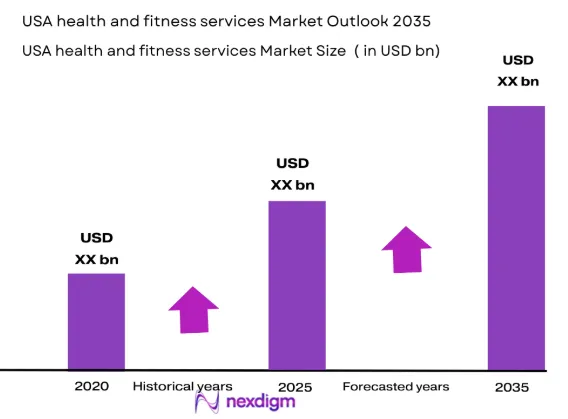
The USA Health and Fitness Services market is valued at USD ~ billion, based on recent industry assessments. The market’s growth is driven by increasing consumer health awareness, the rise in chronic diseases, and greater emphasis on wellness and fitness. The expansion of both in-person and digital fitness services, along with innovation in wearables and fitness technology, contributes significantly to the market’s positive trajectory. Moreover, the pandemic’s impact on health consciousness and the increasing adoption of at-home fitness solutions are pivotal drivers.
The dominant players in the USA Health and Fitness Services market are concentrated in cities such as New York, Los Angeles, and Miami, known for their high disposable incomes and a culture of fitness-conscious consumers. These urban hubs have seen increased demand for fitness services due to their dense population and strong health trends. Additionally, the presence of large fitness brands like Planet Fitness and Equinox in these cities strengthens their dominance. Similarly, states like California and New York lead the market due to significant investments in health-related initiatives and wellness lifestyles.
Market Segmentation
By Service Type
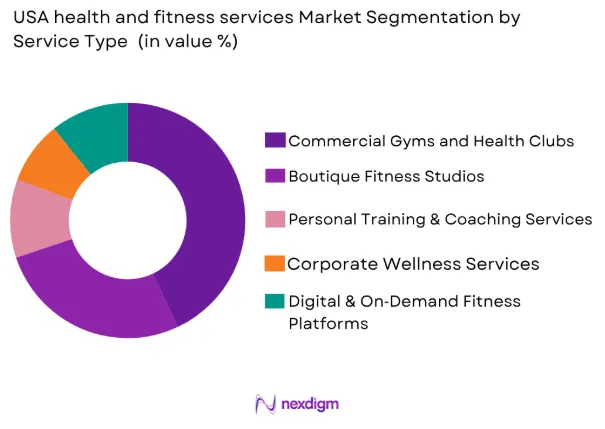
The USA Health and Fitness Services market is segmented into Commercial Gyms, Boutique Fitness Studios, Corporate Wellness Services, and Digital Fitness Platforms. Commercial Gyms: The commercial gyms segment holds the largest market share due to their mass appeal and affordability. These facilities, such as 24-Hour Fitness and Planet Fitness, cater to a wide demographic by providing diverse equipment and group classes. Their success is attributed to their accessibility, membership affordability, and extensive reach. These gyms remain a popular choice as they provide convenience, affordability, and a wide range of fitness options that meet the needs of both beginners and experienced fitness enthusiasts.
Boutique Fitness Studios: This segment has witnessed an exponential rise in recent years, especially in urban areas. The boutique fitness segment, which includes high-end specialized fitness centers such as SoulCycle and Orangetheory Fitness, focuses on providing unique, personalized, and community-based fitness experiences. This sector’s dominance is driven by affluent consumers who are willing to pay a premium for specialized services, such as yoga, pilates, cycling, and HIIT, creating a sense of exclusivity and high engagement.
By Demographic Channel
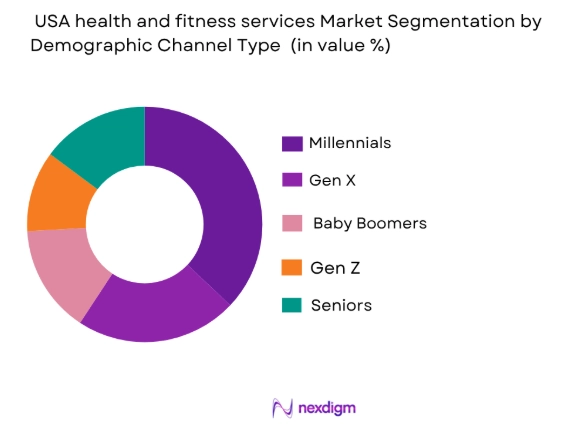
The USA Health and Fitness Services market is also segmented by Demographic Cohorts, including Millennials, Gen X, Baby Boomers, Gen Z, and Seniors (65+). Millennials: This cohort has become the dominant demographic in health and fitness services due to their high levels of fitness engagement and digital savviness. They prefer flexible membership models and are more likely to adopt fitness technologies, such as fitness apps and wearables. Millennials are also driving the growth of wellness trends, including mental health awareness, yoga, and functional fitness. This demographic’s tech-centric lifestyle and disposable income have made them the leading consumers in the fitness market.
Seniors (65+): The senior demographic, though smaller in comparison, is experiencing rapid growth. This is due to the increasing focus on aging well and the rise of programs tailored to older adults, including low-impact fitness classes, rehabilitation, and wellness services. With rising healthcare costs, seniors are increasingly investing in fitness services to improve health outcomes and reduce medical expenses. As healthcare shifts towards preventative care, seniors are becoming more engaged in maintaining fitness for longevity.
Competitive Landscape
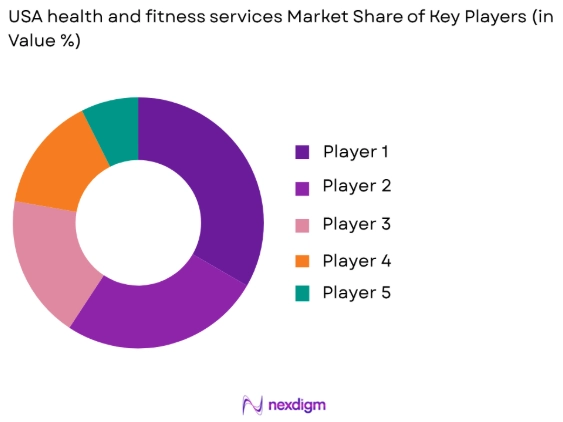
The USA Health and Fitness Services market is highly competitive, dominated by several established players. Key companies in the market include global brands such as Equinox, 24-Hour Fitness, Planet Fitness, and Orangetheory Fitness. The market also features specialized boutique studios and digital platforms like Peloton, which are gaining traction among consumers due to the flexibility they offer.These players have secured substantial market share by leveraging strong brand loyalty, comprehensive service offerings, and significant investment in marketing and technology. Additionally, the growing trend of digital fitness platforms like Peloton and online personal training has disrupted traditional models, pushing gyms to adopt hybrid service models.
| Company | Established Year | Headquarters | Revenue | Membership Base | Technology Integration | Market Focus | Service Portfolio |
| Equinox | 1991 | New York, USA | ~ | ~ | ~ | ~ | ~ |
| 24-Hour Fitness | 1983 | San Ramon, CA, USA | ~ | ~ | ~ | ~ | ~ |
| Planet Fitness | 1992 | Hampton, NH, USA | ~ | ~ | ~ | ~ | ~ |
| Orangetheory Fitness | 2010 | Boca Raton, FL, USA | ~ | ~ | ~ | ~ | ~ |
| Peloton | 2012 | New York, USA | ~ | ~ | ~ | ~ | ~ |
USA Health and Fitness Services Market Analysis
Growth Drivers
Health Awareness and Preventive Health Spending
The growing awareness around health and wellness has been a significant factor in the USA Health and Fitness Services market growth. With increased knowledge of the long-term health benefits of maintaining physical fitness, individuals are investing more in regular exercise and fitness services. Additionally, rising preventive health spending by both consumers and healthcare providers is propelling the market. People are increasingly seeking fitness programs to prevent chronic illnesses such as diabetes, heart disease, and obesity. The proactive approach to health is thus becoming a mainstream focus, further driving the growth of health and fitness services.
Rising Healthcare Costs and Need for Fitness Services
With rising healthcare costs across the United States, there has been a significant shift towards preventive care. Fitness services are being viewed as a cost-effective way to reduce long-term healthcare expenses. Many people are now opting for regular gym memberships, personal training, and wellness programs to stay fit and mitigate the risk of costly medical treatments. As healthcare providers and insurers recognize the importance of fitness in improving health outcomes, they are increasingly integrating fitness services into their offerings. This is contributing to a growing market for fitness-related services.
Challenges
High Customer Churn Rates
Customer churn remains a structural challenge in the U.S. health and fitness services market, directly affecting revenue stability and long-term profitability. Many consumers enroll in gym memberships during periods of high motivation—particularly at the start of the year—but fail to sustain consistent engagement. As a result, cancellation rates tend to rise after the initial few months. This pattern forces operators to rely heavily on continuous customer acquisition to offset losses, increasing marketing and promotional expenses. Additionally, low engagement reduces opportunities for upselling premium services such as personal training or specialized classes. The lack of personalization, inconvenient locations, and time constraints further contribute to declining member retention. Digital alternatives offering flexible, on-demand workouts have also made it easier for consumers to switch or discontinue memberships. Addressing churn requires investment in customer engagement strategies, personalized fitness plans, and community-building initiatives to enhance long-term loyalty.
Intense Competition & Market Saturation
The U.S. health and fitness services market is highly saturated, characterized by a wide range of players including traditional gyms, boutique fitness studios, and digital fitness platforms. This fragmentation has significantly intensified competition, making it difficult for companies to differentiate their offerings. Low-cost gym chains compete on affordability, while premium studios focus on specialized experiences, creating pressure across all pricing tiers. At the same time, the rapid growth of home fitness solutions and subscription-based digital services has reshaped consumer expectations toward convenience and flexibility. As a result, traditional operators must continuously innovate to remain relevant. Price competition has also eroded profit margins, particularly for mid-tier providers caught between budget and luxury segments. Furthermore, high market penetration in urban areas limits expansion opportunities, forcing companies to explore niche segments or underserved regions. Sustaining growth in such an environment requires strong branding, service differentiation, and continuous innovation.
Market Opportunities
Tele‑fitness and Hybrid Service Models
Tele‑fitness and hybrid service models are among the most exciting opportunities in the USA Health and Fitness Services market. The COVID-19 pandemic accelerated the shift toward digital fitness, where consumers can access virtual fitness classes, workout programs, and personal training sessions from home. This model combines the flexibility of digital platforms with the personal engagement of in-person services. As a result, hybrid models, offering both in-person and virtual services, have gained traction among fitness providers, catering to a wider range of consumer preferences and increasing market penetration.
Partnerships with Healthcare Providers
Healthcare providers are increasingly partnering with fitness services to offer holistic health solutions. With a growing focus on preventive healthcare, fitness services are being integrated into healthcare plans to encourage active lifestyles. Insurance companies are also supporting fitness initiatives through wellness programs that offer discounts and incentives for gym memberships and personal fitness programs. These partnerships provide a new revenue stream for fitness providers while also ensuring that consumers can access integrated health solutions that focus on overall well-being, which drives further market growth.
Future Outlook
The USA Health and Fitness Services market is poised for significant growth over the next several years. This growth is primarily driven by technological innovations, an increasing shift towards preventive health, and greater consumer demand for personalized fitness solutions. Digital fitness platforms are expected to see increased adoption, while traditional gyms and boutique fitness centers are likely to continue expanding in both physical and digital realms. The rise of hybrid membership models, where consumers engage in both in-person and virtual fitness services, is a major trend to watch.Government initiatives aimed at promoting public health and wellness, as well as evolving consumer attitudes towards self-care and fitness, will continue to fuel the market’s growth. Additionally, advancements in AI-driven fitness recommendations and wearables are expected to redefine personalized fitness experiences.
Major Players
- Equinox
- 24-Hour Fitness
- Planet Fitness
- Orangetheory Fitness
- Peloton
- LA Fitness
- Crunch Fitness
- SoulCycle
- Anytime Fitness
- Gold’s Gym
- Xponential Fitness
- Life Time
- Pure Barre
- Fitness Connection
- Barry’s Bootcamp
Key Target Audience
- Investments and Venture Capitalist Firms
- Government and Regulatory Bodies (e.g., U.S. Department of Health and Human Services, Centers for Disease Control and Prevention)
- Large Fitness Chains (e.g., Planet Fitness, 24-Hour Fitness)
- Private Equity Firms
- Insurance Providers (e.g., Blue Cross Blue Shield, UnitedHealth Group)
- Health and Wellness Platforms
- Corporate Wellness Program Managers
- Technology Providers (e.g., Wearable Fitness Tech Companies)
Research Methodology
Step 1: Identification of Key Variables
This step involves creating an ecosystem map, covering all critical stakeholders within the USA Health and Fitness Services market. The objective is to define the critical market variables through a blend of secondary data, proprietary sources, and industry interviews to provide insights into consumer behavior, service types, and regional dynamics.
Step 2: Market Analysis and Construction
In this phase, we analyze historical data on the health and fitness market’s size, segment dynamics, and key growth drivers. This step also includes assessing current and future trends like digital fitness and wearables to better understand market structure.
Step 3: Hypothesis Validation and Expert Consultation
Market hypotheses will be refined through consultations with industry experts, gym operators, and technology providers to validate assumptions and get real-world insights into the fitness landscape. The feedback from these experts will ensure data accuracy and relevance.
Step 4: Research Synthesis and Final Output
Final research involves comprehensive data verification with market participants such as fitness equipment suppliers, digital fitness platform developers, and major health brands. This will allow us to integrate the most relevant market insights into actionable forecasts and strategy recommendations.

- Executive Summary
- Research Methodology (Market Definitions and Assumptions ,Abbreviations and Acronyms, Market Sizing Approach, Primary Research Framework, Consolidated Research Approach, Market Forecasting Techniques, Limitations of Study and Future Conclusions)

- Definition and Service Scope
- Market Genesis and Evolution of Fitness Formats
- Macro Health Trends and Consumer Wellness Imperatives
- Integration of Preventive Health and Fitness
- Health Economics Impact on Service Demand

- Growth Drivers
Health Awareness and Preventive Health Spending
Rising Healthcare Costs and Need for Fitness Services
Corporate Wellness Incentives and Insurance Collaborations
Digital Transformation and At‑Home Fitness Adoption
- Market Opportunities
Tele‑fitness and Hybrid Service Models
Partnerships with Healthcare Providers
AI‑Driven Personalization of Fitness Programs
Expansion in Under‑Penetrated Regional Markets
- Challenges
High Customer Churn Rates
Intense Competition & Market Saturation
Rising Operational Costs
Shift Toward Digital & Hybrid Fitness Models - Market Trends
Shift to Experience‑Based Fitness (Boutique, High‑Touch Services)
Subscription Convergence and Platform Bundling
Integration with Wearables and Health Data Analytics
Flexible Pricing and Usage‑Based Models - Government and Regulatory Environment
Health Facility Licensing Requirements
Fitness Service Quality Standards
Data Privacy and Consumer Health Data Protection - SWOT Analysis
- Stakeholder Ecosystem Mapping
- Porter’s Five Forces Analysis
- Service Delivery Cost Structure Dynamics

- By Revenue, 2020-2025
- By Membership Volume, 2020-2025
- By Facility Footprint, 2020-2025
- By Average Revenue Per User, 2020-2025
- By Digital Engagement Index, 2020-2025

- By Service Category (In Value %)
Commercial Gyms and Health Clubs
Boutique Fitness Studios
Personal Training & Coaching Services
Corporate Wellness Services
Digital & On‑Demand Fitness Platforms - By Demographic Cohort (In Value %)
Millennials
Gen X
Baby Boomers
Gen Z
Seniors - By Membership Type (In Value %)
All‑Access Memberships
Flexible Pass / Multi‑Club Access
Virtual‑Only Membership
Corporate & Group Membership
Pay‑Per‑Session - By Distribution Channel (In Value %)
Direct Membership Sales
Third‑Party Aggregators & Apps
Employer Wellness Partnerships
Healthcare / Insurance Sponsored Programs - By Geography (In Value %)
Northeast
Midwest
South
West

- Market Share of key players
- Cross Comparison Parameters ( Company Overview, Business Strategies & Growth Models, Service Portfolio Breadth, Geographic Footprint, Revenue Mix by Service Category, Membership Economics, Pricing Models and SKU Mapping, Facility Utilization Metrics, Technology Adoption Score, Brand Equity Index, Partnerships & Alliances, Workforce Base & Certification Levels)
- SWOT Analysis of Major Competitors
- Pricing Benchmarking Across Service Formats
- Detailed Profiles of Key Market Players
Profiles of Key Competitors
Equinox Holdings Inc
Planet Fitness Inc
LA Fitness International LLC
24 Hour Fitness Worldwide Inc
Anytime Fitness (Fitness International LLC)
Life Time Group Holdings Inc
Orangetheory Fitness LLC
Crunch Fitness LLC
Gold’s Gym International Inc
The Bar Method (Barre Concepts LLC)
Xponential Fitness LLC
Town Sports International Holdings
Virgin Active USA
YMCA of the USA
CrossFit Inc

- Market Demand by User Segment
- Service Consumption Patterns
- Membership Lifecycle and Churn Analytics
- Price Sensitivity and Willingness to Pay
- Decision Drivers and Pain Points

- By Revenue, 2026-2035
- By Membership Volume, 2026-2035
- By Facility Footprint, 2026-2035
- By Average Revenue Per User, 2026-2035
- By Digital Engagement Index, 2026-2035


 Request a Sample
 Ask for Customization
 Get a Quote
 Enquire Now