
 Download PDF
Market Overview
The USA Heat Therapy Devices market is expected to experience significant growth based on a recent historical assessment. In terms of market size, it has been estimated at around USD ~ billion, driven primarily by increasing demand for non-invasive pain management methods. The surge in demand for heat therapy devices can be attributed to the rising prevalence of chronic pain conditions, sports injuries, and growing consumer awareness about the benefits of heat therapy. With a focus on home healthcare solutions, the market is also benefitting from the expansion of online retail platforms and a greater adoption of wearable therapy products.
The market is dominated by major cities across the United States, including New York, Los Angeles, and Chicago, which act as key hubs for the distribution and consumption of heat therapy devices. These regions are at the forefront due to their large healthcare infrastructure, high concentration of fitness and wellness centers, and extensive e-commerce networks. Additionally, cities like San Francisco and Miami are increasingly seeing innovations in wearable technology and personalized heat therapy systems, further accelerating growth in the sector. The dominance of these regions is also supported by strong healthcare policies and a growing trend towards holistic wellness treatments. 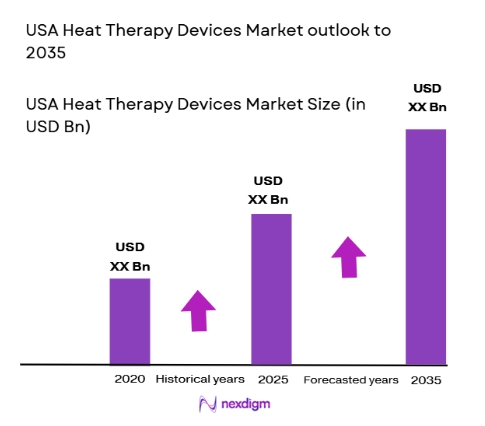
Market Segmentation
By Product Type:
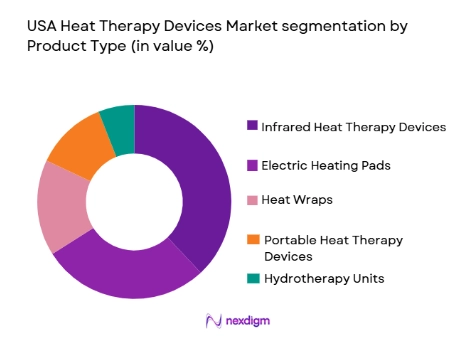
USA Heat Therapy Devices market is segmented by product type into infrared heat therapy devices, electric heating pads, heat wraps, portable heat therapy devices, and hydrotherapy units. Recently, infrared heat therapy devices have captured a dominant market share due to their widespread adoption in both consumer and clinical applications. Factors such as higher efficacy, ease of use, and the ability to deliver targeted pain relief without direct skin contact have driven the popularity of infrared heat devices. This has been further boosted by technological advancements, such as the integration of infrared technology with IoT capabilities, providing personalized treatment and connectivity to mobile apps.
By Platform Type:
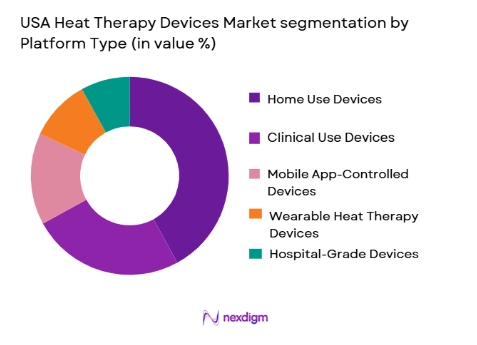
USA Heat Therapy Devices market is segmented by platform type into home use devices, clinical use devices, mobile app-controlled devices, wearable heat therapy devices, and hospital-grade devices. Home use devices have emerged as the dominant sub-segment. This is primarily driven by consumer preference for affordable and convenient solutions for pain relief at home. The growing trend of self-care and the increasing number of consumers opting for personalized healthcare solutions have greatly influenced this shift. Additionally, the market’s focus on ergonomically designed and easy-to-use devices that cater to individual needs has helped the expansion of this sub-segment.
Competitive Landscape
The competitive landscape of the USA Heat Therapy Devices market is highly dynamic, with numerous players vying for market share. The market is witnessing a trend of consolidation, with large multinational corporations acquiring smaller, innovative companies to diversify their product offerings and increase their presence in the consumer healthcare space. The influence of major players such as Philips Healthcare and Omron Healthcare has set a high standard for quality and innovation. These companies continue to dominate through strategic investments in research and development, advanced marketing strategies, and broad distribution channels.
| Company Name | Establishment Year | Headquarters | Technology Focus | Market Reach | Key Products | Revenue (USD Billion) | Innovation Index |
| Philips Healthcare | 1891 | Amsterdam, NL | ~ | ~ | ~ | ~ | ~ |
| Omron Healthcare | 1933 | Kyoto, Japan | ~ | ~ | ~ | ~ | ~ |
| Beurer | 1919 | Ulm, Germany | ~ | ~ | ~ | ~ | ~ |
| Pure Enrichment | 2010 | Los Angeles, USA | ~ | ~ | ~ | ~ | ~ |
| Sunbeam Products | 1945 | Boca Raton, USA | ~ | ~ | ~ | ~ | ~ |
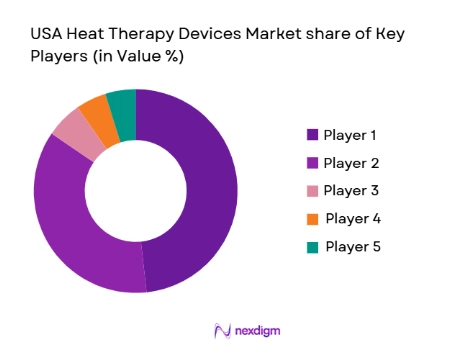
USA Heat Therapy Devices Market Analysis
Growth Drivers
Rising Adoption of Home Healthcare Solutions:
The growing preference for at-home treatment options has significantly fueled the growth of the heat therapy devices market. This shift is mainly due to the increasing prevalence of chronic pain conditions such as arthritis, back pain, and muscle soreness, which require consistent pain relief solutions. Home-based devices offer convenience, cost-effectiveness, and accessibility, making them more attractive to consumers. Furthermore, advancements in portable and easy-to-use technologies have made it more feasible for individuals to use heat therapy products at home. Consumers also have more trust in these devices, as they can easily integrate them into their daily routines. The expansion of e-commerce platforms has also facilitated the purchase of these devices, making them readily accessible to a larger number of individuals. Additionally, home healthcare solutions are supported by greater awareness about non-invasive alternatives to traditional pharmaceutical treatments, which is propelling market growth in the home healthcare segment.
Increase in Chronic Pain Management:
Another critical growth driver for the USA Heat Therapy Devices market is the rise in chronic pain management treatments. Chronic pain has become one of the most significant health challenges in the United States, with millions of individuals affected by conditions such as fibromyalgia, lower back pain, and joint-related issues. Heat therapy is widely recommended as a safe, non-invasive solution to manage pain and discomfort associated with these conditions. The increasing incidence of these health problems is directly contributing to the growing demand for effective pain management therapies. Moreover, healthcare providers are increasingly acknowledging the efficacy of heat therapy in reducing pain and improving mobility. This acceptance by the medical community has further bolstered the market, with many professionals incorporating heat therapy into their treatment protocols. As the elderly population continues to rise, the need for such therapies is expected to increase, driving the demand for heat therapy devices.
Market Challenges
High Cost of Advanced Devices:
One of the primary challenges facing the USA Heat Therapy Devices market is the high cost associated with advanced products. While heat therapy devices can be considered an effective non-pharmaceutical solution, high-end models, especially those integrated with advanced technologies like IoT or mobile app-controlled features, often come with a steep price tag. This price sensitivity limits the affordability of such devices for some consumer segments, particularly those with lower disposable incomes or inadequate healthcare coverage. Moreover, the demand for premium models is typically concentrated in urban areas, leaving rural markets underserved. As a result, the market faces a dilemma of balancing cost-effectiveness with technological advancement. To overcome this challenge, companies need to innovate and introduce cost-efficient solutions without compromising on quality, which would help expand the market to a wider range of consumers.
Regulatory and Safety Standards:
The heat therapy devices market in the United States is also faced with the challenge of navigating complex regulatory and safety standards. The U.S. Food and Drug Administration (FDA) has stringent requirements for medical devices, including heat therapy products. Manufacturers must meet specific safety and performance standards, which often leads to longer product development cycles and higher production costs. Additionally, many devices, especially those targeted at clinical applications, must undergo rigorous testing and certification before reaching the market. This process can be both time-consuming and expensive, limiting the ability of smaller companies or startups to enter the market with innovative solutions. Furthermore, with the growing number of heat therapy products on the market, maintaining consistency in quality and ensuring the safety of devices has become an increasing concern. Regulatory compliance remains a key barrier to achieving broader market adoption.
Opportunities
Expansion of Wearable Heat Therapy Devices:
A significant opportunity in the USA Heat Therapy Devices market lies in the development and expansion of wearable heat therapy devices. As consumers increasingly seek portable, discreet, and effective solutions for pain management, wearable heat therapy products are seeing a surge in demand. These devices offer the advantage of being able to deliver heat therapy while users go about their daily activities, making them ideal for busy individuals who need continuous pain relief. The integration of wearable technology with IoT and mobile apps is also creating opportunities for further customization and user engagement, allowing individuals to monitor and adjust their treatment based on real-time data. The growing popularity of fitness and wellness trends, along with increasing awareness of the benefits of heat therapy, is driving demand for these wearable solutions. This trend is likely to accelerate over the next few years as consumers continue to prioritize convenience and personalized healthcare options.
Government Support for Non-Invasive Pain Relief Solutions:
Another significant opportunity for growth in the USA Heat Therapy Devices market lies in the increasing support from the government for non-invasive pain relief solutions. With the rise of opioid addiction and the negative consequences associated with pharmaceutical treatments, there is a strong push from healthcare authorities to explore alternative, non-pharmacological pain management methods. Heat therapy devices fit into this category, offering a safe and effective alternative to prescription medications. Government initiatives aimed at reducing healthcare costs and improving public health outcomes are expected to create a favorable environment for the growth of heat therapy devices. Moreover, regulatory bodies are starting to recognize and endorse non-invasive treatments as part of a holistic approach to healthcare, which further opens up avenues for market expansion. This government backing is likely to result in favorable policies and potential subsidies for heat therapy products, thereby expanding the customer base and facilitating market penetration.
Future Outlook
The future of the USA Heat Therapy Devices market is highly promising, with a strong expected growth trajectory over the next five years. Technological advancements are expected to play a pivotal role, particularly in the development of wearable and portable heat therapy devices that integrate with mobile applications for personalized treatment. Moreover, increasing demand for non-invasive pain management, combined with growing awareness of the benefits of heat therapy, will continue to drive market growth. Regulatory support and an emphasis on healthcare innovation are likely to encourage more players to enter the market, further enhancing competition and product diversity.
Major Players
- Philips Healthcare
- Omron Healthcare
- Beurer
- Pure Enrichment
- Sunbeam Products
- TENS Care
- Zewa Inc.
- Thermotex
- HealthMateForever
- Sable Vision
- Soothing Solutions
- Nuwave Technologies
- TechCare Massager
- Miko Products
- Soothe Heat
Key Target Audience
- Investments and venture capitalist firms
- Government and regulatory bodies
- Healthcare providers
- Medical device distributors
- Fitness and wellness centers
- E-commerce platforms
- Pharmaceutical companies
- Insurance companies
Research Methodology
Step 1: Identification of Key Variables
This step involves identifying key variables that affect the market, including product types, technologies, end-user needs, and consumer behavior patterns.
Step 2: Market Analysis and Construction
Market analysis and construction focus on gathering data from primary and secondary sources to estimate market size, segment performance, and forecast trends.
Step 3: Hypothesis Validation and Expert Consultation
Hypothesis validation is performed by consulting industry experts, gathering insights, and confirming assumptions related to market dynamics and future projections.
Step 4: Research Synthesis and Final Output
The final research output synthesizes the gathered data into a comprehensive report, providing actionable insights, forecasts, and market trends.

- Executive Summary
- Research Methodology (Definitions, Scope, Industry Assumptions, Market Sizing Approach, Primary & Secondary Research Framework, Data Collection & Verification Protocol, Analytic Models & Forecast Methodology, Limitations & Research Validity Checks)

- Market Definition and Scope
- Value Chain & Stakeholder Ecosystem
- Regulatory / Certification Landscape
- Sector Dynamics Affecting Demand
- Strategic Initiatives & Infrastructure Growth

- Growth Drivers
Rising adoption of home healthcare solutions
Growing awareness about non-invasive pain relief therapies
Increase in sports-related injuries and recovery needs
Aging population leading to more chronic pain management
Technological advancements in portable heat therapy - Market Challenges
High cost of advanced heat therapy devices
Safety concerns regarding prolonged use of heat devices
Lack of regulatory standardization for over-the-counter devices
Unavailability of insurance coverage for some heat therapy devices
Competition from alternative pain relief methods - Market Opportunities
Increasing demand for wearable heat therapy devices
Potential growth in therapeutic use for mental wellness
Expanding e-commerce platforms for heat therapy products - Trends
Integration of IoT for personalized therapy
Growing preference for natural and drug-free pain management
Rise of multifunctional heat therapy devices
Focus on eco-friendly and sustainable materials
Advances in wireless and portable heat therapy systems - Government Regulations & Defense Policy
Regulations regarding product safety standards
Certification requirements for over-the-counter devices
Government initiatives to promote health technology innovations - SWOT Analysis
- Stakeholder and Ecosystem Analysis
- Porter’s Five Forces Analysis
- Competition Intensity and Ecosystem Mapping

- By Market Value, 2020-2025
- By Installed Units, 2020-2025
- By Average System Price, 2020-2025
- By System Complexity Tier, 2020-2025

- By System Type (In Value%)
Infrared Heat Therapy Devices
Electric Heating Pads
Heat Wraps
Portable Heat Therapy Devices
Hydrotherapy Units - By Platform Type (In Value%)
Home Use Devices
Clinical Use Devices
Mobile App-Controlled Devices
Wearable Heat Therapy Devices
Hospital Grade Devices - By Fitment Type (In Value%)
Full Body Heat Therapy Systems
Localized Heat Therapy Pads
Portable Heat Therapy Devices
Targeted Therapy Units
Adjustable Fitment Systems - By EndUser Segment (In Value%)
Consumers
Healthcare Providers
Athletes and Fitness Enthusiasts
Chronic Pain Patients
Elderly Care Facilities - By Procurement Channel (In Value%)
Direct Sales
E-commerce Platforms
Retail Stores
Medical Device Distributors
B2B Sales - By Material / Technology (in Value%)
Carbon Fiber Heating Elements
Silicone Heating Pads
Infrared Radiation Technology
Gel-Based Heating Pads
Nanotechnology-Integrated Heat Systems

- Market structure and competitive positioning
- Market share snapshot of major players
- CrossComparison Parameters (Revenue, Installed Units, Product Innovation, Brand Strength, Geographic Reach, Customer Support, Distribution Channels, Market Share, Pricing Strategy, Product Diversity)
- SWOT Analysis of Key Players
- Pricing & Procurement Analysis
- Key Players
Philips Healthcare
Omron Healthcare
Sunbeam Products, Inc.
ThermoFlow
Beurer
Pure Enrichment
TensCare
Zhongtai Health Tech
Fitlife Therapy
Chattanooga Group
HeatMax
Zewa Inc.
Sammons Preston
Saferelief
Medi-Dyne Healthcare Products

- Consumers increasingly opting for at-home therapies
- Medical professionals recommending non-invasive treatment methods
- Athletes utilizing heat therapy for injury prevention and recovery
- Elderly population benefiting from heat therapy for chronic pain relief

- Forecast Market Value, 2026-2035
- Forecast Installed Units, 2026-2035
- Price Forecast by System Tier, 2026-2035
- Future Demand by Platform, 2026-2035


 Request a Sample
 Ask for Customization
 Get a Quote
 Enquire Now