

 Download PDF
Market Overview
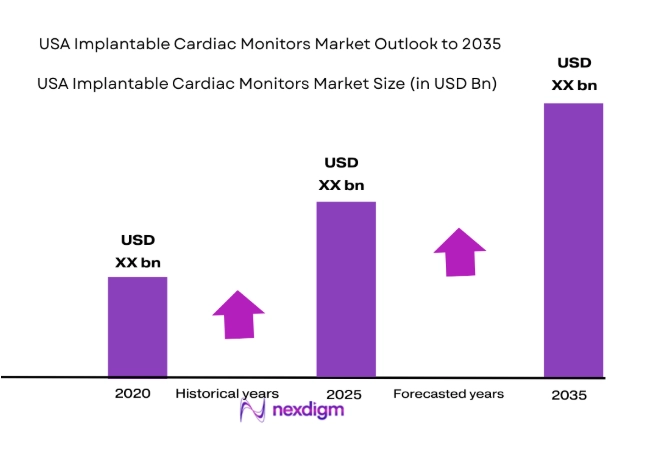
The USA implantable cardiac monitors market is valued at approximately USD ~ billion based on a recent historical assessment, with demand driven by the increasing prevalence of cardiovascular diseases and the rising adoption of advanced healthcare technologies. As of the latest data, the market is poised for growth due to advancements in miniaturization, improving device functionality, and the integration of telemedicine for remote monitoring. These trends are supported by both healthcare providers and consumers seeking more efficient cardiac care solutions, contributing to the overall market expansion.
The dominance of cities like New York, Los Angeles, and Chicago is fueled by the robust healthcare infrastructure and presence of leading medical institutions, making these regions key players in the market. These urban centers also benefit from higher rates of adoption of cutting-edge medical devices due to a combination of economic factors, accessibility to specialized care, and the availability of highly skilled medical professionals. Furthermore, the regulatory environment in these areas provides a supportive framework for the rapid introduction of new medical technologies.
Market Segmentation
By Product Type
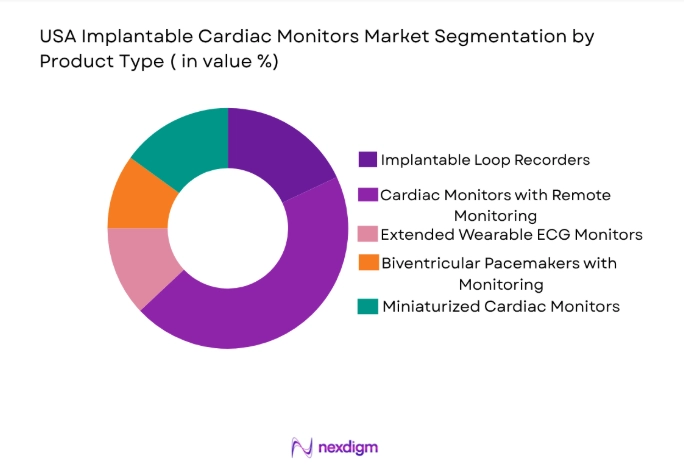
USA Implantable Cardiac Monitors market is segmented by product type into implantable loop recorders, cardiac monitors with remote monitoring capabilities, extended wearable ECG monitors, biventricular pacemakers with monitoring functions, and miniaturized cardiac monitors. Recently, cardiac monitors with remote monitoring capabilities have a dominant market share due to factors such as demand for continuous monitoring, integration with mobile health technologies, and the increasing preference for home-based healthcare. This product type offers significant benefits in terms of ease of use, real-time data transmission, and patient compliance.
By Platform Type
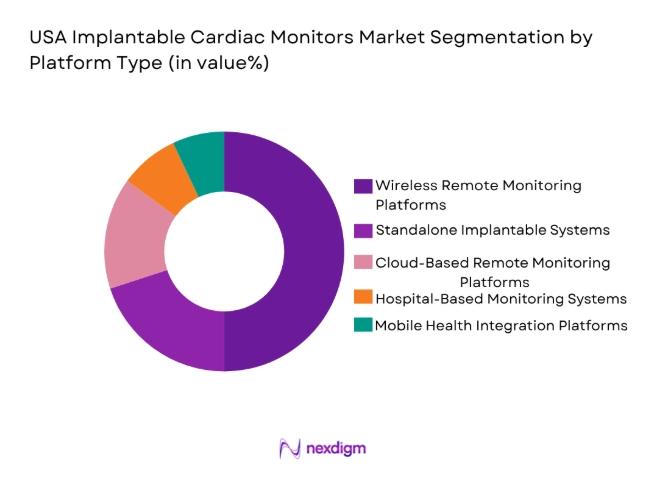
USA Implantable Cardiac Monitors market is segmented by platform type into wireless remote monitoring platforms, standalone implantable systems, cloud-based remote monitoring platforms, hospital-based monitoring systems, and mobile health integration platforms. Recently, wireless remote monitoring platforms have a dominant market share due to the increasing need for continuous monitoring, ease of integration with various health applications, and the shift towards home-based healthcare. These platforms provide a convenient and cost-effective solution for patients and healthcare providers.
Competitive Landscape
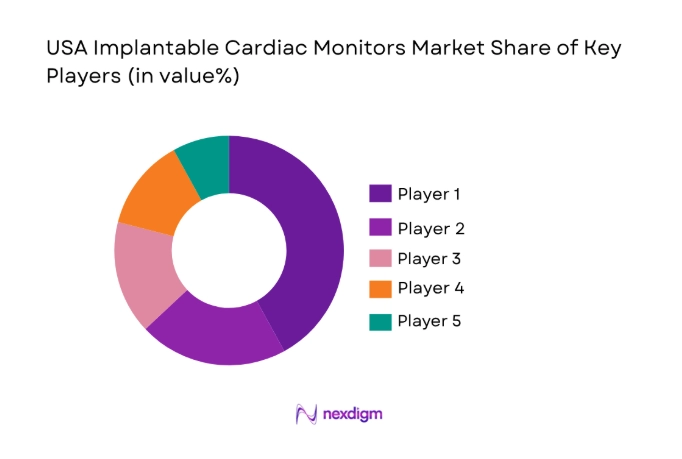
The competitive landscape of the USA implantable cardiac monitors market is characterized by a high level of consolidation, with leading global players driving innovation and setting market trends. These companies are not only focusing on expanding their product portfolios but also investing in strategic mergers and acquisitions to strengthen their market presence. The dominance of large firms is often linked to their capability to offer advanced, technologically integrated solutions and navigate complex regulatory environments.
| Company Name | Establishment Year | Headquarters | Technology Focus | Market Reach | Key Products | Revenue | Additional Parameter |
| Medtronic PLC | 1949 | Dublin, Ireland | ~ | ~ | ~ | ~ | ~ |
| Abbott Laboratories | 1888 | Abbott Park, IL, USA | ~ | ~ | ~ | ~ | ~ |
| Boston Scientific | 1979 | Marlborough, MA, USA | ~ | ~ | ~ | ~ | ~ |
| Biotronik SE & Co. KG | 1963 | Berlin, Germany | ~ | ~ | ~ | ~ | ~ |
| Philips Healthcare | 1891 | Amsterdam, Netherlands | ~ | ~ | ~ | ~ | ~ |
USA Implantable Cardiac Monitors Market Analysis
Growth Drivers
Rising Incidence of Cardiovascular Diseases
Cardiovascular diseases (CVD) are a leading cause of mortality worldwide, and the incidence of such diseases is increasing, which directly influences the demand for implantable cardiac monitors. The growing aging population, coupled with unhealthy lifestyle factors such as poor diet, lack of exercise, and increased stress, are contributing to the rise in cardiovascular diseases. This trend is increasing the need for continuous monitoring solutions to track heart health. As the demand for efficient and long-term monitoring of patients with CVD rises, the market for implantable cardiac monitors is expected to witness substantial growth in the coming years. Furthermore, healthcare systems worldwide are focusing on improving patient outcomes, which is driving the adoption of advanced cardiac monitoring devices in hospitals, clinics, and homecare settings.
Technological Advancements in Implantable Devices
Another key growth driver for the implantable cardiac monitors market is the rapid pace of technological advancements in the field of cardiac monitoring devices. Innovations such as miniaturization, wireless connectivity, and integration with mobile health applications have significantly improved the functionality and ease of use of these devices. These advancements enable real-time monitoring and prompt detection of any abnormalities, thereby improving patient outcomes. Additionally, the growing adoption of telemedicine and remote patient monitoring is further boosting the demand for advanced implantable cardiac monitors. As technologies evolve, they allow for more efficient diagnosis and management of heart conditions, making these devices increasingly accessible to a wider range of patients, including those in remote or underserved regions.
Market Challenges
High Cost of Implantable Cardiac Monitors
One of the significant challenges facing the implantable cardiac monitors market is the high cost of the devices, which limits their widespread adoption. These devices require extensive research, development, and manufacturing processes to ensure reliability, accuracy, and long-term performance. As a result, the costs associated with implantable cardiac monitors are relatively high, making them unaffordable for certain patient segments, particularly in developing regions. Although healthcare providers may cover some of the costs through insurance, patients in countries with less comprehensive insurance programs may face challenges in accessing these devices. Additionally, the upfront costs of implantation procedures, which include not only the devices but also the associated medical procedures, may discourage many patients from opting for such treatments. This high cost is a significant barrier to broader adoption and market growth.
Regulatory and Approval Delays
Regulatory hurdles are another significant challenge for the implantable cardiac monitors market. These devices must undergo rigorous clinical trials and receive approval from regulatory bodies such as the FDA before they can be marketed, which often results in long delays. The approval process can be expensive and time-consuming, adding to the financial burden on manufacturers. Additionally, the regulatory standards for implantable devices are continuously evolving, which can require companies to invest further in product updates and compliance measures. In some regions, the regulatory environment may be stricter, making it more difficult for manufacturers to introduce new products. These challenges slow the pace of innovation and hinder the timely availability of new and improved cardiac monitoring technologies.
Opportunities
Expansion of Remote Healthcare and Telemedicine
The growing trend of telemedicine and remote healthcare is creating significant opportunities for the implantable cardiac monitors market. With the increasing adoption of digital health solutions, patients now have greater access to healthcare services from the comfort of their homes. Implantable cardiac monitors, when integrated with remote monitoring systems, can provide continuous data to healthcare providers, enabling them to manage patients’ conditions in real-time without requiring frequent in-person visits. This is particularly beneficial for patients with chronic heart conditions who require regular monitoring. The convenience and cost-effectiveness of remote healthcare are driving the adoption of implantable cardiac monitors, creating a favorable market environment. As telemedicine continues to expand, the demand for these monitoring devices is expected to rise significantly.
Increasing Focus on Preventative Healthcare
Another key opportunity for the implantable cardiac monitors market is the growing emphasis on preventative healthcare. With the rising incidence of heart disease, healthcare systems and providers are focusing on early diagnosis and intervention to prevent severe complications and reduce the long-term healthcare burden. Implantable cardiac monitors play a crucial role in early detection by continuously monitoring heart activity and identifying abnormal patterns that may indicate the onset of a cardiac event. As awareness of the importance of preventative healthcare grows, patients and healthcare providers are increasingly turning to implantable cardiac monitors to detect early signs of heart disease. This trend is expected to drive the demand for these devices as part of broader efforts to manage and prevent cardiovascular conditions effectively.
Future Outlook
The future outlook for the USA implantable cardiac monitors market is promising, with expected growth driven by technological advancements, increasing demand for remote monitoring solutions, and supportive regulatory frameworks. As healthcare providers adopt more patient-centric models, there will be a greater focus on personalized medicine, which could further boost the demand for implantable cardiac monitors. Additionally, innovations in wireless and AI-powered monitoring systems are expected to enhance the accuracy and usability of these devices.
Major Players
- Medtronic PLC
- Abbott Laboratories
- Boston Scientific Corporation
- Biotronik SE & Co. KG
- Philips Healthcare
- CardioComm Solutions, Inc.
- Nihon Kohden Corporation
- Hill-Rom Holdings, Inc.
- LivaNova PLC
- St. Jude Medical, Inc.
- Edwards Lifesciences Corporation
- GE Healthcare
- Fujifilm Holdings Corporation
- Schiller AG
- Toshiba Medical Systems Corporation
Key Target Audience
- Investments and venture capitalist firms
- Government and regulatory bodies
- Medical device manufacturers
- Healthcare providers
- Cardiology clinics
- Remote patient monitoring solution providers
- Insurance companies
Research Methodology
Step 1: Identification of Key Variables
Key variables, including market size, growth trends, and competitive dynamics, are identified based on primary and secondary research.
Step 2: Market Analysis and Construction
The market landscape is analyzed by segmenting data into key categories, such as product types and platform types, to construct a comprehensive view of the market.
Step 3: Hypothesis Validation and Expert Consultation
Market hypotheses are tested and validated through consultations with industry experts and stakeholders, ensuring the accuracy of market projections.
Step 4: Research Synthesis and Final Output
The findings from all research phases are synthesized into a comprehensive report that provides actionable insights and market forecasts.

- Executive Summary
- Research Methodology (Definitions, Scope, Industry Assumptions, Market Sizing Approach, Primary & Secondary Research Framework, Data Collection & Verification Protocol, Analytic Models & Forecast Methodology, Limitations & Research Validity Checks)

- Market Definition and Scope
- Value Chain & Stakeholder Ecosystem
- Regulatory / Certification Landscape
- Sector Dynamics Affecting Demand
- Strategic Initiatives & Infrastructure Growth

- Growth Drivers
Rising Incidence of Cardiovascular Diseases
Technological Advancements in Cardiac Monitoring Systems
Growing Preference for Remote Patient Monitoring - Market Challenges
High Initial Costs of Implantable Devices
Regulatory Hurdles for New Devices
Limited Awareness in Underdeveloped Regions - Market Opportunities
Expansion of Remote Healthcare Systems
Increased Focus on Minimally Invasive Procedures
Rising Demand for Personalized Healthcare - Trends
Integration of AI and Machine Learning in Cardiac Monitoring
Shift Towards Home-Based Monitoring Solutions - Government Regulations
- SWOT Analysis
- Porter’s Five Forces

- By Market Value, 2020-2025
- By Installed Units, 2020-2025
- By Average System Price, 2020-2025
- By System Complexity Tier, 2020-2025

- By System Type (In Value%)
Implantable Loop Recorders
Cardiac Monitors with Remote Monitoring Capabilities
Extended Wearable ECG Monitors
Biventricular Pacemakers with Monitoring Functions
Miniaturized Cardiac Monitors - By Platform Type (In Value%)
Wireless Remote Monitoring Platforms
Standalone Implantable Systems
Cloud-Based Remote Monitoring Platforms
Hospital-Based Monitoring Systems
Mobile Health Integration Platforms - By Fitment Type (In Value%)
Intracardiac Fitment
Subcutaneous Fitment
Epicardial Fitment
Leadless Fitment - By End User Segment (In Value%)
Hospitals and Cardiology Centers
Home Healthcare Providers
Ambulatory Surgical Centers

- Market Share Analysis
- Cross Comparison Parameters (Market Share, Technology Penetration, End-User Adoption, Price Sensitivity, Competitive Intensity, Regulatory Compliance, Innovation and R&D Investment)
- SWOT Analysis of Key Competitors
- Pricing & Procurement Analysis
- Key Players
Medtronic PLC
Abbott Laboratories
Boston Scientific Corporation
Biotronik SE & Co. KG
Philips Healthcare
CardioComm Solutions, Inc.
Nihon Kohden Corporation
Hill-Rom Holdings, Inc.
LivaNova PLC
St. Jude Medical, Inc.
Edwards Lifesciences Corporation
GE Healthcare
Fujifilm Holdings Corporation
Schiller AG
Toshiba Medical Systems Corporation

- Hospitals and Clinics’ Adoption Rates
- Role of Home Healthcare Providers in Remote Monitoring
- Ambulatory Surgical Centers’ Increasing Contribution
- Insurance Coverage for Cardiac Monitoring Devices

- Forecast Market Value, 2026-2035
- Forecast Installed Units, 2026-2035
- Price Forecast by System Tier, 2026-2035
- Future Demand by Platform, 2026-2035


 Request a Sample
 Ask for Customization
 Get a Quote
 Enquire Now